
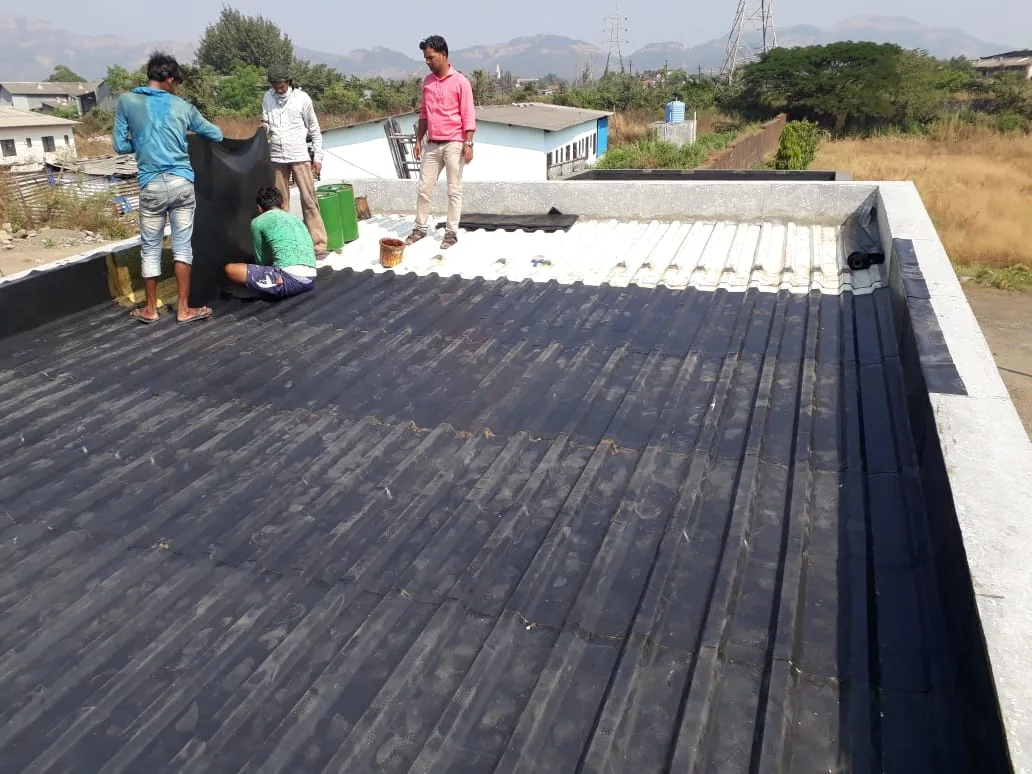
EPDM Roofing in Huntington Beach, CA
A dark membrane can hide a small opening until water reaches an interior finish. Commercial Roofers Huntington Beach inspects, repairs, and replaces EPDM roofs in Huntington Beach, CA, by tracing the water path and checking the rubber sheet, seams, edges, and penetrations together. We identify the membrane and its attachment before choosing a patch or broader work. If a leak is active, the first safe step is to protect people and contents below, then limit roof access while the source is evaluated.
The Gothard Street Subarea includes warehouses, manufacturing, auto repair, retail, and offices. Along the Pacific Coast Highway coastal corridor, visitor-serving businesses can have a different access rhythm. The nearby Newport Beach Harbor record shows a wetter winter and almost dry summers. We prioritize drainage and a documented dry-in plan, while current conditions determine each installation window.
What makes an EPDM roof hold together?
EPDM is a flexible synthetic-rubber membrane used on many low-slope commercial roofs. The sheet works with seams, perimeter edges, flashing, insulation, and the deck beneath it. Seams may use tape or adhesive; flashing connects the membrane to walls, drains, curbs, and changes in plane. Attachment and cover board affect how the assembly carries loads and accepts a repair.
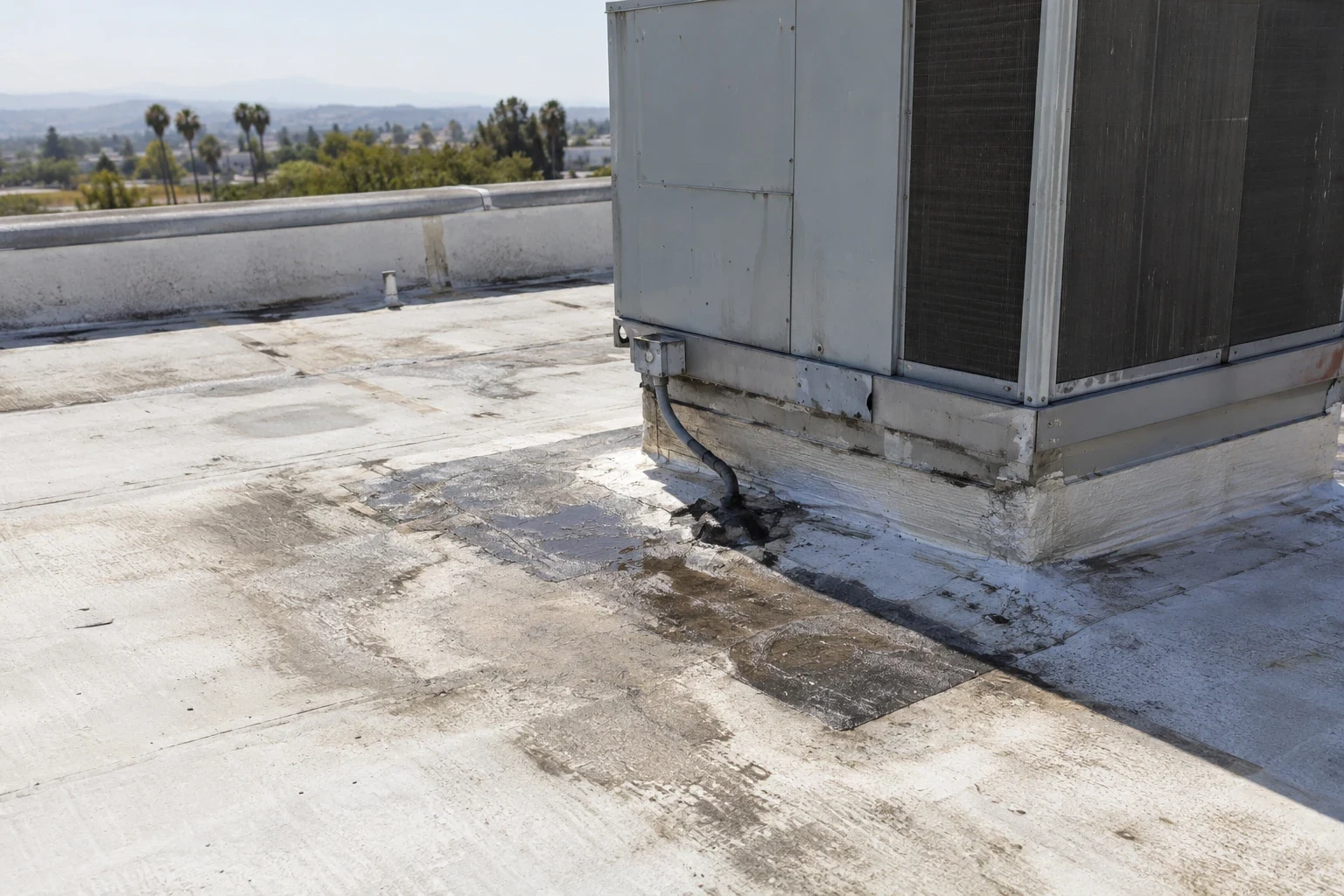
Age alone does not show where failure began. A seam may separate because of a weak bond, movement, contamination, or an earlier detail. A puncture can be visible while wet insulation extends beyond it. At a drain, a loose termination may interrupt the path to the bowl. We inspect related conditions, note where water enters and appears inside, and separate a local defect from a system concern. That evidence helps set an appropriate repair boundary.
How do seams, flashings, and drains get checked?
We follow the roof’s drainage pattern and review field seams, patches, edges, penetrations, equipment supports, parapets, and drains or scuppers. At each location, we check membrane continuity and the route water takes off the roof. We look for open laps, wrinkles, cuts, loose flashing, blocked drainage, and recurring ponding without treating one clue as a complete diagnosis.
Interior stains may be offset from the roof opening as water travels above a finish. We locate the rubber-roof symptom against the rainfall report and identify any concealed-moisture check needed to establish what can remain. The Northwest Industrial Subarea spans business parks, technology, industrial, and commercial uses; active facilities may require escorts or equipment coordination. A commercial roof inspection examines the rubber field and neighboring details together; active entry calls for commercial leak repair once its route is established.
Which repair method fits the membrane?
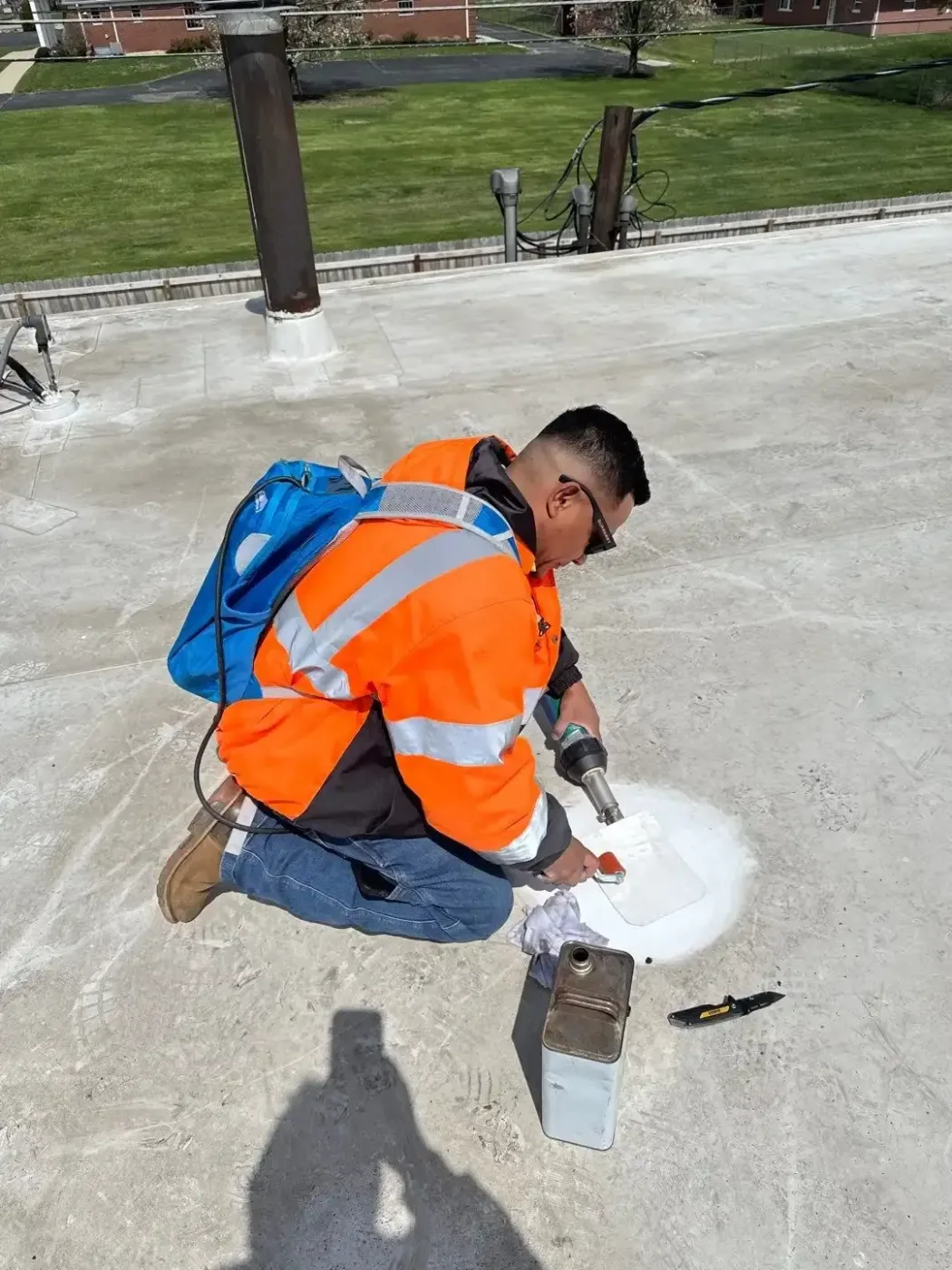
EPDM repairs depend on the existing sheet, surface condition, and failed detail. A compatible patch may address a localized puncture after proper cleaning and preparation. A seam problem needs a seam-specific correction; covering it with an unrelated patch can leave the bond failure in place. Flashing work must restore continuity around its penetration, while drain work should preserve flow into the drain assembly.
Dust, moisture, oxidation, old adhesive, and incompatible residue can prevent adhesion. We identify what must be removed and confirm the surface is ready before applying repair material. If the sheet is brittle, widely patched, or poorly attached, a small repair may not hold. The scope should state the observed condition, proposed limit, and reason for any broader correction. Temporary protection can control exposure until conditions allow permanent repair. Compare the system details with TPO roofing and PVC roofing when evaluating a replacement path.
When is replacement a better decision?
Replacement becomes more likely when failures span the roof, moisture affects substantial insulation, the membrane has lost flexibility, or repeated repairs no longer control leaks. Broader work may also be needed to correct drainage, edges, or attachment. The decision should follow inspection evidence rather than age alone.
Before a recover or replacement, evaluate moisture, structural capacity, code requirements, and system compatibility. Added layers increase weight and can conceal wet material; removal may be needed where the substrate is compromised. A retained rubber membrane must have enough sound receiving area around every proposed tie-in. We examine old adhesive residue and the condition of the supporting board before another assembly is selected. Changing insulation thickness can leave an existing termination too low, even if its old seal remains intact. We include that alteration and the applicable project review in the scope so the repaired seam is part of a workable assembly rather than an isolated strip.
How does the building schedule shape EPDM work?
Access belongs in the repair plan. Warehouses need clear loading routes, manufacturing sites may have process equipment that cannot stop, and visitor-facing properties can require off-peak staging. In the Beach and Five Points area, hospitality, dining, and entertainment activity can affect equipment movement. We confirm the work window, access point, roof restrictions, and protection below before mobilization.
Weather affects adhesives, seam products, and exposed work. Newport Beach Harbor records offer a nearby coastal reference: annual rain falls mainly in winter, while summer averages are close to dry. Santa Ana events can bring warm, dry offshore conditions. We check the current forecast and product requirements instead of using climate averages to approve a work day. The owner should also know who can authorize scope changes and how newly found conditions will be communicated if work pauses.
What should the EPDM closeout include?
A useful closeout identifies the inspected area, shows the defect before work, describes preparation and materials, and photographs the completed detail. It should say whether nearby seams, drains, and edges were reviewed and whether moisture testing occurred. List unapproved conditions separately with a next step.
These records help facilities teams compare later leaks with prior work and plan maintenance. A spot repair documents one area, not the entire roof system. Record the inspection date, weather conditions, cleaning, service calls, and any equipment changes that affect future roof access or drainage. Check applicable warranty terms and authorized repair procedures before work, then retain product documentation. Keep drains clear, avoid unapproved traffic, and report new interior moisture promptly. Water can enter elsewhere or travel before appearing indoors, so a measured follow-up can establish whether the repair held and whether another detail needs attention.
Commercial Roofing Questions
Can an EPDM roof be repaired while the building remains open?
Often, roof work can be staged around operating hours, but access, noise, odors, and protection below must be reviewed first. We confirm the route and work window with the property contact. An active leak may need immediate protection while permanent work waits for suitable conditions.
Will a patch stop every leak on an EPDM roof?
A compatible patch can correct a localized puncture when the surrounding membrane is sound and dry. It will not fix a failed seam elsewhere, wet insulation, a blocked drain, or loose flashing. The inspection should identify the likely water route and verified repair limit.
How do you know whether EPDM insulation is wet?
Surface appearance alone may not establish conditions below the membrane. We compare interior evidence with roof observations and can recommend moisture testing when it could change the scope. Results should identify the locations and method, along with any untested areas.
Does an EPDM replacement require removing the existing roof?
That depends on moisture, attachment, condition, structural capacity, and the proposed system. A recover is an option only when the existing roof is a suitable base and requirements are met. Removal may be needed for wet or unsound material; confirm the approach before pricing and permits.
What information should I have before requesting an EPDM inspection?
Bring the building address, access instructions, leak locations and timing, and prior repair or warranty records. Interior photos can help locate a report but do not replace roof inspection. We can coordinate access and explain whether additional testing is appropriate.
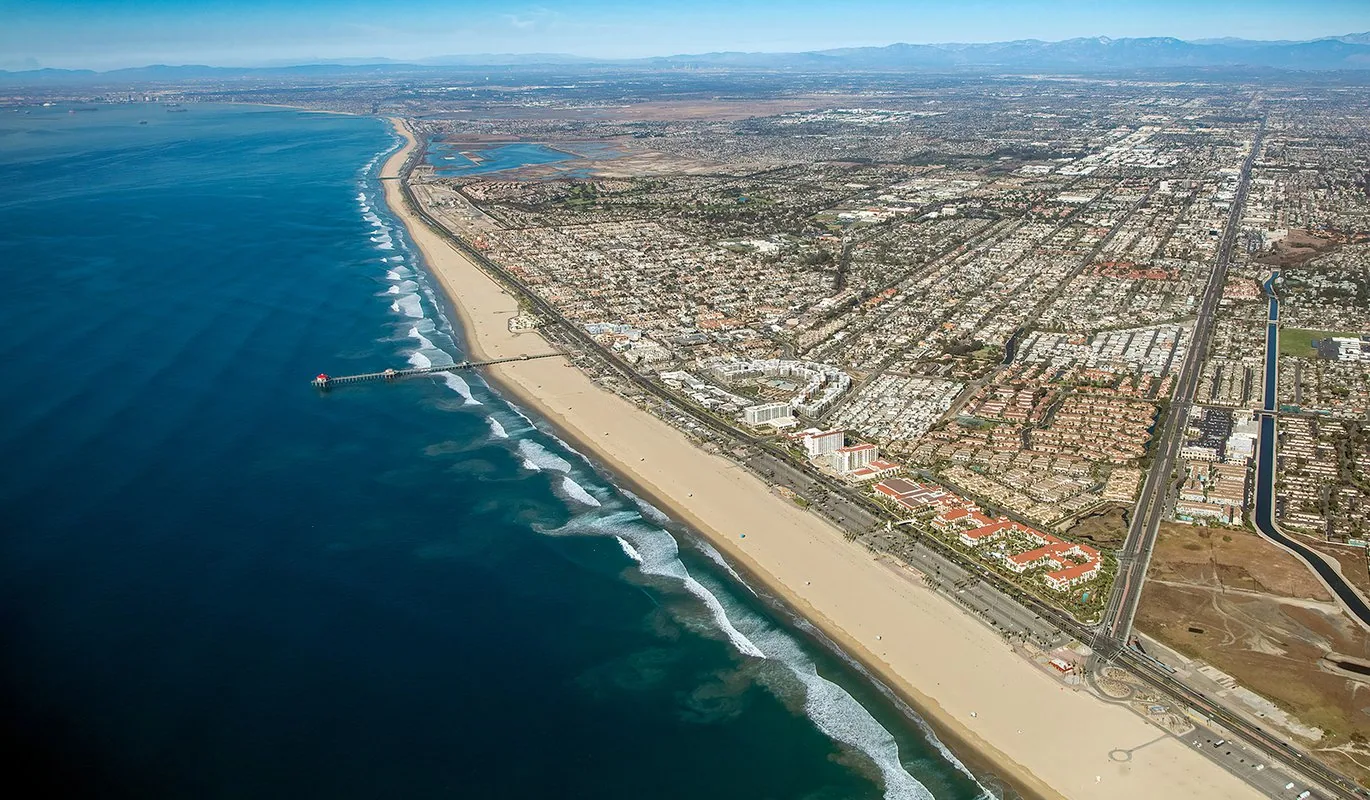


Proudly Serving Huntington Beach and Nearby Cities

Commercial Roofers Huntington Beach
Huntington Beach, Westminster, Seal Beach, Fountain Valley,
Garden Grove, Newport Beach and nearby Orange County cities