
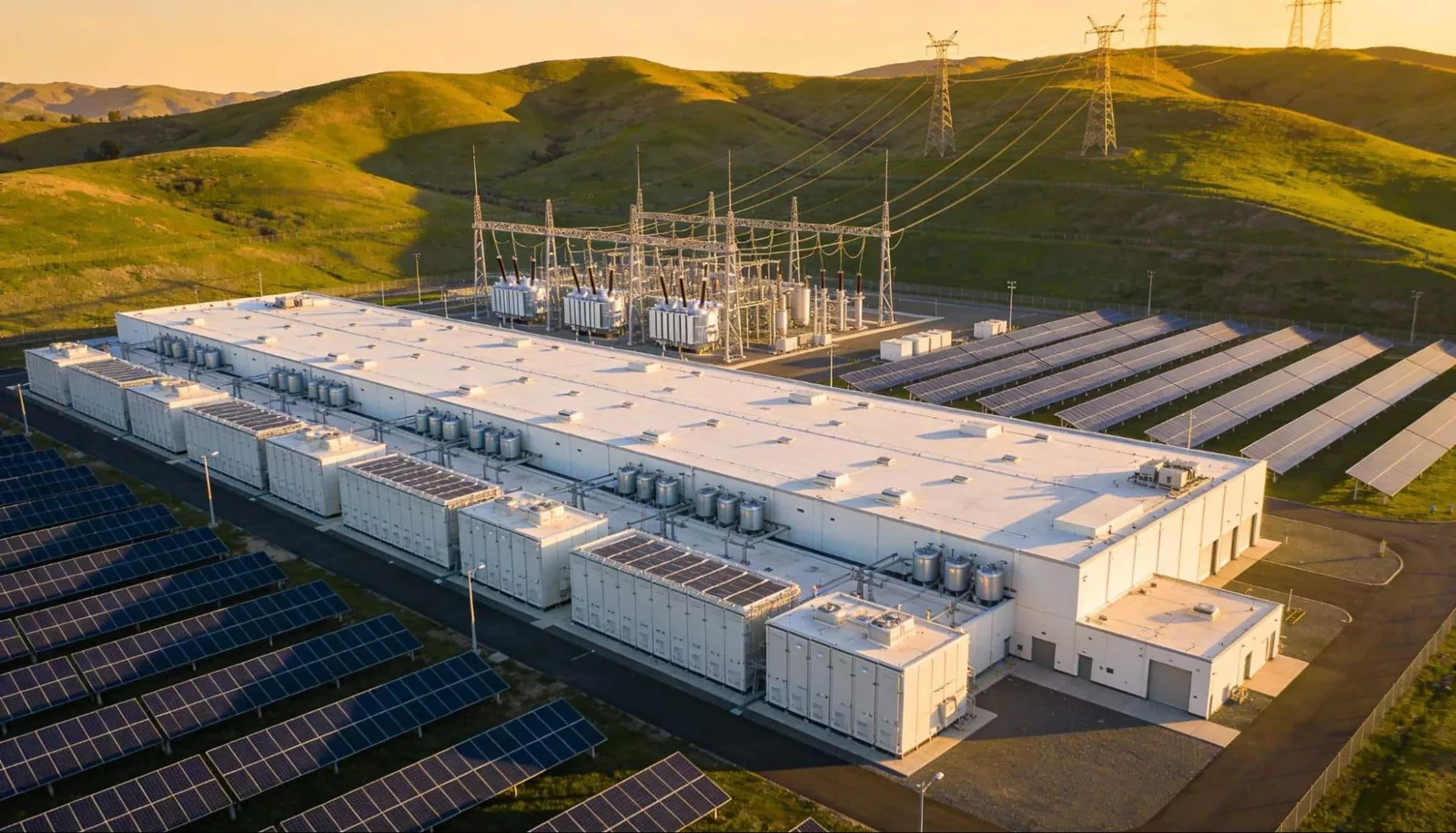
Data Center Roofing in Huntington Beach, CA
Moisture reported beside critical power equipment or cooling infrastructure changes how the roof visit is authorized. The site contact identifies the affected zone, equipment sensitivity, access restrictions, and any load that cannot be interrupted. We protect an active roof opening, then trace the water route and record the condition before discussing a permanent detail. The Northwest Industrial Subarea of Huntington Beach, CA, includes research-technology activity, large offices, business parks, and industrial-spec buildings. That context does not reveal a facility's systems; the data center team sets the operating boundary for inspection.
The nearby Newport Beach Harbor station represents a mild marine-coast climate, with moderate temperatures and most normal rain in winter. A roof still needs a clear drain path and a protection plan for the actual work window. We map HVAC and exhaust equipment, conduits, supports, penetrations, and low points before choosing a repair boundary. The facility receives the observed condition, areas not accessed, and any test needed to distinguish a surface defect from concealed moisture.
What must stay protected during a roof walk?
Before access, confirm escort rules, roof hatch control, camera or sensor restrictions, delivery routes, and which mechanical areas require notice. We identify the approved path and avoid staging over intakes or equipment that the operations team designates as sensitive. A roof plan should label separate buildings and additions. The facility manager can then connect each inspection area to electrical, cooling, and support spaces without exposing sensitive layouts beyond the people who need the record.
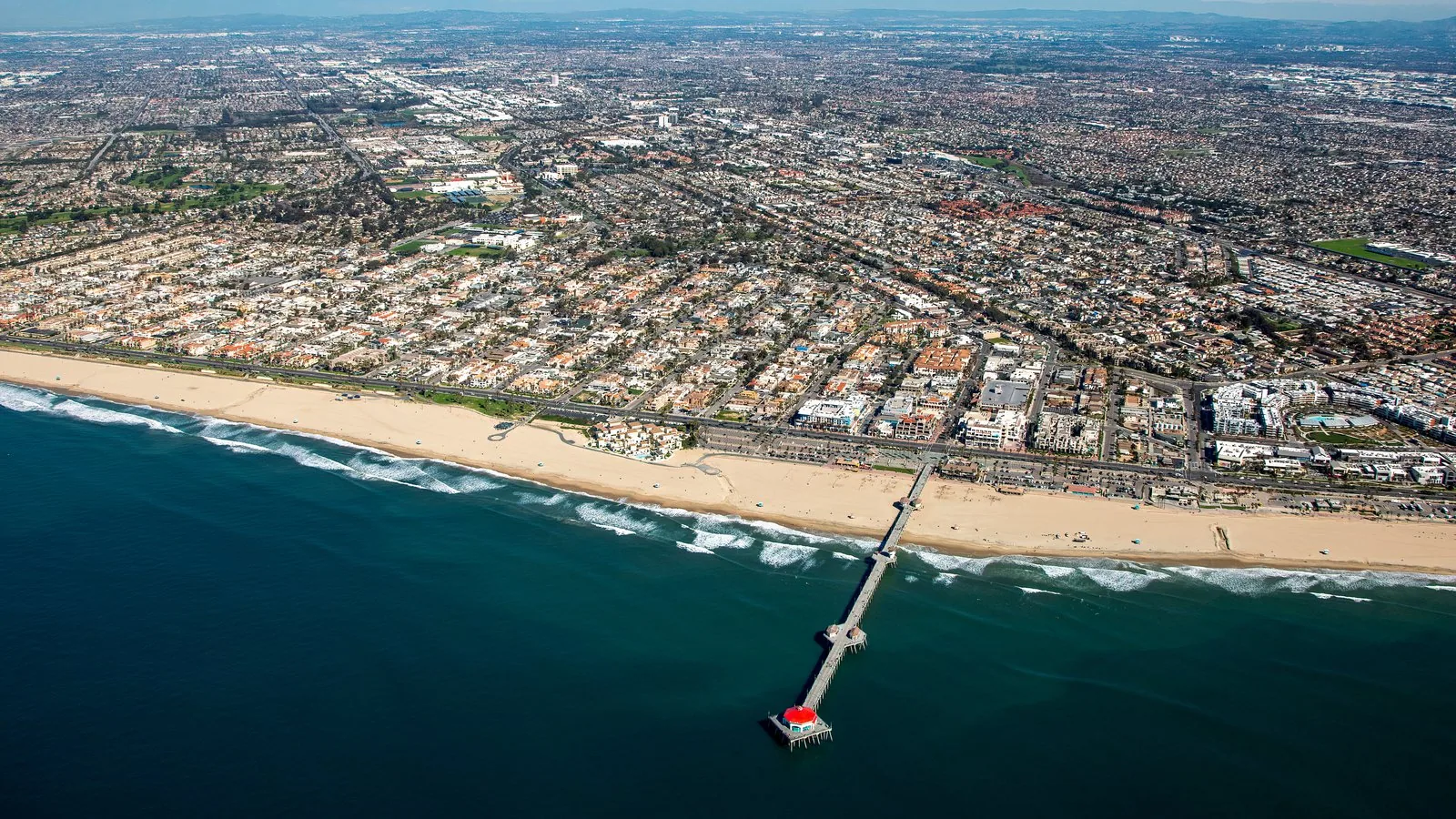
Huntington Beach's Northwest Industrial Subarea is bordered by I-405 and commercial development, and contains large offices as well as industrial and research uses. Those local patterns can influence dispatch and traffic planning, but security and roof access are site-specific. A Northwest Industrial roof visit begins with the facility contact's access conditions. We agree who escorts the crew, where tools may travel, and what information can appear in photographs before entering the roof.
How do cooling units change roof detailing?
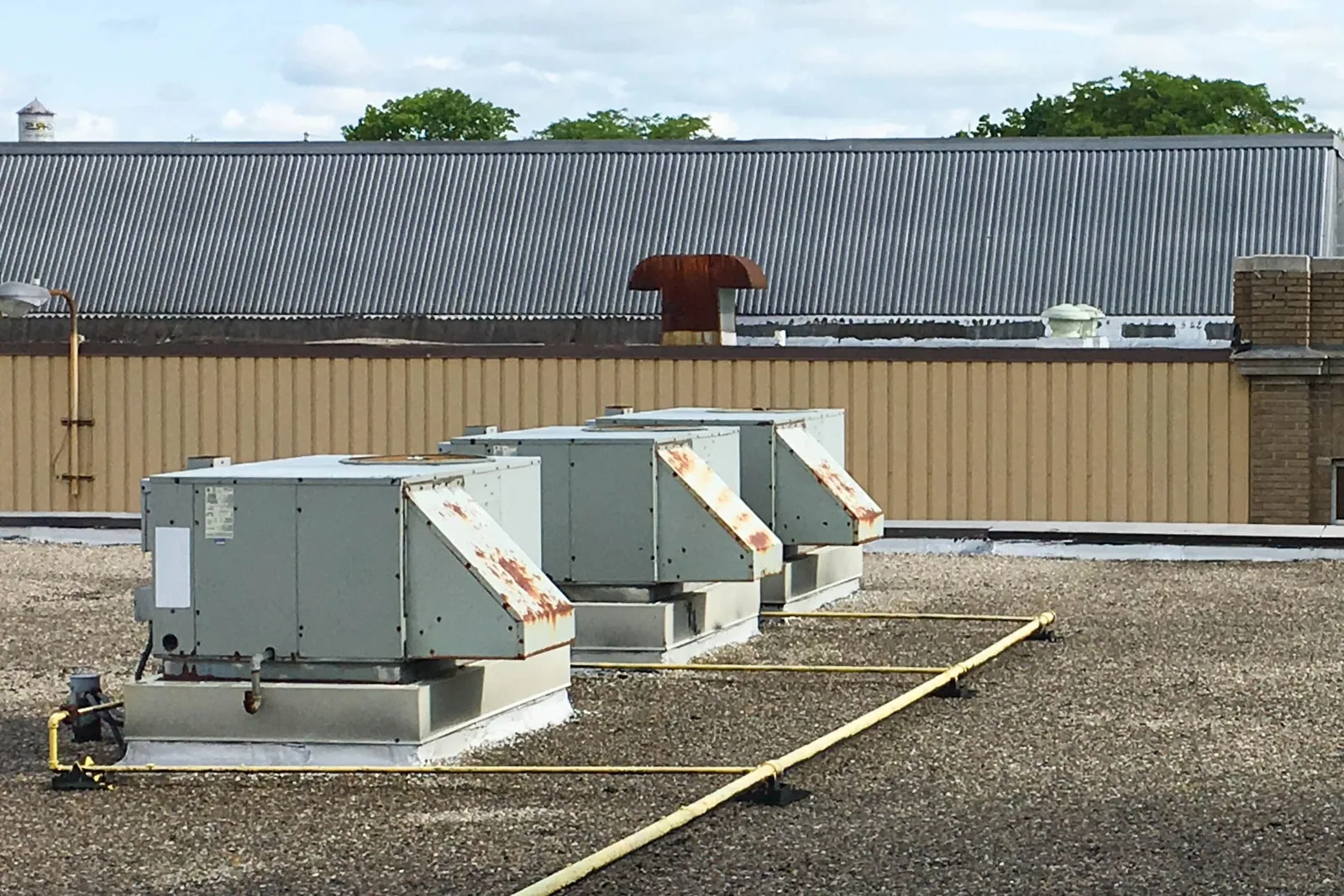
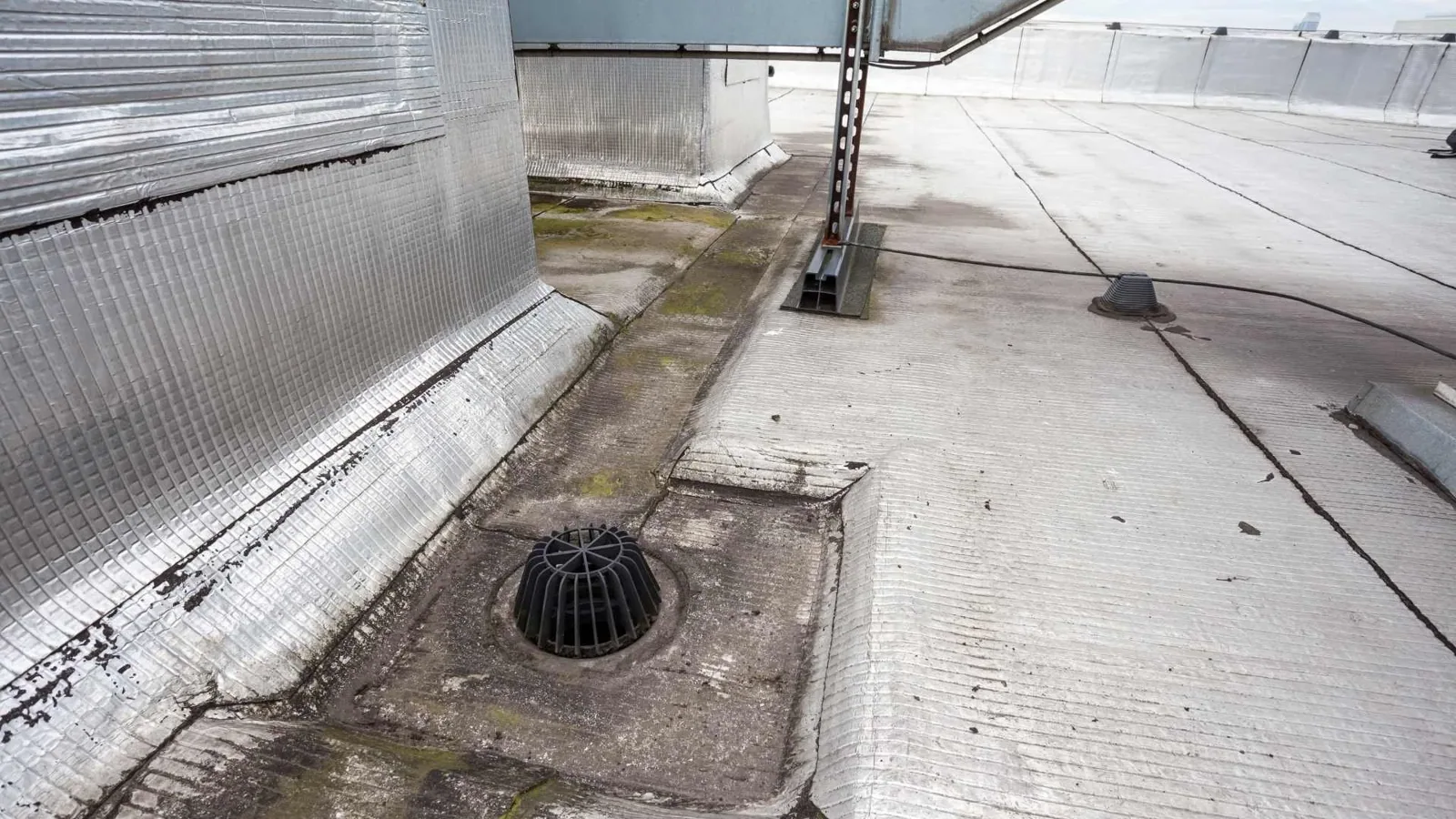
Cooling units create concentrated roof interfaces: curbs, piping, electrical conduit, support rails, condensate lines, and maintenance paths. We inspect curb attachment, flashing height, membrane tie-in, support bearing, and clearance for service. A new unit can alter curb dimensions or require a different route for piping. The roofing and mechanical scopes should identify who measures, lifts, disconnects, and restores each connection, as well as who checks the completed transition.
If cooling equipment must remain online, we confirm the roof work zone and temporary protection before material is removed. The crew keeps drains clear and protects the path used by service technicians. A curb and support review can identify needed changes before a roofing sequence is set. A office-building roof review connects each zone to access controls and the building contact's approval path, without assuming which system can be shut down.
Where can water affect a critical area?
Water may enter at a seam, curb, wall transition, or drain and travel before an alarm or interior mark appears. We compare the reported location with the roof layout, slope, equipment, and previous repairs. The inspection documents open laps, ponding marks, damaged flashing, or wet-material indications separately. If a roof layer is concealed and could change the repair quantity, we propose a limited test and a restoration detail before opening it.
A data center's water response should state which room or equipment area needs protection and what route the crew can use. The roof report can map the likely source while keeping security-sensitive room details restricted to the facility's process. A marked inspection ties each observation to a roof zone. Where drainage is implicated, drain and scupper work addresses a confirmed outlet issue, while membrane or flashing repairs remain a separate item.
What conditions set the daily work window?
Winter precipitation is the main normal rainfall pattern in coastal Orange County. A work plan should check the current forecast, roof-surface condition, and time needed to close each exposed area. Newport Beach Harbor's monthly normals are a nearby reference, not a promise about conditions at the data center on a given day. We divide work into sections that can be secured by the end of the shift and record temporary protection separately from completed roofing.
Santa Ana events can bring warmer, drier offshore conditions and higher coastal temperatures. We monitor live wind and surface conditions when handling long materials, applying adhesives, or securing a temporary cover. If the conditions change, the manager receives the remaining dry-in boundary and the next safe action. Material staging and lift access remain coordinated with the site contact, particularly where a service road also carries equipment deliveries or emergency access.
When is a repair enough for the assembly?
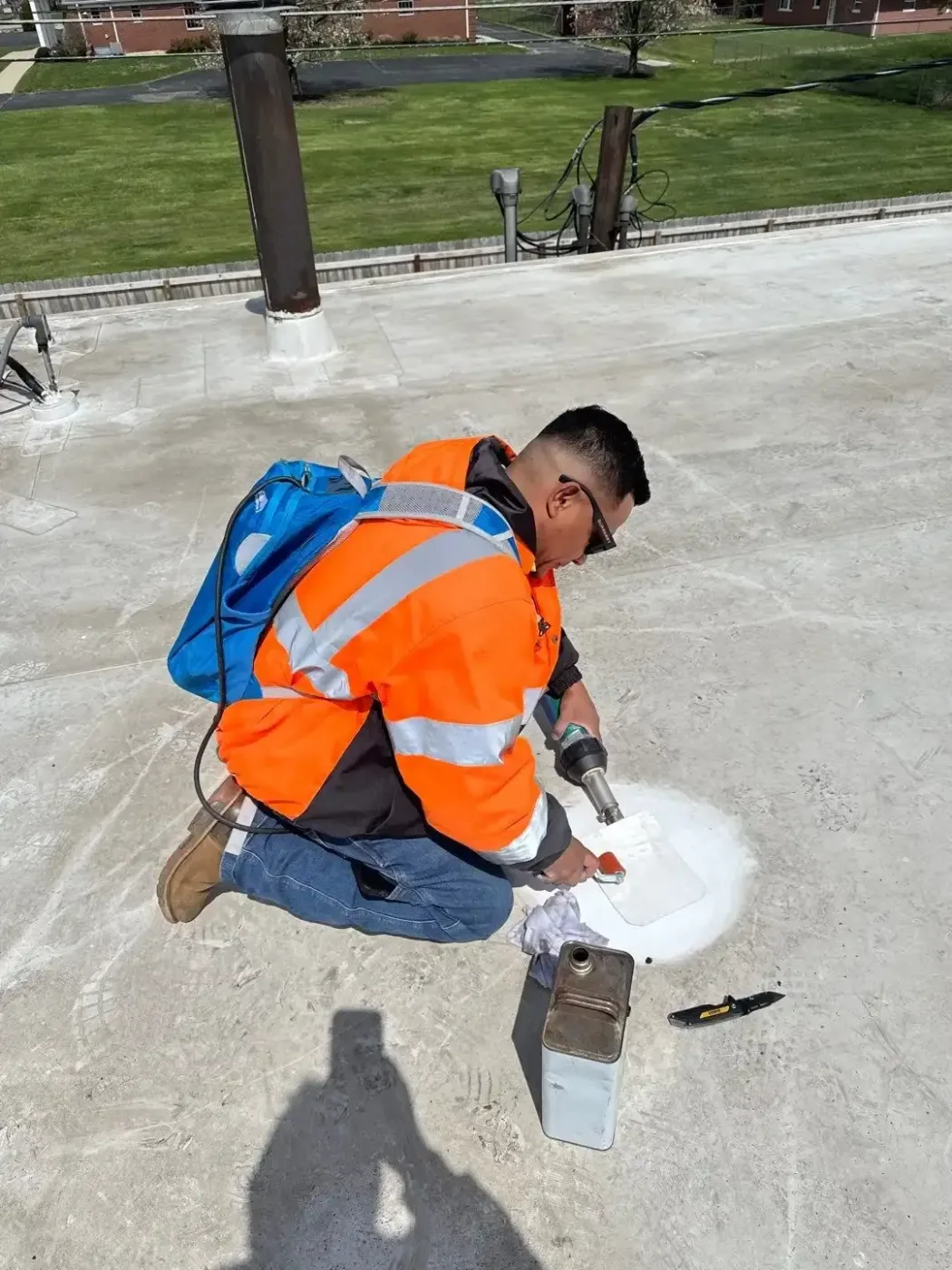
A localized repair may be suitable when the defect is bounded, the adjacent membrane remains attached, and the substrate is sound. Repeated failures at curbs, seams, or perimeter details may require a broader investigation. We identify the affected area, compatible materials, preparation, test needs, and the follow-up check. A commercial roof repair scope keeps each confirmed defect separate from an allowance for concealed conditions.
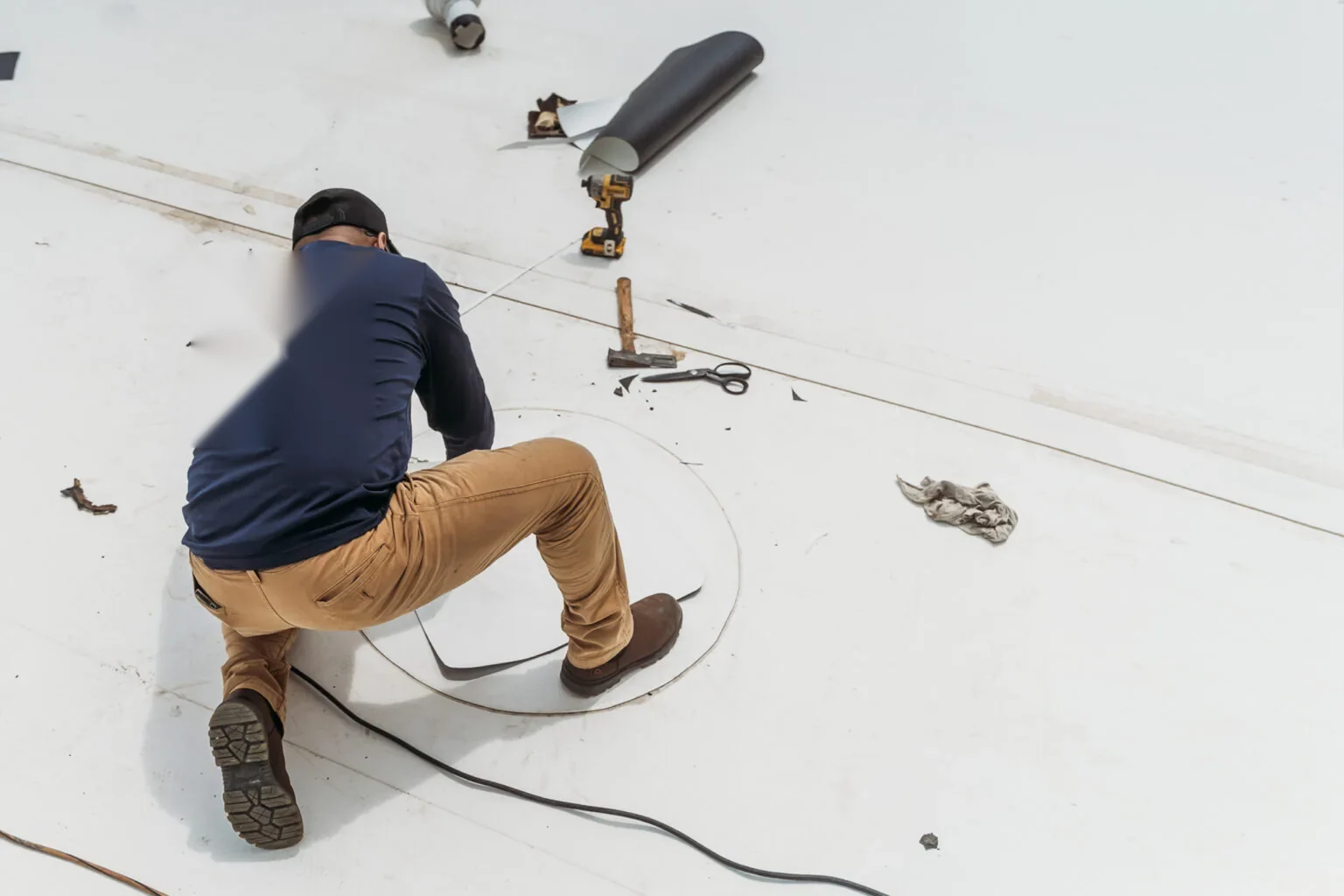
A recover evaluation checks existing layers, moisture, attachment, drainage, edge height, penetrations, and load. Replacement planning adds equipment sequencing, insulation, cover board, perimeter details, security controls, and daily closeout. A manufacturing plant roof review also coordinates equipment and production access; at a data center, the facility team establishes the restrictions for cooling and electrical systems. A replacement plan states the zones included and the point where new findings require owner approval. Huntington Beach adopted the 2025 California Building Code for the cycle effective January 2026; the designer and authority having jurisdiction determine requirements for the specific permit.
What should the operations team receive?
Closeout identifies roof zones inspected, materials observed, repairs completed, test locations, temporary protection, and any item still awaiting another trade. Photos should show the detail and enough surrounding roof to locate it, subject to the facility's security rules. We record who accepted the equipment handoff and what return check remains. The facility team can then file the roof record alongside its work orders without treating a drone image or a single repair photo as a complete condition survey.
Huntington Beach's Northwest Industrial Subarea and Gothard Street employment area have different building mixes, but both contain properties where access and operating schedules matter. The facility's own equipment plan and security rules control the work. Send the roof plan, equipment schedule, access contact, incident location, and the time window for inspection. We will document the water route and propose the next safe step for the affected assembly.
Commercial Roofing Questions
Can roof repairs continue while data center cooling stays online?
The system and roof zone determine whether work can proceed alongside operating equipment. We confirm access, clearances, protection, and any isolation with facility operations and the responsible mechanical trade before removal starts.
How do you document a roof inspection without exposing sensitive layouts?
We follow the facility's photography and access rules, label only the roof areas needed for the work record, and restrict the report details to the contacts designated by the owner. Security requirements are confirmed before entry.
What should the team do after water is reported near electrical equipment?
Follow the facility's safety and incident procedures first, keep personnel away from any suspected electrical hazard, and report the affected room and time. We then coordinate controlled access and assess the roof route above it.
Does a drone inspection confirm a roof is watertight?
Aerial imagery can record visible layout and help target a close review, but it does not test seams, flashing, attachment, or concealed layers. We recommend hands-on inspection or testing where those conditions affect the decision.
What belongs in a data center reroof work plan?
The plan should identify the roof zones, access controls, critical equipment, mechanical handoffs, exposed-area limit, temporary dry-in, and the person who can approve changes. Daily closeout records what remains protected and what is ready for service.
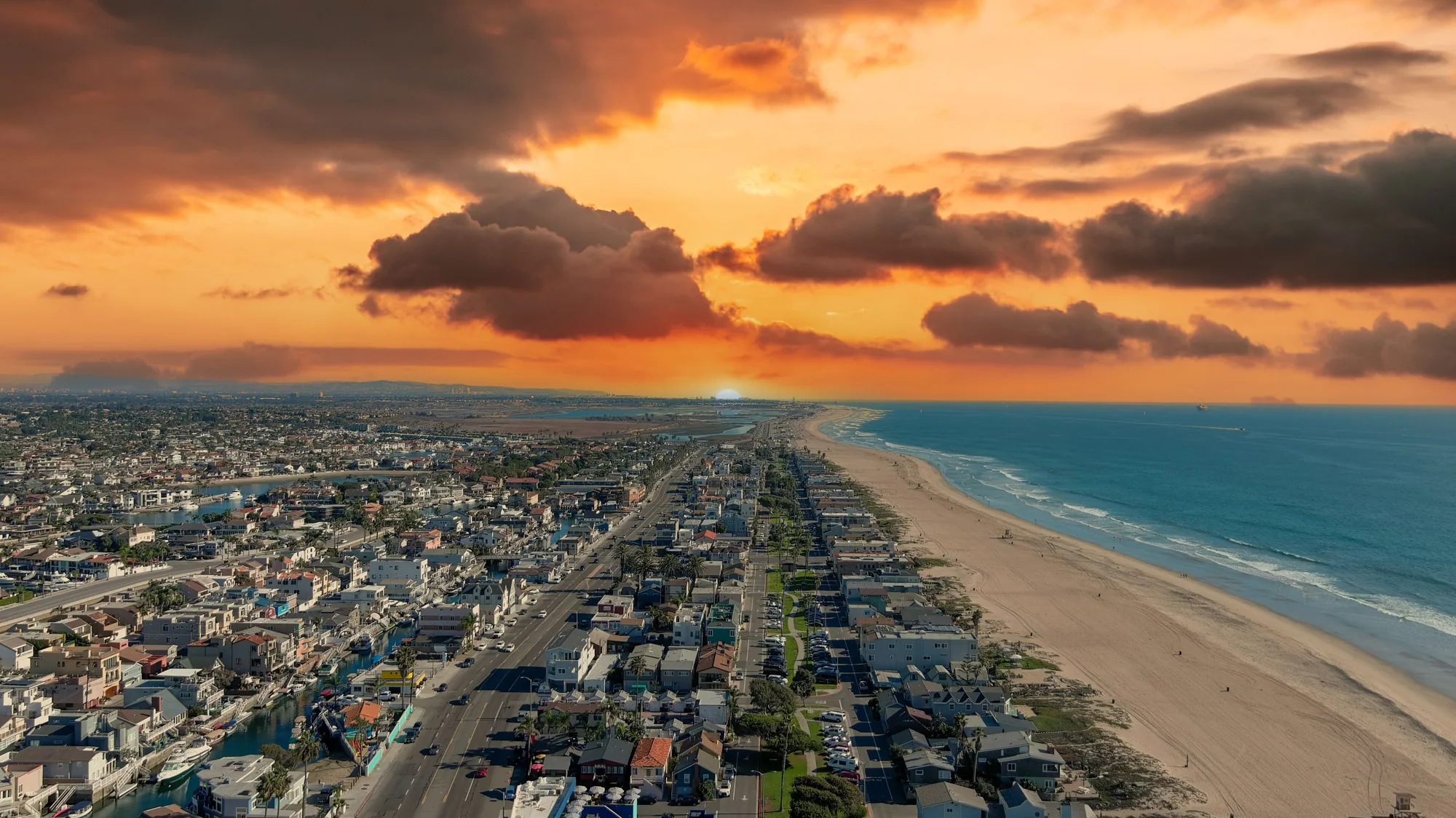
How we inspect, scope and complete this work
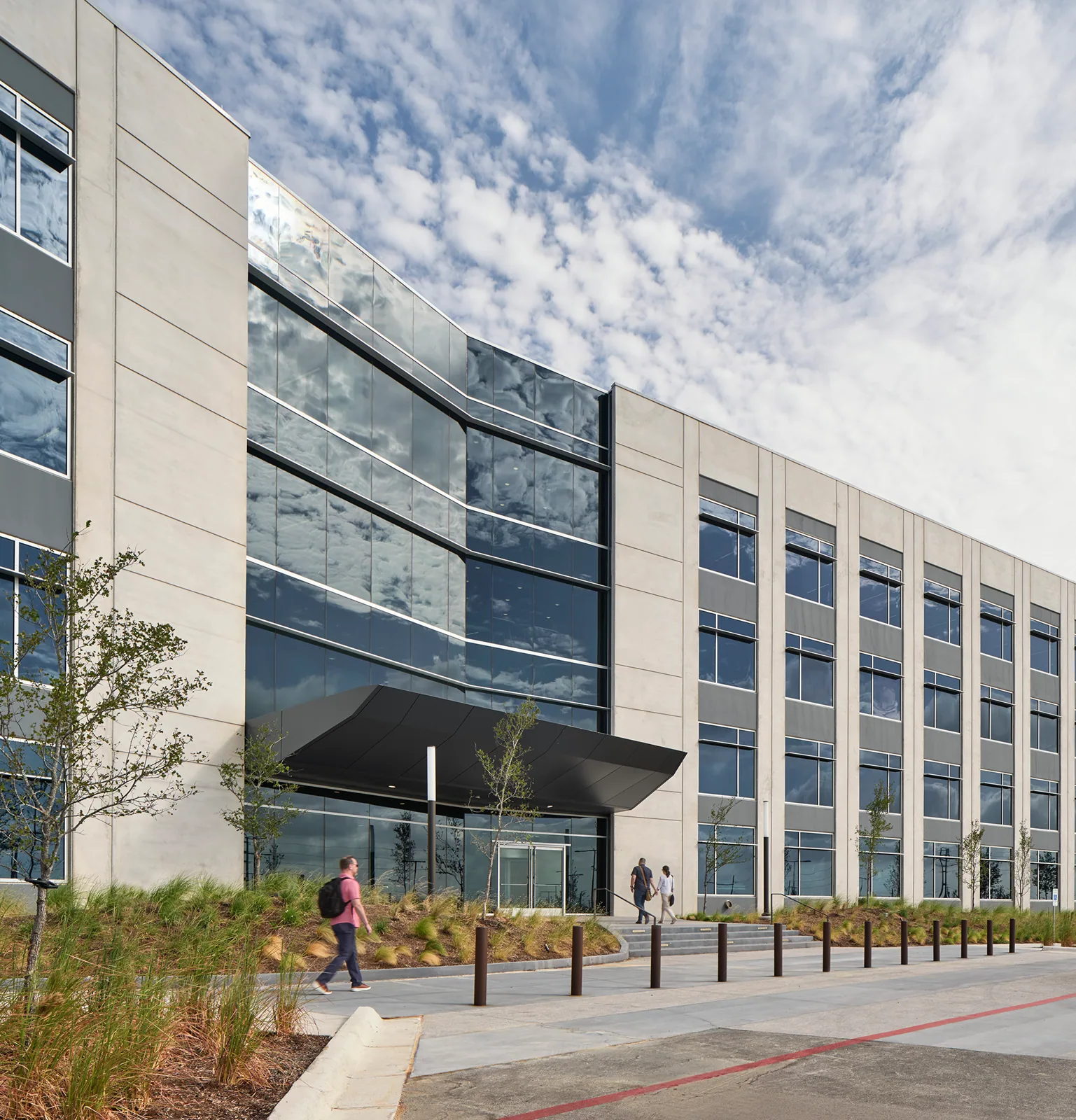

Proudly Serving Huntington Beach and Nearby Cities
Commercial Roofers Huntington Beach
Huntington Beach, Westminster, Seal Beach, Fountain Valley,
Garden Grove, Newport Beach and nearby Orange County cities