
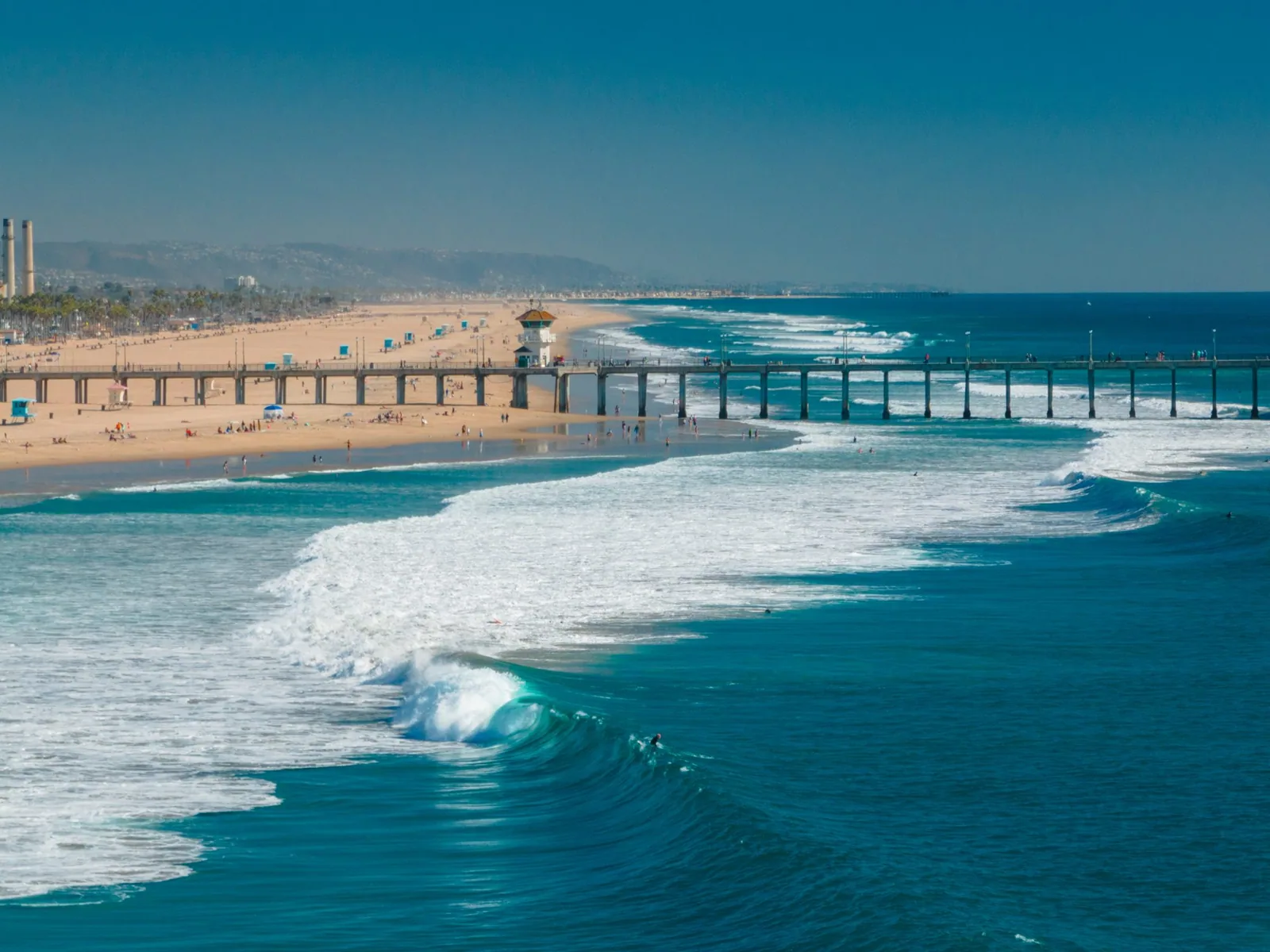
Commercial Roofing in Downtown Huntington Beach, CA
Roof work above an open Downtown business begins by deciding where people can pass while material moves overhead. Commercial Roofers Huntington Beach repairs and replaces commercial roofing in Downtown Huntington Beach, CA, examining the affected roof zone and establishing a safe access arrangement before construction. A store entrance, restaurant service route, or shared occupied area needs a defined boundary beneath lifting and removal. The owner receives the first protection step and the inspection needed to settle permanent work.
Downtown combines commercial, entertainment, and recreation activity in the city's historic center. Its retail streets support pedestrian and bicycle movement, while planning calls for architectural variety and the integration of older structures with new development. Those conditions make access and roof transitions useful early questions. We check the building itself, including adjoining walls and roof levels, without selecting an assembly or repair from the age or appearance of the surrounding district.
Where can lifting and business access remain separate?
A delivery placed beside the front door can create a conflict before the crew reaches the roof. We review the loading position, pedestrian route, emergency exits, and usable staging area with the property contact. The task may require an exclusion zone during lifting, with an agreed alternative route where available. Equipment placement should account for the whole operation, including delivery, unloading, removal, and return movement, rather than only where the lift stands while roof work proceeds.
Retail and food-service businesses can have different arrival and service hours. We identify those periods before proposing roof removal or noisy preparation. A restaurant roof repair near kitchen equipment may also need mechanical coordination, while work above a shop needs protection for merchandise and customers. The manager confirms which room can close and who can adjust an operating restriction if conditions change. That decision remains tied to the actual task and affected building area.
Does the reported water involve a wall-to-roof junction?
A drip beside an upper wall can originate at its flashing termination or higher on the exterior. We inspect the membrane connection, counterflashing, receiver, and accessible adjoining wall surfaces, then compare those positions with the interior report. A missing connection or moving component may need rebuilding rather than another bead applied along the lower edge. Where another trade must correct the wall, the roof scope identifies the handoff and the protection required while that work remains open.
Architecturally varied buildings can have roof height changes and visible edge details requiring individual examination. We measure the receiving connection and determine how repair material can join sound construction. Repairing an open flashing transition includes its relationship to drainage and the retained roof surface. Decorative trim is assessed for its own attachment and condition instead of treated as a suitable receiver simply because it covers the junction. Photographs show both the defect and the surrounding geometry.
Where does rain leave the occupied roof area?
A gutter outlet near an entrance needs examination at the roof edge and at the accessible discharge. Loose joints, debris, or poor slope can spill water into an active route even when the membrane field remains intact. We trace that path and separate an outlet correction from a roofing leak. On low-slope areas, accumulated patches and settled insulation can hold a pool behind an otherwise clear drain. The repair boundary follows the condition that keeps water there.
The nearby coastal station at Newport Beach Harbor records very little normal summer rainfall compared with its wetter winter interval. Planned drainage preparation can use a suitable dry period before that transition. The inspection still examines current surface condition and recent symptoms, including water retained after the last rain. Work at drains and scupper outlets preserves the intended overflow arrangement and identifies downstream service where required. Temporary coverings must leave a workable water route while an adjoining roof detail awaits completion.
What can remain without concealing the cause of the leak?
A sound surrounding membrane may support a local repair at an isolated puncture or separation. Moisture beneath it, unstable attachment, or multiple failing connections can require a broader removal assessment. We use appropriate confirmation where concealed layers change that choice, recording wet material separately from surface defects. The proposal shows where demolition reaches serviceable construction and how the new detail closes against it. A small visible opening does not set that limit by itself.
Coating or recover can be useful only when the retained assembly meets its receiving requirements. Preparation includes compatibility, adhesion, drainage, and necessary detail corrections, while a recover also needs suitable capacity and attachment. If those conditions cannot be established, removal may be needed. The owner receives a comparison grounded in the assembly and operating impact. A planned replacement over a business that remains in use identifies daily room restrictions, debris handling, and closure at each retained roof boundary.
Which details could shorten the day's working interval?
A high wall connection can take more preparation and access time than the nearby field membrane. We account for that detail before assigning a daily opening, including any fabricated metal or equipment appointment needed to close it. The crew has a stopping arrangement that protects the exposed assembly if weather or access changes. It is better to define a smaller complete phase than to leave an unfinished termination dependent on a delivery that has not arrived.
Santa Ana conditions can bring dry offshore flow and coastal warming, changing material handling and application conditions. We check the permitted working range at the actual surface. The operating discussion for an occupied property in Sunset Beach also considers its own commercial and residential interfaces. Along the Pacific Coast Highway coastal corridor, access requirements remain property-specific. A shared seasonal pattern does not supply the same lift position or roof closing window to separate businesses.
How will the repair record support the next facilities decision?
Costs grow with height access, difficult material removal, concealed wet layers, and the fabrication needed to reconnect retained edges. We identify those items against the roof findings before the owner compares proposals. If removal exposes another condition, photographs and the marked roof position explain its effect on extent. Completed details receive checks appropriate to their system, and the record distinguishes permanent work from temporary protection or an outstanding wall or mechanical correction.
After suitable rain or an approved test, a return examination compares the original interior location with the repaired connection. The building contact can report a new symptom by room and timing, helping separate another entry from the completed task. Overnight and holiday or weekend leaks can still be reported for urgent assessment. Give the access contact and the affected public route so safe protection can be considered before the next opening period. Clear completed limits help managers arrange follow-up without unnecessarily closing an unrelated business area.
Commercial Roofing Questions
Can roof deliveries happen before the Downtown store opens?
An early window can be useful if the property has authorized access and a safe unloading arrangement. We review neighboring movement, the public route, and roof receiving capacity before scheduling it. Material storage must remain suitable after the store opens as well as during delivery.
Does an older-looking building need its roof stripped automatically?
Exterior age and appearance do not establish the condition of the roof assembly. We examine membrane, attachment, drainage, and concealed layers where needed. The findings identify whether localized correction, suitable retention, or broader removal addresses the actual roof problem.
Why include the wall above the roof in a leak inspection?
Water can enter above the termination and travel behind an intact roof flashing. We examine the accessible junction and identify any adjoining wall work required. Coordinating that correction with roofing prevents a new detail from closing against a connection that still admits water.
What keeps a temporary repair from disrupting tomorrow's opening?
The closing plan identifies secure material, drainage, interior protection, and the route needed by the business. We inspect that arrangement before leaving the phase and report any remaining restriction. Management receives the follow-up task so an interim measure stays connected to its permanent correction.
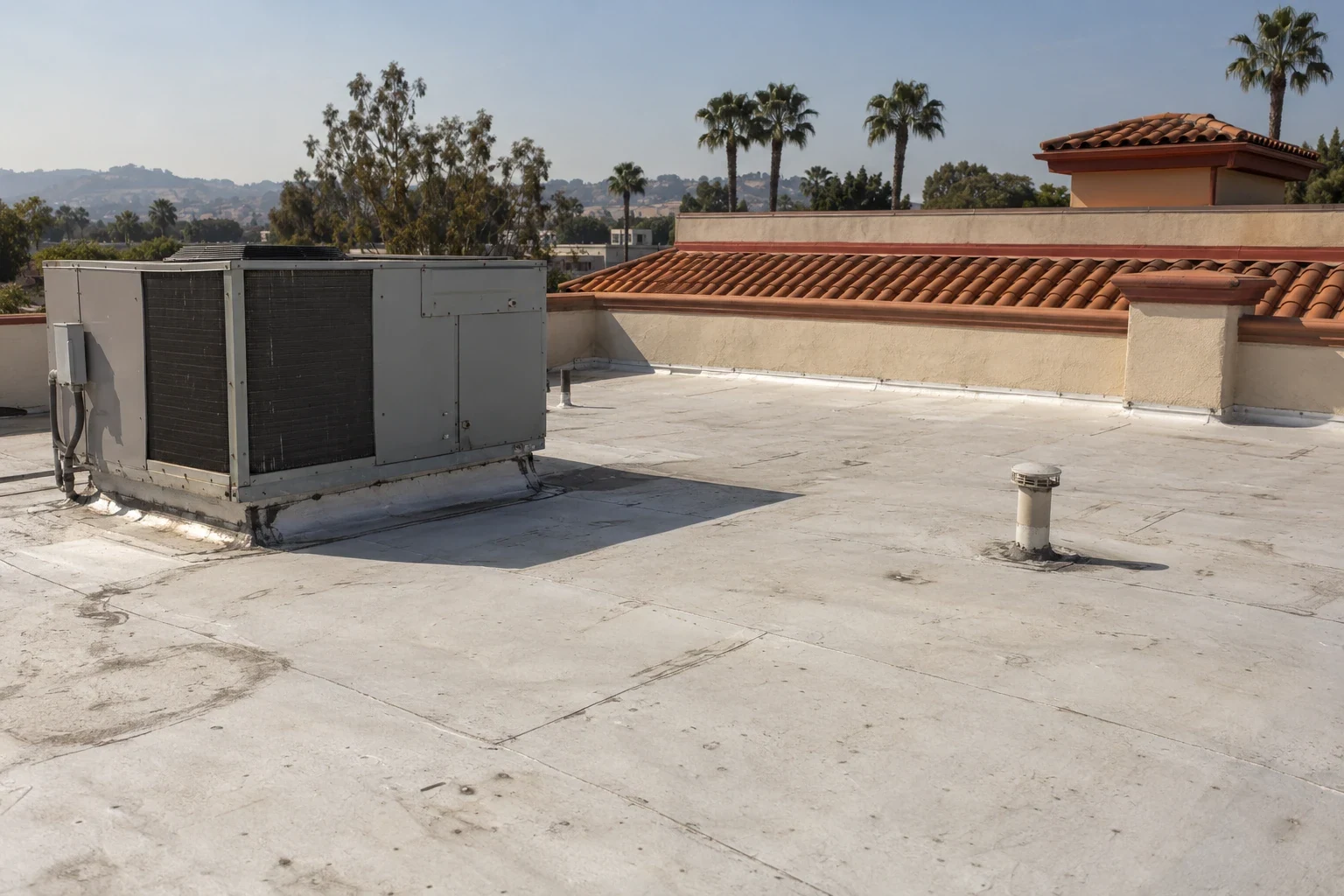
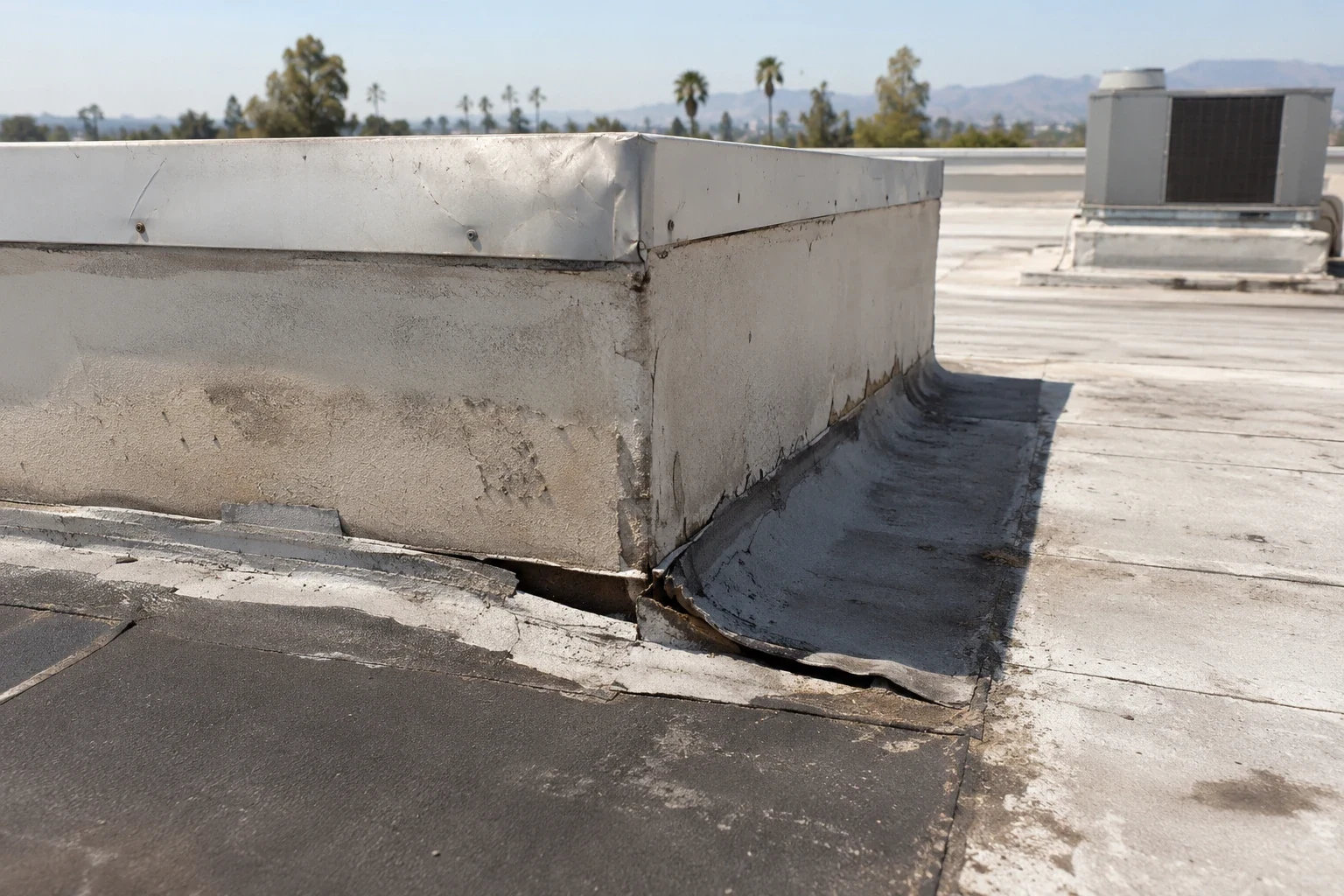
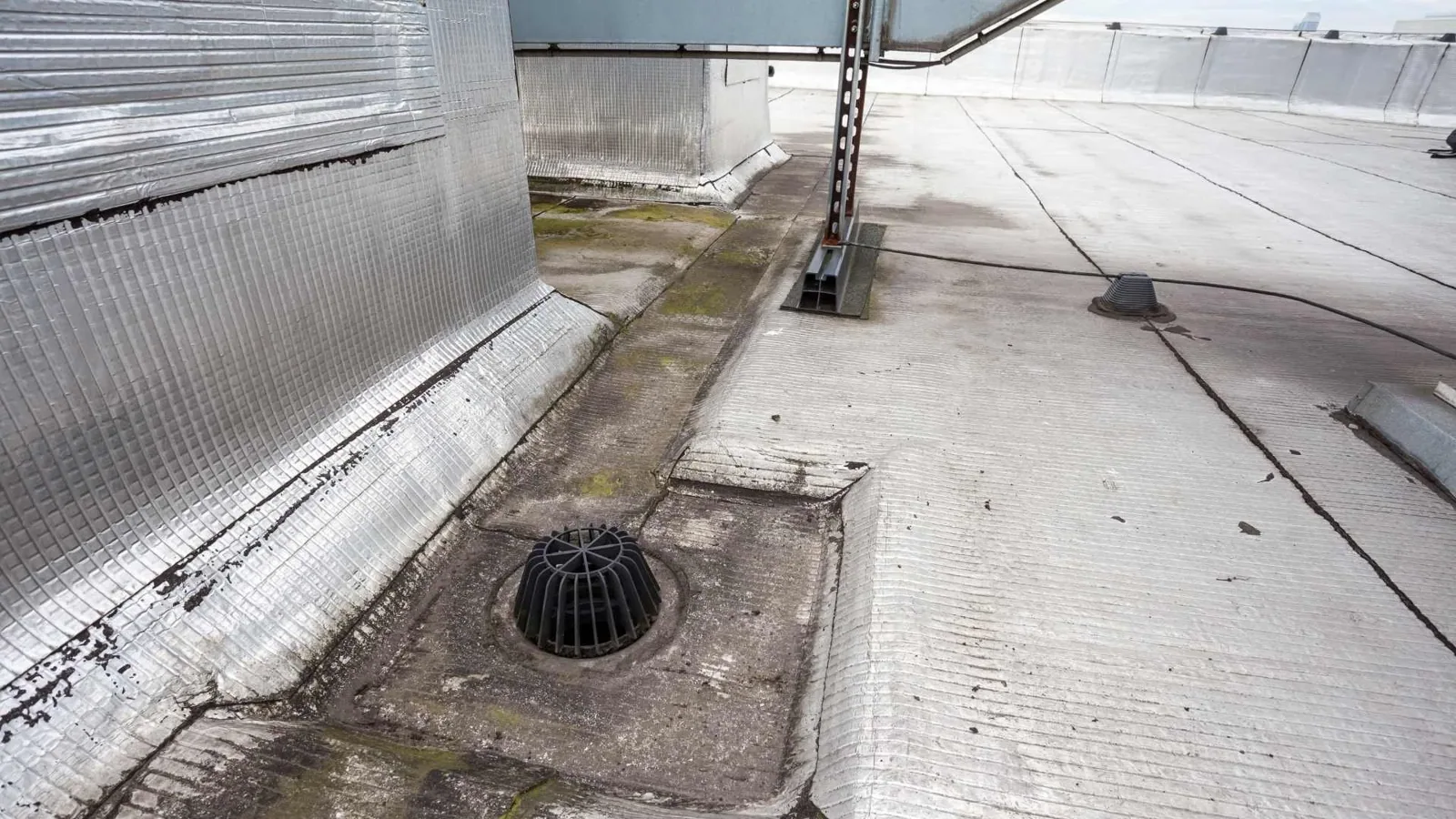
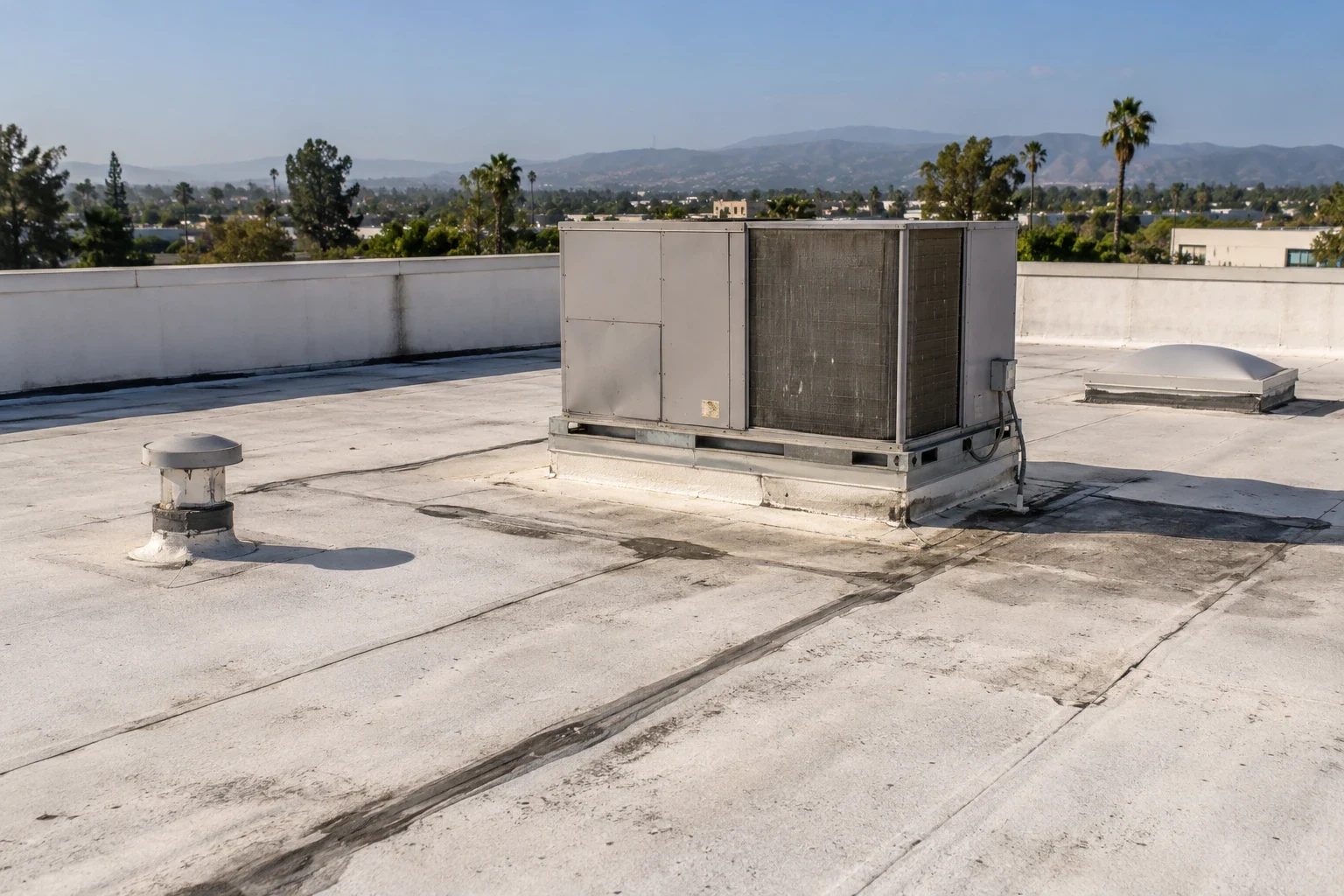
What the work involves on a commercial roof

Proudly Serving Huntington Beach and Nearby Cities

Commercial Roofers Huntington Beach
Huntington Beach, Westminster, Seal Beach, Fountain Valley,
Garden Grove, Newport Beach and nearby Orange County cities