
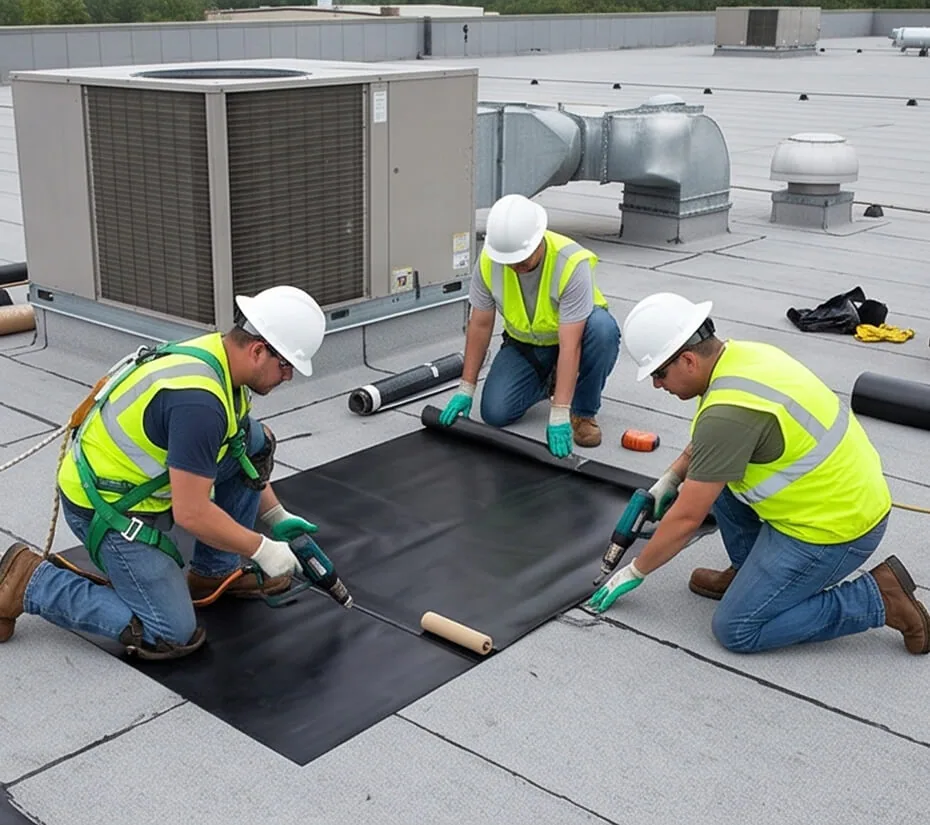
Modified Bitumen Roofing in Huntington Beach, CA
Separating cap-sheet laps call for a look at the underlying plies before we select a modified bitumen repair. Commercial Roofers Huntington Beach inspects, repairs, and replaces modified bitumen roofs in Huntington Beach, CA, by checking the cap sheet, laps, flashing, drainage, and layers beneath. SBS and APP products use different modifiers and installation methods, so we identify the assembly before setting a repair boundary. Active entry calls for interior protection and a controlled roof route before the lap is opened for examination.
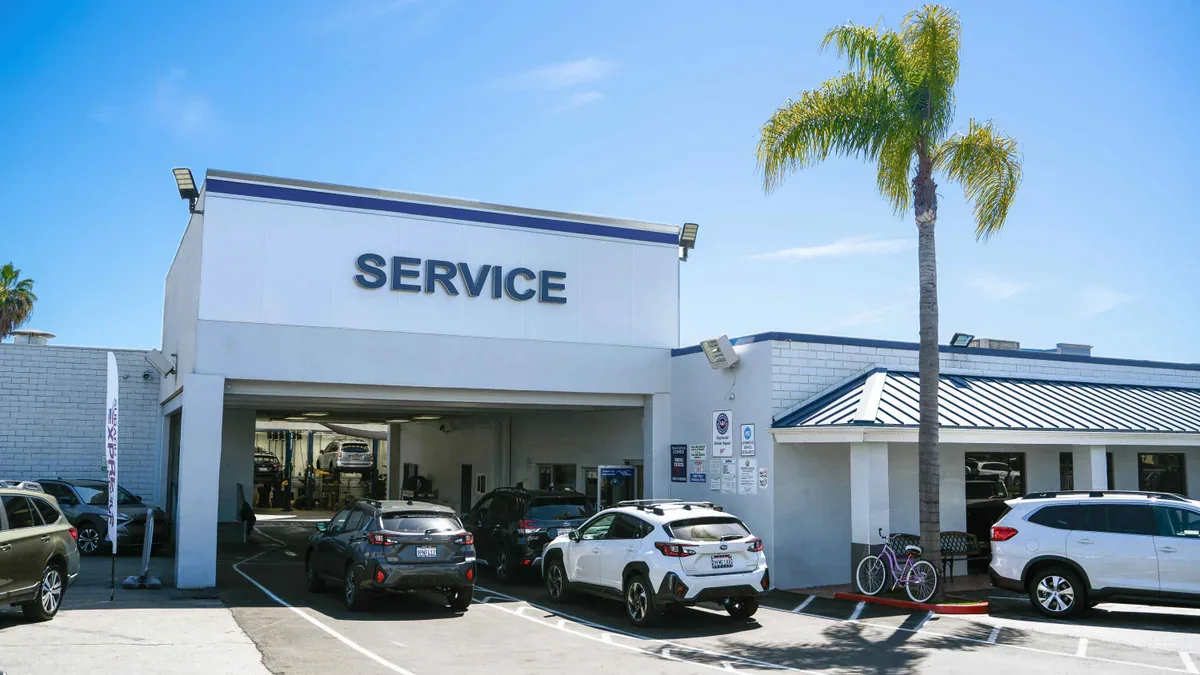
Small manufacturing and warehouse properties occupy the Gothard Street Subarea alongside auto repair, offices and retail, bringing different occupied-room and delivery constraints to a bituminous roof repair. Along Pacific Coast Highway, visitor-serving uses can make roof access and staging more time-sensitive. Newport Beach Harbor climate normals show rainfall concentrated in winter.
What sits beneath the cap sheet?
Modified bitumen is an asphalt-based roofing system modified with polymers. SBS products are formulated for flexibility, while APP products are designed for heat resistance; the exact product and reinforcement should be confirmed from markings or project records. Systems may use one or more plies, a base sheet, insulation, cover board, and a cap sheet with a mineral or other finish. Attachment can involve adhesive, mechanical fastening, or heat-applied methods.
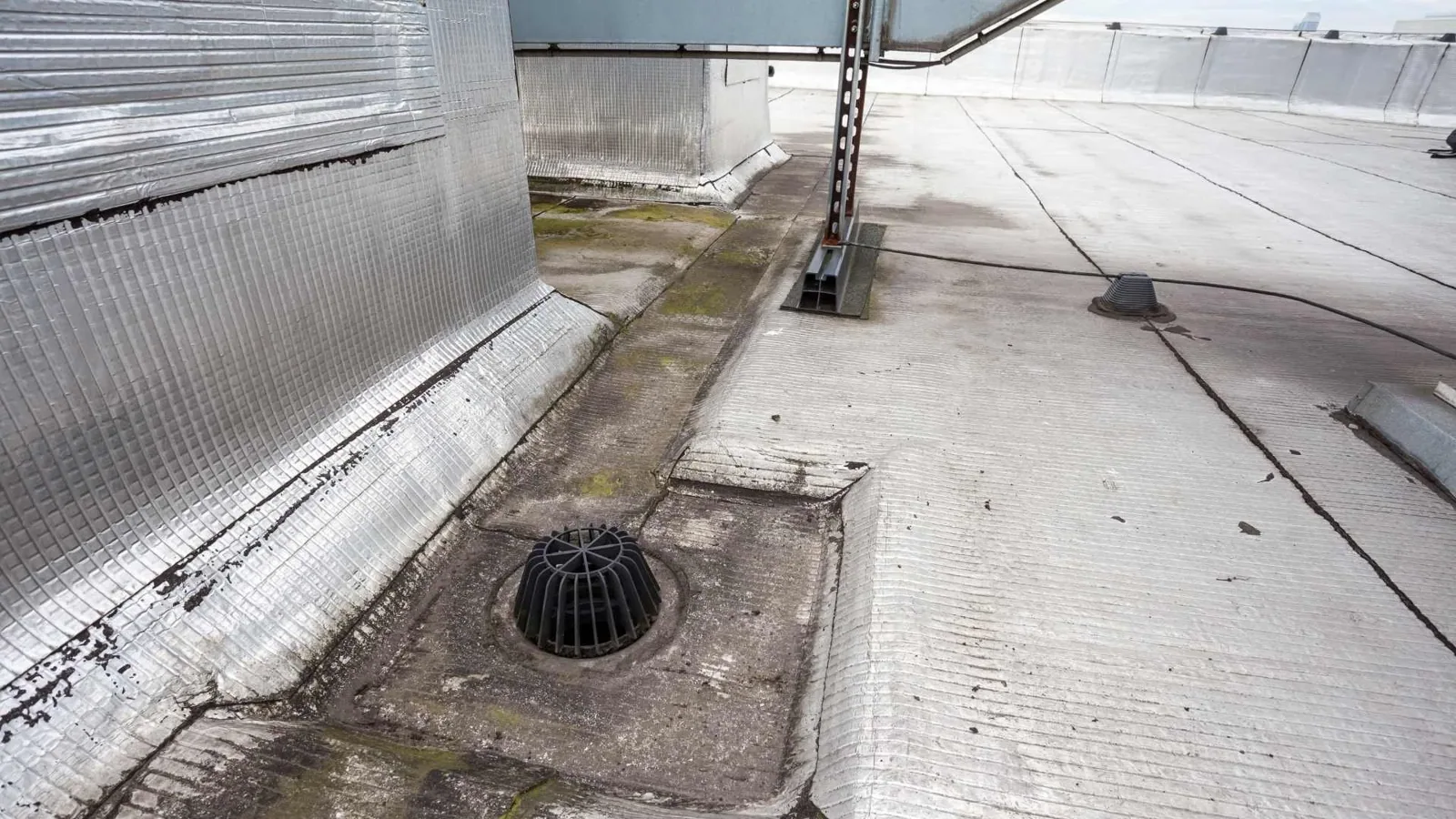
Laps, edges, drains, walls, and penetrations connect the layers. A crack may affect only the cap sheet or reflect movement below; a blister may involve air or moisture. We inspect the termination and check whether water can enter or collect behind the detail.
We compare submittals, warranty information, and prior work with observable conditions. If the exact product is uncertain, we state that and identify any needed testing or manufacturer guidance.
How is a leak path traced?
We begin at the reported interior area and check roof conditions above and along the likely drainage route. The review includes laps, patches, blisters, splits, granule loss, edge metal, drains, scuppers, curbs, and wall transitions. We note ponding or debris and look for changes around rooftop equipment.
Water can travel through an assembly before showing on a ceiling, so a stain does not by itself establish the entry point. We compare its timing and location with roof evidence, then record what is confirmed and what needs testing. Moisture evaluation may be useful if wet insulation would change the repair or replacement scope. Restricted access, unsafe surfaces, or concealed details should be identified in the inspection record.
Properties in the Northwest Industrial Subarea include large offices, research sites, business parks, and industrial buildings; production or tenant schedules may affect access. A broader commercial roof inspection can document system condition, while roof drain and scupper service addresses drainage details. Related roof types include built-up roofing and EPDM roofing, though their repair methods differ.
Which repair method matches SBS or APP?
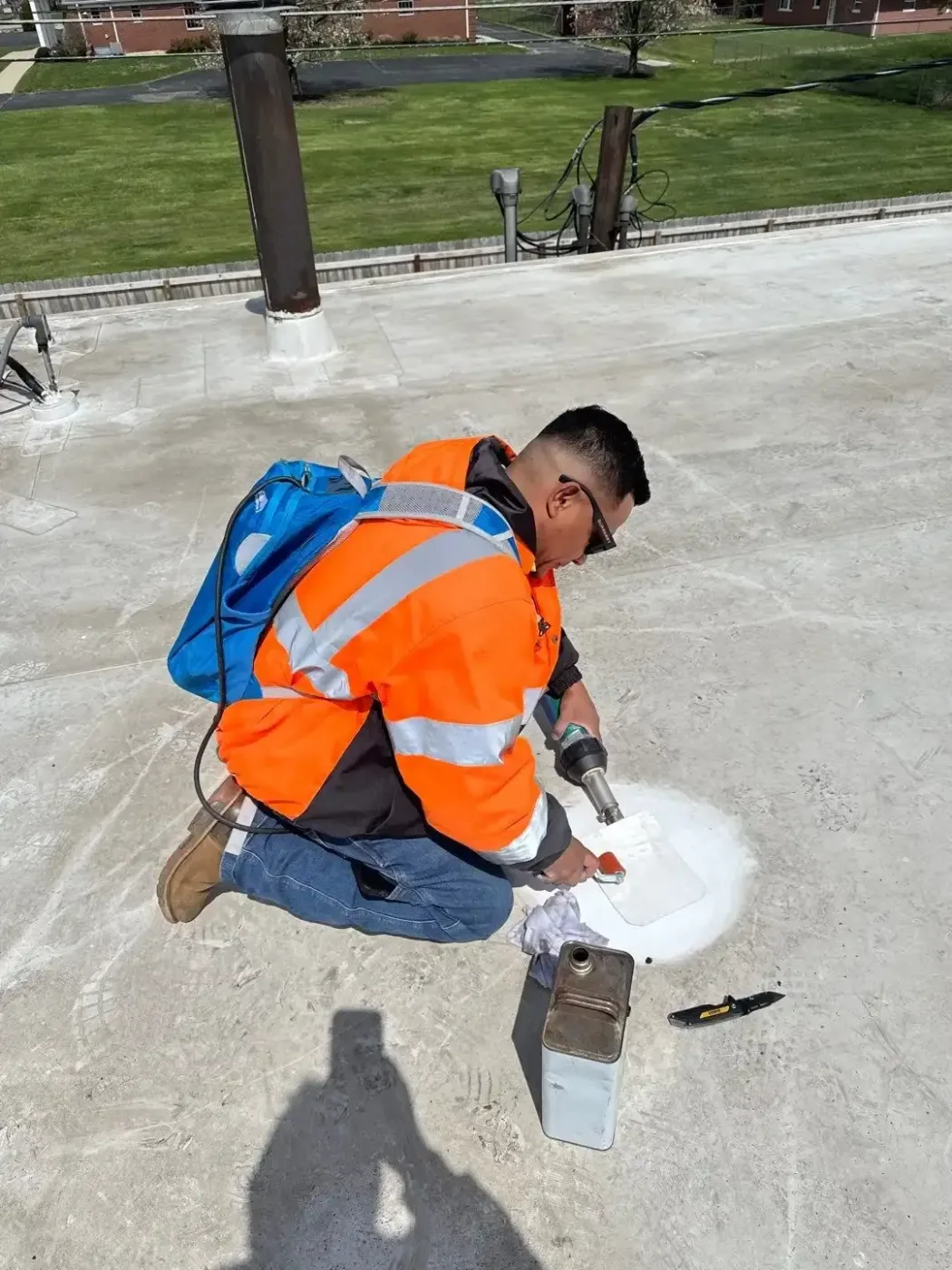
Repair materials and methods must match the product, surface, and detail. A localized split may accept a compatible membrane patch with appropriate laps; an open seam needs the lap restored. Flashing repair must tie into the field system at walls, curbs, and drains. We check whether the surface is dry, secure, and sound enough to receive new material before recommending work.
Some modified bitumen systems use heat-applied installation. Torch work introduces fire risk and requires qualified personnel, a controlled work area, fire protection, and compliance with applicable site rules. A torch should not be used just because the roof is asphalt-based. Self-adhered, cold-applied, or other methods may be more appropriate based on the specific assembly and repair product. The written scope should identify the method and any required precautions.
Before correcting a blister or lifting lap, we check for moisture or movement and confirm sound material is reachable. The proposal defines the work area, preparation, tie-in, temporary protection, and any follow-up inspection.
When does a modified bitumen roof need broader work?
Replacement may be worth evaluating when splits, open laps, or failed flashing appear across multiple sections, when moisture is widespread, or when past patches no longer control leaks. A system with unstable layers, poor drainage, or deteriorated edges may need correction beyond the cap sheet. Inspection findings should explain the extent of the concern and what evidence supports a broader scope.
A recover or replacement plan considers the existing layer count, deck condition, trapped moisture, attachment, added weight, fire classification, drainage, and compatibility. Removal may be necessary where materials are wet or unsound. The plan should cover weather protection, phasing, rooftop equipment, and discoveries that may change scope.
A rebuild must connect the new cap sheet to sound retained plies at every phase boundary. We identify the lap arrangement, surface preparation and temporary termination before demolition reaches that junction. Added insulation can change the height beside curbs and drains, requiring revised details and the applicable alteration review. The owner receives those interfaces with the chosen application method so the construction scope includes the closure work that makes the new sheet useful.
How are occupied properties protected during work?
Modified bitumen work can involve odors, hot materials, noise, and deliveries. A warehouse needs a clear loading route; a manufacturer may need process continuity; a visitor-facing property may require staging away from customer access. Near Beach Boulevard, Pacific Coast Highway, and Five Points, lodging, dining, and entertainment activity can affect the work window. We coordinate roof access, material storage, lift placement, interior protection, and notices with the site contact.
Newport Beach Harbor climate normals provide a nearby coastal reference with most annual precipitation in the cooler months, while summer is typically much drier. Santa Ana conditions can bring warm, dry offshore winds. Climate normals and seasonal patterns do not establish safe application conditions. We check the forecast, surface moisture, and product requirements before starting work that exposes the assembly.
For phased projects, the daily closeout should identify which area is complete, which remains protected, and what the next crew needs to know. If conditions shift, staff should know who approves a pause or change and where the dry-in boundary lies.
What belongs in the roof closeout?
Record the inspected area, system identification, observed defect, repair product, surface preparation, and completed detail. Photographs should show both the close view and where the work sits on the roof. Note any moisture testing, access limits, or adjacent conditions that were not part of the approved scope. If torch or other heat work was used, document the applicable fire precautions and closeout checks.
The bituminous roof file retains permit records, product information, completed work photographs and warranty documents. Drain service and later equipment alterations receive dated location marks in that file. A clear history helps locate later water.
After service, keep drains and scuppers clear and route foot traffic away from vulnerable seams where practical. Report new moisture promptly with the room and timing. The next review should retrace the water path.
Commercial Roofing Questions
Why must a repair distinguish an SBS sheet from APP?
They use different polymer modifiers and can have different performance characteristics and installation methods. The product markings and system documents matter more than a generic roof label. We identify the assembly and follow its approved repair guidance before selecting materials.
Can you repair a blister in a modified bitumen roof?
Sometimes, after checking whether moisture or movement is present and whether surrounding layers are sound. Cutting or covering a blister without understanding the cause can make the condition worse. The repair scope should specify the prepared area and tie-in method.
Do all modified bitumen repairs require a torch?
No. Some systems and repairs use self-adhered, cold-applied, or other compatible materials. Heat-applied work requires trained personnel and specific fire controls. We choose a method based on the installed assembly and applicable product instructions.
How do you decide between a repair and roof replacement?
We compare the distribution of defects, moisture findings, lap and flashing condition, drainage, and the history of prior repairs. A local repair can suit an isolated defect; widespread failure or unsound layers can support replacement review. The recommendation should explain the evidence and limits.
What information helps before a modified bitumen inspection?
Share the roof plan, prior repair records, leak timing and location, access requirements, and any known restrictions on heat or odor. Interior photos can help locate a report. We verify the roof system and conditions on site before recommending permanent work.



Proudly Serving Huntington Beach and Nearby Cities

Commercial Roofers Huntington Beach
Huntington Beach, Westminster, Seal Beach, Fountain Valley,
Garden Grove, Newport Beach and nearby Orange County cities