
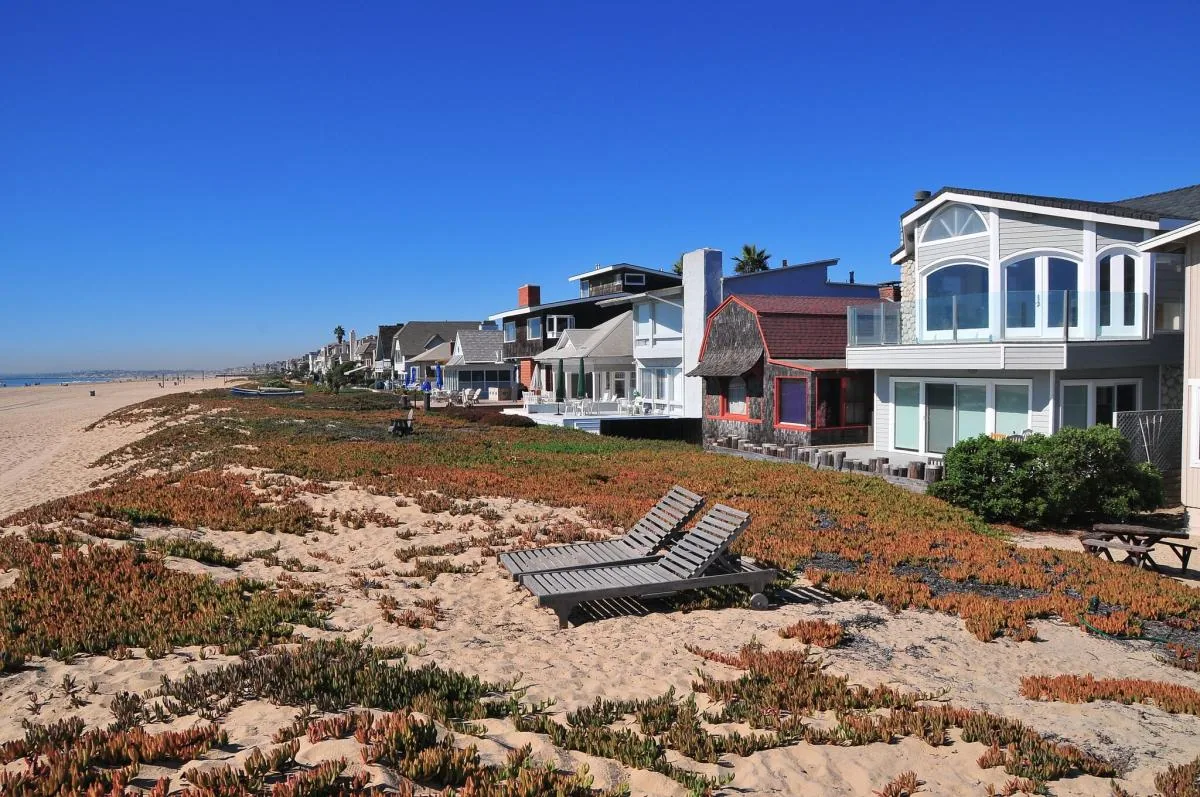
Commercial Roofing in Sunset Beach, Huntington Beach, CA
A commercial roof opening beside occupied residential space needs both access contacts before removal begins. In Sunset Beach, Huntington Beach, CA, Commercial Roofers Huntington Beach inspects roof leaks and plans repair or replacement with the affected business and adjoining occupancy identified. We establish what requires protection, which route reaches the roof safely, and where the first examination should occur. The operating arrangement comes from the actual property rather than the apparent size of its commercial frontage.
Sunset Beach planning permits visitor-serving commercial activity with residential units on designated parcels. Smaller businesses along Pacific Coast Highway form part of a setting where visitor uses, residential blocks, and open space meet. That mix makes delivery placement, occupied rooms, and water discharge meaningful roof questions. We inspect the installed assembly and its connections before choosing material. A narrow storefront does not reveal the extent or construction of the roof behind it, and a mixed-use designation does not establish every property's occupancy.
Who controls access to the roof and the affected rooms?
A shared access door can require coordination beyond the person reporting the drip. We identify who can authorize roof entry, which occupied areas lie beneath the work, and whether an interior appointment is needed to inspect the reported water. The inspection plan keeps business and residential access requirements clear. Keys, supervision, and usable hours should be settled before arrival so the crew can examine the correct connection without crossing an unavailable or unprotected space.
For a property with several uses, noise and air intake locations also influence the work window. Reroofing over occupied rooms identifies the portion that needs restriction during removal and the routes that remain available. Residential areas can need different notice and access arrangements from a business operating on the same day. We supply the roofing sequence to management and revise it when conditions change, allowing notices to describe the actual work rather than a general promise of uninterrupted use.
Does the water enter at the roof or an adjoining component?
A leak near a wall or window can involve its exterior connection as well as the roof below. We compare the interior timing with rainfall, equipment operation, and accessible roof details. Inspection checks seams, wall terminations, penetrations, and the drain path around the affected area. Where a mechanical or wall component needs examination, the scope identifies that task separately while coordinating protection. Adding roofing material below a different open component can leave the same symptom active.
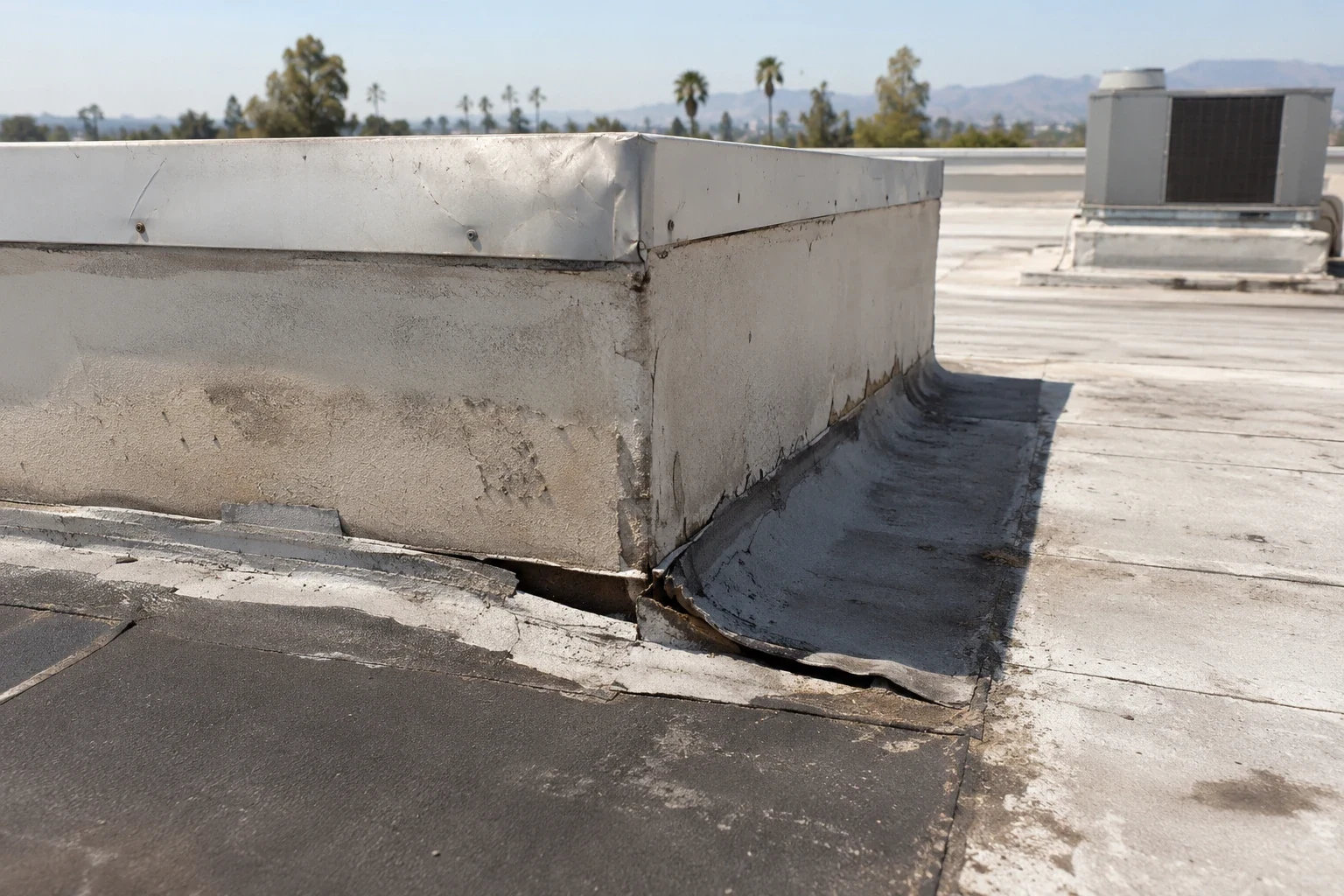
A roof level change needs examination at its receiving wall, flashing height, and runoff route. Water from above can reach a lower membrane connection that otherwise looks sound. We mark those relationships before setting a patch boundary. A failed wall-to-roof connection receives a compatible correction reaching stable surrounding material. Loose trim, unstable supports, and old repair layers must be addressed when they affect that receiving connection rather than hidden behind another strip of flashing.
Can roof runoff leave without crossing an occupied entrance?
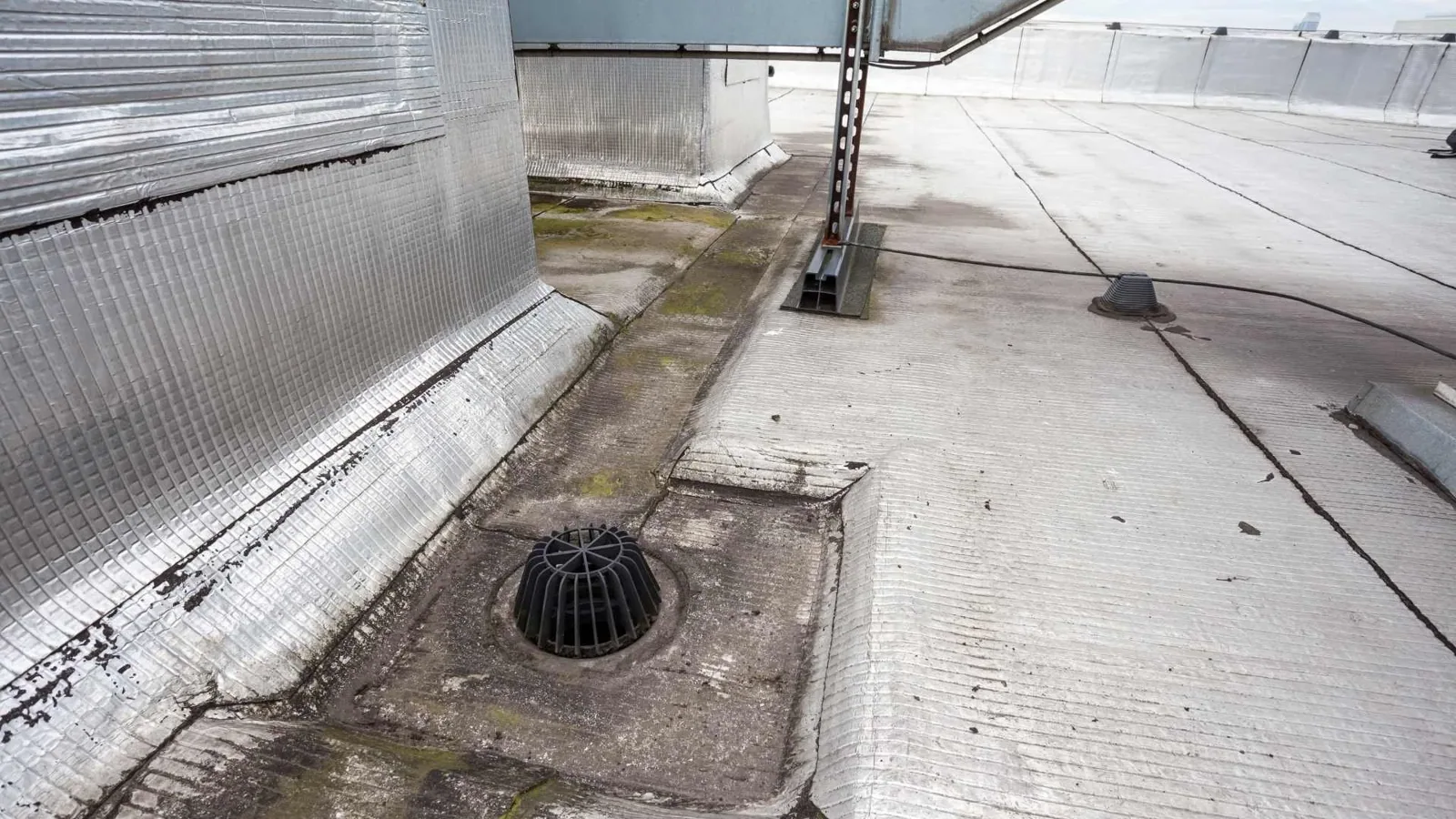
A downspout joint spilling beside a doorway can interrupt access even when the roofing has no field opening. We inspect the visible outlet route, attachments, and discharge location, separating that condition from a membrane leak. On the roof, we check whether debris or a low area prevents flow to the outlet. Removing a blockage is useful where it explains retained water; changes to slope or outlet arrangement need their own assessed scope.
The neighboring coastal climate record at Newport Beach Harbor has little normal summer rainfall, with wetter months concentrated in winter. That seasonal contrast supports a planned outlet check before the next wetter interval. During repair of drainage fittings and their roof connections, temporary protection must leave the intended discharge and overflow routes usable. We examine how runoff reaches the property's operating areas rather than assuming a coastal location supplies a safe discharge. The next correction follows what the accessible route actually shows.
Which layers can support a lasting repair?
A patch needs a sound receiver, not just enough visible space around the opening. We identify the roof material, previous repair components, and whether moisture or deterioration affects concealed layers. A suitable sample can establish what must be removed where those findings change the scope. Compatible retained roofing can support a local correction, while wet insulation or loose attachment may require work beyond the obvious defect. The owner receives that distinction before a surface option is compared.
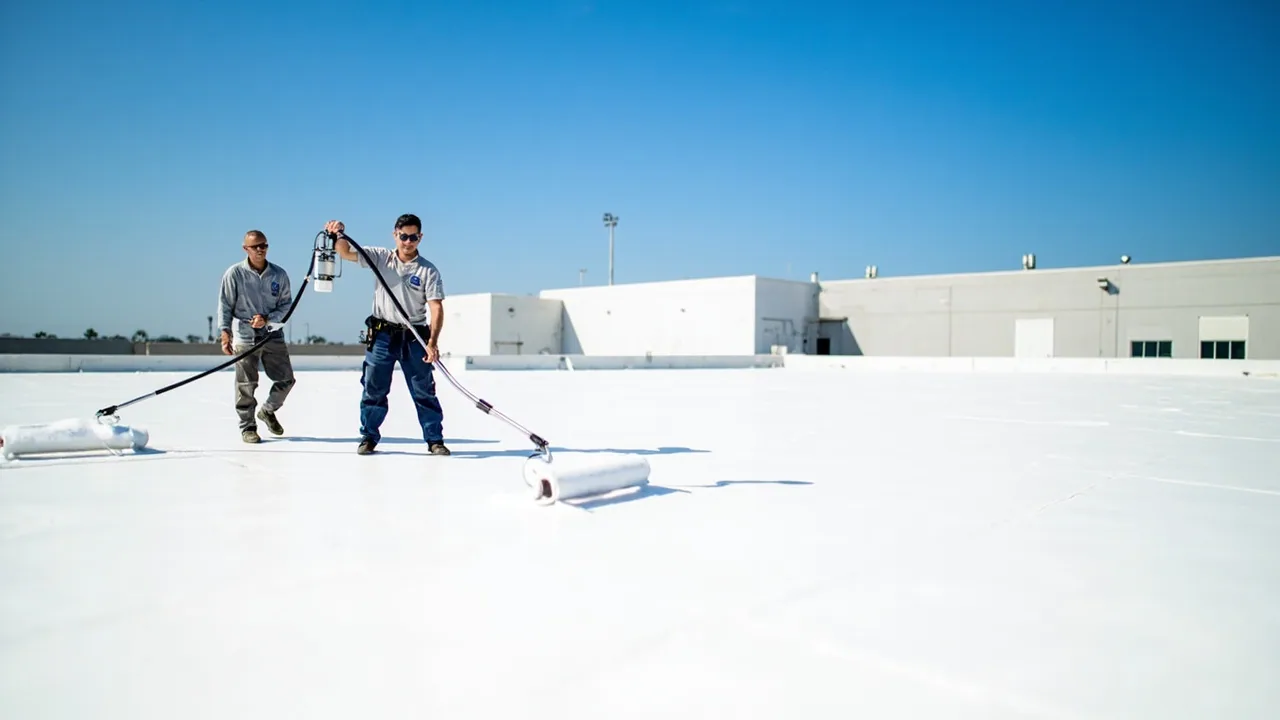
Restoration of a suitable existing assembly requires preparation, adhesion, and completed detail repairs. Recover also needs appropriate retained construction and adequate clearance at curbs, drains, and walls. Where material cannot remain, replacement addresses removal and reconstruction with a daily closing plan. We compare operating disruption alongside the roofing work, including lifting, contents protection, and the restricted area below. A shorter application sequence is useful only when it also corrects the roof condition that prompted the visit.
What sets the work limit for a constrained property?
A small staging area can require more frequent material movement and tighter limits on removed debris. We establish storage, collection, and delivery periods before opening the roof. The crew needs access to enough material for secure closure even if the next delivery is delayed. An exposed wall junction or curb can take longer to rebuild than the adjoining membrane field, so the daily removal boundary reflects those details rather than only the area available to strip.
Offshore Santa Ana winds can bring warmer and drier conditions along the coast. Handling, application requirements, and the planned closure receive another check during those periods. The Pacific Coast Highway coastal corridor has distinct commercial nodes, each needing its own property access arrangement. A project in Downtown Huntington Beach likewise has an individual movement plan. Coordinating properties does not eliminate the need to inspect each roof's access, receiving surface, and occupied areas before assigning work.
How will management distinguish temporary protection from completion?
A temporary closure should have its roof location and next action recorded at the first visit. We show what was secured, which condition prevented permanent completion, and what the return task requires. Active leaks can be reported late at night or during holiday and weekend periods for urgent assessment. Safe access and suitable working conditions determine the protection method. Interior hazards and rooms needing restriction remain identified for the building contact while exterior work is arranged.
Permanent closeout includes the repaired connection, material used, affected layers removed, and the roof position. Costs can change with concealed moisture, restricted lifts, fabrication, and occupied-space protection, so those drivers are explained when they affect the scope. A later report should identify the room and timing for comparison with the completed work. The return examination follows that relationship after suitable rain or an approved test, with remaining mechanical or wall items kept clear rather than treated as completed roofing.
Commercial Roofing Questions
Can the commercial tenant arrange roofing if residents share the access door?
The authorized property contact should confirm permission and the usable route for all affected occupancies. We coordinate the roof visit with that arrangement and identify which interior areas need entry. A business appointment alone may not provide the access required to examine or protect another occupied area.
Will roof restoration avoid all preparation near residential space?
Preparation remains necessary even when demolition is limited. We assess cleaning, loose repair removal, detail work, ventilation, and material handling before proposing restoration. The occupied-space plan addresses those tasks as well as application, with restrictions tied to the work actually required.
Why check the downspout when the complaint is water at the entrance?
A discharge defect can deliver water to the doorway without a membrane failure. We examine the accessible outlet and its connections, then compare the finding with the roof and interior symptoms. Repair follows the identified route, with any concealed line issue assigned for appropriate service.
What if permanent materials cannot be installed during the emergency visit?
We explain the condition affecting completion and identify suitable interim protection where safe. Its location, limits, and return requirement stay in the work record. Management can then arrange the needed access or trade step without treating a temporary measure as a finished repair.
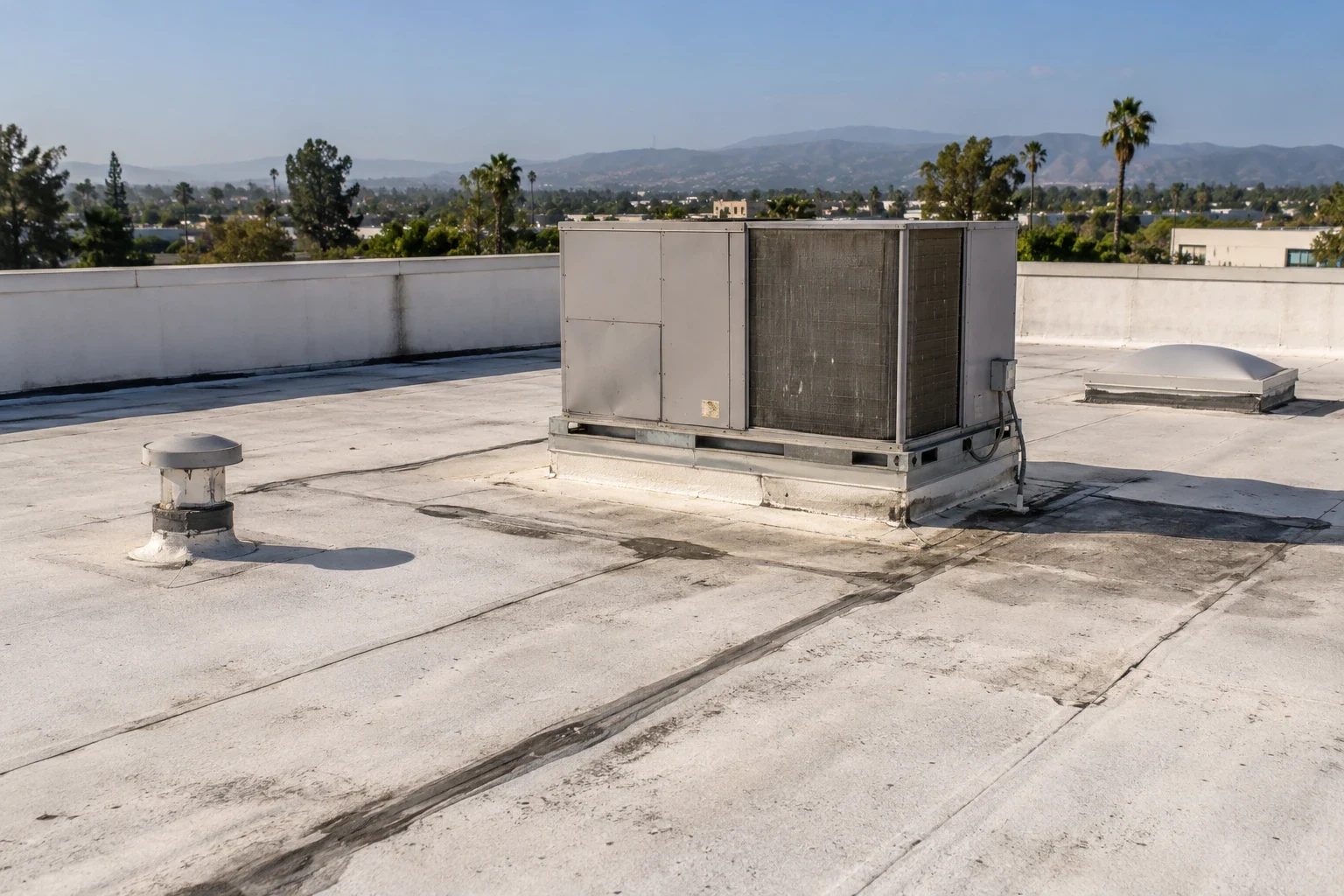

Proudly Serving Huntington Beach and Nearby Cities
Commercial Roofers Huntington Beach
Huntington Beach, Westminster, Seal Beach, Fountain Valley,
Garden Grove, Newport Beach and nearby Orange County cities