
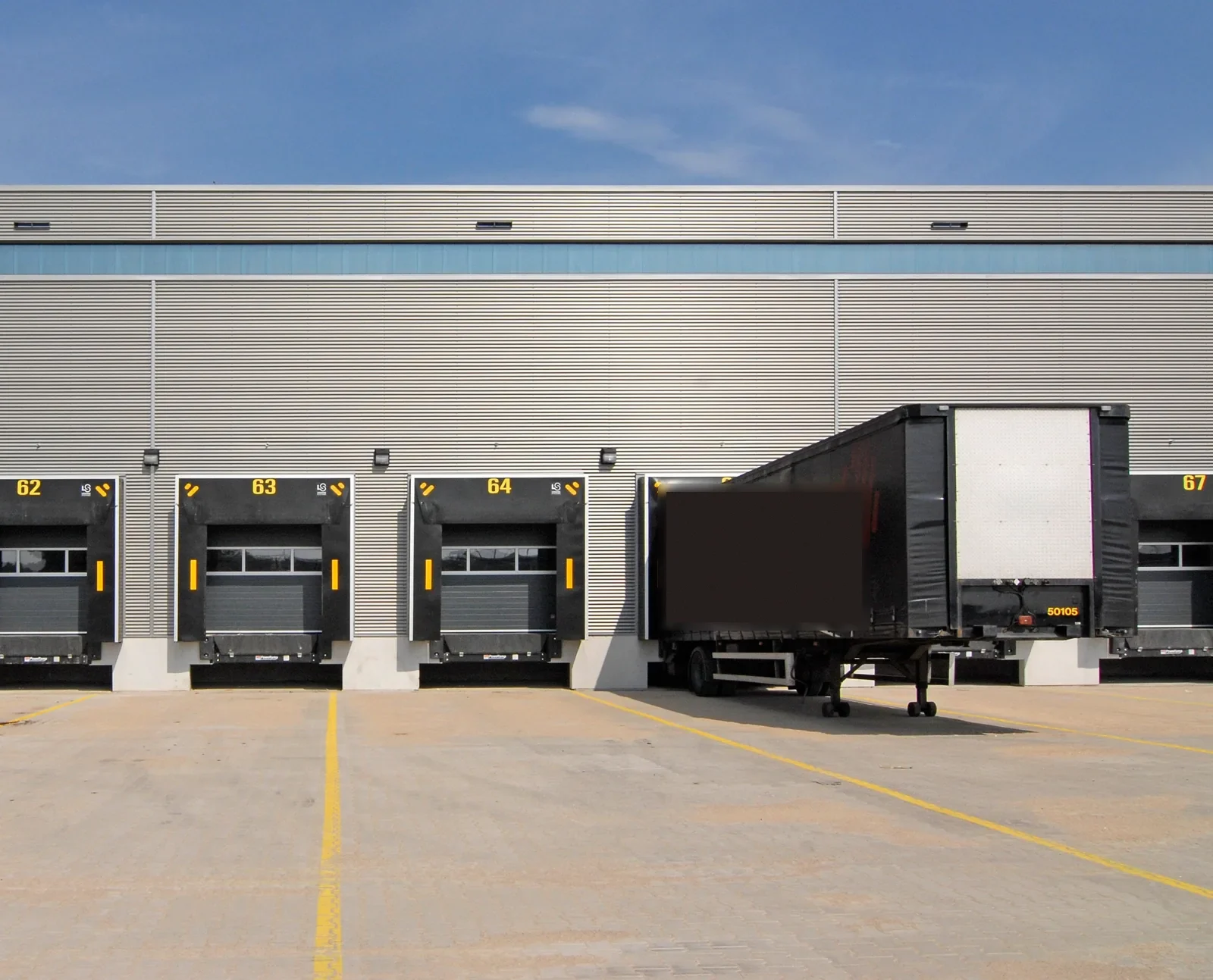
Logistics and 3PL Roofing in Huntington Beach, CA
Water above a picking aisle can change the shipping plan before it changes the roof budget. We identify the affected inventory, active water report, and roof access contact first. Commercial Roofers Huntington Beach helps logistics and 3PL operators in Huntington Beach, CA establish a protection step and a repair sequence that accounts for goods in motion. The roof work boundary should be clear enough for the operations lead to decide which aisles, docks, or handling tasks need restrictions.
Gothard Street has manufacturing and warehouse activity between Edinger and Ellis avenues. Northwest Industrial combines industrial properties with offices and commercial uses near I-405. Those local settings support different receiving patterns and roof access arrangements. We confirm the actual loading area, roof geometry, and drainage before applying an operating plan to the repair.
Which shipment area needs a safe restriction?
An active leak can affect stored product, conveyors, controls, or circulation. The site contact identifies the affected aisle and keeps personnel away from ceiling or electrical hazards. Product movement and coverings should follow the operator's safety procedures. We use the reported location and time to plan roof access and identify an appropriate temporary protection measure before defining permanent work.
A logistics operator needs the distinction between a closed work area and an unaffected shipping route. We show the interior footprint below the repair, delivery conflicts, and any lift position that limits a dock. For a mixed operation, coordination with manufacturing production schedules or retail replenishment teams may change the available work window. We retain each operating dependency in the sequence. Emergency calls are handled through nights and holidays as well as normal work hours, with the first action governed by safe access and conditions.
Where can water reach the shipping floor?
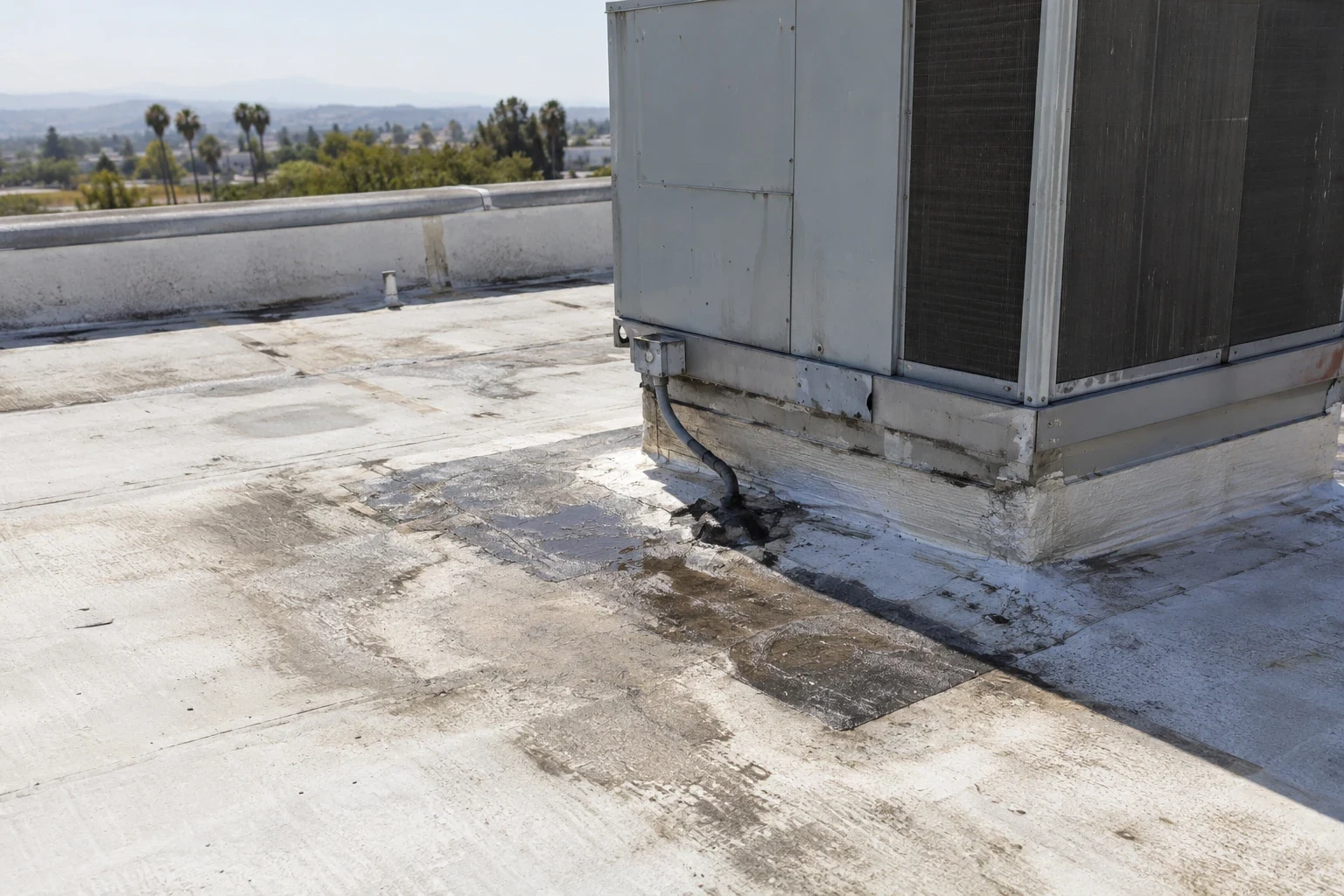
A drain backup, damaged seam, curb opening, or wall transition can send water into an area beyond the initial entry point. We inspect the accessible roof details and compare slope and drainage direction with the interior report. The roof map locates observed defects, recent repairs, and any section needing testing. That record supports a repair boundary rather than treating every interior drip as a separate membrane puncture.
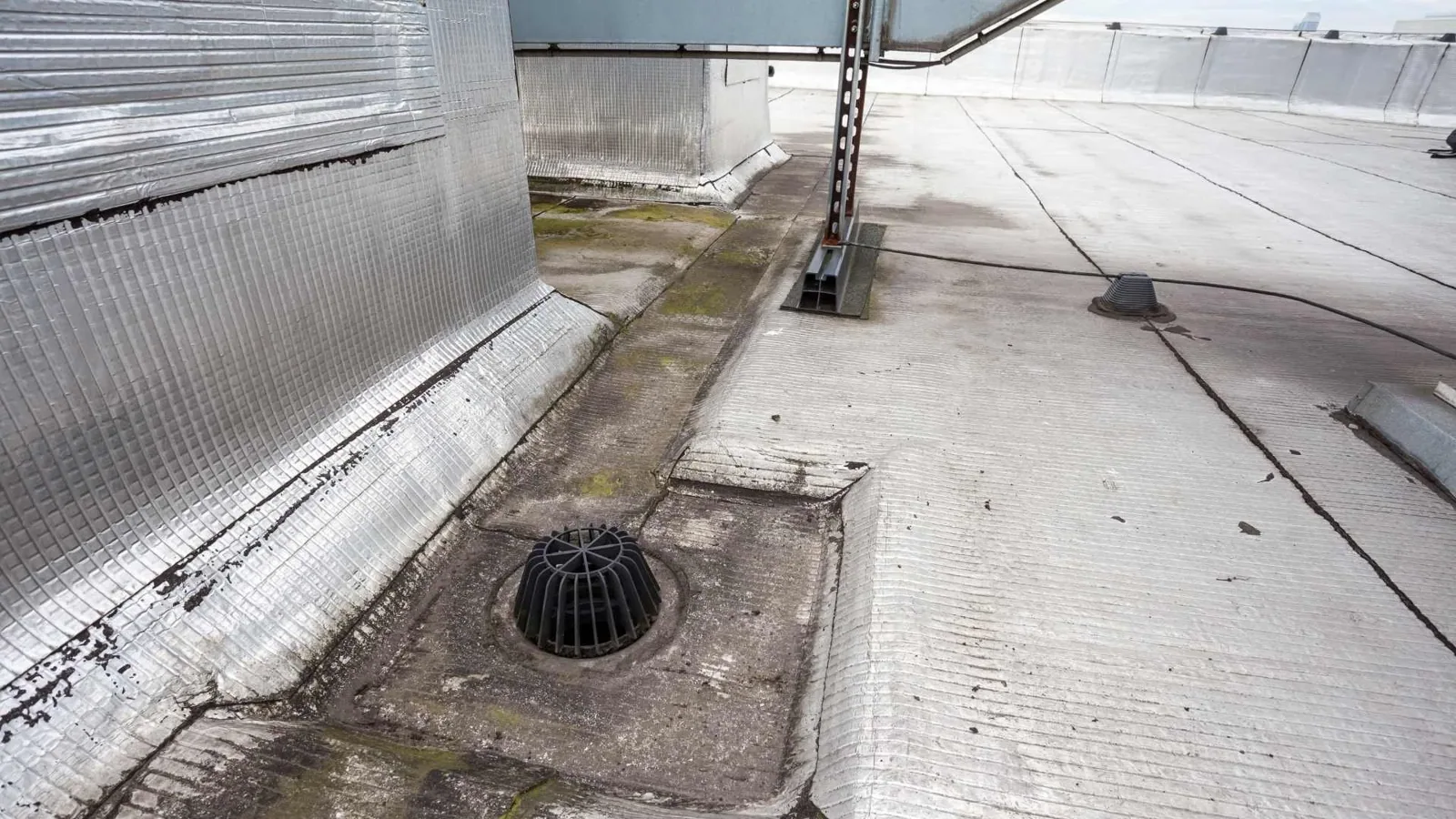
Standing water calls for examination of the drain and scupper discharge path, including inlet blockage and the route downstream. The appropriate trade may need to review concealed piping. An interior-to-roof leak investigation addresses alternative water routes where the visible roof opening does not explain the report. We identify testing that could resolve the question before broader removal begins. A shipping team can then protect the relevant area without assuming that the apparent drip location is the full repair extent.
How can repair phases preserve receiving capacity?
A roof lift beside an active dock may compete with truck approach, trailer parking, or pedestrian movement. We inspect those conflicts with the operator before fixing a staging location. Deliveries and debris removal need planned routes and times. If a roof opening affects a critical shipping zone, the daily work limit should reflect the available protection and the operator's ability to restrict the area below.
Huntington Beach connects with inland Orange County and Los Angeles County through I-405 and SR-22, while local arterials carry commercial traffic. That regional access does not establish the loading arrangement at an individual building. Properties in the Northwest Industrial district receive a site-specific access check. We agree on the roof access window, operating contact, and stop conditions before removal. The operator receives a practical distinction between tasks that can proceed beside active receiving and those requiring a defined dock or aisle interruption.
What does a moisture check add to the shipping plan?
A roof field may look serviceable while insulation below it remains wet. Softness, recurring water, or previous patching can justify a closer investigation. An infrared survey under suitable conditions can locate suspect thermal patterns, and targeted confirmation helps define wet material. The testing plan states which roof sections can be reached and how any opening will be restored.
Confirmed moisture can increase removal quantities and extend the work boundary over occupied storage. We explain that consequence before the operator approves renewal. A roof condition record for operations identifies the extent found, inaccessible areas, and the questions still affecting scope. Warehouses containing different inventory classes may need separate interior controls even under one roof section. We coordinate those protections with the operator. The result is a repair or replacement sequence that reflects actual assembly condition and goods below, instead of relying only on the exterior appearance.
Which renewal choice reduces repeat interruption?
Localized repairs fit contained defects where sound material can receive a compatible connection. Where insulation is saturated or seams and flashing fail across wider sections, repeatedly mobilizing for surface patches can leave the underlying problem unresolved. We compare repair, coating, recover, and removal according to the roof's observed condition and any testing completed. Each option has a different preparation and interruption requirement.
Coating needs suitable drainage and a sound, dry, compatible substrate. Recover must satisfy moisture, structural, attachment, layer, and detail conditions. Replacement provides access to damaged underlying material but needs clear daily closure boundaries. For distribution center roof work, we show how the selected approach affects dock restrictions and protected aisles. The scope should also account for equipment curbs, service routes, and changed roof height. Those details let operations compare the disruption alongside the technical reason for retaining or removing the old assembly.
What keeps the repaired roof ready for the next wet period?
Newport Beach Harbor's coastal precipitation normals show most rainfall during the cooler months and little average summer rain. Logistics operators can plan drainage checks and compatible repairs ahead of winter while using the current forecast for actual work dates. Surface moisture and material requirements control preparation. During Santa Ana conditions, warmer, drier offshore winds can change handling and temporary protection, so the daily work limit may need adjustment.
The closeout package marks completed repairs, drains serviced, temporary measures, and return checks. It should identify roof details that regular equipment servicing could disturb. Keep those locations with planned roof maintenance tasks so a new puncture or outlet obstruction does not remain hidden until shipping is affected. Send the roof plan, interior report, dock calendar, inventory restrictions, and access contact. We will identify the protection and inspection step that fits the next workable operating window.
Commercial Roofing Questions
Can urgent protection be installed before we move all inventory?
The affected area and hazard assessment determine the safe sequence. Your operations team controls inventory handling, while we identify roof access and the temporary measure appropriate to the opening. Protect or relocate exposed goods where safe, and keep personnel clear of unstable ceilings and electrical hazards.
Will a roof lift require closing a dock for the entire project?
Lift position, truck clearance, material deliveries, and the repair boundary set the restriction. We discuss alternatives and phased dock use before work begins. Some tasks may need a short closure while others can proceed elsewhere, but the actual site layout determines the arrangement.
How do you account for goods that cannot tolerate dust or moisture?
Identify the affected product areas and handling requirements during planning. We coordinate interior protection, restrictions, and removal limits with the operator before opening the roof. If the necessary controls cannot be maintained during a phase, that phase needs a different time or a smaller boundary.
What should a shift supervisor receive after daily closure?
Provide the supervisor with the completed roof area, remaining protection, interior restrictions, and contact for a changed water report. We identify any temporary detail needing a return check. That handoff helps the next shift maintain the agreed restrictions and report a new symptom promptly.
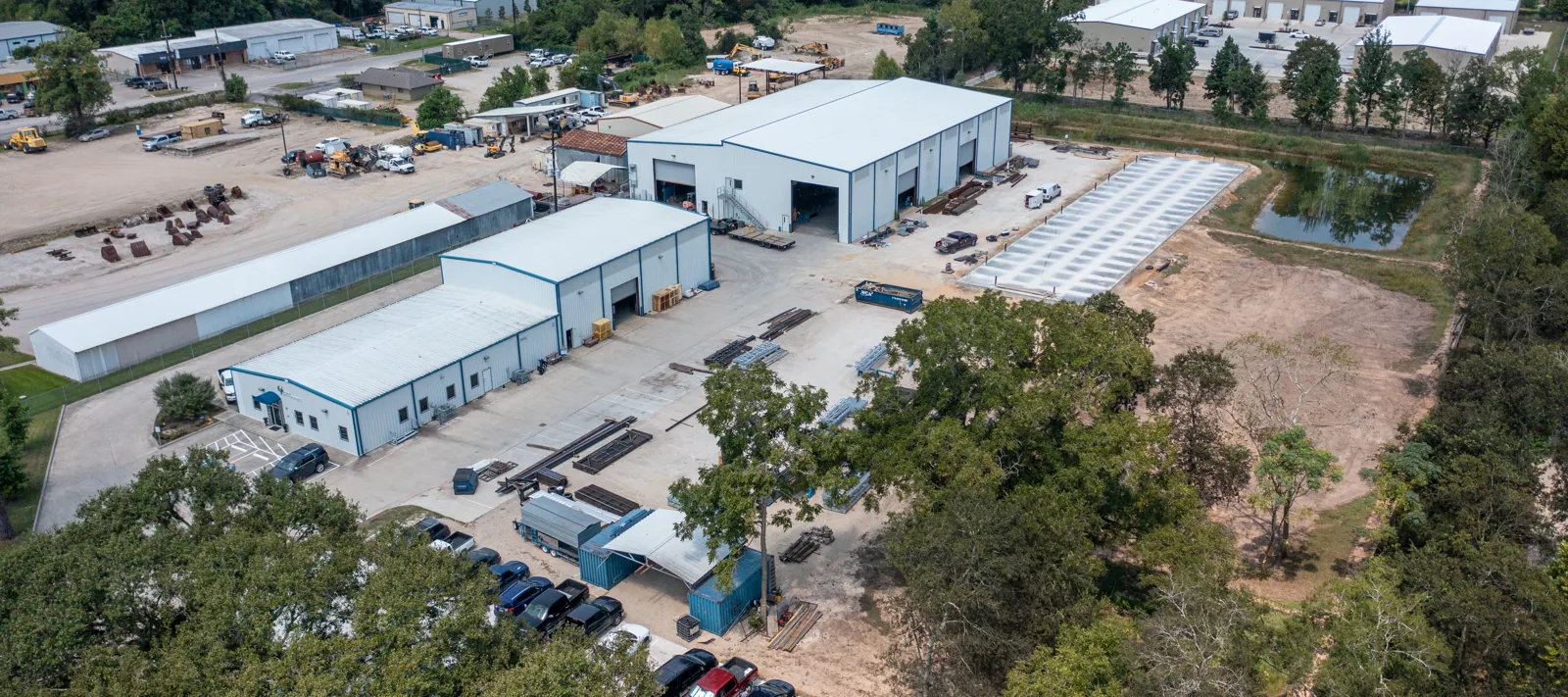
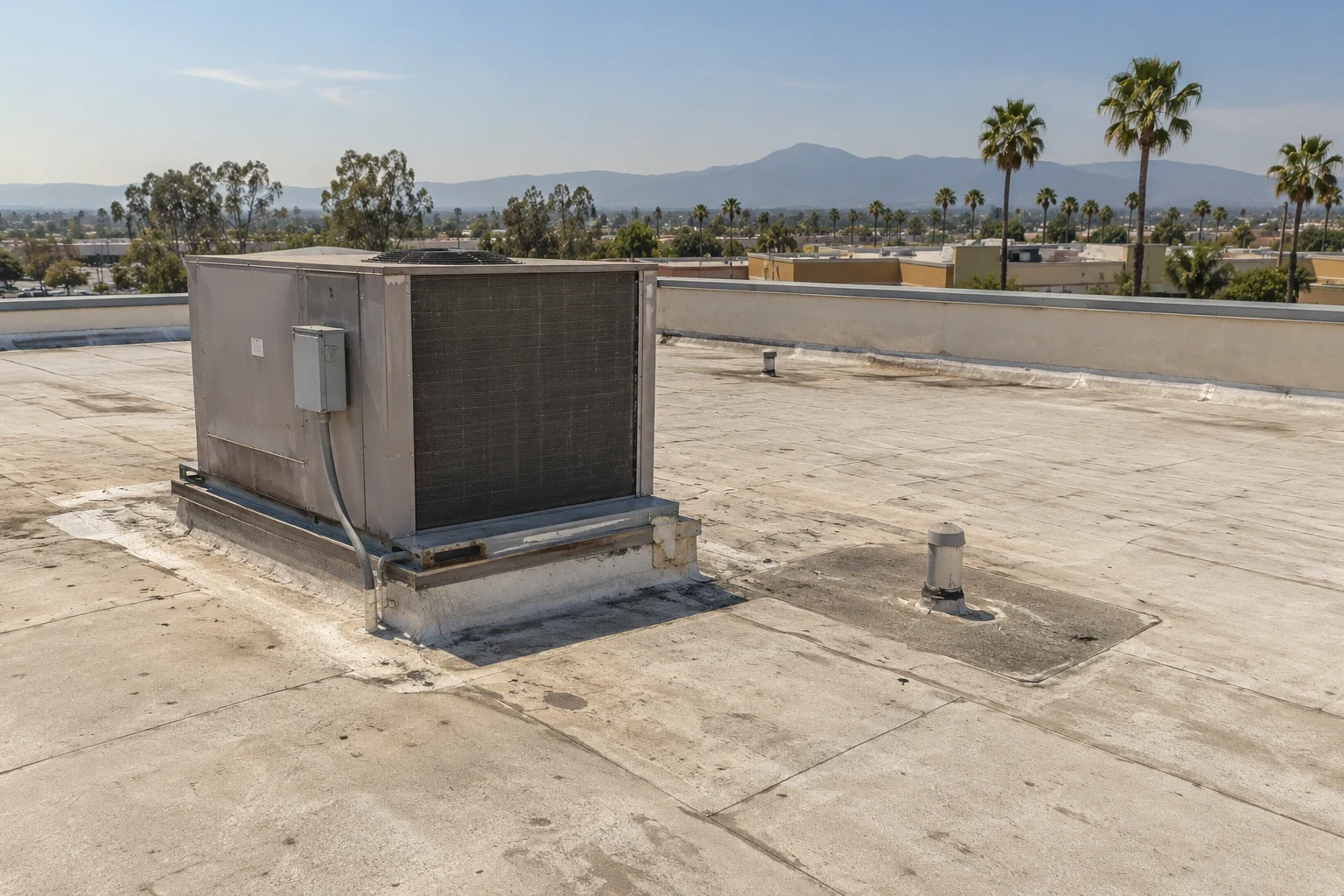


Proudly Serving Huntington Beach and Nearby Cities

Commercial Roofers Huntington Beach
Huntington Beach, Westminster, Seal Beach, Fountain Valley,
Garden Grove, Newport Beach and nearby Orange County cities