
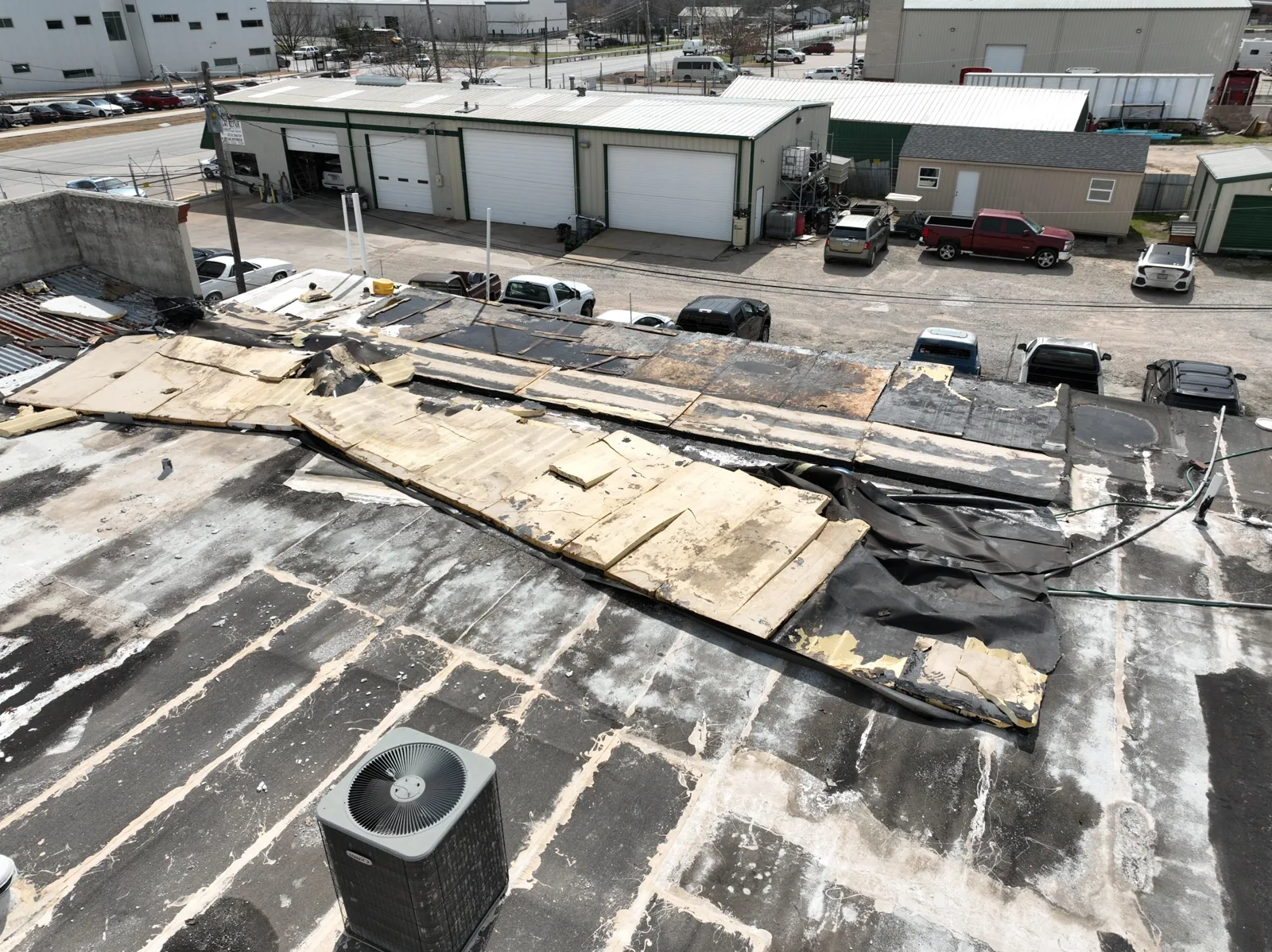
Storm Damage Roof Repair in Huntington Beach, CA
After an overnight gust, the first concern is whether people and operations can stay clear of the affected roof area. We help the site contact set a safe response, protect active leaks, and arrange an inspection once access is approved. A regional weather alert is a reason to look, not proof of damage at one building. We document displaced metal, open seams, punctures, and water entry by roof zone before outlining a repair.
Commercial uses in Huntington Beach, CA, range from manufacturing in the Gothard Street Subarea to visitor-serving shops and lodging near Pacific Coast Highway. Different properties need different access and protection plans. Newport Beach Harbor climate normals show winter rain concentration, while Santa Ana events can bring warm, dry offshore winds. We inspect the actual roof condition and plan the next step for that building.
What is the first safe step after weather?
Keep occupants away from sagging ceiling material, active drips near electrical equipment, and debris that could fall from an edge. Do not send staff onto a wet roof to check a loose panel or branch. Mark the room or work area, note when water appeared, and tell the site contact where access may be restricted. Those details help us plan a safe inspection without treating a weather report as a roof diagnosis.
For an active post-weather leak, our emergency roof response first determines the safe roof route and suitable temporary protection. A temporary cover reduces exposure while the surface dries or a permanent scope is prepared; the service record should make clear which work is temporary. We photograph the affected interior and roof area where it is safe, note any shut-down or occupant protection needs, and confirm who can authorize roof access.
At a visitor-serving property near Downtown Huntington Beach, a blocked entrance or pedestrian route may matter as much as roof access. In the industrial area, equipment, trucks, or active work zones may shape the safe route. The site contact identifies those limits before anyone carries material through an occupied area.
Which roof details should be checked?
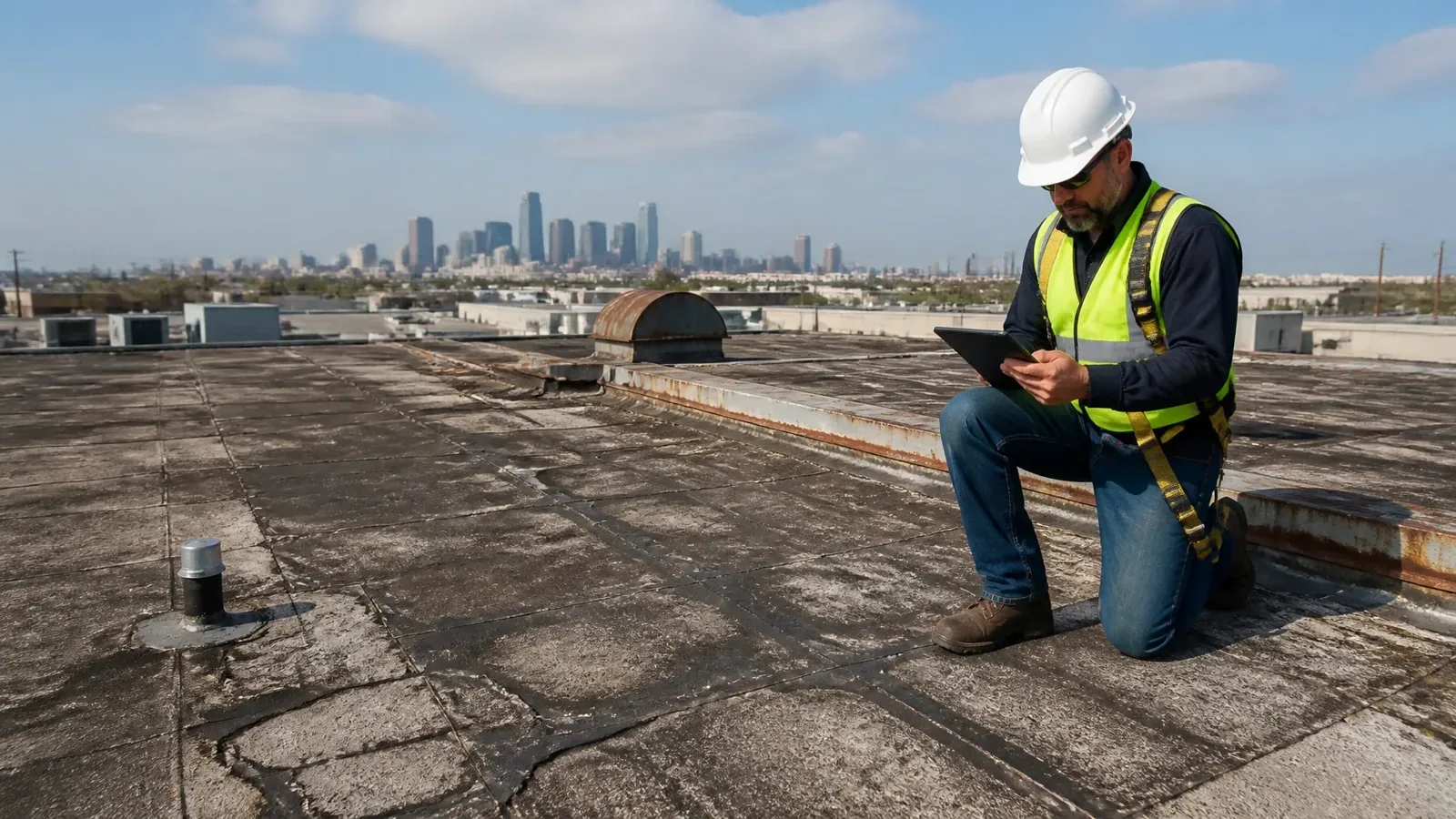
Wind can lift a loose edge, stress a seam, or push rain through a weak flashing transition. We inspect the field membrane or metal panels, then move to parapets, coping, gutters, equipment curbs, skylights, and wall connections. A displaced trim piece can expose an opening even when the broad roof surface still looks intact. We take wide and close photographs so the record shows both where the condition sits and what needs work.
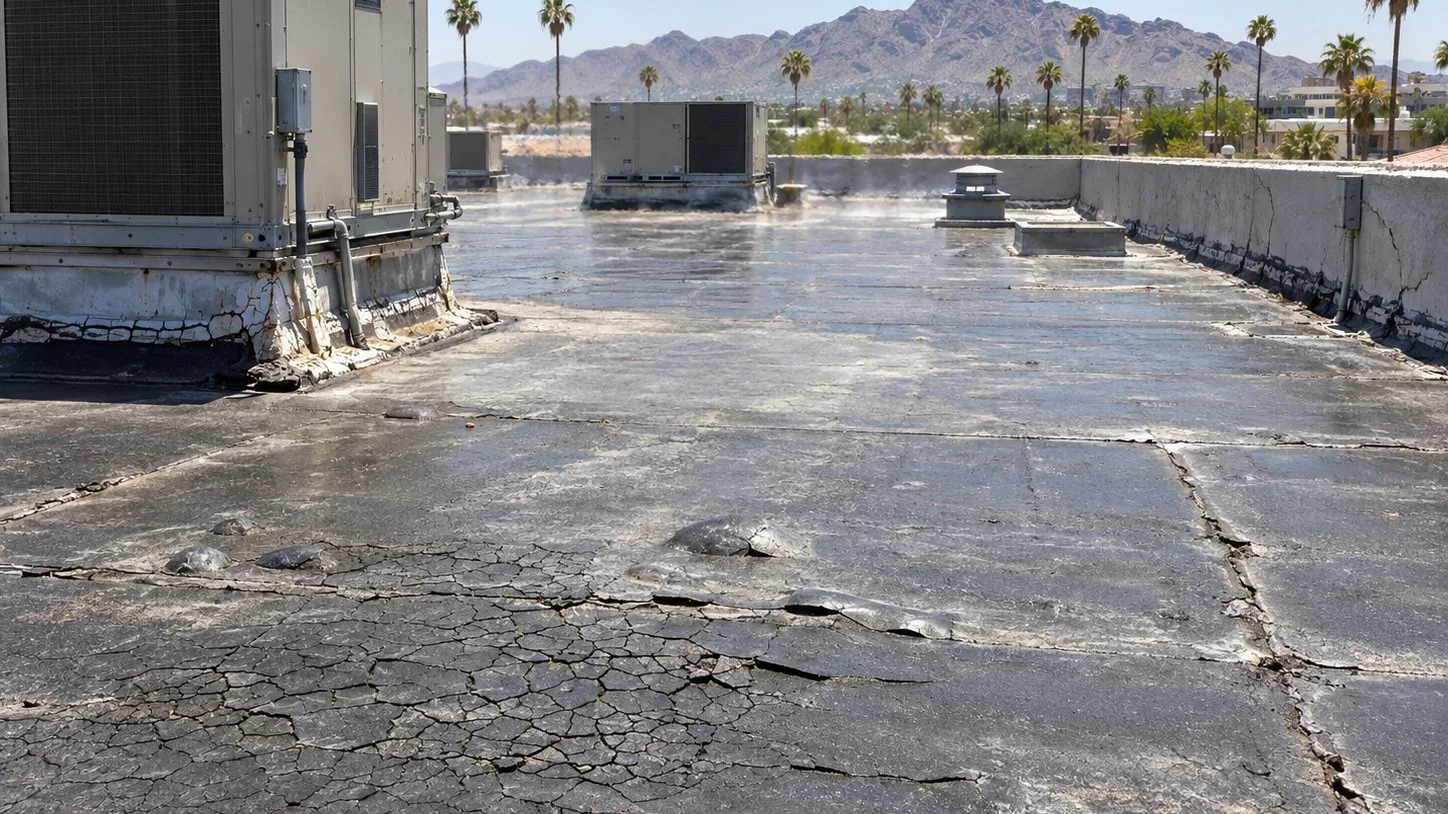
Hail review requires its own evidence. We look for impact marks, punctures, split details, or damage to rooftop accessories and compare the condition with the assembly. A dent does not automatically establish a leak or a need for replacement. The report notes observed effects and distinguishes a confirmed opening from a surface mark that needs monitoring. If the roof has prior damage or repairs, we compare the current area with available records.
A commercial roof inspection can map the full affected section. We may use a drone for broad visual documentation when roof height or access makes it useful, then check critical details at close range. If moisture may have moved beneath the membrane, an photo-backed roof condition report can help define what should be confirmed before removal.
How is the repair boundary set?
The visible mark is a starting point. We follow the water route across seams, curbs, edges, drains, and changes in roof height, then inspect the interior report against exterior evidence. A blocked outlet can add water without being the storm-damaged detail, so we record drainage separately. At Newport Beach Harbor, normal February precipitation is 2.38 inches and January is 2.20 inches, while normal summer months contribute little rainfall. The cooler-season pattern makes a clear drainage path worth checking before the next storm, but the building's roof determines the repair.
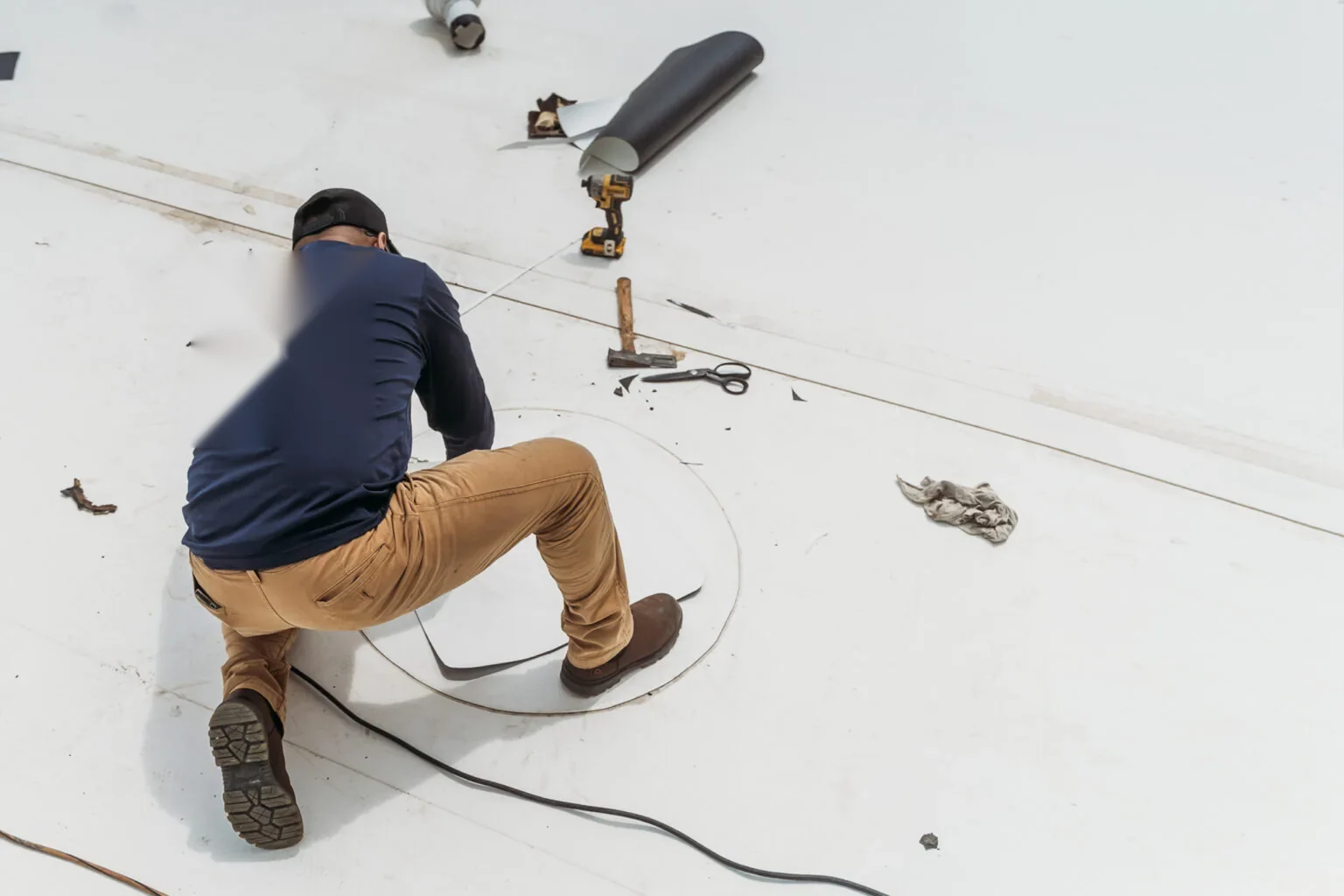
For a defined opening in sound material, a compatible commercial roof repair may restore the detail. We identify which membrane, metal, insulation, or flashing is included. If wet insulation extends beyond the exposed area, we mark the proposed opening and explain what result would expand the scope. A tear-off or replacement recommendation needs broader evidence than one loose cap or a single ceiling stain.
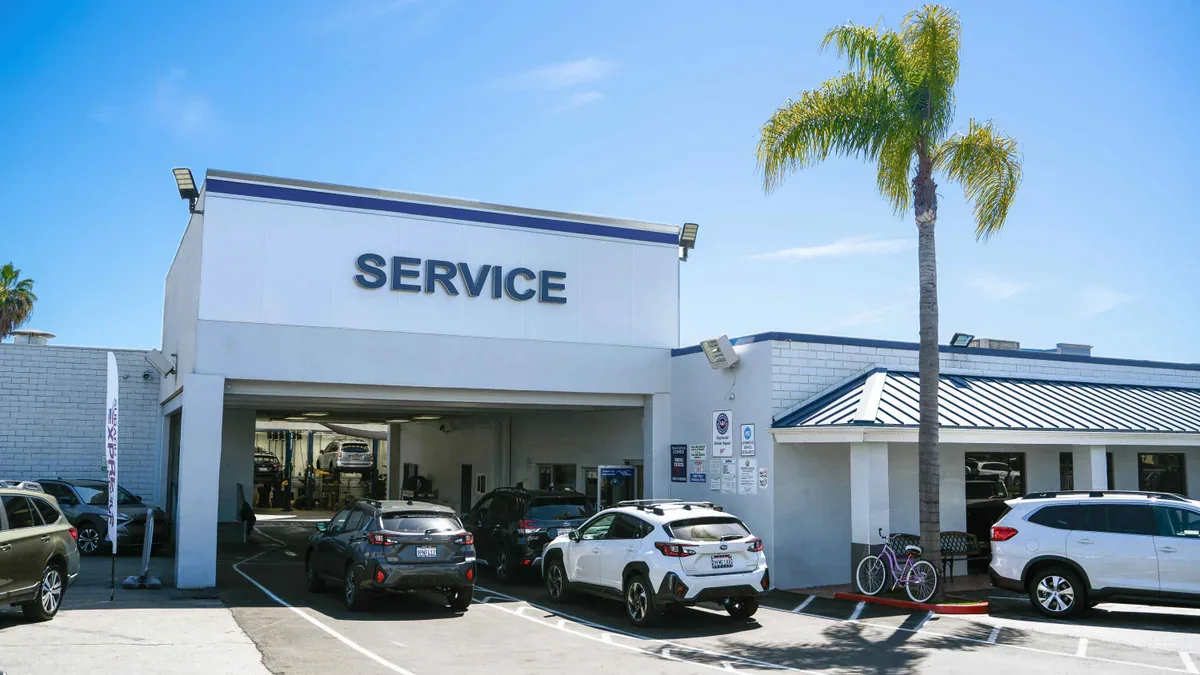
At a warehouse or office in the Gothard Street Subarea, service vehicles and manufacturing schedules can affect staging. Near coastal visitor uses, the work area may need to be separated from customer paths. We coordinate those operating conditions while keeping the roofing scope tied to the inspected assembly.
What does the claim record need?
Capture the report time, inspection time, event date if known, affected room, roof zone, photos, and any temporary measure. Add previous service records when they help distinguish a new condition from an earlier repair. Each photo should show the roof location as well as the close-up. We can provide a written condition report and repair documentation; the insurer and policy parties determine coverage.
For a claim review, our roof insurance documentation support can organize inspection findings and repair records. We do not assume a storm caused every leak found after weather. The scope separates impact, drainage, prior wear, and concealed conditions where inspection supports those distinctions. If removal reveals additional wet material, we document it and seek direction before work expands.
Huntington Beach's Northwest Industrial Subarea includes offices, business parks, commercial pads, and industrial-spec buildings. A multi-building owner can label each site and roof zone consistently so the adjuster, facilities team, and restoration trades refer to the same location. Keep temporary protection separate from permanent repair in the closeout, with the remaining open item and return visit named.
When can permanent work begin?
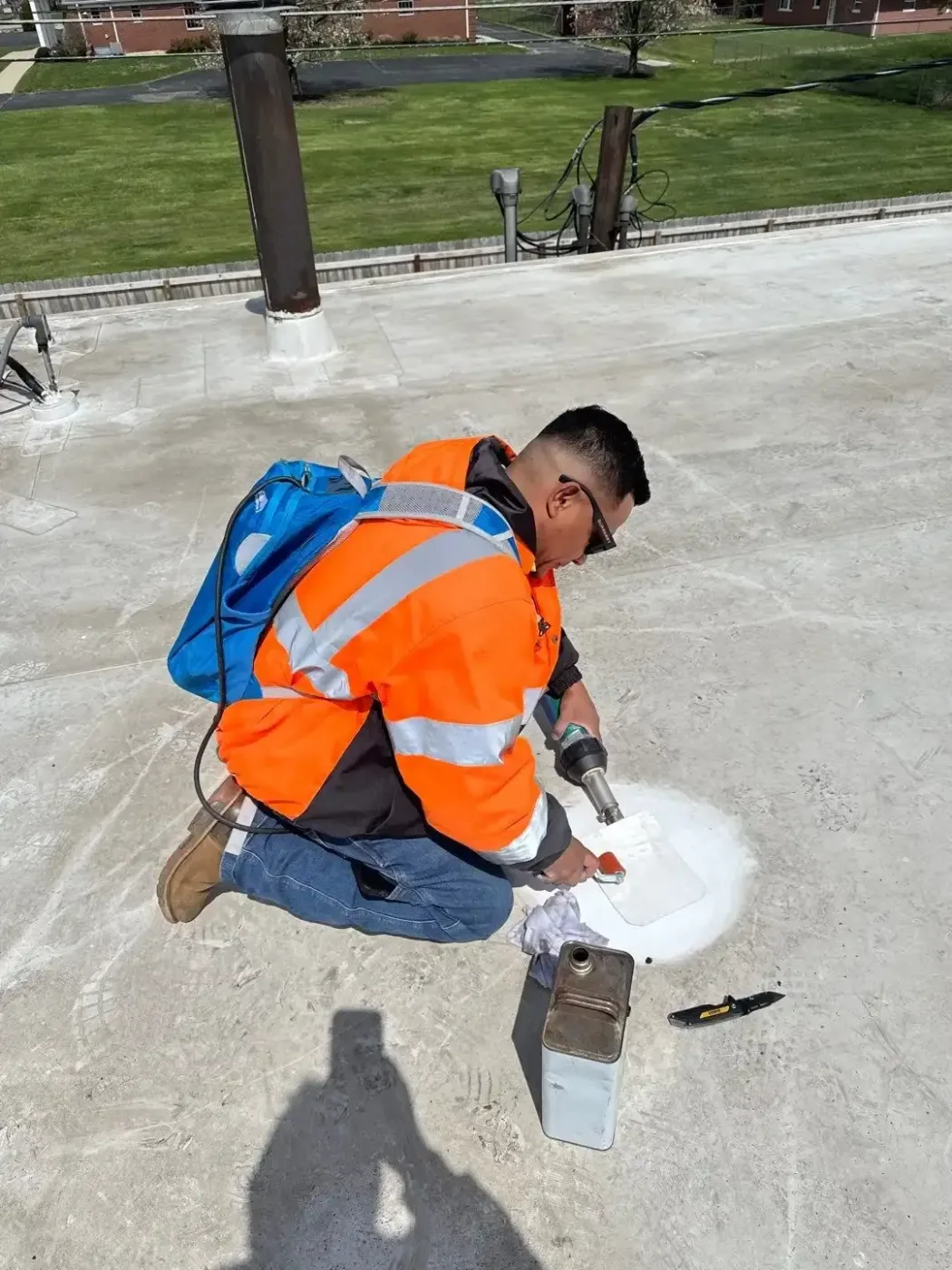
A repair window depends on the roof surface, wind, moisture, material requirements, and access. Some temporary protection can be placed before a permanent system is ready. Welding, coating, and adhesive work need their own surface and weather conditions. We explain whether a detail can be closed that day or whether it needs drying, testing, or a second visit.
After a Santa Ana event, warm dry winds may change the work conditions, but they do not tell us how a particular roof performed. We inspect the edge, seams, and exposed penetrations. On a building near Beach Boulevard or Edinger Avenue, the owner may need a different delivery and occupant plan than a property along the coastal corridor. We confirm the practical window with the site contact instead of setting one schedule for every building.
Once the roof is secure, we review photographs, repair limits, and any item that remains. A wind-damage assessment can address observed edge or attachment concerns. If broad failure or wet layers make a local fix unreliable, replacement planning can compare removal and new assembly work. Call with the affected building, interior report, roof plan, access contact, and operating hours so we can set the first safe step.
Commercial Roofing Questions
Does a storm warning mean our roof is damaged?
No. A warning identifies weather risk, not the condition of a specific roof. We inspect accessible seams, edges, penetrations, drains, and interiors, then document what is observed before recommending repair.
Can you cover an opening before the permanent repair?
When the roof can be accessed safely, we can protect a defined opening while the surface dries or the permanent material is confirmed. The report records the temporary work and any return step separately.
How do you tell hail damage from ordinary wear?
We inspect the surface and surrounding details for impact evidence, punctures, and openings, then compare with earlier records when available. A mark alone does not set the repair or replacement boundary.
What information helps with a claim review?
Share the event date if known, affected rooms, prior repair records, roof plan, and access contact. We can document observed roof conditions and completed work; coverage decisions remain with the insurer and policy parties.
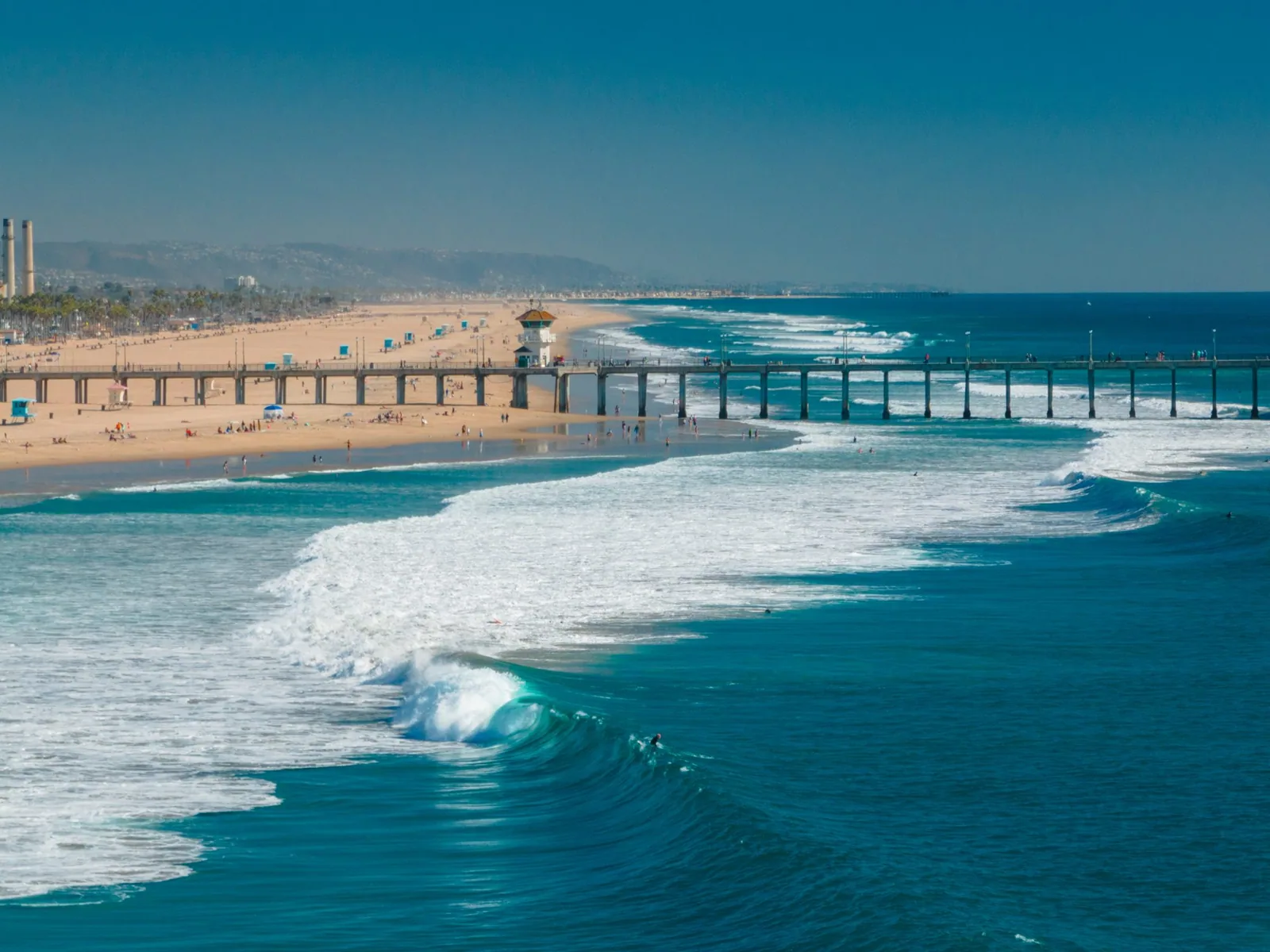

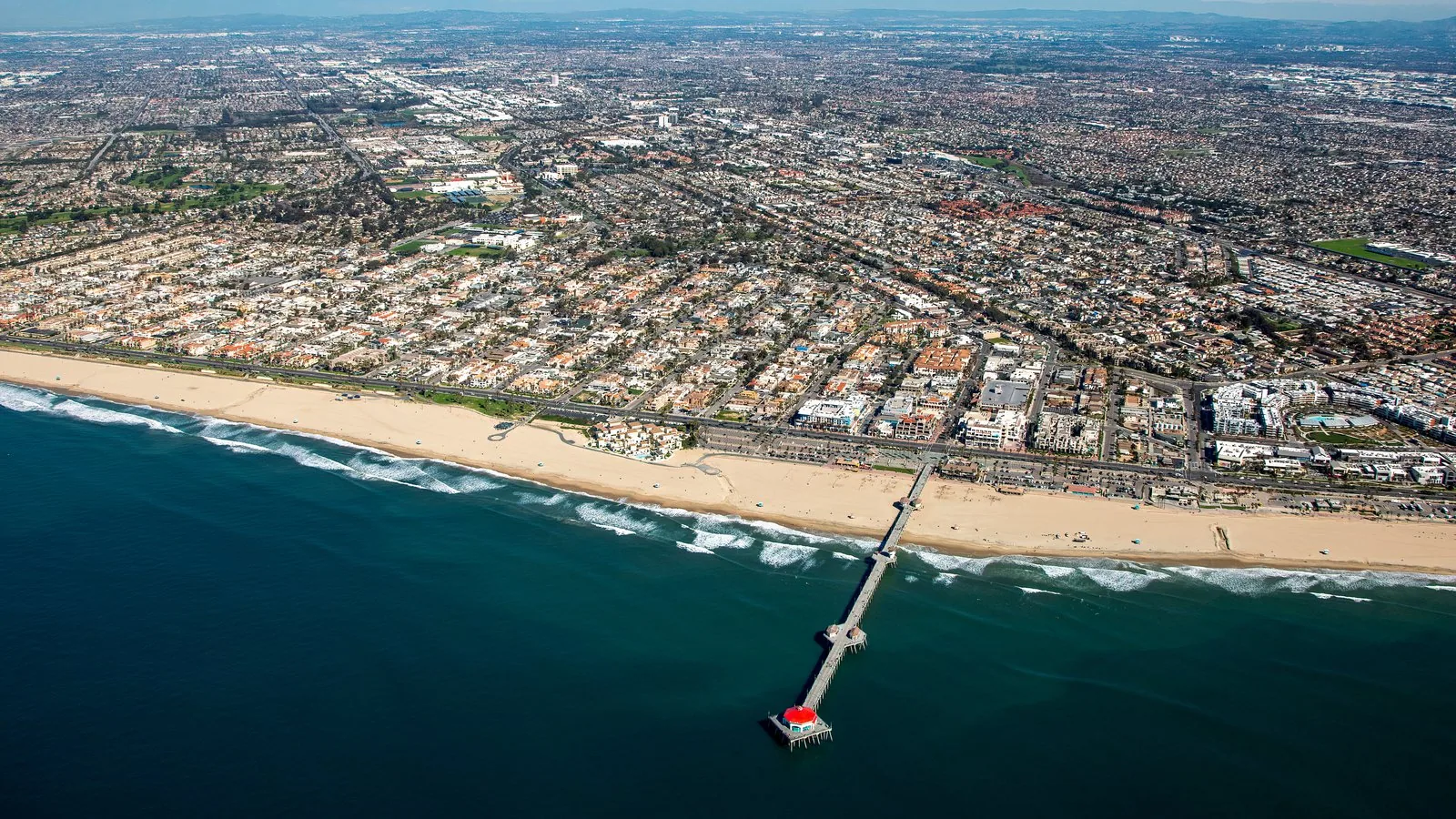
Proudly Serving Huntington Beach and Nearby Cities
Commercial Roofers Huntington Beach
Huntington Beach, Westminster, Seal Beach, Fountain Valley,
Garden Grove, Newport Beach and nearby Orange County cities