
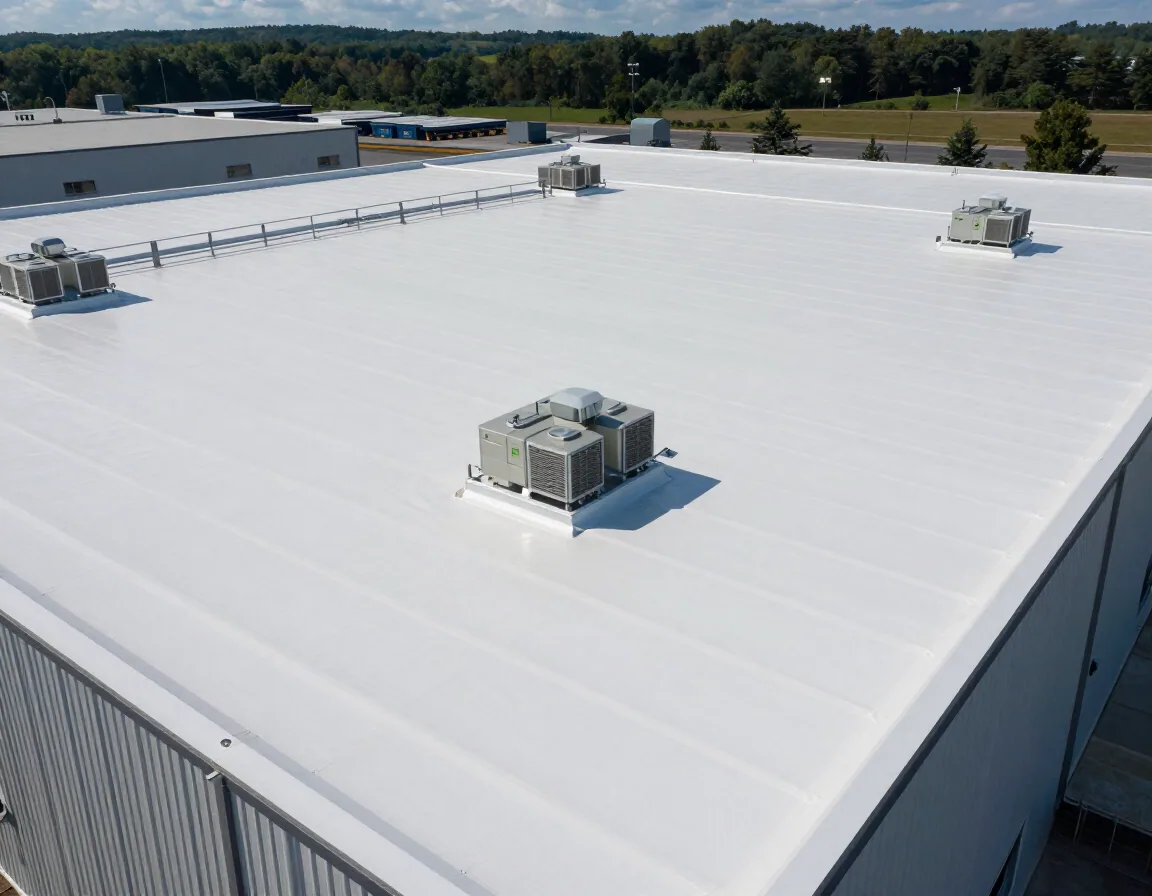
TPO Roofing in Huntington Beach, CA
A pale seam line can look intact from the hatch and still lift at a curb or drain. Commercial Roofers Huntington Beach inspects, repairs, and replaces TPO roofing in Huntington Beach, CA, by checking the weld, the membrane around it, and the connection to the roof below. We mark the affected section, confirm the access window, and protect the space under the work before setting a repair extent. That first safe step helps the owner decide whether a local correction will hold or whether testing needs to come first.
Huntington Beach includes industrial and warehouse buildings in the Gothard Street Subarea, while Pacific Coast Highway serves visitor-facing commercial uses. The building schedule changes how we stage rolls, move equipment, and close a roof opening. Newport Beach Harbor climate normals place most rain in winter, with summer averages near zero. We plan a suitable dry preparation window, then base the TPO detail on the assembly in front of us.
What does a dependable TPO weld need?
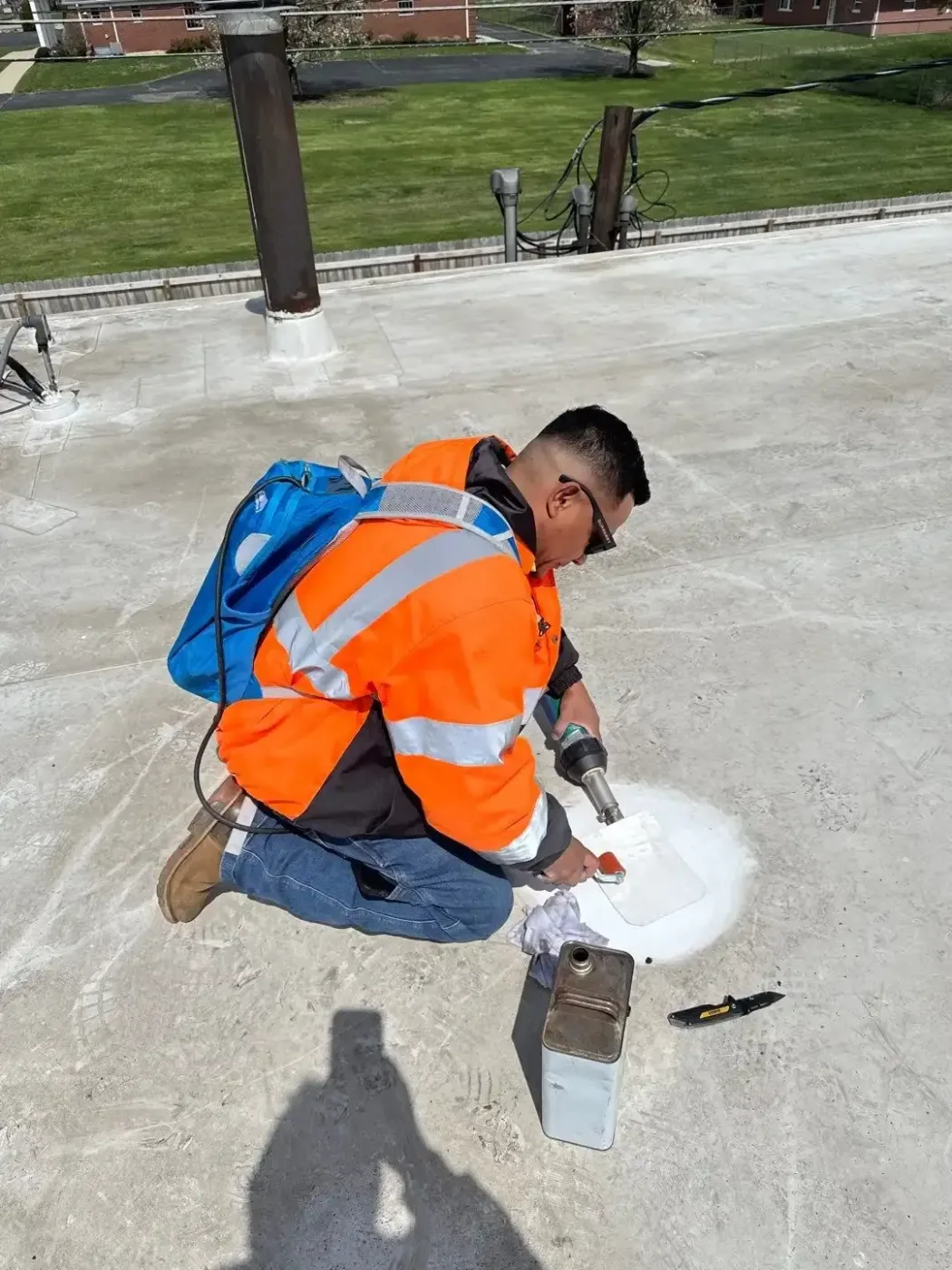
A TPO seam is made by heat-welding clean membrane faces. Dirt, moisture, wrinkles, uneven pressure, or a change in welding speed can leave a channel that admits water. We inspect the seam with a probe where appropriate, then check the condition beyond the visible opening. A short split may continue past the point where the surface first looks sound, so we mark both the initial defect and the stable tie-in area.
Before repair, we identify membrane type, thickness where known, reinforcement, attachment, and any prior coating or patch. A compatible patch needs a prepared surface and a weld that reaches sound material on every side.
For a new installation, we review the approved details, substrate, insulation, cover board, and fastening pattern before rolls reach the roof. A roof inspection can identify conditions that need correction before TPO covers them. Where a larger assembly is planned, the replacement scope sets tear-off depth, tie-ins, and the daily dry-in limit instead of treating the membrane as a standalone sheet.
Where can water pass the membrane?
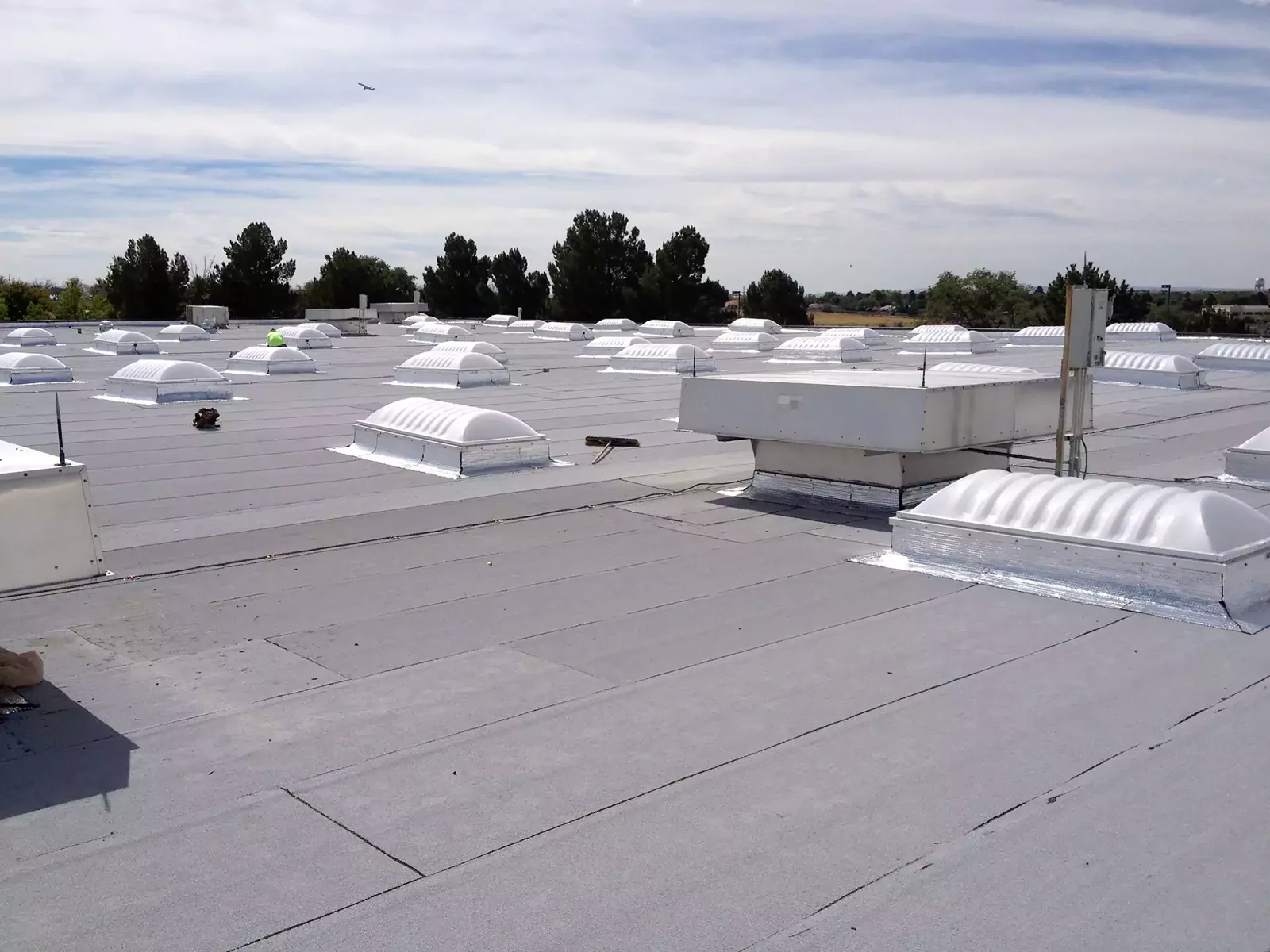
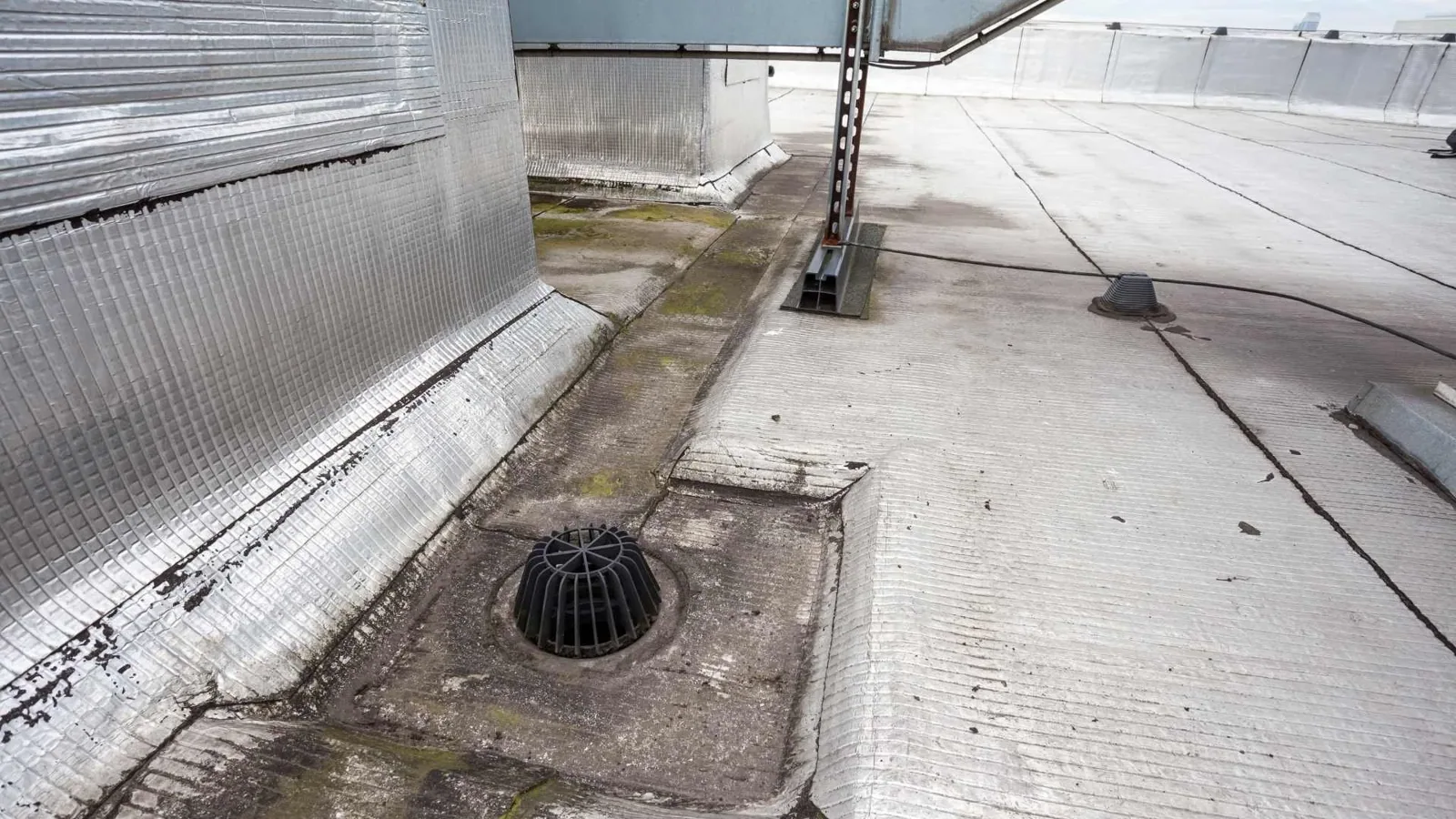
A leak path often begins where the roof plane changes. We inspect seams, corners, pipe boots, equipment curbs, parapets, drains, scuppers, and wall flashings around the reported zone. At a drain, we look at the bowl connection and clamp area as well as the surrounding TPO. At a curb, we follow the flashing through each corner and termination. The roof plan shows which detail was reached and which one remains behind equipment or a restricted access point.
Newport Beach Harbor averages 9.43 inches of rain annually, mostly in cooler months. A dry interval can delay discovery, so we compare the reported date with outlets, low points, recent rooftop service, and old patches. If moisture extent remains unclear, we identify a test area and what result would change the repair quantity.
Drainage and membrane work should be scoped together when an outlet connection or slope issue is involved. Drain and scupper service can address the outlet geometry, while a TPO seam repair closes a confirmed weld failure. The two work items stay separate when one condition is still being investigated.
How does the building use change the work window?
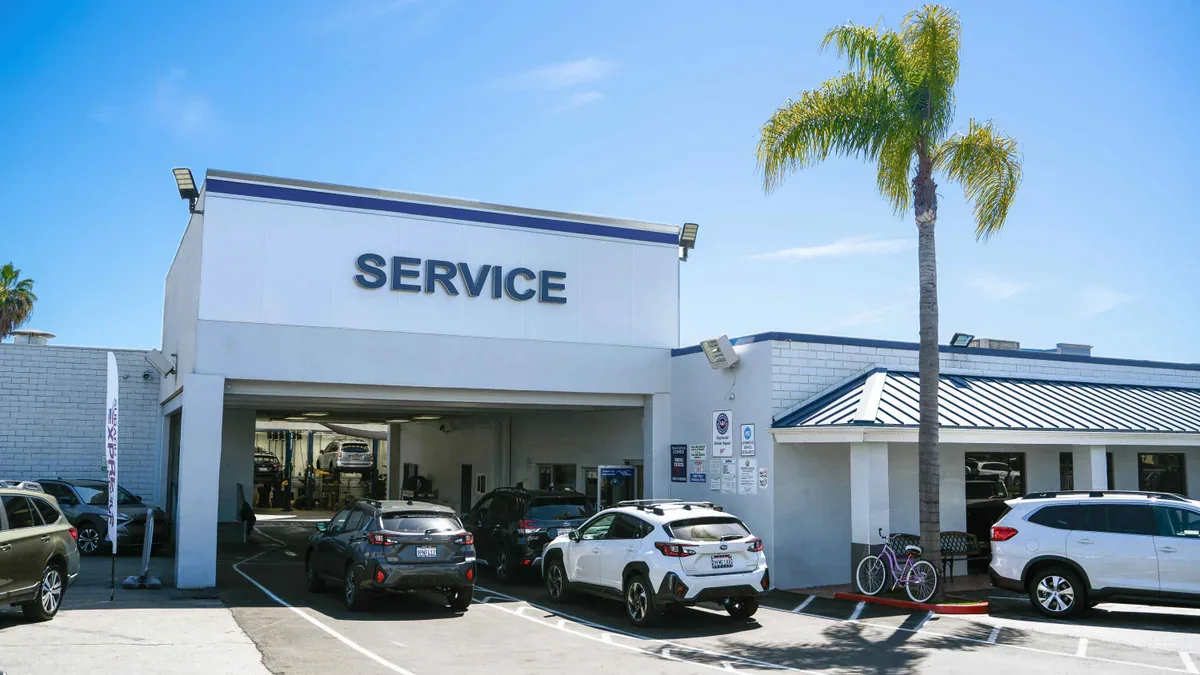
In the 422-acre Gothard Street Subarea, manufacturing, warehousing, auto repair, retail, and office uses share an employment area between Edinger and Ellis avenues. That mix can put loading lanes, customer access, or vehicle work directly below a roof section. We confirm where lifts and material can travel, whether a door or yard must remain clear, and who can release the area under the membrane. The crew can then divide the installation into zones that can be inspected and made weather-tight before leaving.
Visitor-serving properties near Pacific Coast Highway and Five Points bring a different timing question. Delivery lanes and public paths may need protection during removal. We plan the hoist, noise window, debris route, and interior protection with the property contact. The mechanical lead schedules any interruption to fans or roof-mounted units, and we name the trade responsible for restoring each curb interface.
Huntington Beach adopted the 2025 California Building Code under Ordinance 4343 for the code cycle effective January 1, 2026. A permitted reroof or alteration should be reviewed against its scope and permit date by the project designer and authority having jurisdiction. The roof proposal identifies the assembly and work limits that inform that review.
When is repair enough, and when should the roof change?
A localized patch can make sense when surrounding TPO remains attached, dry, and suitable for welding. Repeated seam openings, widespread wet insulation, loose fasteners, or movement at several transitions can point to a larger issue. We compare the repair history with current field marks and recommend testing only when its result could change the work extent. A clear repair can be priced as a defined area; a hidden condition remains a separate approval point.
A recover keeps existing layers only if the base is sound and the added assembly will work at drains, edges, and curbs. Recover evaluation checks those limits before another layer is proposed. If removal is needed, compare PVC membrane or EPDM roofing against the specified substrate, insulation, attachment, and flashing details.
Cost and timing reflect access, tear-off, deck repairs, insulation, edge metal, drains, and the amount we can safely expose. We set the dry-in boundary and concealed-condition approval point. Our Emergency response handles urgent TPO openings at any hour, including holidays, while the work record identifies the temporary cover and permanent correction separately.
What should the closeout show?
Record the TPO product and visible assembly, repaired seam or penetration, surface preparation, photographs, and any test performed. Mark the repair on the same roof plan used for the inspection. If a nearby area could not be checked, label that gap and note the access or equipment move needed for a return visit. A manager can then compare the next water report with the actual repair instead of relying on a generic note that the roof was serviced.
Keep mechanical changes and later service work with the roof record. A unit replacement can alter curb position, piping, or the path used by technicians. Equipment curb work should leave a named roofing handoff when another trade has changed the opening. For a building with multiple sections, a photo-backed condition report keeps the membrane finding tied to the correct zone and follow-up action.
Send the roof plan, leak location and timing, prior repair notes, equipment schedule, site contact, and available work window. We will inspect the TPO, map the water route, and return a repair or replacement scope with its limits visible.
Commercial Roofing Questions
When can a welded TPO correction stay within one seam?
A local weld repair can work when the sheet around it is attached, dry, and clean enough to prepare. We probe the opening, check the tie-in area, and identify any moisture or movement that could widen the scope.
Why did a new TPO roof open at the curb?
Curb movement, incompatible flashing, a high stress point, or a field installation detail can contribute. We inspect each corner, termination, and adjacent seam, then separate the confirmed defect from the cause that still needs verification.
What does a TPO replacement proposal include?
The proposal should identify removal depth, substrate assumptions, insulation, cover board, attachment, flashings, edge metal, drains, protection, and daily dry-in. We state which conditions are confirmed and which need an approval before removal expands.
Can rooftop equipment stay in service during TPO work?
The site contact and mechanical lead set any shutdown or access limit. We sequence around active units when the detail can be completed safely, and name the receiving surface and final flashing handoff if equipment must move.
What does another water report change after a TPO patch?
The earlier plan mark and patch photographs establish where work ended. We examine the new symptom against that boundary and neighboring TPO details. A change in moisture, securement or flashing may require testing or a revised extent before another weld is proposed.

Proudly Serving Huntington Beach and Nearby Cities

Commercial Roofers Huntington Beach
Huntington Beach, Westminster, Seal Beach, Fountain Valley,
Garden Grove, Newport Beach and nearby Orange County cities