
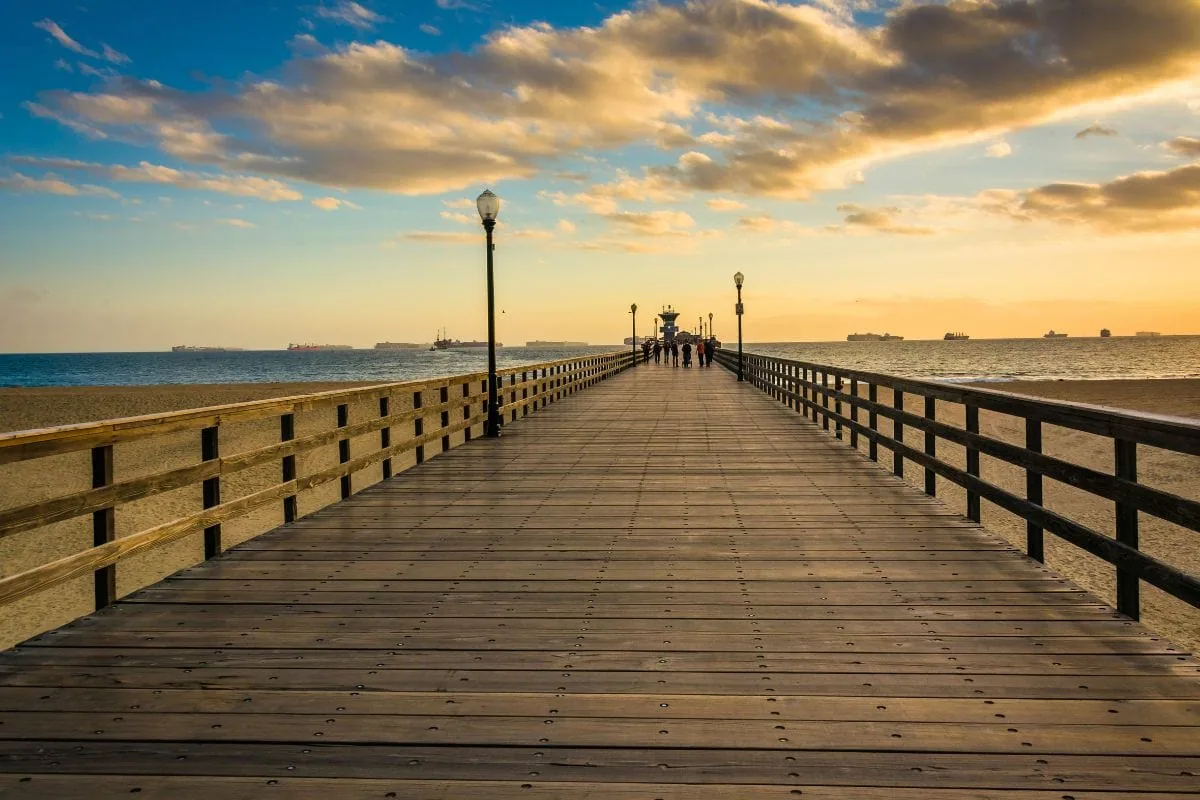
Commercial Roofing in Seal Beach, CA
An active drip in a Seal Beach commercial building needs a safe interior boundary and a roof access contact. We protect the affected space, compare the room location with the roof plan, and inspect the accessible drainage and flashing details. Commercial Roofers Huntington Beach handles localized repairs, preventive work, restoration, and larger roof projects. The first decision is what can be secured immediately and which permanent correction needs a dry work window.
Seal Beach sits beside the northwest planning edge of Huntington Beach, CA. It administers its own building-permit and land-use review, so the roof scope must follow the requirements applicable to the actual property. We use the building's construction and operating needs to plan the work. A coastal location calls for an exposure check at the roof, including metal condition and drainage, rather than an assumption that every property has the same deterioration.
What can be secured before the rain returns?
A lifted flashing or visible hole can sometimes receive temporary protection before a permanent installation is possible. We examine safe attachment points and the surrounding surface before placing a temporary cover. Loose material must not obstruct a drain or create another hazard at the edge. The protected area receives a clear limit so the owner knows which opening has been contained and where further inspection remains necessary.
Urgent calls are handled around the clock, including holidays and weekend nights. Wind, slippery surfaces, electrical exposure, and roof-edge access can restrict what can be reached safely during the initial response. Interior protection can proceed while exterior access is assessed. An urgent roof protection visit should lead into a permanent work plan with the affected assembly identified, not leave the owner treating temporary material as a finished roofing system.
Where does the roof send accumulated water?
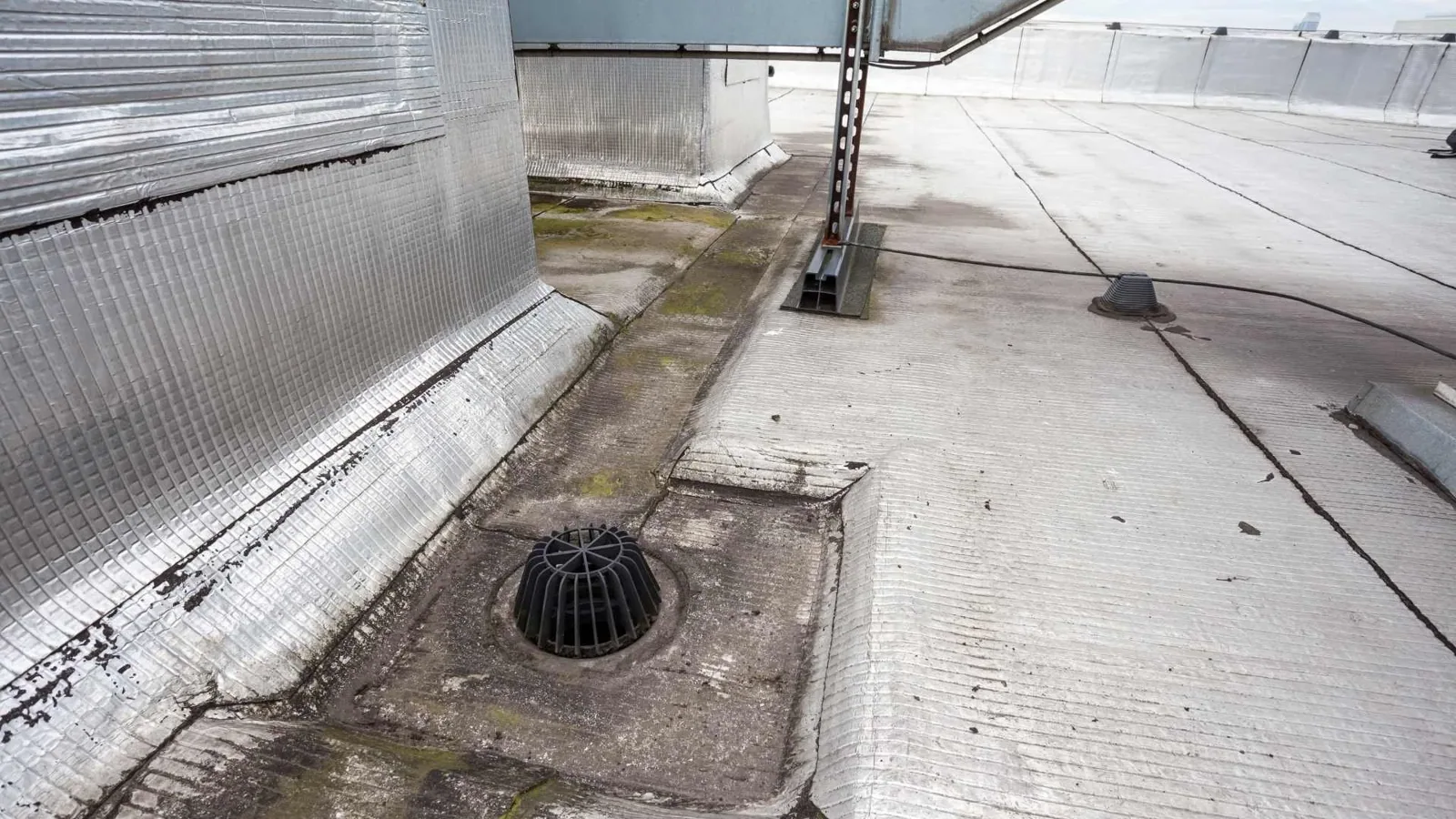
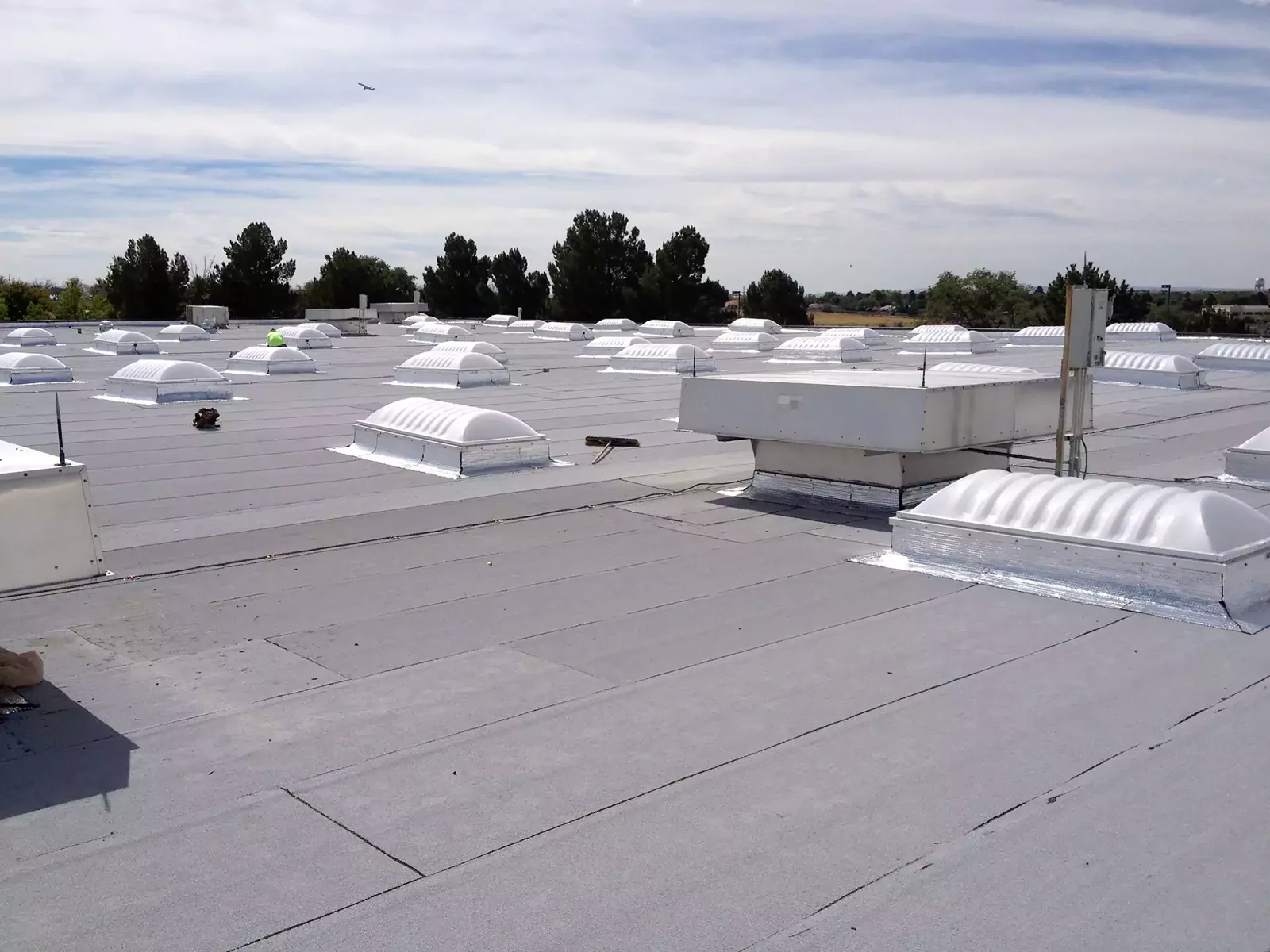
A scupper with debris at its throat can back water toward a nearby wall connection. We check the roof plane, outlet opening, metal joints, and exterior discharge together. A clear opening with standing water farther uphill suggests a different problem from a blocked throat. Cleaning is useful where debris causes the restriction; correcting slope or a failing connection requires a separate scope. We photograph both the inlet and the route approaching it.
Newport Beach Harbor's normal rainfall favors the cooler months, with almost no summer precipitation. That nearby coastal context supports checking drainage before the wetter season. The Seal Beach forecast and surface condition still set the actual repair window. Restoring a drain path includes checking that secondary relief remains available if a primary outlet is blocked. Water should not be redirected onto an occupied entrance or against a vulnerable wall joint.
Which exposed connections need a closer look?
Corroded fasteners, separated metal laps, and loose edge pieces can interrupt weather protection even while the main membrane remains intact. We inspect actual metal condition and attachment at reachable edges. If deterioration is localized, the work may involve replacing one detail and reconnecting the membrane. Broader failure can require a longer edge section, with attachment designed for the building rather than copied from an old improvised fastening pattern.
Salt exposure varies with the property and material. Our inspection looks for visible corrosion and weakened connections before selecting replacements. Santa Ana conditions can bring warm, dry offshore wind that affects material handling and exposed work. We assess the roof access window against that forecast and secure opened areas before conditions change. Correcting edge metal and coping should leave the wall top, roof termination, and drainage connection working together.
How much material needs to come out?
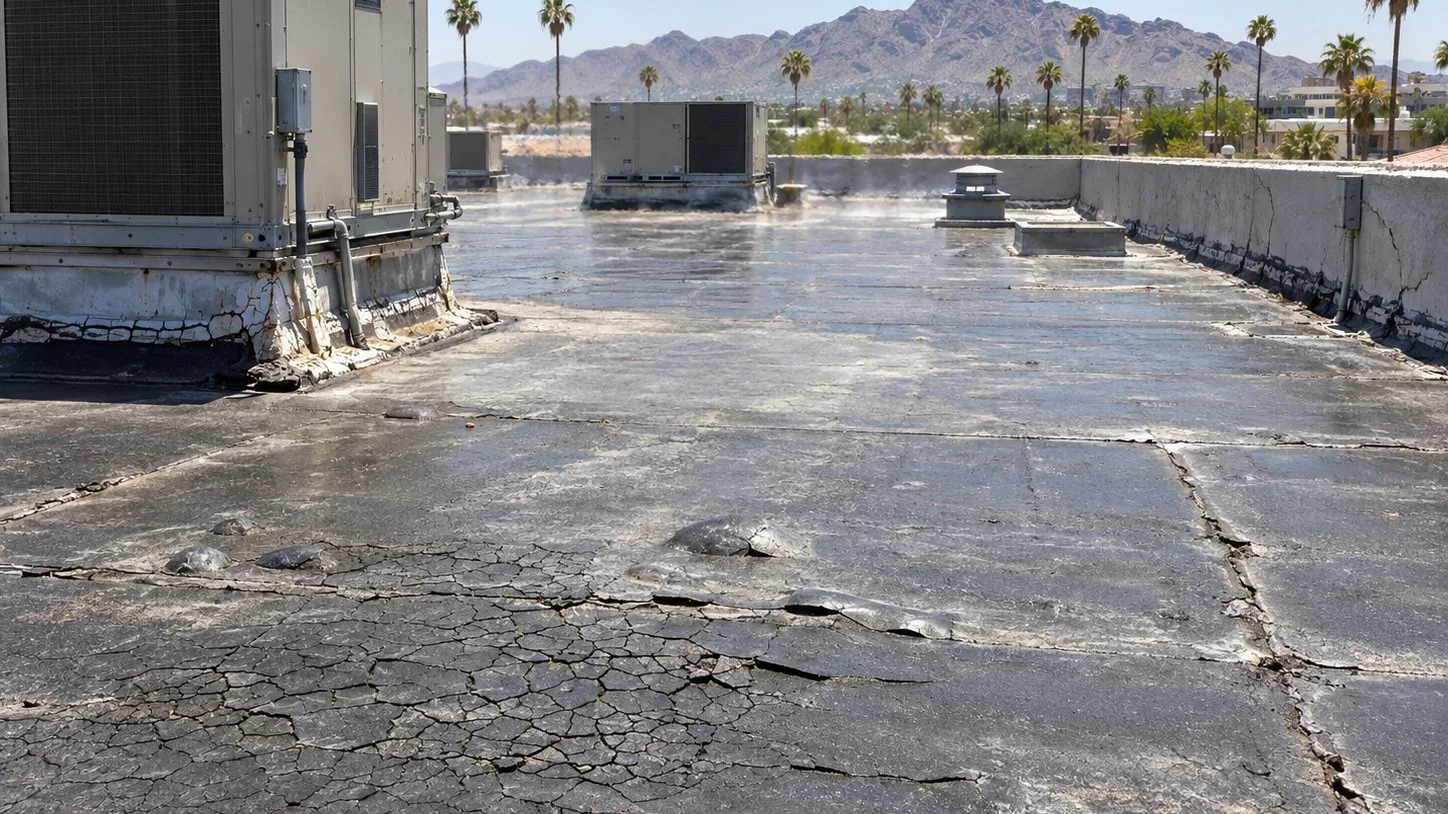
A soft spot beside a patched seam can indicate concealed deterioration that surface work will not resolve. We map the accessible symptoms and recommend targeted testing where moisture extent changes the repair choice. A moisture survey helps direct confirmation rather than replacing it. Authorized openings establish the layers present and whether insulation can remain. The proposed removal boundary then follows the findings instead of the outline of an old patch.
A stable, dry assembly with a few accessible defects can be retained through compatible repair. A coating needs a suitable receiver, corrected seams, and acceptable adhesion. Recover requires a further check of attachment, drainage, loading, and applicable limits on existing layers. A replacement scope becomes useful when removal is needed to reach sound construction or correct widespread concealed problems. We explain what each option leaves in place and what it actually corrects.
What must be resolved before a larger roof project?
Seal Beach's community-development process includes building-permit review and administration of specific plans. We identify whether the proposed alteration needs permit coordination and which submittal details affect the roof work. California's current nonresidential energy standards can apply to covered alterations, so material and insulation decisions belong in that review. The permit path for the Seal Beach property is established before ordering a system that depends on those decisions.
An owner managing buildings in Huntington Beach and Westminster may need separate access and approval arrangements at each address. For this building, we confirm delivery space, protected entrances, roof height, and any equipment needing a shutdown. Wet removal, difficult access, and additional trade work can extend cost or duration. We define those tasks in the scope and limit daily openings to areas that can be secured within the weather window.
How is the completed repair tied to the original report?
A finished membrane patch should be easy to locate from the roof diagram. We retain the initial defect photographs and add views of prepared surfaces, removed material where relevant, and the completed connection. The owner receives the repair position and any unresolved outlet or equipment item. If another trade moves a support after roofing is complete, a return check can inspect the new contact points and surrounding surface.
Interior drying can continue after exterior entry has stopped. Keep the original leak timing, affected room, and later observations together so a fresh report is not confused with residual moisture. A return visit can compare the repaired detail and drain path under changed conditions. For planned maintenance, we identify the outlets and vulnerable transitions needing repeated attention rather than recommending the same undifferentiated service to every roof.
Commercial Roofing Questions
Can you inspect a Seal Beach roof while a permit decision is pending?
An accessible condition inspection can establish the existing assembly and repair priorities while the larger project is reviewed. We distinguish immediate protection from the alteration needing approval. Findings about wet layers, drainage, or attachment can then inform the permanent scope and its required submittals.
Does a coastal address mean all edge metal should be replaced?
Visible condition and connection strength determine the work. We examine reachable metal, fasteners, and adjacent membrane before deciding whether a local correction is sufficient. Replacement should address the deteriorated section and its connections rather than remove sound material solely because the building is near the coast.
How should we record water after temporary cover is installed?
Record the room, time, and whether water is increasing or slowing without entering an unsafe area. Share any change with the site contact. We compare that report with the protected opening and other accessible roof positions, then revise protection or arrange the next inspection as conditions permit.
Could removing wet insulation require more work than the visible patch?
Concealed moisture can extend beyond the surface defect. Confirmation checks help establish that extent before a final removal limit is approved. We identify the additional receiver, insulation, and tie-in work needed so the estimate reflects restoring a sound assembly rather than covering the same wet layers.
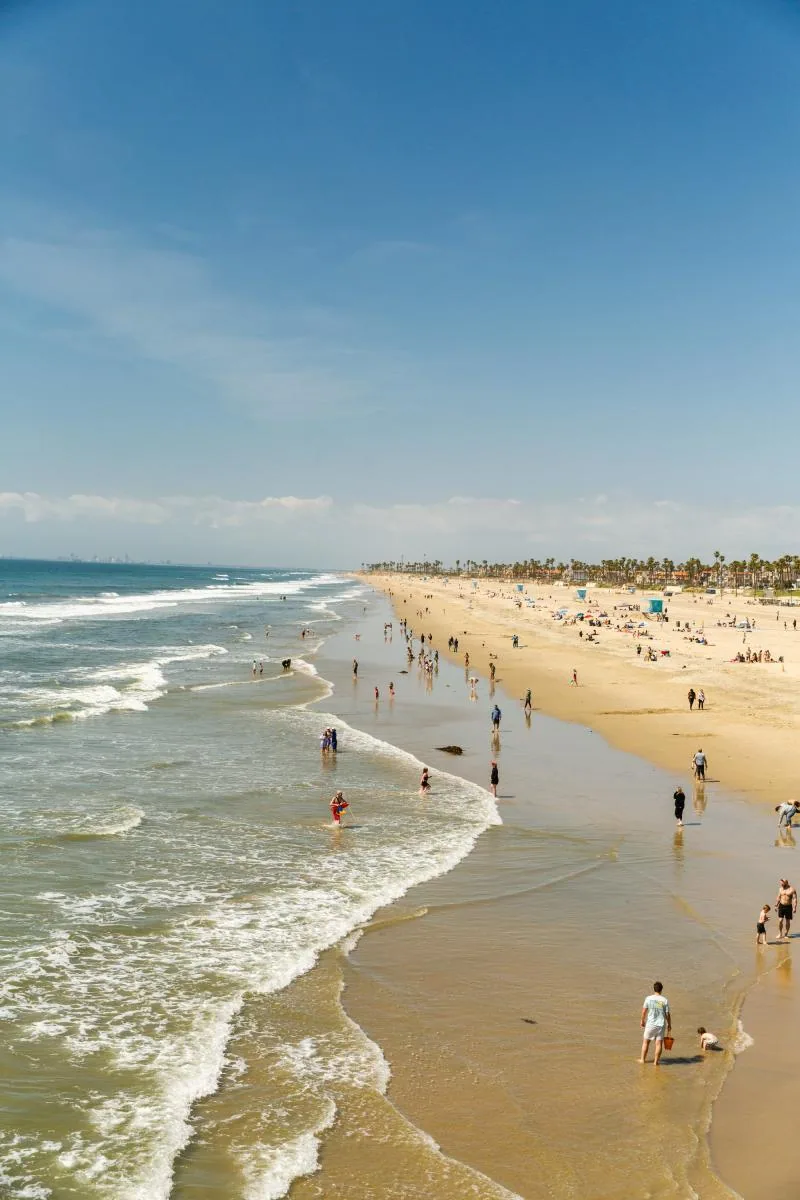
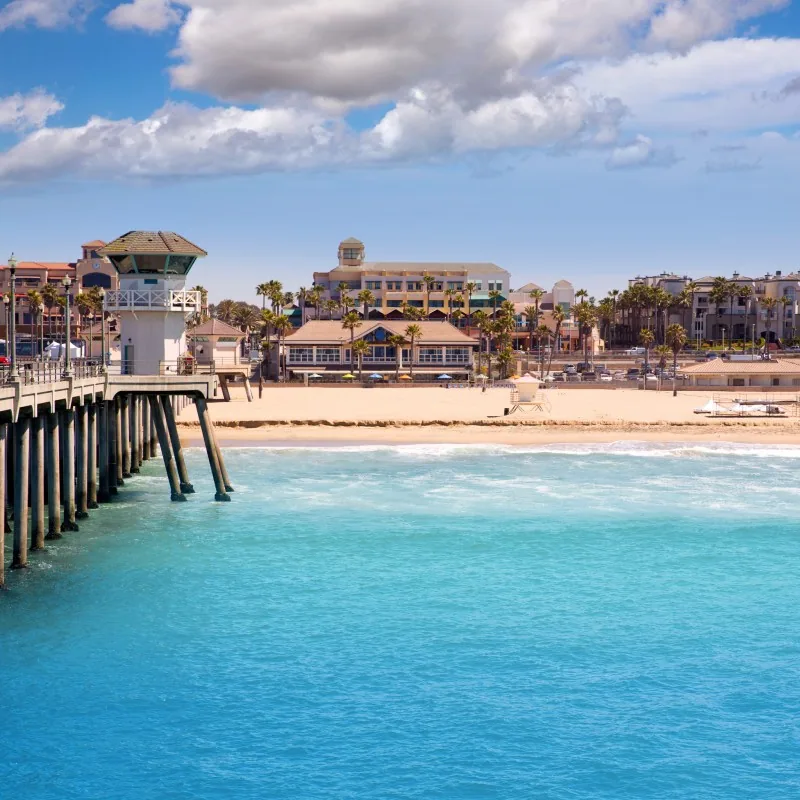

Proudly Serving Huntington Beach and Nearby Cities
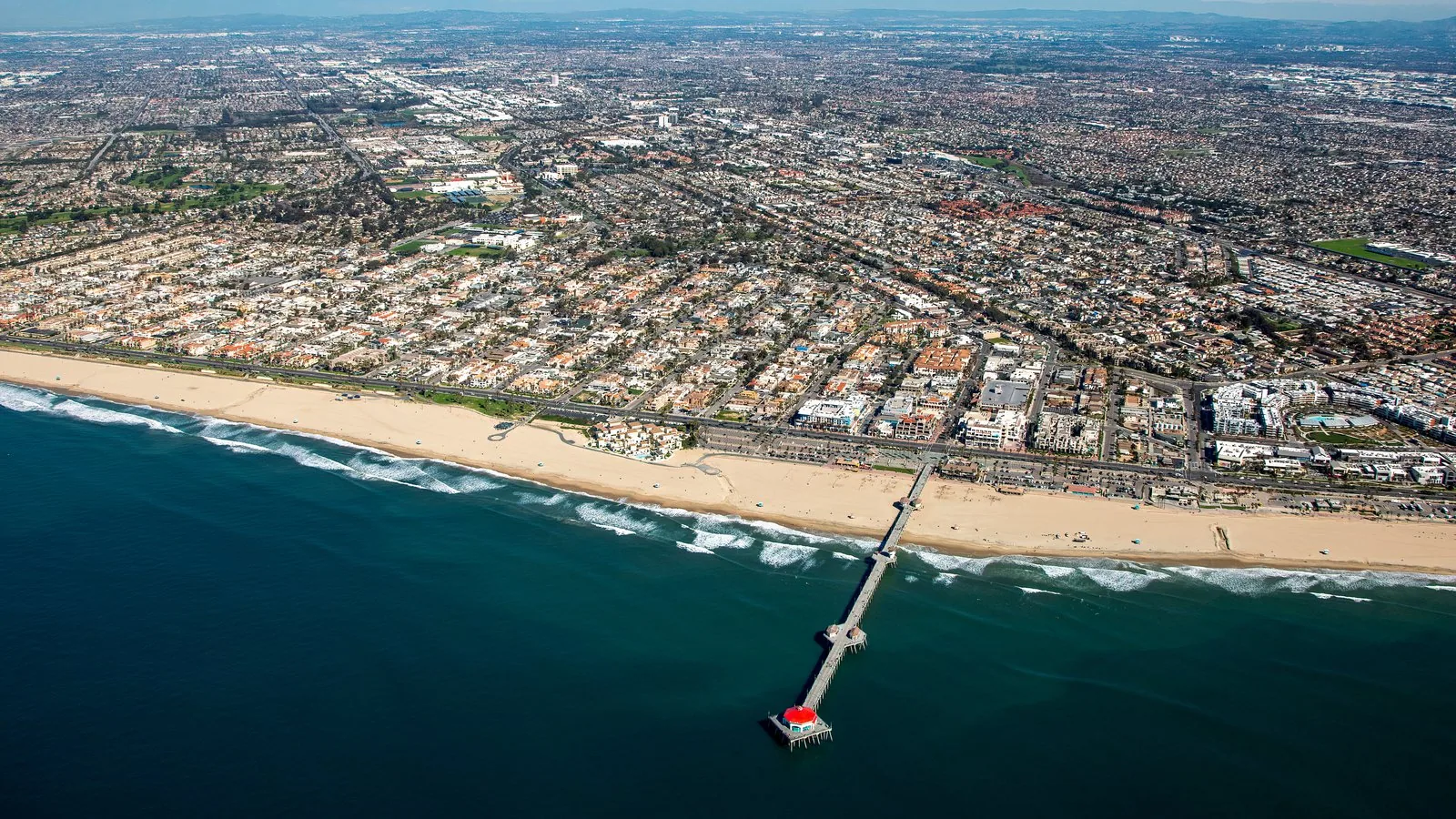
Commercial Roofers Huntington Beach
Huntington Beach, Westminster, Seal Beach, Fountain Valley,
Garden Grove, Newport Beach and nearby Orange County cities