
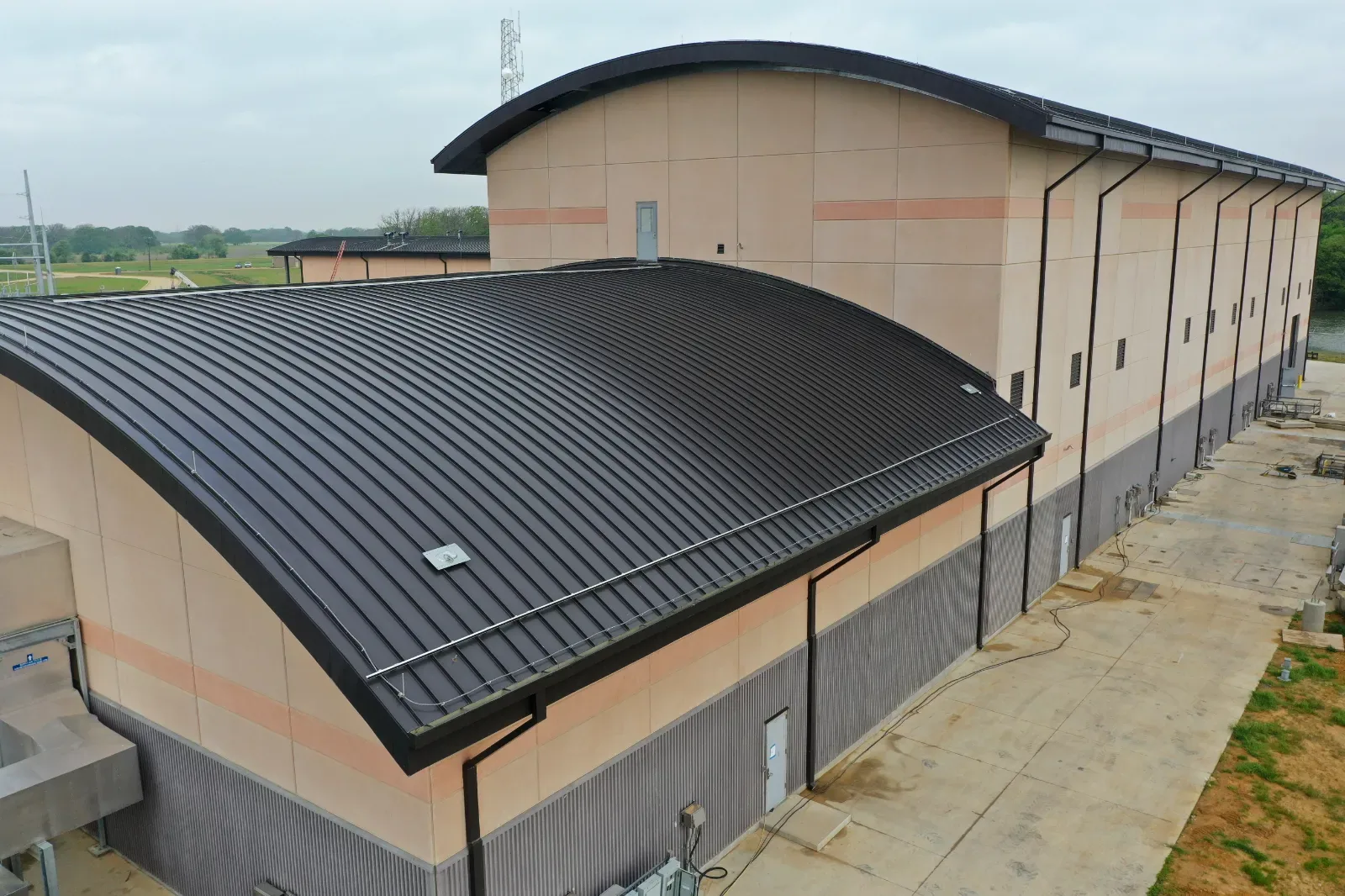
Standing Seam Metal Roofing in Huntington Beach, CA
A standing seam roof can look intact while a fastener-free panel edge or concealed clip needs attention. Commercial Roofers Huntington Beach inspects, repairs, and replaces standing seam metal roofing in Huntington Beach, CA, by reviewing panel seams, clips, flashings, penetrations, and drainage as one assembly. We identify the panel profile and attachment before proposing a correction. If water has reached the building, the first safe step is protecting the area below and locating the entry route without walking unsupported or restricted surfaces.
The Northwest Industrial Subarea includes offices, industrial properties, business parks, and research uses, while the Pacific Coast Highway coastal corridor serves visitor-facing commercial properties. Newport Beach Harbor climate normals show rain is concentrated in winter; the site’s current weather, panel condition, and manufacturer instructions govern repair scheduling.
How do standing seam panels move?
Standing seam roofs use formed metal panels with raised seams that connect adjacent sheets. Depending on the system, clips may allow panels to expand and contract with temperature changes while keeping fasteners concealed. Panel gauge, seam profile, clip spacing, substrate, underlayment, and attachment vary by system.
Movement affects where problems can develop. A locked panel, misplaced fastener, or constrained clip may create stress near a fixed point. Open seams, damaged sealant, or poorly detailed ends can admit water. Penetrations, valleys, eaves, ridges, gutters, and transitions need compatible flashing that accounts for panel movement. We examine the whole water path instead of treating a visible panel mark as proof of the leak source.
Maintenance history, shop drawings, product data, and warranty records can clarify the profile and approved repair options. If the details are unavailable, we note observable panel geometry and explain what must be confirmed before fabrication or permanent repair.
What should a metal roof inspection cover?
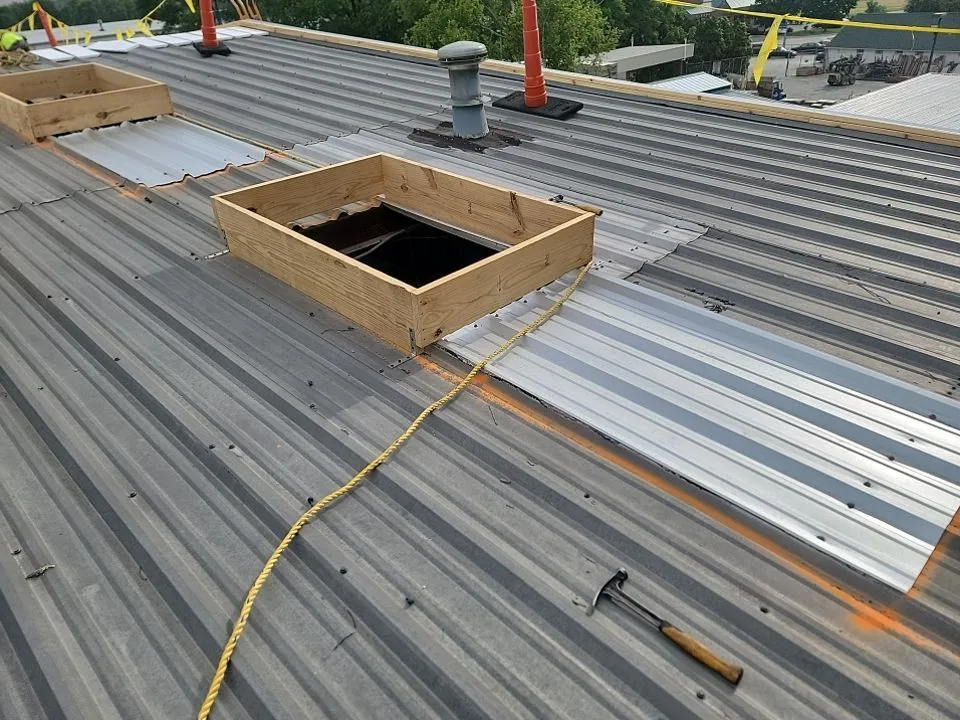
The review includes panel seams, clips where accessible, fasteners, sealant, flashings, gutters, downspouts, penetrations, and roof-to-wall transitions. We look for movement restriction, open joints, deformation, coating damage, corrosion, loose trim, and debris that interrupts drainage. Interior reports are compared with roof conditions because water can follow a panel rib or framing before appearing indoors.
Photographs should show both the detail and its location on the roof plan. Where a condition is concealed, we distinguish observation from inference and identify whether limited disassembly or additional testing is needed. A coating scratch may need monitoring; a failed lap or flashing gap may need correction. The owner gets a clear boundary between verified repair scope and possible adjacent work.
Businesses in the 760-acre Northwest Industrial Subarea may have access restrictions around production, research, or office operations. We confirm the route and equipment rules before mobilization. For a broader commercial roof inspection, or focused edge metal and gutter review, the records can support repair planning. Compare metal roof retrofit options for an exposed-fastener roof and TPO roofing for a membrane system.
How are panel and flashing repairs made?
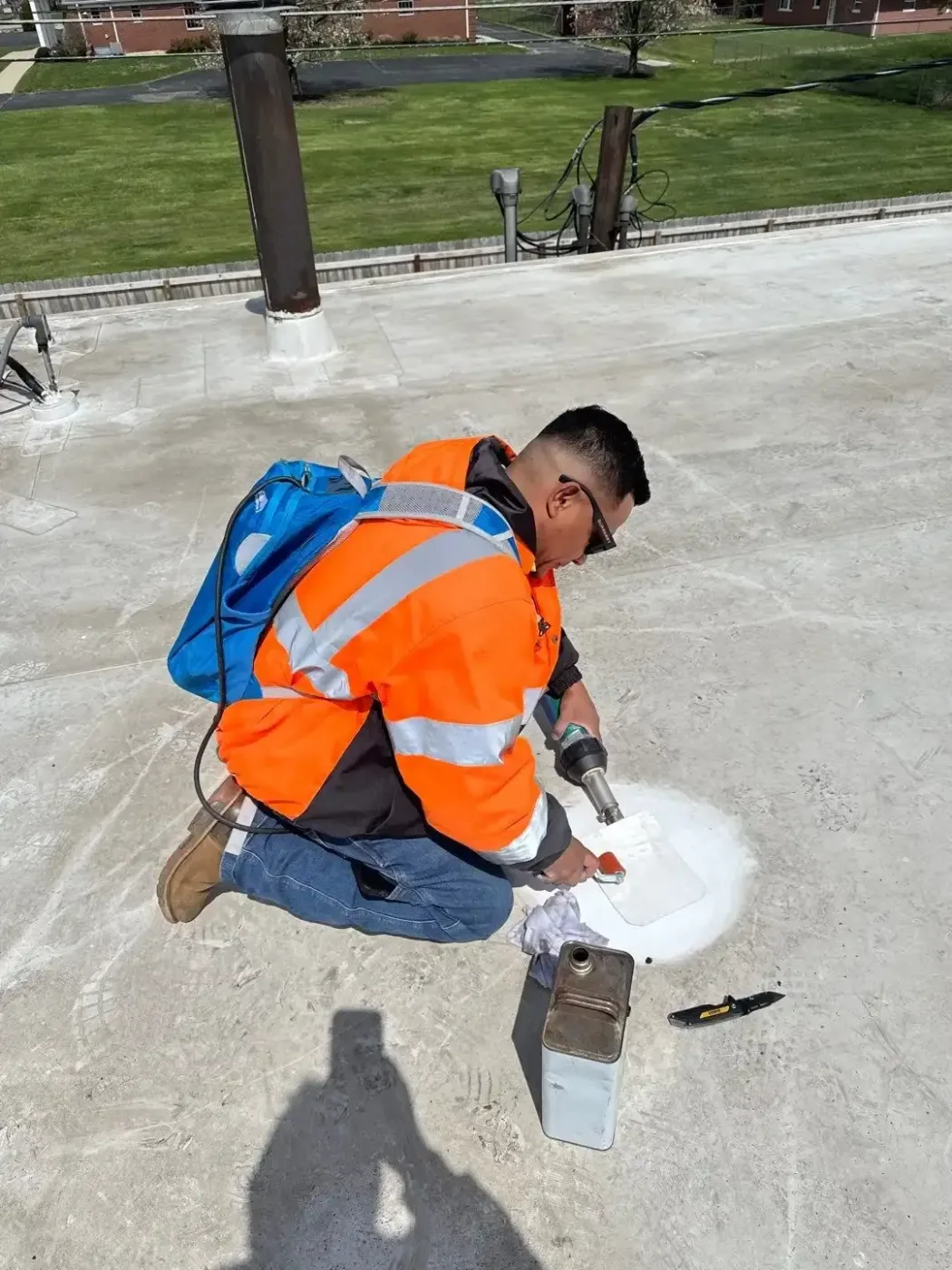
A repair needs to preserve the panel’s ability to move and maintain the intended water path. Depending on the defect, work may involve replacing a compatible clip, correcting a seam, renewing a flashing detail, or replacing a damaged panel section. Sealant alone is not a substitute for a mechanically sound connection or a properly formed transition.
Metal types and finishes matter. Dissimilar metals can create compatibility concerns, and a repair material should suit the panel finish and exposure conditions. We inspect adjacent panels and fasteners before selecting materials. If fabrication is required, the panel profile and dimensions should be verified so the replacement connects correctly without forcing the surrounding assembly.
For a leak, we first identify whether water enters at a seam, fastener, termination, or penetration. We protect the interior if needed, document a temporary measure separately, and schedule permanent work when access and conditions are suitable. The scope should identify the panel or detail, fastening approach, flashing components, and any finish repair or follow-up required.
When does standing seam replacement make sense?
Replacement may be appropriate when panel damage is widespread, attachment has failed across multiple areas, corrosion has materially affected the metal, or recurring leaks show the system cannot be restored with isolated repairs. Extensive movement issues, poor transitions, or incompatible previous work can also justify a broader review. The inspection should show why replacement is being considered and what testing remains.
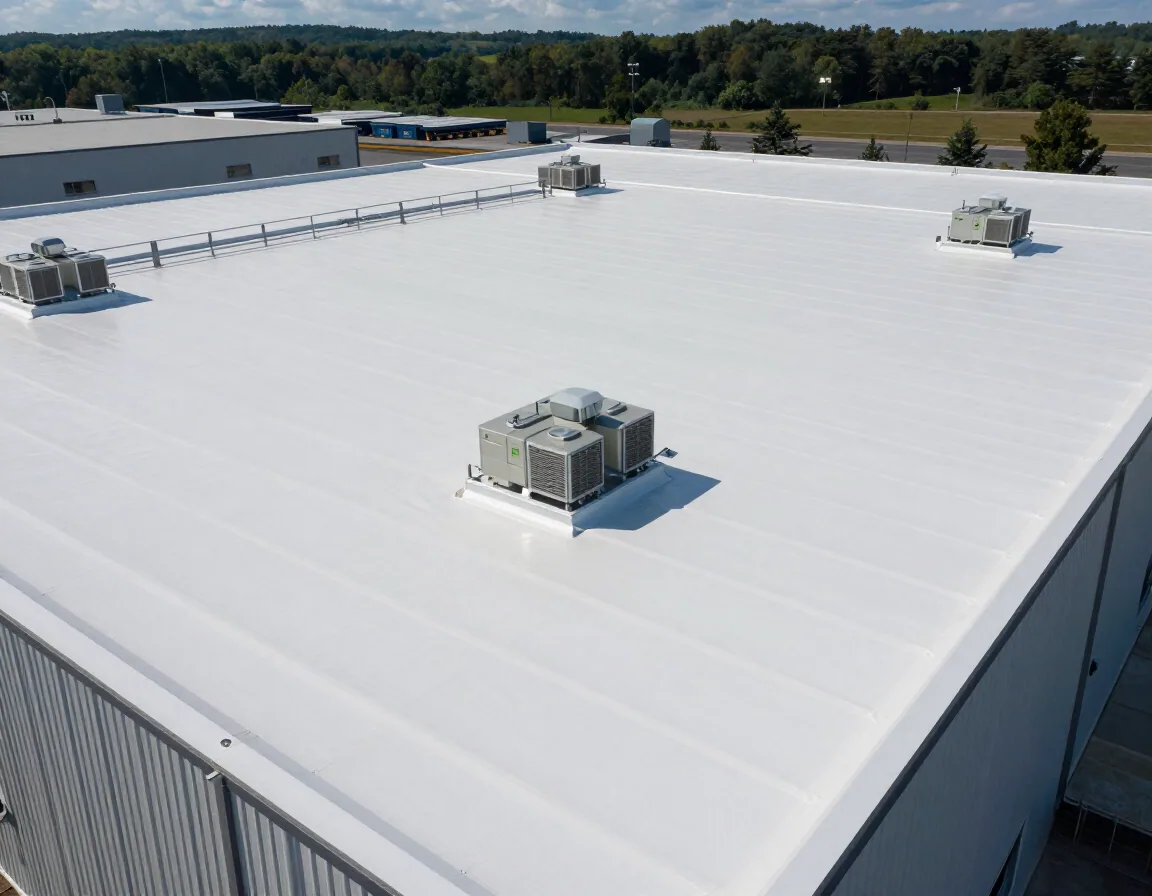
A new system plan accounts for deck condition, underlayment, attachment, panel profile, clip design, slope, drainage, edge details, penetrations, and rooftop equipment. Existing layers and structural capacity need review before overlay work. Plan panel removal, building protection, and coordination for gutters, curbs, or adjoining roofs.
Panel replacement needs the fixed points and sliding connections laid out before fabrication. We confirm the proposed profile against retained panels, then identify where underlayment, clips and flashing must change with it. Any altered assembly receives the project review appropriate to its structural and energy requirements. The removal sequence leaves a protected boundary at the end of each shift, with sufficient time to close panel ends and adjoining wall details before access finishes.
How does the site affect metal roof work?
Long panels and metal trim need careful delivery, lifting, and storage. A warehouse may need loading lanes open; an office or research building can restrict roof routes; a visitor-facing property may have customer hours that shape staging. Around Beach Boulevard, Five Points, and Pacific Coast Highway, lodging, dining, and entertainment uses can add access constraints. We confirm the work window, lift locations, pedestrian protection, and the contact who can approve changes.
Newport Beach Harbor normals show winter-focused rain, but averages do not determine active roof conditions. A Santa Ana episode can combine warmer coastal weather with offshore wind, requiring another check before long panels are lifted. We review the actual forecast and manufacturer requirements before lifting materials or exposing the underlayment. A dry-in plan should identify how open sections will be covered if work stops.
For occupied buildings, explain access changes and which entrances remain open. Daily notes should show completed and exposed areas and any needed owner decision.
What should the owner track after installation?
Keep the panel profile, product and finish information, clip and fastener details, flashing records, warranty papers, and repair photographs with the roof plan. A closeout should identify replaced panels and any movement or drainage concern that remains. Marked photos let a later crew find the repair without guessing from a general description.
Watch for loose trim, blocked gutters, finish changes, and new moisture. Avoid unapproved walking or attaching new equipment through panels without a reviewed detail. Equipment changes and service visits should be recorded because new penetrations can alter a previously continuous roof surface.
If a leak returns, compare its timing and location with the repair record, then inspect the path again. Water may travel from a separate transition. A clear history guides the next review.
Commercial Roofing Questions
Do standing seam metal panels need room to expand?
Many systems use clips or details designed to accommodate panel movement, but the arrangement depends on the profile and manufacturer. We check fixed points, clip design, and panel length before altering a seam or adding fasteners. A repair should preserve the system’s intended movement.
Can a standing seam panel be patched?
A localized correction may work when the damage is limited and the surrounding panel and attachment remain sound. The repair must match the panel material, finish, profile, and water path. A patch that restricts movement or traps water can create a new problem.
Why does a metal roof leak if the panels look intact?
Water can enter at an end condition, penetration, transition, or concealed connection and travel before appearing indoors. We inspect flashings, clips where accessible, gutters, and interior reports alongside the panel surface. A close-looking panel does not rule out a detail failure.
What must panel and seam checks establish before coating metal?
Coating is not a universal fix and may not be suitable for a moving seam assembly. The surface, coating compatibility, attachment, drainage, and existing finish need evaluation first. If an issue is mechanical, it should be corrected before a restoration system is considered.
What should I provide for a standing seam inspection?
Share panel or product records, shop drawings if available, leak locations and timing, roof access rules, and prior repair details. Mention planned equipment changes or restricted areas. We can coordinate access and focus the visit on the relevant panel transitions.

How we inspect, scope and complete this work
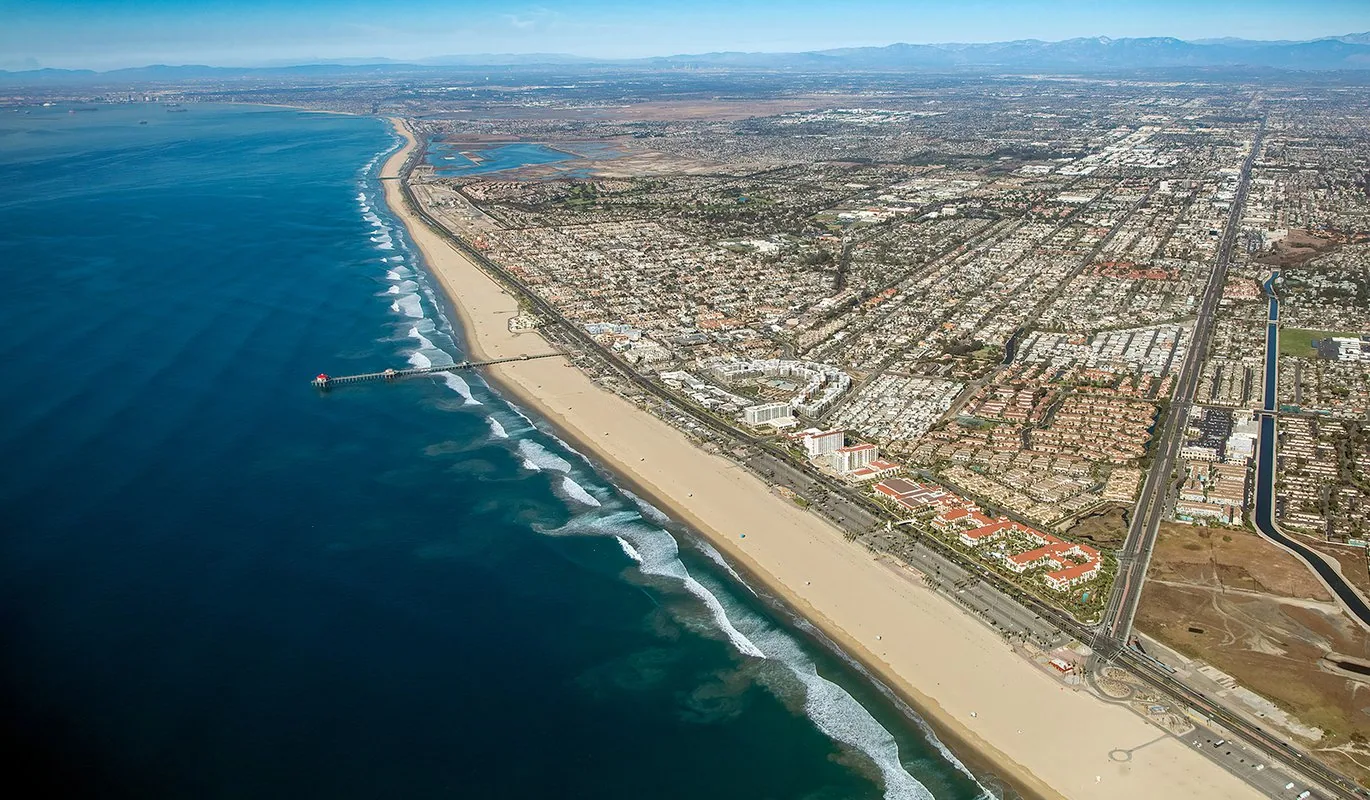
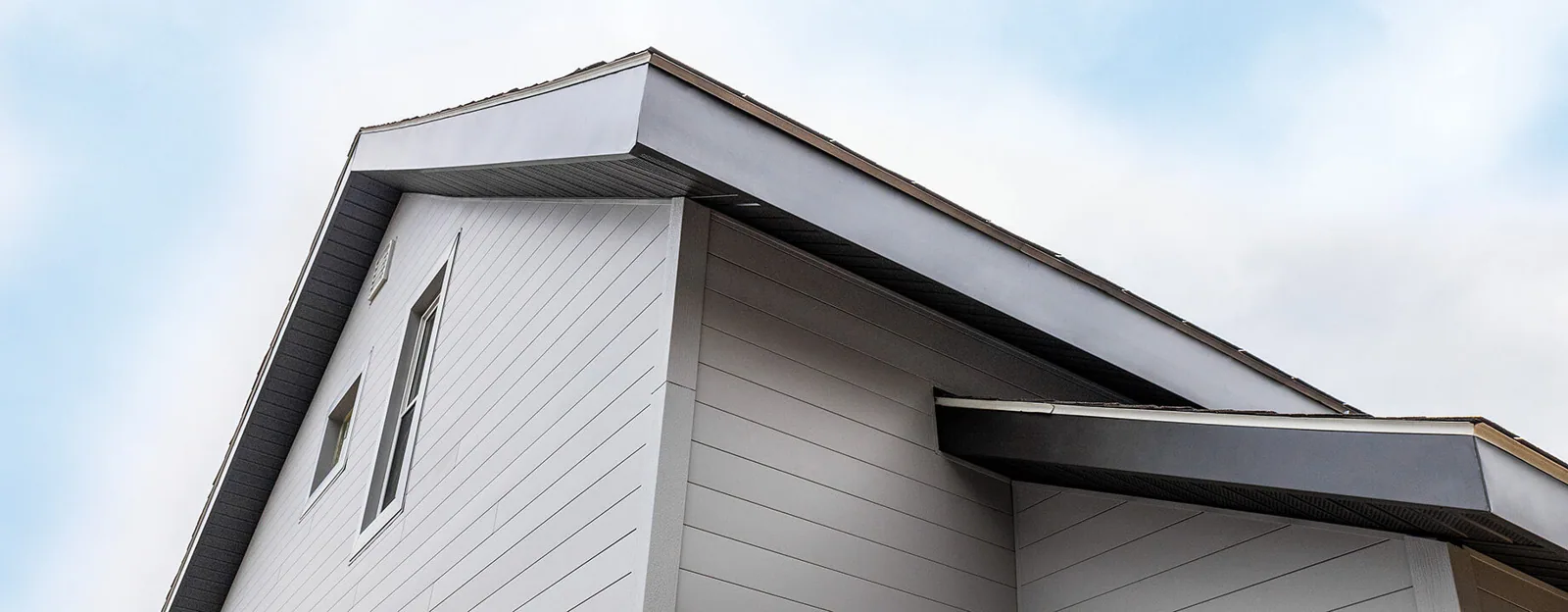

Proudly Serving Huntington Beach and Nearby Cities

Commercial Roofers Huntington Beach
Huntington Beach, Westminster, Seal Beach, Fountain Valley,
Garden Grove, Newport Beach and nearby Orange County cities