
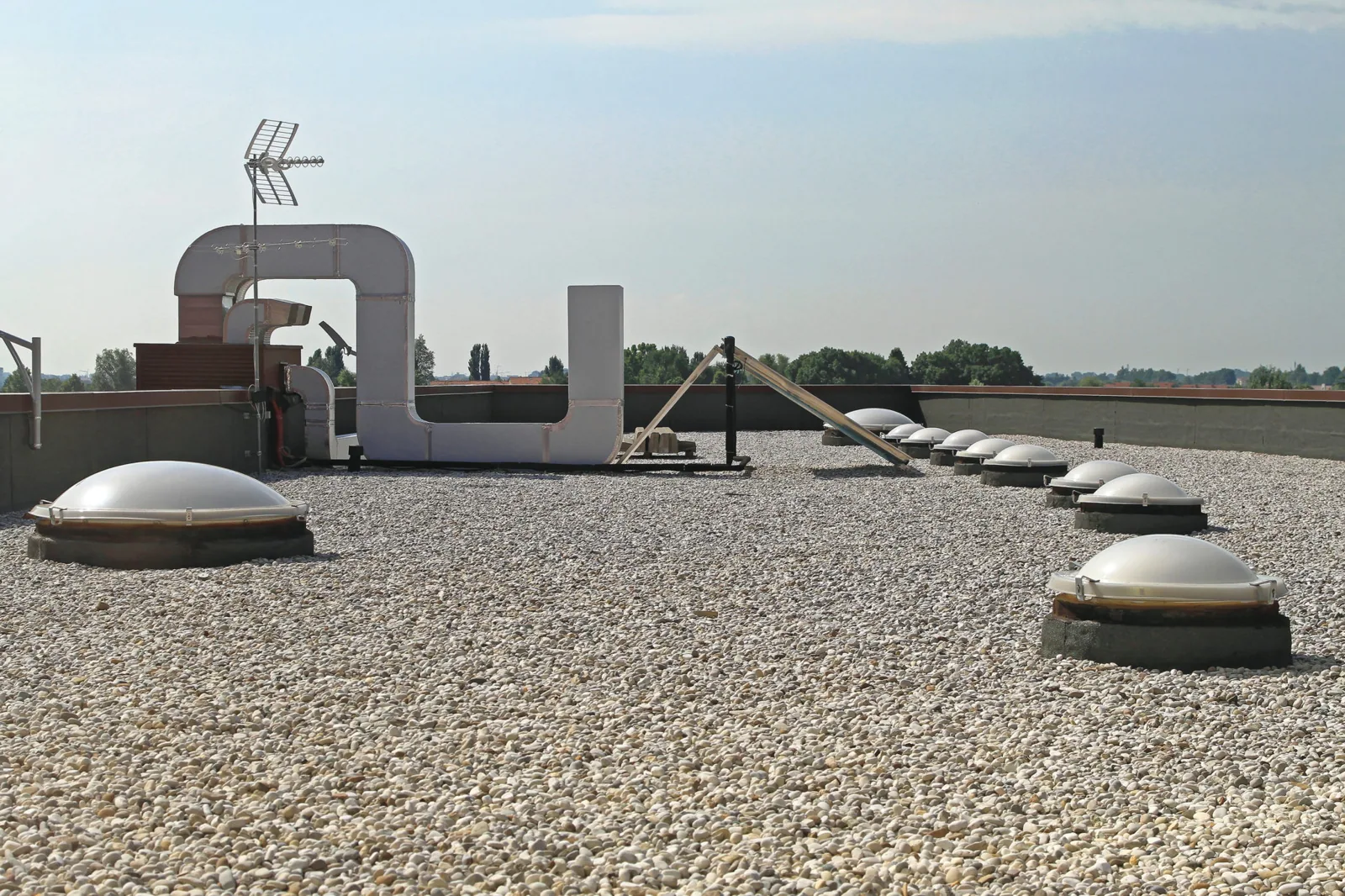
Built-Up Roofing in Huntington Beach, CA
Several roofing layers can hide where water first entered. Commercial Roofers Huntington Beach inspects, repairs, and replaces built-up roofing in Huntington Beach, CA, by evaluating the surfacing, plies, flashing, drainage, and substrate as a connected assembly. A surface crack or loose gravel does not by itself identify the failed layer. We trace the reported water route, review available system records, and set a repair boundary from what can be verified. If water is active, the first safe step is protecting the space below and controlling access around the roof area.
The Gothard Street Subarea contains warehouse, manufacturing, auto repair, retail, and office uses. Visitor-facing properties along the Pacific Coast Highway coastal corridor can need different access planning. Newport Beach Harbor normals show most rainfall during cooler months, so drainage and dry-in planning remain important. Current weather and roof conditions determine the work window.
How does a built-up roof work?
A built-up roof, often called BUR, uses multiple plies of reinforcing fabric set in bitumen, with a surfacing layer such as aggregate or a cap sheet. Together, those components form a layered water-shedding system rather than a single visible sheet.
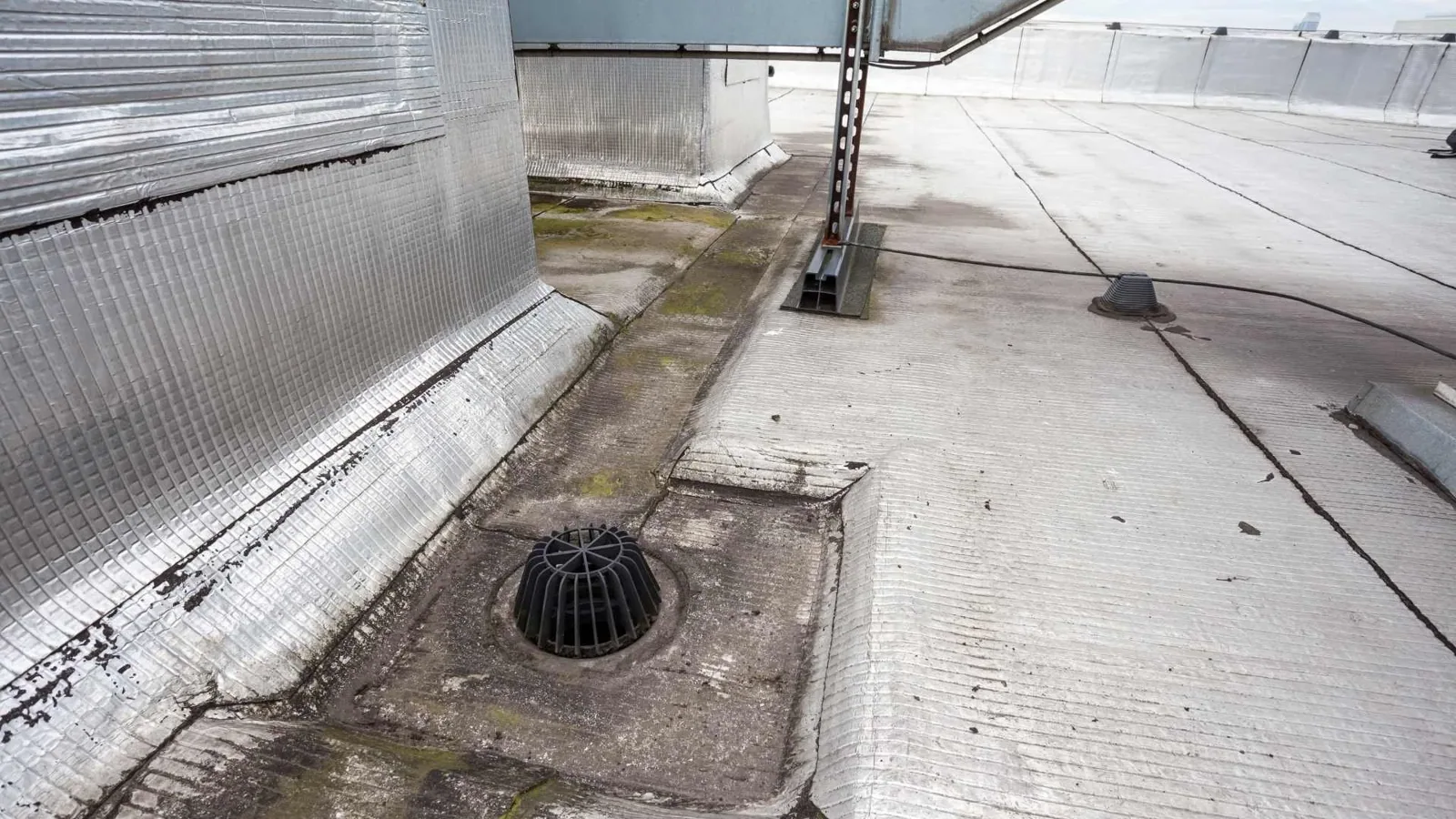
At edges, drains, walls, and penetrations, the plies and flashing must remain continuous. A loose termination can let water move between layers; a clogged drain can leave water standing above a vulnerable detail. Aggregate may shield some surfaces but can also make a small opening harder to see. We check the relationship between the roof surface and its transitions before concluding that a visible defect explains an interior leak.
Records can reveal the system’s age, prior recover layers, and any warranty limitations. We review project documents and previous repair notes where available, then compare them with site conditions. If layers cannot be confirmed visually, the inspection should identify that uncertainty and explain what further investigation is warranted before opening the roof.
What does a BUR inspection include?
The inspection follows the roof’s drainage pattern and examines surfacing, seams or laps, blisters, cracks, patches, edge metal, parapets, curbs, and drains. We note ponding, displaced aggregate, exposed bitumen, and damage near equipment or walk paths. Interior leak timing and location are compared with roof observations because water can travel before it reaches a ceiling or wall.
Where appropriate, moisture testing can help determine whether insulation or other layers are affected. The result should be associated with the method and test locations; it should not be treated as a complete map of untested areas. Photos and a marked plan identify confirmed conditions and needed follow-up.
The Northwest Industrial Subarea spans offices, business parks, industrial, research, and technology uses. We coordinate roof entry with site contacts when escorts, equipment, or work routes affect the visit. A building-wide commercial roof inspection can document observed conditions; a drain and scupper review focuses on outlets and overflow paths. Compare modified bitumen roofing and EPDM roofing for different system details.
How are built-up roof repairs scoped?
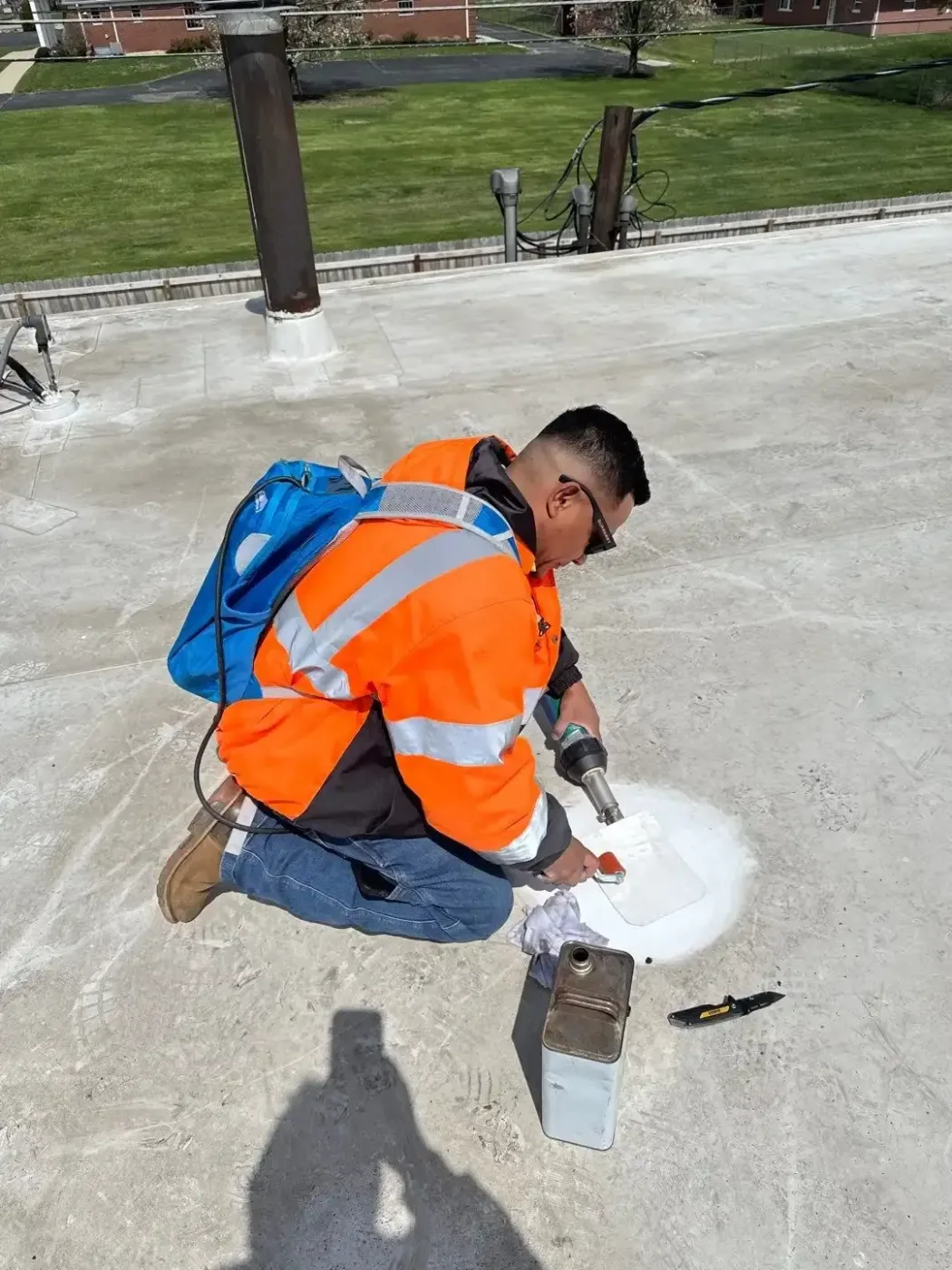
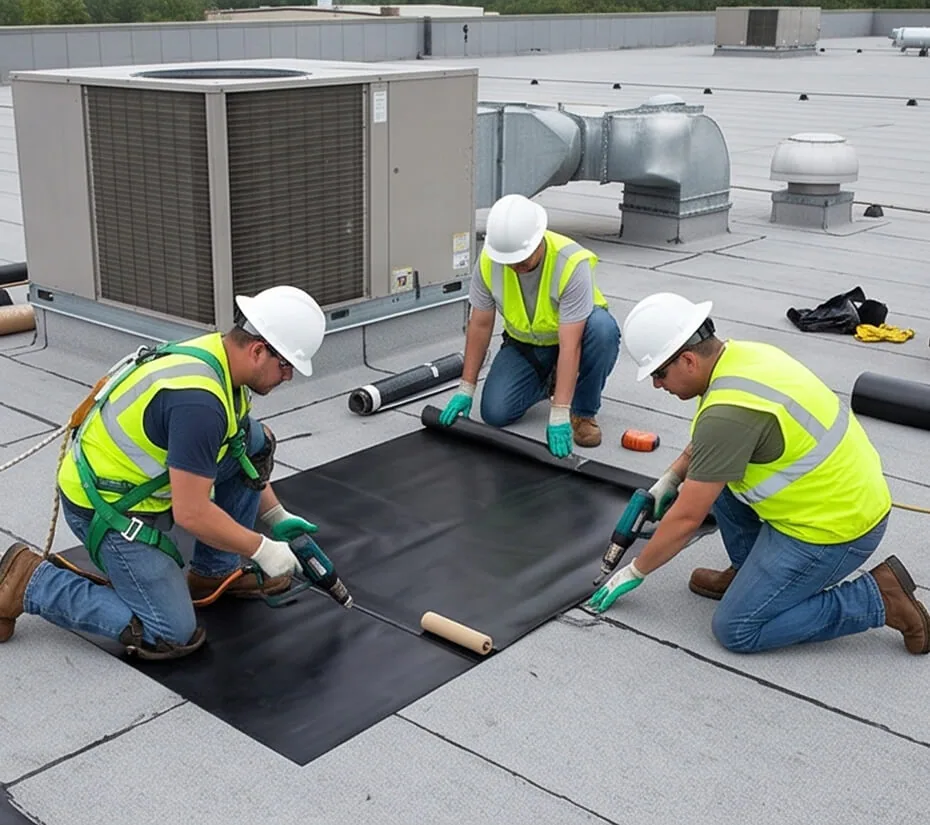
A repair should reach sound material and restore the layers needed for a continuous system. For a small, isolated opening, that may mean preparing the surface and installing compatible reinforcing fabric and bitumen or a suitable membrane detail. A lap or flashing problem requires attention to the connection, not just a covering layer. The method depends on the existing surfacing and the manufacturer or project requirements.
Before applying repair material, we check whether the area is dry, stable, and free of loose aggregate or contamination. If water is trapped beneath the surface or the substrate is moving, a surface patch may not solve the cause. We identify whether removal or additional testing is needed and explain how the repair ties into surrounding plies. The scope names the area, preparation, materials, and exclusions.
Some BUR methods use hot bitumen or other materials that require controlled handling. The work plan should consider fire protection, odor, access, and the building’s operating schedule. Temporary protection for an active leak can reduce exposure until permanent work is possible; it should be recorded as temporary and revisited for a durable correction.
When should a multi-ply roof be replaced?
Replacement deserves consideration when leaks recur across broad areas, moisture has affected multiple layers, the surfacing and plies are deteriorated, or repairs no longer restore a dependable water-shedding surface. Poor drainage, failing edges, and excessive prior layers can also make a localized approach unsuitable. A recommendation should connect the proposed scope to observed conditions, including any limits in testing.
A replacement or recover plan must account for deck condition, moisture, layer count, attachment, structural capacity, drainage, and compatibility. Removing wet or unstable material may be necessary. Review any changes to insulation, edges, penetrations, or equipment details and how the crew will protect the building.
Removing several bituminous plies can expose a deck connection that was hidden during the first inspection. We establish the examination and closure procedure before that removal starts, with the material needed to rebuild a temporary termination available at the roof. Proposed insulation and drainage changes are reviewed under the applicable project requirements. The owner sees which layers will remain, which will leave, and how the new plies connect to adjacent retained roofing.
How can BUR work fit around building operations?
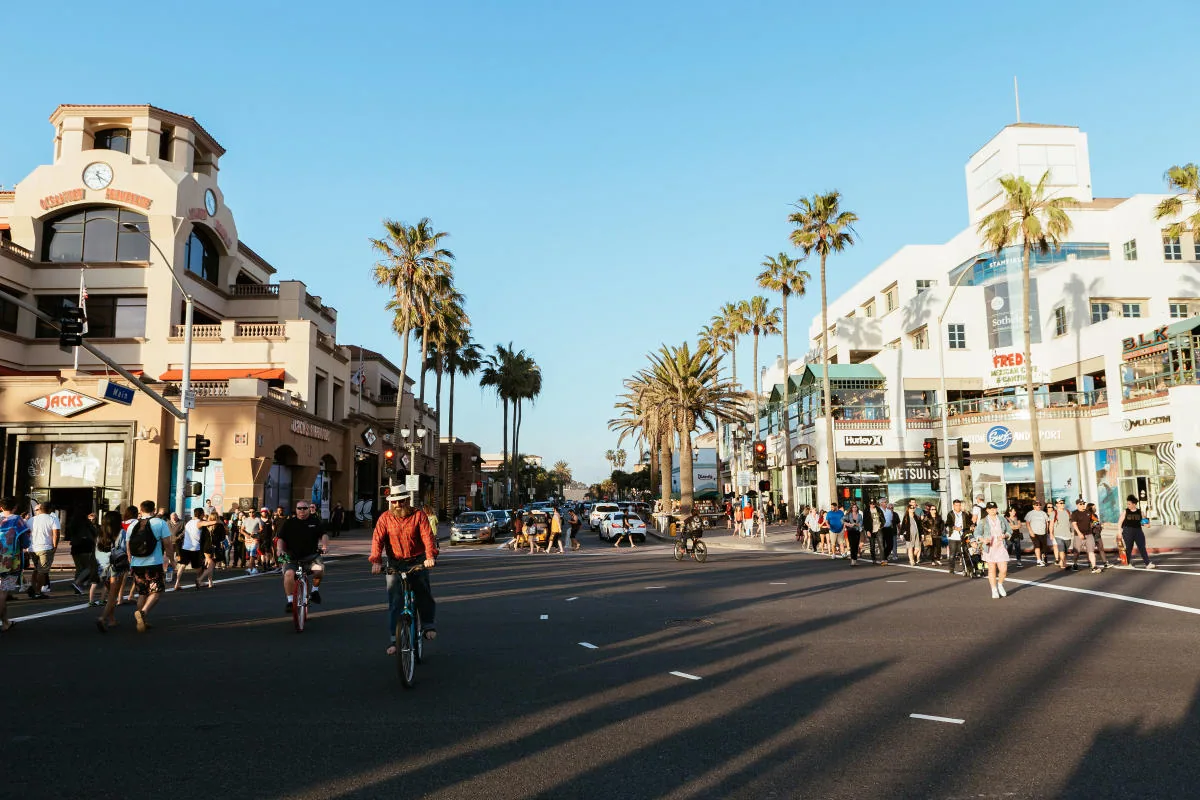
Built-up roofing work may involve material deliveries, noise, odors, and restricted roof access. A warehouse needs loading lanes open; a manufacturer may need production uninterrupted; visitor-serving businesses can have customer peaks and delivery windows. Along Beach Boulevard and near Five Points, hospitality and entertainment activity can shape staging. Before work, we coordinate access, storage, lift placement, tenant notice, and protection for areas below.
Newport Beach Harbor climate normals offer a nearby coastal reference and show rainfall concentrated in winter, but they do not establish conditions on a particular roof. Santa Ana winds can bring warmer, drier offshore weather. We check the current forecast, surface conditions, and materials’ requirements. Any exposed area needs a clear dry-in plan if work pauses or weather changes.
Phasing identifies the responsible contact and each open roof zone.
What should owners retain after service?
The closeout should name the roof area and system detail, describe preparation and materials, and include photographs before and after work. Note any moisture testing, access limits, and adjacent issues that were not included. If repair work was temporary, label it clearly and state what permanent action remains.
Keep permits, product information, warranties, invoices, and roof plans together. Staff can log drain cleaning, equipment changes, and leak reports by date.
Keep drains and scuppers open, avoid unapproved roof traffic, and report new interior moisture with its location and timing. A stain can be offset from the entry point, so a follow-up should trace the route rather than assume the previous repair is responsible.
Commercial Roofing Questions
What is the difference between built-up roofing and modified bitumen?
BUR generally uses multiple reinforcing plies set in bitumen, often with aggregate or another surfacing. Modified bitumen uses polymer-modified asphalt sheets. Existing roofs can have variations or later overlays, so we identify the actual assembly before specifying repair materials.
Can a built-up roof be patched over aggregate?
Not without preparing the surface and reaching a compatible, sound area. Loose aggregate, moisture, and existing coatings can interfere with bonding. The repair method should show how the new detail connects to the layers and how water will drain around it.
Why does water appear far from a BUR roof leak?
Water can move between plies, insulation, and deck surfaces before it reaches an interior finish. We compare the stain with roof transitions and drainage routes, then identify confirmed findings and areas needing further testing. The visible ceiling mark is a starting point, not a roof map.
Can you coat a built-up roof instead of replacing it?
A coating may be considered only when the existing surface, moisture condition, attachment, and drainage support that system. It does not correct wet layers or unstable flashing by itself. An inspection should establish whether restoration is appropriate and define preparation and repairs first.
Which BUR records help locate layers and past repairs?
Share the roof plan, prior repair or recover records, reported leak locations and timing, access rules, and any operating constraints. Let us know about restricted areas or odor sensitivities. We can then coordinate roof access and explain whether moisture testing may be useful.
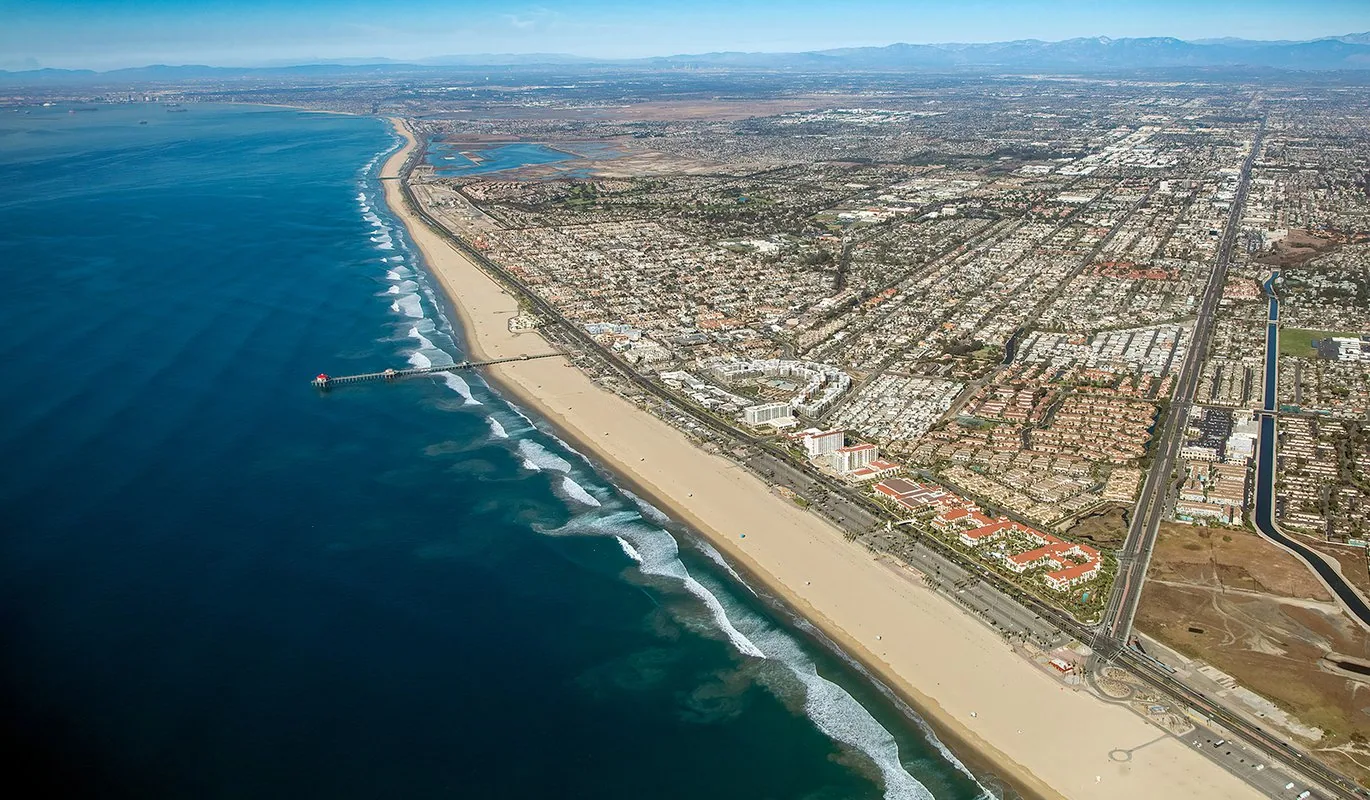
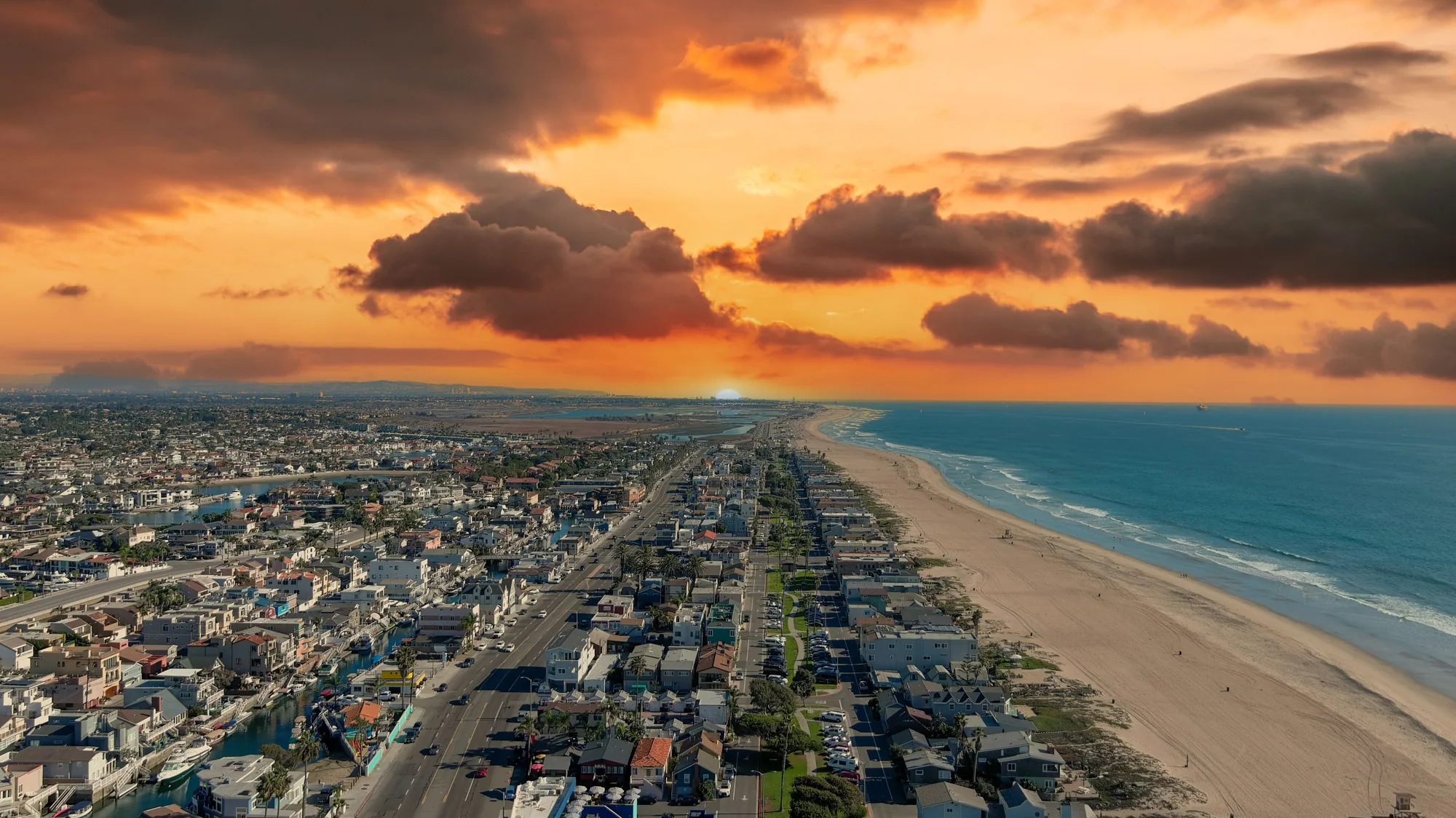
Proudly Serving Huntington Beach and Nearby Cities
Commercial Roofers Huntington Beach
Huntington Beach, Westminster, Seal Beach, Fountain Valley,
Garden Grove, Newport Beach and nearby Orange County cities