
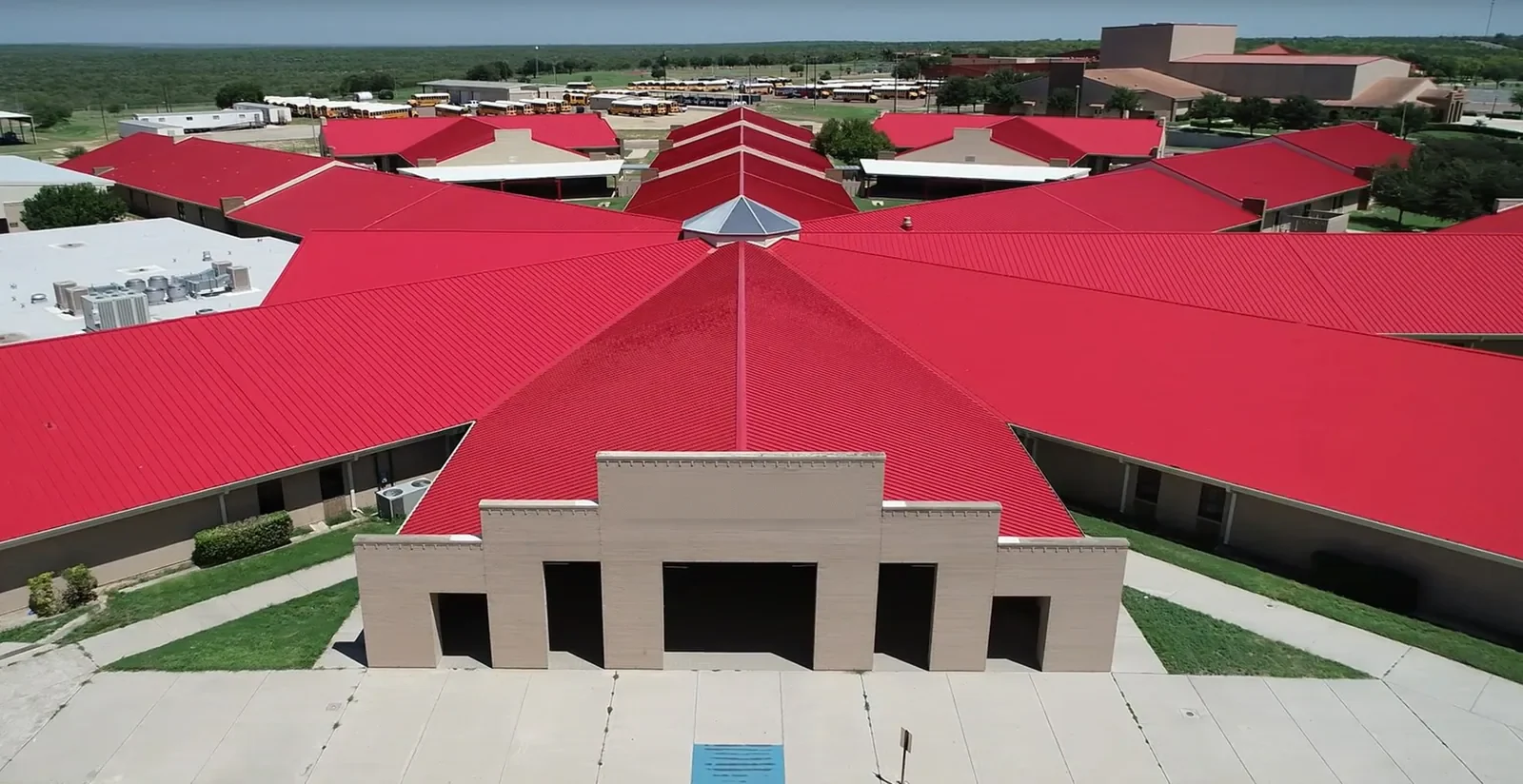
Commercial Roof Recover Overlay in Huntington Beach, CA
A recover can preserve the existing roof only when the assembly below it is dry, sound and suitable for another layer. Commercial Roofers Huntington Beach evaluates recover overlays in Huntington Beach, CA, by checking moisture, attachment, deck support, drains, edges and penetrations before preparing a scope. The first safe step is to mark where the current system has failed and identify what testing would change the overlay decision.
Huntington Beach’s industrial uses cluster in the Gothard Street and Northwest Industrial subareas, while visitor businesses occupy coastal and arterial corridors. Access, equipment and work hours vary across those properties. We document the actual roof condition, the proposed tie-ins and any added height that could affect drainage or equipment clearances.
Can the existing roof support another layer?
We review how many roof layers are present, where they are attached and whether the deck can accept additional material. A test opening can confirm the build-up and reveal wet insulation or deterioration hidden below the membrane. The opening location is marked and closed after examination. If the roof plan or prior invoices conflict with the sample, we note the variance before using either record to define a recover scope.
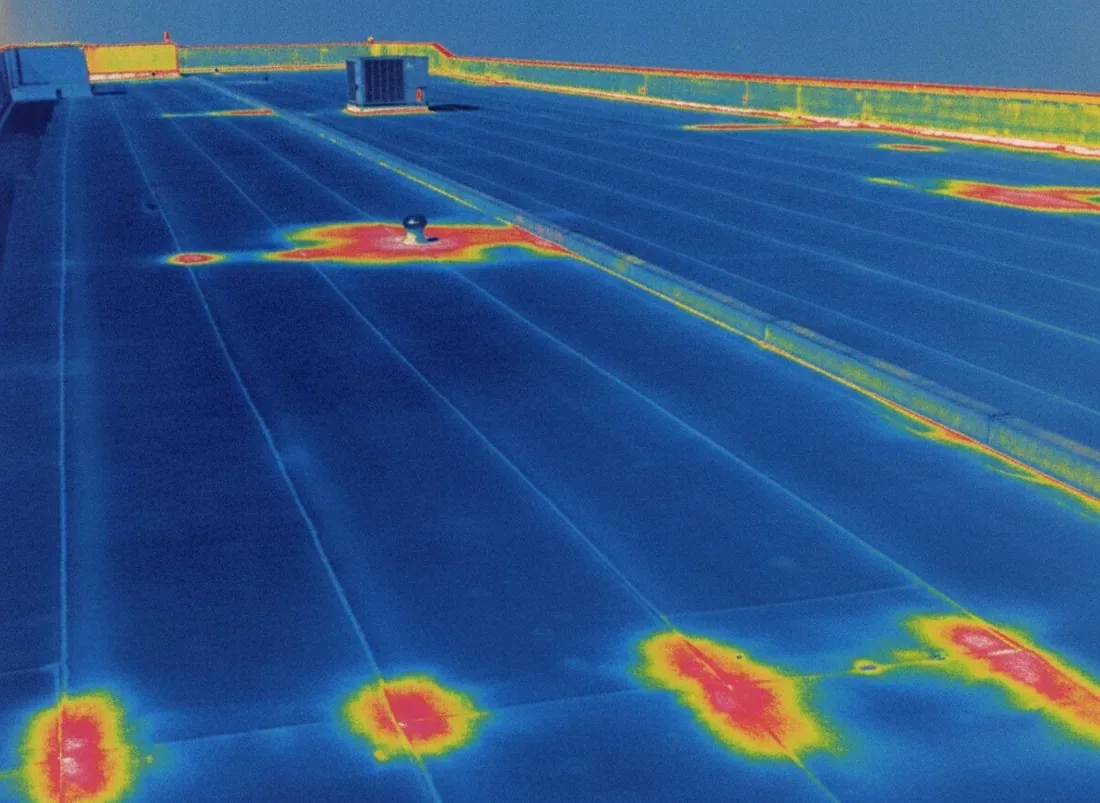
Moisture testing can help map areas for confirmation, but its value depends on the instrument, surface and collection conditions. We show the examined zones and any follow-up sample. Saturated insulation, weak attachment or damaged deck can rule out an overlay in that area. An infrared moisture survey can help direct testing when weather and roof conditions suit the method.
The recommendation distinguishes a recover-ready zone from areas needing removal or additional repair. This prevents added roofing from concealing a condition that should be corrected first.
What changes at drains and roof edges?
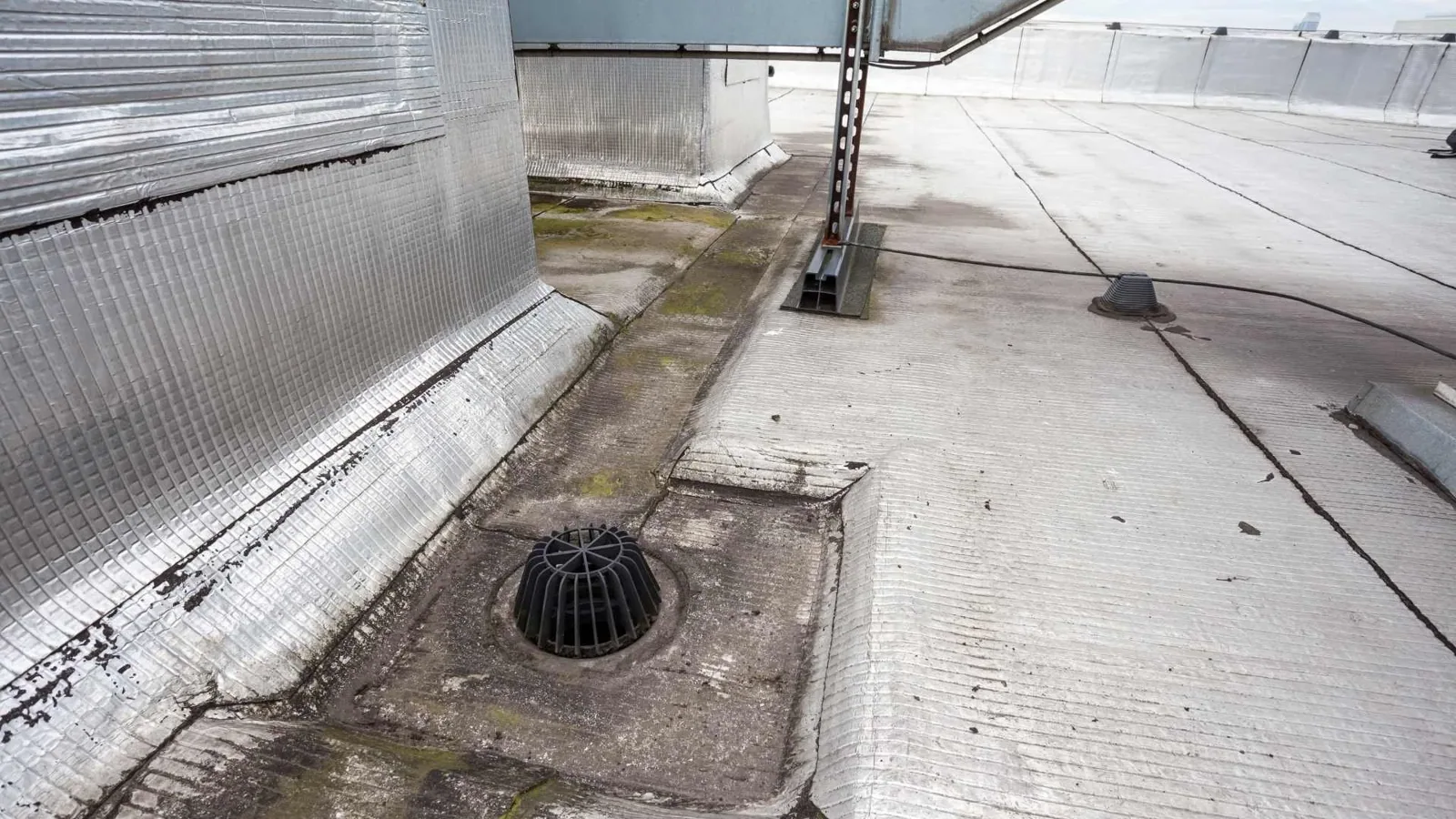
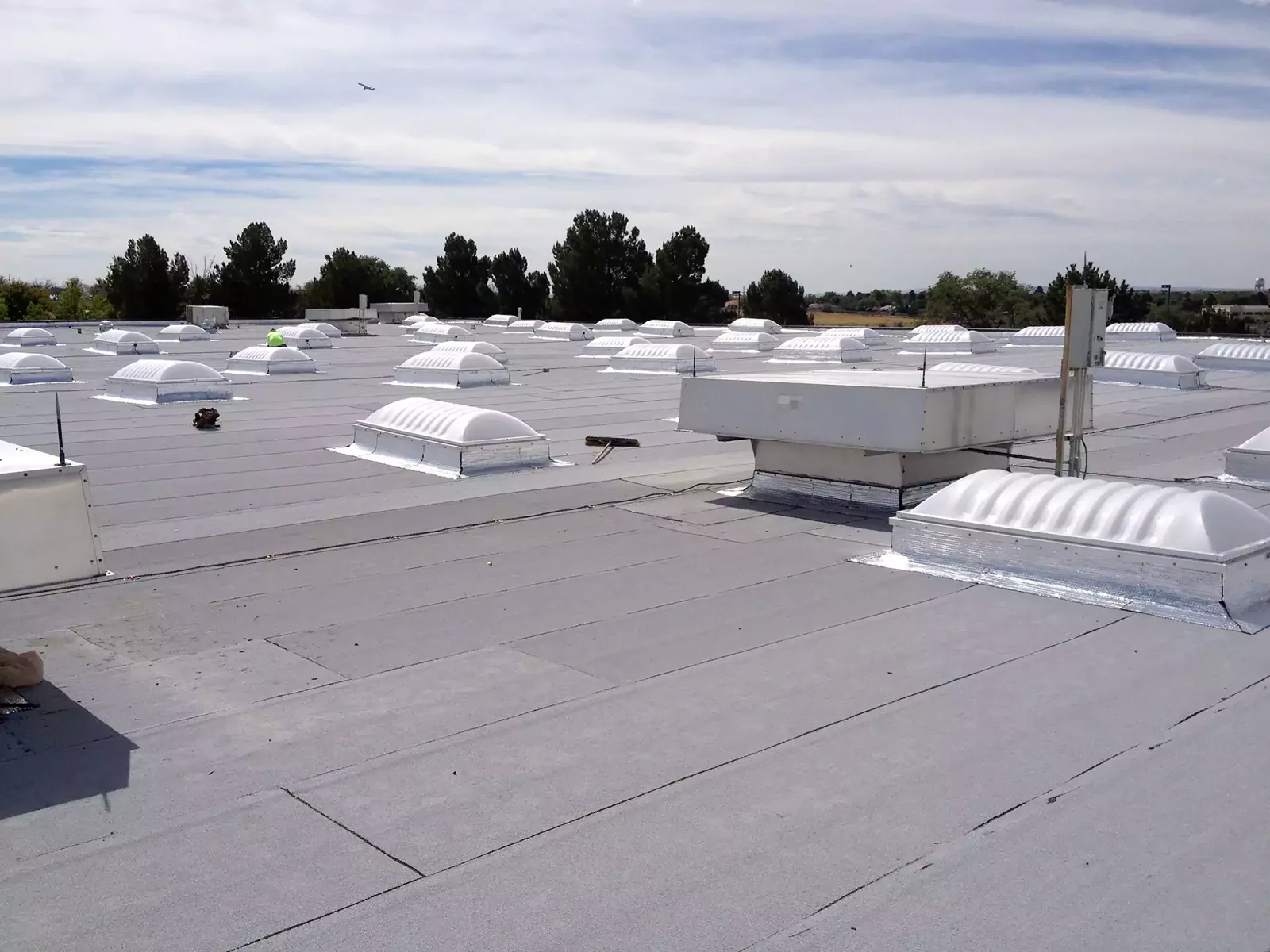
A new layer raises the finished roof plane. That height change can affect drain bowls, scuppers, overflow openings, door thresholds, parapet terminations and edge metal. We measure those transitions and identify whether extensions or replacement details are required. The scope also checks how water reaches each outlet, since an overlay must preserve a clear route instead of creating a new low point or restricting overflow.
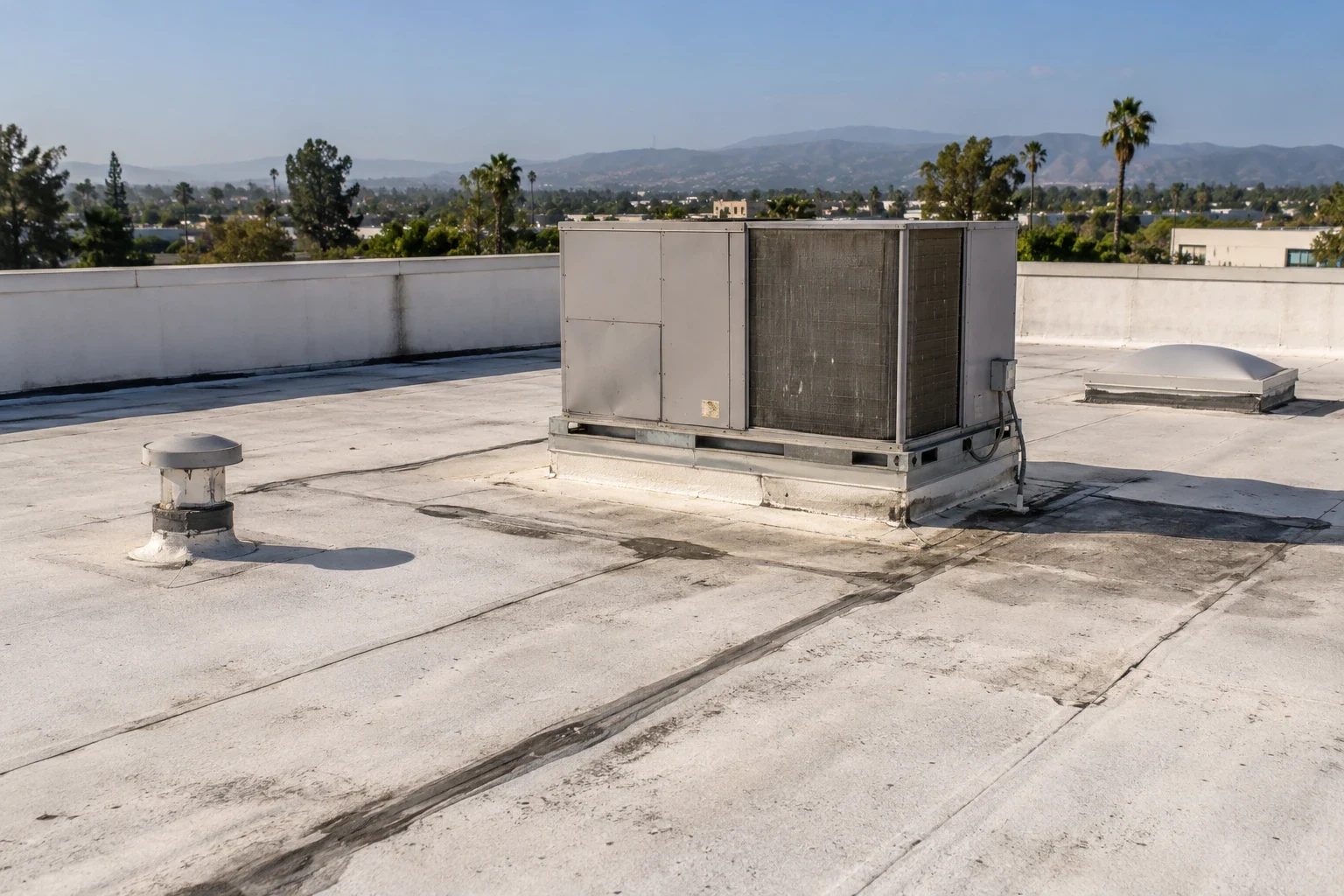
At equipment curbs, added thickness reduces exposed flashing height and can change service access. We list units that need a curb extension or a trade handoff, then schedule a return check after equipment work. Drain and scupper service can be scoped with the overlay where outlet geometry needs correction. The approval packet shows each component that changes before the new membrane covers it.
In the Gothard Street Subarea, industrial, warehouse, repair, retail and office properties sit within a broad employment area. That mix makes clear staging and material routes important, but each roof’s edge and drain measurements determine the recover detail.
Where should the new system stop?
The recover boundary follows the existing assembly and the conditions it can safely retain. We mark included zones, areas for tear-off and transitions where the new membrane must meet a different roof. At a later addition, an old patch or a change in deck height, the tie-in receives its own photograph and detail. A drawing with clear limits helps the owner compare bids without assuming each scope covers the same area.
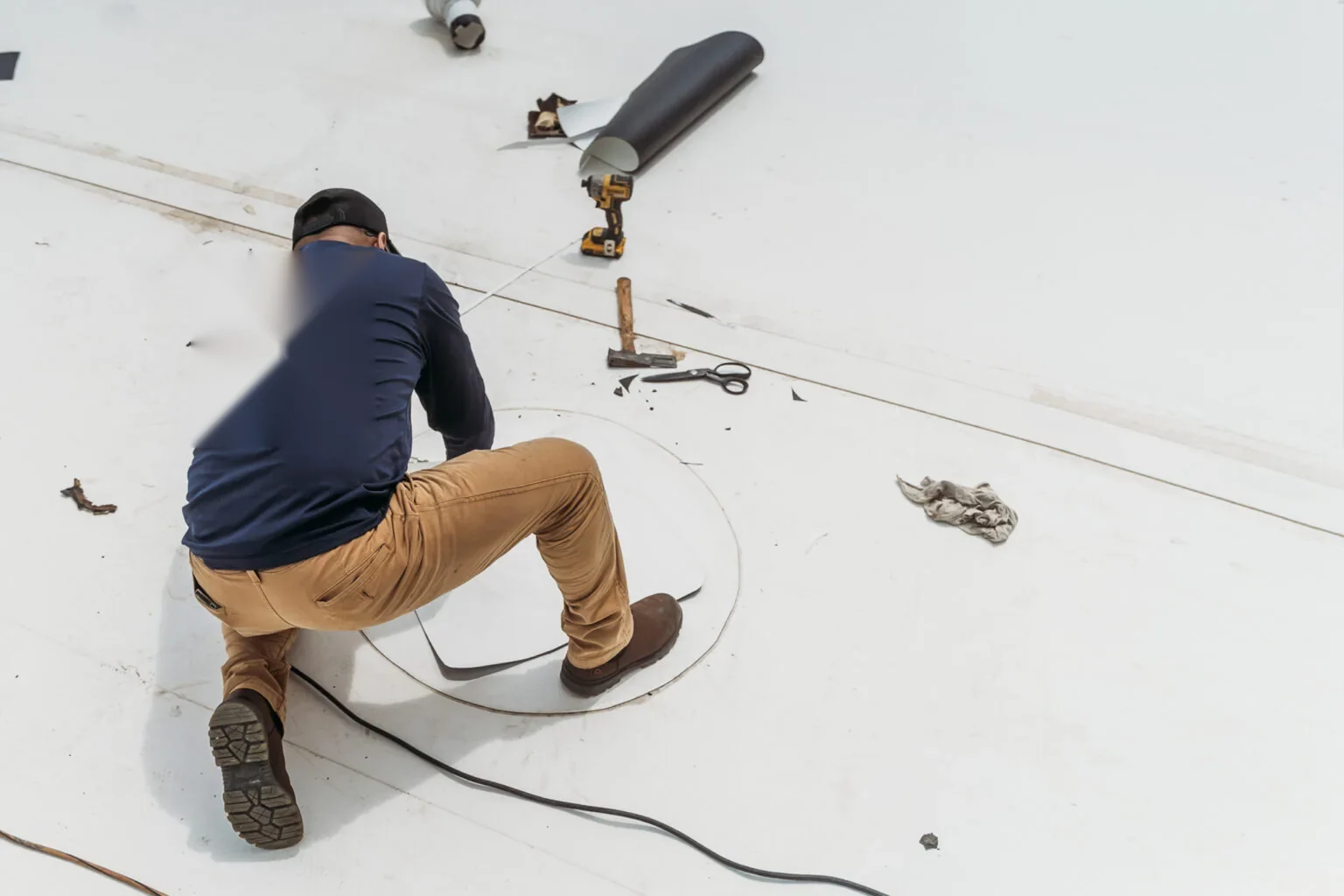
Material compatibility matters. The selected membrane must bond, weld or attach to the prepared surface under its system requirements. Contaminants, loose coating, incompatible patches and weak seams need correction before installation. Where the existing surface cannot provide a reliable substrate, removal may be a better route. TPO recover options can be considered when the assembly and project requirements support that system.
At a boundary with metal roofing, a wall assembly or a separate addition, we inspect the transition and name the trade responsible for components outside the roof scope. The new termination is not complete until the adjoining detail can shed water and remain accessible for inspection.
How will the work affect building operations?
Overlay work reduces tear-off in suitable zones, but staging and protection still need a plan. We identify lift placement, roof access, occupied areas and material storage before mobilization. A warehouse may need the loading yard kept open; visitor-serving businesses near Pacific Coast Highway may need clear pedestrian access. The site contact sets operating hours and protected routes, and the work sequence records what changes from one shift to the next.
Newport Beach Harbor normals show annual precipitation concentrated in the cooler season, with very little average summer rain. That coastal baseline helps with seasonal planning, but it is not a job forecast. Before surface preparation, we check the actual weather window and set a dry-in boundary for each day. Santa Ana events can bring warm, dry offshore winds and shift that plan, so exposed materials and open seams need a secure close at shift end.
If interior protection or equipment shutdown affects tenants, the manager identifies the rooms and qualified trade contacts. Occupied-building planning can stage work while selected areas remain in service.
When does tear-off make more sense?
Removal may be preferable when moisture extends through the assembly, attachment is unreliable, the deck needs broad repairs or added height would compromise drainage and clearances. We document those findings by roof zone and show why an overlay is limited or unsuitable. A mixed scope can retain compatible areas while removing the rest, provided the transitions can be detailed and each retained zone is sound.
Full replacement exposes more of the assembly and allows broader correction of insulation, deck and perimeter details. It also creates a larger tear-off sequence and more temporary protection. Replacement planning compares removal and rebuild with a recover option. A focused repair scope may be sufficient when only a defined seam or flashing has failed.
The 2025 state building-code cycle has applied in Huntington Beach since January 1, 2026. The permit application and submitted plans determine which review a recover or insulation change requires. We confirm that path before finalizing the assembly details.
What belongs in the recover closeout?
Closeout should show the existing conditions retained, areas removed, completed edges, drain and curb changes, and any repair left for follow-up. We label photographs by roof zone and note the material and attachment details confirmed during installation. If an opening revealed a scope change, the record ties the changed work to its approval before it is marked complete.
The owner can compare the closeout to the approved roof plan and keep both with maintenance records. A condition report can organize observations, photographs and recommended checks. A follow-up inspection returns to the same marked transitions after equipment or other trades finish their work. That check confirms the roof detail, not the condition of unrelated building systems.
For a recover project in the Northwest Industrial Subarea, confirm access, staging and any truck route with the site contact before material delivery. Share the building plan, leak history and approval path to begin an assembly review.
Commercial Roofing Questions
What findings rule out a roof recover?
Wet insulation, unreliable attachment, deck deterioration or insufficient clearance can make overlay unsuitable. We mark those conditions and explain whether a test or selective removal is needed to confirm the boundary.
Will a recover change drain height?
Added layers raise the roof plane. We check each drain, scupper, overflow and edge transition, then include extensions or rebuilding where the measured geometry requires it.
Can a recover include some tear-off?
Yes, if the retained zones are compatible and sound. We separate removal areas from overlay areas and detail each transition so the owner can review the mixed scope.
How does coastal weather affect overlay preparation?
The mild local climate does not replace a job forecast. We select a suitable dry preparation window and secure exposed work if wind or precipitation changes the plan.
What if testing finds a different roof build-up?
We mark the opening, photograph the layers and submit the change for approval. The record shows how that condition affects overlay suitability, removal limits and schedule.

Proudly Serving Huntington Beach and Nearby Cities

Commercial Roofers Huntington Beach
Huntington Beach, Westminster, Seal Beach, Fountain Valley,
Garden Grove, Newport Beach and nearby Orange County cities