
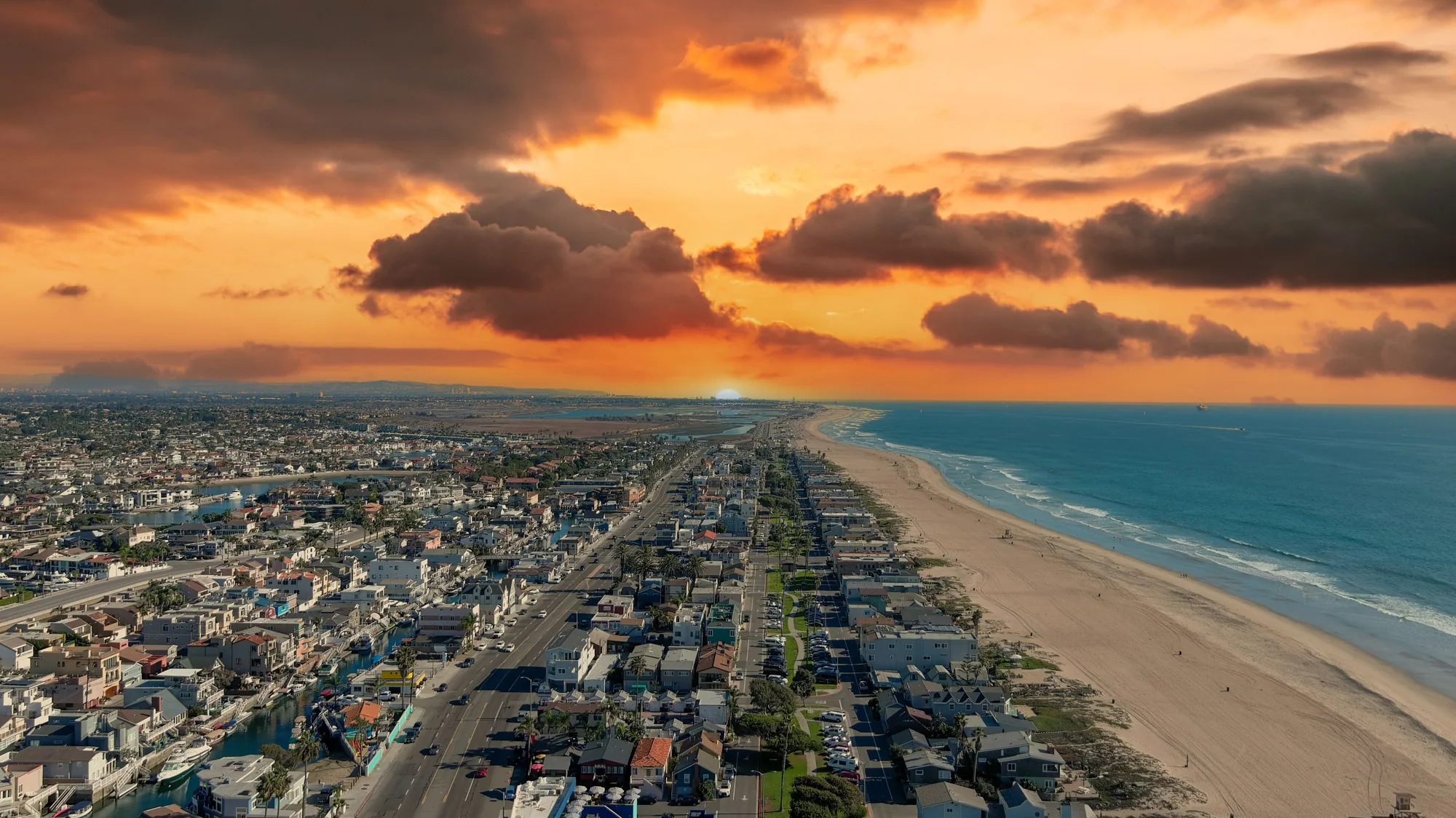
Commercial Roofing in Northwest Industrial Subarea, Huntington Beach, CA
A roofing delivery sharing a business park entrance with staff arrivals needs its movement window agreed before the truck arrives. In the Northwest Industrial Subarea of Huntington Beach, CA, we coordinate commercial roof inspections, repair, and replacement with the building's operating contact. Commercial Roofers Huntington Beach identifies the affected tenant area and the route to the roof, then separates work that can proceed locally from conditions needing broader investigation. Material selection follows that examination, with protection established for the rooms beneath any opening.
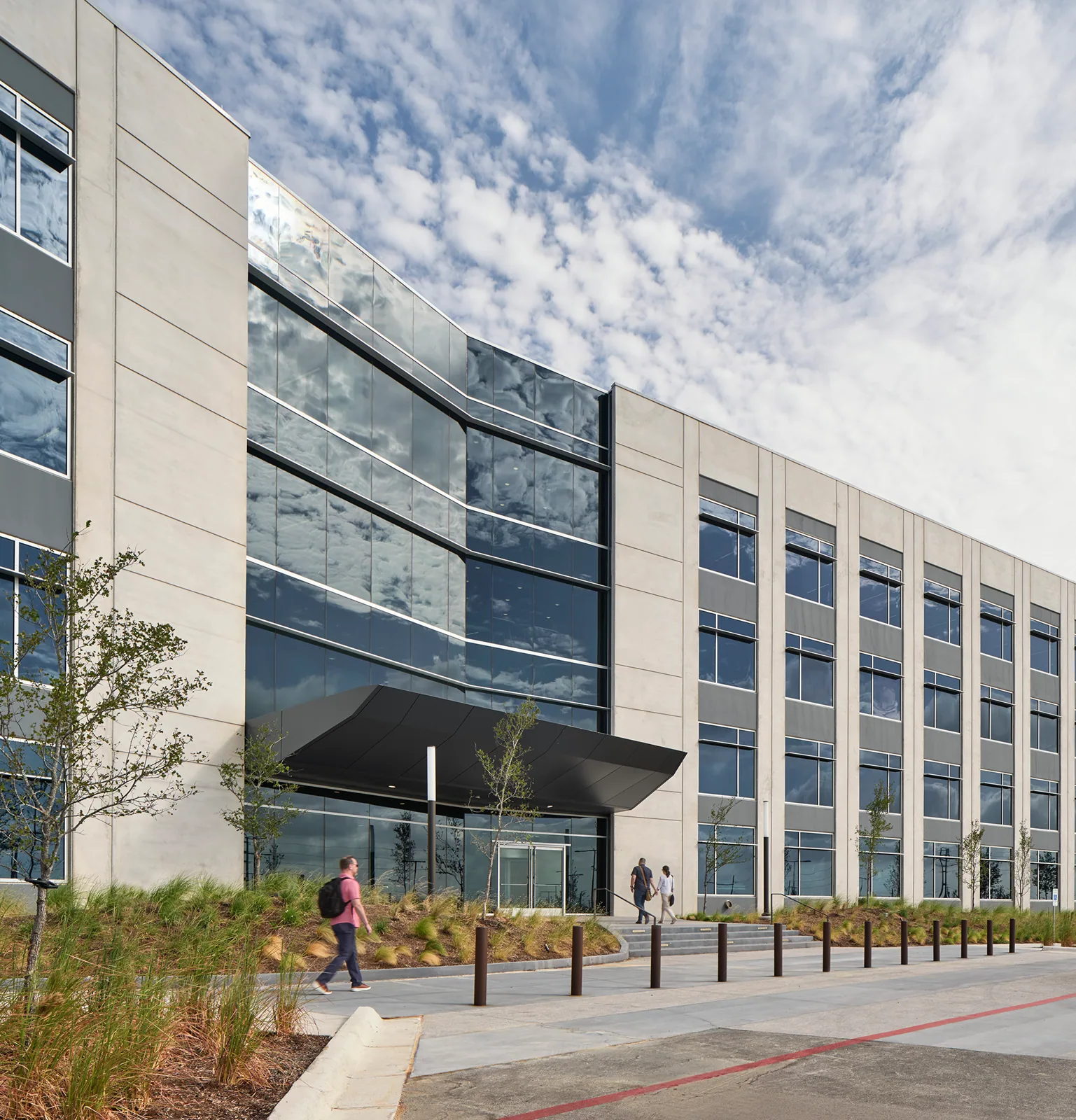
The district covers roughly 760 acres and includes McDonnell Centre Business Park north of Bolsa Avenue. Large offices, business parks, commercial pads, and industrial-spec buildings occupy the broader area, with I-405 on its eastern side. South of Bolsa Avenue, industrial and research-technology activity shares the setting with commercial services and fitness uses. A work plan needs to reflect the actual building operation within that mix, including who can approve a temporary restriction and arrange interior access.
Which occupied area will sit beneath the roof phase?
An office ceiling and a production room impose different limits on overhead work. We identify the active use beneath each proposed roof opening, including sensitive equipment, storage, and circulation that cannot move without notice. The daily plan distinguishes the roof construction boundary from the interior restriction. A safe separation may allow another tenant area to remain available, but shared entrances and mechanical systems still need review before that operating arrangement is confirmed.
For a fitness use, member movement and scheduled activities matter alongside ventilation and roof equipment. Roof work above exercise space receives protection suited to the floor and equipment below. An administrative suite may instead need coordination above office ceilings and air intakes. We discuss those differences with the manager before assigning removal and noisy preparation to a shift, avoiding a single property-wide restriction where more precise boundaries are practical.
Can the roof findings be located across connected buildings?
A report labeled only with a tenant name can become difficult to locate after occupancy changes. We tie roof findings to durable positions such as a building designation, roof level, and identifiable equipment or drainage feature. Close photographs show the defect; wider views establish its location. Available roof drawings can be marked to connect an interior symptom with the exterior examination. Where information conflicts, we settle the location during the visit before combining it with another building's findings.
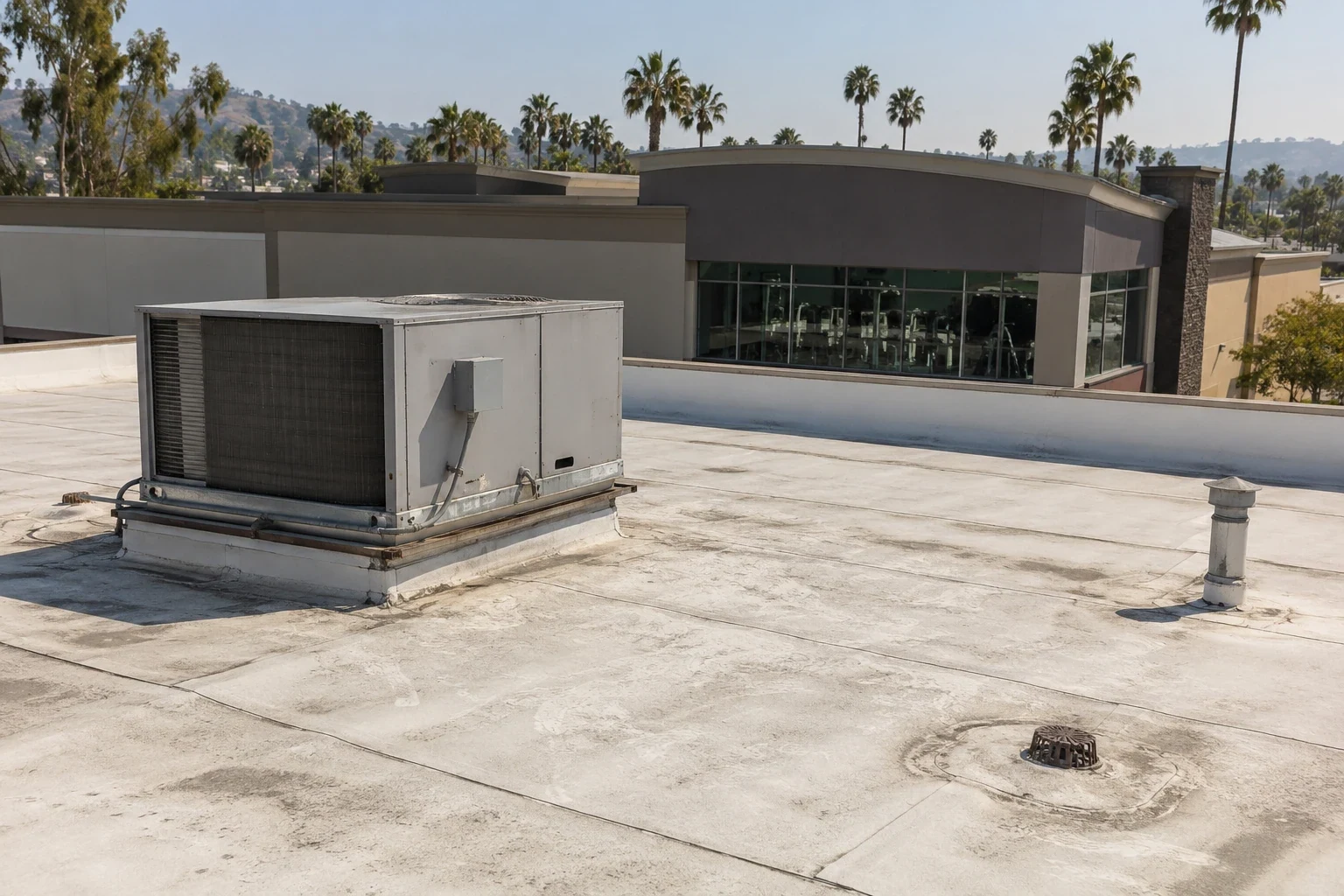
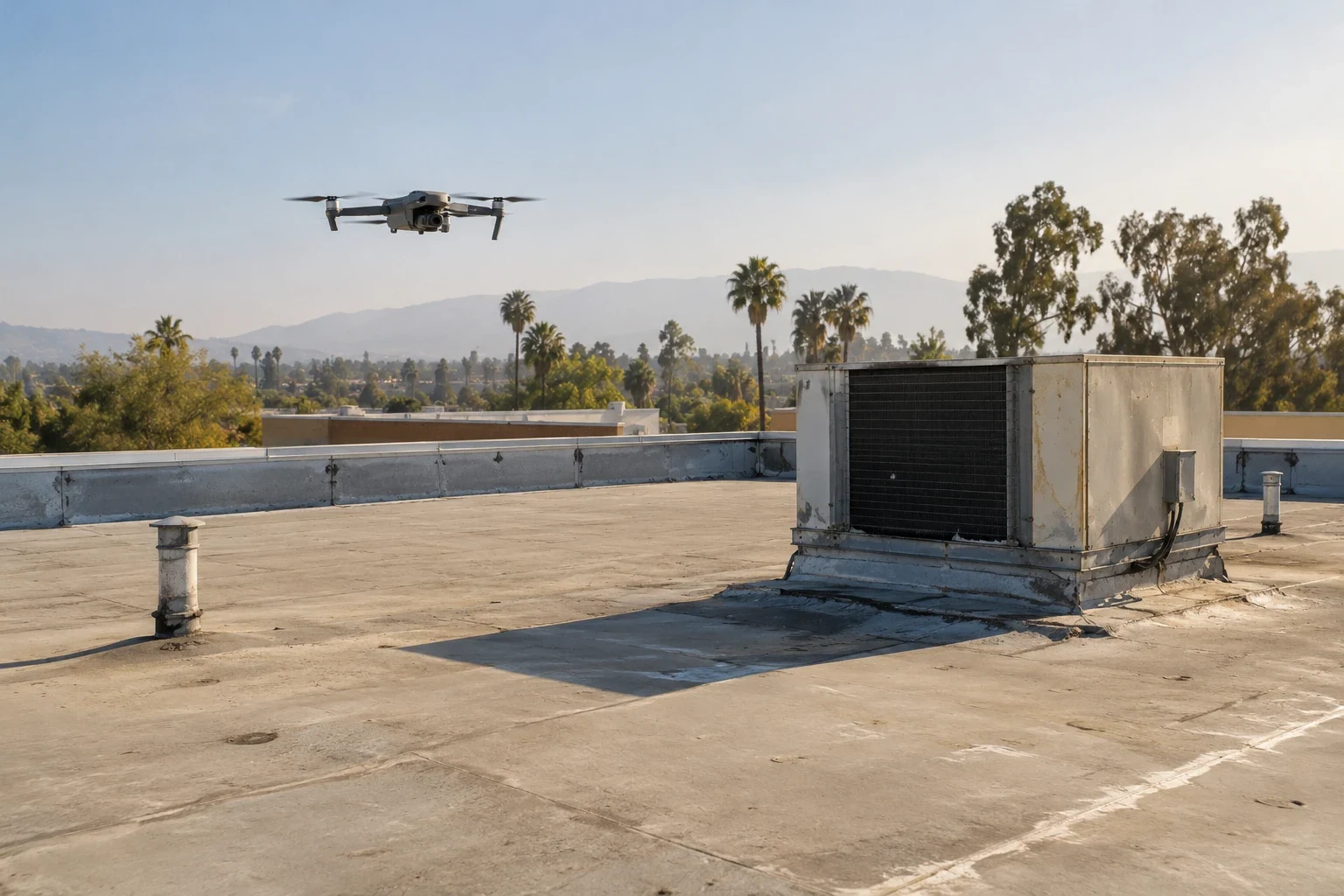
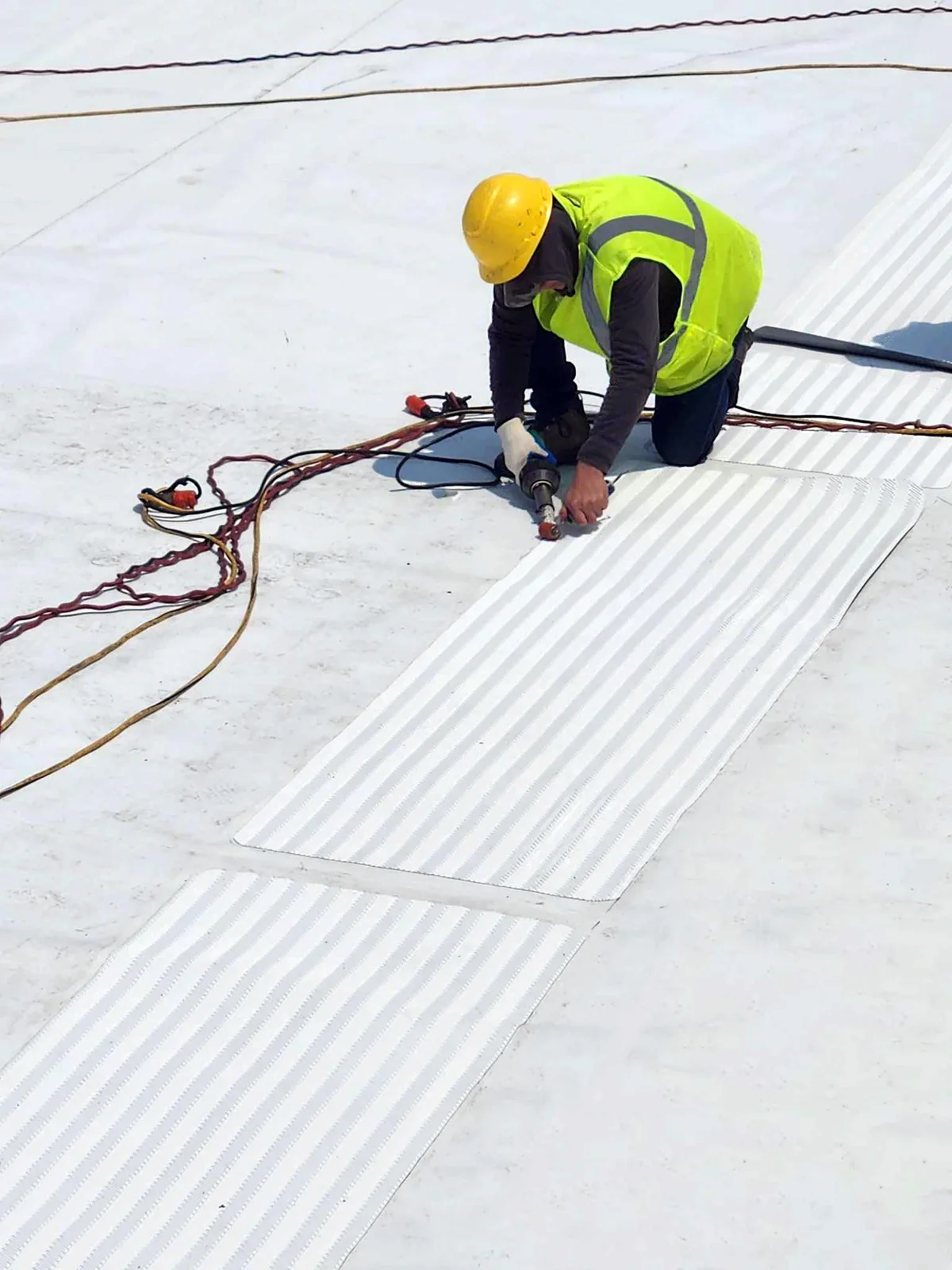
A hands-on inspection checks seams, wall terminations, edges, outlets, and roof-mounted components. Where aerial observation helps examine difficult geometry, it supplements the connection checks rather than replacing them. A drone-assisted overview of the roof layout can help establish accessible and restricted areas. Suspected wet insulation needs suitable confirmation where it affects removal. We explain what can be assessed from the available access and what further opening or appointment would resolve a pending decision.
Which equipment details need attention before reroofing?
A new assembly can leave too little clearance beneath an existing unit or wall receiver. We examine planned insulation thickness against curbs, drain fittings, perimeter heights, and retained penetrations before proposing installation. Mechanical changes already scheduled should be identified early, including abandoned openings and support moves. A finished membrane should not need immediate cutting for work that was known before construction. Those connections belong in the roof scope and the equipment sequence together.
Loose supports and unstable penetrations can also cause repeated flashing failure on a roof that otherwise remains serviceable. We inspect the component and its receiving surface, then identify the correction that must precede new roofing. A compatible local repair reaches sound adjoining material without restraining intended movement. Broad seam or attachment problems justify further evaluation across the assembly. We record the difference so an equipment detail does not become an unexplained reason to remove roofing outside the affected area.
What could leave water standing after an outlet cleaning?
A depression below the inlet can retain water even after debris has been removed. We compare the pool boundary with roof elevations, insulation condition, and equipment supports. A local slope correction may be possible where it reaches a working outlet and suitable neighboring construction. Larger changes require attention to flashing height, load, and the secondary drainage arrangement. The proposed correction should show where water will go after the work rather than merely where the pool was found.
The normal rainfall record at nearby Newport Beach Harbor emphasizes winter, while summer averages remain very small. We use that seasonal rhythm to plan drainage and connection maintenance before the wet period. Daily forecasts still determine open-roof work. Santa Ana offshore flow can bring coastal warming and dryness, changing handling or application conditions. Inspection and preparation are scheduled so an exposed detail can close securely within the actual weather window and the building's operating restrictions.
How should the owner compare retention with removal?
Wet layers, weakened deck material, and poor attachment can make a surface-only proposal incomplete. We identify those conditions through examination and appropriate testing, then show the materials that each viable option would retain or replace. A recover may suit dry stable construction with adequate capacity and detail clearances. A coating also needs a prepared compatible receiver. If those requirements cannot be met, replacement gives access to concealed layers needing correction rather than carrying them into another roof surface.
Properties in Huntington Beach's wider service area can use consistent condition criteria while keeping separate construction dates. A building in the Gothard Street Subarea may have an operating window unlike a Northwest Industrial office. We compare restriction costs alongside the roofing tasks: lifting access, temporary protection, equipment handoffs, and the amount that can close daily. The estimate should identify those drivers so a shorter apparent membrane scope is not confused with a complete project.
What connects the completed roof phase to the next one?
A phase ending at a retained roof section needs an appropriate temporary or permanent connection. We identify that boundary before demolition and check the completed tie-in before moving into the next area. The building contact receives the closed roof positions and any remaining restriction below. Work found during removal, such as deteriorated substrate, is photographed and explained before the planned extent changes. Weather or an unavailable equipment trade can alter sequencing without changing the need for secure closure.
Roof records preserve the repaired areas, installed material, drainage changes, and future maintenance requirements. A return examination can compare later interior observations with that same marked roof layout. For urgent entry outside normal staffed hours, response remains available on nights, weekends, and holidays, with safe entry arranged through the designated contact. Report which building and tenant space are affected, not only the park name, so protection and inspection are directed to the correct location.
Commercial Roofing Questions
Can we reroof one office building without closing the business park entrance?
An available alternative staging and lifting arrangement may keep the shared entrance usable. We review the actual route, vehicle movements, and pedestrian access before selecting it. If a temporary closure is necessary for a task, its boundary and timing are agreed with management before materials arrive.
What if roof access passes through a tenant with restricted hours?
Arrange the authorized access period before the visit and identify any escort or key requirement. We can assess which exterior observations are practical while that access is pending. Intrusive examination waits for a safe route and the interior protection needed below it.
Should equipment planned for replacement be included in the roof proposal?
Provide its position, timing, and support requirements to the project team early. We coordinate the roofing connection and identify curbs or openings needing alteration. That allows the membrane and equipment work to meet at an agreed detail rather than leave an unfinished handoff.
Why are nearby roof sections tested after one tenant reports a leak?
Moisture and shared connections can extend beyond a suite boundary. We select additional checks where the findings would affect retention or removal, then explain the resulting limit. The inspection expands for a roof reason rather than solely because adjacent space is occupied by another tenant.
Proudly Serving Huntington Beach and Nearby Cities
Commercial Roofers Huntington Beach
Huntington Beach, Westminster, Seal Beach, Fountain Valley,
Garden Grove, Newport Beach and nearby Orange County cities