
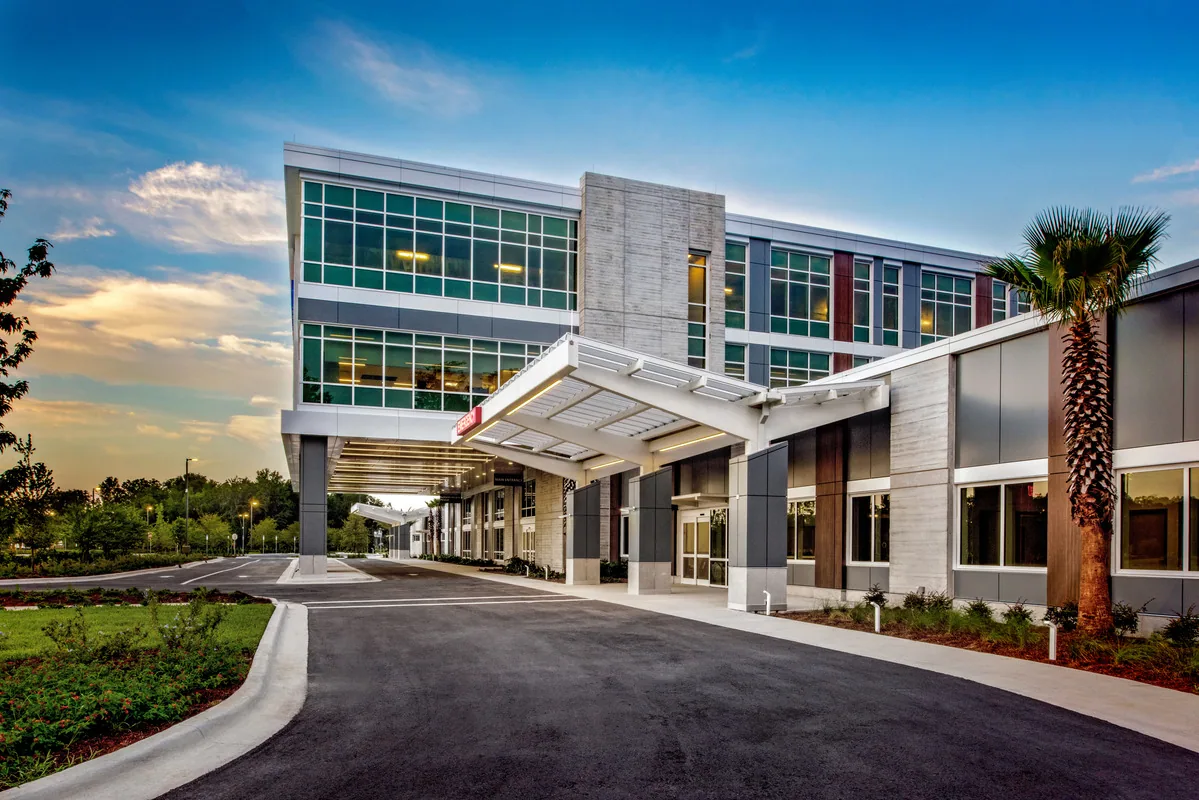
Healthcare System Roofing in Huntington Beach, CA
Water reported above a treatment room requires a facilities contact who can control the room and roof access together. We first establish the affected space, immediate safety concern, and permitted inspection window. Commercial Roofers Huntington Beach helps healthcare systems in Huntington Beach, CA distinguish urgent protection from the larger roof repair decision. That distinction matters when different departments share a building but cannot accept the same noise, odor, or interruption.
Healthcare and social assistance are represented in Huntington Beach's employment mix. Nearby, the Tibor Rubin VA Medical Center in Long Beach has a mapped multi-building arrangement of clinical, support, parking, and circulation areas. A healthcare portfolio similarly needs each actual building and operating use identified before roof work is phased. The roof condition and the facility's rules set the work boundary, not a common assumption about medical buildings.
Which clinical area must be protected first?
An active drip over electrical equipment, stored supplies, or a patient area needs immediate communication through the facility's established response procedures. Staff should restrict unsafe areas and have the appropriate facility personnel assess electrical and ceiling hazards. We coordinate the first roof access with the authorized contact, then identify a safe protection measure. A clinical facility can request emergency roofing assistance during the night or on a holiday or weekend. Entry authorization, rooftop safety, and the weather still determine what protection can be installed.
Interior controls belong to the healthcare team. Before roof testing or removal, we confirm which rooms are occupied, which systems must remain operating, and who can approve a temporary restriction. The inspection connects room identifiers with roof zones, equipment curbs, and drainage. A hospital roof assessment may involve different operating dependencies from a medical office roof repair. We identify those dependencies with the facility instead of assuming that a shared ownership group means shared work conditions.
How do patient schedules shape the roof sequence?
A roof opening near an air intake calls for coordination with mechanical and facility personnel before dusty or odorous tasks proceed. We identify the equipment serving the work zone and discuss the protection, isolation, or timing needed under the facility's procedures. Intake arrangements and ventilation decisions should be handled by the authorized facility team and relevant trade. Roof crews need a clear work window that matches those decisions.
Material deliveries, debris removal, lifts, and temporary barriers must preserve the entrances and routes the facility requires. The roof plan should identify the rooms beneath each phase and the contact who can release them. Huntington Beach's office and industrial mix in Northwest Industrial differs from visitor activity along Beach Boulevard, so arrival and staging routes require a site check. Facilities in the Long Beach service area likewise need their own approved access sequence. We retain that building-specific sequence throughout preparation, removal, and daily closure.
What distinguishes a leak investigation from a campus condition review?
A reported leak directs us to a specific interior area and possible water routes. We inspect nearby seams, curbs, walls, drains, and repair transitions, then determine whether testing would narrow the cause. A campus review has a wider purpose: compare the serviceability of separate roof sections, drainage arrangements, moisture concerns, and renewal needs. Both need photographs located on plans, but the scope and decisions are different.
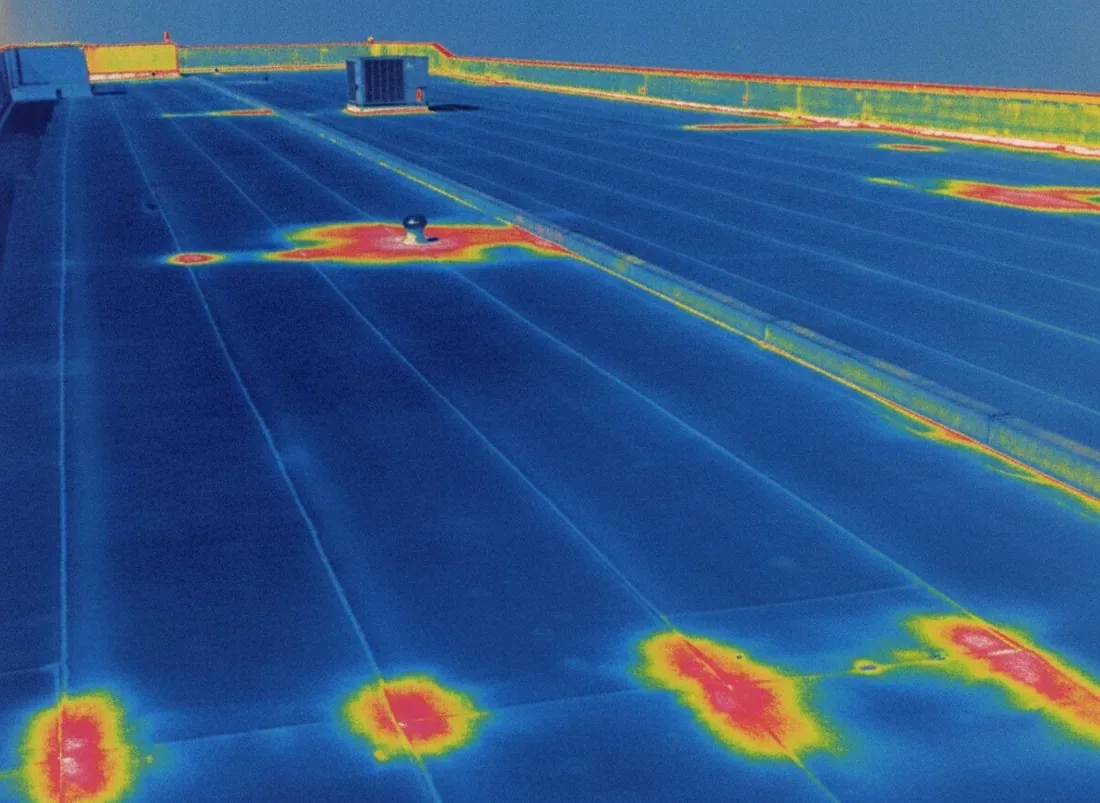
For multiple buildings, we mark active leakage, accessible defects, and unresolved testing separately. Coordination with property managers serving medical tenants keeps individual roof scopes separate while combining work priorities. Where insulation moisture is suspected, infrared moisture investigation can guide targeted confirmation under suitable conditions. Survey findings should be linked to their test locations and limits. The facilities team then sees which roof work protects an immediate clinical need and which investigation supports a future capital request.
Which weather conditions change the clinical work window?
The Newport Beach Harbor climate record provides a nearby marine-coast baseline with normal rainfall concentrated in cooler months. Planning larger openings during an appropriate drier period can reduce exposure, but the current forecast and surface condition decide whether preparation proceeds. Dew or retained moisture can delay work requiring a dry substrate. We confirm a daily closure point before removing an assembly above occupied clinical space.
Santa Ana events can bring hotter, drier offshore conditions to coastal California. Wind may alter material handling, temporary protection, and the safe extent of exposed work. The facility should know how a weather stop affects the spaces below and what protection remains. The closeout handoff identifies completed sections, any temporary cover, and the return check. That information lets the operating team assess the affected room's status without relying on the assumption that a weather delay means the roof has been left open.
How should a system choose repair or renewal?
Repeated water at a curb can require correcting the flashing connection, not just adding another surface seal. We inspect the material transition, counterflashing, attachment, and insulation adjacent to the defect. A contained repair is appropriate only where it can connect to serviceable material and address the identified path. If moisture extends farther, the removal boundary changes and the facility receives that decision before wider work proceeds.
Renewal compares the condition of retained layers with the consequences of removal. A coating needs a compatible, sound, prepared substrate. A recover requires suitable moisture, structural, attachment, drainage, and detail conditions. Replacement may be necessary where damaged layers cannot be retained, but its sequence must fit clinical protection. We help owners evaluating medical property investments compare capital priorities with those constraints visible. Mechanical replacement scheduled near roof renewal should be coordinated so a newly installed membrane does not immediately require new curb modifications or avoidable trade traffic.
What does facilities need before releasing the work?
Completed work should be traceable to the building, department, roof section, and authorized scope. Photographs show preparation and finished details, while the report records materials, approved changes, and any unresolved investigation. Interior reopening follows the healthcare team's procedures. We identify roof-related restrictions and remaining work so the facility contact can make that determination using current information.
Keep roof condition and repair records with the mechanical plan and available warranty documents. Future service personnel should know where a protected repair is located and which access path is appropriate. The Tibor Rubin campus map identifies functions ranging from imaging to warehouse support, illustrating why operating use belongs beside each building identifier. For your facilities, send the actual roof plan, affected room report, department constraints, and access contact. We will define the inspection or protection step and the next approval needed.
Commercial Roofing Questions
Can the roof investigation begin without entering patient rooms?
Exterior inspection may begin where authorized access allows it, using room identifiers and reports supplied by facilities. Some water routes require interior observations or controlled testing. We identify that need first so the healthcare team can arrange entry, protection, and timing under its own procedures.
Who decides how nearby air intakes are handled?
The facility's authorized personnel and mechanical specialists direct ventilation changes and clinical protections. We describe the roofing tasks, work location, and expected disturbance so they can establish the appropriate controls. Roof work then follows that agreed window and any required stop condition.
Should clinics and support buildings share a renewal schedule?
Compare roof condition with each building's operating importance and available work window. A leaking clinic may need protection before a sound support building requires renewal. We preserve separate scopes and can coordinate a broader program when that grouping improves execution without concealing urgent needs.
What closes a temporary repair above a clinical department?
A follow-up inspection should identify whether the temporary measure remains intact and what permanent correction is still needed. We record the roof boundary and report any outstanding water investigation. Facilities then has a clear roof status for its room release and permanent-work authorization.



Proudly Serving Huntington Beach and Nearby Cities

Commercial Roofers Huntington Beach
Huntington Beach, Westminster, Seal Beach, Fountain Valley,
Garden Grove, Newport Beach and nearby Orange County cities