
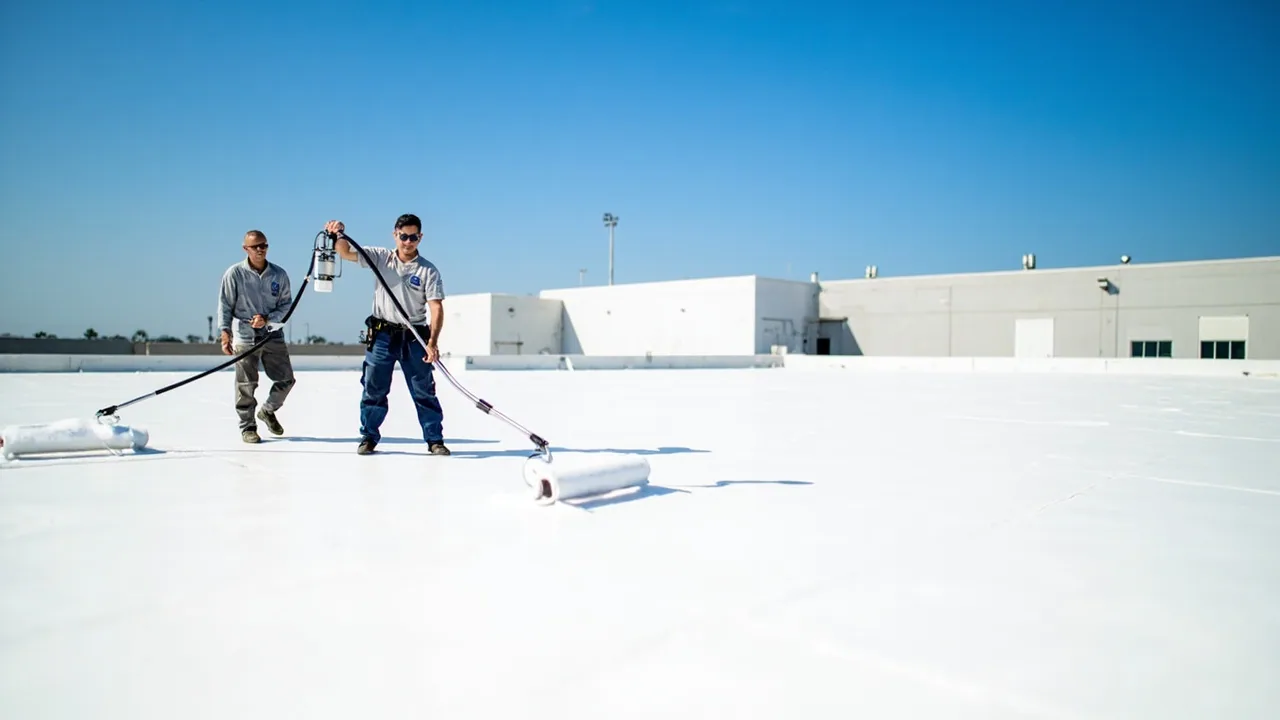
Commercial Roof Coating in Huntington Beach, CA
A reflective layer can return a worn surface to service only when the roof beneath it is sound enough to keep. For commercial roofs in Huntington Beach, CA, we check membrane or metal condition, seams, penetrations, drainage, and moisture before recommending a coating. A coating does not rebuild a weak deck or dry wet insulation. In the Gothard Street Subarea, manufacturing and warehouse properties may have different equipment access than visitor-serving buildings near Pacific Coast Highway. The inspection determines what the individual assembly can accept.
Coastal Newport Beach Harbor normals show moderate temperatures and most rain in winter. That seasonal pattern helps plan a dry application window, but surface temperature, dew, forecast, and substrate condition still govern the workday.
What must the roof support before coating?
We identify the installed roof, previous coatings, repairs, and exposed edges before selecting a system. TPO, PVC, EPDM, modified bitumen, built-up roofing, metal, and spray foam each present different preparation and adhesion questions. If records are absent, an exposed termination or a small test area may help confirm the surface. We follow the product requirements for compatibility rather than assume one coating bonds to every roof.
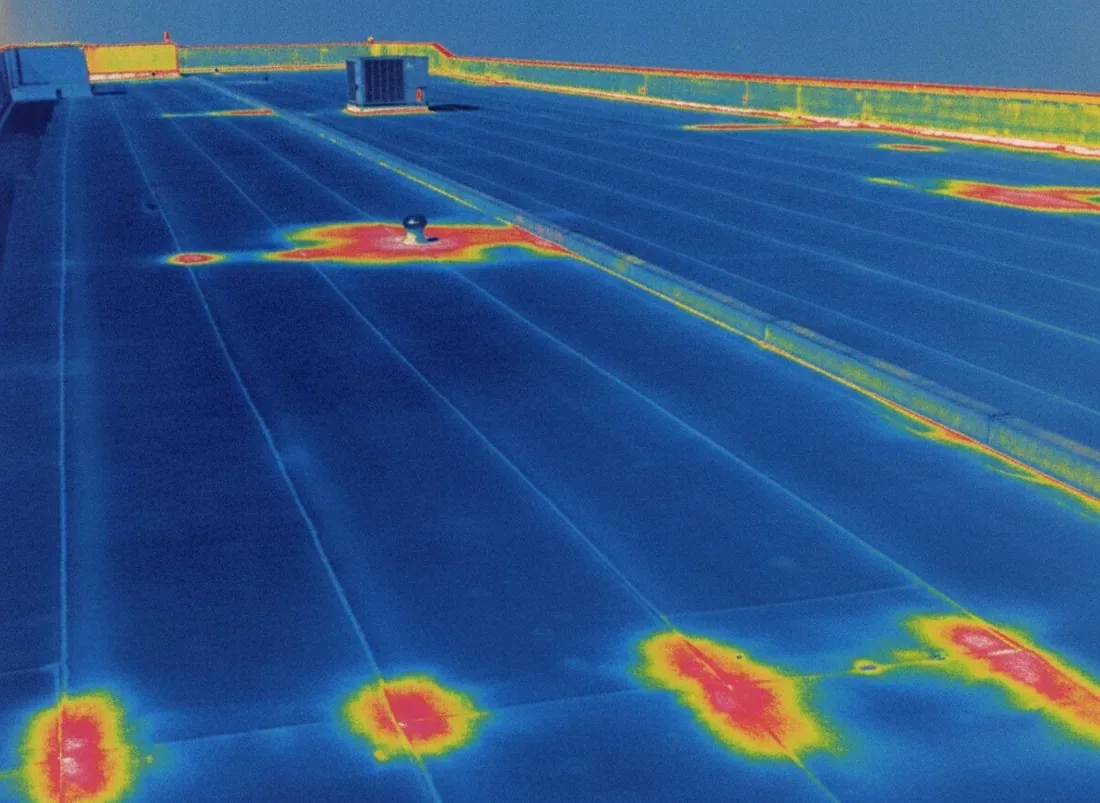
Soft insulation, active leaks, loose membrane, open laps, corrosion, and failed flashing need correction first. We mark them by roof zone and explain whether a localized repair is enough or the substrate needs testing. A silicone roof coating system should not bridge an unstable seam or hide moisture that could continue to weaken the assembly. When concealed layers may change the recommendation, an infrared moisture survey can help target areas for confirmation.
The proposal identifies the coating chemistry, primer if required, preparation method, detail reinforcement, and application rate. If those items are missing, a price comparison can hide meaningful differences. We also record areas that cannot receive coating, such as surfaces with poor adhesion or details that need replacement before field work.
How does drainage affect restoration?
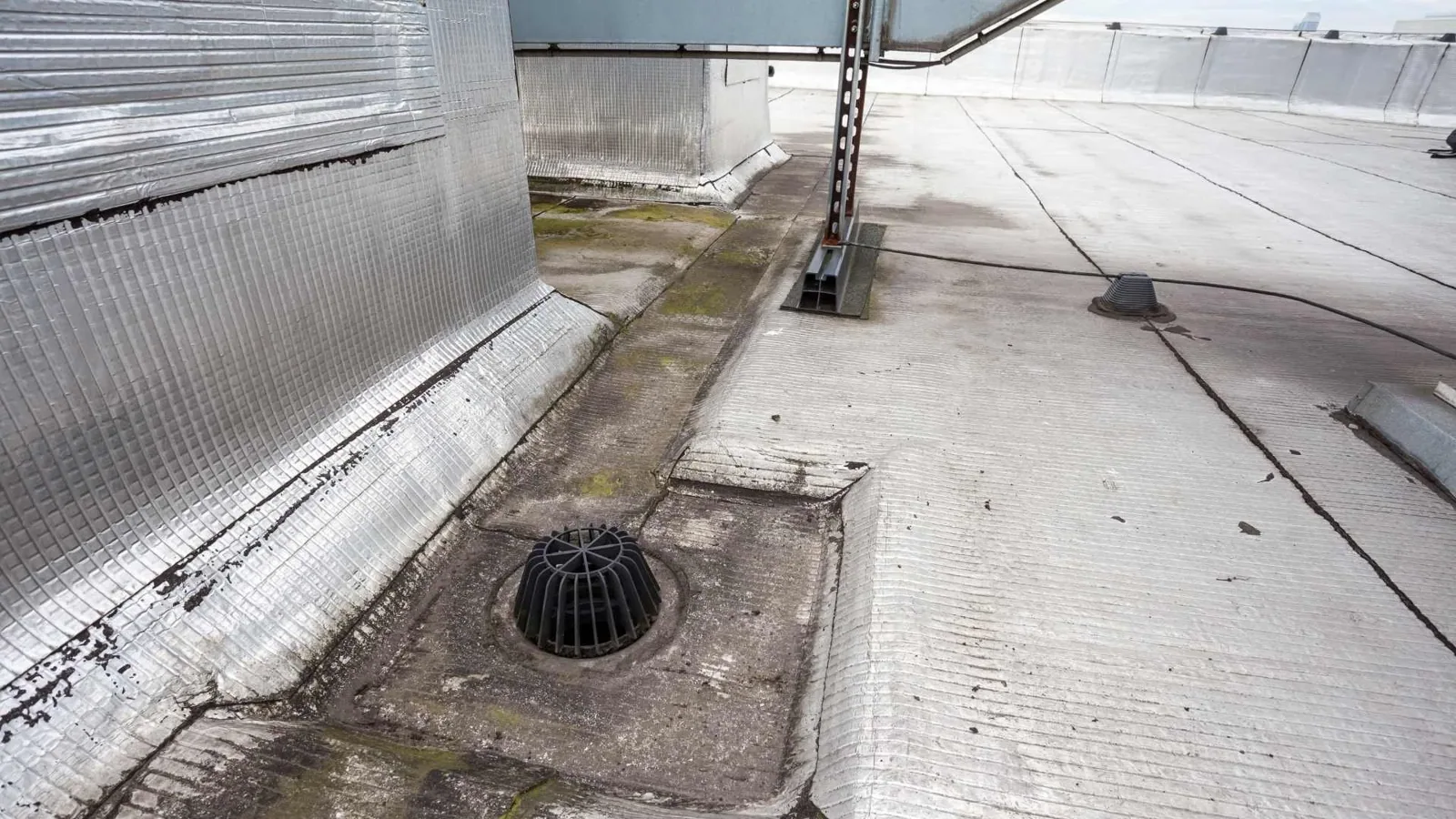
A coating follows the roof plane; it does not create slope or repair a drain connection by itself. We inspect bowls, scuppers, overflow routes, crickets, and low areas to see how water leaves the roof. Annual normal precipitation at Newport Beach Harbor totals 9.43 inches, primarily during the cooler portion of the year. That is useful timing context for Huntington Beach, not a measurement of any individual roof. The field check still has to confirm whether an outlet is open and the nearby membrane is secure.
If ponding remains after an outlet clears, we look at the roof's geometry and surrounding insulation before treating the surface. Drain and scupper service can correct a defined fitting or blockage. A low plane may need a separate tapered-insulation design. Coating over a persistent pond can leave the original drainage question unresolved and may exceed a product's water-exposure requirements.
Where a roof has different elevations, we mark the flow path from high points to drains and through overflow details. That map supports both the coating scope and future maintenance. A roof inspection can document the related edges, penetrations, and seams. Any proposal should state how drainage defects will be handled before the coating is applied.
Which repairs belong in the coating scope?
Seams, curbs, skylights, pipe boots, wall transitions, and metal edges usually need individual attention. We remove loose material, prepare the bond area, and reinforce details as required by the selected system. On a metal roof, fasteners, panel laps, rust, and ridge details all affect adhesion. On a membrane roof, old patches or incompatible sealants can interfere with a new layer. The written scope ties each repair to a roof-zone photograph.
At larger commercial sites, work sequencing matters as much as product selection. The Northwest Industrial Subarea contains offices, business parks, commercial pads, and industrial-spec buildings. A coating crew may need to work around rooftop service paths, deliveries, and restricted equipment areas, while a property near Downtown Huntington Beach may need access coordinated with shops or mixed-use occupants. We ask the site contact about those limits before scheduling lifts and material staging.
For a confirmed leak, a compatible commercial roof repair can close the opening before a coating proceeds. If the existing roof needs a broader correction, a roof recover or replacement may be a better path. We separate repair, preparation, and coating work in the proposal so the owner can see which item addresses which condition.
When is the application window suitable?
Coating work needs a dry, prepared surface and enough time for the material to cure under its published conditions. We review temperature, humidity, dew, wind, and the near-term forecast before opening containers. Newport Harbor's winter rain concentration and nearly rainless summer normals give useful seasonal context, but a marine layer or overnight moisture can still change a specific morning's start. We plan a stop point at a sound boundary if conditions shift.
Before mobilization, confirm roof access, staging, protection below the work area, and any operations that depend on rooftop units. We identify how drains will be kept clear, where materials will be set, and how the crew will secure each zone at day's end. If an owner needs an occupied building to stay in use, we phase work where the roof layout allows and communicate when access or noise will change.
The coating system's technical documents control surface preparation, thickness, coverage, and cure requirements. We include the selected product and application method in the scope, plus the inspection steps used to check coverage and repaired details. We do not substitute a generic coat count for the manufacturer's requirements.
How should restoration compare with replacement?
Coating is most useful when the existing roof is structurally suitable, mostly dry, and repairable without extensive removal. If moisture affects broad areas, the deck is damaged, or seams continue to separate, restoring the surface can leave the main problem in place. We compare coating with a replacement after checking the existing layers, insulation, edge details, equipment curbs, and drainage. The decision should follow observed condition and the owner's planning window.
A maintenance record should retain the product name, preparation, repaired locations, application date, and areas excluded from the work. Later service crews need that information before adding another material or cutting a new penetration. A scheduled commercial roof maintenance visit can track wear and debris around the drains. A return inspection can check the coating and document new work by other trades.
We provide photos that show repaired details and coated field areas, then walk the property contact through remaining conditions. If a section could not be reached or was not included, the handoff states that plainly. Share a roof plan, prior repair history, and the site's access window to arrange an inspection and compare restoration with the next practical option.
Commercial Roofing Questions
Can coating stop water in a roof that already leaks?
Only after the leak path and affected materials are understood. We inspect the opening, repair the detail, check for wet insulation, and confirm that the remaining roof is suitable before coating is considered.
What drainage work must precede surface restoration?
A coating follows the existing plane. It does not add slope or clear an outlet. We inspect the drain path first and include drainage correction separately when the roof geometry or fitting needs work.
What should the proposal specify?
It should name the coating system, surface preparation, repairs, primer or reinforcement where required, application rate, weather limits, excluded areas, and how concealed conditions will be handled.
How does coastal weather change scheduling?
Winter rainfall is concentrated in the Newport Beach Harbor normal, while summer averages are near zero. The crew still checks actual surface moisture, dew, forecast, and product conditions before each application.
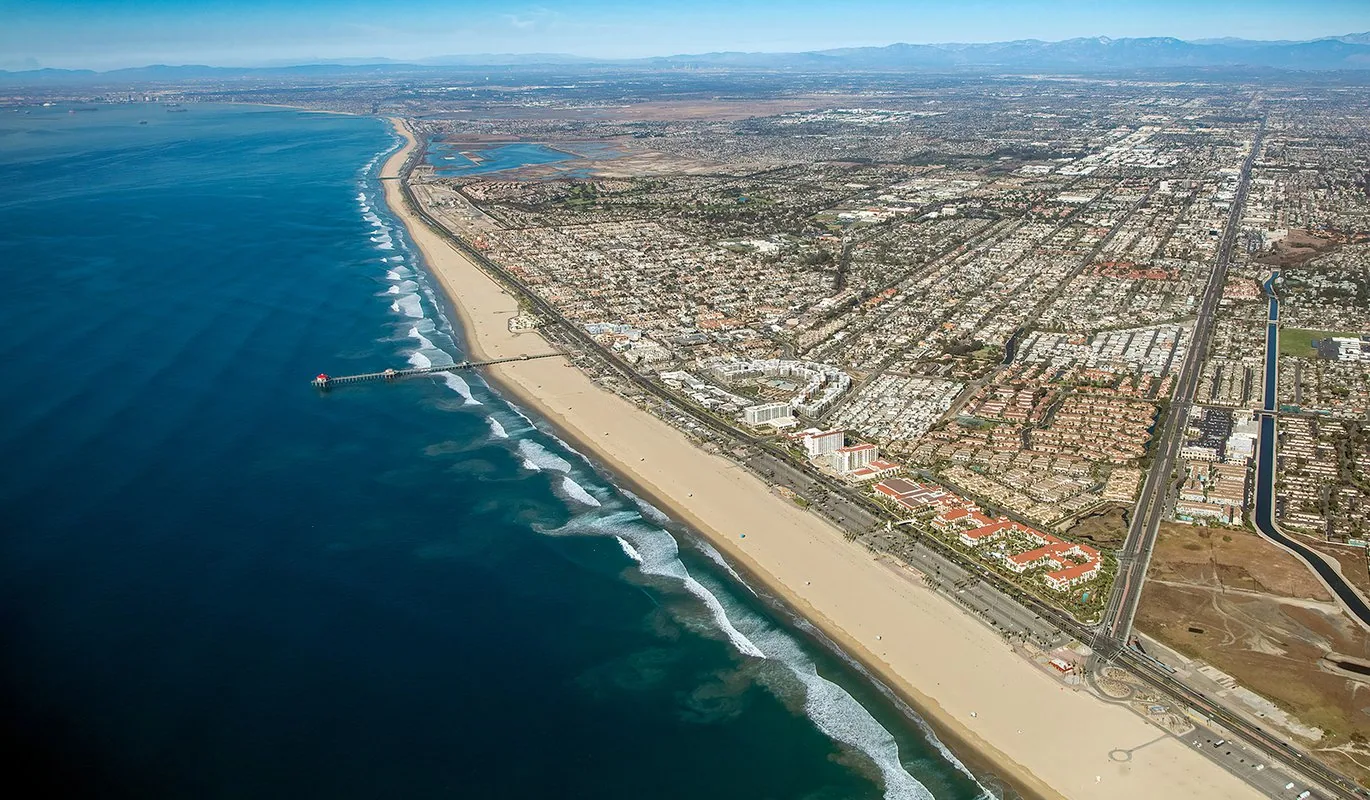
How we inspect, scope and complete this work
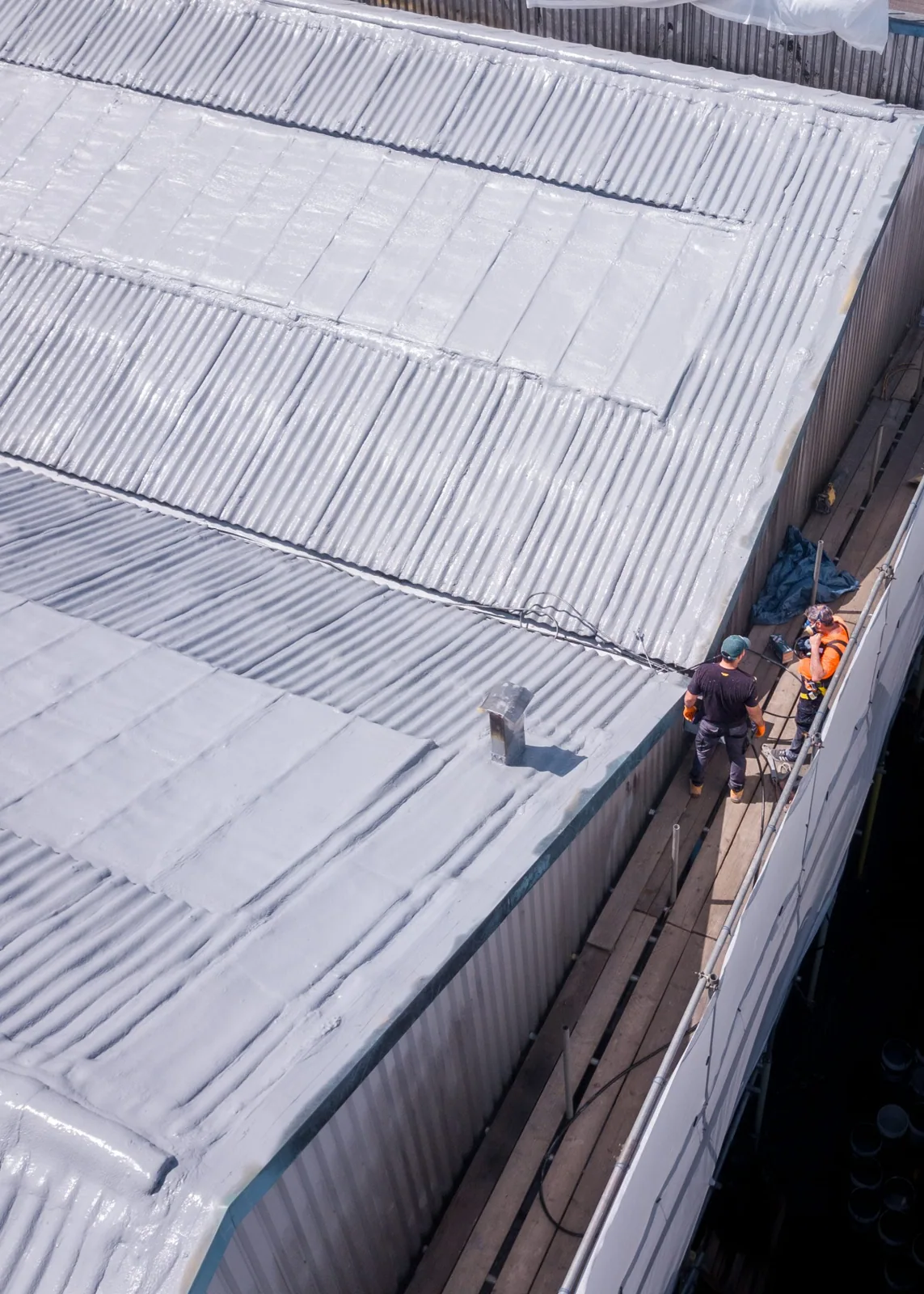


Proudly Serving Huntington Beach and Nearby Cities

Commercial Roofers Huntington Beach
Huntington Beach, Westminster, Seal Beach, Fountain Valley,
Garden Grove, Newport Beach and nearby Orange County cities