
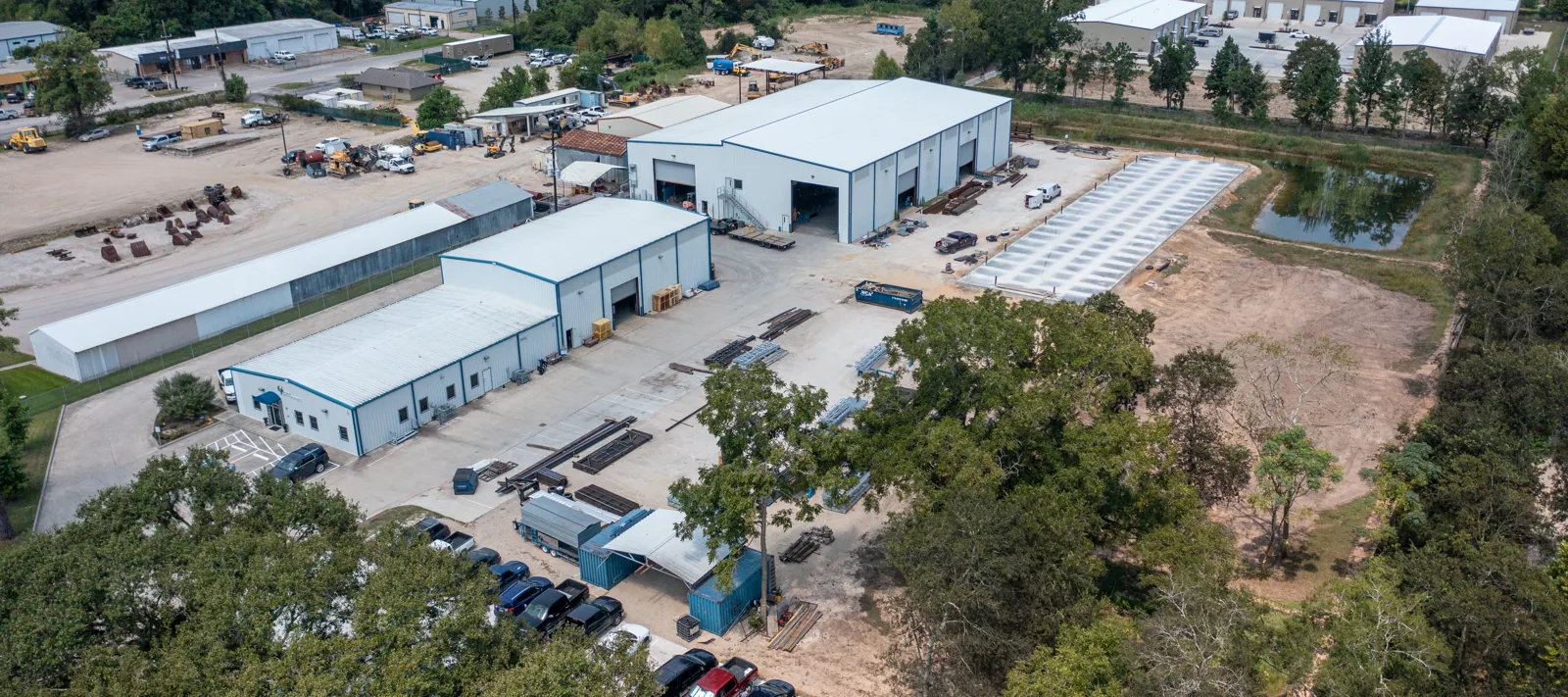
Manufacturing Company Roofing in Huntington Beach, CA
Production halted by roof water needs a repair decision tied to the affected machinery and restart sequence. We first identify the affected process, safe interior protection, and the person authorized to control access. Commercial Roofers Huntington Beach works with manufacturers in Huntington Beach, CA to define a repair boundary that reflects both the roof condition and the equipment below. The production lead needs to know which tasks can continue and which need an agreed interruption.
The Gothard Street Subarea includes smaller manufacturing and warehouse properties, while Northwest Industrial mixes industrial and research activity with offices and commercial uses. Those settings create different material routes and shutdown needs. We confirm the actual roof assembly, exhaust arrangement, and available work window before selecting preparation, removal, or a temporary measure. A manufacturing use alone does not identify the roofing system.
Which process lies beneath the suspect roof detail?
An interior report should name the line, room, or equipment affected and whether water is active. Plant personnel can identify restricted spaces, electrical hazards, and contents requiring protection. We compare that information with the roof plan, then inspect the nearest accessible seams, equipment curbs, penetrations, and drain path. Water following a deck or structural member can require checking beyond the point directly above the drip.
Production dust, heat, and rooftop maintenance activity may influence where inspection is needed, but observed condition determines the scope. A plant roof investigation identifies assembly issues, while coordination with shipping and logistics operations addresses goods moving through the same property. We separate interior protections from roof corrections in the work order. The operations contact can then approve the actual restriction and repair extent rather than a general instruction to clear the entire production floor.
What do exhaust and equipment changes do to the roof?
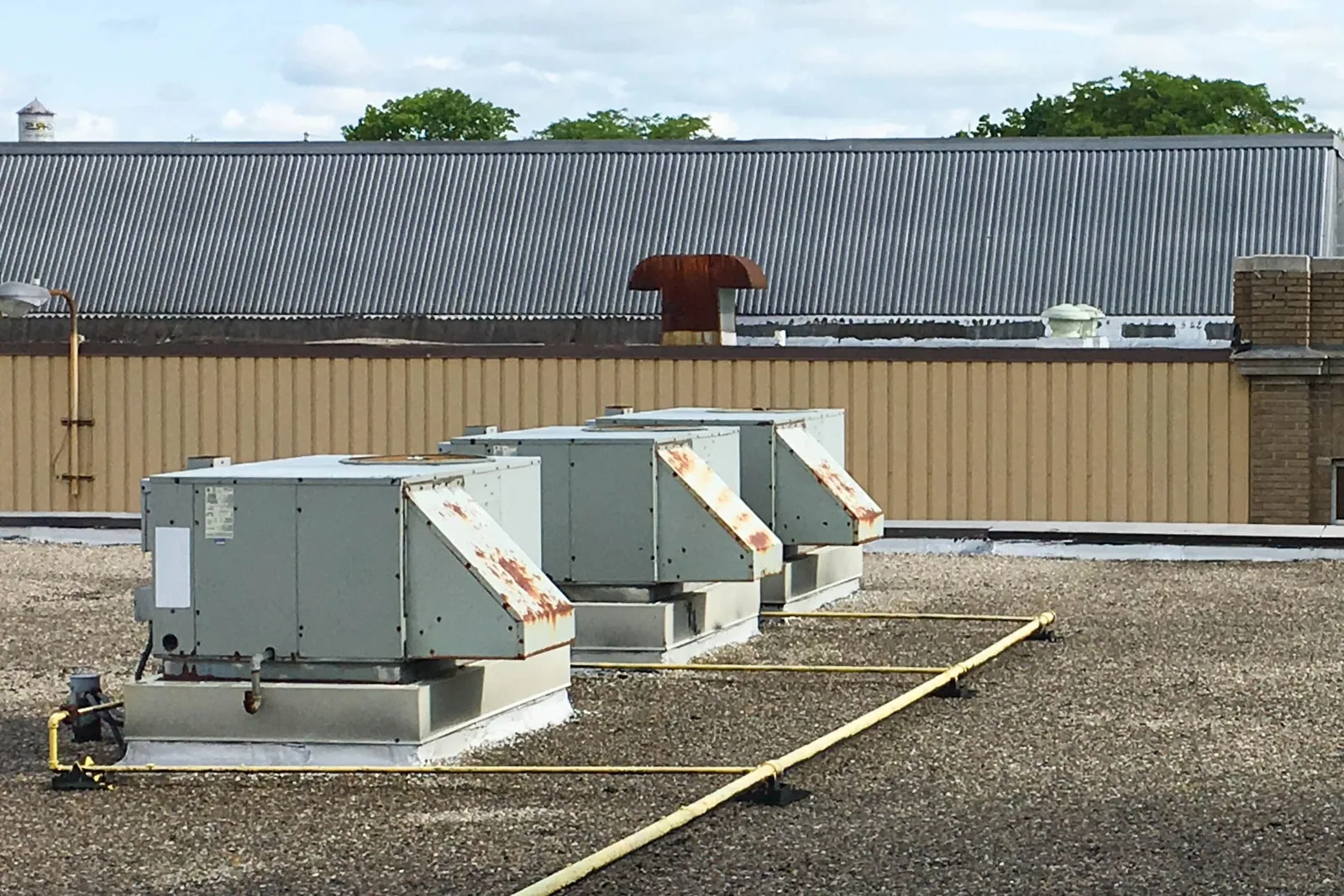
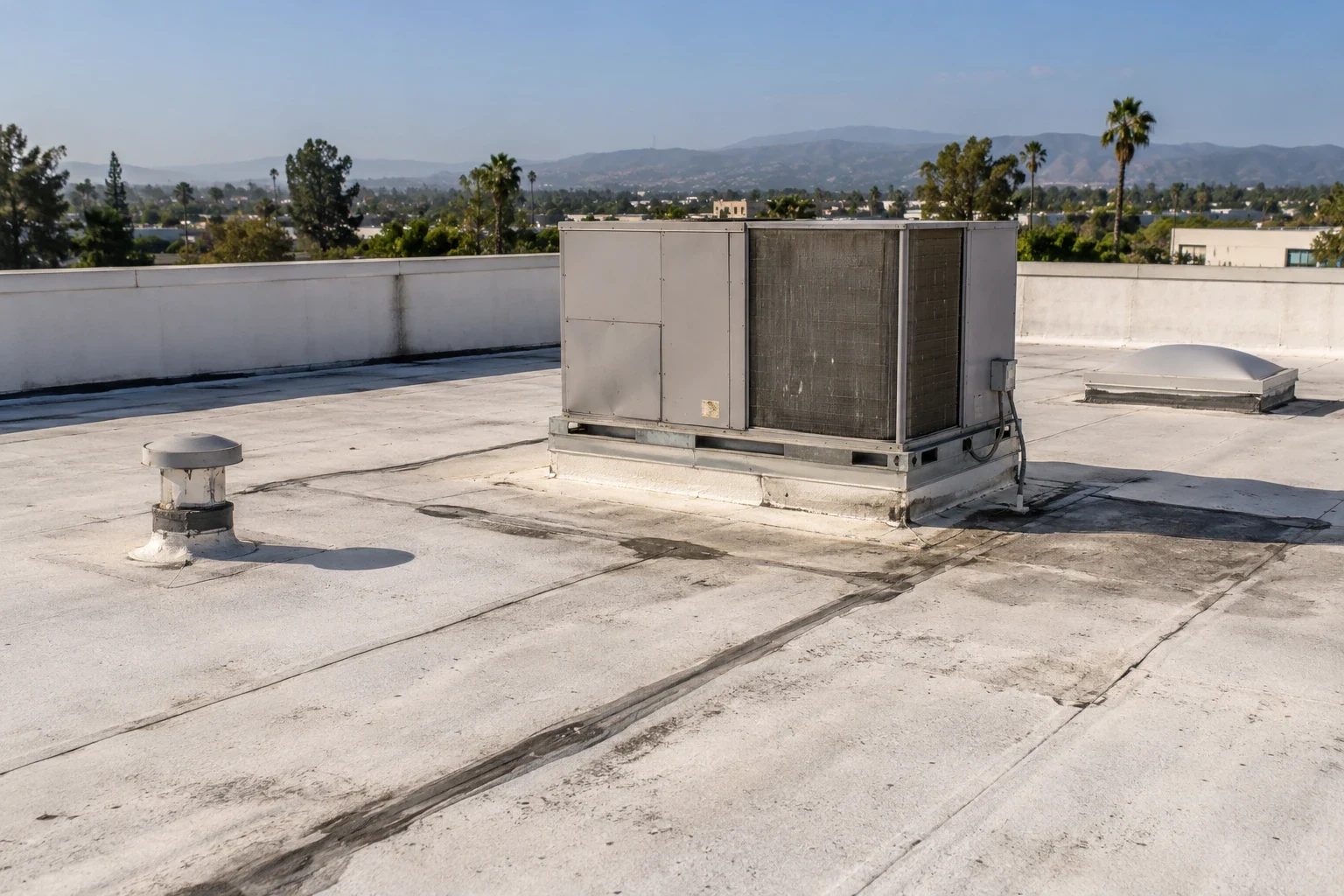
A new exhaust opening requires more than a cut through the membrane. The curb, flashing height, attachment, equipment support, and water drainage must function together. We review the detail with the relevant mechanical or process trade and establish who removes, supports, and reconnects equipment. Existing flashing can separate where equipment movement, poor attachment, or material incompatibility affects the connection. Surface sealant alone may leave that underlying issue unresolved.
For equipment curb corrections, we describe the connection to the surrounding assembly and any insulation removal needed. Traffic paths should protect the finished membrane while maintaining practical service access. A manufacturer's mechanical shutdown can sometimes coincide with roofing work, but the dependency belongs in the schedule before materials arrive. We identify the last point at which removal can stop safely and how an unfinished equipment opening will be protected if the planned work window changes.
How does the plant choose a workable removal window?
A planned shutdown has limited value if roof preparation cannot finish before it ends. We review material delivery, roof access, equipment isolation, interior protection, and the day's closure tasks in sequence. The exposed area should be sized to the conditions and the work that can be completed safely. Temporary barriers and debris routes must preserve the plant's required emergency access.
Northwest Industrial includes McDonnell Centre Business Park and has I-405 at its eastern side. That regional setting is useful context for delivery planning, but the gate and lift location still need direct confirmation. In the Gothard Street manufacturing area, smaller industrial properties may have different staging arrangements. We inspect the actual approach, then define a work sequence for roof renewal over active operations. The plant contact receives any restriction that affects receiving, parking, production, or rooftop servicing before the work phase begins.
What should be tested before a wider repair is approved?
Soft insulation, repeated seam movement, or staining near several penetrations can require investigation beyond a surface patch. We identify suspect moisture areas and select suitable testing under the authorized scope. An infrared survey can help locate thermal patterns when conditions support it; targeted confirmation establishes whether moisture is present and how it affects the assembly. A photograph of the membrane alone cannot define concealed removal quantities.
The testing plan should identify roof sections and process constraints, including where a core or opening must be restored before production resumes. We distinguish confirmed wet material from areas awaiting access or another test. Manufacturers leasing space can coordinate responsibility with their property management contact. The resulting repair scope specifies compatible material, preparation, dry substrate, flashing connections, and the removal boundary. If damaged decking is uncovered, the owner receives the finding and proposed correction before the repair expands.
Which assembly suits the actual plant exposure?
Rooftop discharge, maintenance traffic, equipment density, and the existing deck affect material selection. We check what reaches the roof from process or mechanical equipment and review compatibility before choosing a membrane or coating. Where contaminants are present, preparation may require more than a routine wash. The selected system must work with the attachment, insulation, cover board, and detailing required for the project.
A coating is considered where the retained roof is sound, dry, compatible, and properly prepared. A recover requires suitable structural, layer, moisture, and drainage conditions. Replacement permits damaged layers to be removed but needs a practical daily dry-in boundary. A PVC roof assembly may be evaluated among other systems according to actual project conditions rather than the industry label. We explain how each option treats curbs, service paths, outlets, and perimeter details so the production team can assess the resulting maintenance access.
How does coastal weather affect preparation and handoff?
Newport Beach Harbor's coastal normals place most rain in the cooler months, with summer precipitation averaging close to zero. Manufacturers can consider seasonal timing when planning a shutdown, while current wind, surface moisture, and forecast control daily work. Santa Ana winds may bring warmer, drier offshore conditions and change safe material handling. We adjust the exposed boundary and protection accordingly rather than assume a booked shutdown establishes suitable roofing weather.
At completion, the plant receives repair photographs, roof-plan locations, installed material information, and any equipment coordination still open. The handoff identifies temporary covers and the return check needed after interrupted work. Preserve the record with process equipment changes so later service does not disturb a newly corrected detail. Send the affected building, production report, roof diagram, access contact, and shutdown window. We can establish the first inspection or protection step and show how permanent work fits the operation.
Commercial Roofing Questions
Can roofing work share a planned production shutdown?
Provide the shutdown sequence and equipment dependencies before scheduling. We review whether preparation, removal, reconnection, and roof closure can fit that window. Tasks that require a longer weather period should be identified separately so production restart does not depend on an unfinished roof opening.
Should our maintenance team add sealant to a leaking exhaust curb?
Protect the interior safely and report the curb location first. We inspect the flashing, movement, and material connection before selecting a repair. Incompatible sealant or coverage over wet material can interfere with a lasting correction and obscure details that need replacement.
What happens if wet insulation reaches under operating equipment?
The removal boundary needs to include affected material while accounting for equipment support and access. We identify the trade involvement, temporary protection, and interruption required. The plant then reviews a defined correction instead of discovering the shutdown need during an expanded opening.
How do we keep service traffic from damaging the completed work?
Identify regular equipment routes and provide suitable protection where the selected assembly requires it. We explain restrictions and repaired details at handoff. Maintenance personnel should coordinate new openings and supports before alteration so the water-shedding connection remains continuous across the finished roof.
Proudly Serving Huntington Beach and Nearby Cities
Commercial Roofers Huntington Beach
Huntington Beach, Westminster, Seal Beach, Fountain Valley,
Garden Grove, Newport Beach and nearby Orange County cities