
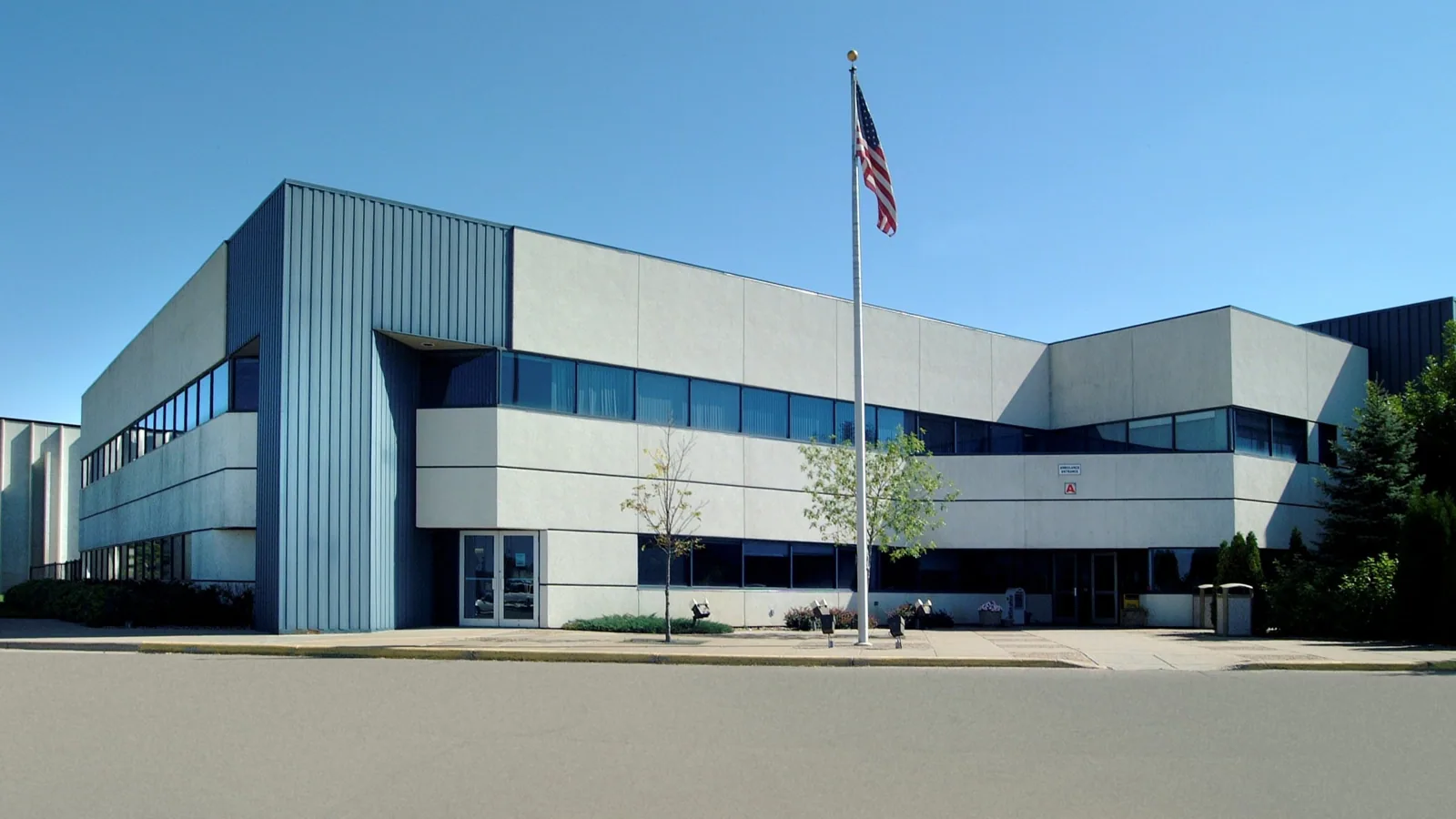
Distribution Center Roofing in Huntington Beach, CA
Water entering over a sort line can interrupt goods moving through several connected bays. Start with the operating map: dock doors, conveyor runs, high-value inventory, electrical panels, and the areas that cannot pause during a shift. We mark the roof section above each concern, protect active water entry, and build the repair boundary around what inspection confirms. In Huntington Beach, CA, Gothard Street includes warehouse uses, while the Northwest Industrial Subarea combines industrial and research activity with large offices and business parks. The property schedule, not its district label, sets the access plan.
Newport Beach Harbor normals show rain concentrated in the cooler months and very little normal summer precipitation. The nearby station is a coastal reference, while the distribution building's slope, drainage layout, and condition govern its repair. We check the route from the reported interior point to the roof's low areas, drains, and overflows, then coordinate a work window that keeps the daily shipping plan visible to the roofing crew.
Which operating zones need roof protection?
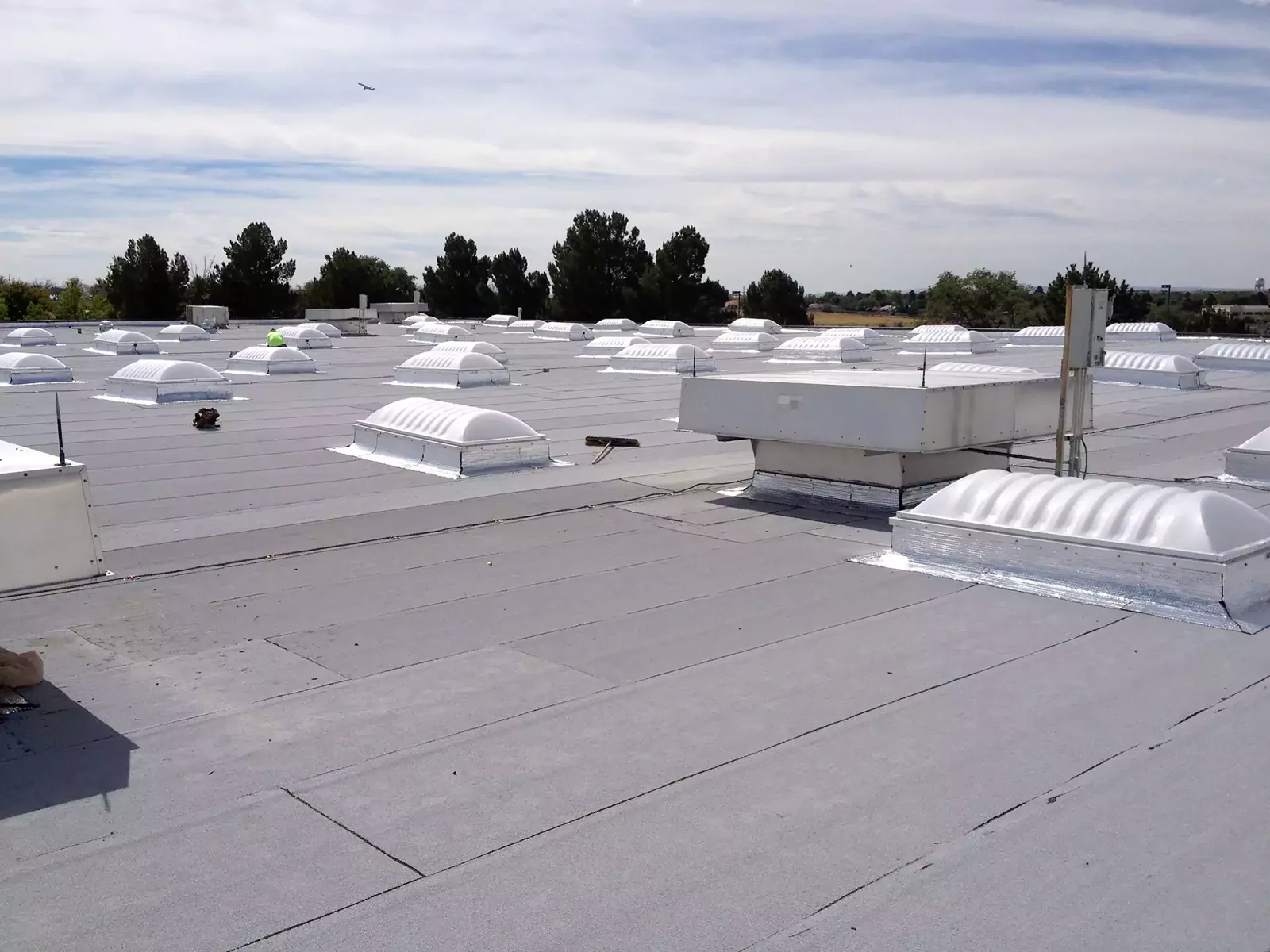
Distribution buildings may combine receiving, staging, storage, offices, refrigeration, charging stations, and conveyor equipment under connected roof areas. Before work, the site contact identifies which zones can be cleared, covered, or isolated and who can approve a change if removal reveals wet insulation or damaged deck. We match roof-plan labels to interior areas, so the temporary protection line can be explained at a shift handoff. A lane that remains active should not sit under an unprotected opening.
The Gothard Street employment area lies between Edinger and Ellis avenues and includes warehousing alongside manufacturing, auto repair, retail, and offices. The Northwest Industrial Subarea has a different mix, including industrial and research/technology uses and the McDonnell Centre Business Park. For a distribution site in either area, we confirm the actual truck entrance, security check-in, lift path, dock cutoffs, and available laydown space before setting the first work phase.
How should a leak above a conveyor be traced?
Water can move along deck flutes, a beam, insulation joints, or the underside of a roof panel before it reaches a conveyor or floor. We record where and when the drip appeared, what equipment or goods are below it, and whether the condition changes with rainfall or equipment cycles. On the roof, we inspect seams, penetrations, curbs, laps, and drainage points along the likely route. A ceiling stain helps locate the report, but the roof detail establishes the repair.
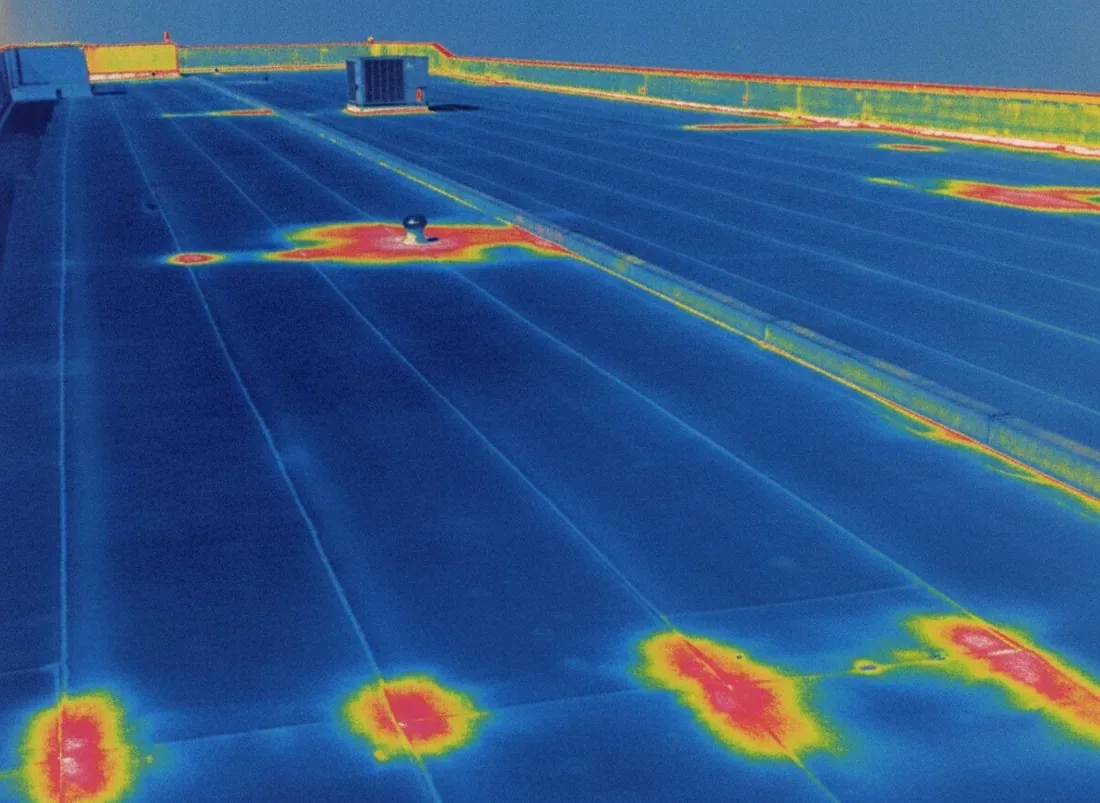
Photographs should include a wide view for orientation and a close view of the defect. We label each image by roof zone and connect it to the work recommendation. If moisture appears to extend beyond the visible opening, an infrared moisture survey can help select test areas; a test cut confirms the assembly at that point. The inspection record separates observed damage, test indications, and sections not reached so the owner can decide whether to repair or investigate further.
Can work stay clear of peak receiving hours?
Roof access competes with deliveries when lifts, debris containers, or material pallets use the same yard. We map vehicle turns and pedestrian routes with the site's operations lead, then establish delivery times and a secure end-of-shift boundary. If the work zone is above a dock apron, the sequence should protect the door and preserve a clear path for trucks. We also identify fire lanes, emergency exits, and any route that cannot be used for staging.
Huntington Beach's commercial traffic follows arterials including Edinger Avenue and Beach Boulevard; regional connections include I-405 and SR-22. Those routes provide context for dispatch, but the property manager confirms on-site circulation and appointment rules. A phased reroof plan can tie roof zones to shift changes, inventory moves, and equipment shutdowns, with a daily note stating which areas are open, protected, or waiting for approval.
What finding changes the scope from patch to replacement?
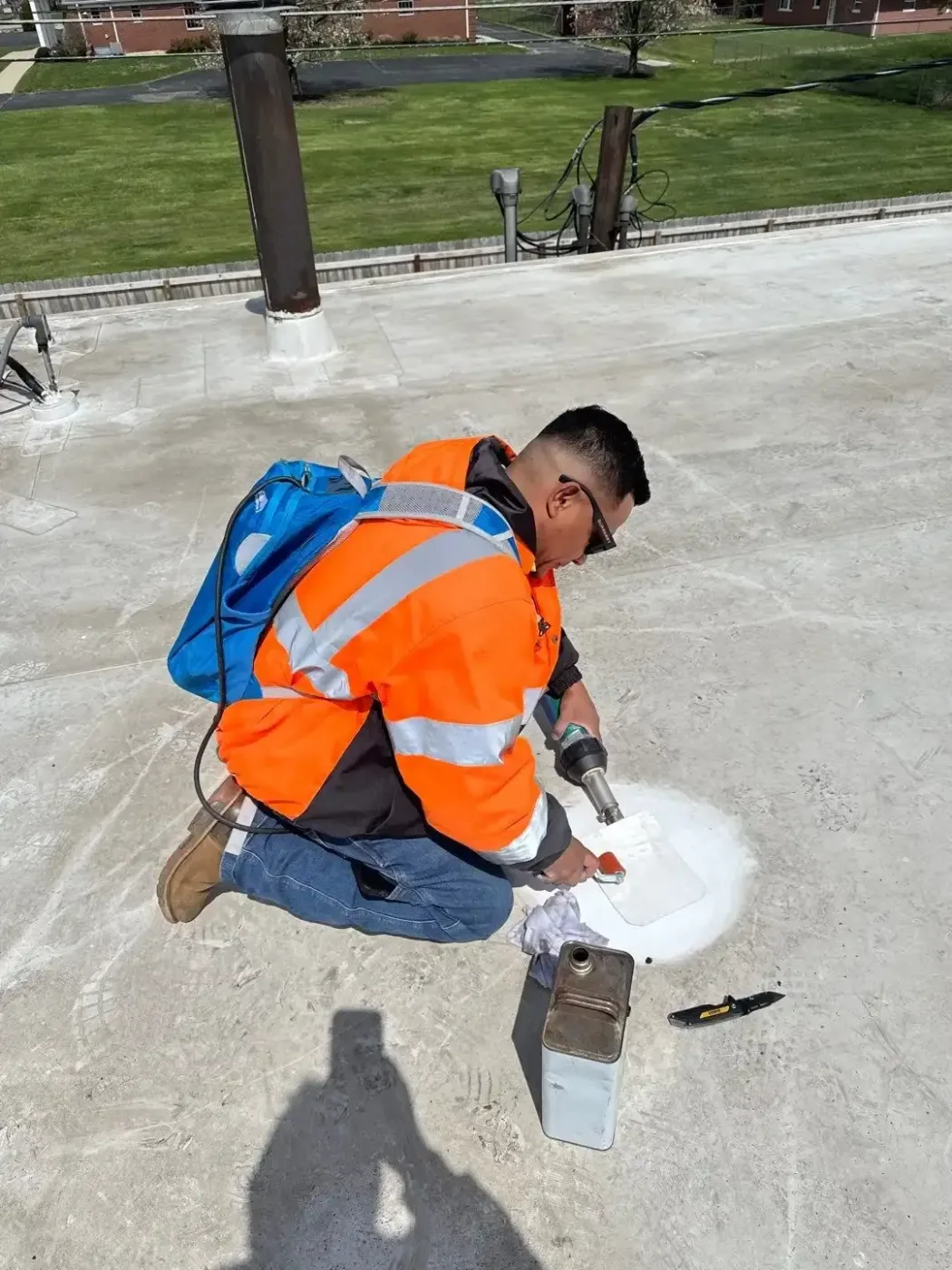
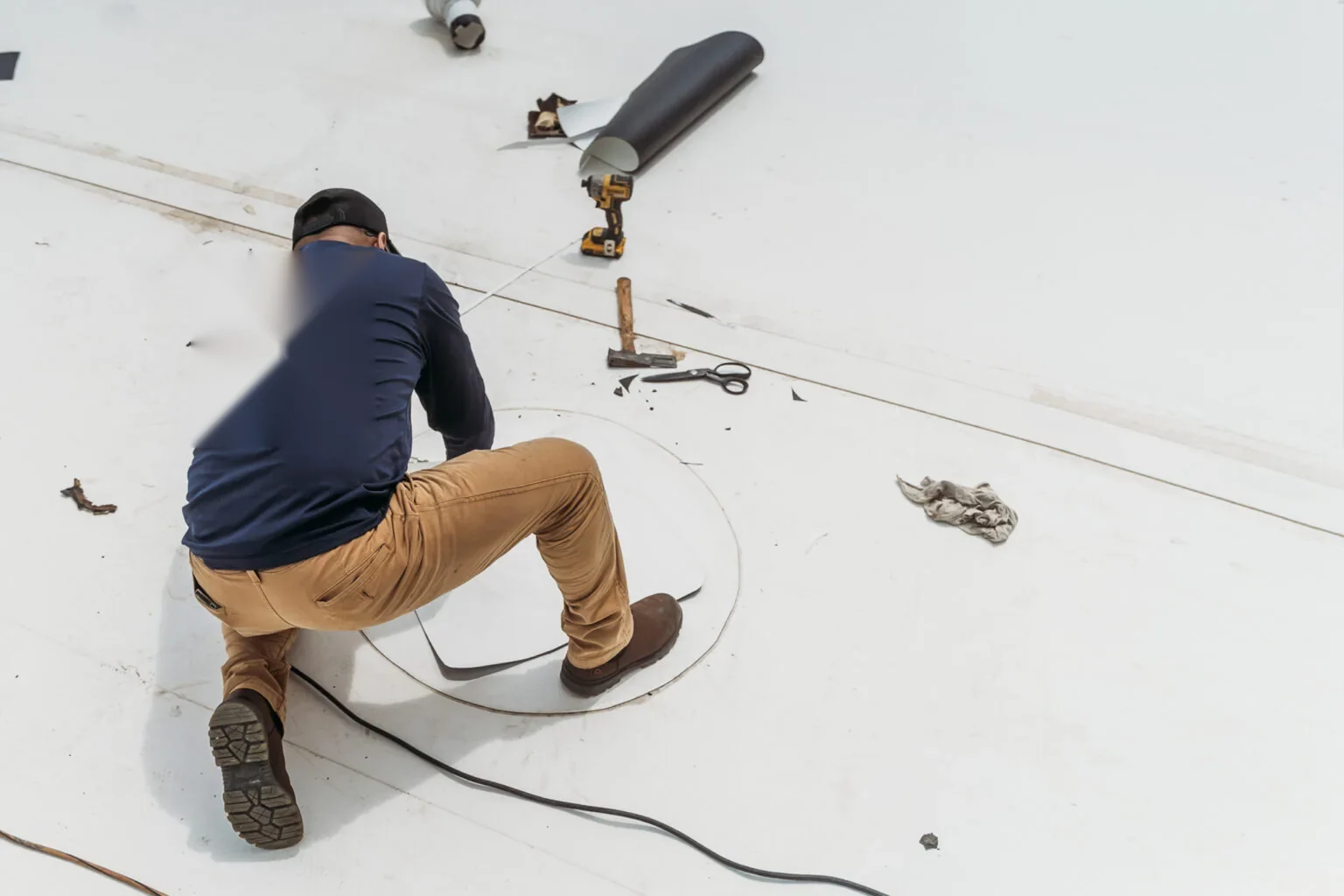
A repair can remain localized when the membrane or panel, attachment, and supporting layers around the defect are sound. Repeated seam separation, moisture across multiple roof zones, loose perimeter securement, or deteriorated deck may point to a broader project. We document the confirmed area and recommend testing where concealed conditions could change the quantity. The repair scope identifies preparation, material compatibility, tie-in, interior protection, and the roof-zone limit.
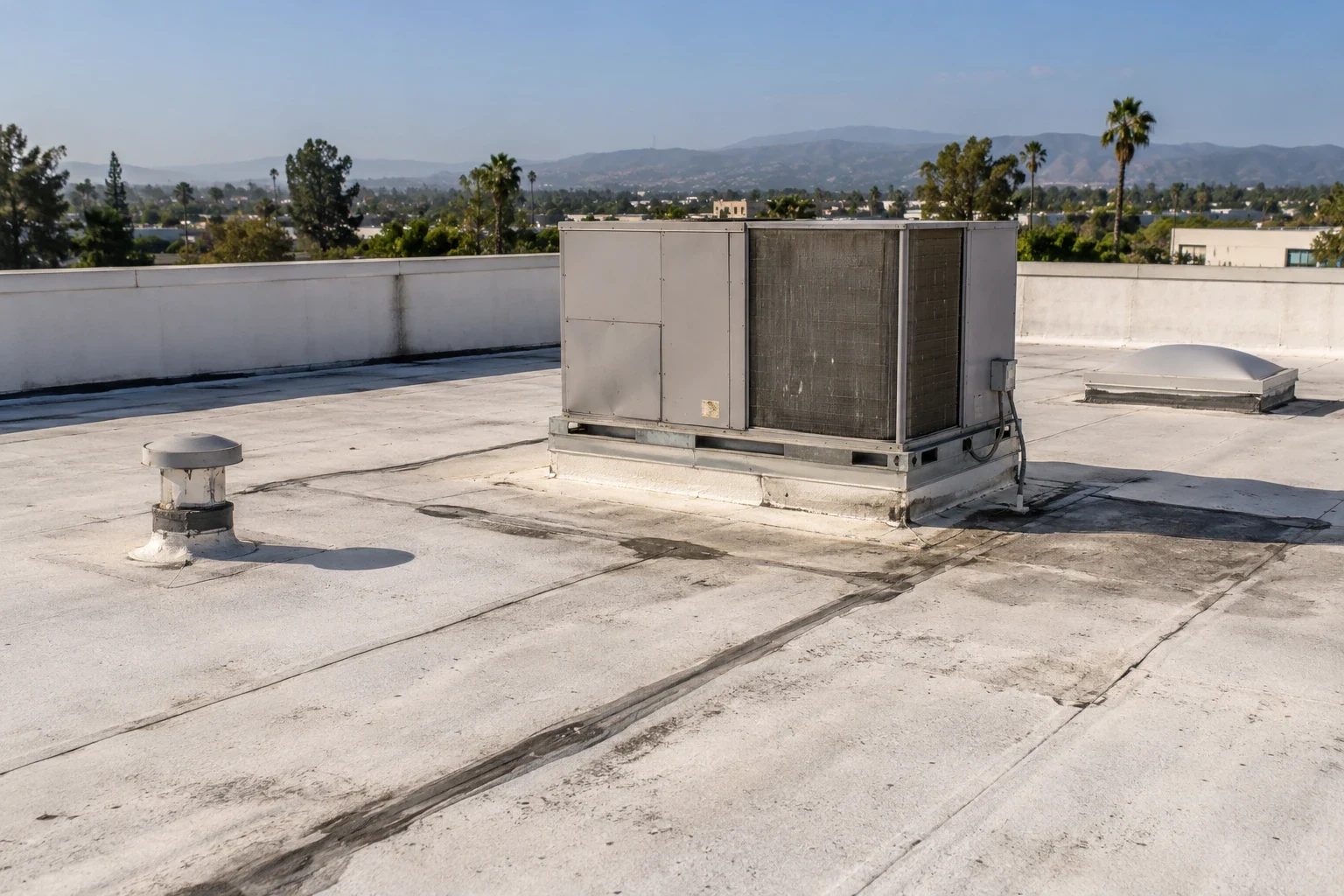
Replacement adds removal depth, insulation, cover board, equipment details, drainage, perimeter metal, haul-off, and daily dry-in to the plan. A recover needs a review of existing layers, moisture, attachment, edge height, and drainage before another assembly is placed. A replacement plan should describe each phase and the hold point for concealed conditions. Where system selection is open, compare a warehouse roof's access and loading conditions with the distribution center's conveyor and dock interfaces; the roof material still follows field evidence and project requirements. A manufacturing plant roof review may also need to account for exhaust, process equipment, and trade shutdowns that differ from shipping operations. We use those use cases to ask better access questions, not to presume the roof construction. The property survey records the actual equipment, insulation, attachment, drainage, and repair history before a system is selected.
What belongs in the closeout record?
Closeout names the repaired roof zone, materials, perimeter and drain details, work dates, photos, and any area still under temporary protection. We mark the work on the roof plan and identify a return check when a cover, test, or follow-up remains. The operations team can then compare the repair record with its dock schedule and maintenance file. If equipment or conveyor work remains with another trade, the closeout identifies the handoff and the detail that must be checked after that work.
For a distribution center near the Gothard Street or Northwest Industrial subarea, the facilities manager can send the roof plan, interior map, leak log, delivery calendar, and access requirements before the visit. We will inspect the affected roof sections and explain what can be corrected now, what needs a test, and which decision would broaden the scope. That record supports planning without assuming every bay shares one assembly or operating constraint.
When a repair sits over a controlled-temperature or high-value zone, the record should state who checks interior protection after rain, a shift change, or a reopened dock. We agree on that responsibility before the first material is removed and include the return check in the work sequence.
Commercial Roofing Questions
What should the site team move before repair starts above active inventory?
Identify the affected aisle or dock, goods that need relocation, and any equipment that cannot stop. We map the roof work area to that interior zone and agree on barriers, covering, and the person who can clear access.
Can a conveyor remain in service during a roof repair?
That depends on its position below the work and the protection that can be installed. We inspect the roof section, coordinate a safe boundary with operations, and state any temporary pause before materials are removed.
Why might water appear far from the roof defect?
An exterior defect and an indoor drip can occupy different roof-plan coordinates. Deck channels or structural members may divert the water before it reaches the shipping floor. We examine plausible connections between those positions and identify which observed detail establishes the correction boundary.
How do you plan a lift around truck traffic?
We confirm turning paths, delivery appointments, dock cutoffs, fire access, and the available staging area with the site's operations lead. The sequence identifies when the lift or material route will affect circulation.
When should the owner consider a full replacement?
Replacement is considered when inspection or testing shows repeated failure, broad wet materials, weak attachment, or a substrate that cannot support a lasting repair. We document each affected zone before comparing repair and replacement boundaries.

How we inspect, scope and complete this work

Proudly Serving Huntington Beach and Nearby Cities

Commercial Roofers Huntington Beach
Huntington Beach, Westminster, Seal Beach, Fountain Valley,
Garden Grove, Newport Beach and nearby Orange County cities