
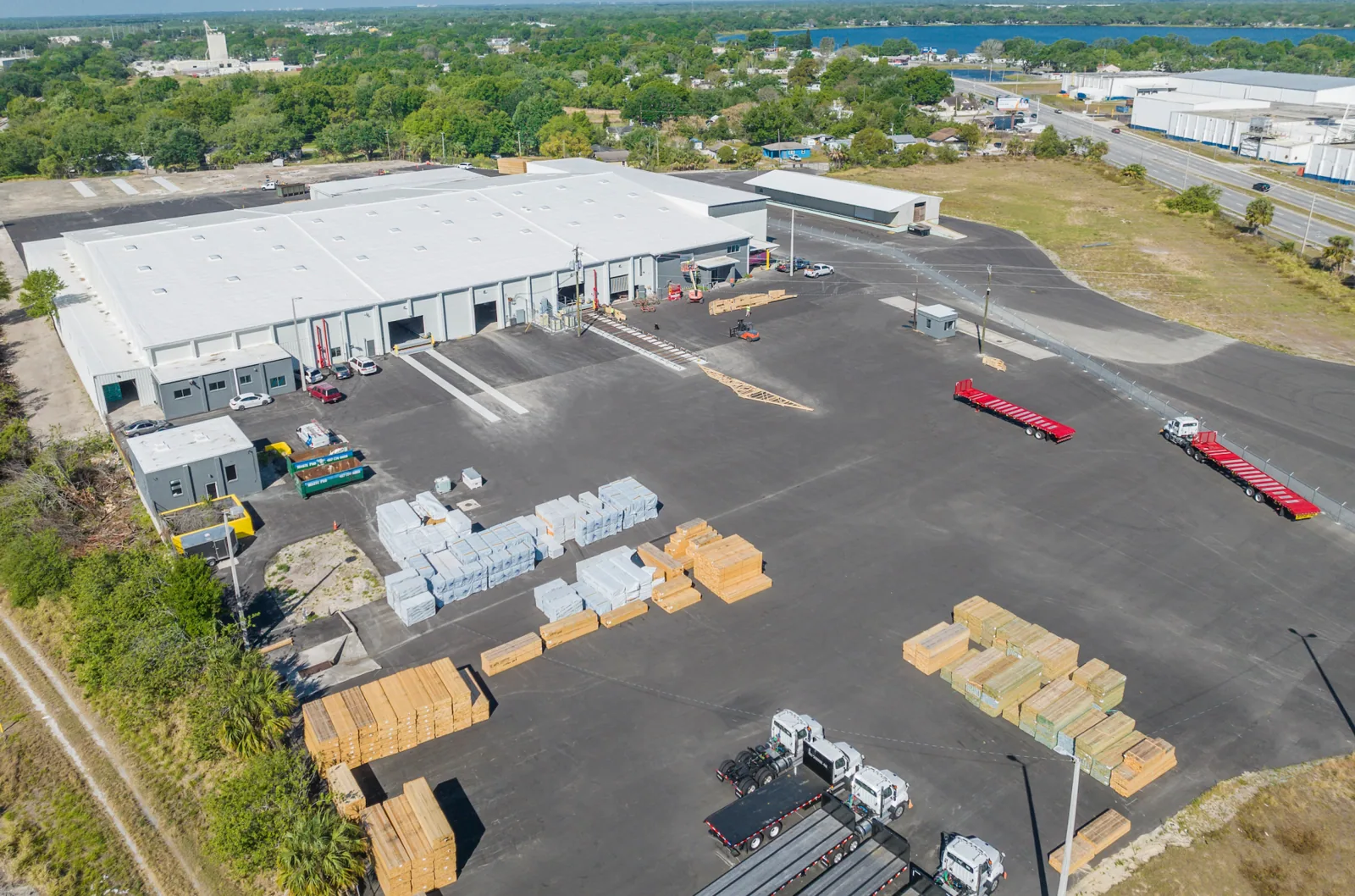
Manufacturing Plant Roofing in Huntington Beach, CA
A production line can remain stable while the roof detail above it begins to separate. When a plant reports a leak or loose flashing, we identify the process area below, confirm which equipment must stay online, and set a safe boundary for inspection. The Gothard Street Subarea in Huntington Beach, CA, includes manufacturing and auto-repair uses, while the Northwest Industrial Subarea includes industrial and research-technology activity. These are distinct operating settings, not descriptions of an individual roof; the assembly, work limits, and sequence come from the property walk.
Newport Beach Harbor climate normals reflect a mild marine coast, with most normal rainfall in cooler months and summer precipitation near zero. Santa Ana events can bring warmer, drier offshore winds and higher coastal temperatures. We plan surface preparation and temporary protection around live conditions, then inspect the roof's low points, penetrations, edges, and equipment supports. A documented work window helps the facility team coordinate roofing with production and mechanical trades.
Which process lines sit beneath the roof zone?
Before climbing, the site contact identifies production areas, exhaust routes, sensitive machinery, maintenance platforms, and shutdown limits. A roof plan should distinguish additions and different assemblies, then connect each work zone to the room or process area below. That map helps determine where interior protection is needed and whether an intake, exhaust fan, or line must be protected while roofing material is removed. We record access and safety requirements that affect the actual work.
The city's 422-acre Gothard Street Subarea runs between Edinger and Ellis avenues and includes smaller manufacturing, warehouses, offices, retail, and auto repair. Along the Northwest Industrial Subarea, industrial and research-technology uses share space with business parks and offices. When a property operates near those broader employment areas, dispatch and staging can vary. The facility manager confirms gates, vehicle routes, roof access, and the production calendar; the plan does not assume a shutdown from a land-use category.
How do exhausts and service lines affect the repair?
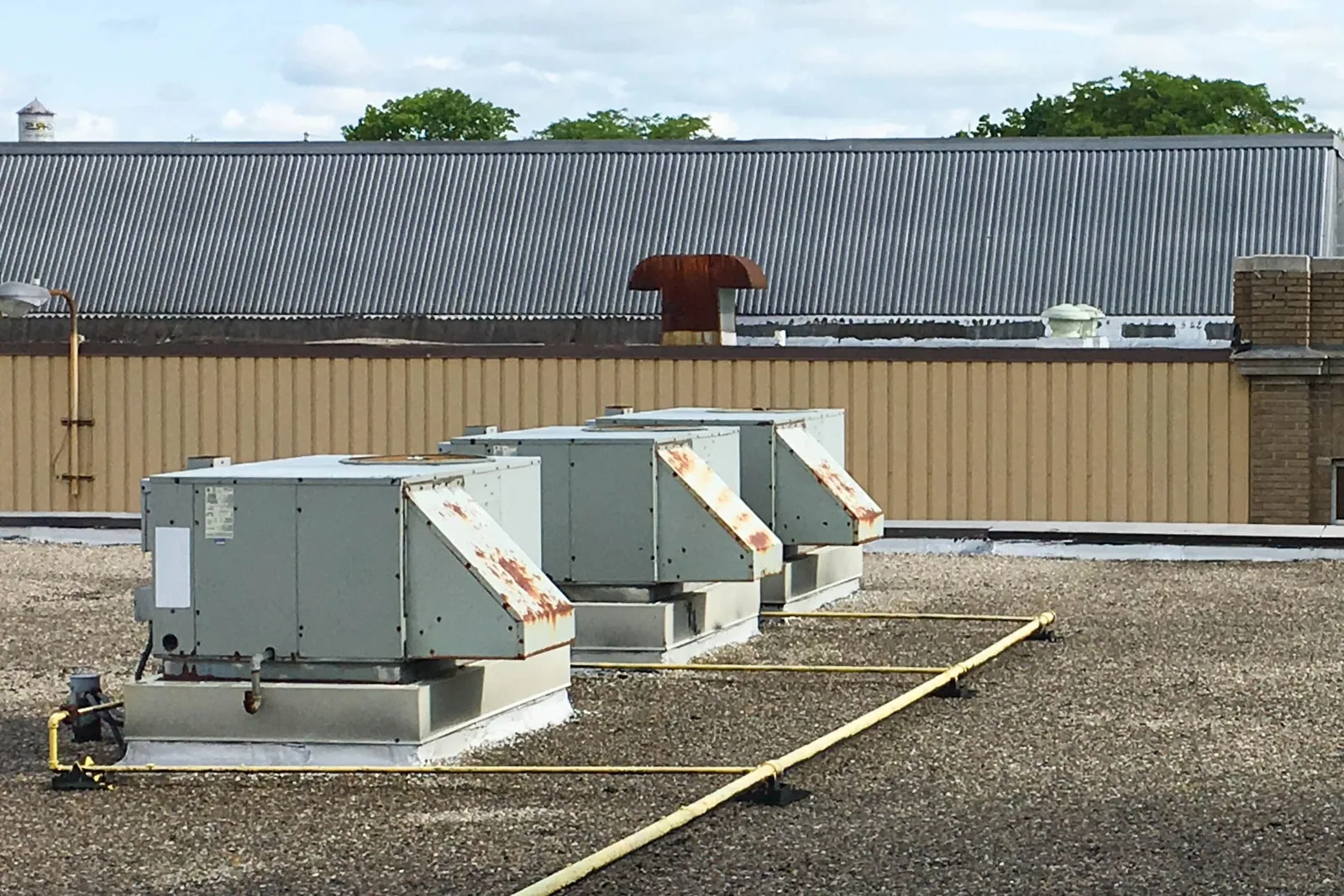
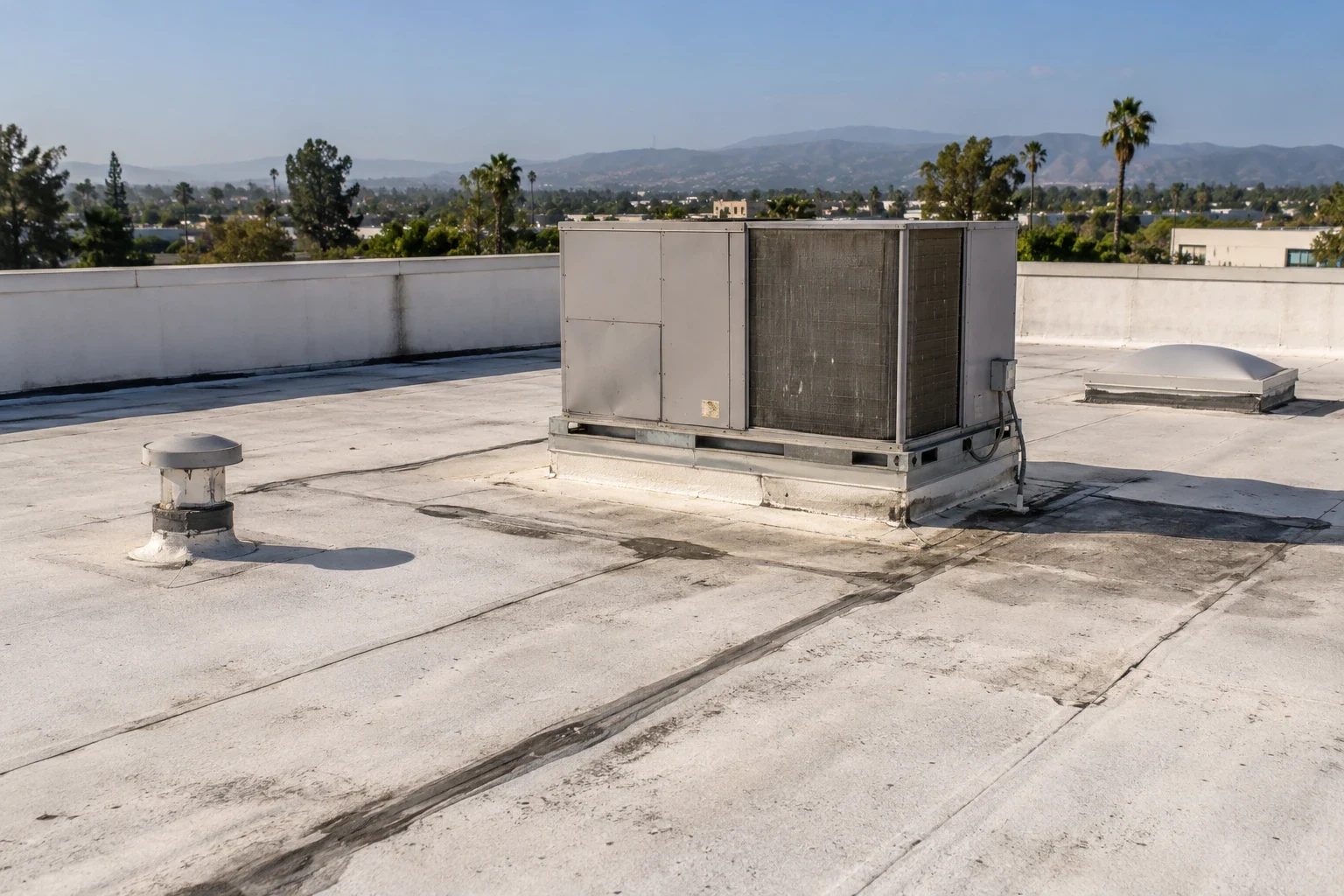
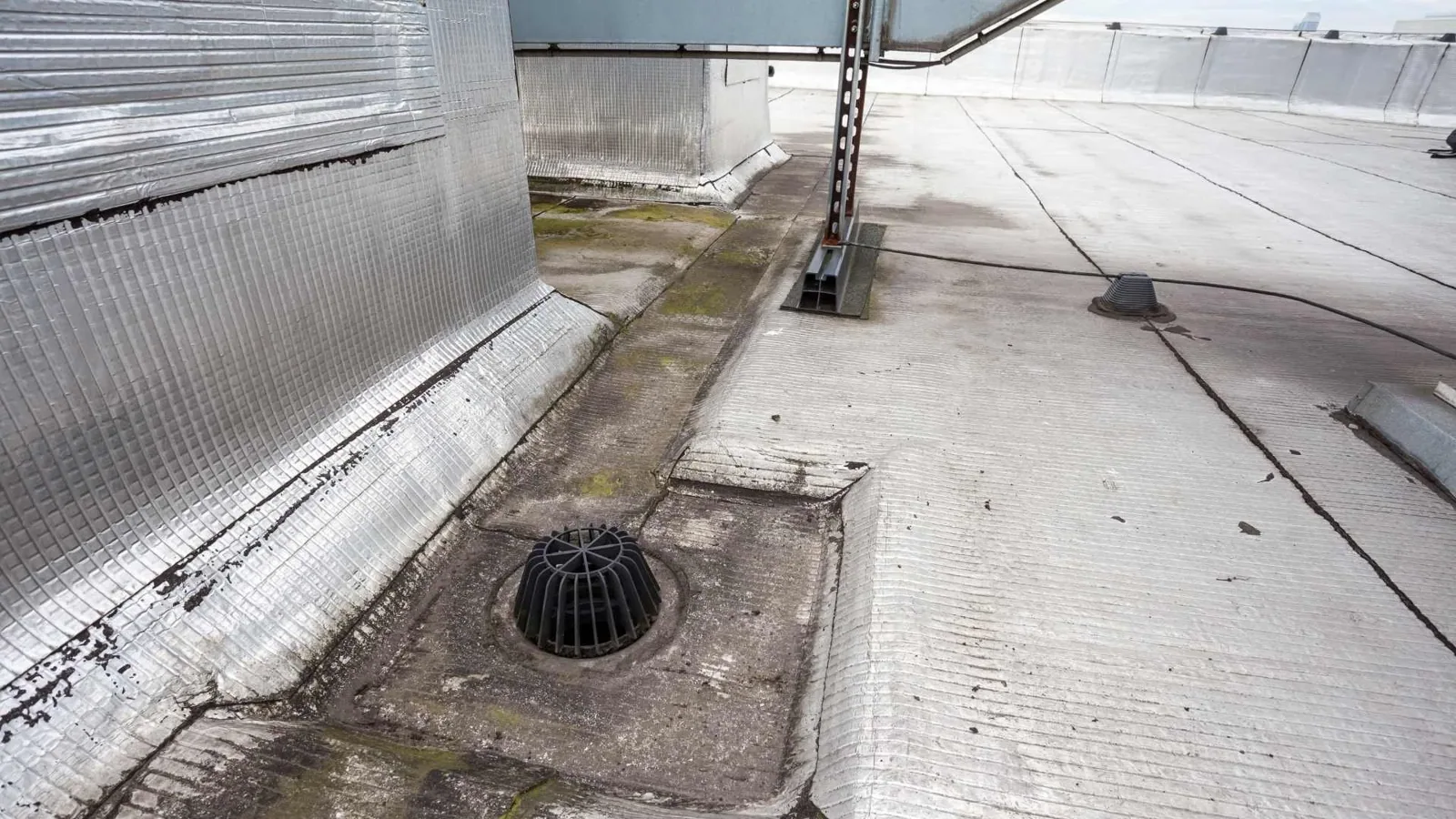
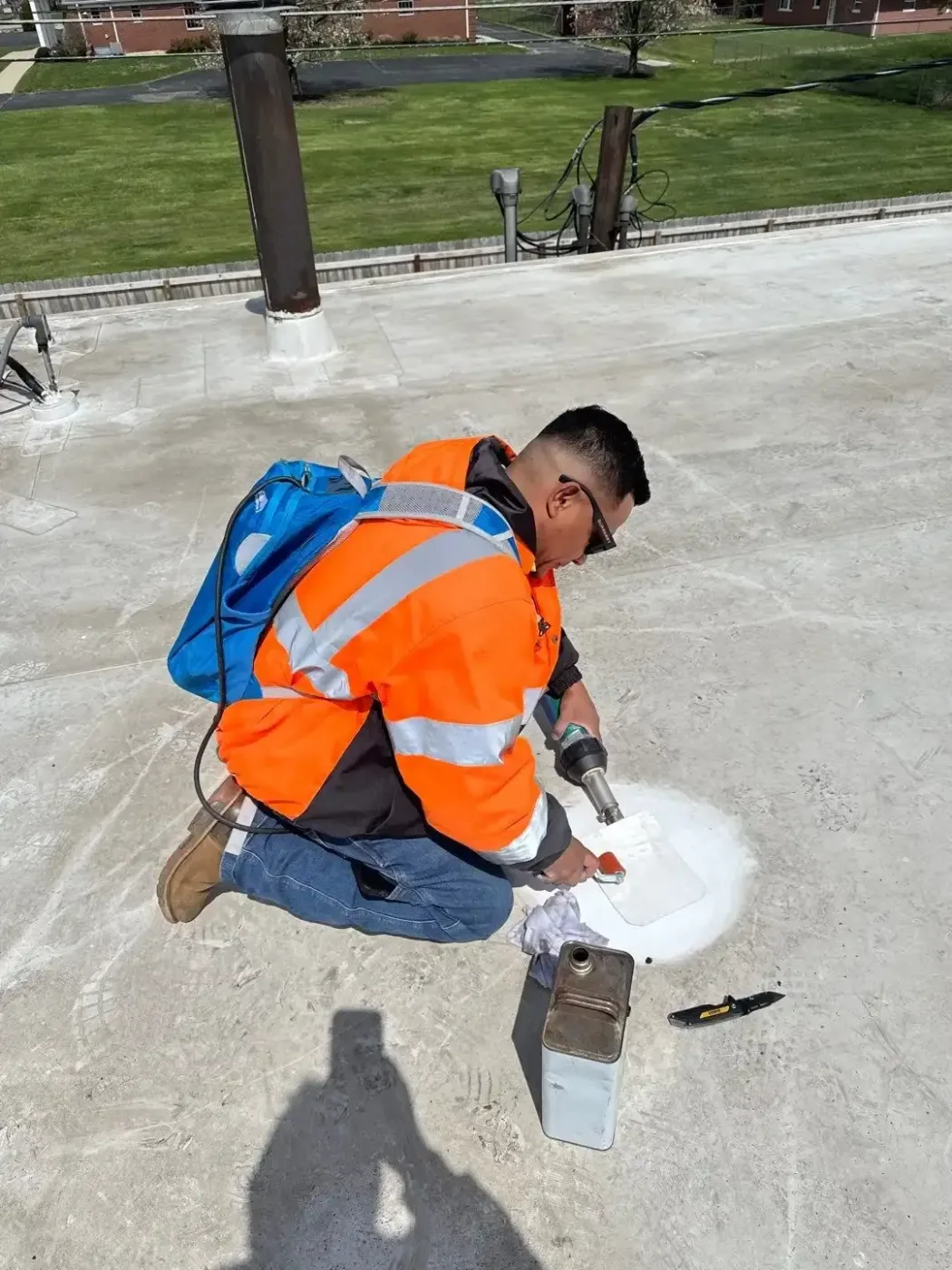
Exhaust stacks, vents, conduit, piping, and equipment curbs interrupt the membrane and require compatible flashing transitions. We inspect each boot, curb corner, counterflashing, fastener line, and nearby seam for movement or separation. If a stack temperature or exhaust path creates a special material requirement, the plant's mechanical documentation guides selection. A roof coating or patch cannot correct an unstable support or a curb that has lost its attachment to the structure.
A service visit may leave tools, removed fasteners, or replacement components near drains and seams. We agree on a staging zone and protect the roof surface along the access path. A curb and support inspection can capture dimensions and trade handoffs before equipment is lifted. If a roof opening affects an active process, an occupied-plant sequence identifies who controls the process boundary and when the area can be returned to normal service.
What evidence identifies the water route?
Interior drips can appear below a different roof bay from their entry point. We record the report time, room, equipment, and operating conditions, then trace the roof slope toward nearby low points and outlets. Water marks, sediment, an open seam, failed flashing, and wet insulation are different findings; the report keeps them distinct. A repair limit is set from the condition observed, with a targeted test where concealed layers could change the quantity.
On a plant roof, a drain may be close to process exhaust, maintenance traffic, or an equipment curb. We inspect the outlet, overflow, membrane around the flange, and adjacent walking path without assuming a single defect explains every leak. A drain and scupper service addresses a confirmed drainage issue, while a roof inspection marks seams and penetrations around the reported zone. The facility receives photos and a clear list of open questions before authorization.
How should roofing fit around production?
Production hours, hot-work controls, noise limits, odors, and air-intake locations can affect where and when a roofing task proceeds. We review those restrictions with the plant contact and coordinate any mechanical isolation with the responsible trade. If the project removes a large section, each shift needs a defined dry-in boundary and an end-of-day check. The work plan identifies the person who can authorize a revised sequence if hidden deck or insulation conditions appear.
Warm, dry Santa Ana conditions can change coastal temperatures and wind during an application window. We check actual surface and wind conditions before coating, membrane welding, or setting a temporary cover. Newport Beach Harbor normals provide a nearby climatic reference, not a day-of-work forecast. We track the forecast, plant schedule, and exposed area together so that work starts only when the crew can close the approved section safely.
Which condition calls for a broader roof project?
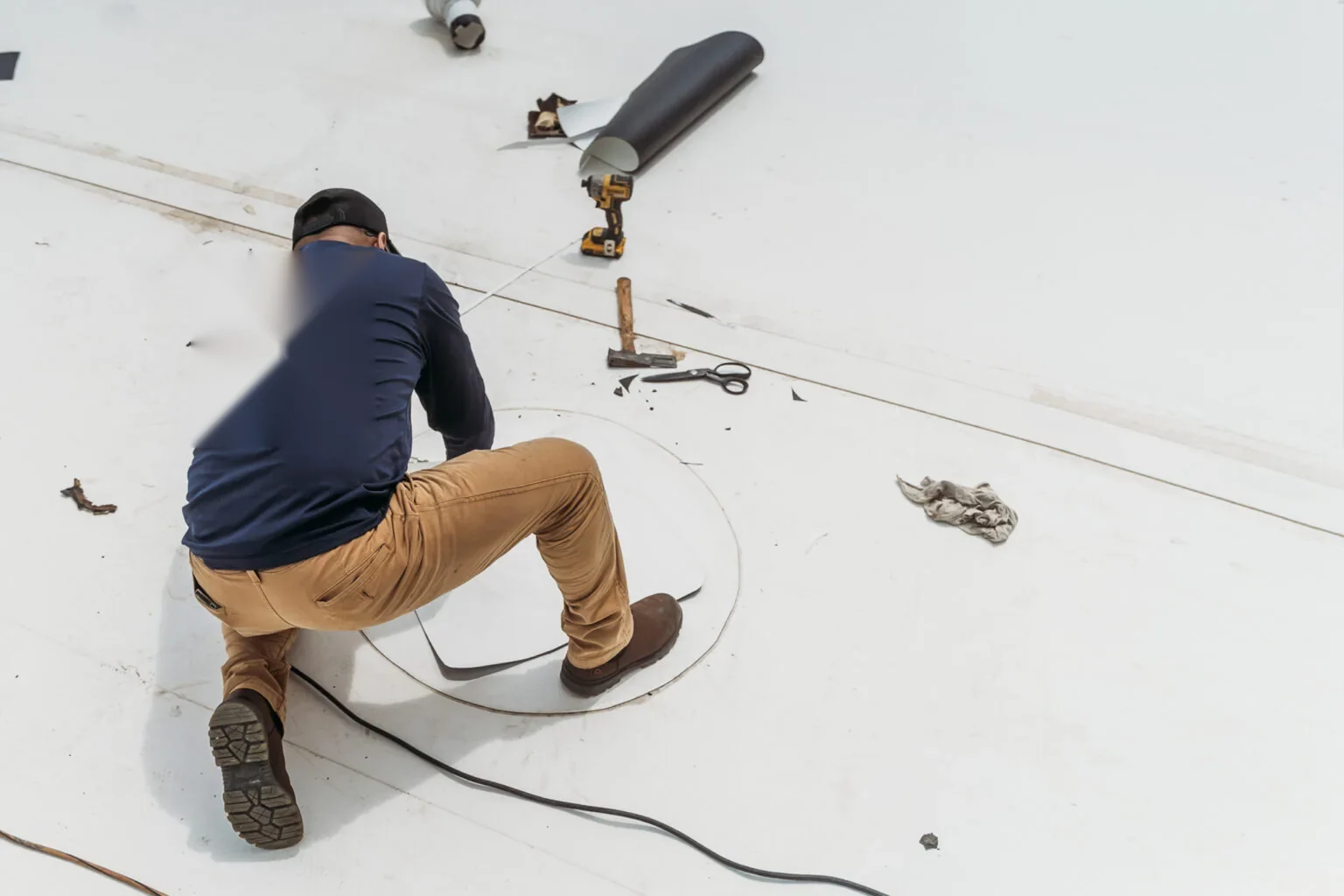
A localized penetration failure can often be repaired when the membrane, substrate, and adjacent transitions remain sound. Repeated failures at similar details may point to movement, aging materials, or a detail that needs redesign. We inspect each occurrence and document whether the issue stays at one curb or appears across a roof zone. A plant roof repair scope identifies preparation, compatible flashing, attachment, interior protection, and the limit of the work.
Replacement planning considers existing layers, insulation, cover board, moisture, drainage, equipment, edge metal, and the daily sequence. A recover is considered only when attachment and moisture conditions support another assembly and height transitions remain workable. A replacement plan separates confirmed work from allowances and includes a stop point for concealed conditions. The warehouse roof service plan may share concerns about truck access and staging, while a distribution center roof review often needs dock and conveyor coordination. We confirm which of those operating features applies before sequencing a plant project.
What does the plant need at turnover?
Turnover should tell maintenance where the crew worked, which material and detail were installed, what was tested, and which item remains for another trade. Roof-plan marks and photos keep that record tied to the process area below. We list any temporary protection, deferred access, or return check separately from completed work. When equipment is restarted or an intake is returned to service, the plant contact can verify the expected operating state and note any follow-up observation.
Huntington Beach's industrial settings include the Gothard Street employment area and Northwest Industrial, while commercial buildings also line Edinger Avenue and other arterials. Those places help orient access conversations; the field record remains specific to the plant. Share the roof plan, process restrictions, leak history, equipment schedule, work-hour limits, and site contact. We will inspect the affected assembly, define a safe repair boundary, and explain what evidence would broaden the scope.
Commercial Roofing Questions
Can roof repairs proceed over active production equipment?
We first identify the equipment, exposure, and process restrictions below the roof zone. When access and protection can be controlled, we phase work around the approved operating window; any shutdown or trade isolation is coordinated with the plant's responsible contact.
How do exhaust stacks affect membrane replacement?
Their temperature, support, clearance, and flashing height affect the detail. We compare the existing stack and curb with mechanical documentation, then define compatible flashing and any support correction before membrane work closes the opening.
What should happen if removal exposes a damaged deck?
We stop at a protected boundary, photograph and measure the condition, and explain how it changes the assembly or schedule. Work beyond the approved scope waits for the owner's direction and a documented repair approach.
Does a coating solve recurring leaks around plant penetrations?
A coating can restore a suitable prepared surface, but it will not stabilize a moving support or replace a failed flashing transition. We inspect the curb, membrane, attachment, and moisture condition before recommending that system.
What information helps plan a production-safe roof visit?
Send the roof diagram, process areas below, equipment schedule, restricted hours, safety requirements, recent leak reports, and the person who controls access. We can then coordinate the inspection route with plant operations.
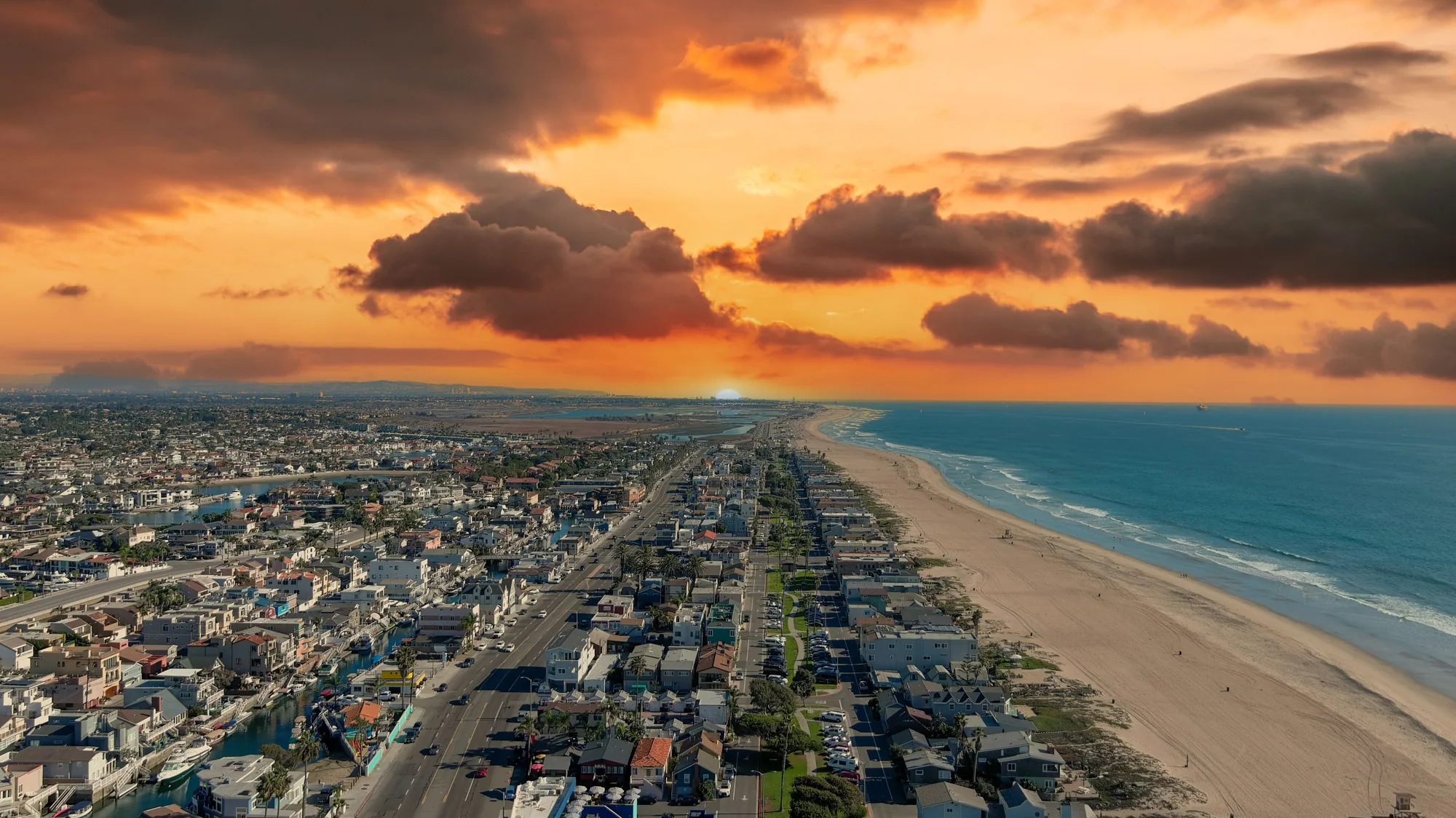
How we inspect, scope and complete this work

Proudly Serving Huntington Beach and Nearby Cities

Commercial Roofers Huntington Beach
Huntington Beach, Westminster, Seal Beach, Fountain Valley,
Garden Grove, Newport Beach and nearby Orange County cities