

Commercial Roof Maintenance in Huntington Beach, CA
Leaves around an overflow tell us where to start, but not whether the drain is the only concern. We inspect roof zones, seams, curbs, edge metal, and past repairs, then lay out work by urgency. A maintenance visit should leave the site contact with a marked list of what was checked, what needs correction, and when to return. In Huntington Beach, CA, that schedule can differ between a small manufacturing property in the Gothard Street Subarea and a visitor-serving building near Pacific Coast Highway.
Newport Beach Harbor climate normals show most rain falling in the cooler months, with summer averages close to zero. We plan roof checks before the wetter season and after any repair or equipment work, then confirm the actual assembly rather than assume every coastal building responds the same way.
What should a maintenance visit inspect?
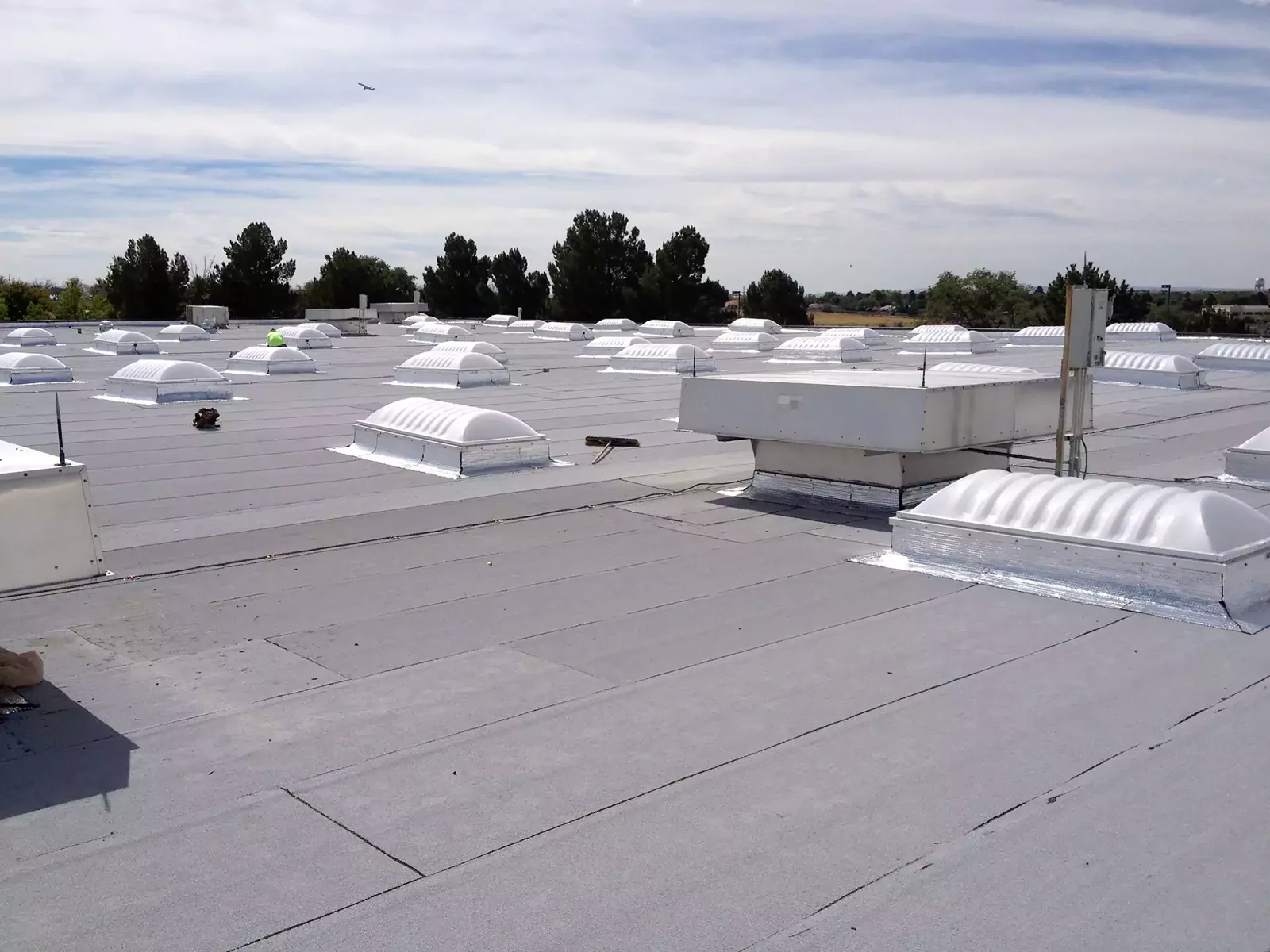
A useful visit starts with the roof plan and a recent history of leaks, patches, equipment access, and interior reports. We divide the roof into recognizable zones, then inspect seams, penetrations, wall transitions, drains, overflows, gutters, and perimeter metal. Photographs should show both the detail and its position on the building. That pairing lets a facilities team find the same location later and compare whether a crack, loose edge, or ponding area has changed.
We look at conditions that can shorten a repair window: open laps, lifted flashing, exposed fasteners, deteriorated sealant, split pipe boots, loose coping, and blocked outlets. On a membrane roof, the seam and termination details matter. On metal, we check fasteners, panel laps, ridge and eave transitions. A small defect is easier to scope when the surrounding material remains sound, so the inspection records a repair boundary instead of only noting the visible mark.
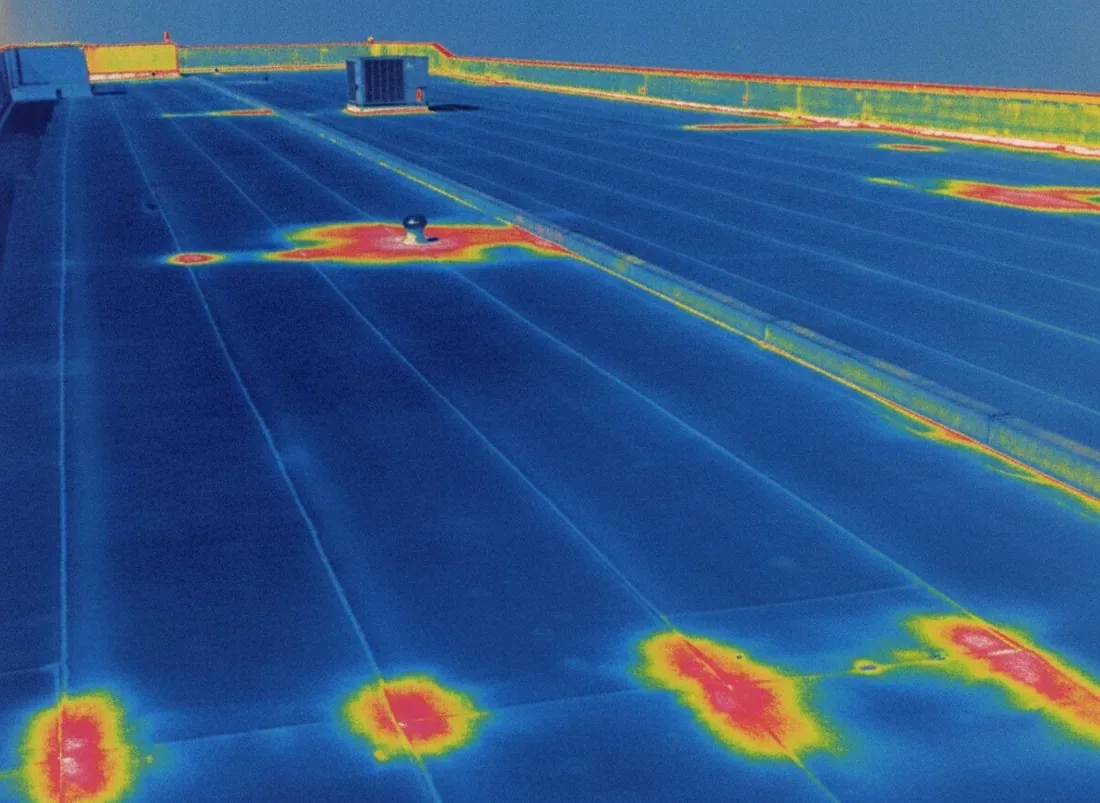
For a commercial roof inspection, we can document the system and condition in a photo-backed report. A suspected concealed moisture condition can call for an infrared moisture survey, followed by approved tests at useful targets. Each method answers a different question, and any test opening needs an agreed restoration detail before it is made.
How does the schedule fit your building?
A maintenance plan works when the visit follows how the building operates. We confirm roof-hatch access, alarms, tenant notice, delivery routes, and any equipment that cannot be interrupted. Gothard Street’s employment area includes manufacturing, warehouses, auto repair, offices, and industrial parks. A roof check near a working service bay may need a different access window than a low-rise office near Downtown Huntington Beach, where retail and pedestrian activity shape how a lift or material delivery can be staged.
We record the access route, areas inspected, and any section that remained closed. If a mechanical vendor recently worked on a curb or support, the roof record can identify the date and location for a focused follow-up. The roofing scope stays with the membrane, flashing, and drainage; a separate trade remains responsible for equipment changes. Clear limits help the building contact plan without treating an inaccessible zone as inspected.
Before the visit closes, we review the marked areas with the site contact. The handoff can flag a blocked outlet, loose edge, or open flashing for approval and distinguish that repair from a maintenance observation. If access stops at one roof section, the record names it so a later visit can complete coverage.
Set recurring visits around seasonal rain, known repairs, and roof work by other trades. Newport Harbor normals average 9.43 inches of annual precipitation, much of it in winter. That climate reference supports a pre-rain inspection, while the building’s actual drain path and repair history determine which locations deserve attention first.
Which findings need work first?
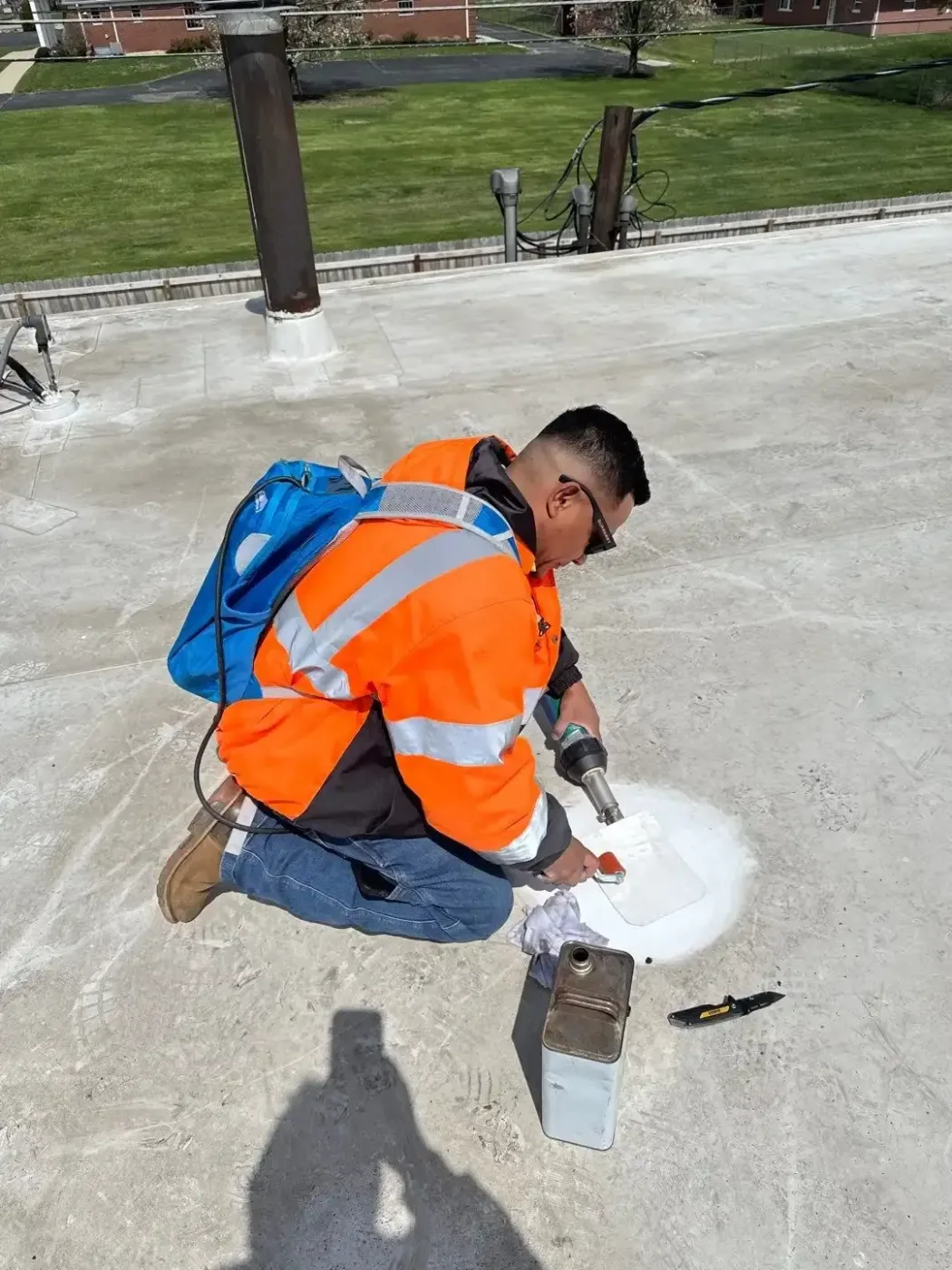
A finding list should separate active water entry from wear that can be watched. We identify a failed seam, open curb corner, displaced edge, standing water, or blocked outlet and explain what could happen if it stays open. A small, compatible patch may address a defined membrane defect. A loose drain connection or deteriorated metal transition requires work at the fitting or edge, not another bead of sealant several feet away.
We classify each item as immediate protection, planned repair, or observation. That order helps an owner compare a service visit with a wider project. If wet insulation, deck damage, or broad membrane separation appears likely, we mark the area for further confirmation before estimating removal. A targeted commercial roof repair can close a confirmed defect; recurring failures across multiple zones may call for a replacement review.
Maintenance does not mean applying material to every aging surface. A coating may be considered only when the existing assembly is suitable, dry, and prepared correctly. We can compare coating restoration with repair or replacement after checking adhesion, moisture, seams, and drainage. The report should say what evidence supports the recommendation and what finding would change the scope.
What should the service record preserve?
Keep the inspection date, weather conditions, roof zone, visible material, photographs, repair performed, and open items together. A simple roof map should mark drains, scuppers, curbs, skylights, access points, and past repairs. The facilities team can then compare a new report with the earlier condition instead of trying to match a close-up to a room name. If an owner manages properties in Huntington Beach and Newport Beach, use a separate map and contact record for each address.
A useful maintenance plan also distinguishes conditions the owner has approved for repair from observations that need budget review. We can group work by roof zone and explain why one item is time-sensitive while another can wait for the next planned visit. If several vendors use the roof, add their service dates and affected curbs to the record. That chronology can help the next inspection identify a newly disturbed detail without assigning cause from timing alone. After completed work, schedule a return check where the repair or drain path benefits from it. The check verifies the corrected detail and notes any new condition nearby; it is not a promise that the entire roof has been re-inspected. When the next visit is due, share prior reports, a current roof plan if available, the site contact, and operating restrictions. We can set a focused inspection and discuss which repairs should move first.
For active water entry outside a planned maintenance window, emergency roof repair can assess safe access and protect the affected area. A permanent repair follows once the assembly and material are ready for work. Keeping that distinction in the record helps maintenance staff know whether an item is closed or still awaiting a follow-up visit.
Commercial Roofing Questions
Can maintenance visits stop every leak?
No inspection can prevent every failure, but a documented visit can identify visible openings, blocked drains, and deteriorating transitions before they spread. We explain what was checked and which concealed areas would need testing.
Which roof records and access limits help schedule a maintenance visit?
Send the roof plan, prior repair notes, interior leak locations, access contact, and any alarms or shutdown restrictions. Those details help us inspect the relevant zones without assuming an inaccessible area is clear.
When should we schedule the first check?
For a Huntington Beach property, a visit before the cooler rainy season is useful, especially where drains, scuppers, or edge details have needed attention. The roof history and any recent trade work may justify an earlier check.
Can maintenance include small repairs?
Yes, when the defect is visible, access is safe, and the compatible repair fits the approved scope. We list any separate material, testing, or removal needs before expanding work beyond the agreed repair boundary.



Proudly Serving Huntington Beach and Nearby Cities

Commercial Roofers Huntington Beach
Huntington Beach, Westminster, Seal Beach, Fountain Valley,
Garden Grove, Newport Beach and nearby Orange County cities