
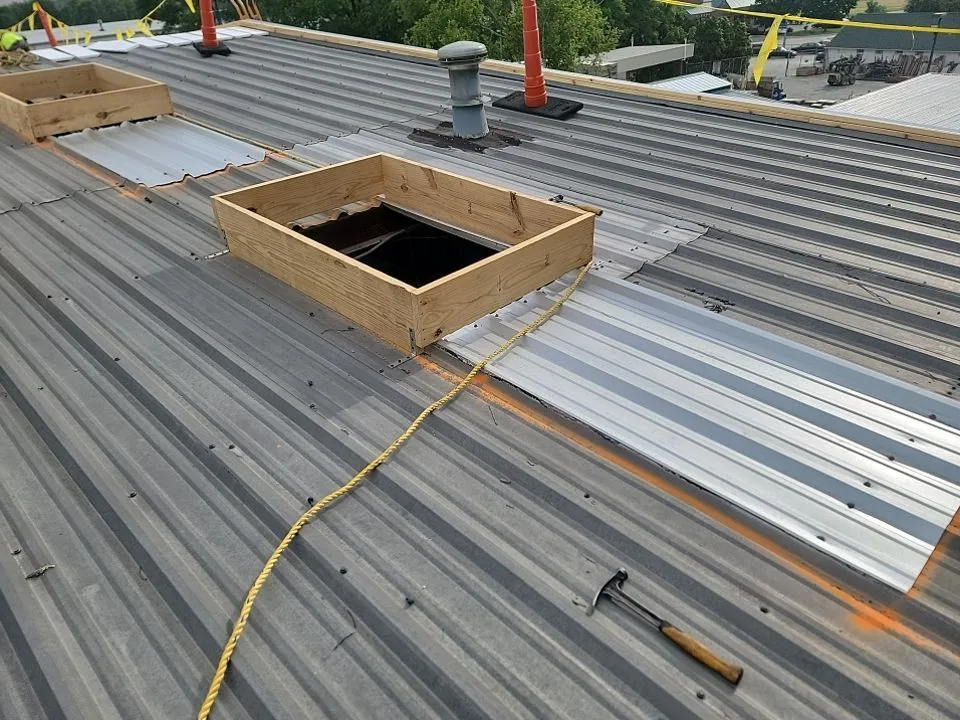
Metal Roof Retrofit in Huntington Beach, CA
Backing-out screws need a close look at panel support and adjacent seams before a metal retrofit becomes the right project. Commercial Roofers Huntington Beach evaluates exposed-fastener metal roof retrofit and restoration options in Huntington Beach, CA, by checking panel condition, fasteners, laps, flashings, and the supporting structure. We establish whether the existing roof can serve as a sound base before proposing a retrofit. If water is entering, the first safe step is protecting the area below and tracing the route to the panel or detail where it begins.
The Gothard Street Subarea includes manufacturing, warehouse, auto repair, retail, and office buildings; active loading and equipment can shape access. Visitor-serving businesses along the Pacific Coast Highway coastal corridor can need a different work window. Newport Beach Harbor normals show rain concentrated in winter.
What should be checked on an exposed-fastener roof?
Exposed-fastener panels rely on fasteners and washers to hold sheets to framing or a structural substrate. Over time, movement, installation details, or weather exposure can affect a fastener connection. A fastener that backs out or a washer that no longer seals may permit water entry. Panels can also develop open laps, damage at edges, or failed flashing around curbs and penetrations.
We inspect fastener lines, panel laps, ridge and eave conditions, wall transitions, gutters, and penetrations. The review checks whether the panel is still firmly supported and whether corrosion or deformation affects its capacity to accept repair. An isolated loose fastener is different from widespread substrate or panel failure. The findings should map the problem and identify what requires testing before a retrofit is considered.
Previous coatings, sealants, or patch materials matter. They can hide deterioration or interfere with a new restoration product. Available drawings, panel information, repair records, and warranty terms help establish the assembly. If key details are concealed, the proposal should name that uncertainty rather than assume the roof is ready for a new layer.
Can the existing metal roof be restored?
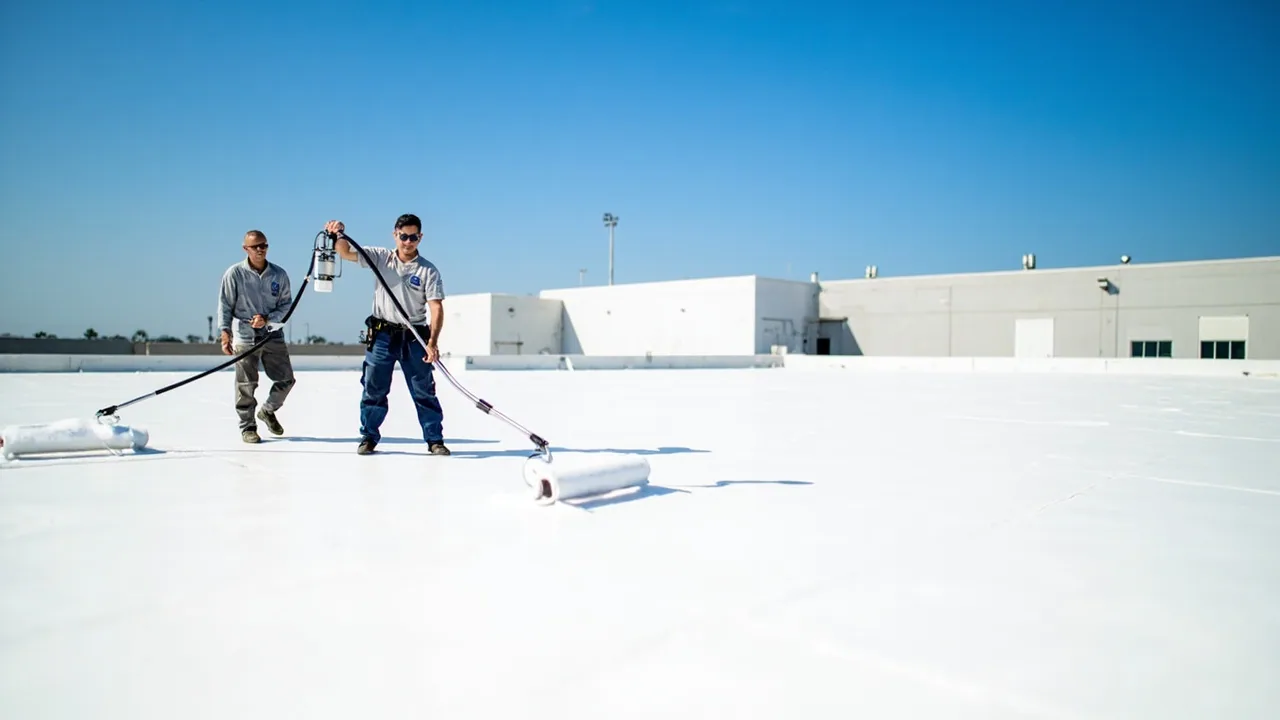
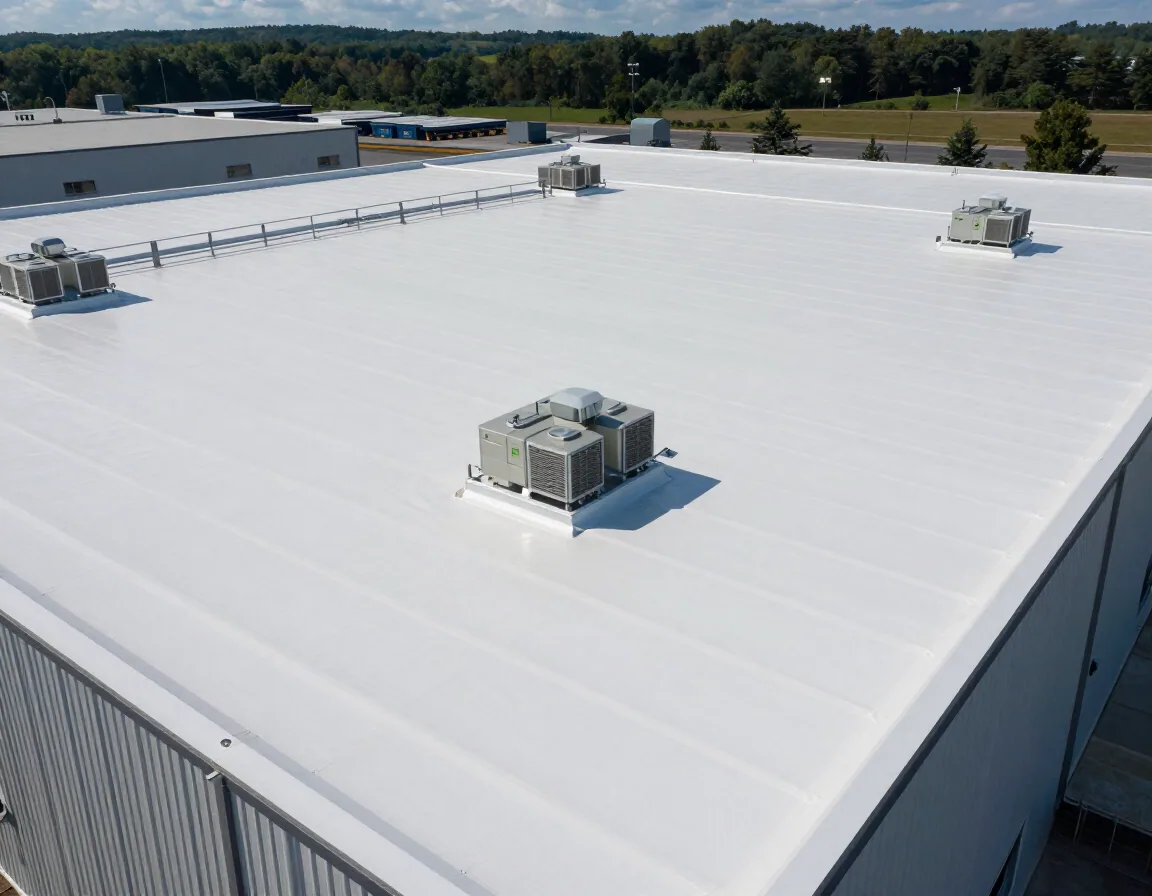
A retrofit may involve correcting fasteners and flashings, replacing damaged panels, adding a compatible over-roof assembly, or applying a restoration coating. A coating can renew a suitable surface but does not replace loose structural attachment, restore failed framing, or remove trapped moisture.
Before overlay or coating work, determine whether the existing roof is dry, stable, cleanable, and capable of supporting the added system. Check drainage, panel slope, structural support, attachment, perimeter details, and compatibility with old finishes. Repair penetrations and flashing first so the restoration does not bridge an active leak. Any work should preserve movement where panels expand and contract.
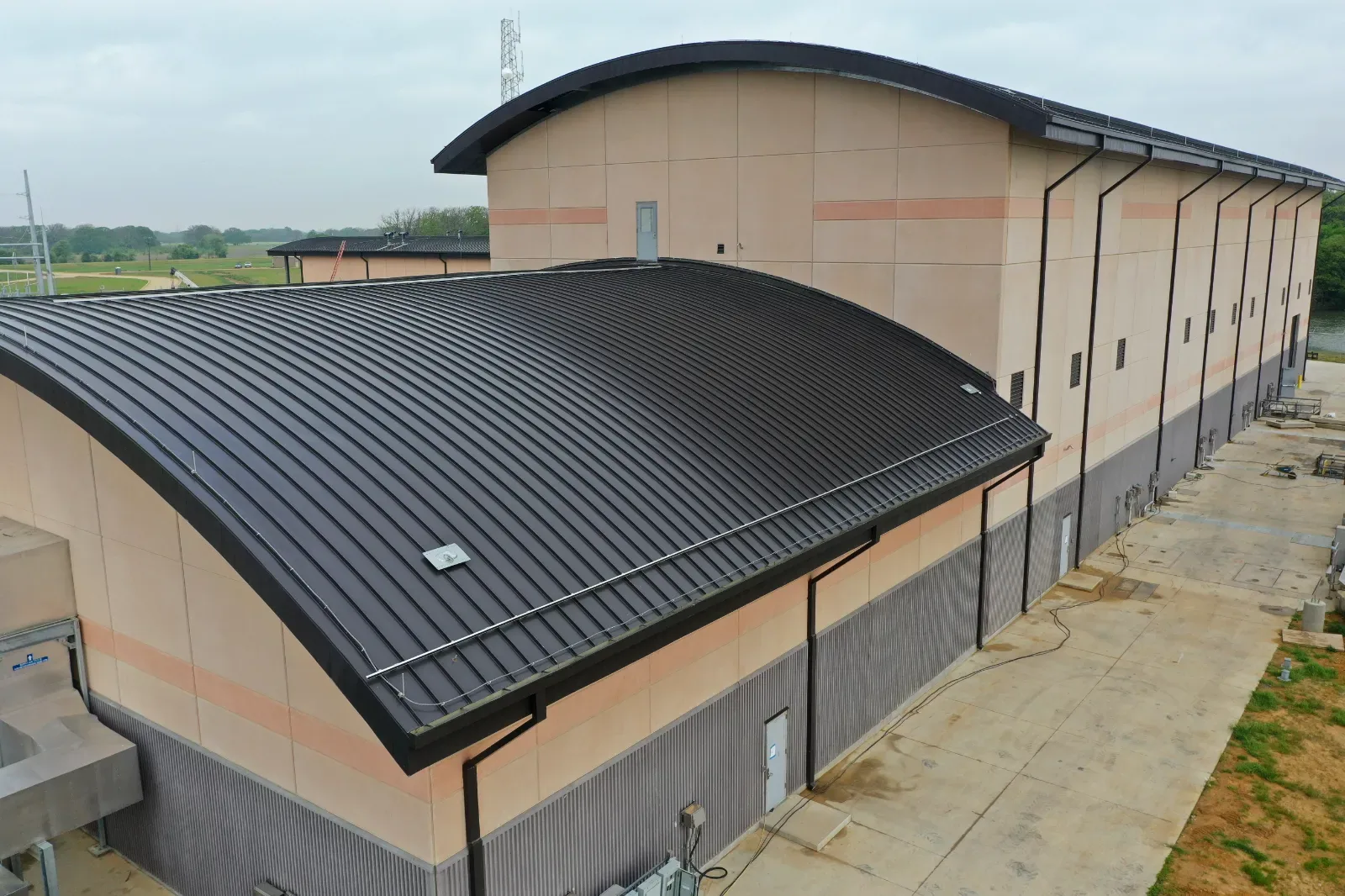
For a broader condition record, a commercial roof inspection can map conditions; a roof coating restoration assessment can determine whether a coating is suitable. The concealed clips on standing seam metal roofing need a movement review distinct from an exposed-fastener connection. For membrane alternatives, compare TPO roofing.
How are fasteners, laps, and flashings repaired?
Repair work starts with identifying the panel and fastener type, then checking whether the supporting material still holds securely. A replacement fastener must suit the substrate and panel profile. Simply tightening a damaged or stripped connection may not restore its seal. Washer condition, hole size, corrosion, and surrounding panel movement all affect the method.
At laps and transitions, a repair must shed water without blocking drainage or binding the panels. Flashing around equipment, curbs, and wall joints may need reshaping or replacement rather than more surface sealant. We verify that new materials are compatible with existing finishes and do not introduce a dissimilar-metal concern. Where the damage extends beyond a localized detail, a panel replacement or broader retrofit may be needed.
The owner should receive a defined scope: which lines or panels are included, how failed attachments will be addressed, what preparation is required, and whether testing is recommended. For an active leak, temporary protection may limit exposure until the permanent correction is ready. Keep that temporary boundary distinct in the closeout record.
What affects retrofit design and permitting?
The proposed system must fit the existing structure and roof geometry. Added weight, wind resistance, drainage, edge height, fire classification, insulation, penetrations, and attachment all require review. A new layer can change how water reaches gutters and scuppers or leave insufficient clearance at walls and equipment. These design questions should be resolved before materials are ordered.
An over-roof system introduces connections through the existing panel arrangement. We review where the new supports transfer their loads, how moisture will be managed between retained and new layers, and how the eave still reaches its gutter. Applicable permit and energy requirements are established for the proposed construction. The resulting scope identifies the receiving structure and altered heights instead of treating the retrofit as a new surface laid over an unknown support.
A coordinated scope can identify any structural review, testing, permits, and manufacturer approvals required. If the existing roof has wet insulation or weakened supports, correction may need to precede the retrofit. Confirm prerequisites, schedule, and cost before approving installation.
How is retrofit work coordinated on an active property?
Panel replacement and overlay work involve material lengths, lifts, staging, and roof access. Warehouses may need truck routes kept clear, while manufacturers may have process areas with restricted access. Visitor-serving properties near Beach Boulevard, Five Points, and Pacific Coast Highway can require pedestrian protection and delivery coordination. We confirm work zones, access points, and the contact responsible for daily decisions.
Newport Beach Harbor climate normals provide a nearby coastal baseline with winter-focused rain; they do not establish conditions on a work day. Warmer offshore Santa Ana weather can change the handling plan for retrofit panels and the application window for restoration materials. We check actual forecast and product conditions before starting. The plan should say how the roof will be secured if a shift ends before the area is complete.
Daily reporting should show which roof section is complete, what remains protected, and whether a hidden condition changed the scope. Clear communication helps building staff keep people away from active work and maintain interior operations.
What records help after a metal roof retrofit?
Keep inspection photographs, panel and fastener details, product data, repair maps, permits, and warranties with the roof plan. The closeout should identify the fastener lines or panels addressed, any flashing replaced, and the coating or over-roof materials installed. Document testing and areas that were not included.
Future maintenance can track loose fasteners, finish changes, debris, gutters, and new interior moisture. Avoid adding penetrations or attaching equipment without a reviewed detail. Record service work that changes panel connections.
If water returns, compare its location and timing with the repair record and inspect the route again. A leak near a repaired fastener may come from an adjacent lap or penetration. A useful follow-up distinguishes a failed correction from a separate opening and recommends a next step based on the evidence.
Commercial Roofing Questions
Is a metal roof retrofit the same as putting on a coating?
No. A retrofit may include fastener repair, panel work, an over-roof assembly, or a coating if the existing roof is suitable. Coating alone does not correct weak attachment, structural damage, or wet insulation. The inspection should explain which method fits the condition.
Can loose exposed fasteners just be tightened?
Sometimes, but a stripped hole, damaged washer, or weakened substrate may need a compatible replacement fastener or a larger correction. We check the connection and panel condition before selecting a repair. Tightening without confirming the support can leave the leak path in place.
How do you know whether the old roof can support a retrofit?
The review considers panel condition, attachment, moisture, structure, drainage, added weight, and compatibility with the proposed system. Concealed layers may require testing. We document what is known and identify any structural or moisture evaluation needed before installation.
Will a retrofit stop every future leak?
No roofing scope can establish that every future source has been eliminated. A retrofit can address verified conditions when designed and installed correctly, while later penetrations, damage, or maintenance issues may create new entry points. The closeout should define the system and work area.
What information helps price an exposed-fastener metal roof project?
Provide roof plans or panel records, building access constraints, leak history, known repairs or coatings, and any equipment changes. A site inspection verifies dimensions and condition. Structural review or testing may be needed before the retrofit approach and final scope are set.
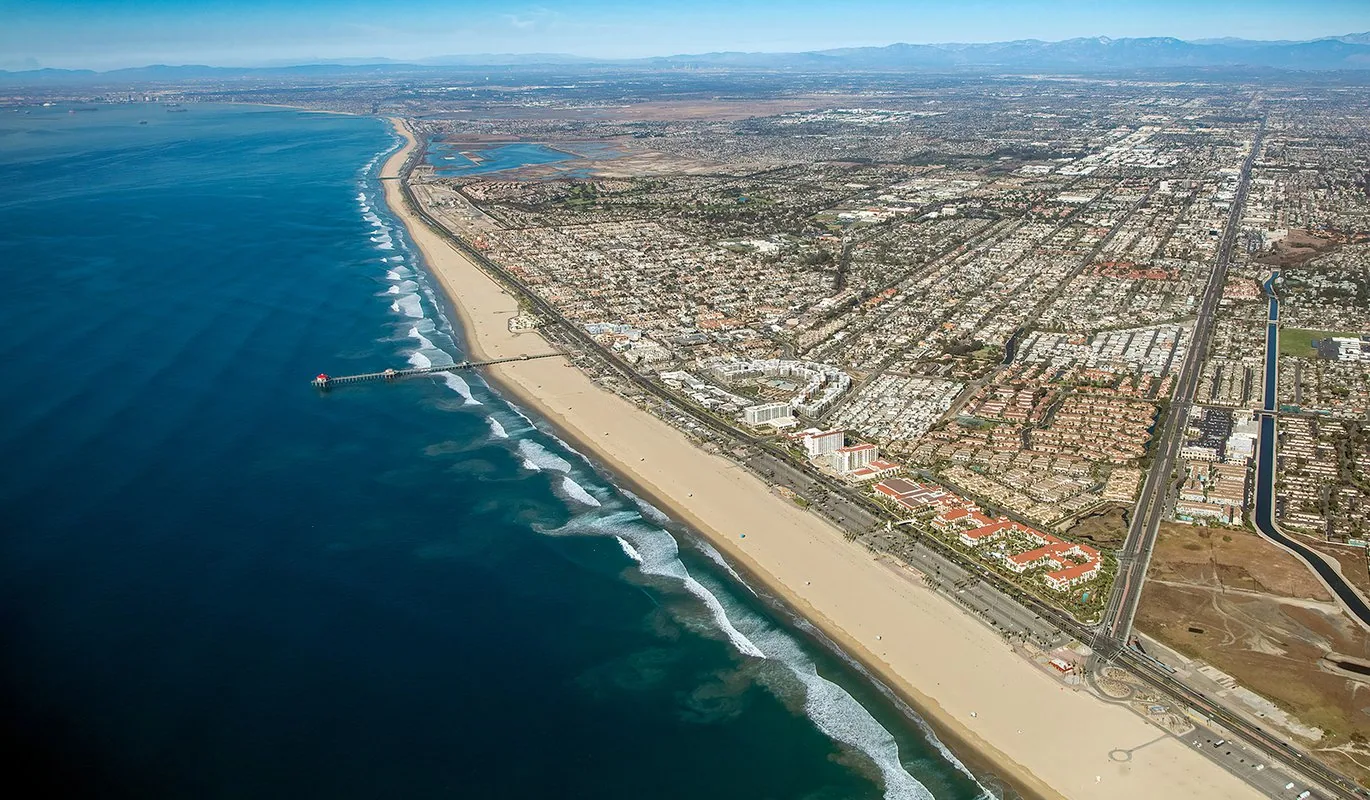

Proudly Serving Huntington Beach and Nearby Cities

Commercial Roofers Huntington Beach
Huntington Beach, Westminster, Seal Beach, Fountain Valley,
Garden Grove, Newport Beach and nearby Orange County cities