
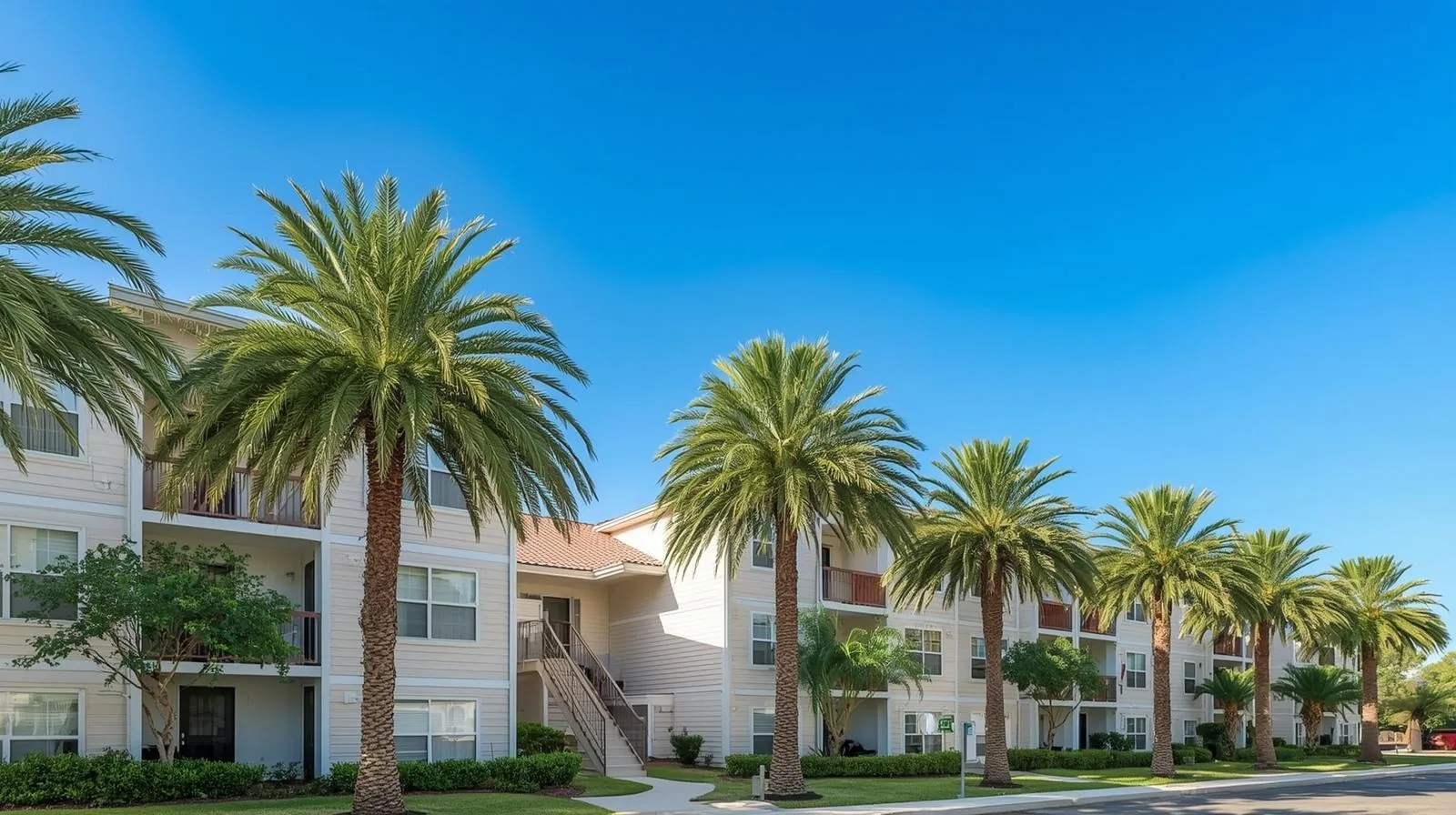
Apartment and Multifamily Roofing in Huntington Beach, CA
An upper-floor tenant report in Huntington Beach, CA, needs a roof location before the property manager can assign a lasting repair. Commercial Roofers Huntington Beach inspects apartment and multifamily roofs, traces water reports, and marks the section examined so the work order stays connected to the right unit and building. We confirm who controls access, which residents need notice, and what interior protection is required before a roof layer is opened.
Huntington Beach has residential and mixed-use land uses across its developed coastal area. The Sunset Beach plan allows visitor-serving commercial uses with residential units on designated parcels, while Downtown combines commercial, recreation, and visitor activity. Those contexts support careful access planning, not a claim about any one apartment's roof. Nearby Newport Beach Harbor normals show mild temperatures and winter-focused precipitation; current weather and the building's drainage details set the work sequence.
Which unit, stack, or common area is affected?
The manager records the unit or common-area location, date and time, water activity, prior repair, and any residents who need access coordination. A leak can appear in a top-floor unit, hallway, stairwell, or shared service room. We connect each report to the roof plan and ask whether water has appeared in another location. Separate room reports stay separate until the roof inspection shows they share a confirmed path.
Before dispatch, the property contact identifies the roof hatch, escort, occupied units, pets or mobility considerations when relevant to access, and person who can approve interior entry. We coordinate notices with management rather than contacting residents without authorization. If ceiling access is needed to inspect a concealed path, the proposal identifies the unit, protection below, and approval step before opening finishes.
A hotel roof also requires guest-space coordination, while an office building may have another set of occupant and equipment contacts. Multifamily ownership can involve an association, manager, maintenance team, and individual residents. The work record identifies which party may approve common roof work and which person schedules access to an affected unit.
How does water move from a shared roof to a unit?
We inspect accessible roof seams, perimeter flashing, parapets, penetrations, drains, scuppers, and previous patches above and around the reported space. Water can travel along a deck, wall, or transition before a stain appears. A plan mark and photographs show the details checked and the route considered. We separate a confirmed opening from a likely path and from a hidden condition that still needs a test.
On a multifamily property, multiple units can sit under connected roof sections. The owner should not combine leak reports solely because they occur on the same floor. We compare the unit locations with the roof plan, elevation, drain path, and accessible flashing. If a pipe, vent, or equipment support lies along the route, we record the interface and any trade history that could help explain a recent change.
When moisture below the membrane could extend beyond the visible defect, we identify a survey, sample, or authorized opening that can refine the repair boundary. We state where testing would occur, what access is needed, and how it could change the estimate. A commercial roof inspection documents the marked area and any remaining limits; a leak investigation follows a recurring report before repair approval.
What notice and protection do residents need?
The manager sets resident notice, quiet hours, entry permission, hallway or courtyard access, and any route that must remain clear. Roof work may also involve a lift, material staging, or temporary restrictions near an entrance. We confirm where the crew can move tools and how long a unit or common area may be affected. The schedule states what is happening above the unit and when management can remove a restriction.
Newport Beach Harbor's climate normals record mild coastal temperatures and precipitation concentrated in cooler months, while summer averages are near zero. Santa Ana events can bring warmer, drier offshore conditions. These seasonal patterns can affect the weather window for exposed membrane and temporary cover; they do not prove a leak at a particular building. We check the job forecast and roof surface before opening material, then record protection left in place if work stops.
If active water threatens an occupied unit, emergency roof response can document immediate protection separately from permanent repair. The site contact receives the affected roof-zone mark, interior measure, and next access or approval needed. This gives residents and management a clear status without treating a temporary cover as a completed repair.
When the roof repair requires entry into a unit, the manager names the resident contact, notice period, and person who will restore the room after inspection. We record whether the work is limited to a ceiling check or includes protection during a roof opening. That distinction affects the schedule and lets management tell residents what access is required before a crew arrives.
How should an association compare repair and replacement?
The owner receives a proposal tied to the affected apartment building and the inspected roof marks. It describes the defect, the preparation and material selected, and the boundary of the correction. Resident notices and interior protection belong in that proposal alongside access, equipment work, disposal, and the layers requiring removal. Unconfirmed moisture quantities remain identified as allowances pending testing. The association can then evaluate a limited response and a capital project using the same record of actual findings.
Keeping the current apartment roof beneath another assembly requires a dry, secure base and a design that accommodates the new load and thickness. Drains, perimeter heights, and equipment transitions must remain workable. Where those conditions cannot support retention, removal planning addresses the deck and insulation while giving residents a defined notice and protection sequence. A recover assessment states the limits on retaining the existing assembly; a replacement scope defines removal, new materials, and work phases. A repair history that shows repeated calls can support further testing or a larger review, but the report ties each conclusion to the roof zones inspected.
Huntington Beach adopted the 2025 California Building Code effective January 1, 2026. The project documents and permit requirements govern covered alterations. We identify roofing scope and included submittals so the property manager can route the approval packet to the association, owner, and applicable project reviewer.
For a coastal multifamily property near the Pacific Coast Highway corridor, keep the roof plan, resident report, repair photographs, and access notes in the property file. A roof capital plan can track urgency and next decisions without combining a confirmed leak with an uninspected section.
Association review benefits from separating urgent leak protection, planned maintenance, and capital renewal in the same meeting packet. Each line should identify the building, roof zone, evidence available, and approval still needed. A group of unrelated repair calls should not be presented as one failure unless inspections connect their water routes or materials. This keeps reserve discussions tied to observed conditions and defined tests.
Commercial Roofing Questions
Should a manager schedule separate visits for each leaking unit?
We can review several reports during one approved visit, but each unit and roof zone is documented separately. The findings show whether the reports share a confirmed path or require distinct follow-up.
Who can approve roof testing in a multifamily building?
The owner or association identifies its approval authority and access contact. We record that chain before proposing an opening, interior access, or repair beyond the authorized boundary.
How do you coordinate resident notice?
The property manager provides notice rules, quiet hours, access restrictions, and any affected common area. The work plan states the roof zone, expected disruption, and point when an area can return to use.
Can one roof repair resolve leaks in multiple units?
It can when inspection confirms a shared path and the approved boundary covers it. We map each report and state whether more testing or separate work is needed before closing the related orders.



Proudly Serving Huntington Beach and Nearby Cities

Commercial Roofers Huntington Beach
Huntington Beach, Westminster, Seal Beach, Fountain Valley,
Garden Grove, Newport Beach and nearby Orange County cities