
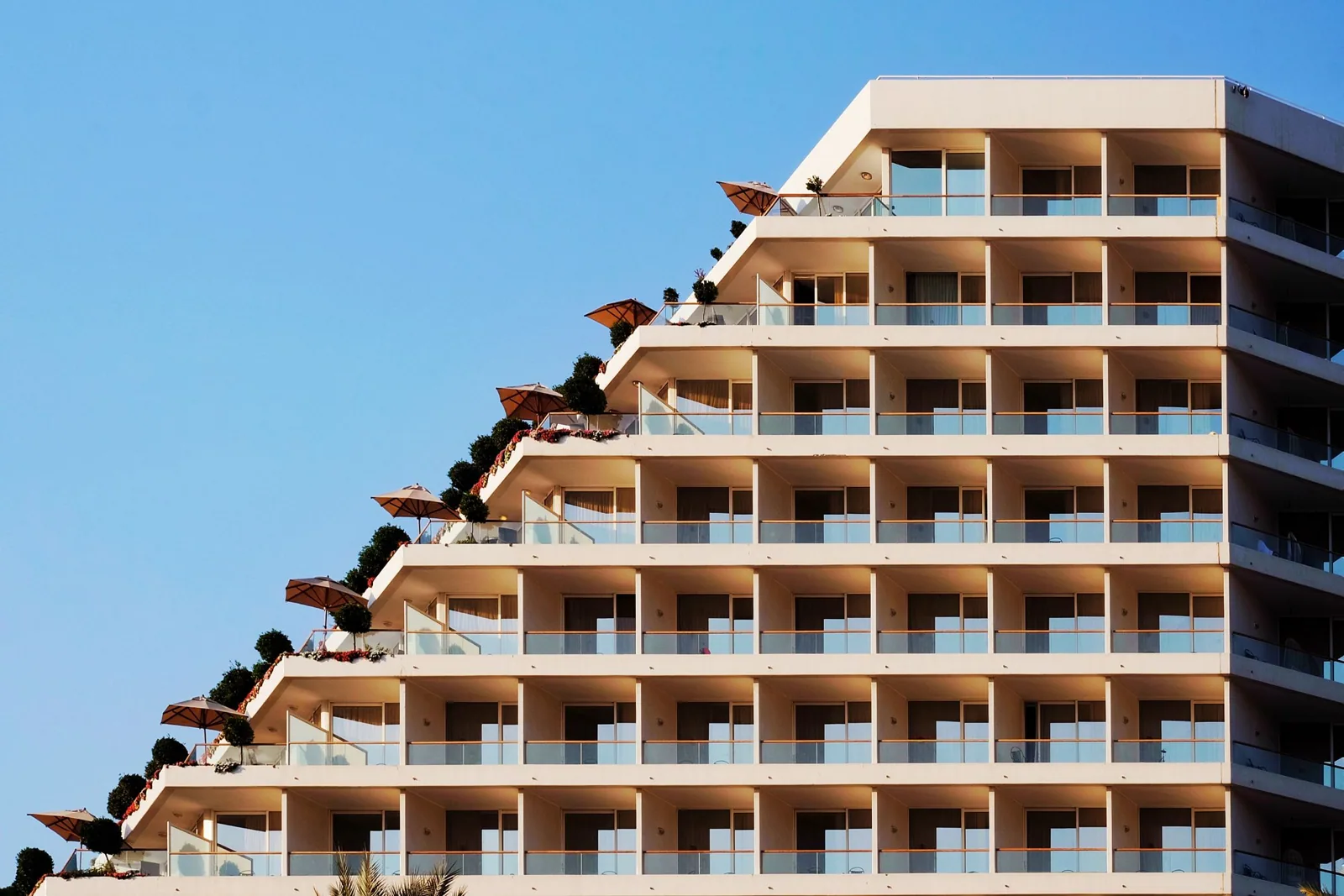
Hotel Roofing in Huntington Beach, CA
A guest-room water call in Huntington Beach, CA, needs a safe first step and a roof area the property team can track. Commercial Roofers Huntington Beach inspects hotel roofs, traces reported water, and documents the repair boundary before permanent work begins. We confirm which room or public area is affected, what operations must continue, and who can authorize roof access. The first visit protects the interior where practical, marks the area reached, and states what test or approval remains.
Huntington Beach's General Plan identifies visitor-serving hotels, dining, and entertainment near Beach Boulevard, Pacific Coast Highway, and Five Points. Downtown also serves residents and visitors with commercial and recreation uses. These locations help frame hotel access and guest movement, while a specific property's operating plan determines its work window. Newport Beach Harbor normals show mild coastal temperatures and rainfall concentrated in winter; current weather and roof conditions guide exposed work.
Which guest or service area is affected?
The hotel contact identifies the room, corridor, lobby, meeting area, service space, or equipment location tied to the report. We note when water appeared, whether a guest remains in the space, and which department manages access. The site team can relocate a guest or restrict an area when needed. We use those details to establish interior protection and a roof inspection route that respects the hotel's operations.
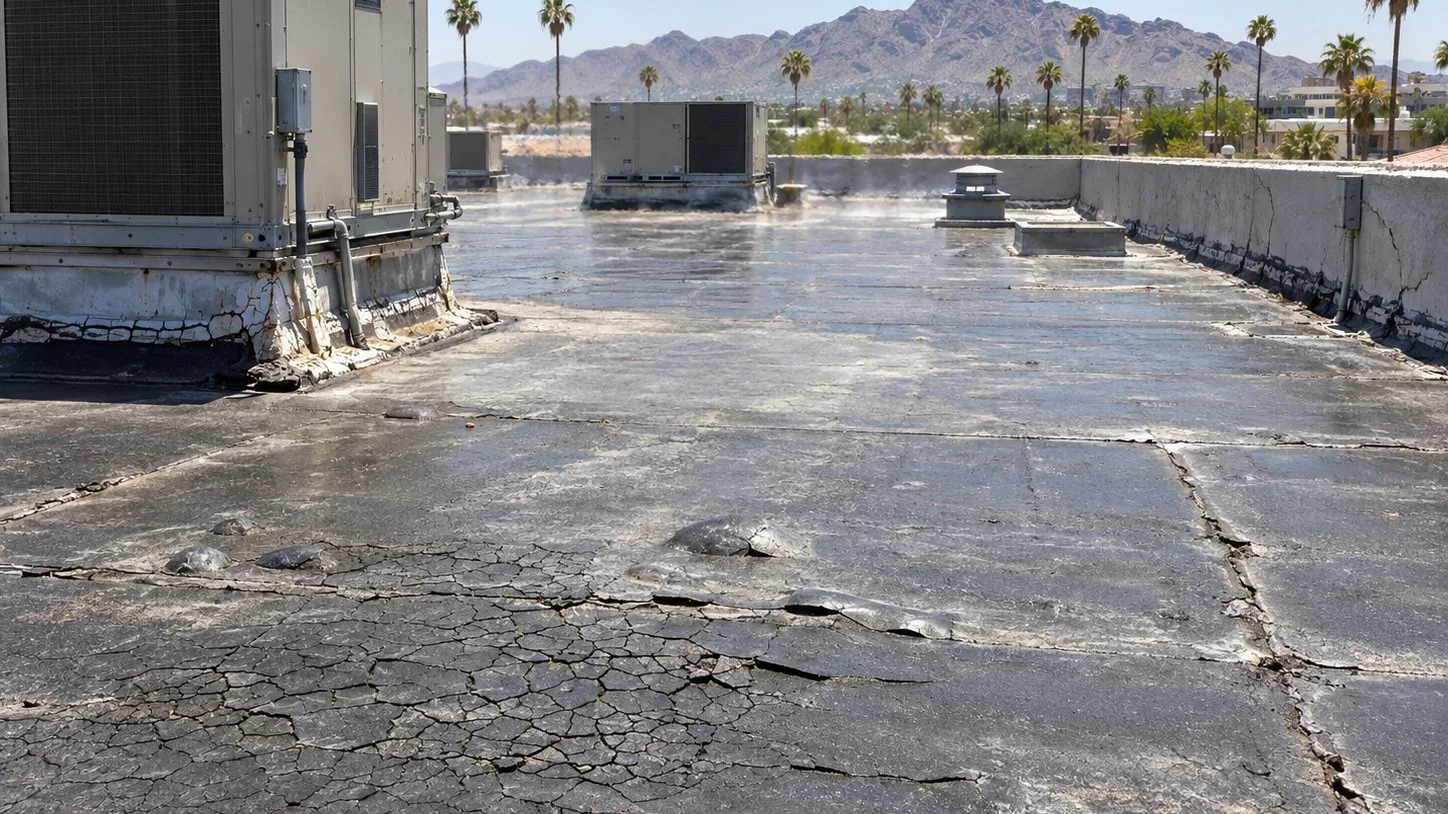
A hotel roof may serve guest rooms, offices, kitchens, meeting space, and mechanical areas, but the actual layout varies. We inspect accessible seams, flashings, drains, curbs, penetrations, and previous repair marks. Photographs are tied to a roof plan and the affected interior location. If the water route crosses an expansion joint, wall, or equipment curb, the report records that interface for follow-up rather than assuming the closest roof opening caused the leak.
Guest privacy and access rules can affect how inspection photographs are made and stored. The work record identifies the roof detail and avoids unnecessary interior imagery. A restaurant roof or multifamily roof may also require occupied-space coordination, but each property's room access, contact chain, and repair history remain separate.
How do roof details connect to the interior report?
We follow the report to accessible seams, curb flashing, penetrations, drains, scuppers, and edge transitions above and around the room. A photograph shows the detail and enough surrounding context to find it again. Water may follow a deck or membrane before appearing indoors, so we distinguish a confirmed opening from a possible path. If a ceiling stain appears far from a drain or penetration, nearby roof details are checked before a repair boundary is proposed.
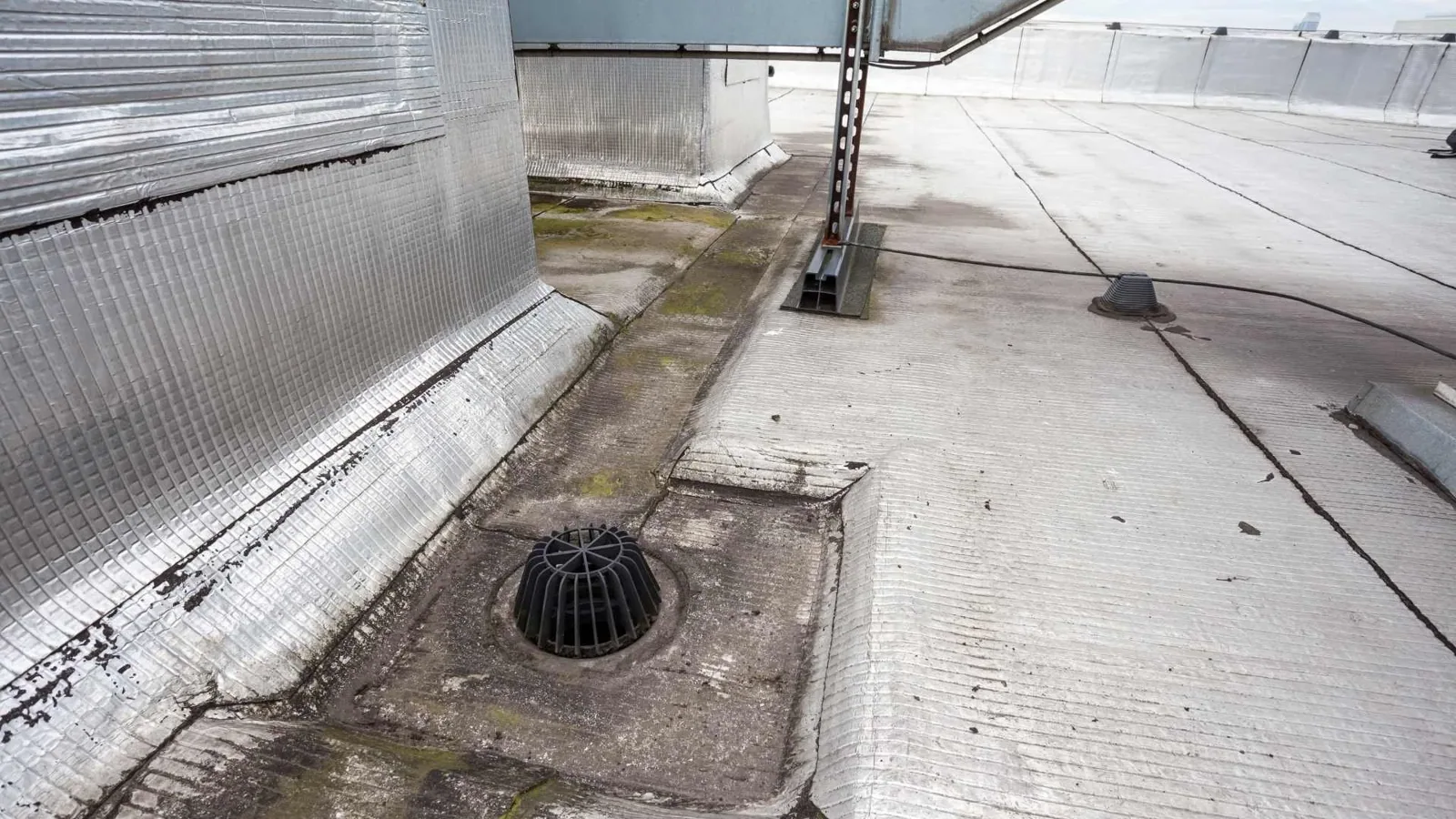
Drainage can affect rooms beyond the point where water first appears. We note the drain path and outlet, then check whether the surrounding membrane or scupper connection has a visible defect. Suspected wet layers need a defined confirmation step: we explain which survey target or approved sample could alter the hotel repair quantities. The manager sees the test location, access need, and approval required before a roof layer is disturbed.
A commercial roof inspection can map conditions for a guest-room leak, capital plan, or due-diligence question. For a recurring report, drain and scupper work can be scoped when the outlet or nearby connection is part of the finding. The report lists areas reached, inaccessible details, and any test still needed so the hotel can set a reliable repair window.
What work can proceed while guests are on site?
The hotel contact confirms roof entry, escort, lift and material staging, service entrances, guest circulation, quiet hours, and rooms that need protection. A task above a guest corridor may need a different barrier and time window than a repair near a loading area. We identify the route, active roof section, interior space below, and the stopping point that can be secured by shift end. If the hotel has a scheduled event, the manager provides the date before phasing is set.
Downtown Huntington Beach's commercial streets are pedestrian oriented, while visitor-serving uses also line Pacific Coast Highway and cluster near Five Points. Those broader settings can make access planning important, but the hotel's own routes and safety plan govern the work. The site contact confirms where a lift may stand, which entrance remains available, and how guests will be kept clear of material handling.
Newport Beach Harbor normals show most precipitation in cooler months and very little summer rain. During an offshore Santa Ana episode, the hotel work area may experience drier air and warmth beyond the usual marine baseline. Those patterns influence safe movement and temporary cover; current conditions determine what can be opened. For urgent water, emergency roof response records immediate protection separately from permanent repair. Larger work may be phased to maintain guest access and defined dry-in boundaries.
Which repair or renewal choice protects hotel operations?
The approval packet names the building, room report, marked roof area, proposed preparation, material, exclusions, and follow-up. Cost and duration can depend on room protection, guest relocation, access, equipment coordination, removal depth, compatibility, disposal, and hidden moisture. We identify the drivers that apply and note whether a test could change quantities. The owner can distinguish an urgent leak response from work that should be coordinated with a renovation or capital window.
Keeping the hotel assembly under new roofing requires sound attachment, suitable moisture findings, and workable elevations at guest-wing drains, curbs, and perimeter details. Taking the old hotel roof off exposes the supporting layers for assessment and requires a removal sequence coordinated with occupied rooms. Insulation or deck findings may change the rebuild scope. A recover assessment documents the limits of retaining the assembly; a replacement scope defines removal, tie-ins, and dry-in phases. If the proposal crosses multiple elevations, the estimate carries each roof zone and its operating impact separately.
For a hotel with several wings or roof levels, the schedule should identify which room groups sit beneath each active phase. We coordinate with the site contact on room status, equipment access, material staging, and the point at which a protected zone can return to service. Each day's closeout names the completed roof boundary, any temporary cover, and the next approval required before an adjacent section opens.
The city’s adoption of the 2025 California Building Code took effect on January 1, 2026. The permit documents and project requirements govern covered alterations. We identify the roof work and related submittals included in the scope so the hotel team can route its review. Closeout lists material, photographs, approved changes, temporary cover removed or retained, and the return check needed before the room report is closed.
For a visitor-serving property near the Pacific Coast Highway coastal corridor, keep the hotel roof record with room reports, prior service, and access notes. A follow-up check can compare the original detail with the repair and confirm whether the guest area can return to its normal use.
Commercial Roofing Questions
Can a hotel keep guest rooms open during roof repair?
Often, if access, interior protection, noise limits, and room status are coordinated. The hotel contact identifies spaces that need restrictions and when guests can return.
How do you protect guest privacy during inspection?
We tie findings to roof-plan marks and avoid unnecessary interior images. The site contact arranges access and identifies any rooms or public spaces that require special handling.
What if water appears in a room below a different roof section?
We compare the room location with accessible roof details and possible water routes. If the path remains concealed, the report identifies a test or access step before the repair extent is set.
How is urgent protection separated from permanent work?
The first response records the temporary cover, boundary, and limitations. A permanent scope follows with material, preparation, exclusions, and approval for any added work.

Proudly Serving Huntington Beach and Nearby Cities

Commercial Roofers Huntington Beach
Huntington Beach, Westminster, Seal Beach, Fountain Valley,
Garden Grove, Newport Beach and nearby Orange County cities