
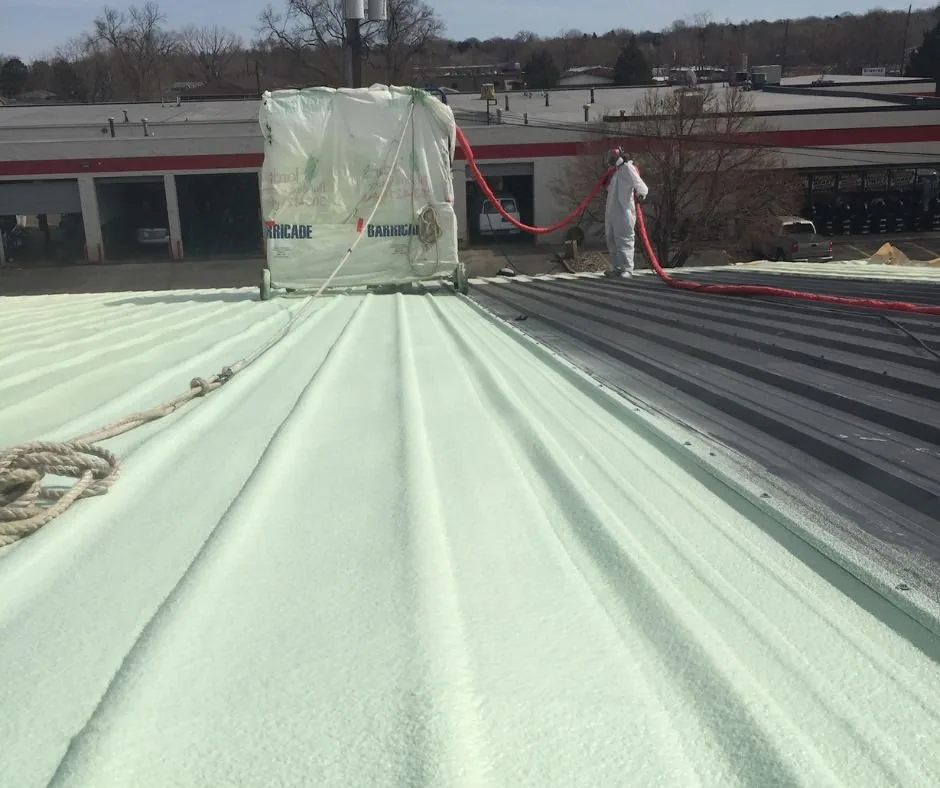
Spray Polyurethane Foam Roofing in Huntington Beach, CA
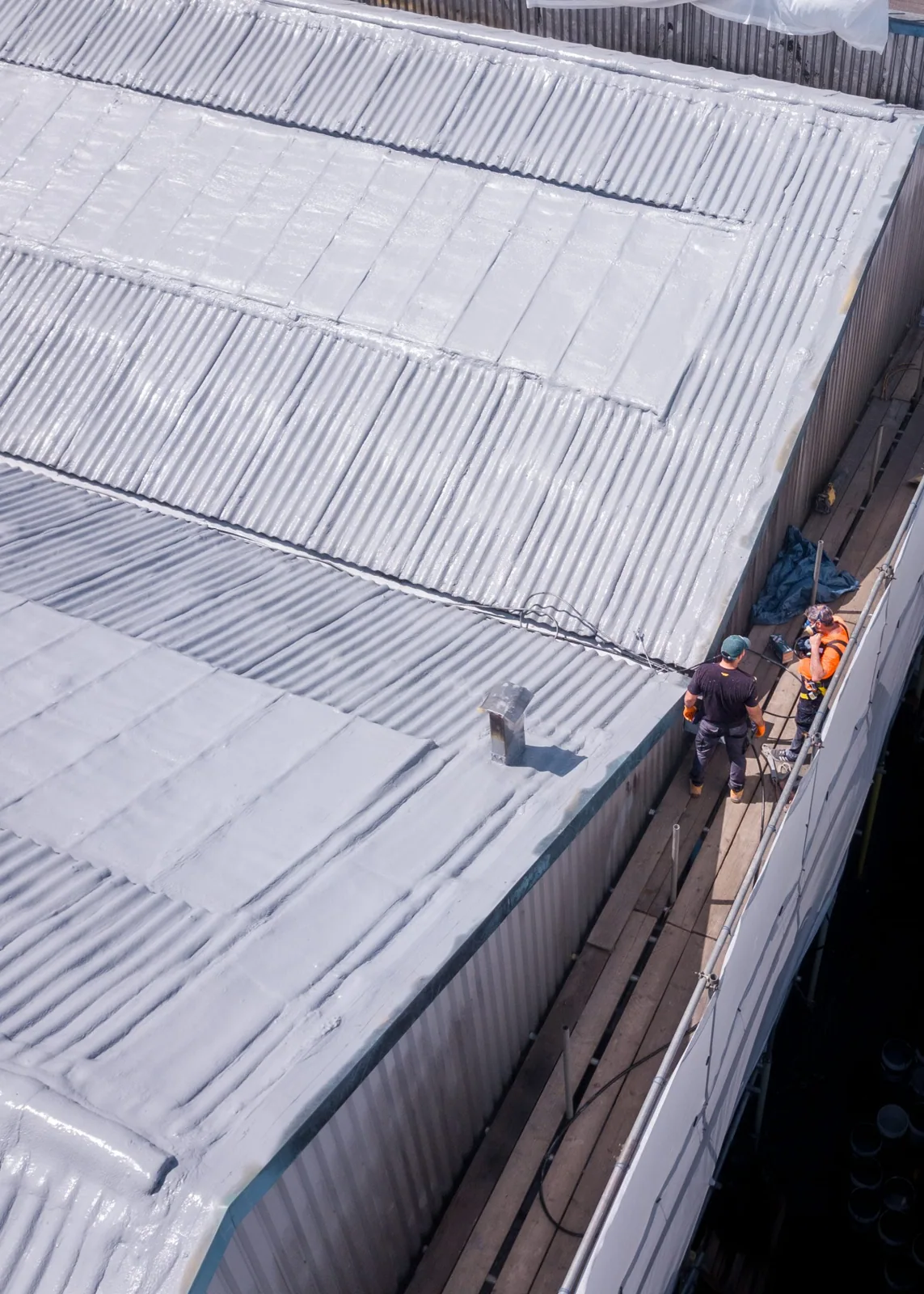
Exposed foam beneath a worn topcoat needs an assembly check before another protective layer is applied. Commercial Roofers Huntington Beach inspects, repairs, and restores spray polyurethane foam roofing in Huntington Beach, CA, by checking the coating, foam profile, drainage, penetrations, and transitions. A worn topcoat can expose foam, while a surface mark may have another cause. We map the affected area and identify the first safe step, including protecting the occupied space if water is active and limiting access around the roof work zone.
Manufacturing and warehouse operations share the Gothard Street Subarea with auto repair, retail and office uses; the operator identifies which equipment route intersects the foam repair. The Pacific Coast Highway coastal corridor includes visitor-serving businesses that may need careful staging. Newport Beach Harbor climate normals show winter-focused rainfall, which makes drainage and protection planning important.
What makes a spray foam roof function?
Spray polyurethane foam roofing is formed by applying foam to a prepared surface, then protecting it with a coating system. The foam creates a shaped layer that can follow roof contours, while the coating shields it from exposure and water. The complete system includes the substrate, foam, coating, flashing, drains, and details around rooftop equipment.
Coating thickness and continuity matter. Thin or eroded areas can leave foam vulnerable; blisters, splits, or open transitions can allow water beneath the surface. Punctures from foot traffic or service work can expose the foam. Ponding or blocked drainage can place repeated stress on coating details.
Previous re-coats and repairs can affect adhesion and compatibility. Available product records, application dates, and maintenance notes help us understand what has been installed. If the coating type is unknown, we document the observable layers and identify any testing needed before adding material.
How is foam and coating condition inspected?
The inspection follows drainage routes and checks coating continuity, erosion, cracking, blisters, punctures, exposed foam, ponding, and transitions. We review parapets, drains, penetrations, supports, and areas used by service crews.
We also compare interior reports with the roof conditions. Water can travel below a coating before appearing indoors, so a ceiling stain does not prove the closest roof mark is the source. If foam or substrate moisture could change the scope, testing may be recommended. Notes should explain the method and location, along with any areas that could not be checked.
Commercial buildings in the Northwest Industrial Subarea range across research, office, technology, and industrial uses; roof access may involve escorts or equipment coordination. A commercial roof inspection can record broad conditions, while roof coating restoration evaluation focuses on whether a coating system remains viable. Selecting between silicone roof coatings and acrylic roof coatings requires matching preparation, cure conditions and adhesion to the foam surface found during inspection.
How are SPF roof defects repaired?
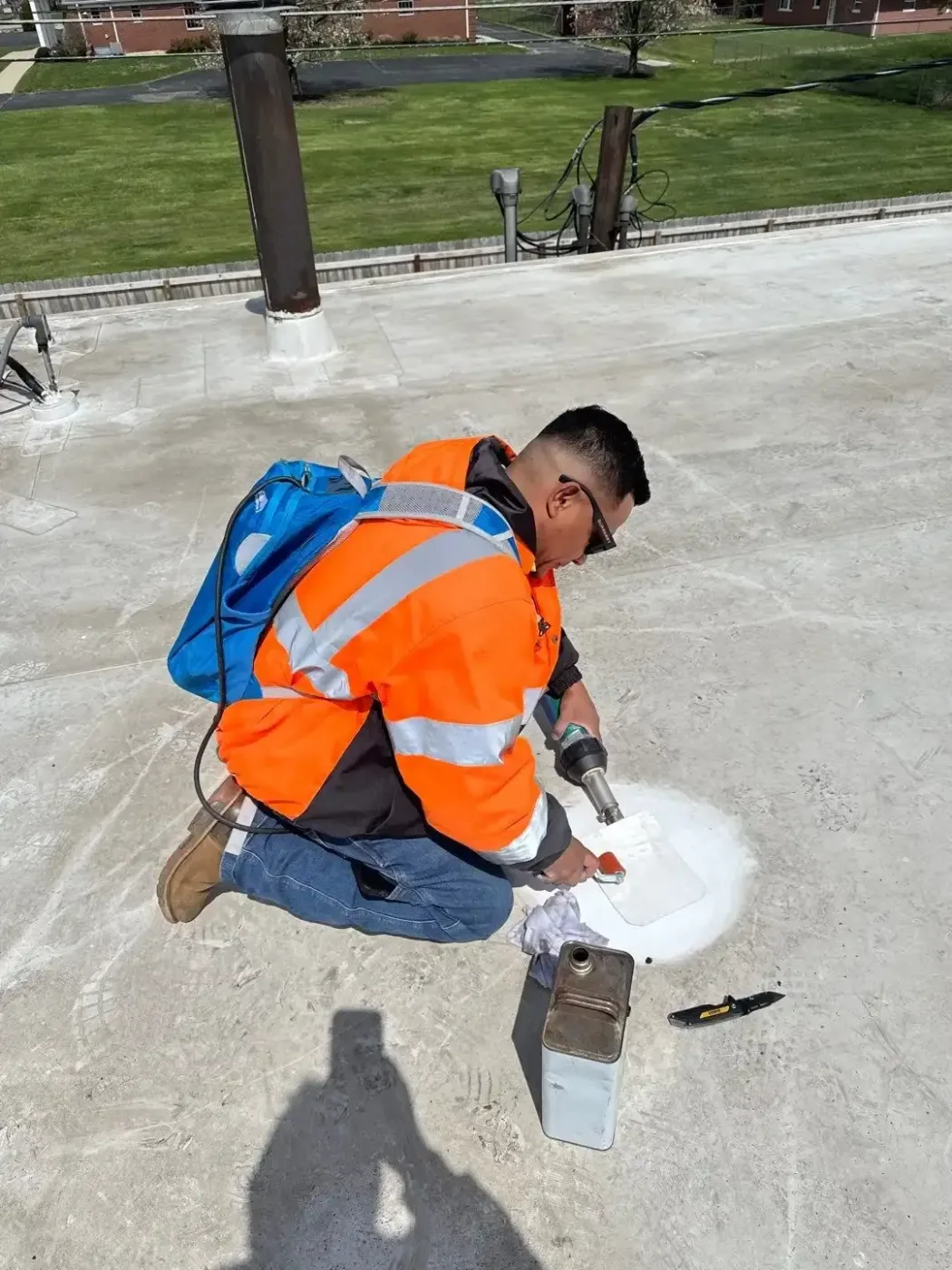
Repair work starts by removing coating or foam that is loose, wet, or no longer bonded, as needed to reach sound material. Exposed foam may need reshaping or replacement before the protective coating is rebuilt. A puncture, crack, or damaged transition requires preparation suited to the foam and coating products. The repair should restore both the water-shedding surface and its protective layer.
Surface preparation and dry conditions are essential for adhesion. Dust, moisture, incompatible coating, or loose foam can compromise a tie-in. We identify whether the repair product is compatible with the existing system and follow its required application and cure conditions. If damage extends across multiple areas or foam is saturated, spot coating may not resolve the underlying issue.
A service crew may have caused a puncture while maintaining rooftop equipment. Document the location and activity, then check nearby walk paths and other vulnerable transitions. The written scope should name the areas repaired, preparation, materials, and any remaining exposed foam or follow-up recommendation. Temporary protection can reduce active water entry until a compatible permanent repair can be completed.
When can an SPF roof be recoated?
Re-coating may be considered when foam remains dry, attached, and structurally sound, while the existing coating needs renewal. The evaluation should include coating condition, adhesion, thickness, drainage, surface preparation, and compatibility. A new coat cannot correct wet or deteriorated foam, loose substrate, or a failed flashing detail by itself.
When deterioration is widespread, foam damage is deep, or repeated repairs leave an unstable surface, removal or replacement may be appropriate. Additional foam or coating changes roof height and loads, so edges, drains, equipment curbs, and structural capacity need review. An inspection should separate confirmed conditions from concealed areas that need probing or testing.
Foam profile changes need a checked route to drainage outlets before application begins. We compare proposed elevations with curbs and roof edges, identifying where new material would reduce flashing clearance. Removal of wet foam receives a boundary and a protected stopping detail. Applicable design and permit requirements are resolved with that assembly scope, so the new foam and coating restore the intended roof shape without carrying a hidden damaged layer into the finished work.
What controls foam application timing?
Spray foam and protective coatings require suitable substrate and weather conditions. Wind, moisture, temperature, and ventilation can affect application quality and overspray control. The work plan should specify how adjacent property, air intakes, parked vehicles, and occupied areas will be protected, and how access will be restricted during application and cure.
The Northwest Industrial Subarea includes active business parks, industrial properties, and research or office uses, so coordination may be needed for rooftop equipment, operations, and nearby tenants. Visitor-serving uses along Pacific Coast Highway can have customer access to protect. Newport Beach Harbor normals show most rain falling during cooler months, and Santa Ana winds can bring warmer, drier offshore conditions. Long-term averages do not replace a current forecast and product-specific limits.
Before mobilization, confirm staging, work hours, notification, ventilation controls, and the person who can approve a pause. If the application is interrupted, the crew should leave a defined dry-in boundary and document which layer is complete and what still needs protection.
What records support an SPF roof maintenance plan?
Keep the foam and coating product information, application records, roof plan, repair photographs, and warranties together. The closeout should identify the areas re-coated or repaired, surface preparation, material layers, and any tests performed. Note exposed or damaged foam that remains outside the approved scope.
Maintenance visits can look for coating wear, punctures, blisters, open flashings, blocked drains, and changes after equipment service. Keep roof access limited to authorized routes where possible. Record new curbs, supports, and penetrations so the owner can confirm they were integrated into the waterproofing system.
If interior water returns, map the room, date, and weather before the next visit. The entry point may not be directly above the stain. A follow-up should compare prior repairs with the water route and identify whether the coating, foam, flashing, or a separate roof detail needs attention.
Commercial Roofing Questions
Which SPF conditions support renewing the protective surface?
A re-coat may suit a roof when the foam is dry and sound, the surface is prepared correctly, and the new coating is compatible. It will not correct saturated foam, loose substrate, or failed flashing. Inspection findings should establish what can be restored and what needs removal.
What finding determines the next foam-roof coating interval?
The timing varies with the installed coating, exposure, maintenance, and observed wear. Rather than use a fixed interval alone, inspect for thinning, erosion, cracks, exposed foam, and water entry. Product records help determine the appropriate maintenance schedule.
Can roof traffic damage spray foam?
Foot traffic, tools, or service work can puncture the protective surface and expose foam. We check access paths and equipment areas, document damage, and identify compatible repairs. Use designated routes and report new penetrations promptly.
What happens if water gets under an SPF coating?
The extent depends on the entry point and condition of the foam and substrate. A visual review may be supplemented with testing or limited opening when needed. The repair should remove unsound material, restore the foam profile, and rebuild a continuous protective coating.
What should be ready before a foam roof application?
Confirm product and surface requirements, forecast conditions, staging, ventilation and overspray controls, protected air intakes, and tenant notice. The owner should identify the contact who can approve a pause. The contractor should explain the dry-in plan if weather or access interrupts application.



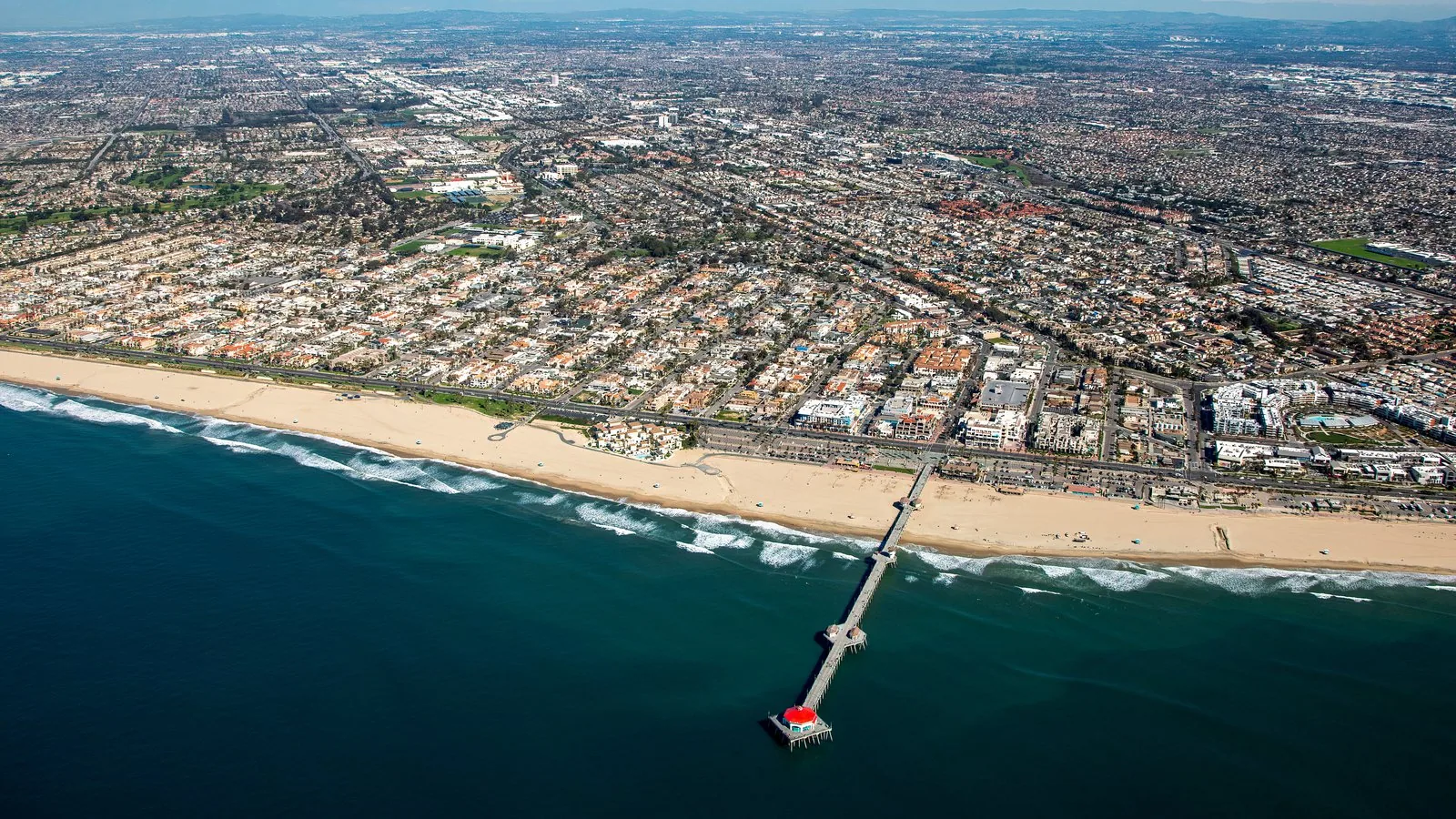
Proudly Serving Huntington Beach and Nearby Cities
Commercial Roofers Huntington Beach
Huntington Beach, Westminster, Seal Beach, Fountain Valley,
Garden Grove, Newport Beach and nearby Orange County cities