
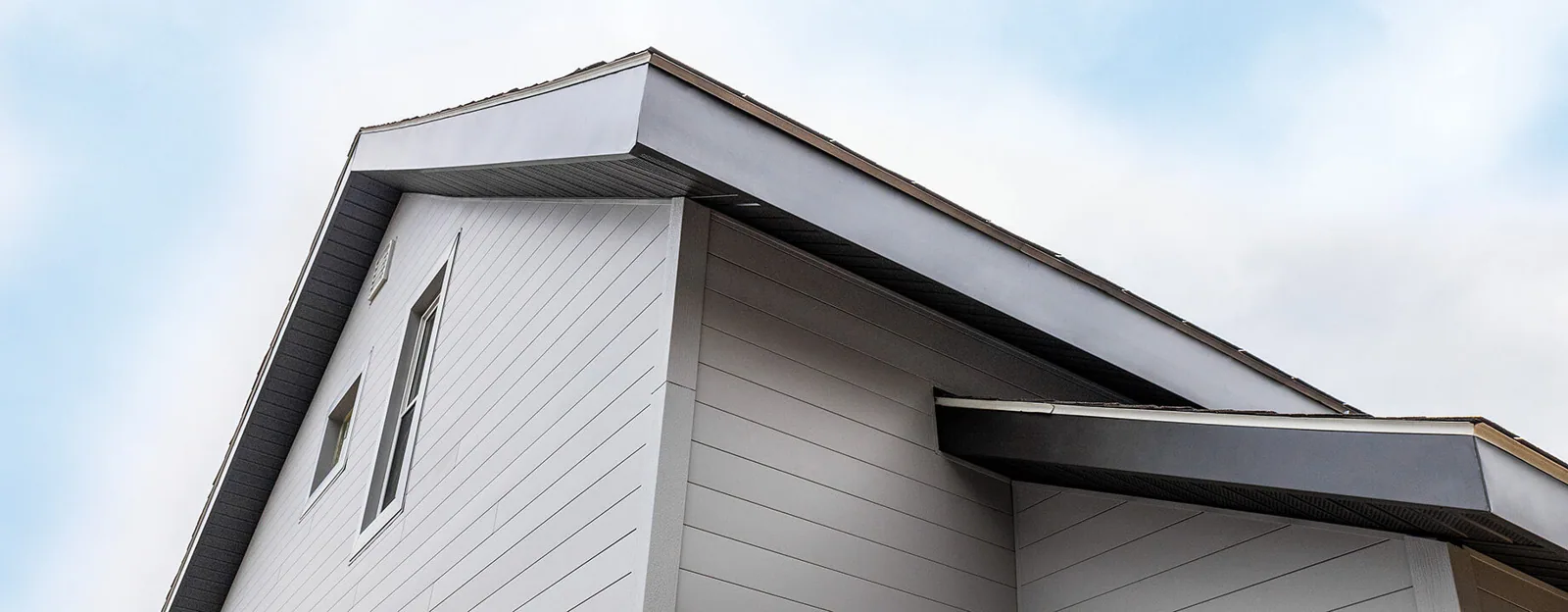
Commercial Roof Edge Metal and Gutters in Huntington Beach, CA
Movement at a parapet cap may expose its cleat and membrane termination before an interior water report appears. We inspect the metal joint, cleat, fasteners, membrane termination, gutter, and discharge path as connected roof details. A repair should restore the edge's hold and direct water where it belongs, not cover a gap with sealant alone. In Huntington Beach, CA, a commercial property near the visitor-serving coast may have a different access plan than an industrial building in the Northwest Industrial Subarea.
Santa Ana events can bring warm, dry offshore winds to the coast, while the Newport Beach Harbor climate record concentrates rainfall in winter. Those are planning conditions, not proof of exposure or damage at a particular property. We inspect the installed edge and document what needs correction.
What does the roof edge need to hold?
The perimeter assembly connects the roof field to the wall or fascia and resists movement at the edge. We check coping width, joints, splice plates, cleats, fasteners, corners, fascia, and the membrane termination beneath the metal. Loose screws, open seams, lifted sections, corrosion, and separated sealant can each point to a different repair. We photograph the full run and the defect close enough to show how the components meet.
A cap should secure to its cleat or receiver without pinching the membrane in the wrong place. Termination bars, counterflashing, and metal edges need compatible transitions. If metal has bent or fasteners have pulled from their backing, additional fastening alone may not restore the substrate. We look for sound attachment and define the repair boundary before removal.
Wind can stress exposed edges, but inspection must establish what moved. We compare roof corners, parapets, eaves, and canopy transitions, then note whether the issue is isolated or repeated across the building. A commercial roof inspection can map those details with roof-zone labels so the facilities team knows which edge was reviewed.
Where does water leave the building?
Gutters, scuppers, leaders, and downspouts complete the roof's drainage path. We check slope, seams, hangers, outlets, end caps, joints, and the point where water discharges. A blocked downspout can cause overflow even when the roof membrane is intact. A gutter that pulls away from the fascia can also direct water behind the edge. We record each condition separately so the proposed work fits the actual failure.
Newport Beach Harbor normals average 9.43 inches of annual precipitation, with most of it falling in cooler months. That local pattern makes pre-season outlet checks useful, but a property's own drainage layout tells us which gutters or scuppers need attention. We look for overflow marks and compare them with low areas, seams, and interior reports.
If the outlet is blocked, drain and scupper service can restore the route. If a downspout empties near an entrance or wall, the discharge point may need separate attention. Metal replacement should reconnect to the membrane and direct water outward, without creating a new backflow path at a corner.
Which repair matches the metal condition?
A loose joint may need a splice or fastener correction; a distorted edge or failed backing can require replacement over a longer run. We distinguish coating failure from through-metal corrosion and inspect the metal beneath any previous patch. The scope names the profile, length, substrate repair, membrane tie-in, and any gutter work. If removal reveals wet or damaged deck, we document the finding and confirm the added work before proceeding.
Near Huntington Beach's coastal visitor nodes, the crew may need to protect storefronts, walkways, or guest access below. In the Northwest Industrial Subarea, deliveries, industrial service routes, and roof equipment can affect staging. The site contact confirms lift placement, restricted areas, and work hours; the roof record keeps those operating conditions separate from the physical repair.
At a parapet corner, the coping joint, cleat, and membrane termination meet in one compact detail. We check whether the metal overlaps and sheds water as intended, whether the fastener line remains secure, and whether the membrane stays protected beneath the cap. If a joint has opened, we inspect the adjoining lengths before cutting back so the repair reaches metal that can be fastened and sealed correctly. A close-up photo alone may miss that transition, so we include a view of the full run. For a confirmed opening at the perimeter, a compatible commercial roof repair can secure the membrane and edge. A larger section of failing metal may be coordinated with a roof replacement. We compare both paths after checking attachment, insulation, water entry, and the condition of the adjoining field.
How do access and weather affect the work?
Edge work can require a lift, perimeter protection, or access from a busy side of the building. We confirm the route, delivery window, roof access, and areas below the work before mobilization. If occupants use a nearby entrance, we set a protected path or sequence the repair for a quieter period. The property contact should identify any alarm, security, or tenant restrictions in advance.
Santa Ana winds can bring warmer, drier conditions to the coast. We watch actual wind and surface conditions when handling long metal sections, sealants, coatings, and temporary covers. The local climate fact does not set a job-day forecast. If weather changes the safe boundary, we secure the open edge and reschedule the permanent detail rather than leave an incomplete tie-in exposed.
In the Pacific Coast Highway Coastal Corridor, visitor-serving uses and residential blocks meet at distinct commercial nodes. In Gothard Street's employment subarea, warehouse and repair operations may keep service vehicles moving. We coordinate timing and staging with the property contact for the specific building.
What should the edge-metal scope document?
A clear scope identifies each parapet, eave, gutter, scupper, or downspout included. It states whether the work is fastening, splice repair, metal replacement, membrane tie-in, outlet correction, or a combination. The photos should show the run and the details at corners and transitions. If only one edge was accessible, the report says so; it does not treat the entire perimeter as inspected.
After work, keep the metal profile, repair location, materials, fastener or splice changes, and closeout photos with the roof history. A scheduled maintenance visit can check the repaired edge and clear outlets before cooler-season rain. If water is active indoors, our emergency response can assess safe access and protect a defined opening while permanent metal work is planned.
We can review the edge, gutter, and discharge path together, then explain which detail should be addressed first. Share a roof plan, recent photos, interior report, access contact, and the area of concern to arrange an inspection in Huntington Beach.
Commercial Roofing Questions
Can sealant secure a coping cap that has lifted?
Sealant may be part of a compatible detail, but it cannot replace loose cleats, failed fasteners, or damaged backing. We inspect the attachment and define the repair that will hold the metal in place.
Why does water overflow a gutter when the roof drain is clear?
The gutter may be blocked, poorly sloped, separated at a joint, or undersized for its connected route. We inspect the gutter, outlet, downspout, and discharge point as one path.
Can you replace only one damaged section of edge metal?
Often, if the surrounding metal, cleat, substrate, and membrane tie-in remain sound. We compare the section boundary with adjacent joints and explain any longer run needed to reach secure material.
What should be included with a repair request?
Send the roof plan or edge location, photographs, leak or overflow history, access contact, and any limits on lift placement. That gives us a useful start before the field inspection.

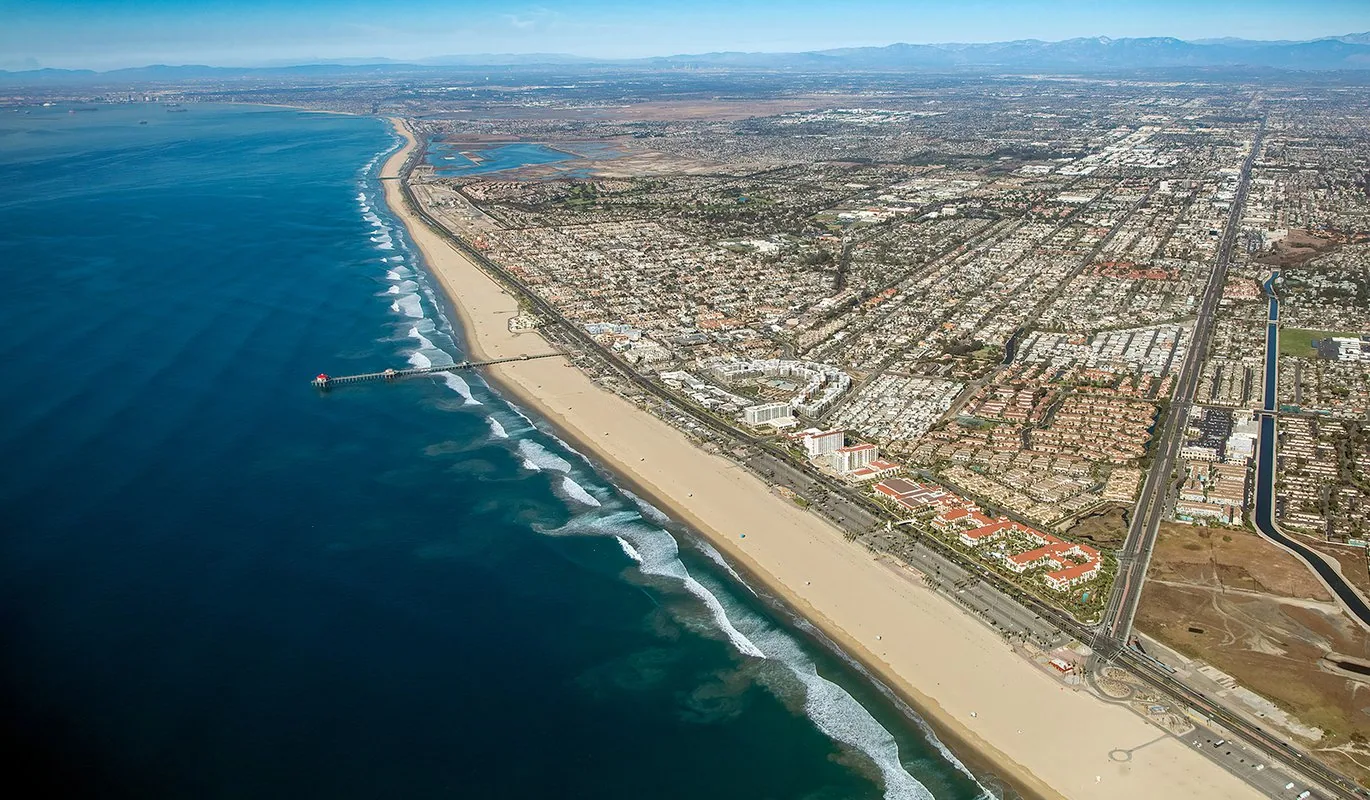

Proudly Serving Huntington Beach and Nearby Cities

Commercial Roofers Huntington Beach
Huntington Beach, Westminster, Seal Beach, Fountain Valley,
Garden Grove, Newport Beach and nearby Orange County cities