
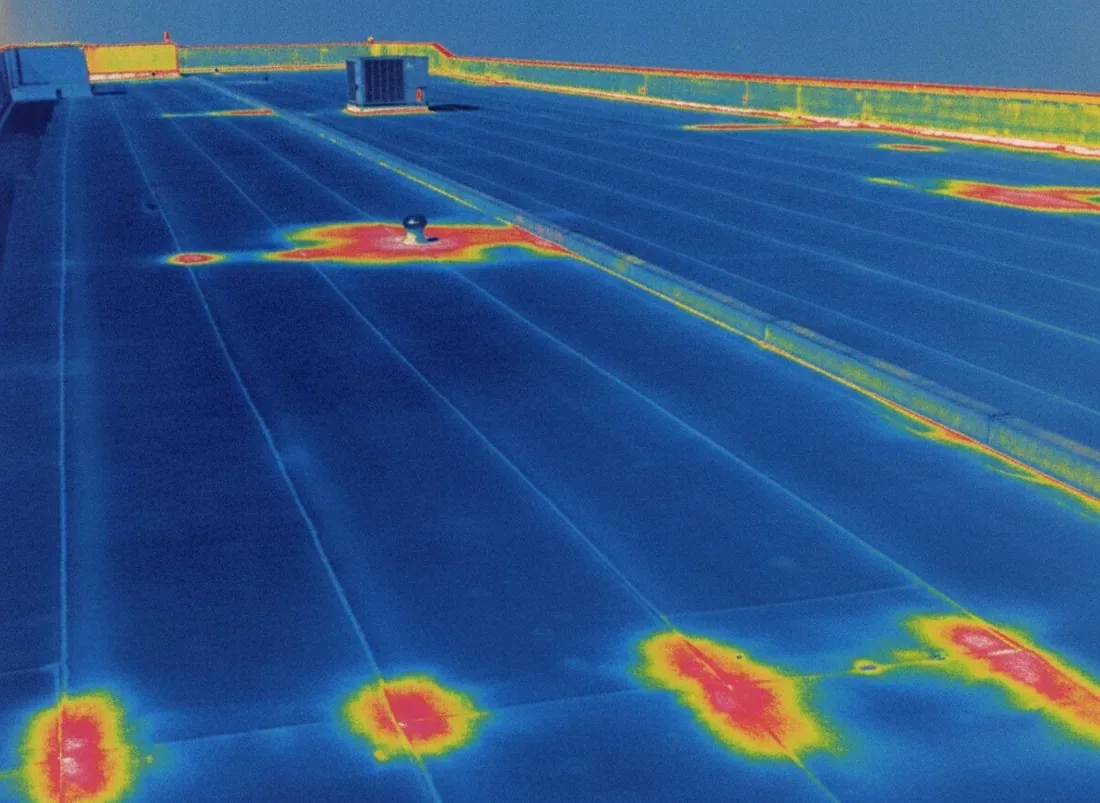
Infrared Moisture Survey in Huntington Beach, CA
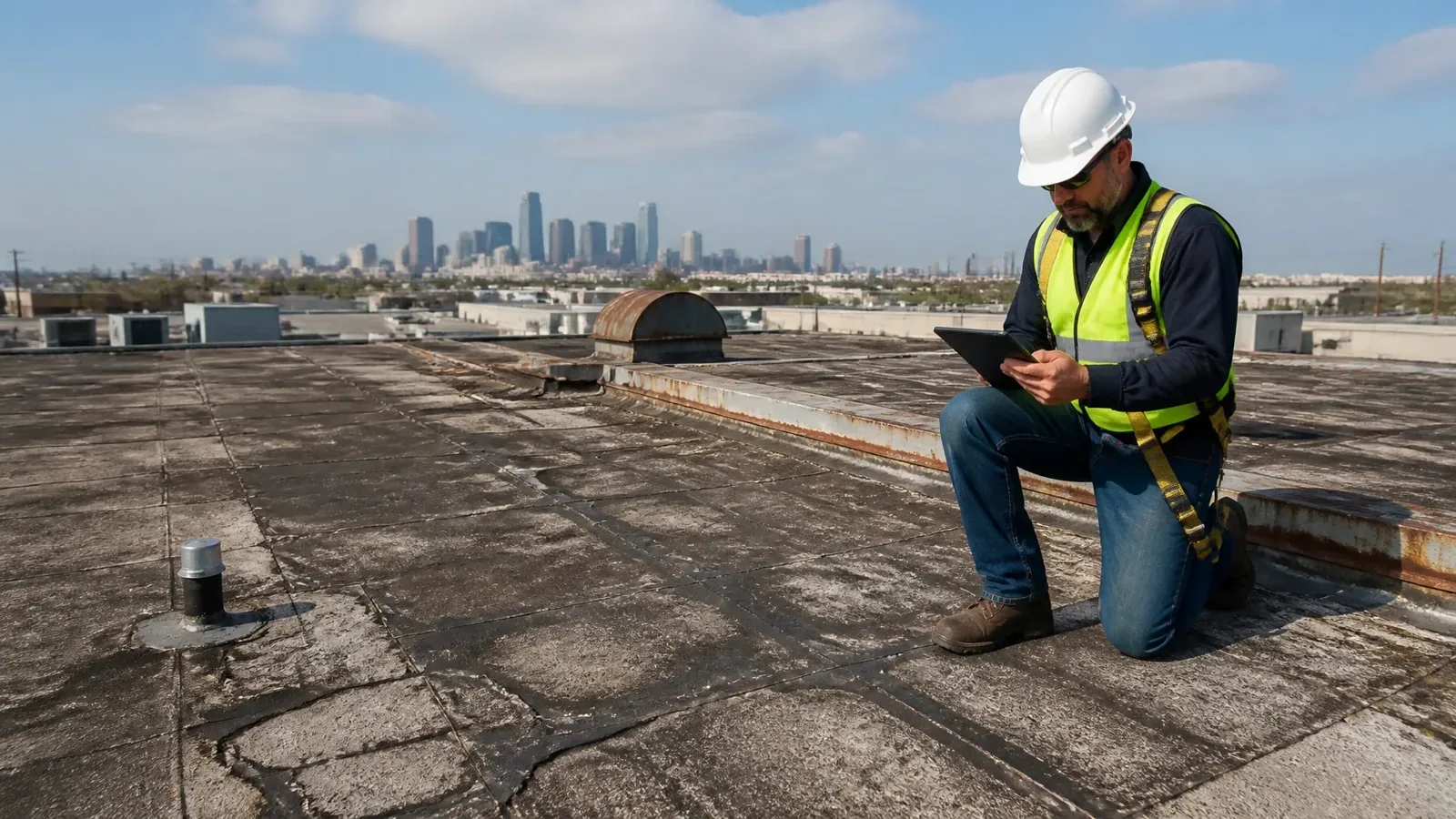
Moisture under a roof membrane can change a repair from a small patch to selective removal. Commercial Roofers Huntington Beach conducts infrared moisture surveys in Huntington Beach, CA, to identify temperature patterns that may warrant confirmation. We mark the scan area, note surface and weather conditions, and recommend core samples or other checks where the result will affect the repair extent. Infrared readings point to areas for investigation; they do not identify water by themselves.
The Gothard Street Subarea includes manufacturing, warehouses, auto repair, retail and offices, while Northwest Industrial includes business parks, large offices and industrial or research uses. Large or varied roof plans benefit from a clear scan map. The property’s assembly, access and decision determine where testing adds useful evidence.
What question should the survey answer?
Before scanning, we identify the owner’s decision: locate suspected wet insulation, compare repair areas or narrow the scope before replacement. The roof plan shows the scan boundary and any excluded zones. We note recent patching, equipment shadows, surface coating and other conditions that can influence thermal patterns. That context helps distinguish a useful anomaly from a reading that needs another method.
Infrared devices measure surface temperature differences. A warm or cool pattern may relate to moisture, insulation changes, air movement, reflected heat or other conditions. We do not label a concealed layer wet solely from a thermal image. Instead, the report maps the pattern and proposes a confirmation point when the roof decision depends on what is below.
A hands-on roof inspection can pair thermal targets with visual conditions at seams, drains, edges and penetrations.
When are scan conditions useful?
Thermal contrast changes through the day and with surface conditions. The survey plan considers recent sun exposure, cloud cover, wind, roof material and whether the membrane is wet. We record the conditions during collection and identify areas where shadows or equipment limit interpretation. If a scan would not answer the owner’s question that day, we recommend a different window or another test rather than stretching the image beyond what it shows.
Nearby Newport Beach Harbor normals show cool coastal temperatures, few freezing days and very low average summer rainfall. Those climate averages do not replace the weather on the roof during a survey. Santa Ana winds can bring warm, dry offshore conditions and change both surface behavior and safe access. We use the live conditions in deciding when to scan.
At the end of collection, the operator reviews the coverage against the plan and notes any blind areas. The site contact can then decide whether to open a sample point or schedule access to a roof section not captured.
How does core confirmation work?
A core sample can confirm the layers at a selected point and show whether insulation is wet there. We agree on the location, obtain authorization and protect the interior before opening the assembly. The sample is photographed and its position marked on the roof plan. After examination, the opening is closed with a compatible repair detail and recorded for follow-up.
One sample describes one location. If thermal patterns cover a wider area, the owner may approve multiple points to test whether the condition changes across the roof. We tie each result to its position and explain how that evidence supports a removal boundary. Insulation and cover-board work can be included when confirmed material needs replacement.
If access beneath the roof is restricted, the manager identifies who can approve entry and when. The test plan includes the responsible person for interior protection and the roofer’s closeout check after the sample opening is restored.
How does the map guide repair scope?
The survey map distinguishes thermal targets, confirmed sample points and areas not examined. The repair scope can then follow evidence instead of treating every unusual color as wet material. If a core finds moisture at the target, we review adjacent seams, drainage and penetrations to understand how it may have entered. A dry sample can narrow a question at that point without proving every neighboring area is dry.
Where insulation removal is justified, we mark the boundary and the new material needed. If the roof remains sound outside that zone, selective work may limit disruption. Roof repair can correct an identified seam or flashing; larger moisture extent may require replacement planning or an evaluation of recover suitability.
At a business park or industrial area, roof access and staging depend on the facility’s current operation. Gothard Street properties include rail-adjacent employment uses, while Northwest Industrial sits beside I-405. Those settings make access planning important, but the confirmed test locations determine the material scope.
What affects the survey schedule?
Roof access, survey size, surface type, recent weather, sunlight, wind and interior permissions influence timing. A large property may require separate capture windows for roof sections with different exposure. We confirm whether a lift, escort or equipment shutdown is needed and identify a weather window that gives the selected method a useful comparison.
Newport Harbor’s rainfall normals concentrate precipitation in the cooler months and show nearly zero summer averages. That seasonal pattern can help schedule dry conditions, though a survey date still depends on recent site weather. If the membrane is wet, a scan may need to wait until the surface is suitable. Santa Ana conditions can also change safe access; the site contact receives an update if the plan must move.
Costs reflect the scan area, access equipment, image interpretation, number of confirmation samples and any repair performed after testing. We list the survey and corrective work separately so the owner can authorize evidence gathering before committing to a removal scope.
What should the survey file preserve?
The report should include the roof plan, scan boundary, collection conditions, thermal images, interpreted target areas, sample locations and core findings. We note limitations and identify what remains untested. That record helps an estimator or property manager connect the recommendation to the same map, even when someone else routes the approval.
For broader roof planning, a condition report can keep survey findings with inspection photographs and repair history. A recover evaluation can use confirmed moisture extent when reviewing another layer. In the Northwest Industrial Subarea, the site contact should confirm roof entry and staging before a scan or core visit.
Share the affected building, leak or repair history, roof plan, access contact and the decision the survey must support. We will identify suitable scan conditions, mark confirmation points and return findings tied to the repair extent.
Commercial Roofing Questions
What confirmation does a thermal target still require?
No. Thermal patterns identify areas that may need confirmation. A core or other suitable test checks the layer at a marked point before the repair boundary is set.
Why can a scan show a pattern that is not moisture?
Surface material, sunlight, shadows, air movement and equipment can affect temperature. We document those conditions and recommend another test if the pattern would change the scope.
How many core samples are needed?
The count follows the survey pattern and the roof decision. We mark proposed points and explain what each sample can confirm before the owner authorizes an opening.
Can the roof remain open after a core test?
We close each authorized sample opening with a compatible repair detail and record its location. The closeout photo lets a later inspection return to the same point.
Which weather and surface conditions support a useful thermal capture?
Choose a window with suitable surface and weather conditions for the roof and instrument. We review recent weather, sun exposure and access before confirming the collection time.


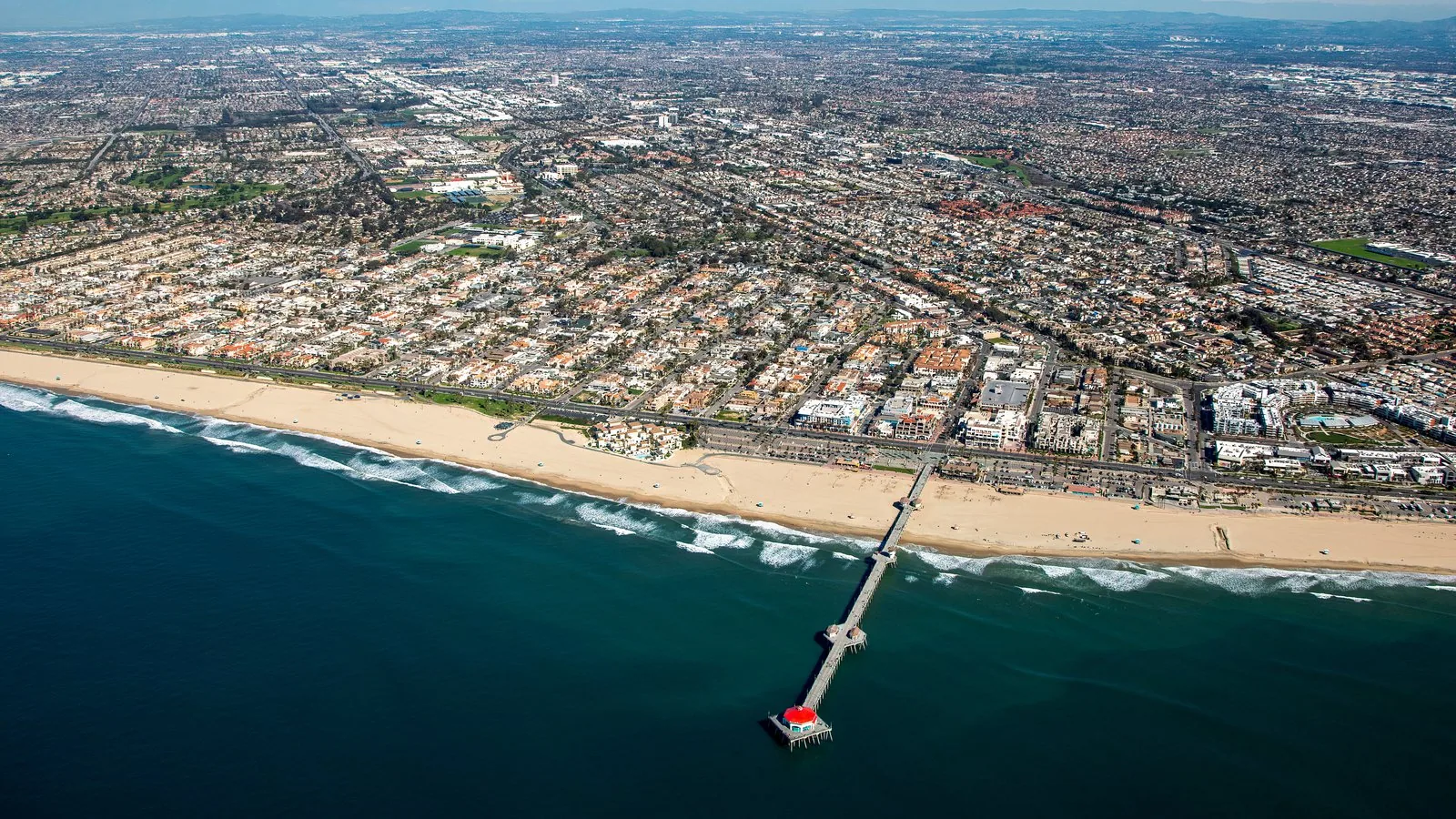
Proudly Serving Huntington Beach and Nearby Cities
Commercial Roofers Huntington Beach
Huntington Beach, Westminster, Seal Beach, Fountain Valley,
Garden Grove, Newport Beach and nearby Orange County cities