
Multi-Site Roof Programs in Huntington Beach, CA
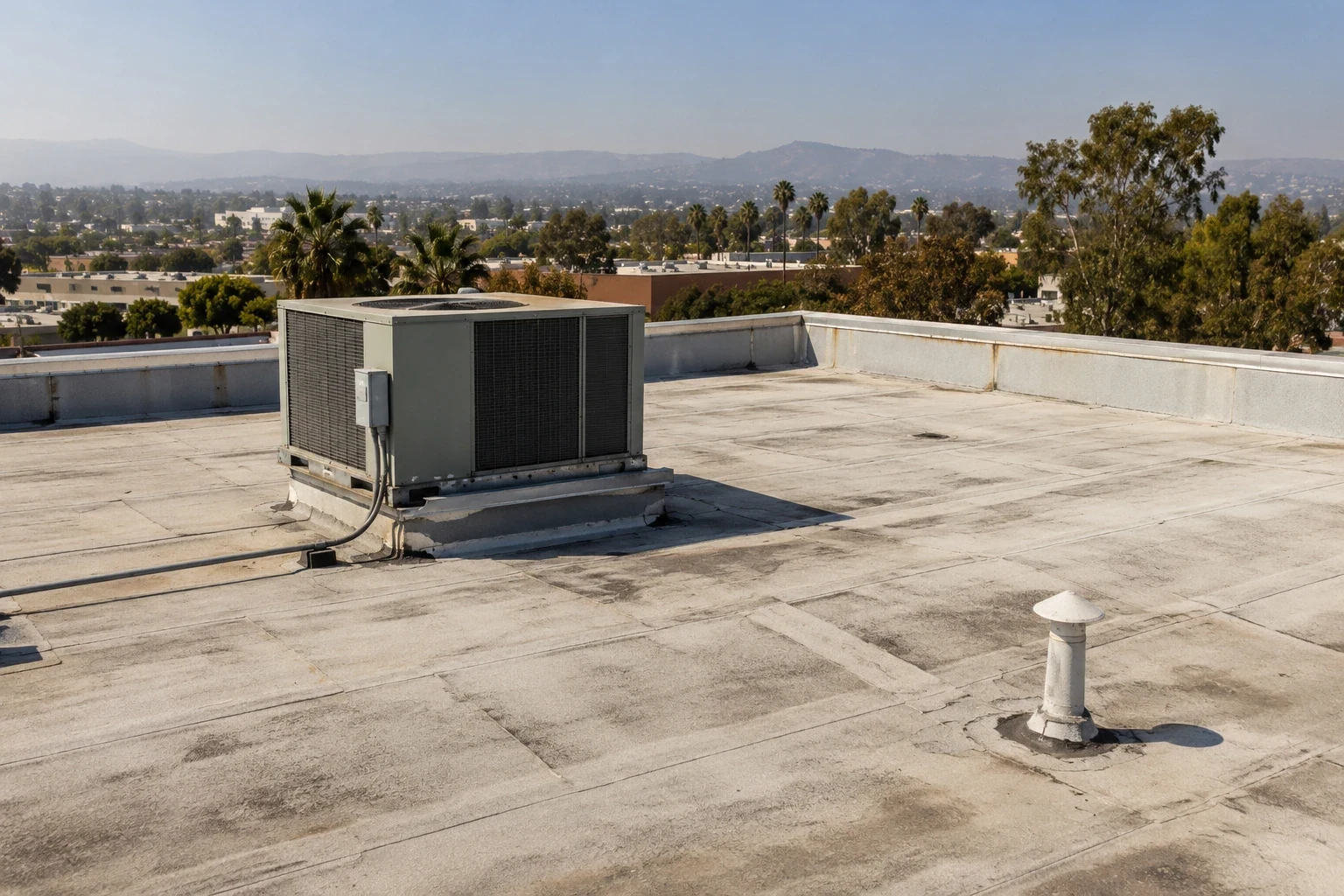
Several leak calls arriving together still need separate building locations and access decisions. We establish the affected property, room, and immediate exposure for each report before setting the dispatch order. Commercial Roofers Huntington Beach coordinates multi-site roof programs in Huntington Beach, CA, and surrounding service areas. The program gives a property team a consistent way to request work while keeping each roof's assembly, condition, and operating limits distinct.
A portfolio can combine a warehouse in the Gothard Street Subarea with visitor-serving premises near Pacific Coast Highway. Those settings have different access patterns and interior protection needs. We confirm the actual buildings and contacts participating in the program, then identify the roof information needed to support inspections, urgent repairs, maintenance, and larger projects. A shared administrative process should help a decision reach the right building rather than erase its particular constraints.
Which information must remain separate for each building?
The property record begins with roof sections, assembly information available, drainage locations, equipment, repair history, and the contact who can arrange entry. Different additions can require separate records within one building. We keep photographs attached to roof positions so a later repair crew can locate the same curb or seam. A general condition summary can help the portfolio manager, but the supporting detail must still identify which section needs work.
Tracking individual roof assets makes changes visible when an equipment replacement, tenant alteration, or roofing project modifies the assembly. The new work is recorded without overwriting unrelated observations. Where installation records are missing, we identify the examination needed to establish material or concealed conditions. That prevents an uncertain membrane identification at one property from being carried into a repair specification for another building simply because both belong to the same owner.
How should simultaneous roof reports be prioritized?
Water near electrical equipment, unstable ceiling material, or a vulnerable occupied area changes the first response. The building contact keeps people away from the hazard and provides the room location and safe access information. We compare immediate protection needs before assigning a permanent repair sequence. A small opening over sensitive equipment can warrant earlier action than a larger dry surface defect at another site. The program records the reason for that priority.
Emergency response is available after hours as well as through weekends and holidays. A shared contact procedure identifies who can authorize entry and temporary protection at each property. After the immediate concern is controlled, location-specific leak investigation traces the water route and establishes repair extent. The portfolio update distinguishes an area protected temporarily from a roof repaired permanently, with the remaining test or return visit attached to the affected building.
Which maintenance tasks can be scheduled together?
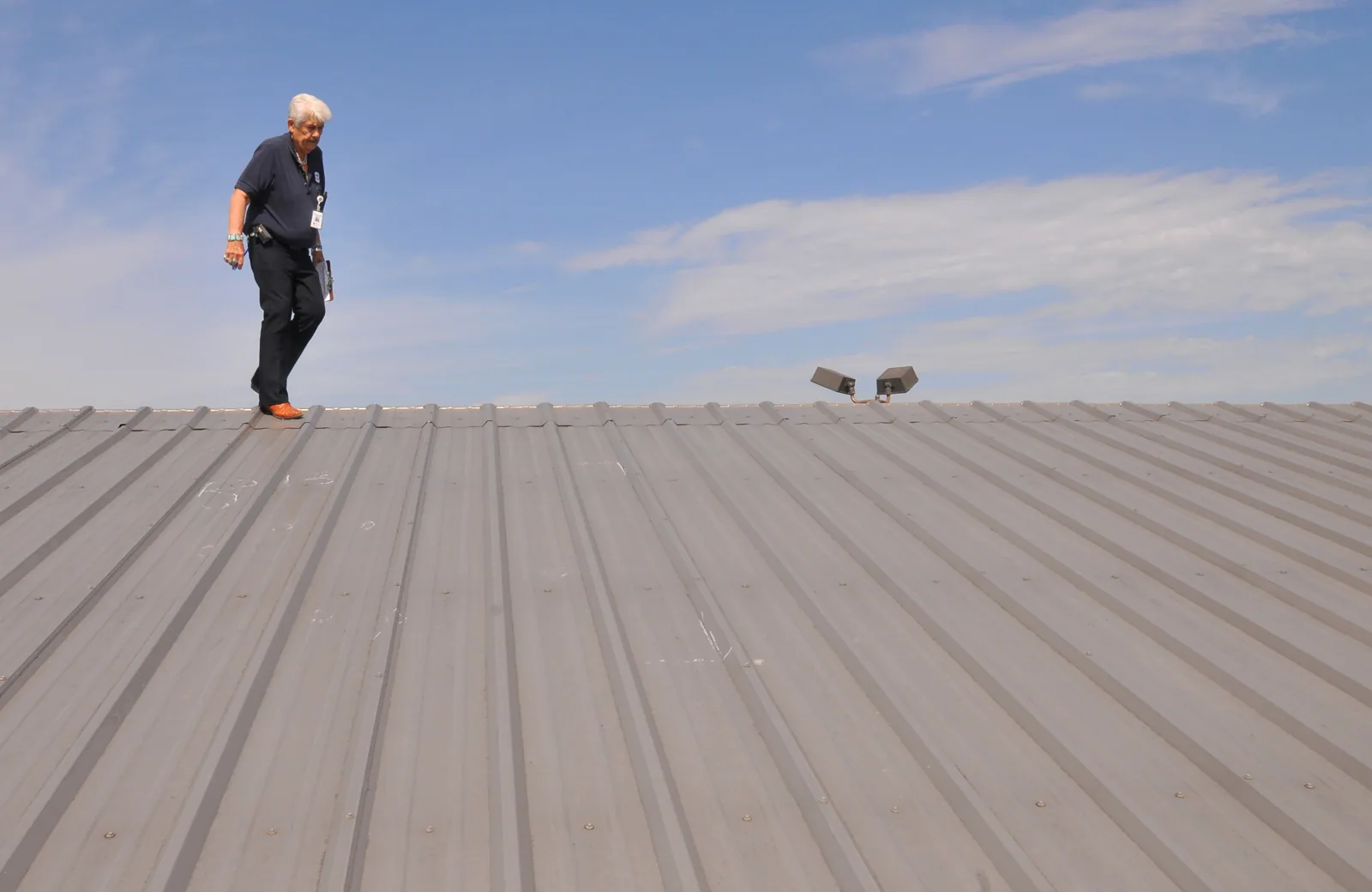
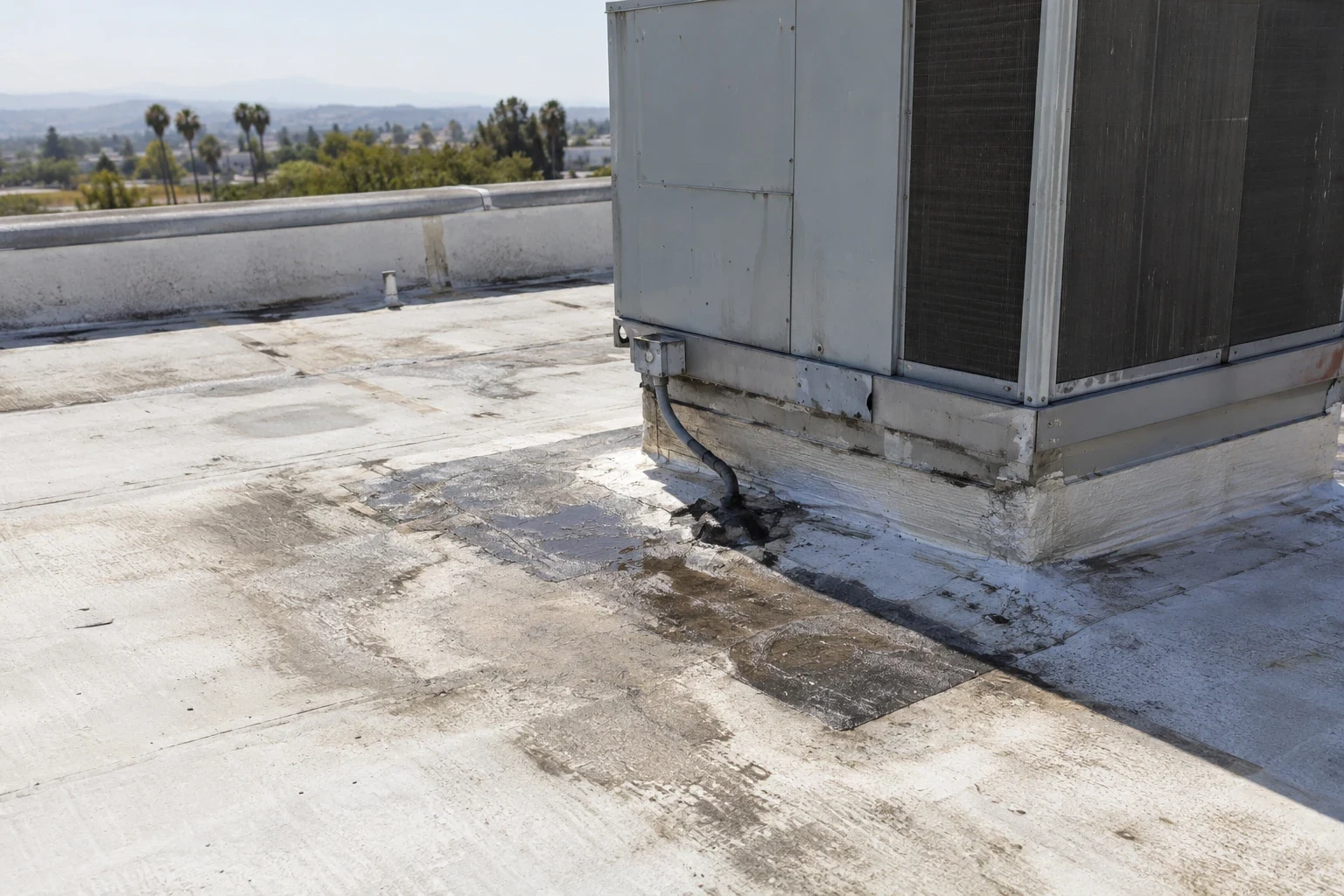
Several properties can share a maintenance period while requiring different tasks. One roof may need drains cleared; another may need failed flashing examined or traffic protection corrected. We use the latest condition record to define the visit instead of applying an identical task list everywhere. A completed maintenance record identifies the outlets, seams, equipment connections, and roof sections actually examined, including an inaccessible area that needs another entry arrangement.
The Pacific Coast Highway commercial corridor includes visitor-serving nodes, while Gothard Street has manufacturing and warehouse activity. That contrast helps the program anticipate public entrances versus working yard movements, with each property confirming its own restrictions. Scheduled roof maintenance visits can be grouped when access and weather permit. The shared schedule still preserves the time required for a particular drain path, equipment curb, or occupied room below the roof.
How should weather and local review affect the schedule?
A prepared roof area needs suitable application conditions even if neighboring properties are ready to proceed. We check forecast, surface moisture, wind, and the selected material's requirements for each job. The marine-coast setting represented by nearby Newport Beach Harbor differs from inland Orange County exposure. That distinction makes one portfolio-wide assumption about temperature or drying conditions unsuitable for all buildings. The roof crew confirms the conditions that matter to its planned opening and closing work.
Warm offshore Santa Ana conditions can alter coastal access and material handling. A program should allow the affected visit to move while other suitable work continues. Permit review also follows the property's jurisdiction and alteration scope. Seal Beach maintains its own planning and building-permit review, so a project there requires its own approval path. We identify these prerequisites before a portfolio schedule is treated as a construction commitment, reducing the chance that a ready building waits for an unrelated site's missing requirement.
Which buildings need capital work before more maintenance?
Recurring repairs become a capital question when the underlying assembly no longer supports a useful local fix. We compare wet insulation, attachment, membrane condition, drainage, and concealed findings at the affected property. Another roof with a contained defect may still support repair. Sequencing roof capital work uses those differences to separate immediate protection, testing, planned repairs, and replacement candidates. The sequence should show the evidence for each recommendation and the decision still needed.
Scope comparison includes removal depth, equipment transitions, deck work, access, and daily closing limits. A standard material preference can be evaluated against each building's requirements without becoming an automatic specification. Several occupied properties may also compete for the same seasonal work interval. We establish the allowable openings and staffing coordination for phased roof construction over occupied space, then set an achievable order that accounts for tenants and operations as well as roof condition.
What shows that a portfolio repair is actually complete?
A work order closes with the property, roof position, findings, work performed, and completed photographs. A temporary measure has its own permanent follow-up; testing or a separate repair remains visible as an open action. We distinguish the crew's roofing completion from a manager's release of affected interior space. The central record should let another authorized person understand the next step without depending on the memory of the person who first reported the leak.
A return visit examines the marked repair after suitable weather or an approved test where that check is needed. Roof coordination for property managers connects those building updates with scheduling and approvals across the participating properties. The program can then change as roofs are repaired, replaced, acquired, or sold. Share the participating building list and current interior reports so the first review can identify urgent protection, incomplete condition information, and maintenance work ready for scheduling.
Commercial Roofing Questions
Can one manager approve work while different people open the buildings?
Separate authorization and access roles can be recorded for each property. We identify the person who approves the scope, the person who arranges entry, and the contact who receives the work update. Any after-hours protection procedure should also state who can authorize that action before an urgent report occurs.
Will all portfolio roofs receive the same repair materials?
The installed assembly and observed defect determine repair compatibility. We identify membranes, coatings, and metal details at the affected building before selecting components. A purchasing preference can guide evaluation, but it cannot replace the preparation and connection requirements of the roof receiving the repair.
How do we track a temporary cover that still needs replacement?
Keep the protection and permanent work as distinct actions in the building record. We locate the temporary measure, explain what it protects, and identify the examination or repair needed next. The program update keeps that follow-up open even if immediate water entry has stopped.
Can a newly acquired building join before its roof records are complete?
Available plans and reports provide a starting point, followed by an examination of current conditions. We identify missing assembly information and any testing needed for immediate decisions. The new property's uncertainties remain visible while urgent protection and supported maintenance proceed under its own access arrangements.
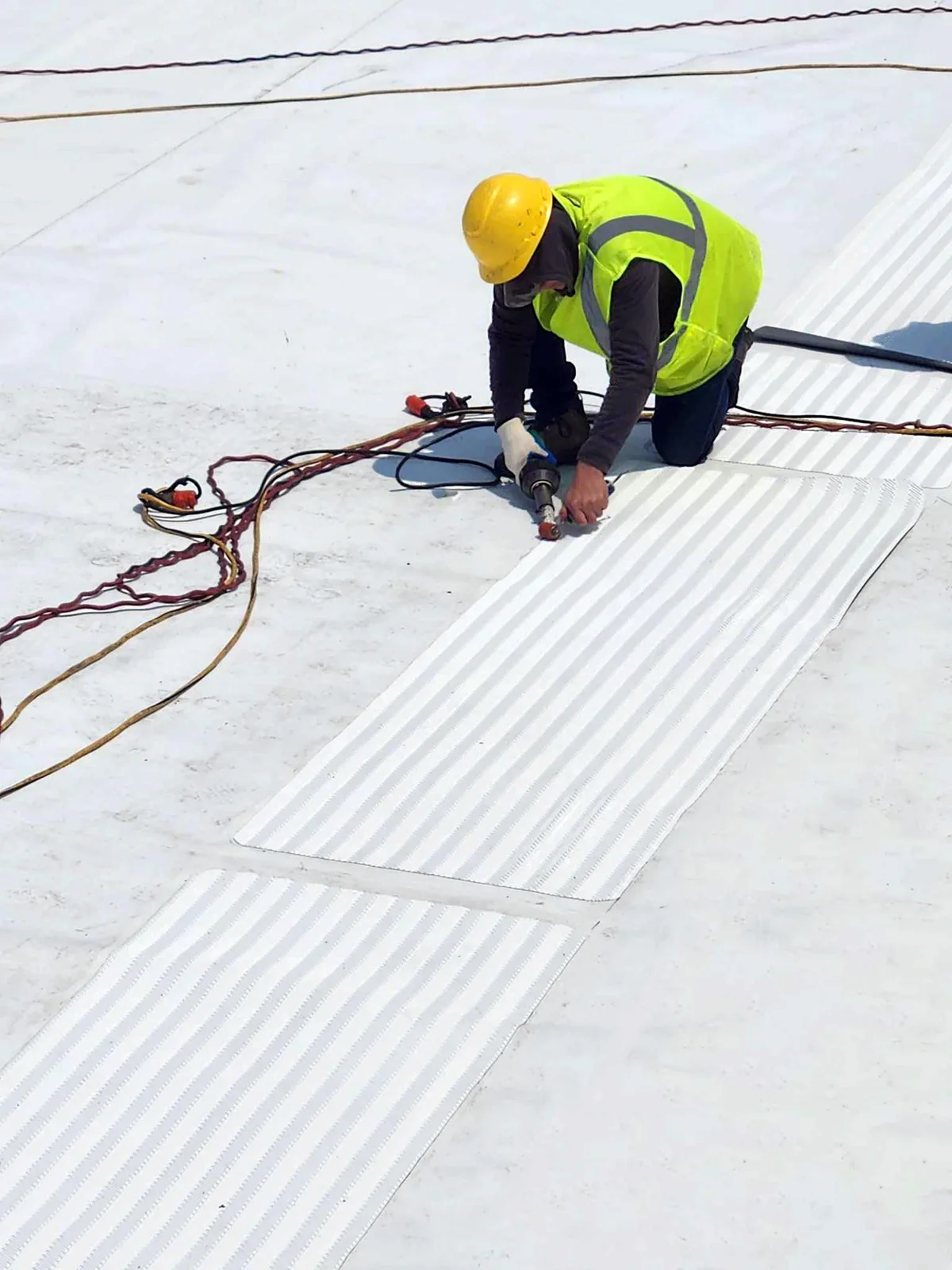
What the work involves on a commercial roof

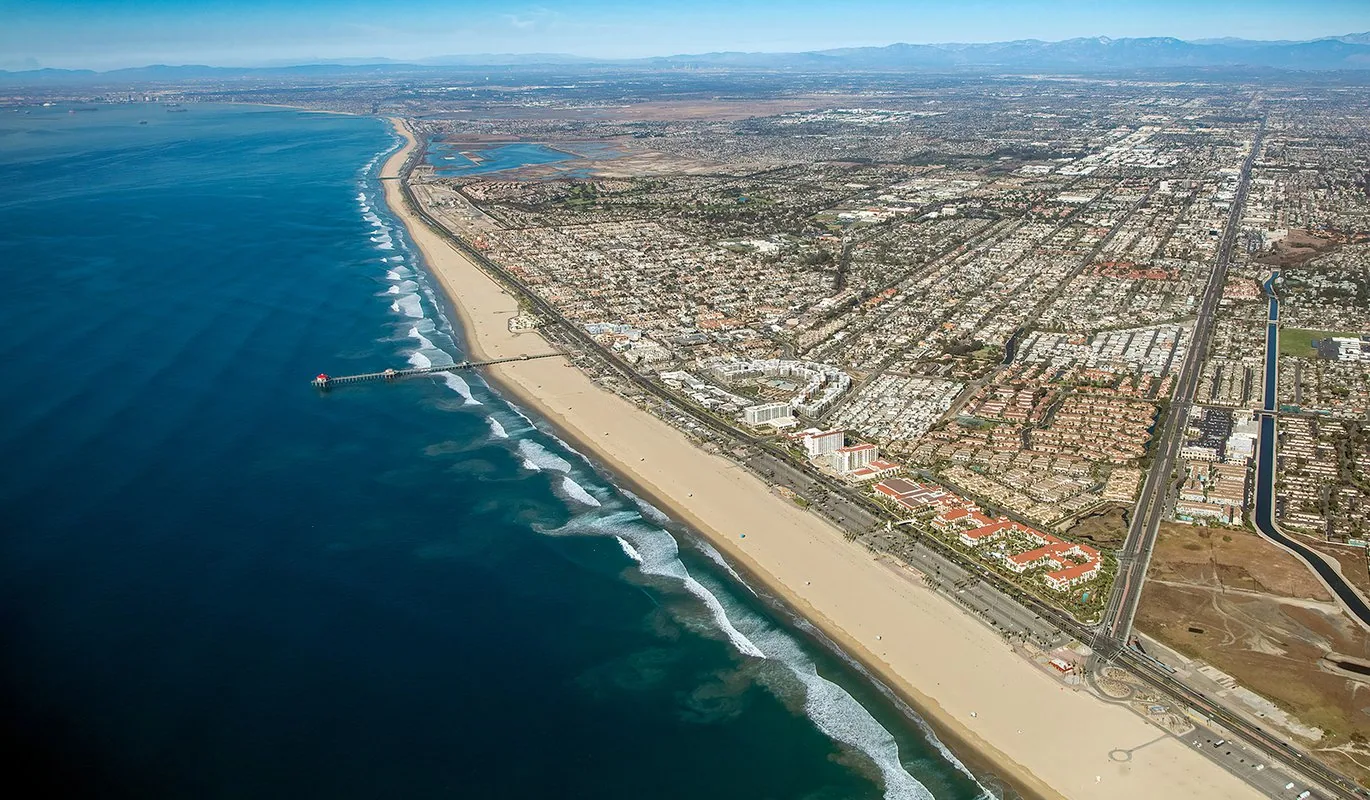
Proudly Serving Huntington Beach and Nearby Cities

Commercial Roofers Huntington Beach
Huntington Beach, Westminster, Seal Beach, Fountain Valley,
Garden Grove, Newport Beach and nearby Orange County cities