
Roof Asset Management in Huntington Beach, CA
A repeat leak logged under two building names can send a repair crew to the wrong roof zone. The first step is to connect the affected room with a consistent building identifier and a usable roof plan. Commercial Roofers Huntington Beach provides roof asset management in Huntington Beach, CA, helping owners keep inspections, repairs and future decisions connected to the same assembly. A service record should make the next action easier to locate and approve.
A portfolio can include manufacturing and storage properties in the Gothard Street Subarea and visitor-serving buildings near Pacific Coast Highway. Those uses bring different roof access and operating restrictions. We record those limits with the roof condition rather than giving every building the same maintenance task. Nearby Newport Beach Harbor's winter-focused rainfall pattern also makes drainage readiness useful to track before wetter weather returns.
Can every roof area be found without a phone call?
A building identifier should stay consistent across inspection photographs, tenant reports and work orders. We divide the roof into practical zones using stable features such as walls, height changes and equipment groups. Drain positions and access points are marked so a facilities contact can relate a room report to the exterior area. If the property has additions or several systems, each assembly receives its own description instead of a single material label for the whole building.
The starting record includes the observed membrane or metal, insulation information available from reliable records, known repair areas and outstanding questions. Unknown layers remain an inspection item until records or appropriate testing establish them. That distinction prevents a later recover decision from treating an old assumption as a confirmed assembly. Photographs need enough surrounding context to make the close detail findable on the next visit.
A condition record linked to roof locations gives the manager a usable starting point. We update it as work proceeds so repaired defects do not remain listed as open recommendations.
Which conditions should change a roof priority?
An active leak over electrical equipment needs different urgency from a weathered surface that remains intact. We assess the observed defect, the room below and the available protection step. Loose edge material, blocked drainage and an opening at a curb each have their own consequences. The priority describes the action needed and what condition would make it more urgent, rather than assigning a vague rating without a next task.
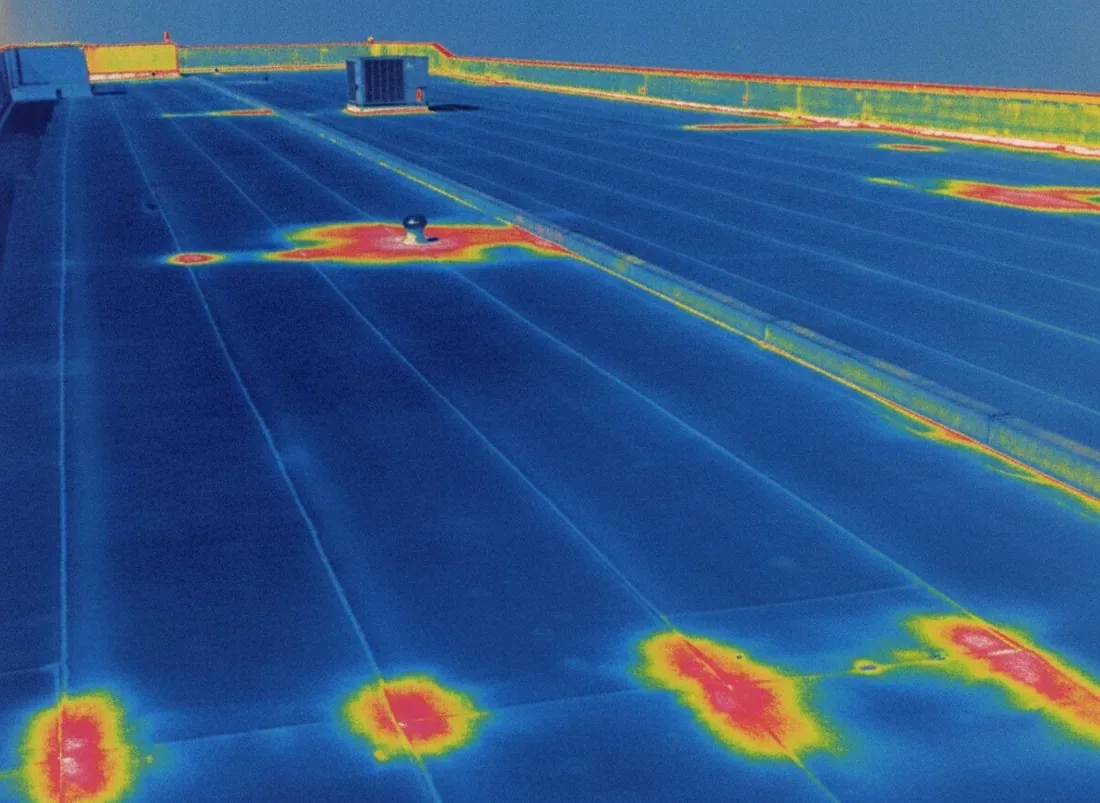
Repeated leaks deserve comparison with completed repairs and later equipment service. A new penetration may explain a changed water route, while several failures in the same membrane can point toward a wider condition review. Moisture testing is useful where the result changes repair extent or retention of layers. We identify that decision before requesting testing, so a survey becomes evidence for a task rather than another document stored without an operating purpose.
For buildings in the Gothard Street employment area, manufacturing, warehousing and repair uses can require different shutdown limits. We connect roof urgency to the inspected condition and the affected operation, not simply to the property's industry.
What belongs in the maintenance work list?
A useful maintenance list names the drain to clear, seam to examine or flashing connection to repair. We distinguish routine access and cleaning from corrective construction, then identify the material and roof zone involved. Service traffic routes and equipment supports are included where they affect roofing. The list can then be assigned to a work window with a clear completion record instead of remaining a broad request to check the roof.
The preventive maintenance visit can review those marked items and photograph changes. A finished task should show what was done and whether another condition remains. If a drain bowl is cleaned but the membrane connection is damaged, that repair stays open. Keeping the distinction visible avoids treating a service visit as proof that every roof issue was resolved.
For an active opening, calls are accepted at any hour, including holiday and weekend periods. Temporary protection is recorded with its boundary and required return work. The permanent correction then replaces the temporary task in the roof history.
How do buildings stay comparable without identical scopes?
Common record fields allow an owner to compare condition and urgency without pretending every roof performs the same way. We keep observed defects, moisture findings, access restrictions and recommended next actions distinct. A dry, serviceable roof with a local curb repair should not receive the same replacement recommendation as an assembly with broad wet layers. Each building has its own inspection basis even when the work is coordinated across the portfolio.
On Pacific Coast Highway, visitor-serving uses can affect deliveries and pedestrian protection. A property in an industrial area may need material movement coordinated with yard traffic instead. We identify those operating differences when preparing a coordinated roofing program. Shared purchasing or visits can reduce repeated setup, but necessary site-specific protection and repair details remain in each scope.
Material changes and additions also need to be reflected in the asset record. A replacement on one wing does not reset the condition of another. The roof plan should show both assemblies and the transition between them.
When should the roof record support a capital decision?
A pattern of extensive wet material, repeated seam deterioration or failed attachment can justify planning beyond isolated repairs. We use current findings and the repair history to describe what can remain in service and what needs a replacement assessment. The owner receives immediate work, investigation and longer-term construction as distinct decisions. That helps avoid spending on repeated temporary corrections while a necessary removal scope remains undefined.
With capital planning for the roof portfolio, access, disposal, insulation and changed drainage details are included in the timing discussion. Roof condition may require action before a preferred budget period; a sound local repair may also support continued use while broader work is prepared. We identify the field conditions that support either choice and the return check needed to keep the interim decision current.
The record is reviewed after significant roof work or an equipment change that affects roofing. Closeout photographs, repaired zones and outstanding recommendations should be retained together. The next facilities contact can then act on the present roof condition rather than reconstructing it from scattered invoices.
Commercial Roofing Questions
Do we need original drawings before roof records can be organized?
An accurate current roof plan can be developed from an inspection even if older drawings are missing. We identify visible systems and mark questions about concealed layers for confirmation. Existing plans and specifications remain useful when they can be connected to the actual installed assembly.
How do you keep a temporary patch from disappearing into the repair history?
Temporary protection receives its own marked location and return requirement. We update the record when permanent work closes that area, keeping the completed correction connected to the earlier leak. A patch remains an open follow-up item until its intended next step is addressed.
Can the same roof rating be used for an office and a warehouse?
Comparable condition fields are useful, but the building consequence also matters. We describe both the roof defect and the affected operation. A local opening over occupied offices and broad wet insulation over storage may require different protection and construction decisions even with similar-looking surface damage.
What changes should our equipment service team report?
Report new penetrations, moved supports, discarded materials and any damage noticed along the service route. We can review the roofing interface and update the plan. Keeping those changes with the inspection history helps future water reports lead to the right roof detail.


Proudly Serving Huntington Beach and Nearby Cities

Commercial Roofers Huntington Beach
Huntington Beach, Westminster, Seal Beach, Fountain Valley,
Garden Grove, Newport Beach and nearby Orange County cities