
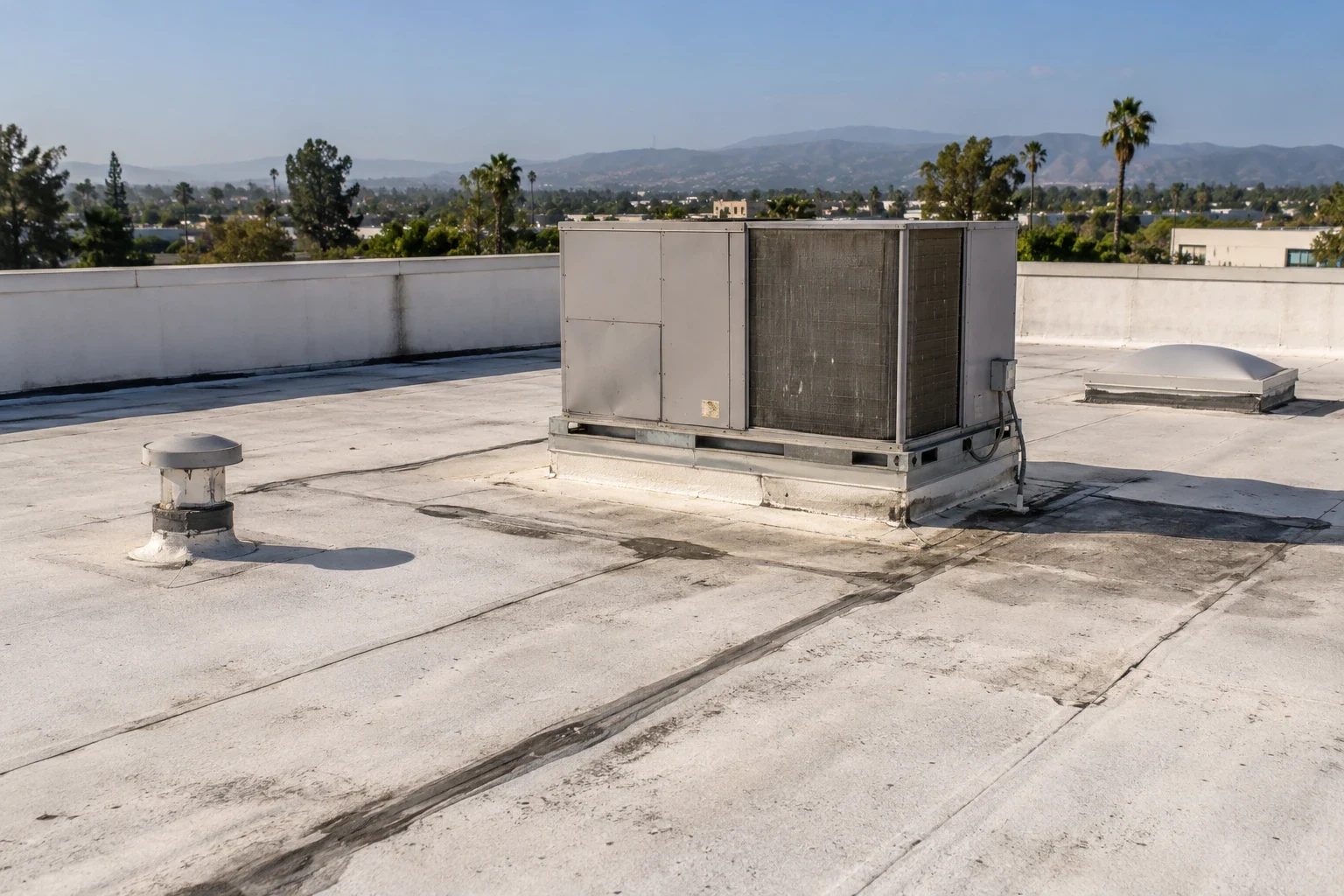
Occupied Building Reroofing in Huntington Beach, CA
A business that remains open during reroofing needs a daily boundary the crew can protect and the site contact can explain. We divide the roof into work zones, connect each zone to the interior areas below, and agree on access, noise windows, deliveries, and stopping points before removal begins. Each phase should end with a defined dry-in condition. The owner receives a record of what is complete, what remains protected, and what decision is needed before the next section opens.
Huntington Beach, CA, has manufacturing and warehousing in the Gothard Street Subarea and visitor-serving uses along Beach Boulevard, Pacific Coast Highway, and Five Points. The work sequence may differ between those settings, but we confirm the actual building schedule and roof layout rather than assuming from the district. Newport Beach Harbor normals show most rainfall in winter and very little in summer; current forecasts and site conditions still control each exposed work window.
How is the roof divided into workable zones?
We start with the roof plan, drainage paths, expansion joints, equipment, and access points. The proposed zones should be small enough to close each day and arranged so water continues toward functioning drains or scuppers. We mark the sequence on a plan and identify any area that cannot be opened until another trade or building operation is clear. The site contact reviews those boundaries before mobilization.
On a long roof, phasing can follow building sections or operational divisions, but one plan does not fit every property. A replacement scope identifies removal, insulation, new membrane, edge details, and temporary protection for each phase. A drainage check confirms whether outlets can stay active as work progresses. Each completed zone is photographed and marked so maintenance staff know which area is ready and which remains under construction.
What protection is needed below the work?
Before the roof is opened, we identify occupied rooms, sensitive equipment, inventory, and any area where water or falling debris would interrupt operations. The property team confirms what must be relocated, covered, or temporarily shut down. We coordinate the expected work window and emergency contact for the building. The protection plan names the interior area below each active roof zone and the person who can respond if conditions change.
Removal and deck work can create noise, vibration, dust, and short access restrictions. We include those impacts in the sequence rather than treating them as an afterthought. A commercial office setting may need different notice and protection than a warehouse or an industrial space. The owner or facility contact sets operational rules; our daily record lists which roof area and interior protection measures were active during each shift.
How does the weather window affect daily closeout?
Winter rain is a seasonal planning concern in coastal Orange County, while Newport Harbor normal rainfall is close to zero in summer. Those normal values help frame the calendar but do not replace the current forecast. We check conditions before opening materials, define a dry-in boundary, and stop at a point that can be made watertight within the work window. If rain, wind, or surface moisture changes the plan, the crew protects the active area and records the return action.
A Santa Ana episode brings the possibility of coastal warming and dry winds arriving from inland rather than the ocean. We account for forecast conditions when staging membrane, arranging temporary cover, and choosing an application window. The site contact receives the zone status and any access change. A temporary response may be needed if an opening is compromised, but it is documented separately from the permanent reroof scope and scheduled for a return check.
How are deliveries and roof access coordinated?
Material delivery, lift placement, employee entrances, loading routes, and fire access need to be reviewed before the first phase. In the 422-acre Gothard Street Subarea, the broader employment area includes rail right-of-way at its eastern edge, but a specific property's access route must be confirmed on site. Along a Pacific Coast Highway visitor corridor, the property contact may set pedestrian paths and customer entry requirements. We show each approved route on the daily sequence and update it if staging changes.
Where several crews share the roof, we assign the work interface and order of operations. Mechanical equipment, skylights, rooftop supports, and penetrations should not be left exposed while another trade waits. A curb and support inspection can identify details that need repair before the new membrane closes around them. A TPO assembly is installed to the specified system and project documents, not selected by the building's use or location.
We also confirm where debris will be lowered, how deliveries will be separated from customer or employee movement, and when a lift may occupy a parking or service area. A change in staging can affect the crew's route and the phase that can be completed that day. The manager receives the revised path and active roof boundary before work continues, so temporary barriers and notices stay aligned with the actual operation.
What should the manager receive at the end of each shift?
A useful daily update lists the zone opened, material removed, new layers installed, dry-in boundary, and protection remaining. We identify completed details, open work, weather-related stops, and any condition that needs owner authorization. The photos should match the plan labels so operations staff can see which part of the roof is active without climbing onto it or relying on an informal text message.
A condition report can preserve the phase map, inspection photos, and approved scope changes. At each handoff, we state when the zone is ready for normal access and whether a follow-up check remains. If work reveals wet insulation or an unexpected deck issue, the manager receives evidence and an approval request before the repair boundary moves beyond the agreed quantity.
How is the building returned to normal operation?
Final closeout confirms which roof zones are complete, the system installed, drainage and edge details checked, and any warranty or maintenance documents provided. We remove temporary protection that is no longer required and list any retained cover or unfinished item with a return date. The interior contact can confirm that affected rooms and access routes have returned to their agreed condition.
Buildings in the Northwest Industrial Subarea and properties near Downtown or Five Points have different access and operating contexts, so the record remains tied to the inspected address and approved plan. Share the roof plan, occupied hours, affected rooms, access contact, and any notice requirements when planning a reroof. We will propose a sequence that keeps a clear work boundary and gives the site contact a reliable status at each phase.
Commercial Roofing Questions
Can employees or tenants remain in the building during reroofing?
Often, yes, when access, interior protection, and the roof sequence can be coordinated. We identify affected spaces with the site contact and include required restrictions in the phase plan.
How do you keep a roof watertight at the end of a shift?
Each phase has a planned dry-in boundary and a stopping point. We record the temporary protection and return task if weather or a concealed condition interrupts the sequence.
Will every work zone take the same amount of time?
No. Removal depth, penetrations, equipment, drainage, access, and concealed conditions change the duration. We update the manager with the evidence and any scope change.
How much notice should operations receive?
The property team sets its notice requirements. We provide the planned access route, active zone, noise or staging window, affected interior areas, and daily status for distribution.
What happens if rain is forecast after a phase opens?
We compare the work area with the available weather window, close or temporarily cover the defined zone, and tell the site contact what remains before permanent closeout.
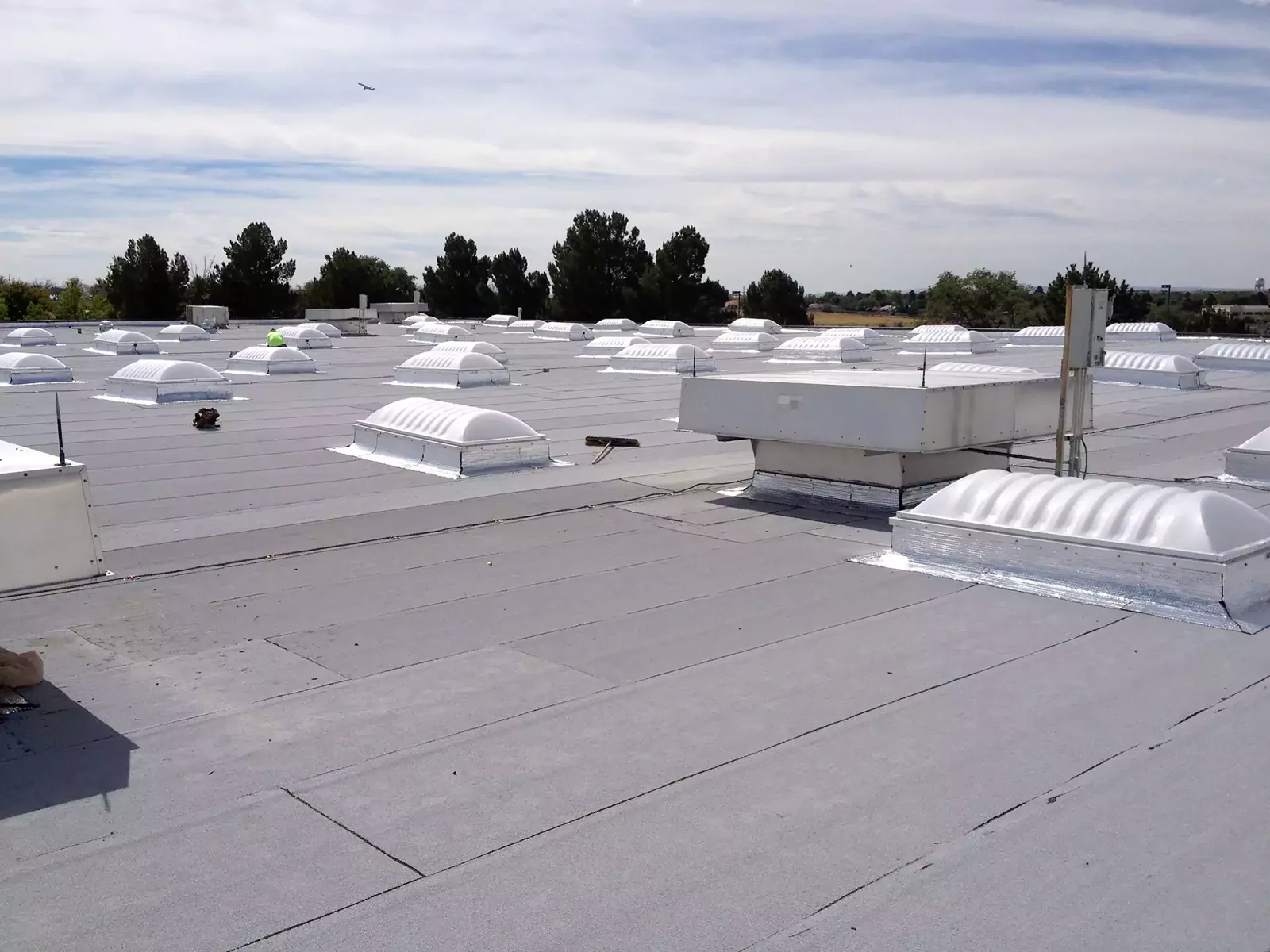
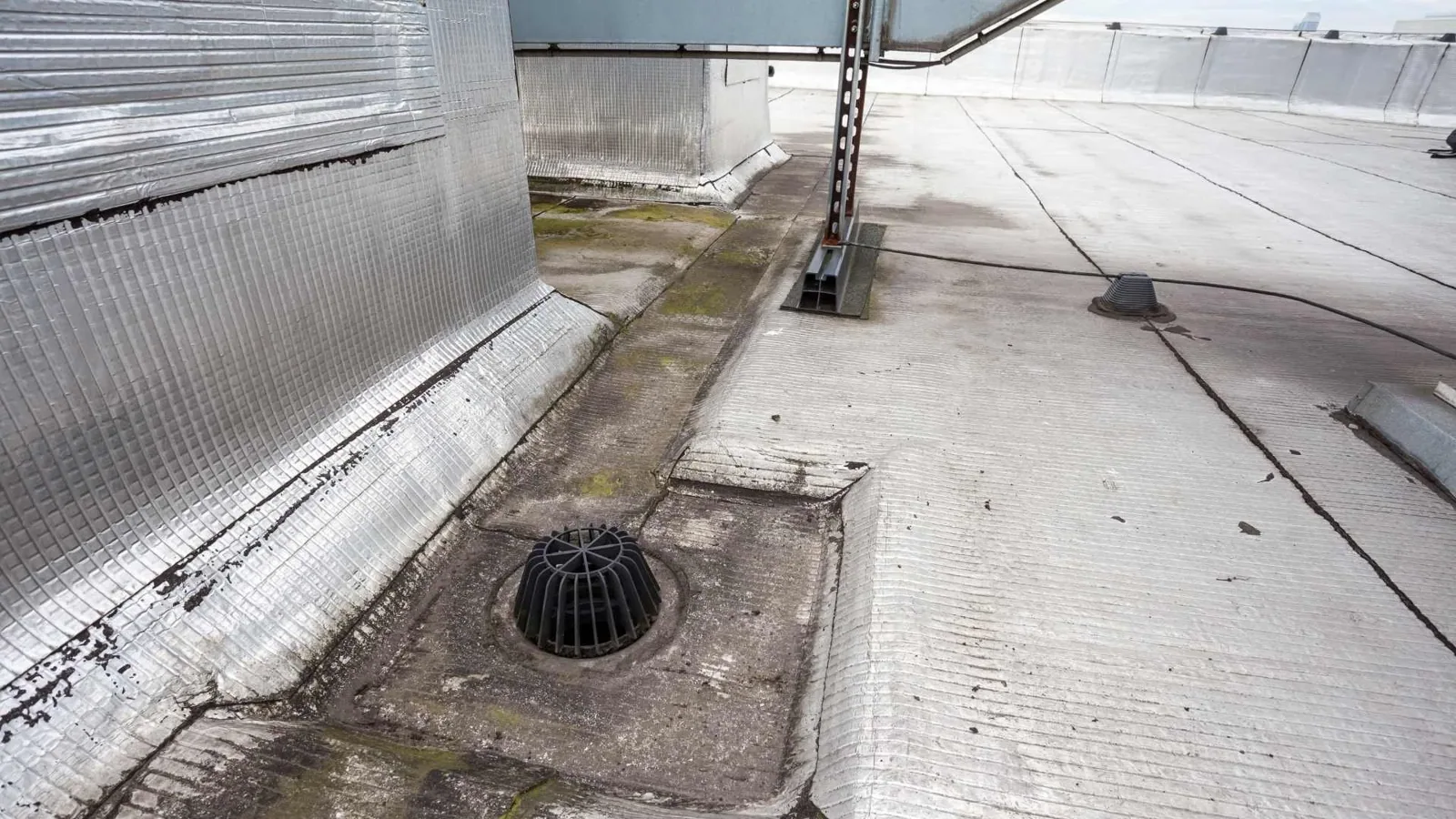
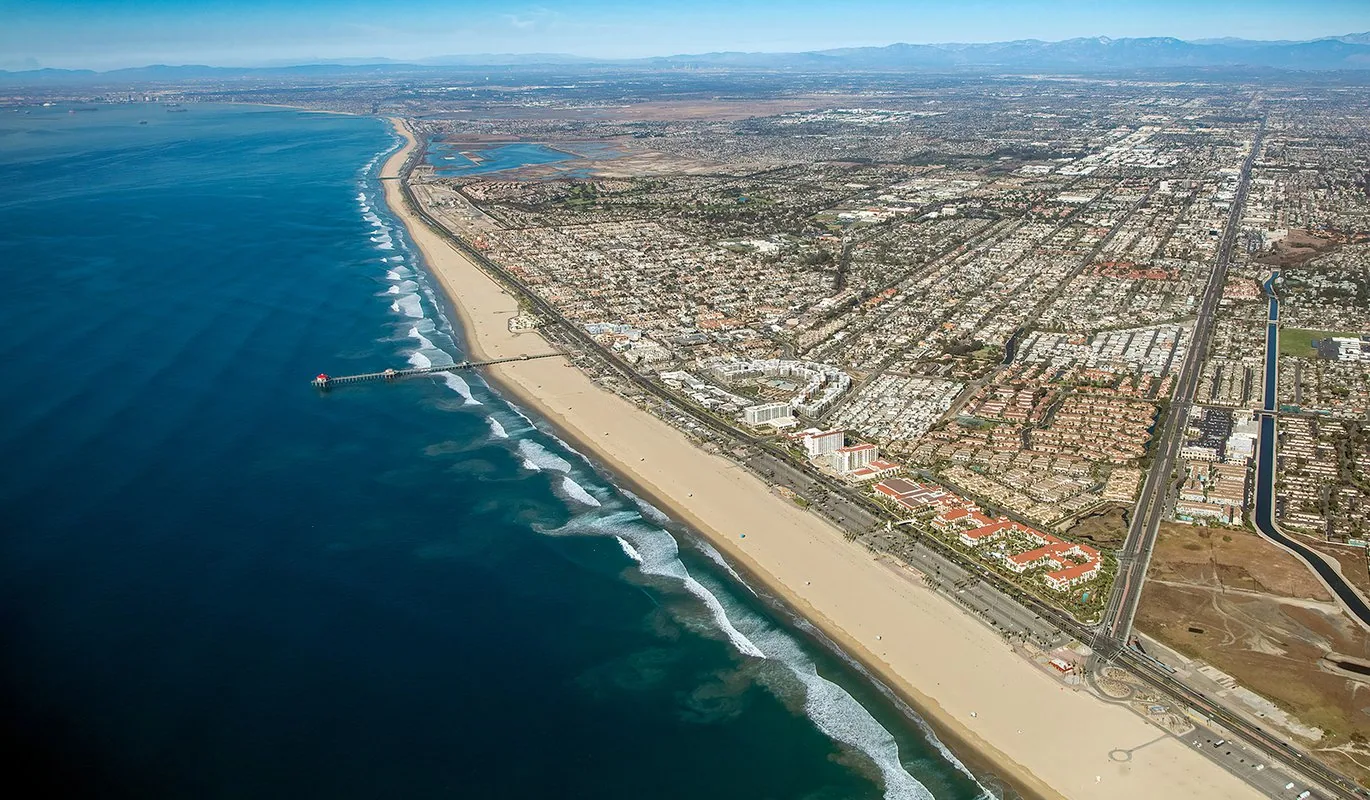

Proudly Serving Huntington Beach and Nearby Cities

Commercial Roofers Huntington Beach
Huntington Beach, Westminster, Seal Beach, Fountain Valley,
Garden Grove, Newport Beach and nearby Orange County cities