
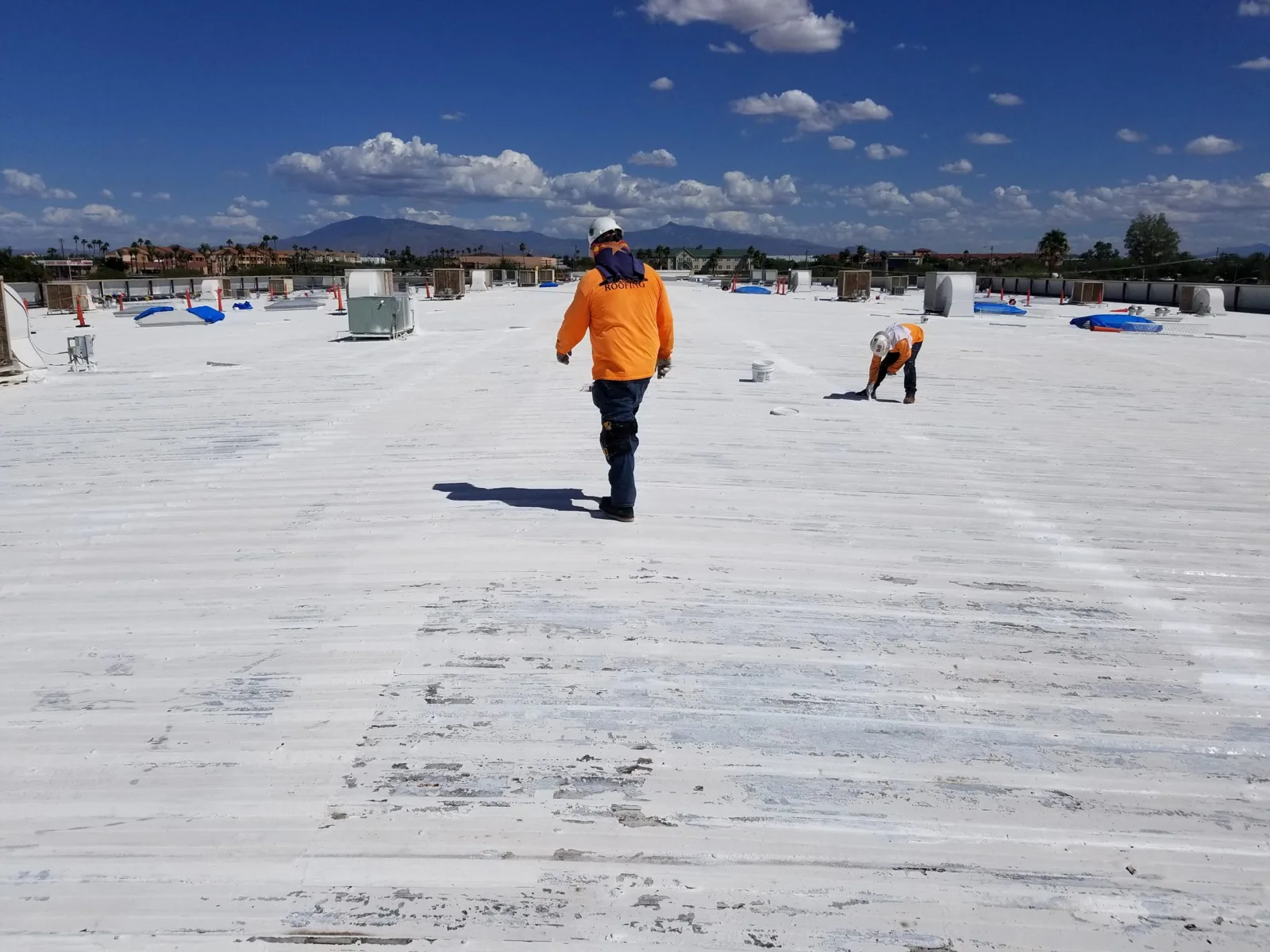
Heat and UV Roof Damage Repair in Huntington Beach, CA
A brittle patch splitting beside an equipment curb deserves examination before another layer is applied over it. Commercial Roofers Huntington Beach assesses heat and UV roof damage in Huntington Beach, CA, starting with the material, the affected detail and any interior water report. We inspect whether the defect is confined to an old repair or appears across the surrounding membrane. That comparison helps decide whether a compatible correction can hold or whether broader material testing is needed.
The coastal baseline differs from sustained inland heat. Nearby Newport Beach Harbor climate normals show moderated daily highs, while Santa Ana events can bring hotter offshore conditions to the coast. Neither air temperature nor membrane color alone establishes roof damage. We inspect the actual surface, seams and flashing, then connect the observed condition to a repair or replacement decision.
What does a chalked or cracked surface mean?
Sunlight and heat can change roofing materials over time, but the visible effect depends on the assembly. A coating may chalk as it weathers. A membrane can lose flexibility, develop cracks or show reinforcement where its weathering layer has worn. An asphalt surface may lose protective granules or develop fissures. We inspect these conditions by material and location rather than treating every faded area as the same failure.
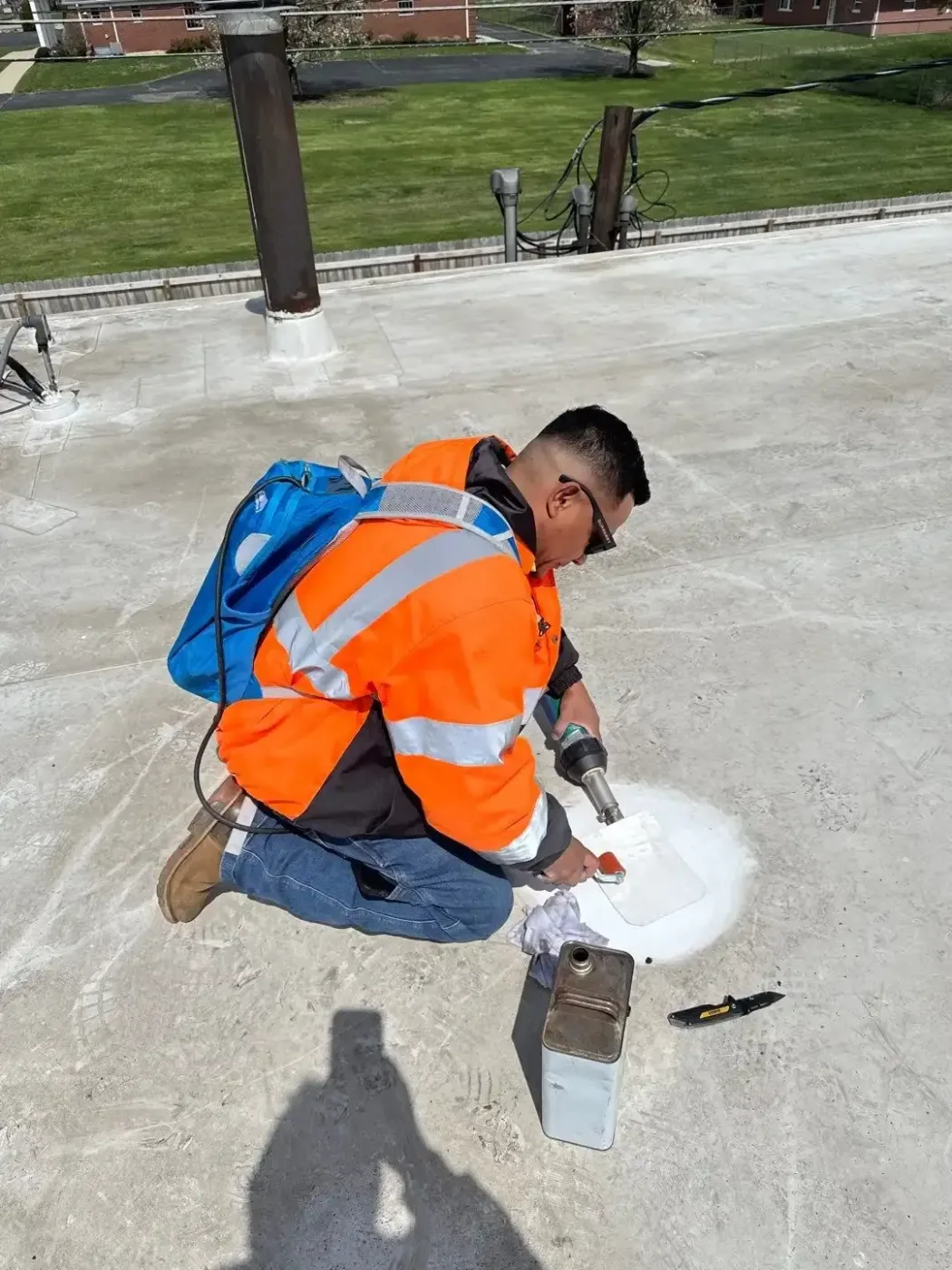
Cleaning a small examination area helps distinguish surface dirt from material change. We check adjacent sound material and existing repair edges for useful comparisons. A weld or adhesion test, where appropriate for the system, can show whether a prepared surface will receive a repair. That test matters before a large patch is installed over material that has become difficult to bond. The scope identifies preparation and any removal necessary to reach a serviceable receiver.
If a crack crosses a connection, an opened roof seam needs examination along its length. Surface weathering and seam construction can contribute differently to the repair extent.
Why inspect curbs and wall transitions with the field membrane?
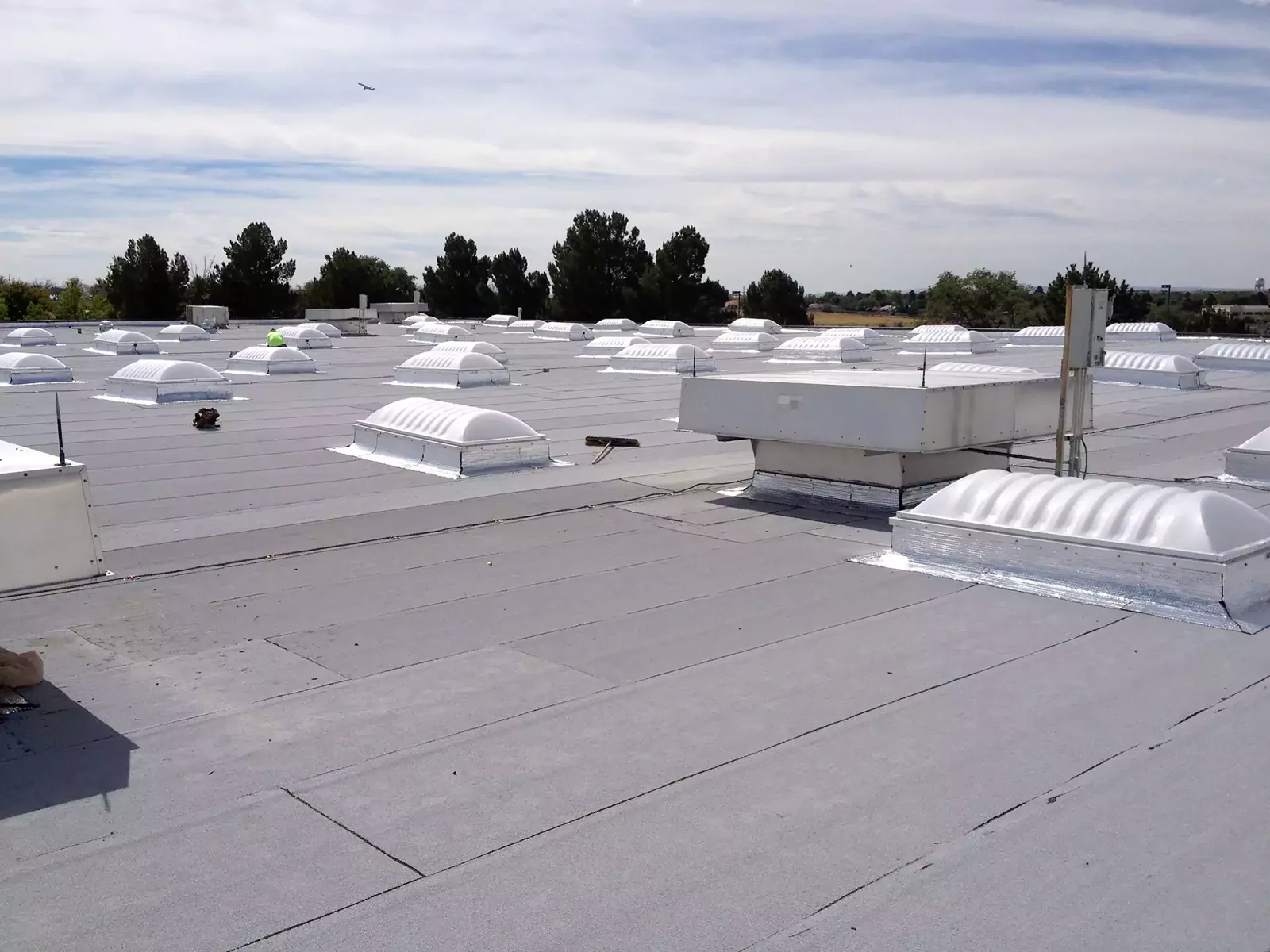
A broad roof area may remain serviceable while a tight corner or old patch splits. Movement at an equipment curb, restraint at a wall and inadequate flashing arrangement can concentrate stress. We examine the receiver, attachment and available movement before selecting a new detail. Replacing only the exposed strip leaves the same stress acting on the next repair if its underlying connection is not corrected.
Rooftop maintenance also affects a worn surface. Repeated traffic, loose service materials and equipment access can damage roofing that already has limited flexibility. We identify a practical service route and suitable protection where needed. A puncture near equipment access is recorded separately from broad surface deterioration, since the repair method and prevention step may differ. The maintenance contact should know which locations require protected access after the roof work is complete.
Flashings need enough sound material to connect the correction to the surrounding assembly. Where an old patch conceals the receiver, careful removal may be necessary to examine it before the final repair is sized.
How should coastal conditions affect the work window?
Newport Beach Harbor's nearby coastal climate record shows cool marine moderation rather than prolonged extreme heat as the usual baseline. Exposed roof surfaces still receive sunlight, and their temperatures differ from measured air temperature. We select materials and application windows using the roofing system's requirements, surface condition and forecast. A moderate air reading does not replace checks for surface moisture, application temperature and proper preparation.
Santa Ana conditions can bring warm, dry offshore winds and alter exposed-material handling. A coating or adhesive task may need adjustment if the working conditions leave its allowable range. We schedule preparation and application as connected operations so a cleaned surface is not left waiting through unsuitable weather. For industrial and office properties in the Gothard Street Subarea, equipment service and tenant access also help set the usable roof window.
Near Pacific Coast Highway, visitor-serving businesses bring different delivery and pedestrian needs. The work boundary and staging arrangement are confirmed for the building, while the weather and receiver condition determine when the repair material can be installed.
Can a protective coating restore the roof?
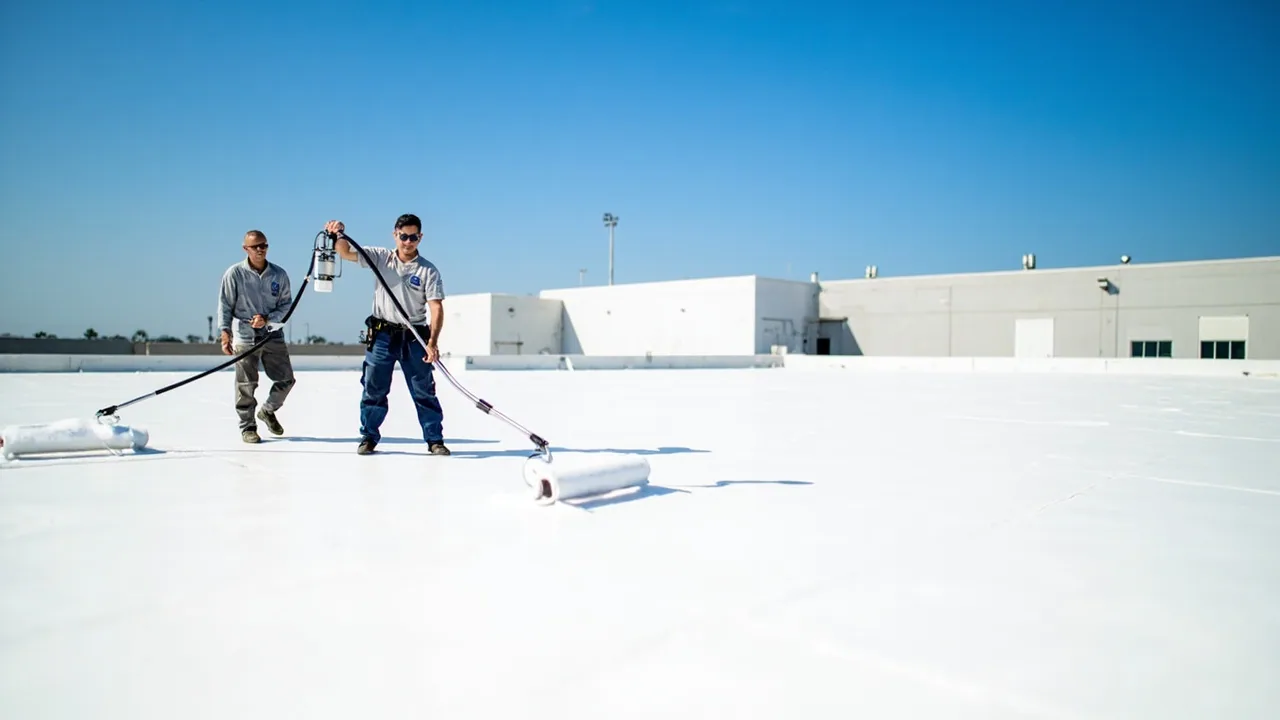
A coating can protect a suitable roofing surface after defects are corrected and preparation is complete. It requires compatibility, adhesion and a stable assembly underneath. We assess wet layers, loose material, drainage and failed details before recommending restoration. Applying a film over a cracked, contaminated or unstable receiver can leave a new surface attached to material that is already failing. Preparation is therefore a defined construction task rather than a brief cleaning allowance.
The roof restoration assessment compares repair and coating with removal where the existing layers cannot be retained. We check whether seams and penetrations can be corrected, whether the roof can dry sufficiently and whether the selected coating suits the assembly. Representative adhesion checks help confirm a workable preparation method. The owner receives the necessary repairs and application work together, including drainage changes that may require another design decision.
Coating choice also affects maintenance. We explain compatible future repair materials and traffic protection so later equipment service does not compromise the restored surface. A finished coating still needs drainage and flashing inspections.
Where does material deterioration require removal?
Widespread cracking, exposed reinforcement, failed attachment or wet insulation can limit the value of repeated local repairs. We map the affected zones and identify whether remaining material provides a sound repair receiver. A moisture investigation may be needed when leak reports and surface deterioration appear together. Removing wet or degraded layers allows the new assembly to connect to suitable support instead of hiding a condition that will keep affecting its performance.
A replacement scope for deteriorated roofing includes insulation, curbs, perimeter connections and drainage as well as the membrane. Material handling, disposal, limited roof access and fabrication of changed details affect cost. Where the existing roof remains viable, we identify the smaller repair that supports continued service and the condition that should trigger a future review. The decision follows the observed assembly rather than a surface color preference.
Huntington Beach began the current California building-code cycle in 2026. Proposed alteration work needs the applicable review identified before installation. We record the completed repair or replacement area and the material used so later maintenance can follow the same assembly.
Commercial Roofing Questions
Does a white membrane rule out damage from sun exposure?
Reflective color can reduce absorbed solar energy, but material condition still requires inspection. We examine wear, flexibility, seams and flashing rather than using color as a pass or fail test. Existing patches and traffic areas may need different corrections from the surrounding field membrane.
Can we patch a brittle area without replacing the whole roof?
A local repair is viable where compatible material can connect to a sound receiver and the adjacent assembly remains useful. We test preparation where needed and identify wet layers or wider deterioration. If the repair boundary keeps expanding into poor material, a larger removal assessment is warranted.
What if a coating starts peeling near rooftop equipment?
Peeling can involve contamination, poor adhesion, movement or an unsuitable underlying surface. We inspect the exposed receiver and nearby equipment activity before selecting the correction. Loose coating must be addressed, and any equipment-related discharge or repeated traffic should be controlled before recoating.
Should we wait for a leak before addressing widespread surface cracks?
Schedule an examination while the interior remains dry. We can assess crack depth, affected details and repair compatibility before water makes removal more extensive. Keep photographs and the marked roof areas for comparison, then arrange a return check according to the observed condition and completed work.

Proudly Serving Huntington Beach and Nearby Cities
Commercial Roofers Huntington Beach
Huntington Beach, Westminster, Seal Beach, Fountain Valley,
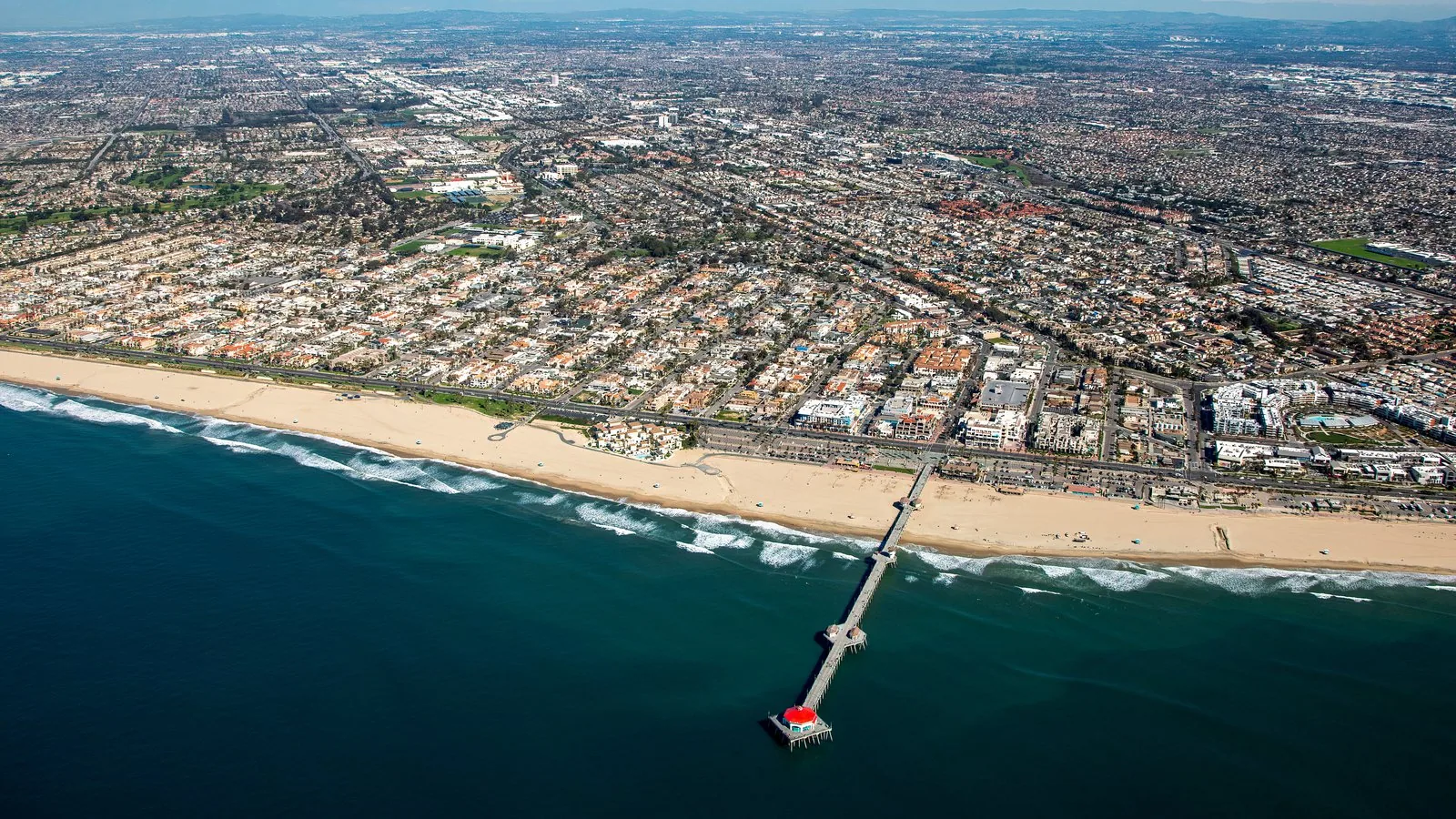
Garden Grove, Newport Beach and nearby Orange County cities