
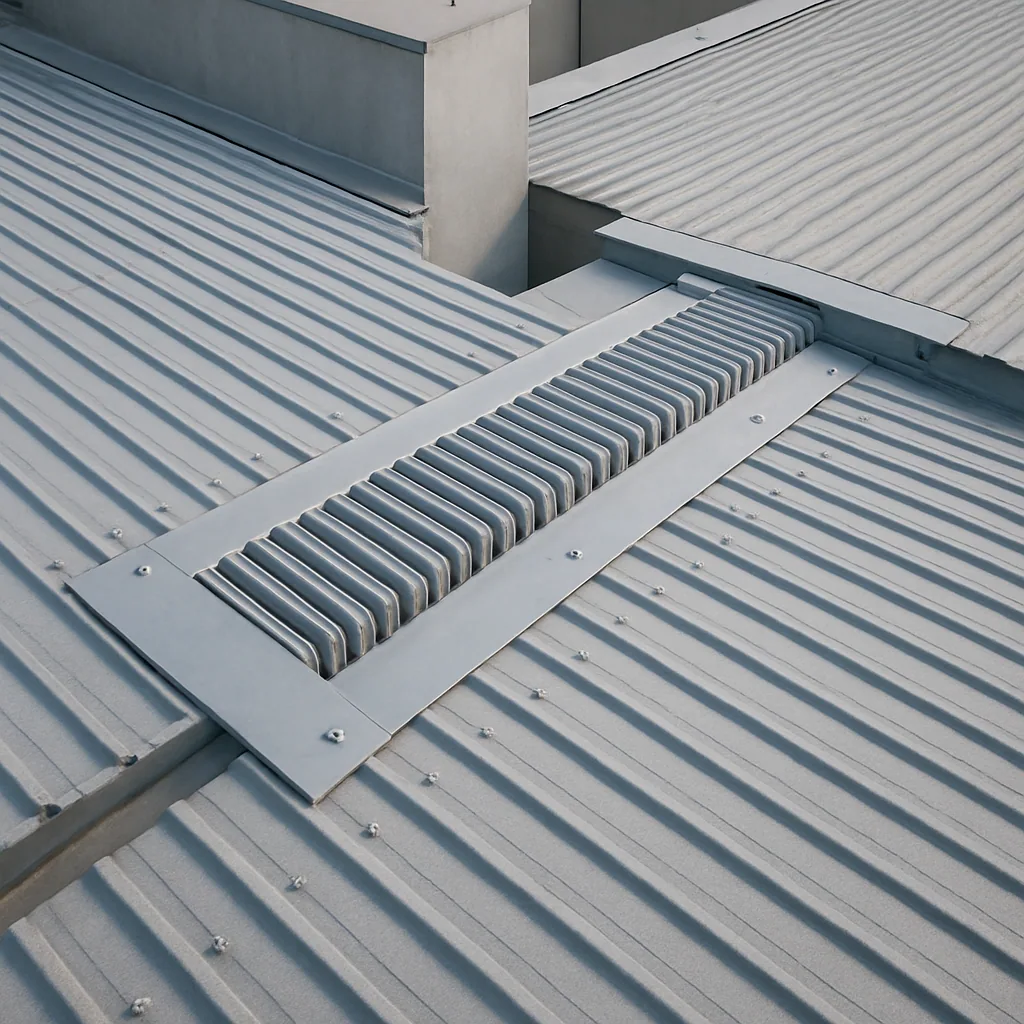
Roof Seam Failure Repair in Huntington Beach, CA
A lifted seam edge beside a service path needs inspection before another person crosses it. We identify the roof material, mark the separation, and examine the surrounding membrane for movement or moisture. Roof seam failure repair in Huntington Beach, CA begins with the reported condition and a safe access route, then follows the connection beyond the most obvious opening. The interior contact identifies any water entry below so protection can proceed while the repair extent is established.
Commercial Roofers Huntington Beach repairs welded, bonded, and bituminous seam connections using methods compatible with the installed assembly. A surface patch may close one split while leaving adjacent separation untouched. We assess the receiver, seam condition, and attachment before selecting the correction. For active leakage, emergency response is available overnight and through weekends and holidays. Temporary protection has a defined boundary and follow-up so the owner knows which connection still needs permanent work.
How far does the separated connection continue?
The visible opening is a starting position rather than a finished repair boundary. We examine the adjoining seam, changes in membrane tension, and intersections with curbs or perimeter details. Where the system permits suitable seam examination, the check identifies additional weak connection without damaging serviceable material. Wrinkles, bridging, and unsupported areas receive their own findings. We distinguish a failed bond from a membrane split beside the connection because preparation and repair geometry can differ.
Water may enter through a seam and travel below the surface before appearing indoors. We compare the roof position with the interior report and look for retained water alongside the separation. An adjoining failed flashing transition can require work beyond the straight seam run. The roof plan records those relationships so a repair at the visible opening does not leave another connected defect outside the work area.
Several failed seams can indicate a broader installation or assembly problem. We inspect representative areas and review available construction information before treating each opening as unrelated. The owner receives the observed pattern and the additional examination needed to compare localized correction with wider restoration. A single strong test result should not substitute for assessing a roof showing failures in multiple positions.
What preparation does this membrane need?
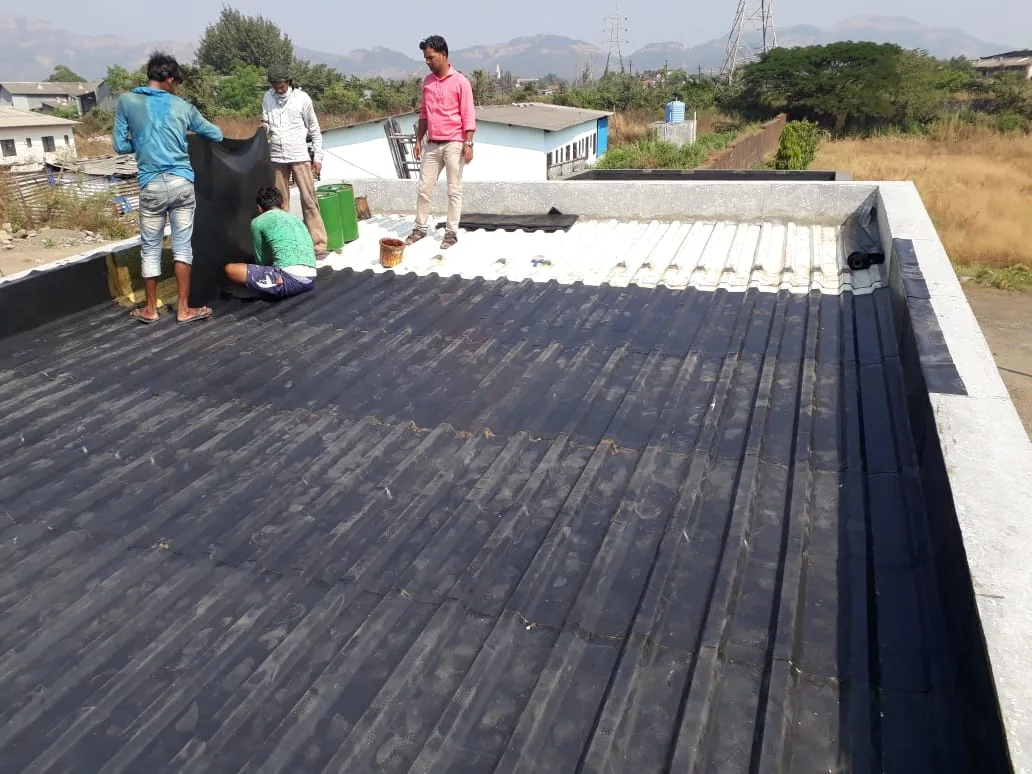
Thermoplastic seams rely on a compatible welded connection, while rubber membrane seams generally use system-specific bonding and seam materials. Bituminous laps need preparation and a repair suited to their layers. We identify the installed system and examine contamination, surface deterioration, and previous patch materials before selecting the repair method. Heating or bonding an unidentified roof surface can create a poor connection or damage material that should have remained.
On PVC roofing with welded seams, the receiving surface and compatible repair material need assessment before welding. A trial or test of the proposed connection can help confirm suitable field procedures. EPDM seam repairs require their own cleaning, primer, and bonding steps as appropriate to the selected components. We follow the applicable system procedure rather than exchanging materials because their colors or surface textures appear similar.
Is attachment or concealed moisture pulling the seam apart?
A seam held under tension may separate because the membrane has moved, the attachment has loosened, or the supporting assembly has changed. We inspect fasteners and visible movement indicators, then identify where additional checks are needed. Rebuilding the seam without correcting an unstable receiver can leave the new connection carrying the same stress. Structural concerns and attachment design questions are assigned for suitable review before the repair detail is finalized.
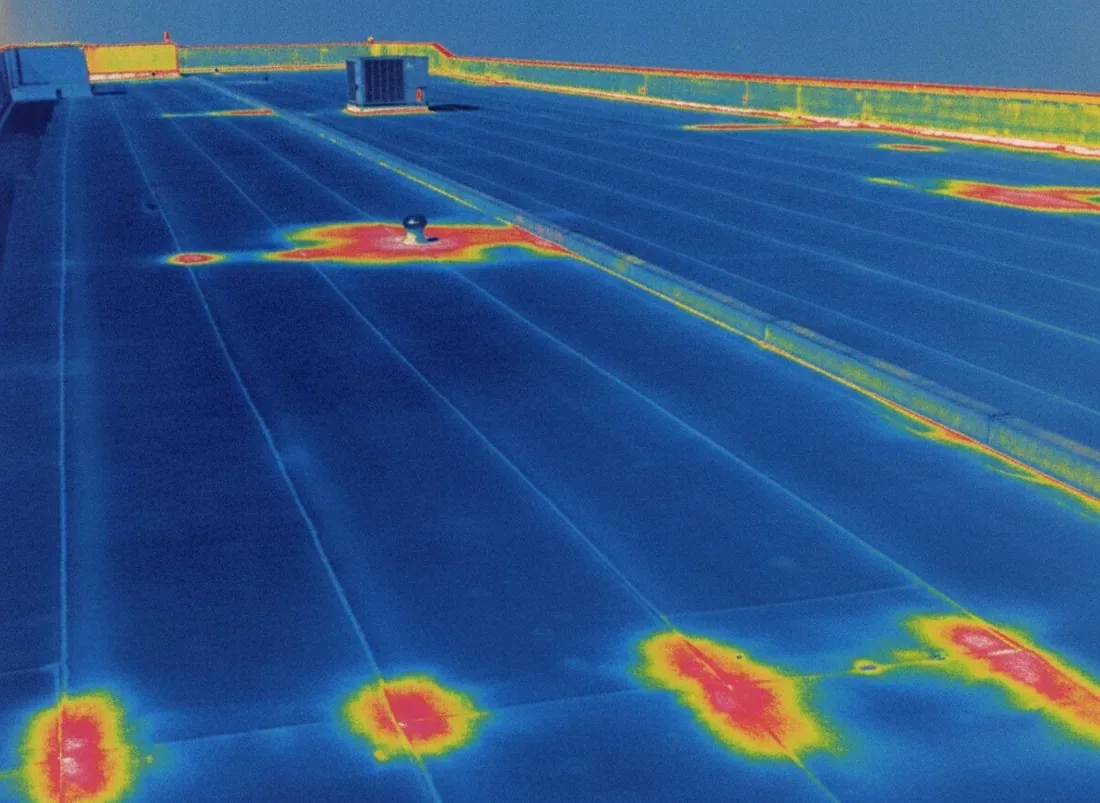
Wet insulation influences removal even if it is not the original reason the seam opened. We use accessible findings and appropriate tests to establish its extent before covering the area. A moisture survey under suitable infrared conditions can help locate areas needing confirmation. The scope explains what must be removed and what can remain. Sound adjacent material provides a useful tie-in; a new patch placed over concealed deterioration can postpone the same problem without resolving it.
How should weather and service traffic change the work sequence?
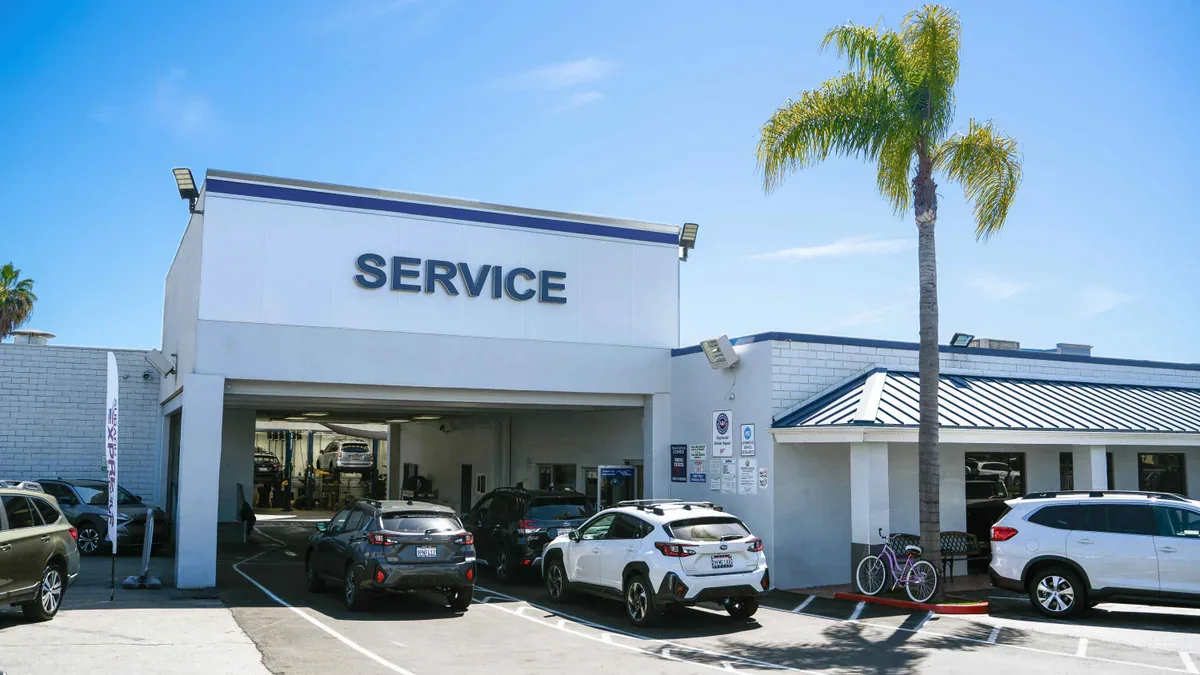
Huntington Beach’s Gothard Street Subarea mixes smaller manufacturing and warehouse properties with auto repair, retail, and offices. That variety makes the operating schedule important at a Gothard Street commercial property. We confirm rooftop equipment routes and establish where crews can move without crossing an open connection. Protection under the repair is suited to the actual operation, including stored goods, finished ceilings, or machinery that cannot remain exposed during removal.
Nearby Newport Beach Harbor normals show a cool marine-coast baseline and rain concentrated in winter. That seasonal pattern supports arranging planned seam work during a suitable dry interval, with daily surface moisture and forecast checked before preparation. Coastal moderation does not remove the need for weather-appropriate application procedures. During a Santa Ana event, offshore flow can make coastal conditions hotter and drier. We reassess loose material handling and the daily closure area as the field conditions change.
A seam running beneath equipment or across a restricted service route needs coordination before removal. We identify any shutdown, lift, or support adjustment required to reach the full repair area. The site contact receives the temporary access restriction and expected closure point. If another trade must move equipment, that step should occur in sequence with roofing protection rather than leaving the open connection waiting for an unplanned return.
What separates a finished seam repair from a covered opening?
A completed repair reaches compatible sound material and has its connection checked using the appropriate procedure. We examine corners, edges, and nearby intersections, then photograph the completed area with a roof-position view. The work record identifies removed wet material and any attachment correction. Where permanent repair follows temporary protection, the closeout makes the change clear so management can distinguish the initial dry-in from the finished connection.
Costs grow with difficult preparation, incompatible old patches, concealed removal, and equipment blocking the seam. We show those factors alongside the repair boundary before work expands. The manager can compare immediate seam correction with later assembly work using the same roof positions. A return check after rain examines the repaired location and original interior symptom. Any later equipment visit should keep tools, dragged hoses, and loose parts away from the completed seam so a new surface injury does not reopen the water route.
Commercial Roofing Questions
Can an old thermoplastic seam be welded again?
Its surface condition and compatibility need assessment before that method is chosen. We examine contamination, deterioration, and the existing connection, then establish a suitable repair procedure. Where the old surface cannot receive a reliable new connection, the repair may need different preparation or a wider boundary reaching sound material.
Why is a seam still leaking after sealant was applied?
Sealant may cover the visible opening while leaving separation farther along the seam or moisture beneath it. We examine the connection and adjoining roof, then remove unsuitable repair material where needed. The permanent correction should restore the compatible seam detail rather than rely on another surface bead over the same unresolved gap.
Does one open seam justify testing the rest of the roof?
Additional examination is useful when the same condition appears elsewhere or attachment and movement raise a broader concern. We identify a representative check area and explain how its findings affect the scope. An isolated service injury can remain localized when the surrounding seams and assembly support that decision.
Can we keep equipment technicians working while seams are repaired?
Service movement should stay outside the open repair and preparation zones. We coordinate the equipment route and any required shutdown with the site contact before work starts. If access crosses the failed connection, the schedule needs a protected alternative or a temporary pause until the roofing detail is closed.

Proudly Serving Huntington Beach and Nearby Cities

Commercial Roofers Huntington Beach
Huntington Beach, Westminster, Seal Beach, Fountain Valley,
Garden Grove, Newport Beach and nearby Orange County cities