
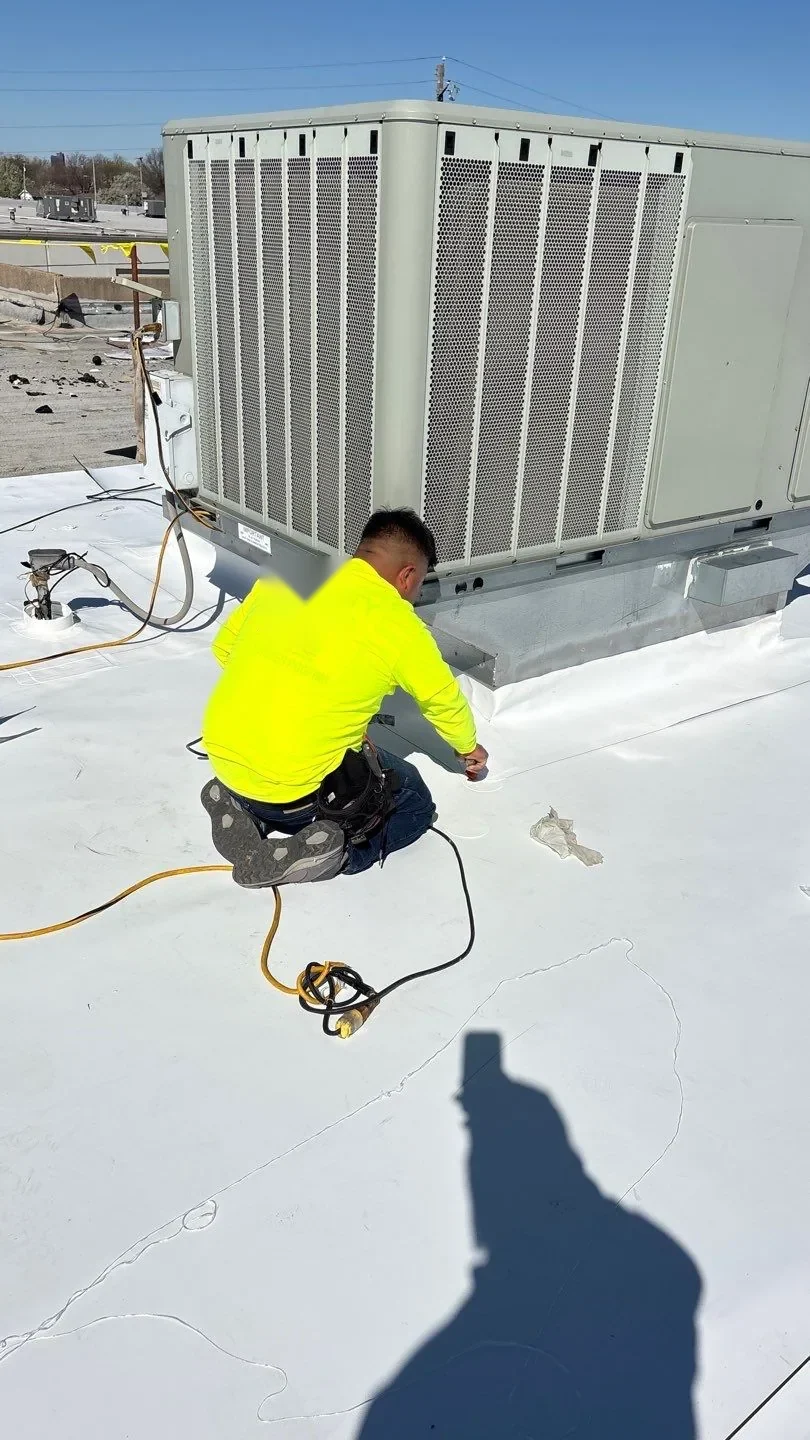
Carlisle SynTec Roofing in Huntington Beach, CA
An EPDM repair peeling beside a newer welded membrane can indicate that two roof materials have been treated as one. We identify both sides of the connection before deciding how it should be rebuilt. Commercial Roofers Huntington Beach services Carlisle SynTec commercial roofs in Huntington Beach, CA, inspecting the installed system and the surrounding assembly. Protection for any active leak comes first; the final repair uses the material and detail suited to that roof zone.
The Gothard Street Subarea combines smaller manufacturing, warehousing, auto repair and office properties. A roof visit there needs the site's service and delivery schedule as well as a material assessment. Along Adams Avenue, commercial activity creates different public-access needs. We establish the operating window for the particular building before planning preparation or a removal phase.
Is the repair on rubber or thermoplastic membrane?
Carlisle's Sure-Seal EPDM, Sure-Weld TPO and Sure-Flex PVC represent different single-ply membrane families. EPDM repairs generally rely on compatible adhesive, primer and seam materials; TPO and PVC connections use heat welding where the specified detail calls for it. Selecting the family is therefore an early repair decision, not a cosmetic choice. We inspect material markings and available records alongside the actual seams and flashings.
A roof can include later additions, old patches and transitions that differ from its original specification. We describe each observed assembly and the connection between them. A rubber membrane should not receive a repair method intended for a thermoplastic sheet, and PVC and TPO are not interchangeable welding surfaces. Old mastics or unrelated patch products need assessment before a reliable receiving area can be established.
For a comparison with GAF commercial membrane systems, we evaluate the specified material and assembly rather than assuming that similar surface colors mean the same repair method.
What preparation makes the local correction viable?
A dusty, oxidized or contaminated membrane may need substantial preparation before repair. We examine the receiving surface, remove unsuitable loose material and follow the compatible system's preparation requirements. The work boundary extends far enough to connect to sound roofing. If the surface cannot support that connection, covering the visible defect with a larger patch will not resolve the underlying limitation.
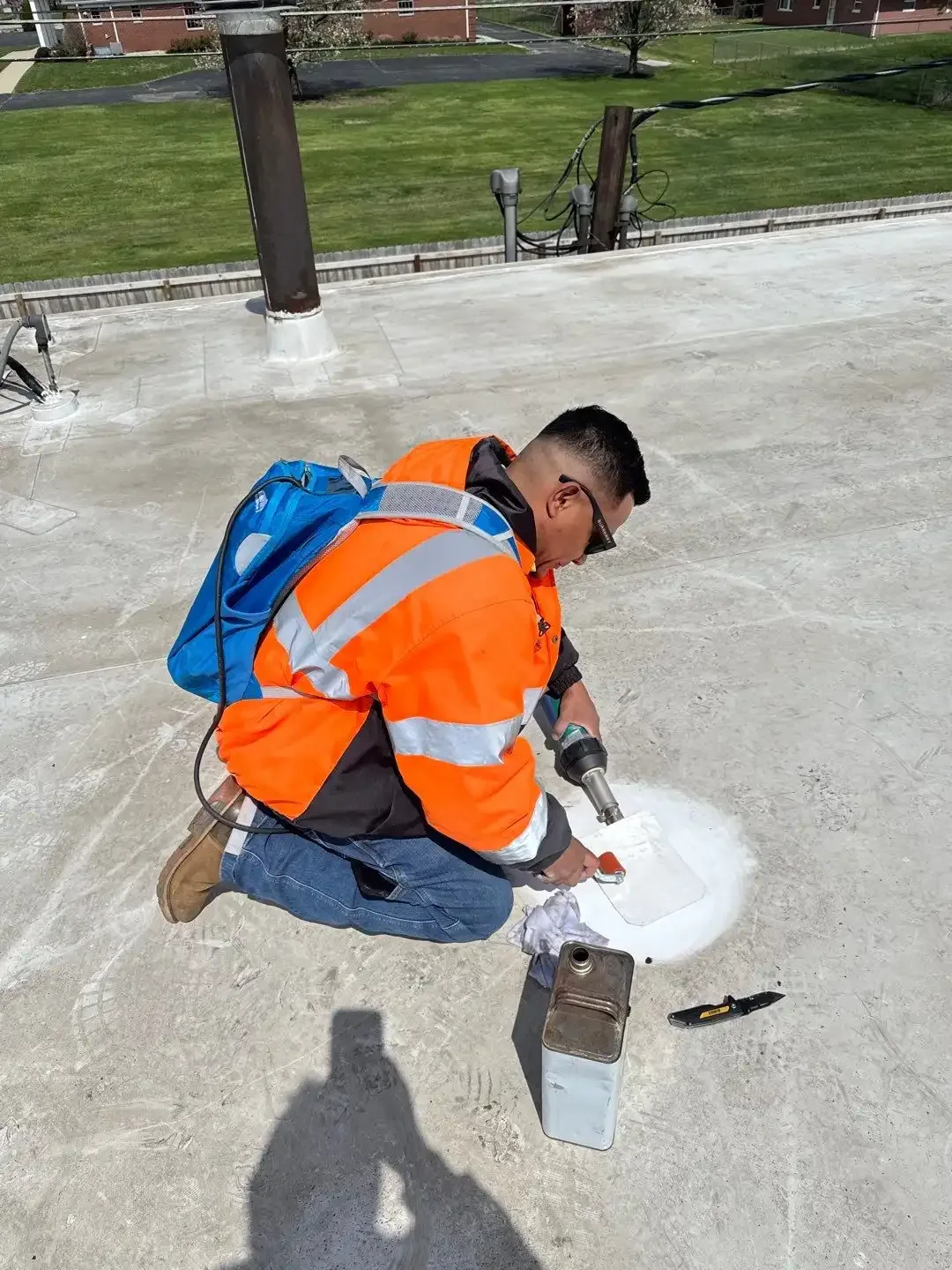
On EPDM, primer application, compatible seam materials and the finished edge require careful field attention. For thermoplastic membrane, we assess the prepared surface and check the resulting weld. Curbs, pipes and corners receive their own flashing details because their geometry and movement differ from a flat field seam. A rubber membrane repair should restore a usable connection without forcing movement into a tight or unsupported flashing fold.
The inspection also looks for loose supports or wall components acting on the roofing. We coordinate correction of that movement before closing the new roof detail. Completed repairs are marked and photographed with enough context to find them during a return visit.
Does the supporting assembly remain sound?
A membrane may accept a repair while the insulation beneath it is wet or inadequately supported. We compare interior symptoms with roof findings and identify where confirmation would change the scope. Soft areas, displaced insulation or failed attachment need assessment beyond a surface patch. The proposed work distinguishes material that can remain from wet or deteriorated layers that need removal.
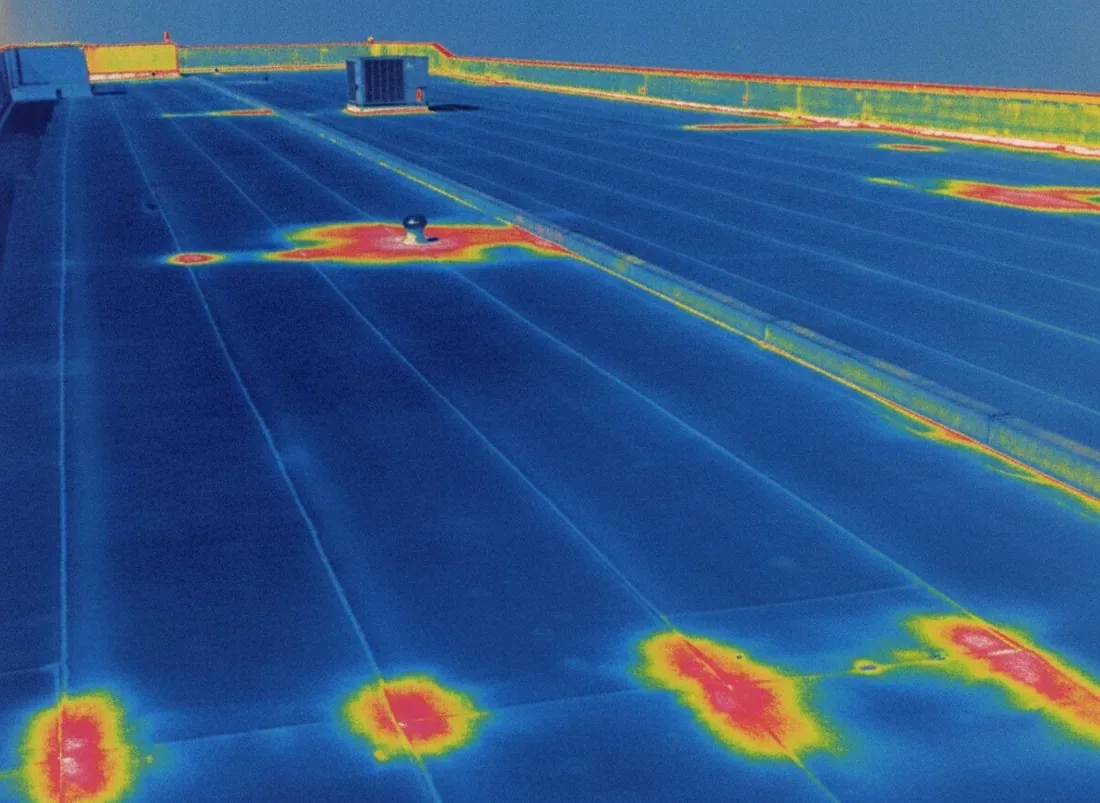
The deck condition and assembly attachment also matter when a recover is proposed. We inspect accessible details and identify further testing or records needed for a retention decision. A suitable moisture investigation can help locate suspect areas, with appropriate confirmation before its findings become a removal boundary. The owner receives the question being tested and how the answer affects construction.
Drainage belongs in the same assessment. An open seam beside a low area needs a repair and an examination of why water remains there. Clearing debris may help one roof, while another needs outlet or slope changes included before the new assembly is installed.
How is a Carlisle replacement assembly selected?
A replacement specification connects the chosen membrane with insulation, cover board, fastening or adhesive and roof-edge details. We review the deck, roof geometry and required performance together before selecting the configuration. An attachment method that suits one substrate may not suit another. Penetrations, perimeter zones and transitions need details that match both the material and the forces acting at that roof location.
A property in the Gothard Street district may need roof deliveries coordinated with yard activity and operating machinery. An office or commercial property on Adams Avenue has its own entrance and intake review. These operating conditions shape the removal and installation sequence without substituting for the assembly design. We keep material choices connected to a practical construction plan.
When comparing Carlisle with Johns Manville single-ply options, drainage, substrate condition, maintenance access and the complete specified assembly should be evaluated together. A brand preference can narrow the discussion, but it cannot determine which concealed layers are fit to retain.
Insulation thickness and slope changes must be checked against outlet and flashing heights. A new membrane cannot correct a curb connection left too low for the rebuilt assembly. We identify that interface during planning and coordinate equipment work where needed, allowing the finished roof to drain and meet surrounding details without an improvised closure.
What should the owner record after the work?
Newport Beach Harbor's nearby climate normals reflect a moderated marine-coast setting. Winter carries the larger share of rainfall, making prepared drains and sound flashings useful maintenance priorities before wetter periods. We set the construction window using the actual receiver condition and forecast, then limit exposed removal to an area that can be secured. Offshore Santa Ana conditions may require changes to lifting and exposed-material work.
The closeout identifies installed or repaired material, roof zones, completed connections and remaining recommendations. Owners should retain applicable warranty documents with those records and review their maintenance and notification requirements. The material name alone does not determine coverage. A review of the roof warranty requirements can help keep planned service aligned with the building's actual documents.
Equipment contractors should report new penetrations and service damage so compatible roofing work can follow. For urgent water entry, the site can call overnight, through weekends or on holidays. We establish safe protection and document the return step needed to restore the affected assembly.
Commercial Roofing Questions
Can TPO be welded directly to an EPDM section?
Those membranes require a suitable transition detail rather than a direct thermoplastic weld between unlike materials. We examine both assemblies and their support before selecting the connection. Each side needs a compatible attachment and flashing arrangement that allows the transition to remain serviceable.
Why is our old EPDM patch peeling even though the roof is dry?
Peeling may involve surface preparation, contamination, incompatible material or movement in the repaired detail. We inspect the receiver and patch edges, then identify whether removal and a new compatible repair are needed. A dry interior does not resolve a connection that has separated.
Should we choose an adhered membrane to reduce fasteners?
An adhered assembly still needs suitable supporting material and approved attachment of its underlying layers. We compare substrate condition, design requirements and application conditions before selecting that configuration. The choice should address the complete assembly rather than just the visible membrane fastening.
What information helps with a Carlisle roof service call?
Provide any system records, the affected room, photographs available safely, and the roof access contact. We compare those records with the installed material and mark the damaged zone. If records describe several phases, include them so additions and transitions can be assessed accurately.
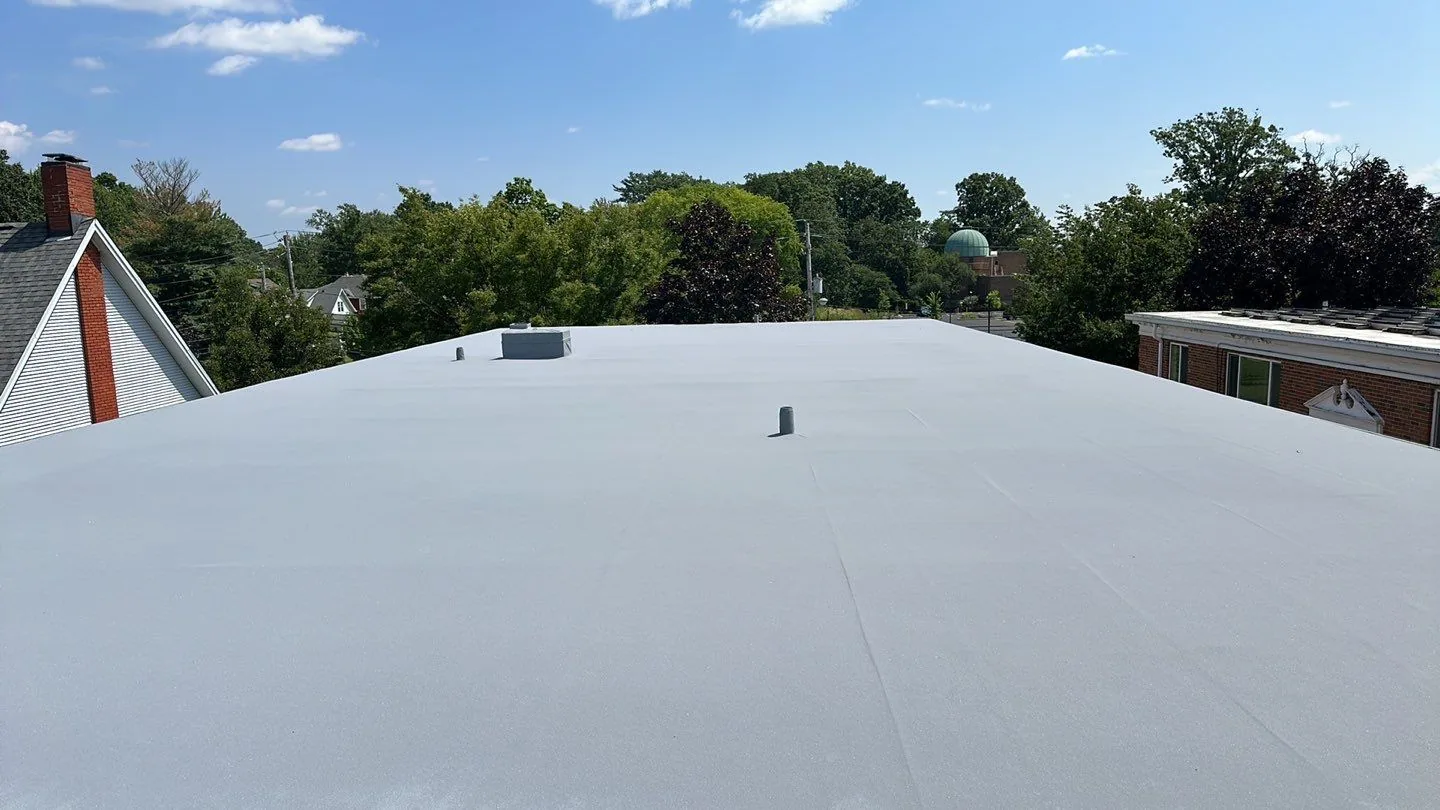
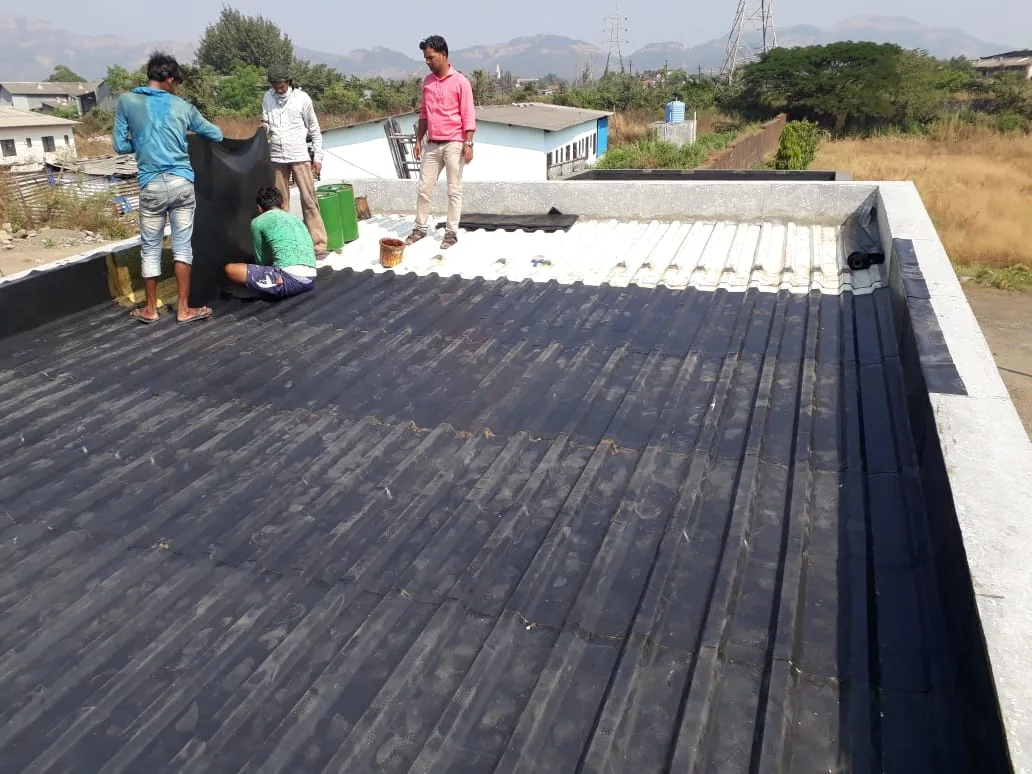

Proudly Serving Huntington Beach and Nearby Cities

Commercial Roofers Huntington Beach
Huntington Beach, Westminster, Seal Beach, Fountain Valley,
Garden Grove, Newport Beach and nearby Orange County cities