
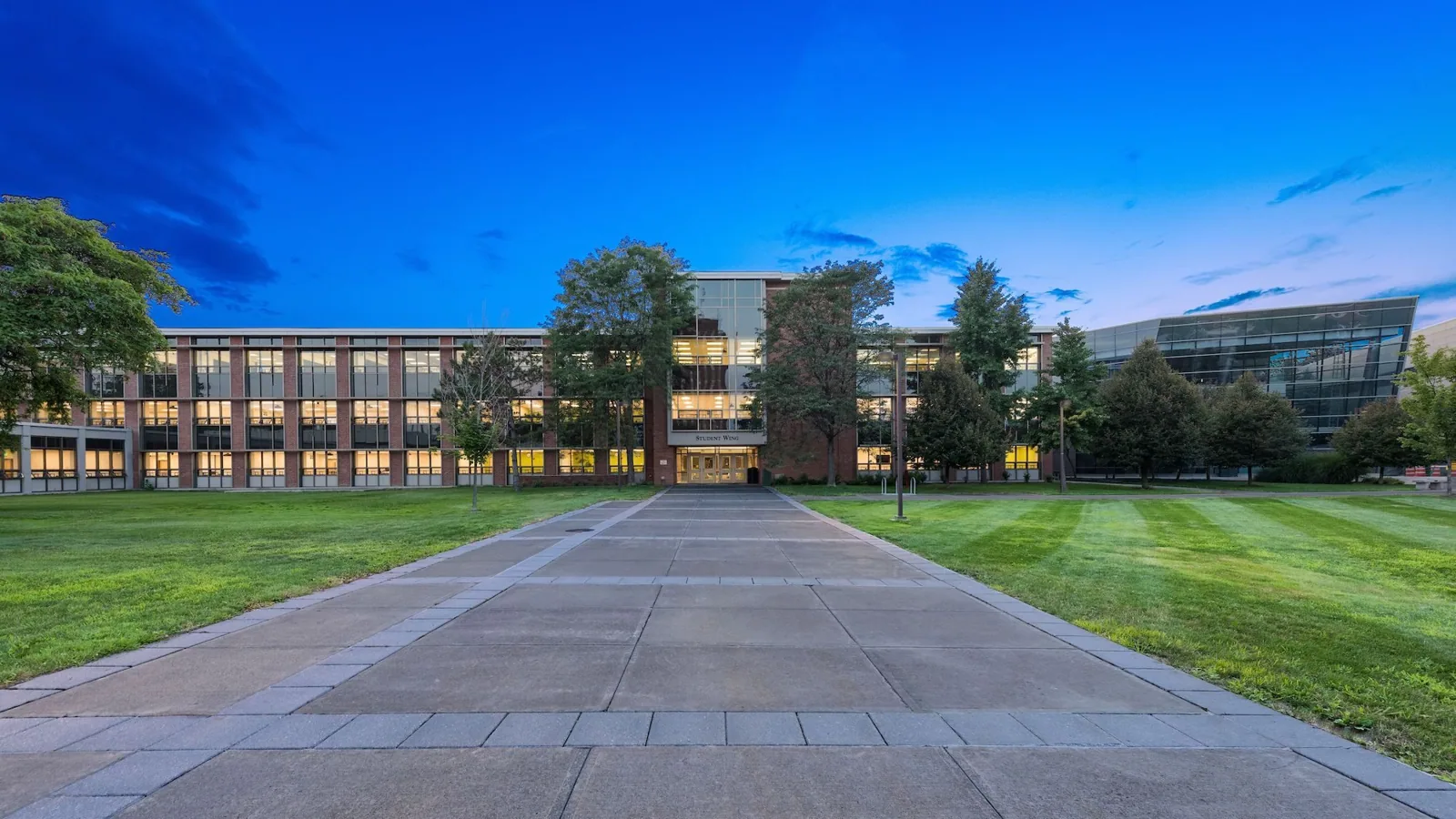
College and University Roofing in Huntington Beach, CA
A campus repair in Huntington Beach, CA, that crosses a building boundary needs a clear access and closeout plan. Commercial Roofers Huntington Beach inspects and repairs college and university roofs, from occupied teaching space to support buildings, while keeping each roof zone connected to its own work record. We confirm who controls the building, what is operating below, and which contact can authorize testing. The report marks the area reached, identifies limits, and states the first safe step before a crew opens the assembly.
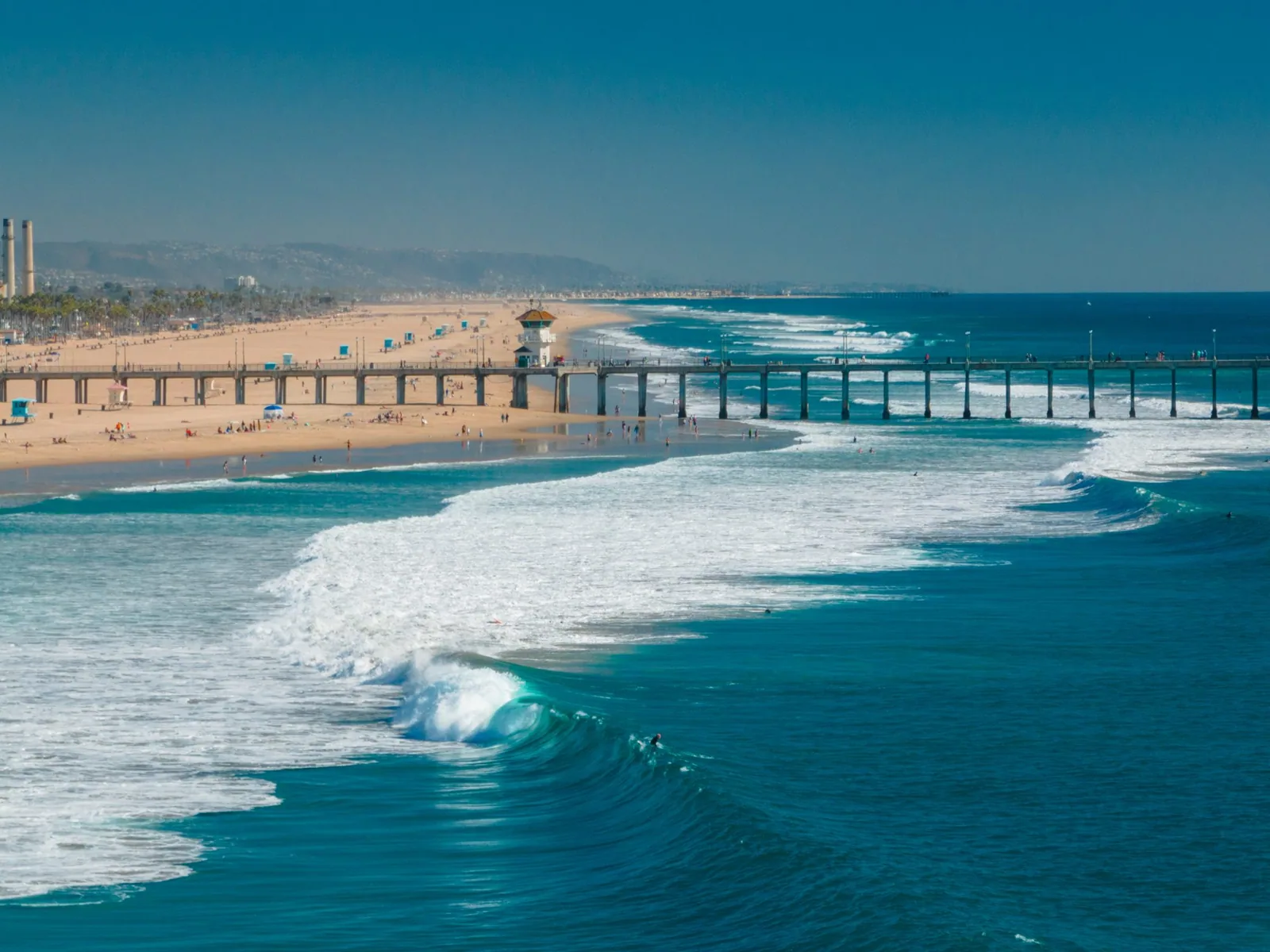
Huntington Beach has a cool marine-coast baseline, and Downtown streets and the Gothard Street employment area bring different access contexts across the city. Those place facts do not describe a campus; they help route a local job and plan around surrounding traffic. Newport Beach Harbor normals show mild temperatures and winter-concentrated rain, while occasional Santa Ana winds can bring a warmer, drier weather window. Current surface conditions still decide the inspection and protection sequence.
What belongs in the campus roof register?
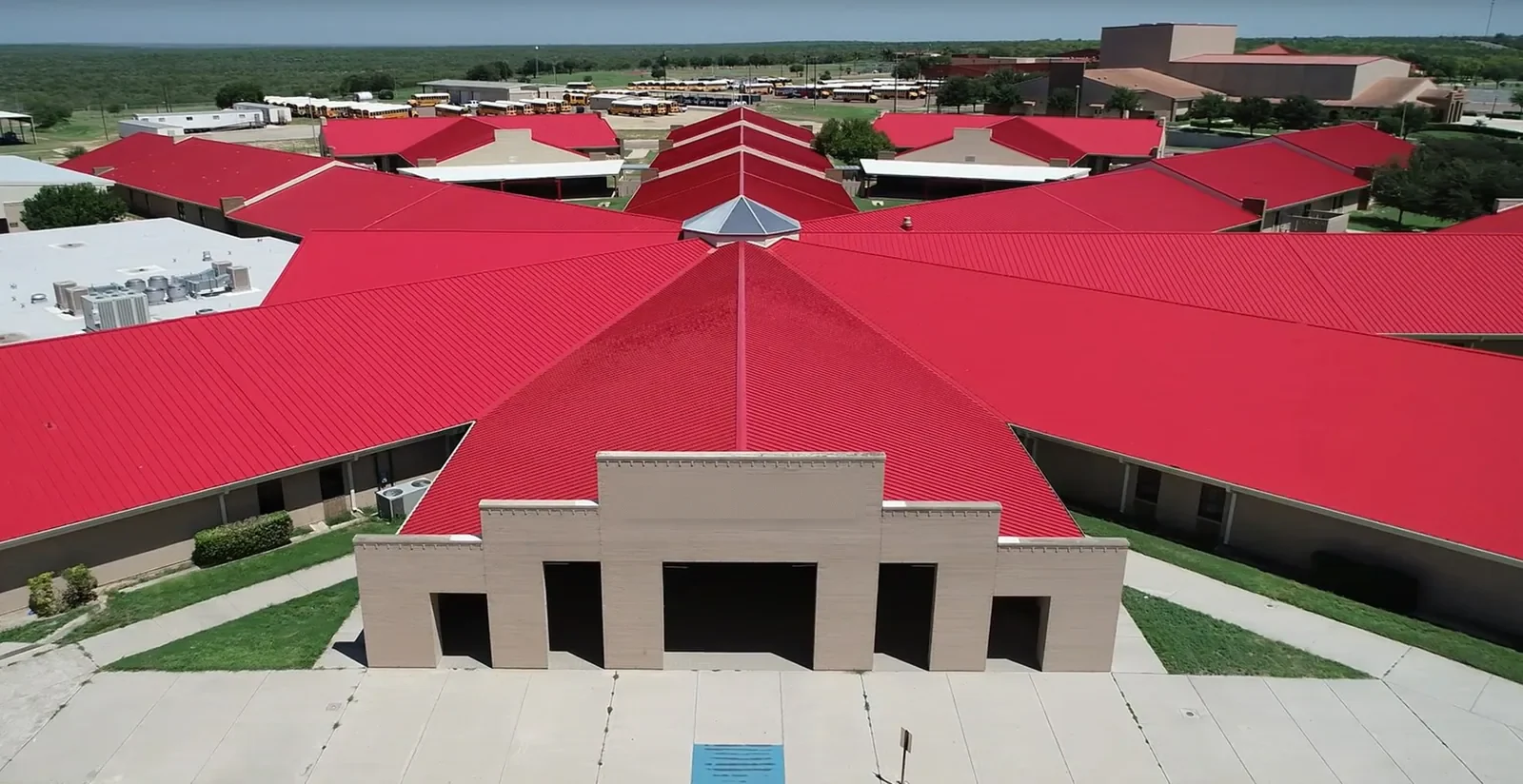
A college or university portfolio may include classroom buildings, offices, assembly space, dining, housing, and support facilities. The owner identifies which are included rather than treating the institution as one roof. We establish a building identifier, roof plan, access contact, current report, and prior work order for each location. A site with several roof levels receives separate plan marks, so a finding on one wing cannot be mistaken for a condition at a different building.
Campus facilities teams may have multiple approvers: operations, risk management, procurement, tenant services, or a construction manager. The inspection request names the person who can approve roof access, testing, and scope changes. We also confirm whether a maintenance contractor or mechanical trade controls rooftop equipment. This information affects the visit sequence and whether a curb or line can be examined safely. The work record makes the approval chain visible before an estimate is routed.
For a district that manages both a K-12 school roof and higher-education buildings, shared reporting fields can show priorities while retaining separate site histories. A commercial office roof may need a different contact or business-hour plan; neither facility's condition establishes the other's repair extent. Each report names the buildings actually inspected and the work order that follows.
How do findings move from one building to another?
They should not move without evidence. The inspector begins with the reported symptom and the building that produced it. Accessible seams, flashing, curbs, drains, scuppers, roof edges, penetrations, and earlier patches are checked within the approved boundary. A photograph shows the detail and a wider location reference; the roof plan carries the matching mark. If water appears in a lecture room or shared corridor, we compare that room with the roof details above and nearby instead of assigning the closest defect as the source.
The condition report separates what is visible from what requires a moisture survey, sample, or authorized opening. If a hidden layer could change repair extent, we identify the test location and what the result would decide. We do not widen the proposed work across a campus merely because one roof shows a repeated failure. If the same symptom is reported at another building, it receives a separate inspection and its own repair boundary.
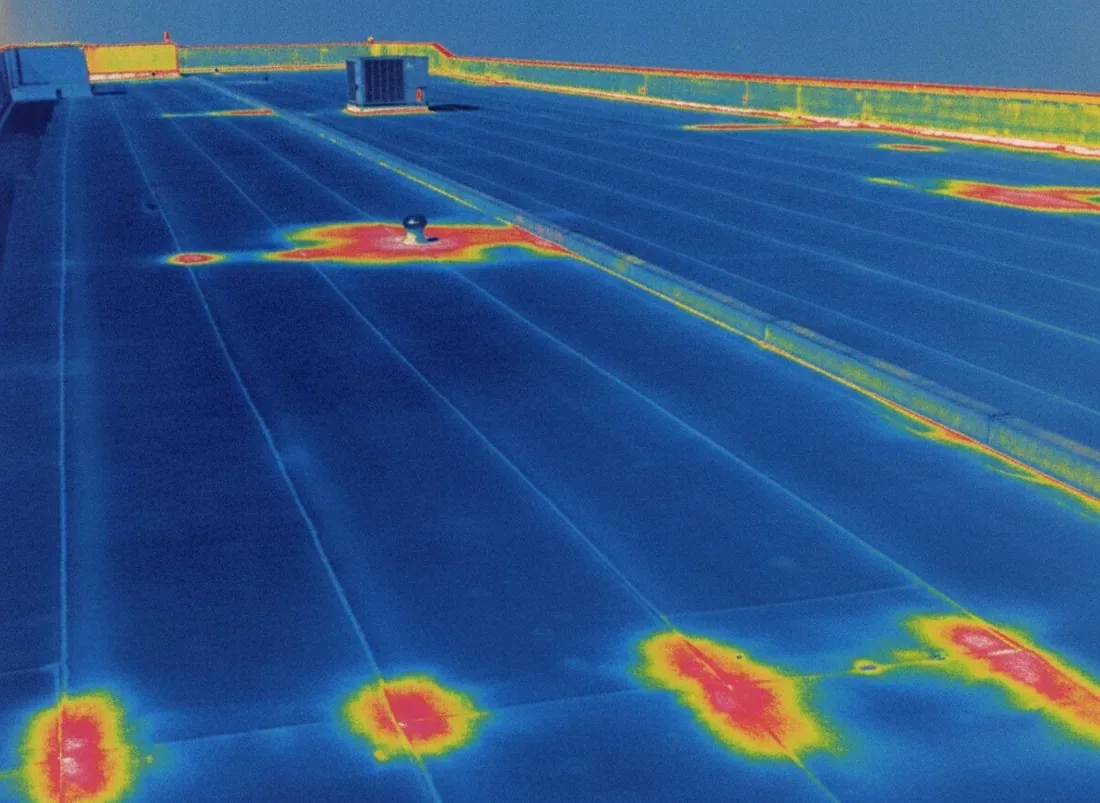
A commercial roof inspection can establish a baseline for the selected buildings or answer a specific capital question. When moisture is uncertain, an infrared moisture survey can direct selected confirmation checks when the weather and roof surface support useful temperature readings. Both methods state their coverage and limits so the facilities team can approve the next step.
Which campus spaces must stay protected?
Before the roof is opened, the site contact identifies occupied rooms, sensitive equipment, pedestrian routes, deliveries, and activities that affect noise or access. A library, laboratory, athletic space, or student service office can have different interior requirements; the campus representative confirms which applies to the scheduled work. We map the active roof zone to the space below and set an interior protection measure before removal begins.
Work can be phased by building wing, roof elevation, drainage area, or available access window. Each phase should have a stopping point that can be secured at shift end. If an event, semester break, or summer period changes the available window, the property manager supplies those dates and approves the sequence. We report what is complete, what remains under temporary cover, and whether the next section needs an additional approval or trade handoff.
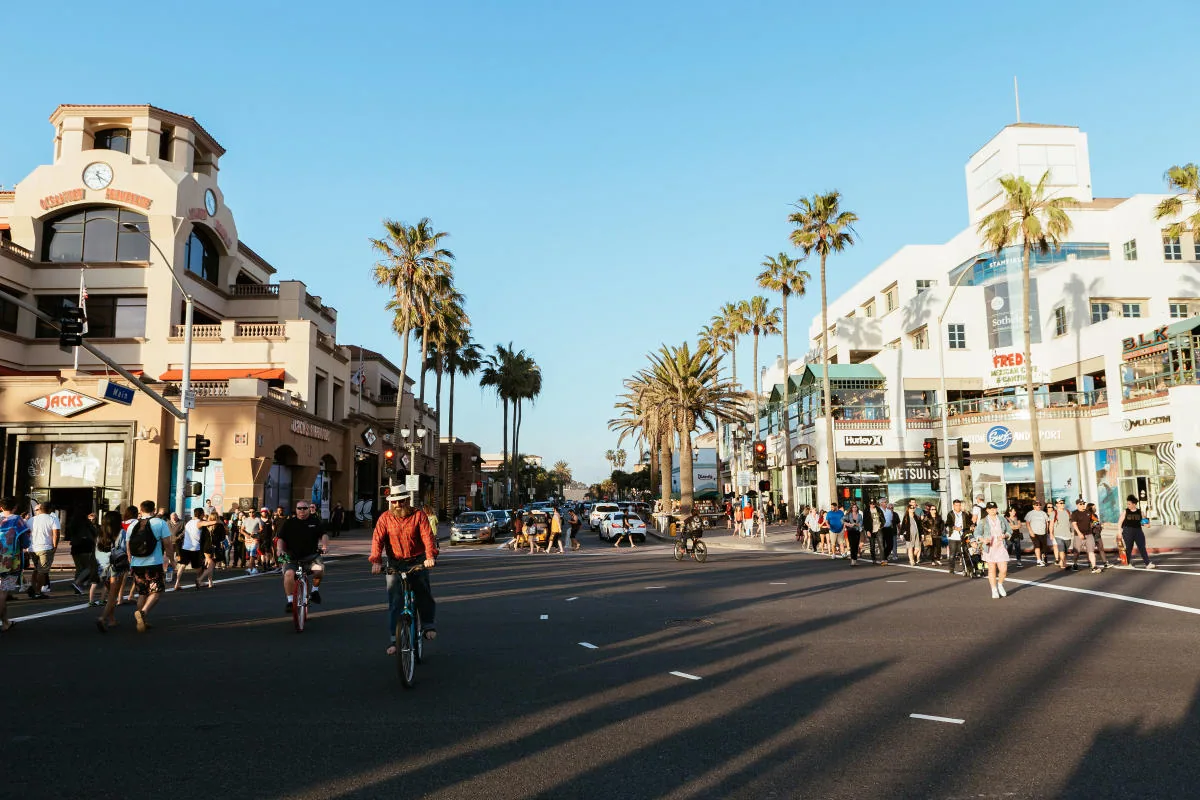
Huntington Beach's Downtown includes pedestrian-oriented commercial streets, while Gothard Street and Northwest Industrial are employment areas with different business access patterns. A campus project near a busy street or delivery route must confirm its own staging and entry rules. A service plan in the Downtown Huntington Beach area or the industrial districts cannot supply campus access instructions; the building contact sets them.
What defines a safe weather window?
Newport Beach Harbor's 1991 to 2020 normals record mild average highs and precipitation concentrated in the cooler months, with very little summer rain. These observations provide a coastal seasonal baseline, not a project forecast. Before exposing insulation or deck, we check current conditions, the work area, and the time available to close the opening. The planned dry-in boundary should be achievable before the next shift or event begins.
Santa Ana winds can bring warm, dry offshore conditions and higher coastal temperatures. Wind may affect roof movement, material handling, and temporary cover. If conditions change the approved sequence, the foreperson records which detail was completed, what protection remains, and whether a return check is needed. The facilities contact can then determine whether the room below stays in service or needs a temporary restriction.
For the cycle that began on January 1, 2026, Huntington Beach uses its adopted 2025 California Building Code. Project documents and permit requirements govern any covered alteration. We identify roofing submittals and scope decisions in the work packet, while the campus team coordinates reviews required for its project.
Should a campus repair, recover, or replace?
A contained defect with sound adjacent material may support a local correction. Recurring failures, wet insulation, deteriorated transitions, or a pattern across multiple repair records may justify testing or a larger capital review. We keep an urgent water stop separate from long-term renewal so the campus can protect a room without committing an entire roof to replacement. The report ties each recommendation to the building and evidence that supports it.
A recover is appropriate only when the existing substrate, moisture condition, drainage, edge height, attachment, and project rules permit another layer. Replacement may involve removal, insulation or deck work, and phased protection to keep nearby operations moving. A recover assessment states what supports retaining material; a replacement scope defines removal and rebuild work. The estimate identifies access, staging, testing, equipment coordination, and any concealed condition that could change cost or timing.
Campus staff can request urgent roof assistance at night, over a weekend, or during a holiday closure; safe entry and weather conditions govern the response. A temporary roof response records protection and permanent work as separate decisions. A closeout file then carries the marked boundary, installed material, photos, approved changes, and inspection interval forward for the next campus review.
Commercial Roofing Questions
Can a single inspection cover more than one campus building?
Yes, when access and authorization are arranged for each building. We provide separate roof-zone marks, photos, condition findings, and work-order recommendations so the owner can approve each scope independently.
How do you limit disruption during an academic term?
The site contact gives us occupied hours, event dates, access routes, and interior protection needs. We phase the work to secure a defined zone and record any activity that must pause or move.
Does a leak in one building point to the same issue elsewhere?
Not by itself. We inspect the second roof and compare its assembly, details, and maintenance record before extending a recommendation across the campus.
What information is useful for a capital roof review?
Provide the building list, roof plans, prior repair records, interior reports, access limits, and budget timing. We can return marked findings with tests or approvals that would change the renewal decision.
Proudly Serving Huntington Beach and Nearby Cities
Commercial Roofers Huntington Beach
Huntington Beach, Westminster, Seal Beach, Fountain Valley,
Garden Grove, Newport Beach and nearby Orange County cities