
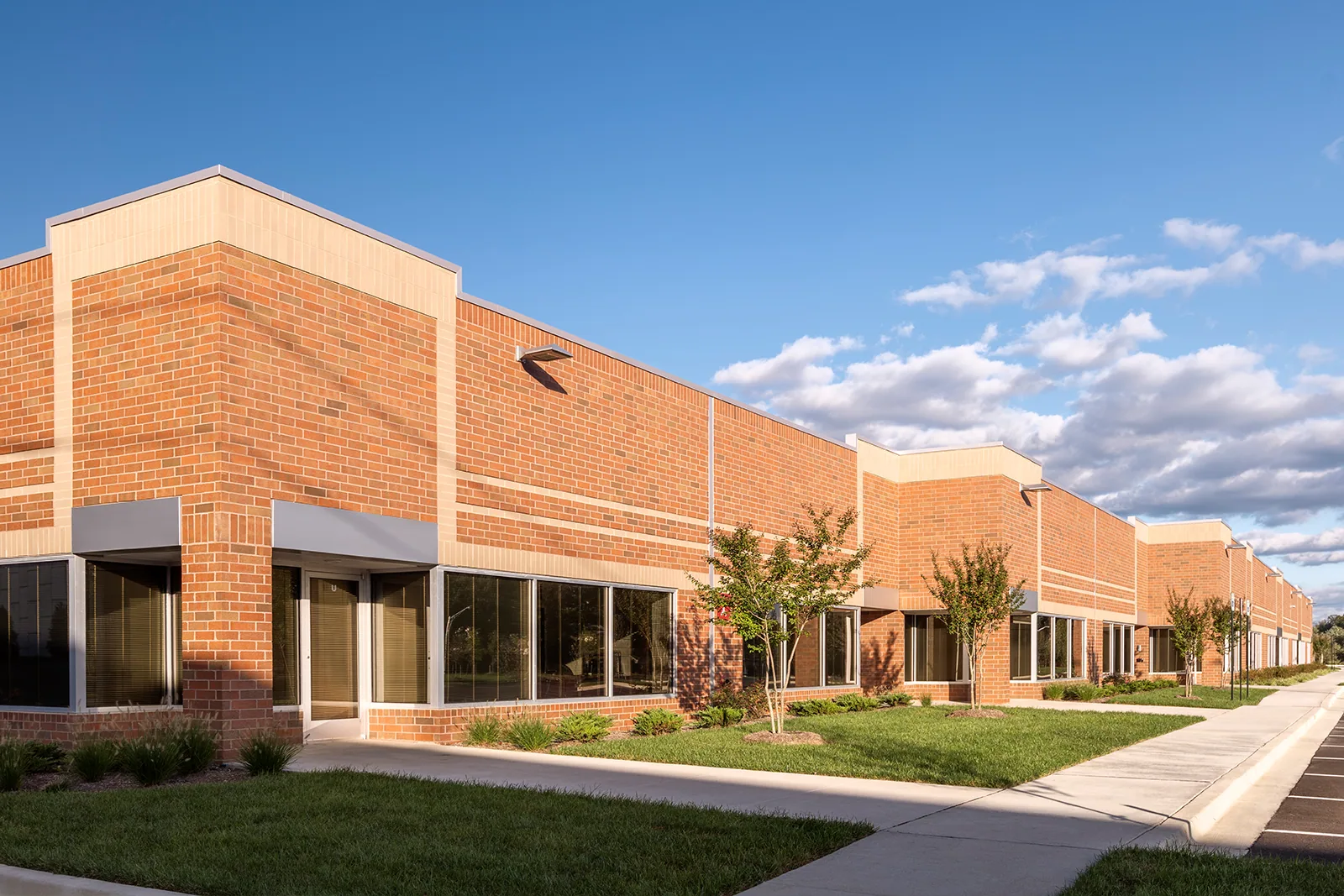
Flex Industrial Roofing in Huntington Beach, CA
Water over an office ceiling and water beside a loading door need separate inspection marks, even under one roof. We start flex industrial roofing in Huntington Beach, CA by locating each report and identifying the operations below it. The site contact arranges access to the affected tenant spaces while we check the roof transitions joining them. A mixed-use building needs a repair boundary that follows the roof condition as well as a work boundary that keeps office staff and industrial activity clear.
The Northwest Industrial Subarea combines large offices, business parks, commercial pads, and industrial-spec buildings. South of Bolsa Avenue, industrial and research-technology activity mixes with commercial service and fitness uses. Commercial Roofers Huntington Beach examines the actual assembly and operating layout before proposing work in that setting. We identify the first area requiring protection, then separate local corrections from roof-wide decisions so one tenant report does not obscure another part of the building.
Which tenant changes have altered the roof?
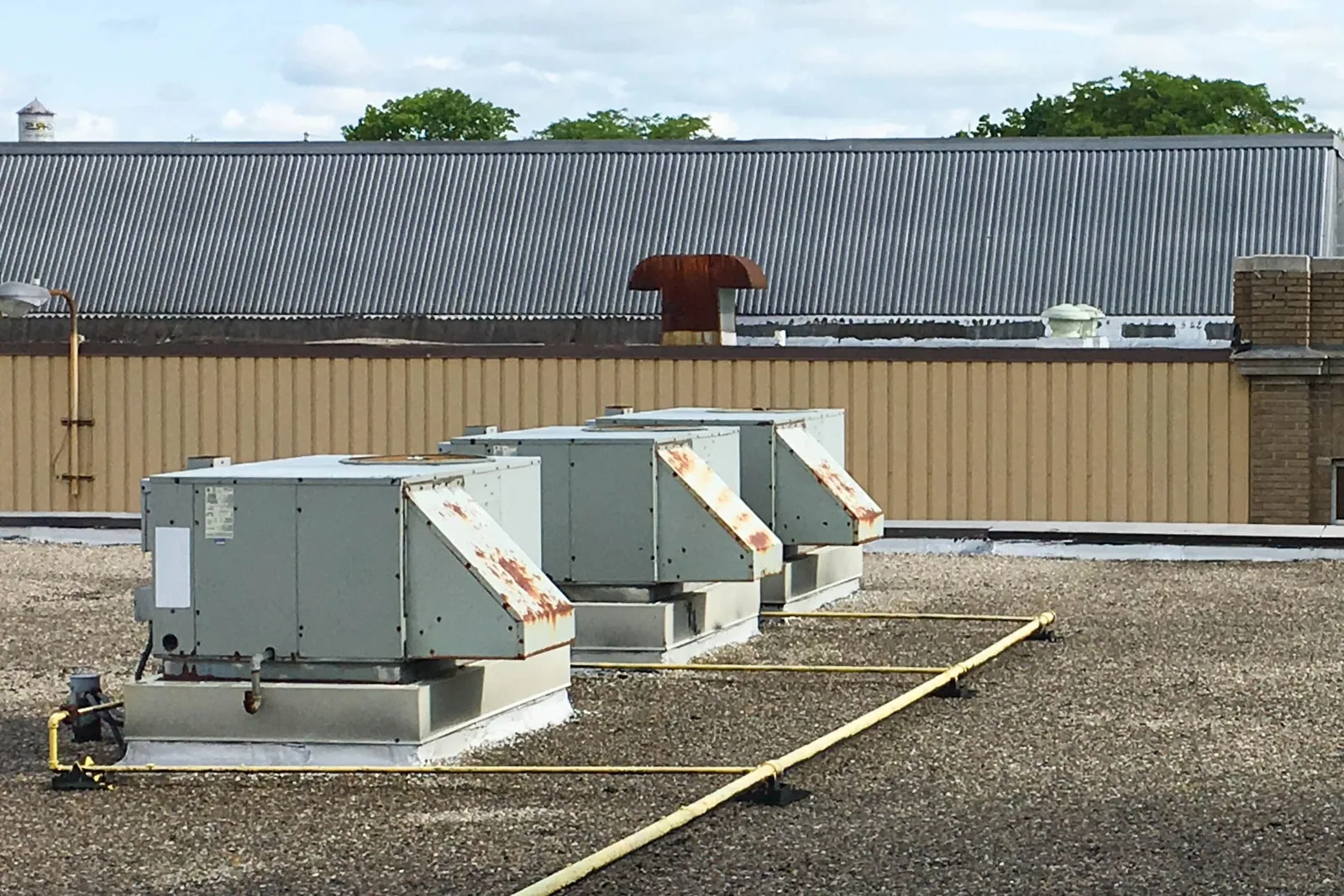
A new tenant can add equipment while leaving previous penetrations behind. We compare the current roof with available plans and examine added curbs, pipe supports, abandoned openings, and patched deck areas. The inspection identifies which connections remain active and which need permanent closure. A pipe removed from below does not automatically leave a sound roof above. We check the flashing transition and any movement around the old opening before specifying the correction.
Separate operating schedules also affect the inspection. An office suite may offer daytime interior access while an assembly area needs a planned pause for overhead work. We coordinate those windows through the property contact and record the roof zone serving each occupancy. Office roofing with occupied ceiling space calls for protection suited to finishes and circulation. Roof work above manufacturing activity needs the equipment and process constraints established before removal begins.
Lease lines and roof drainage lines do not necessarily coincide. We examine neighboring roof areas where slope, seams, or shared equipment could connect two reports. The manager receives a marked finding instead of a repair location chosen solely from the tenant suite number. That distinction is useful when responsibility for equipment work and responsibility for the roof belong to different parties.
Where do roof levels and drainage meet?
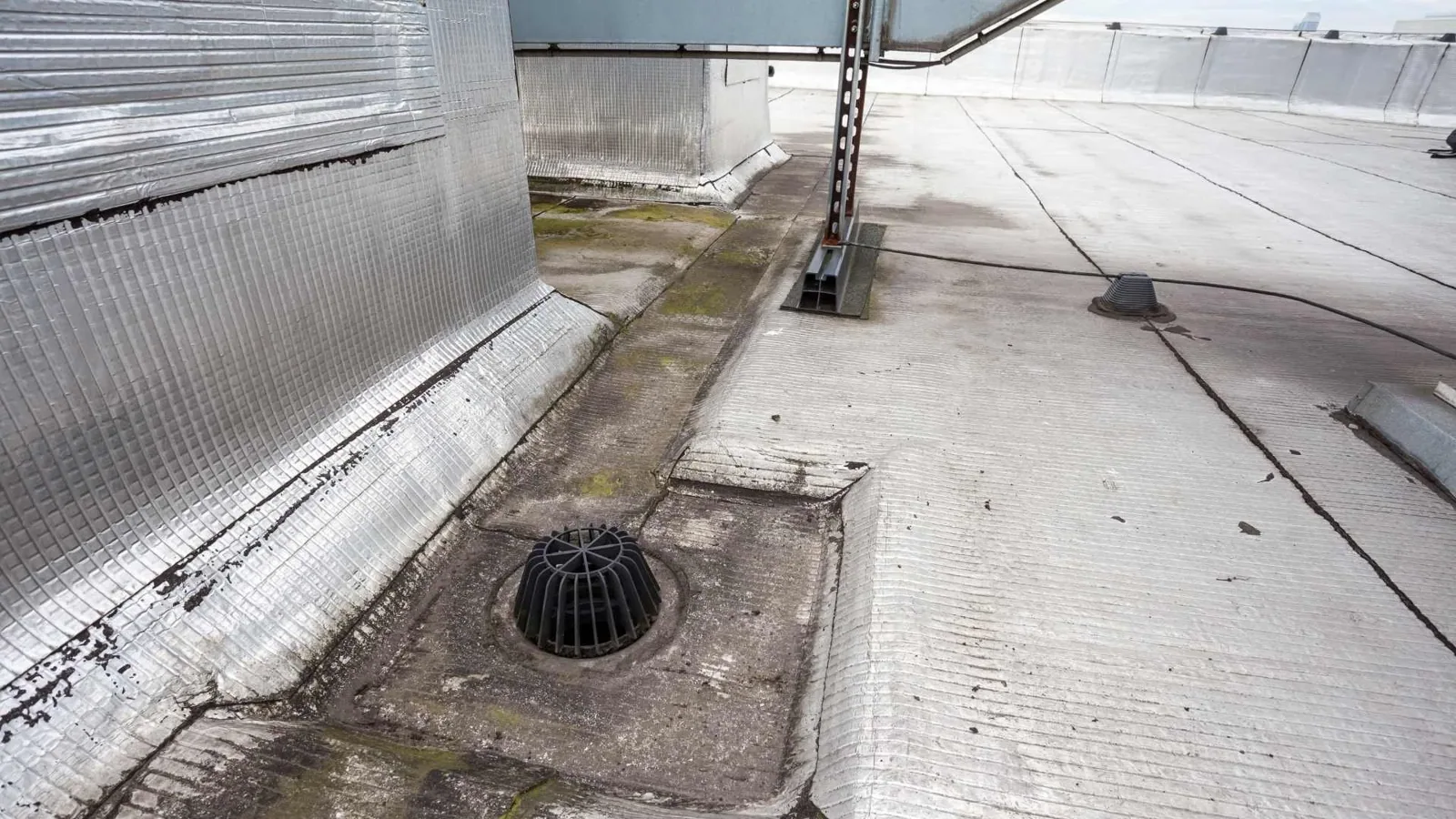
A lower office roof joining a taller industrial space creates a transition needing more attention than an open roof field. We inspect wall flashing, coping, movement joints, and runoff from the higher level. A sound membrane can still leak at an inadequately closed wall connection. Water directed onto the lower roof also needs an unobstructed route to its outlet. We record the height relationship and visible conditions before selecting a membrane patch or a wider transition repair.
The Gothard Street Subarea contains smaller manufacturing and warehouse properties, auto repair, retail, and offices. For a property in the Gothard Street employment area, shared access and adjoining operations belong in the work discussion alongside drainage. We examine the actual drains, scuppers, and connecting outlets before changing a roof surface. Increasing assembly thickness can affect flashing clearance and drain seating, so those connections must be included in a recover or replacement assessment.
What can stay beneath the next roof assembly?
Compressed insulation, wet layers, and uncertain attachment are reasons to examine the assembly before choosing an overlay. We review leak history, inspect the roof surface, and locate test areas where concealed condition will affect removal. Suitable moisture screening can help identify a pattern, followed by confirmation appropriate to the project. The proposal distinguishes dry retained material from wet material requiring removal and identifies any deck condition that needs a structural review.
A roof recover can limit disturbance when the existing assembly supports retention and the proposed construction meets project requirements. Replacement provides access to concealed layers when they need correction. Coating addresses a suitable receiving surface after repairs; it does not restore failed attachment or remove trapped water. We compare the alternatives by the condition they correct, the work left below, and the effect on future equipment access. The useful choice is the one that closes the observed failure without carrying unresolved material into the next assembly.
How can a weather window fit several operating schedules?
Newport Beach Harbor has a cool marine-coast baseline with precipitation concentrated in winter and very little normal summer rain. That nearby seasonal record helps schedule preventive drainage work and exposed removal, while the forecast and receiving surface determine the daily start. Adhesives, weld preparation, and coatings need suitable conditions even during a generally dry period. Morning surface moisture and wind can shift the sequence without changing the underlying repair scope.
Santa Ana winds can bring warmer, drier offshore conditions to the coast. We reassess exposed materials and the closure plan when those conditions affect the job. The property manager and tenant contacts receive the proposed work zone, equipment access needs, and temporary restrictions together. Repairs at equipment curbs and supports may require mechanical coordination, while unrelated roof-field work can proceed in another area. Sequencing those tasks separately reduces the chance that one unavailable trade leaves an opening exposed.
For active water entry, our emergency response remains available through nights, weekends, and holidays. The first visit identifies interior hazards and a safe roof access route, then sets a temporary protection boundary where conditions allow. Permanent work follows the inspection findings and material requirements. We state which tenant areas are protected and which still require access, so management can arrange the next visit without mistaking a temporary cover for completed repair.
How should the property compare near-term repair with replacement?
Several isolated details can be repaired individually when the surrounding roof remains sound. Repeated moisture findings, deteriorated attachment, and difficult transitions can make a broader project more useful. We connect each recommendation to photographs and roof positions, then identify the preparation, removal, and coordination driving the work. Tenant shutdowns, restricted loading access, and equipment relocation can change timing even when the roof area itself is straightforward.
A roof capital plan separates immediate protection from scheduled correction and later replacement. Keep the roof findings with tenant equipment changes and completed work orders so future alterations account for remaining flashing height and service routes. Closeout photographs show the repaired transitions and adjacent drainage, while open items identify the next access or trade decision. A return check can compare later tenant reports against the completed roof zone rather than treating every report as a new building-wide failure.
Commercial Roofing Questions
Can one tenant receive roof repairs before the rest of the property?
A localized repair can proceed when its boundary reaches sound material and the surrounding roof condition supports it. We check shared seams, runoff, and equipment connections before isolating the work. If moisture crosses the proposed boundary, the scope should address that extent rather than stopping at the suite line.
How should a planned tenant equipment change affect reroofing?
Provide the proposed unit positions and support requirements before the roof assembly is selected. We coordinate curb heights, flashing clearances, service paths, and abandoned opening closures with the equipment team. Making those decisions before installation avoids cutting into a finished roof for a change already known to the property manager.
Why does the office leak while the industrial area stays dry?
Different roof levels, ceiling finishes, and water routes can make symptoms appear in only one occupancy. We compare the office report with adjoining walls, drains, seams, and equipment instead of assuming the whole assembly has the same defect. The inspection may also identify a non-roof water mechanism requiring another building trade.
Does a coating let us postpone replacement without further testing?
Preparation requires an assessment of the receiving roof, including moisture and attachment conditions that influence suitability. We identify the needed checks and detail repairs before proposing coating. Where concealed deterioration changes the choice, confirmation should happen before material is applied so the proposed extension of service is supported by the assembly condition.
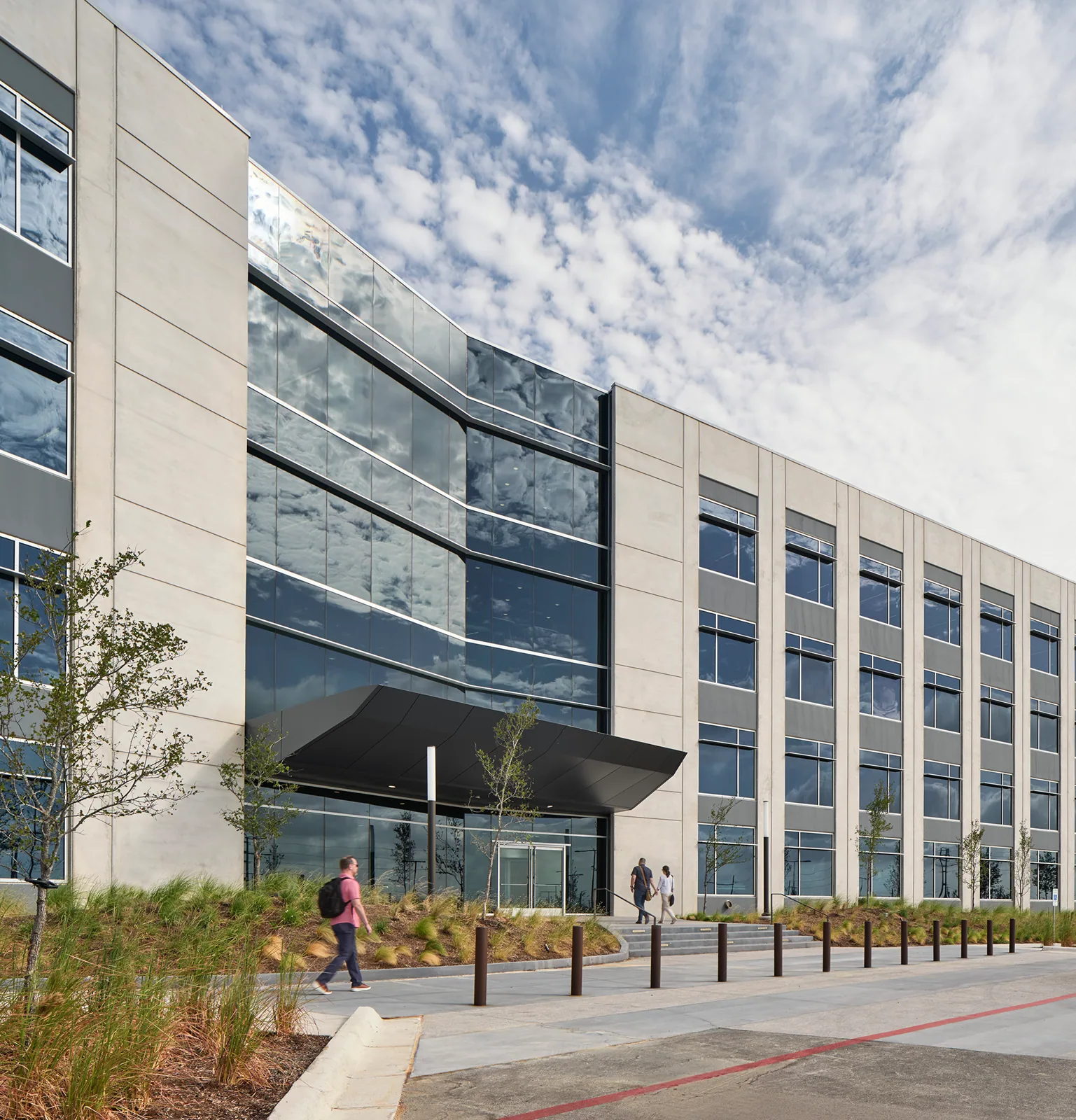
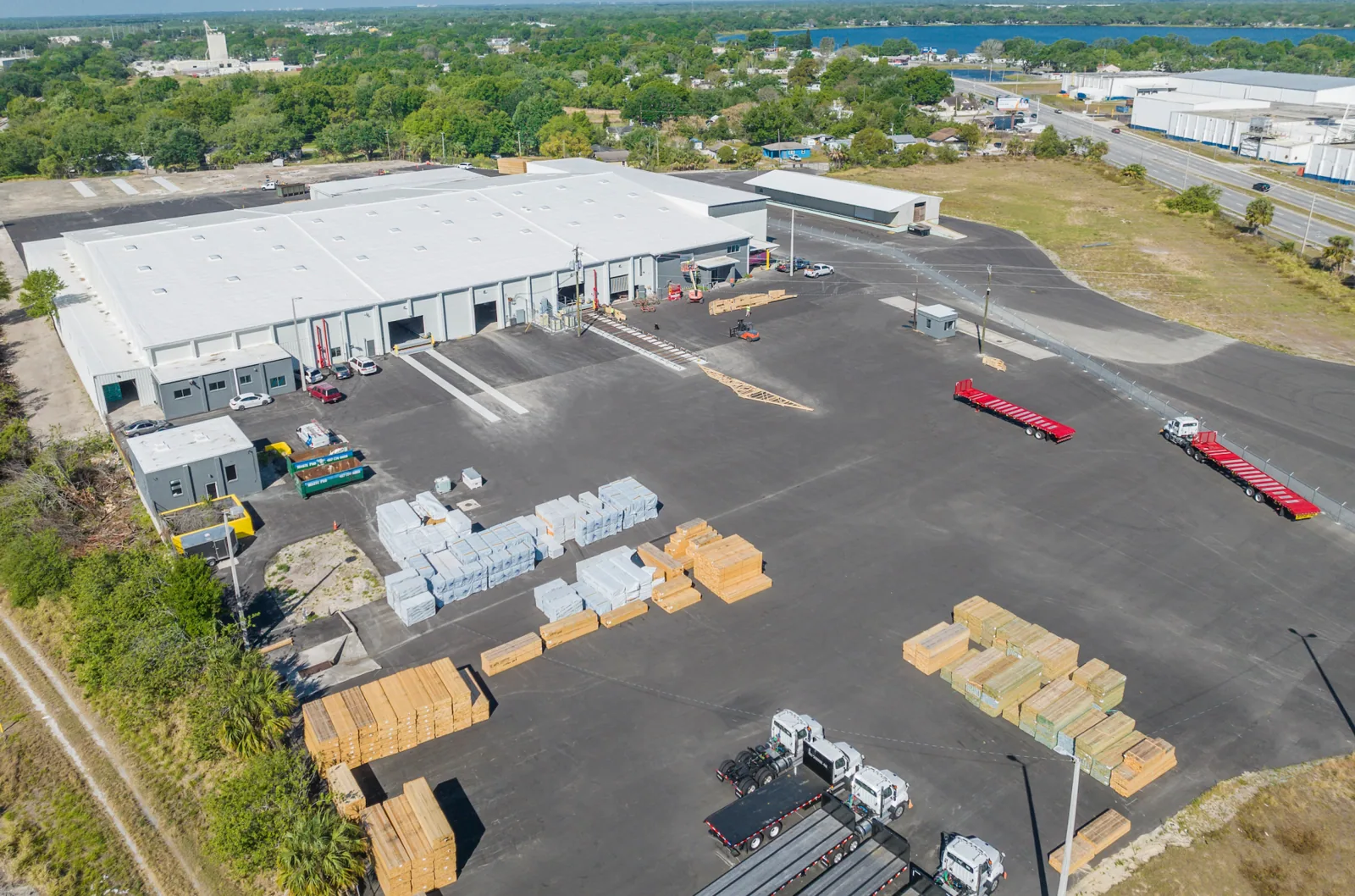
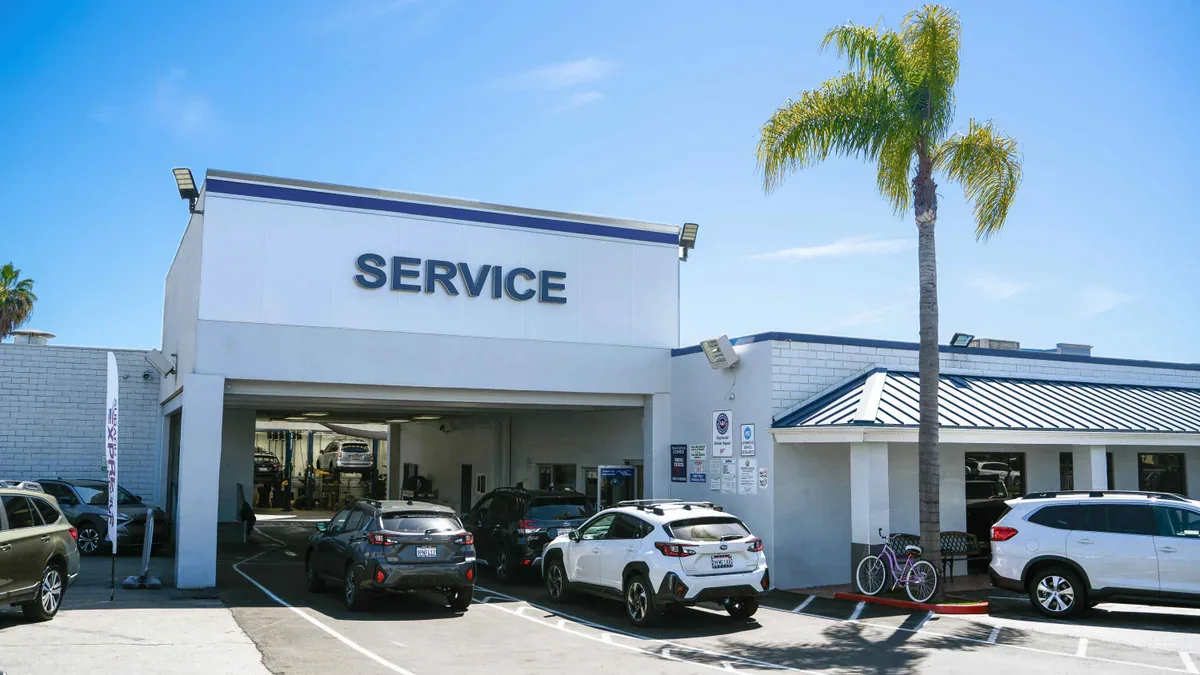
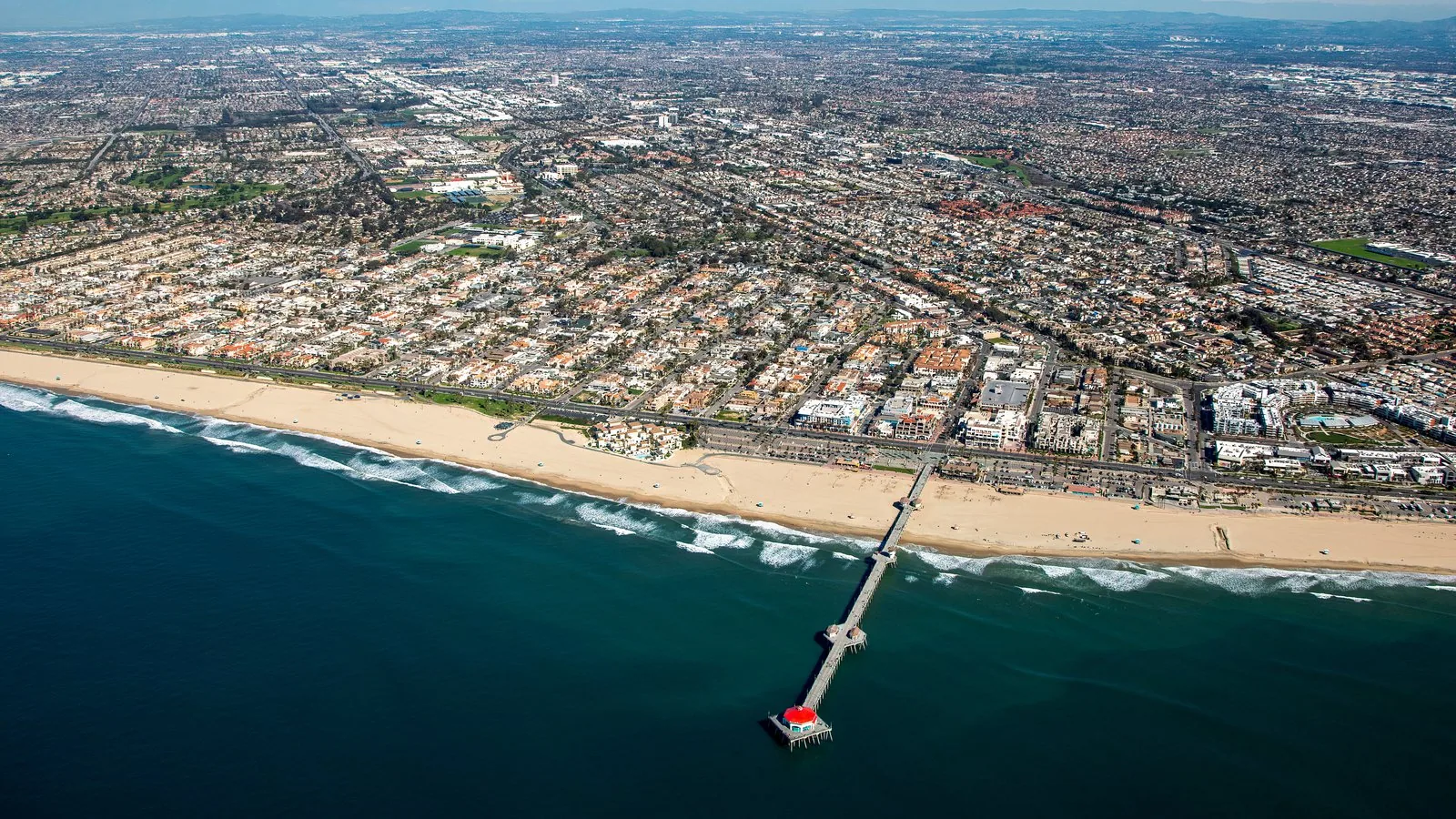
Proudly Serving Huntington Beach and Nearby Cities
Commercial Roofers Huntington Beach
Huntington Beach, Westminster, Seal Beach, Fountain Valley,
Garden Grove, Newport Beach and nearby Orange County cities