
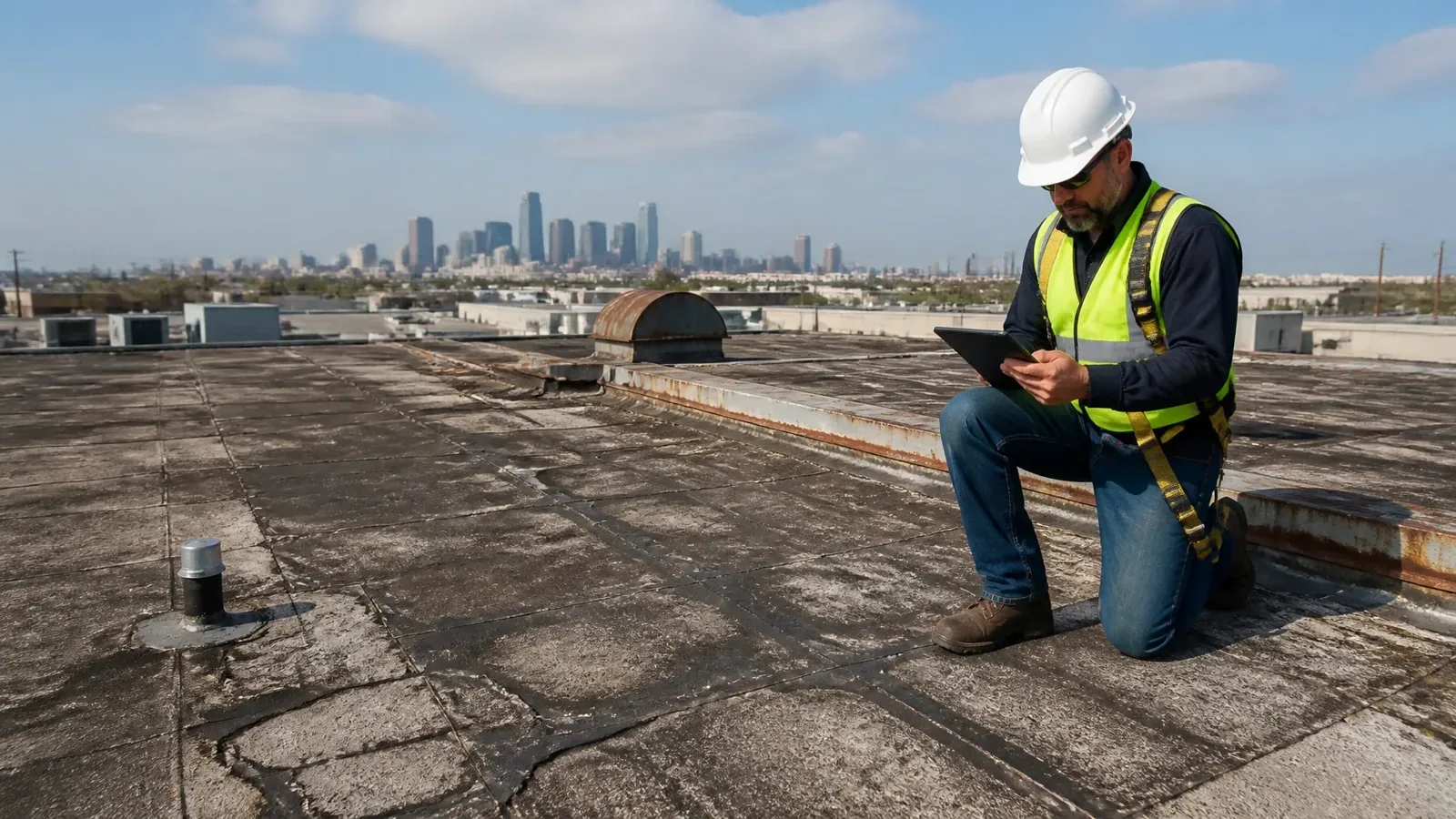
Roof Condition Reports in Huntington Beach, CA
An approval meeting cannot resolve a recurring drip from an unlocated photograph. We start with the affected room, the roof access window, and a plan that lets the inspection finding return to the right position. Roof condition reports in Huntington Beach, CA connect the visible defect to its roof zone and the next useful action. Where water is entering, protection proceeds first; the written assessment records what was protected and which permanent correction still needs a decision.
Commercial Roofers Huntington Beach prepares written roof assessments with photographs, field observations, and repair recommendations. The report separates observed condition from concealed questions needing further examination. An owner can use it to approve immediate repair, arrange testing, or compare a larger project against continued maintenance. The point is a usable building record: someone returning to the roof should be able to locate the finding, understand the proposed work, and identify what remains unresolved.
Can a technician return to each photographed defect?
A close image of a split shows its condition, but a wider view establishes where it belongs. We pair the two and mark the roof plan with the same location identifier. Adjacent equipment, drainage, edges, and level changes help orient the finding. Interior water reports are connected to their corresponding inspection zones without assuming the drip sits directly beneath an opening. That relationship is useful when moisture travels through layers or along a supporting member.
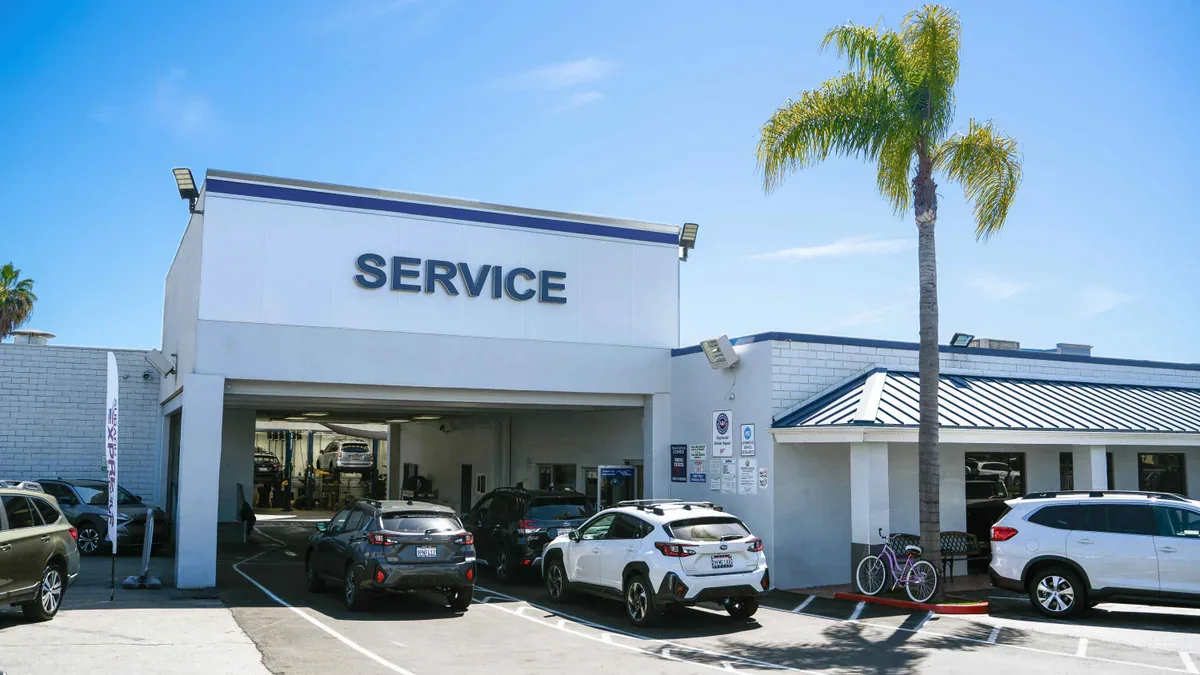
At a Gothard Street Subarea property, smaller manufacturing, warehousing, auto repair, retail, and office uses create different access needs. The report names the operation affected by a finding so the proposed inspection or repair can be scheduled appropriately. A roof-zone mark tied to the service bay differs from a general description of the rear building. We confirm those operating positions with the site contact before the record is finalized.
Which observations justify the recommended work?
Loose flashing, separated seams, blocked outlets, and damaged membrane receive descriptions suited to their actual condition. We explain what the inspection found, how it affects weather protection or drainage, and which correction is proposed. A recommendation to remove material should identify why the existing receiver cannot remain. A recommendation to monitor should state what will be checked and which change would move the finding into a repair scope.
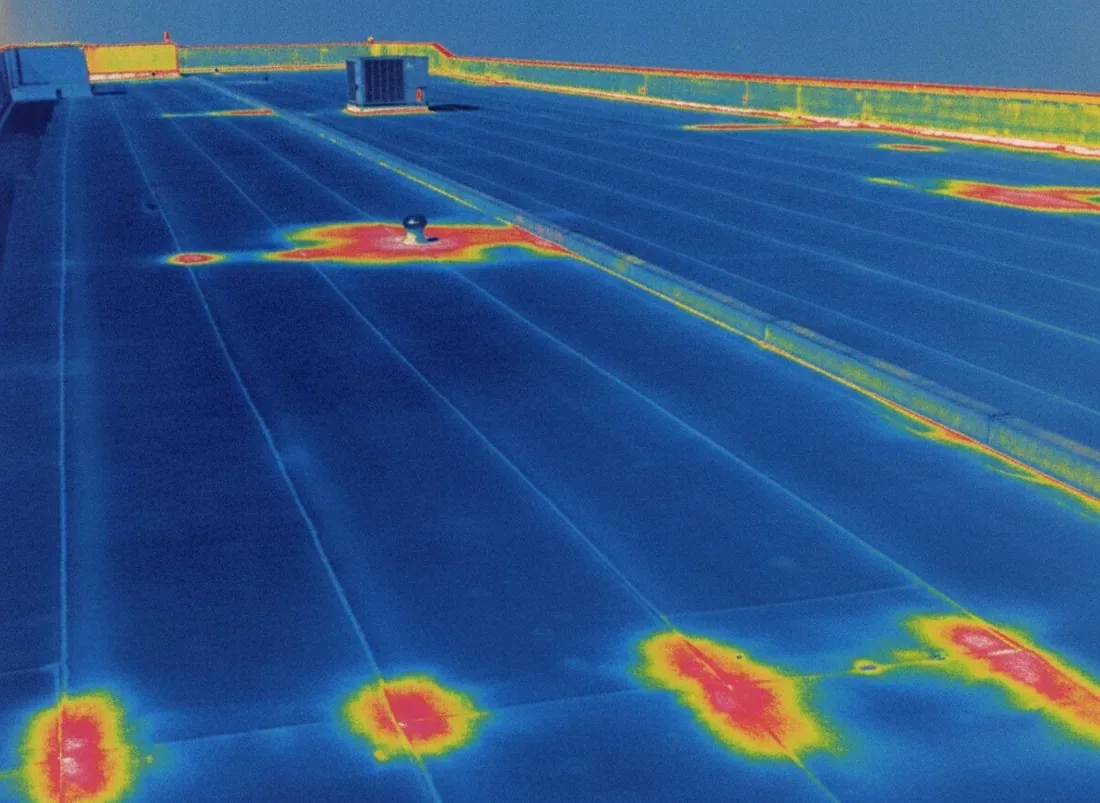
Concealed moisture or uncertain attachment can require further examination before the work is sized. Infrared screening for moisture patterns may help locate areas for confirmation under suitable conditions. The report records the test locations and the findings that support retaining or removing material. It also distinguishes a visual roof assessment from a structural evaluation, with the next appropriate review identified when deck movement or support condition raises a concern.
Material identification matters at repaired transitions. We record the roof assembly where established, previous patches affecting the receiver, and areas where construction information remains incomplete. The report can then explain why a compatible seam repair is sufficient in one position while another needs removal to inspect the layers below. That prevents a roof-wide description from obscuring a mixed assembly or a locally altered detail.
What belongs in immediate protection and what can be scheduled?
Active leakage, exposed openings, and unsafe conditions move ahead of a sound detail needing preventive attention. We assign the proposed action with its operating consequence rather than a label alone. An opening above stored goods may need protection before testing can be arranged. A deteriorated edge without current entry can still need a defined correction window. The report explains the condition and the reason for its recommended sequence.
Replacement timing and capital planning can use these findings to compare continued repair with a larger project. The assessment identifies factors likely to change that comparison, including wet material extent, failed attachment, drainage geometry, and difficult equipment connections. Tracking roof condition over time preserves the same locations so later inspections can show progression or successful correction. A changing condition deserves its own dated observation rather than repeated use of an old photograph.
How should the local operating setting appear in the assessment?
Huntington Beach’s Northwest Industrial Subarea includes office buildings, industrial-spec properties, business parks, and commercial pads. A report for one of those buildings should identify the actual roof access route and work constraints relevant to the recommendation. A lift requiring a yard closure affects timing differently from a repair reachable by an existing roof hatch. We document those constraints where they change the work, not as a substitute for describing the defect.
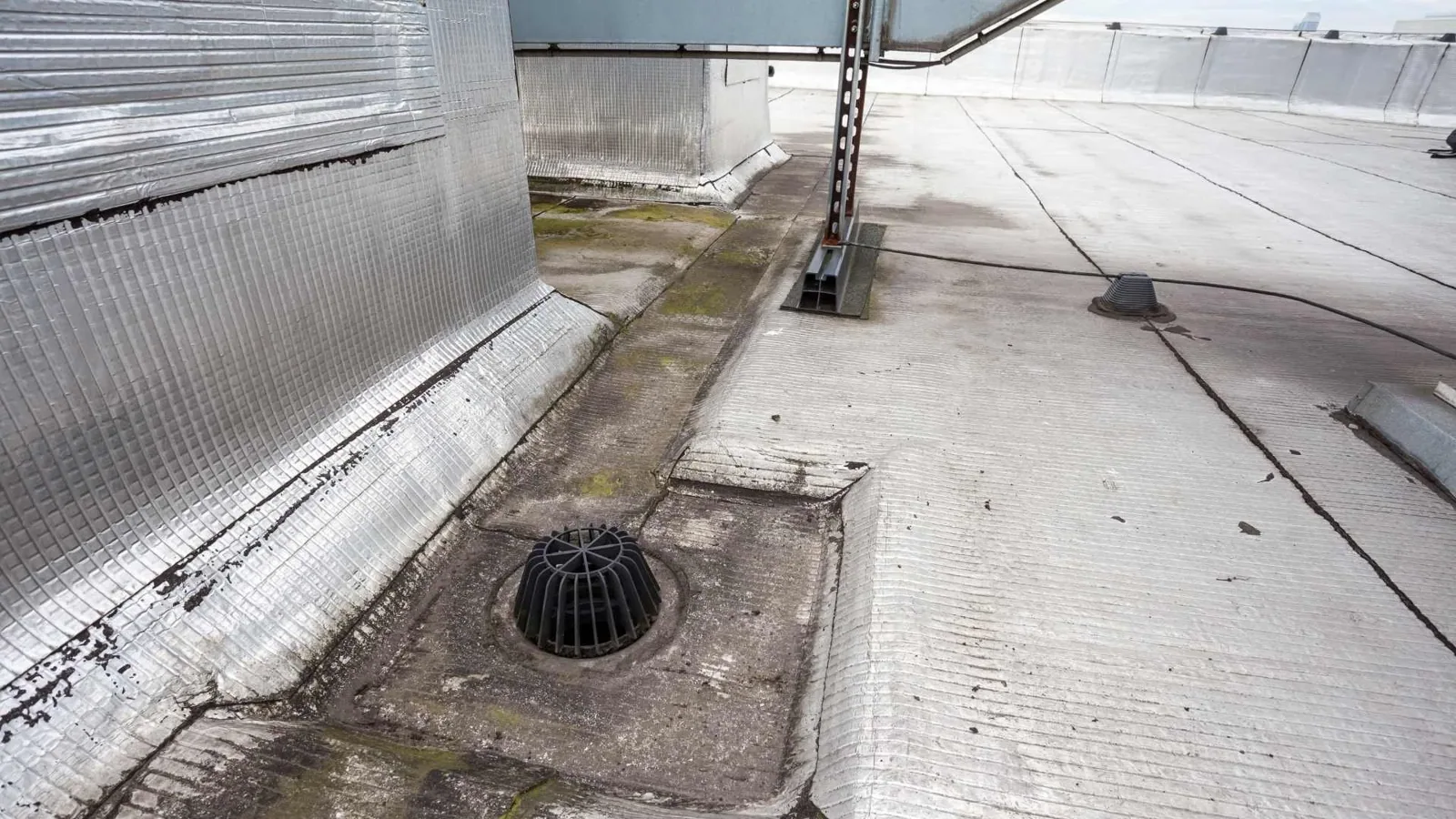
The nearby Newport Beach Harbor record places the wetter part of a normal year in the cooler months, with summer precipitation nearly absent. That context supports recommending a drainage check before winter, while the inspected outlet and roof surface establish the correction needed. We photograph sediment lines, blocked strainers, and damaged connections during dry weather where they remain visible. A drainage repair finding should identify the water route and accessible discharge rather than simply state that the roof needs cleaning.
What should stay with the report after work is approved?
A proposed repair boundary becomes more useful when the completed work returns to the same record. We identify the corrected finding, installed material, and any added removal revealed during the job. Before-and-after photographs show the change, while open items remain listed for the next visit. An owner comparing invoices and field results can then separate the completed correction from testing or equipment work still outstanding.
Costs and timing depend on access, concealed deterioration, material preparation, and the number of separate work areas. We explain those drivers without treating a visual assessment as a final measurement of every concealed layer. A hands-on inspection of accessible roof areas supports the written findings; additional testing is assigned where it will change the decision. Keep the report with roof plans, maintenance work, and equipment alterations so the next contractor visit starts with current building information.
For a later leak report, record the interior position and date before arranging the return check. The same roof identifiers help compare a new symptom with the repaired area. The report should be updated when an actual correction or new examination changes the condition, leaving a clear history rather than a stack of disconnected assessments.
Commercial Roofing Questions
Can the report support a repair approval without another roof visit?
A defined visible defect can support approval when its location, receiver, and work boundary are sufficiently established. We identify any concealed question that could change removal or cost. If that question remains material to the decision, the report recommends the specific additional check before a final scope is approved.
Will a condition report tell us exactly how many years the roof has left?
Remaining service depends on assembly condition, maintenance, exposure, and future changes. We describe the findings influencing continued use and the triggers for another assessment. That gives the owner a practical planning basis without turning one inspection into a precise prediction of a roof failure date.
How are inaccessible roof areas handled in the recommendations?
Restricted areas are identified with the access needed to examine them. We keep their condition separate from inspected zones and explain whether that missing examination affects the immediate decision. The manager can then arrange a roof window or equipment coordination before the larger repair boundary is settled.
What should change in the report after a leak is repaired?
Add the completed repair position, photographs, materials, and return-check result to the original finding. We identify any remaining drainage or trade item instead of marking the whole roof corrected. A later symptom can then be compared with a known completed detail and a current list of open work.

Proudly Serving Huntington Beach and Nearby Cities

Commercial Roofers Huntington Beach
Huntington Beach, Westminster, Seal Beach, Fountain Valley,
Garden Grove, Newport Beach and nearby Orange County cities