
Due Diligence Roof Surveys in Huntington Beach, CA
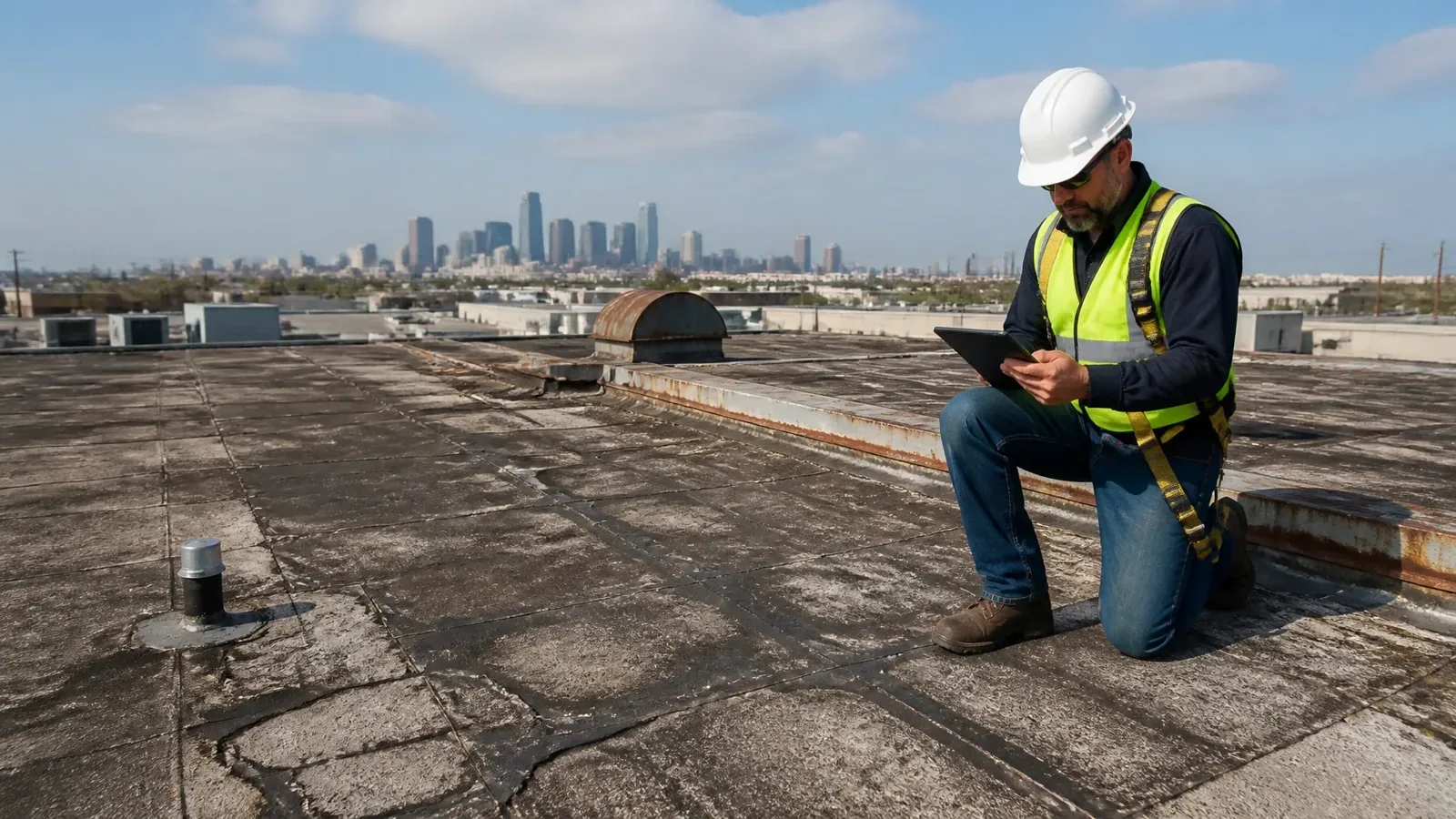
The inspection date can arrive before the seller has arranged roof access. We settle that constraint first, confirming the person who can open the hatch, the areas available for examination, and the transaction deadline. Commercial Roofers Huntington Beach performs due diligence roof surveys in Huntington Beach, CA, for acquisition and refinancing decisions. The survey needs to identify conditions that affect immediate repairs, further testing, and planned investment while there is still time to act on the findings.
A commercial property in Downtown Huntington Beach may involve retail activity and pedestrian access, while an industrial purchase brings different operating requirements. We ask which buildings and roof sections belong in the transaction, including later additions or separately leased spaces. The agreed scope follows those boundaries, so an inaccessible annex or an omitted tenant roof does not disappear inside a general property description.
Which roof decisions must be settled before closing?
An active leak needs a different response from a buyer's comparison of replacement options. We identify both questions before the visit and separate the work they require. A surface survey can document accessible conditions. Confirming insulation moisture, attachment, or hidden deck deterioration may call for sampling or another authorized examination. The buyer needs to know which finding supports a decision now and which condition could change that decision after testing.
Available roof plans, repair invoices, leak reports, and warranty documents guide the examination without replacing it. We compare their roof locations with current equipment, edges, and additions. Missing records become a defined information gap, not an invented installation date or remaining-life estimate. A condition report for transaction review connects each observation to its location and explains the repair or investigation it supports. That gives the buyer a usable discussion with the seller, lender, or property team.
What should the survey examine beyond the visible surface?
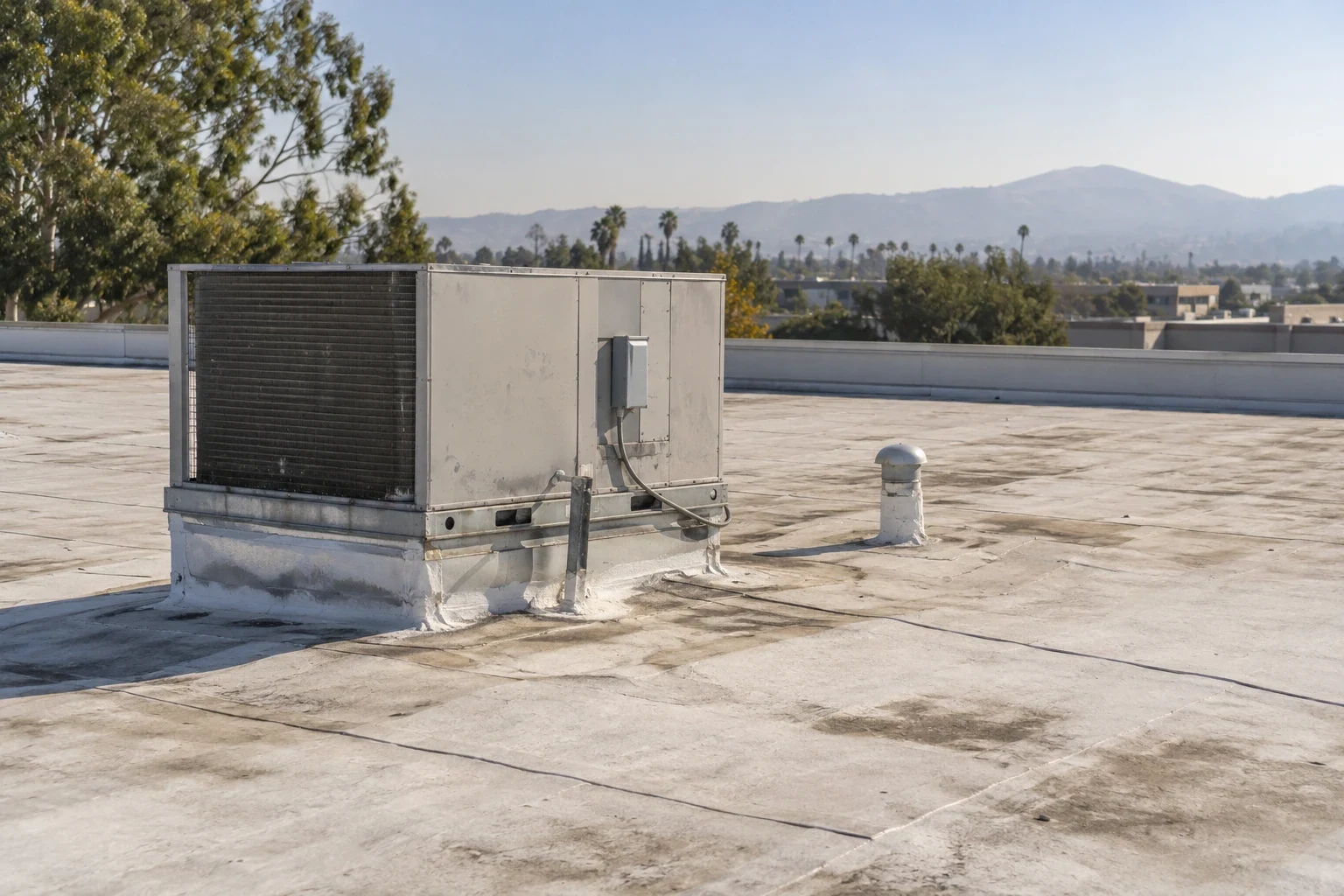
An apparently uniform membrane can conceal different roof sections and earlier repairs. We identify accessible seams, wall connections, curbs, drains, perimeter metal, and transitions between assemblies. Photographs need enough context to locate a defect on a later visit. Repeated patching beside a unit deserves a closer examination of the curb and water route, rather than a conclusion based only on the number of visible repairs.
The supporting roof layers matter to any recover or replacement decision. We identify what records establish and what sampling would need to confirm, including insulation, deck, existing layers, and attachment. A hands-on roof inspection sets the accessible condition record, while appropriately selected testing answers narrower concealed questions. Roof entry also includes an access review: a difficult hatch, restricted tenant room, or unsafe service route can affect the time and cost of later maintenance or construction.
Which concealed conditions warrant testing during the review period?
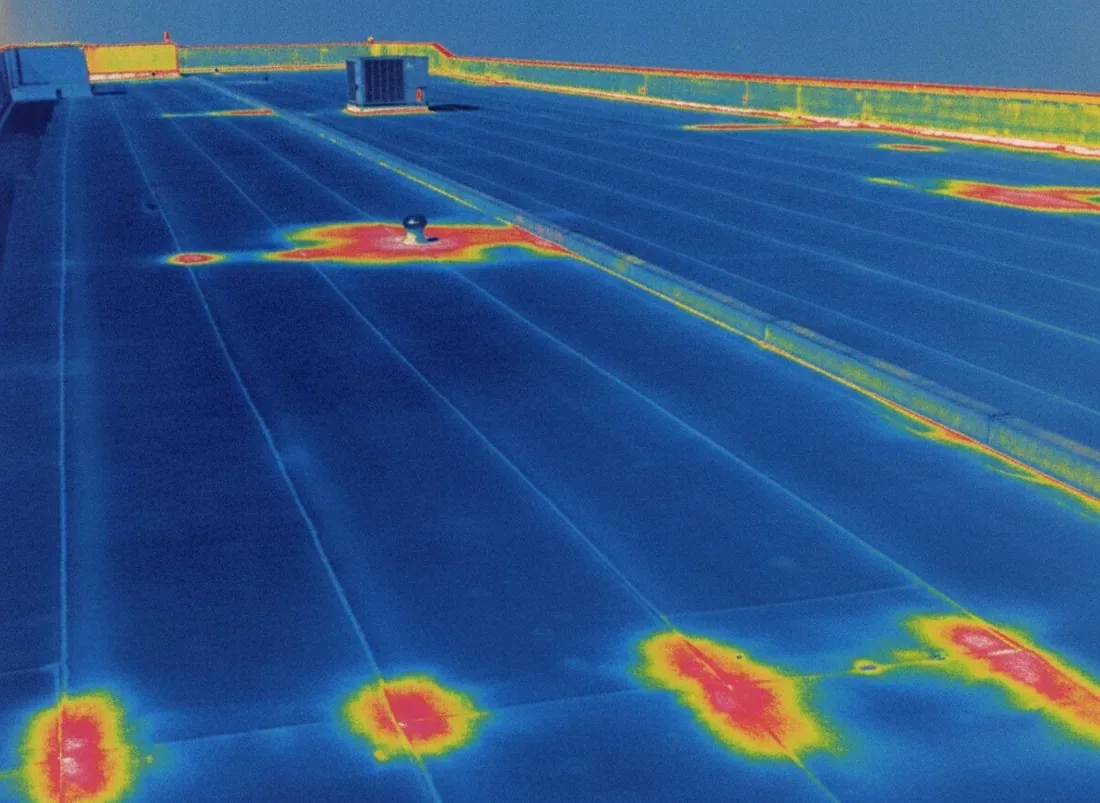
Soft areas, recurring interior water reports, and unusual surface patterns can justify moisture investigation. We first determine whether the assembly and available weather conditions suit the proposed method. A moisture survey with targeted sampling can help establish removal limits where the indications are confirmed. The buyer receives the locations tested, results available, and remaining uncertainty, rather than a roof-wide moisture conclusion from an isolated observation.
Nearby Newport Beach Harbor has a coastal rainfall pattern with wetter cooler months and nearly dry summers. A transaction inspection during a dry interval may therefore need the building's prior leak history to complement current surface observations. We arrange any authorized openings with the owner and close them properly afterward. Where a deadline prevents a necessary test, the report identifies the specific decision that remains unresolved and the follow-up examination that would address it.
How does the property's use affect future roof work?
A replacement over stored inventory requires protection and a removal sequence that a vacant unit may not need. An occupied office has its own roof access and noise constraints. The survey records those conditions where they affect the proposed repair or capital work. It also examines equipment clearances, delivery space, debris removal, and access to drains. Those practical details can distinguish roofing proposals that describe similar materials but assume different working conditions.
The Northwest Industrial Subarea combines offices and business parks with industrial and research uses. Downtown Huntington Beach includes commercial, entertainment, and recreation activity with a pedestrian and bicycle orientation. We tie those settings to the actual property's entrance and staging needs. For a buyer evaluating an active building, roof replacement during occupancy needs a feasible daily closing boundary, not just a proposed material and an estimated completion date.
How should repair findings inform the investment plan?
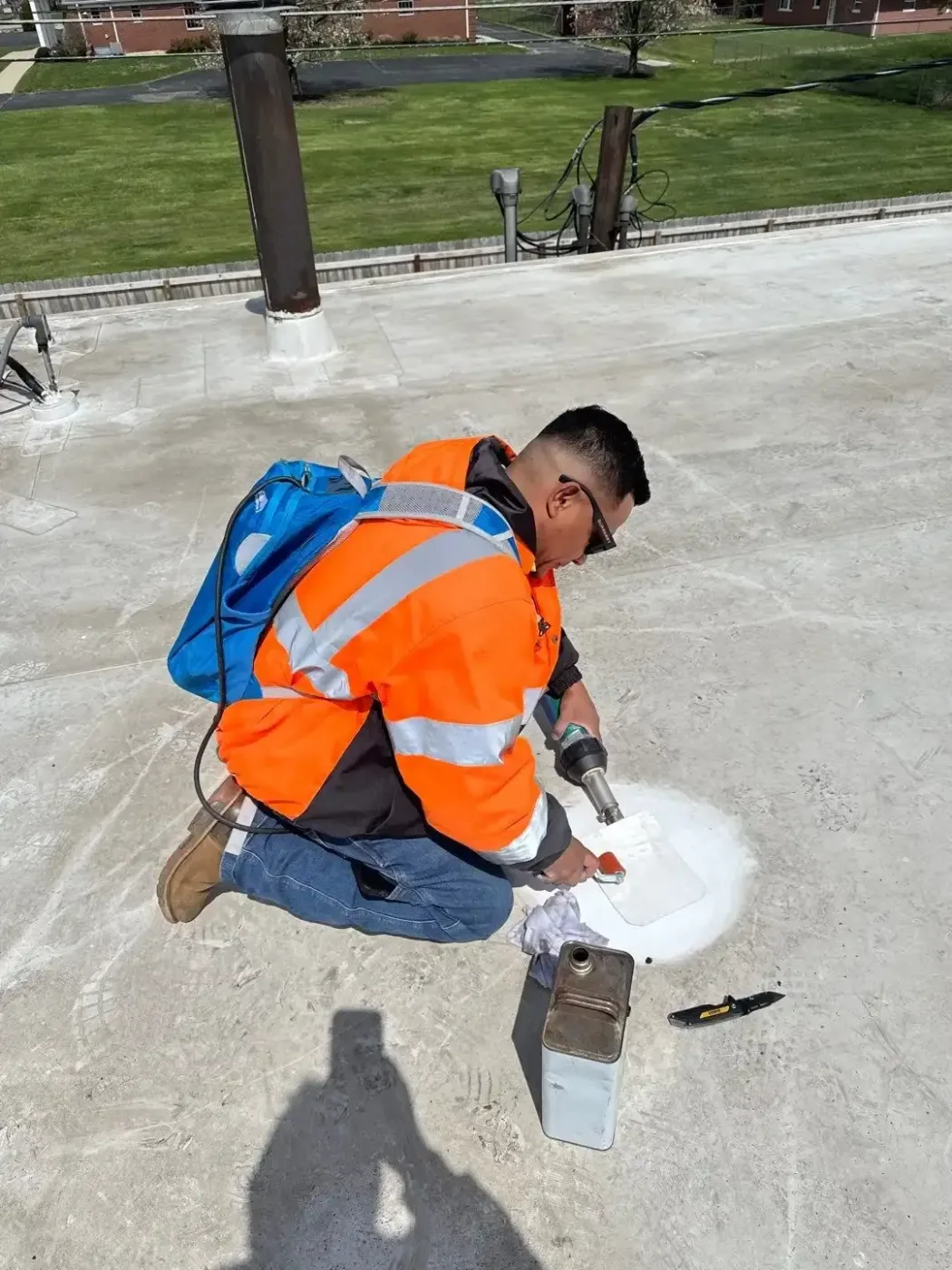
A contained flashing defect can be separated from a larger replacement need when the surrounding assembly supports that distinction. We describe the work boundary, preparation, tie-ins, and any concealed condition that could enlarge it. Replacement planning accounts for removal depth, wet material, deck repair, drainage changes, equipment transitions, and operating restrictions. Those scope items explain cost differences without assigning a universal price to a roof material.
A roof capital plan can sequence near-term protection, useful testing, and a larger project after acquisition. Warranty documents receive their own review of named parties, covered construction, exclusions, and any transfer procedure. We identify a missing document or required manufacturer inquiry without treating a roof label as proof of coverage. The purchase decision remains with the buyer; our role is to make the roofing condition and proposed work clear enough to evaluate alongside the other property findings.
What should the transaction team receive before its deadline?
The final survey file identifies buildings examined, roof positions, accessible assemblies, photographs, test results, and proposed actions. Urgent protection appears separately from planned repairs and unresolved testing. Each restriction states why it matters: for example, an inaccessible roof section prevents confirmation of that section's drainage or membrane condition. The buyer can then request access, authorize the missing examination, or account for the unresolved work in the transaction discussion.
An active opening found during the survey may need a safe protection step before the transaction report is complete. We coordinate that action with the authorized building contact and offer emergency response outside regular working hours, including weekends and holidays. A roof review for an investment portfolio can retain the same property-specific findings after closing. The incoming manager then has marked repair locations and open decisions to carry into maintenance, rather than starting again from an unlocated photo set.
Commercial Roofing Questions
Can the survey fit a short acquisition review period?
Access arrangements and the required testing determine the achievable scope. We confirm the deadline at scheduling, identify immediate examinations, and flag any weather-dependent or intrusive step. The report distinguishes completed findings from a test that still needs authorization or a suitable operating window.
Will you give a remaining roof life for the lender?
A credible service-life opinion needs more than a surface appearance. We examine the available assembly information, repair history, condition, and relevant test results. Any estimate requested for the transaction should state its assumptions, while observed defects and necessary repairs remain separately identifiable.
What happens if the seller permits a walk but no roof cuts?
The accessible surface still supports a useful condition record. We identify concealed questions that a visual examination leaves open and explain how they affect repair or replacement decisions. Sampling can follow if permission changes; the report does not substitute an unsupported assumption for the missing examination.
Should prior repair invoices be included with the roof plan?
Repair records can show where recurring problems or altered details deserve attention. We compare them with present conditions and identify whether the work boundary matches the roof now. Include available leak reports and warranty documents too, so the survey can resolve discrepancies before the review period ends.

How we inspect, scope and complete this work

Proudly Serving Huntington Beach and Nearby Cities

Commercial Roofers Huntington Beach
Huntington Beach, Westminster, Seal Beach, Fountain Valley,
Garden Grove, Newport Beach and nearby Orange County cities