
Ponding Water Roof Repair in Huntington Beach, CA
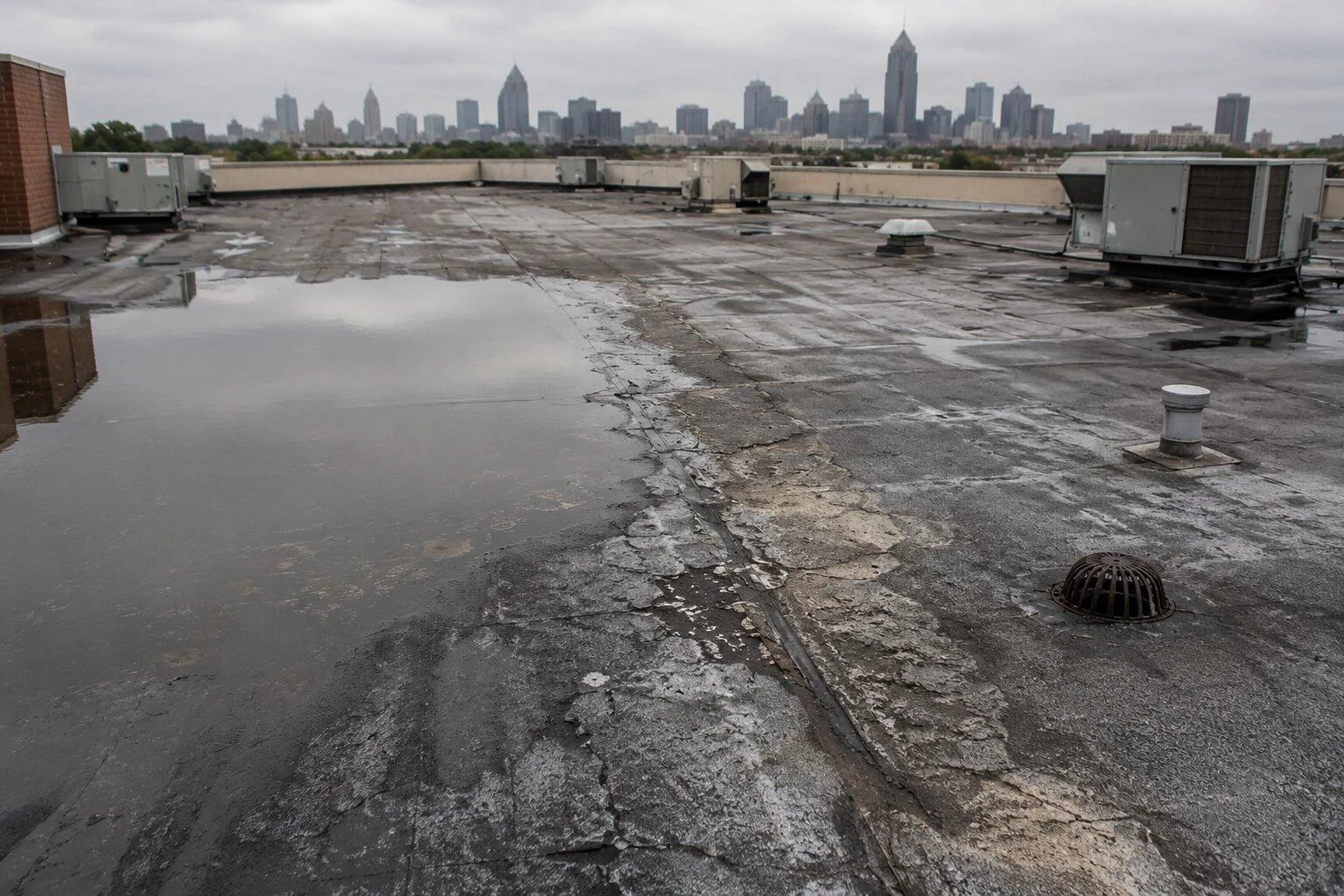
A pool still standing beside the drain after nearby surfaces dry needs an outlet check before another roof patch. We mark its boundary, inspect the accessible discharge, and look for signs of leakage below. Ponding water roof repair in Huntington Beach, CA begins with a safe route to the affected area and a clear distinction between blocked flow and a roof surface that cannot shed water. The building contact identifies wet rooms and any equipment operating beside the pool.
Commercial Roofers Huntington Beach examines drainage, membrane condition, and concealed moisture before selecting a correction. We can remove accessible obstructions, repair damaged connections, or plan slope changes when the existing roof geometry holds water. A broad pool, a moving deck, or water close to electrical equipment requires attention to safety before routine maintenance proceeds. Active entry can receive emergency response during nights, weekends, and holidays; the field conditions establish when roof access and protection are possible.
What does the shape of the pool tell us?
A ring of debris or sediment helps locate the recent water boundary after the roof dries. We compare that boundary with seams, equipment curbs, roof levels, and drain locations. Water confined behind a support may call for a local flow correction. A wide shallow area can point toward inadequate slope or compression in the assembly. We record the pattern before cleaning so the original condition remains available when the repair choices are compared.
Several pools on one roof do not automatically share a cause. We examine each catchment area and identify how water should reach its outlet. On a roof with multiple levels, runoff from above can increase the water delivered to a lower area. The inspection should account for that connection. Separated seams within the wet area and damaged flashing at its edge receive their own repair findings rather than disappearing into a general drainage complaint.
Is the restriction on the roof or farther downstream?
Debris over a drain strainer is visible, while a blocked leader or underground line may require another inspection method. We check accessible outlets and identify where further plumbing or drainage service is needed. Removing the strainer does not resolve a restricted discharge farther along the route. The manager receives the observed condition and the next service requirement, with roof membrane work separated from downstream line clearing.
At a scupper, we inspect the opening, membrane connection, receiving conductor, and visible discharge. Roof coating or an earlier patch can narrow an opening if applied without preserving its dimensions. A drain and scupper correction restores the roofing connection and addresses accessible defects. Changes to outlet size or drainage arrangement need appropriate design review. We also locate secondary drainage so its role remains clear and its path is not blocked by stored materials.
A backed-up system can place additional water weight on the building. We report visible deflection, unusual sounds, or other concerning conditions for immediate assessment and keep people clear of an unsafe area. Pumping or cutting an opening without a coordinated plan can introduce new hazards. The first useful step is to establish the safe response and the responsible drainage or structural review before a large retained pool is disturbed.
Which seasonal checks help the roof drain?
Nearby Newport Beach Harbor averages most of its precipitation during winter, while normal summer rain is minimal. That pattern makes a dry-season drainage visit useful for clearing debris and examining the roof surface before winter weather. We look for compressed insulation, settled patches, and equipment supports that interfere with flow. A dry roof still shows sediment lines and outlet defects, so the absence of an active pool need not postpone the inspection.
Huntington Beach identifies commercial uses along Adams Avenue and Warner Avenue. For a property on those corridors, discharge and access planning should include the actual pedestrian and service routes below. A Huntington Beach commercial building needs a roof-to-ground flow assessment at its own entrances and loading areas. Water moved away from one low spot should not be redirected into a doorway or onto an occupied walkway. The proposed repair follows the full route rather than only the roof surface.
When does drainage repair need insulation or deck work?
A clear drain cannot empty water trapped in a depression below its inlet. We inspect the assembly and compare available roof elevations before proposing tapered insulation, a cricket, or another slope correction. An added layer changes more than the low point: flashing height, drain seating, perimeter attachment, and nearby equipment clearances also need attention. The design must connect the corrected area to an outlet instead of moving the pool to an adjacent roof zone.
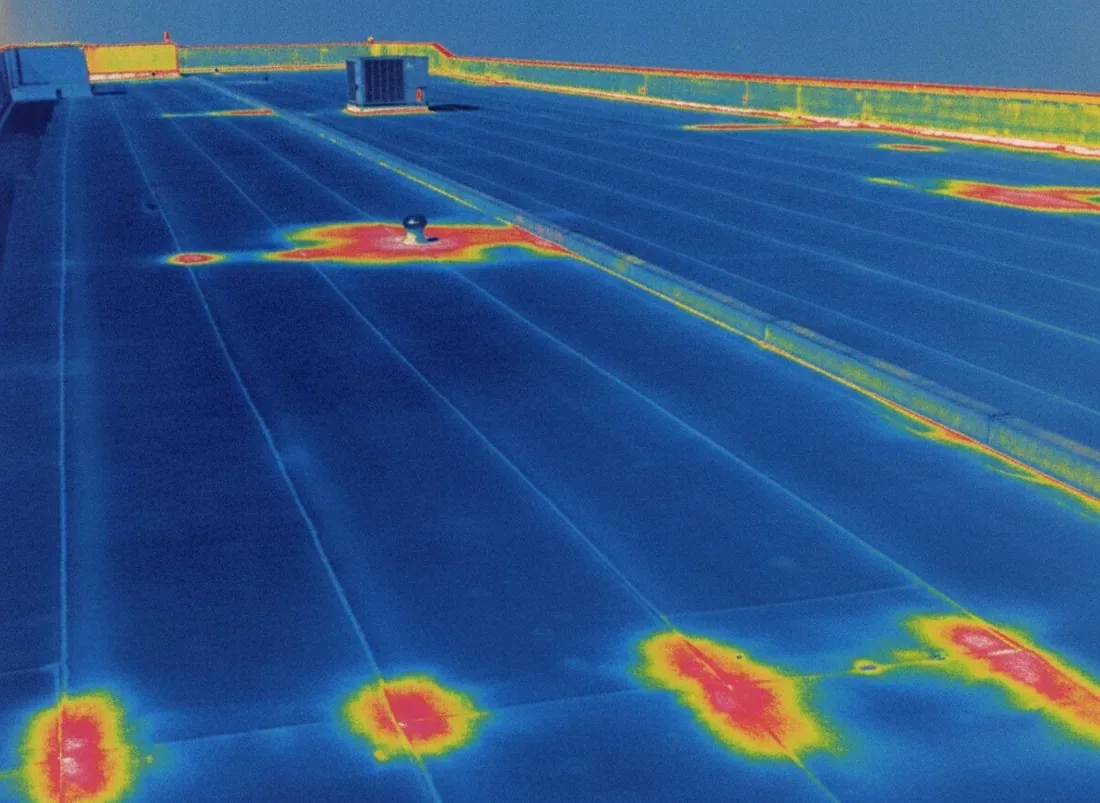
Wet insulation needs removal where its condition undermines the repair. Moisture screening with infrared imaging can help locate areas for confirmation when the roof and weather support it. Test openings establish the concealed condition needed for the removal decision. We separate those findings from any structural concern about the deck. A stable deck with localized wet insulation supports a different scope than a roof whose supporting surface requires further assessment.
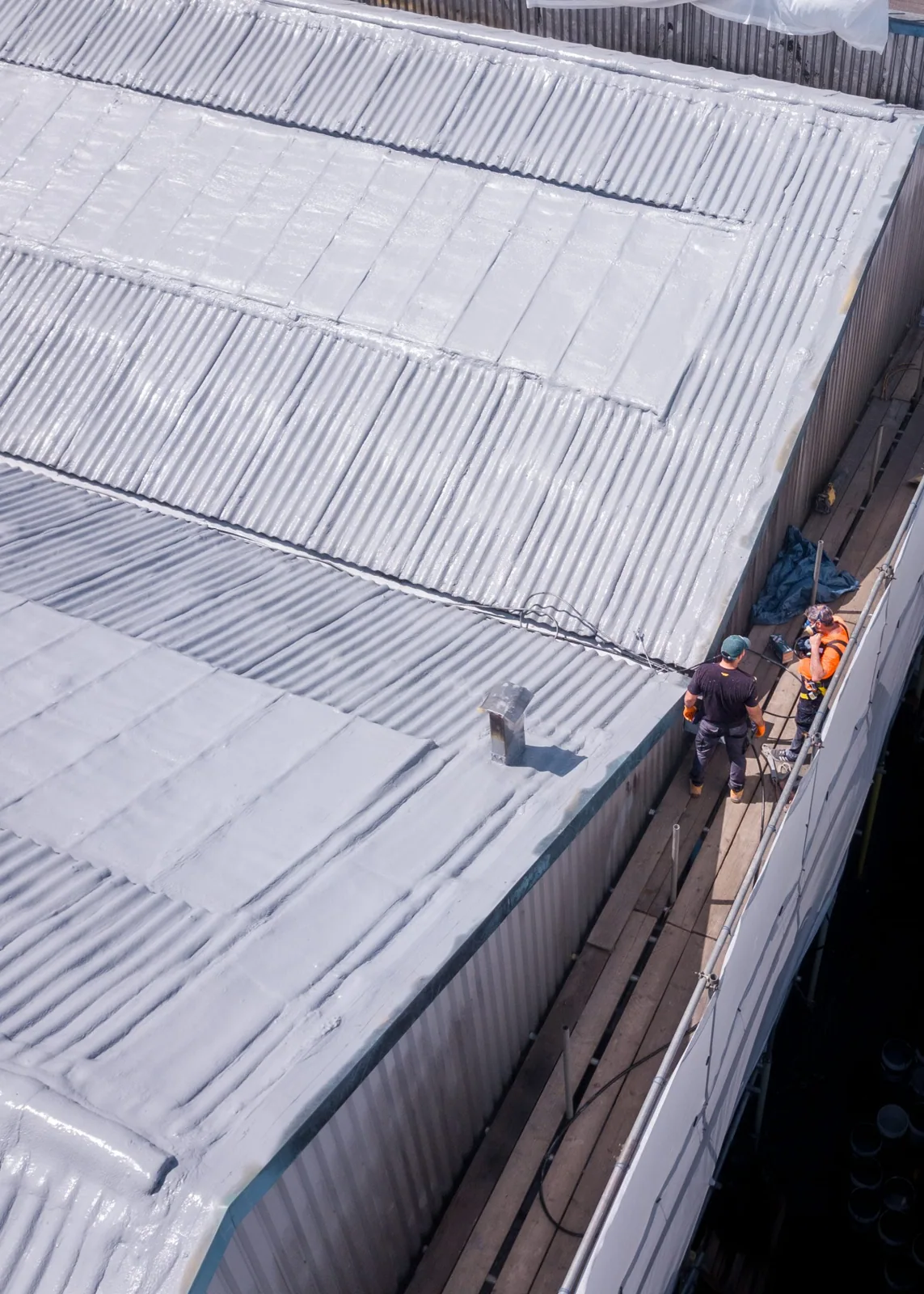
Persistent ponding also affects coating suitability. A silicone coating system may be considered on a suitable roof after preparation and detail repair, but applying a coating does not create slope or open a blocked outlet. We explain the receiving-roof requirements and drainage work separately. Where the assembly needs extensive removal, replacement planning can incorporate the new slope and outlet details as one coordinated construction sequence.
How do we confirm that the repair changed the water route?
Drainage closeout should show the completed outlet connection and the area feeding it. We photograph the repaired detail, record removed wet material, and mark any revised slope or support position on the roof plan. The manager can then compare the next rainfall with the original pool boundary. Controlled testing, where appropriate, needs a safe and coordinated method that accounts for discharge and interior exposure.
Costs increase with concealed removal, difficult access, outlet alterations, and design work needed to correct elevation. We identify those items before the scope is approved. A condition report linking drainage findings to roof positions also records follow-up items and maintenance needs. After rain, the return check examines residual water, discharge, and the original interior report. Clearing a drain is complete only when its accessible connection and the remaining roof condition have been assessed together.
Commercial Roofing Questions
Should staff push standing roof water toward a drain?
Keep staff away from uncertain roof access, deep water, and electrical hazards. We inspect the outlet and roof condition before deciding how retained water should be managed. Improvised sweeping or puncturing can damage the membrane or miss a downstream restriction, so the response should follow the inspected drainage route and safe access plan.
Can a low area be corrected without reroofing the whole building?
Localized slope work is possible where the adjacent assembly is sound and the correction reaches a functioning outlet. We evaluate insulation, flashing heights, and the surrounding elevations before setting that boundary. A larger removal area may be needed if wet material or the drainage pattern extends beyond the proposed correction.
Why does water remain after the roof drains were cleaned?
A depression below the inlet, compressed roof layers, or a restriction farther downstream can leave the pool in place. We compare the water boundary with outlet elevation and accessible discharge conditions. The finding directs the next step toward slope correction, membrane work, or additional line service instead of repeating the same cleaning.
Does recurring ponding mean the roof has to be replaced immediately?
The surrounding assembly and the cause of retained water guide the scope. We identify active leakage, wet insulation, damaged details, and any concerning deck condition first. A suitable localized correction can address one area; widespread deterioration or major slope changes can justify evaluating replacement alongside immediate protection.

Proudly Serving Huntington Beach and Nearby Cities

Commercial Roofers Huntington Beach
Huntington Beach, Westminster, Seal Beach, Fountain Valley,
Garden Grove, Newport Beach and nearby Orange County cities