
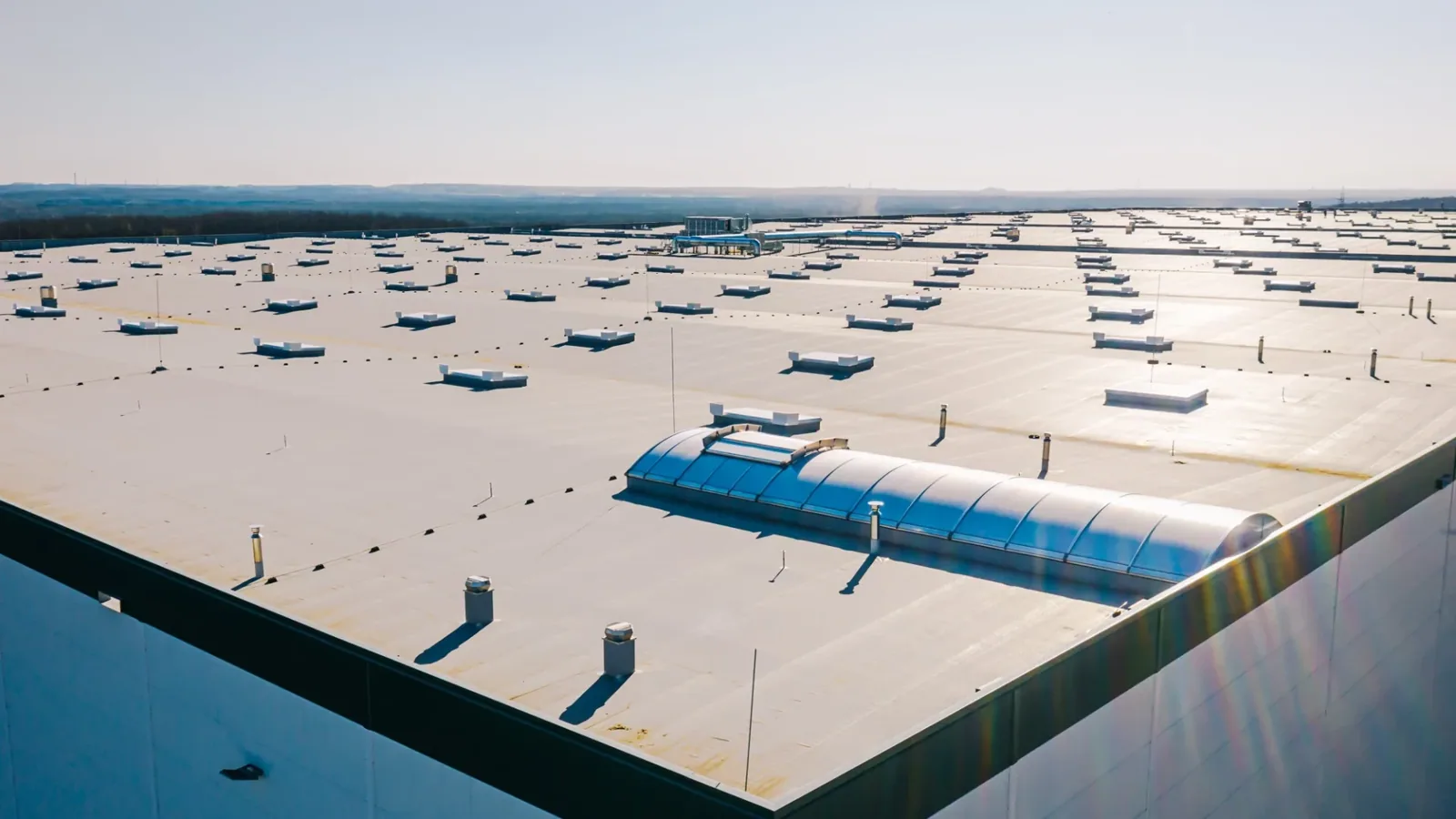
Insurance Restoration Roofing in Huntington Beach, CA
A damaged roof and an active interior water report need protection before the permanent restoration scope can be completed. We identify the affected building area, safe access, and authorized contact, then record the accessible roof condition. Commercial Roofers Huntington Beach supports insurance-related restoration in Huntington Beach, CA with located photographs and a clear separation of temporary measures, observed damage, and work still needing investigation. The building owner and adjuster need evidence that supports the actual repair boundary.
Properties in the Gothard Street Subarea include manufacturing and warehouse uses, while Downtown Huntington Beach has commercial and visitor activity. Interior protection and roof access differ between those settings. We inspect the actual building and connect the findings to its operations rather than infer damage or repair quantities from a district name.
What should be recorded before the damaged area changes?
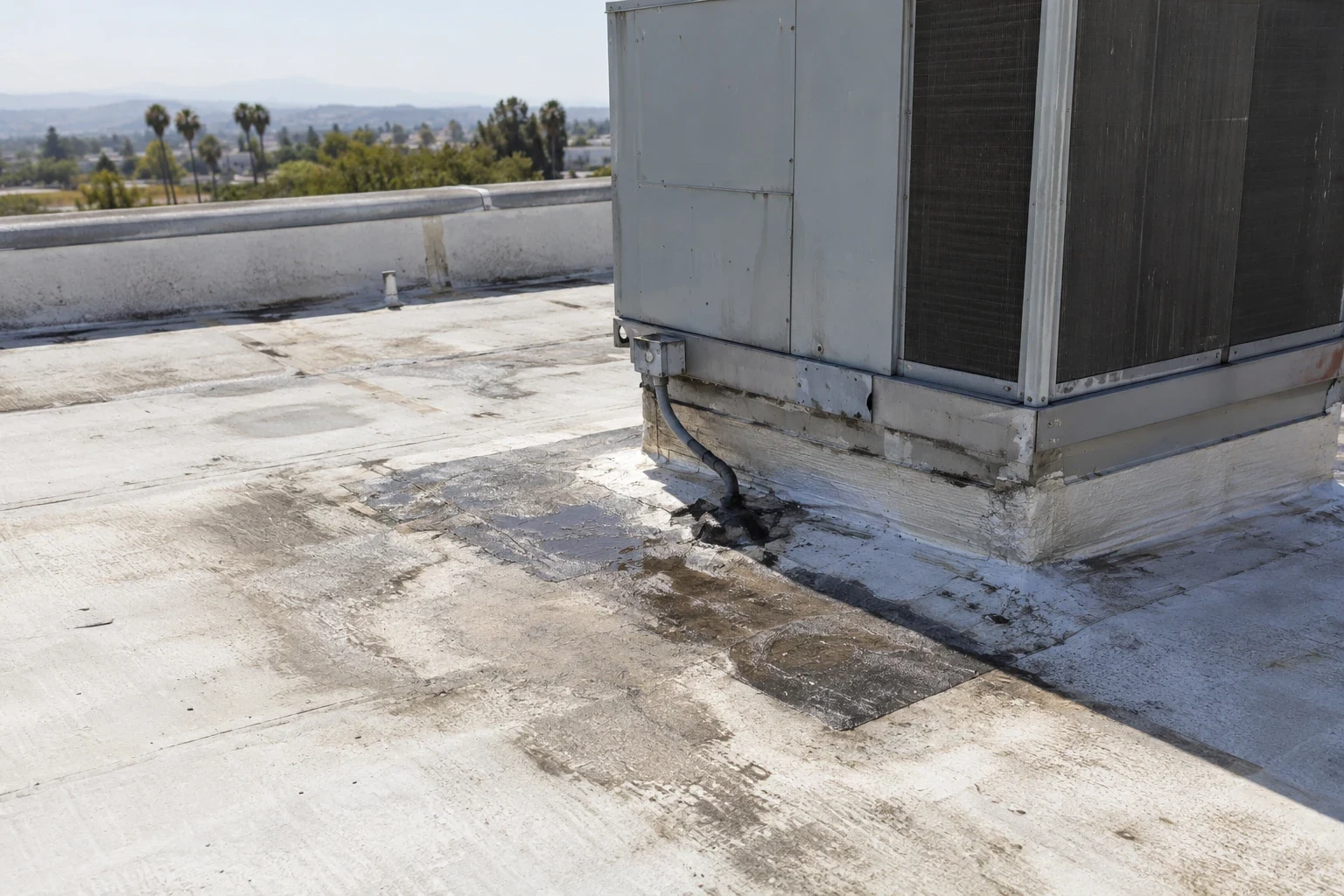
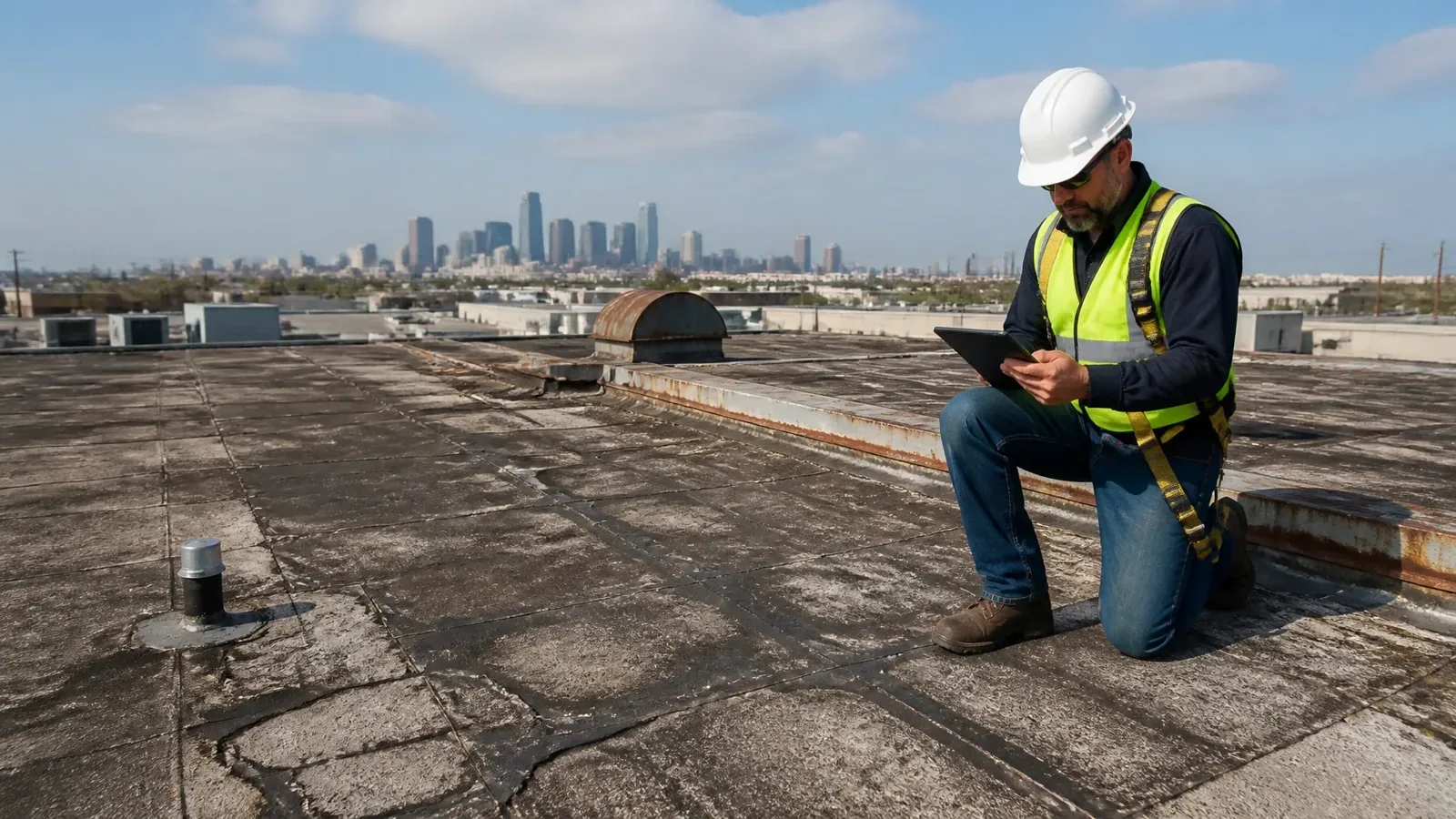
Photographs should show the roof detail in context as well as the close-up condition. We mark the location on a roof plan and connect it with the reported interior area. The time of the report, known weather sequence, previous repairs, and immediate protection help explain what was observed during the visit. A damage record should distinguish the condition found from a cause that requires further assessment.
Our response is available day or night, including holidays, with work controlled by safe access and current conditions. If active water requires a temporary measure, we record the area before and after the protection where practical. The roof claim documentation can then show which work was temporary and what remains. Where broader recovery involves other trades, the restoration construction sequence should preserve access for inspection while protecting the building's occupants and contents.
Which immediate actions protect the occupied space?
The owner or operating contact identifies unstable ceilings, electrical concerns, affected contents, and areas requiring restriction through the building's safety procedures. We review those reports before entering the roof work zone. Material movement, access, and the temporary closure should avoid creating another hazard or leaving an unsecured opening. The first safe action can be narrower than the permanent correction needed later.
For leased premises, property manager restoration coordination helps establish access and the contact authorized to approve work. A storefront, production area, or occupied office may need different interior controls. We identify the protection boundary and the return check for any temporary cover. If the suspected roof source remains uncertain, water-route investigation can connect the interior report with seams, walls, curbs, and drains. The record distinguishes that investigation from work already performed.
How can an adjuster assess the repair extent?
A damaged edge or flashing detail can require correction beyond the most obvious opening. We inspect the retained material, attachment, adjoining transitions, and any insulation condition that affects a sound repair. Suitable testing may be needed where moisture below the membrane changes removal quantities. We show confirmed findings and unresolved areas separately so the repair boundary remains understandable.
A scope should identify preparation, compatible replacement materials, removals, transitions, and daily protection. Where wet insulation or deck damage is confirmed, photographs and plan marks connect that condition to the proposed correction. The report should also identify repairs or deterioration that appear separate from the reported incident and need evaluation on their own merits. A mapped roof damage assessment gives the owner and adjuster a consistent view of the inspected area without making unsupported claims about coverage or treating every visible defect as part of one event.
What role does coastal weather play in the assessment?
Newport Beach Harbor's normals describe a nearby coastal baseline with most rain during cooler months and little average summer precipitation. That history helps plan suitable drying and preparation periods, but it does not establish the weather at a particular damage incident. We use the actual report and roof observations to define inspection priorities and explain what additional information could clarify the cause.
Warm, dry offshore flow during Santa Ana conditions can change wind and surface conditions at coastal work sites. Material handling, loose temporary covers, and exposed roof sections may need a revised plan. Properties in the Gothard Street commercial and industrial area receive the same site-specific weather check as other buildings. We document the temporary roof status when work pauses and identify the return action. The assessment remains tied to the observed condition and work boundary rather than a general description of coastal hazards.
When does restoration require more than another patch?
A compatible localized repair can address a contained opening where the surrounding assembly remains serviceable. Wider moisture, deteriorated layers, or damage across multiple details may require further removal and rebuilding. We explain the technical reason for that scope and identify how it affects access, occupants, and the construction sequence. The owner can distinguish a necessary correction from an optional improvement being considered at the same time.
A restoration replacement scope should describe retained and removed material, insulation work, drainage, perimeter reconstruction, and equipment coordination. A recover requires suitable moisture, structural, attachment, layer, and height conditions. Coating likewise needs a dry, sound, compatible substrate and proper preparation. Neither should be assumed suitable solely because it limits immediate removal. We identify concealed-condition allowances and approvals so additional damage discovered during work receives a documented decision instead of an undefined expansion.
What closes the roof portion of the restoration?
Completion photos should locate the final repairs and show relevant flashing, seams, edges, and outlets. The record identifies installed materials, approved changes, and any roof work awaiting another trade. Temporary protection still present remains listed with its return check. The owner should know which roof sections are permanently closed and which need another action before the restoration is complete.
Interior restoration can proceed according to the responsible project team's assessment of moisture and room safety. We coordinate the roof status so that work is not scheduled on an unsupported assumption that the water route has been resolved. A post-restoration roof maintenance plan keeps corrected details and drain paths under review. Send the incident report, affected building, roof diagram, available photos, access contact, and operating window. We will identify the focused inspection and protection step, then prepare findings that support the permanent roof decision.
Preserve the initial report and subsequent repair changes together. A later review can then distinguish the condition first observed from work exposed or completed during restoration, without losing the sequence of approved corrections.
Commercial Roofing Questions
Can protection proceed while the adjuster reviews the roof?
The owner can authorize a defined emergency measure through the appropriate process. We record the observed condition and work performed, preserving useful photographs where safe. Temporary protection remains distinct from coverage decisions and the permanent scope still requiring review.
Does a roof damage report establish insurance coverage?
The insurer evaluates coverage against the policy terms and the submitted claim findings. We provide located observations, repair findings, and documentation of work performed so the owner and adjuster can evaluate the roof portion. We identify unresolved cause or extent questions instead of presenting an inspection as a coverage decision.
How do you describe older deterioration beside newer damage?
Separate the observations by location and condition, with available repair history and testing limits identified. We explain how each affects the proposed correction. That separation lets the reviewing parties assess the incident-related scope without concealing maintenance needs or assuming all defects share one cause.
What if interior restoration starts before permanent roofing is finished?
Coordinate the roof closure status with the restoration lead before work below proceeds. We identify temporary measures, unresolved water routes, and return tasks. Interior moisture and safety assessments remain with the responsible team, which needs current roof information to plan its sequence.

Proudly Serving Huntington Beach and Nearby Cities
Commercial Roofers Huntington Beach
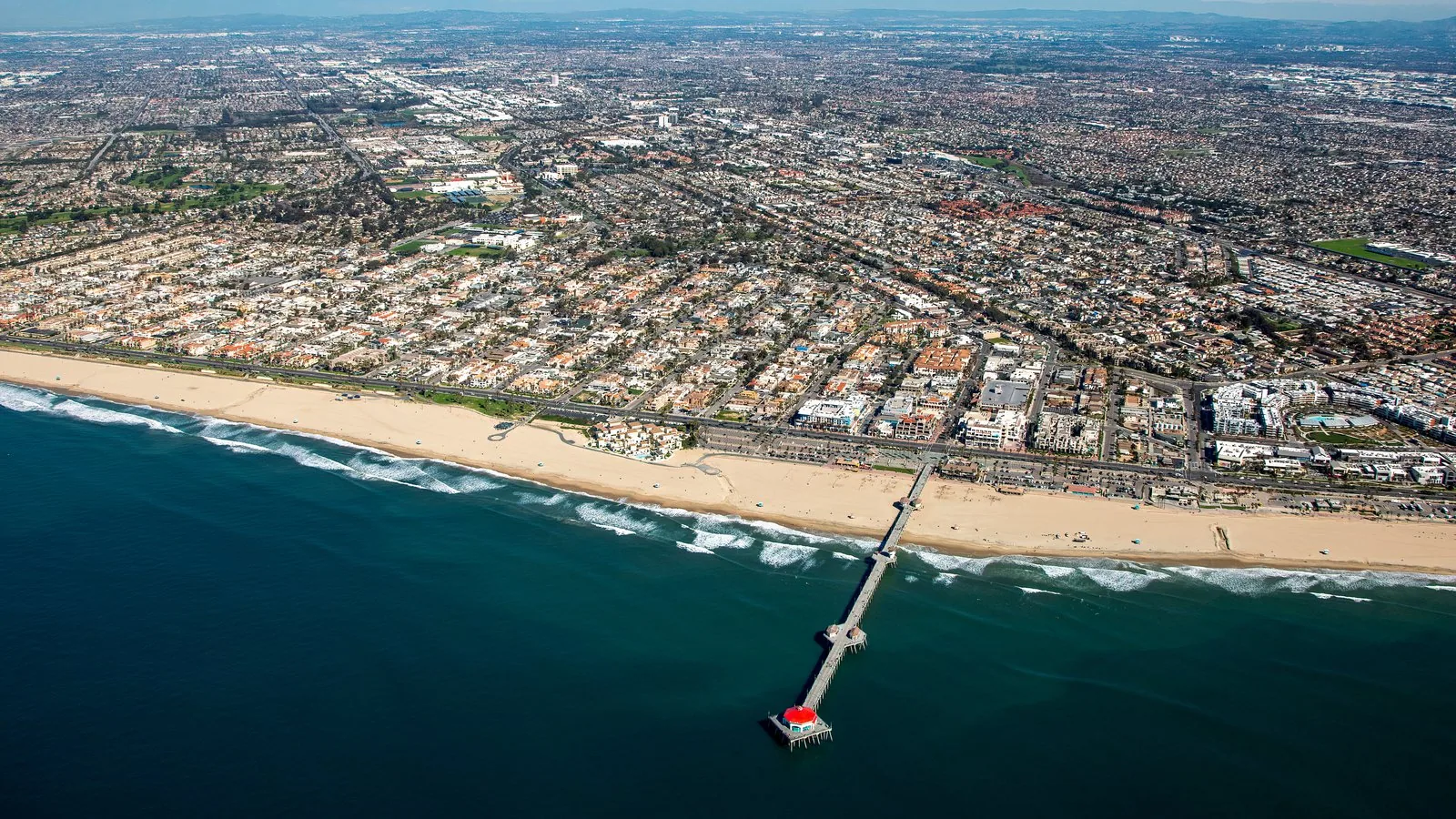
Huntington Beach, Westminster, Seal Beach, Fountain Valley,
Garden Grove, Newport Beach and nearby Orange County cities