
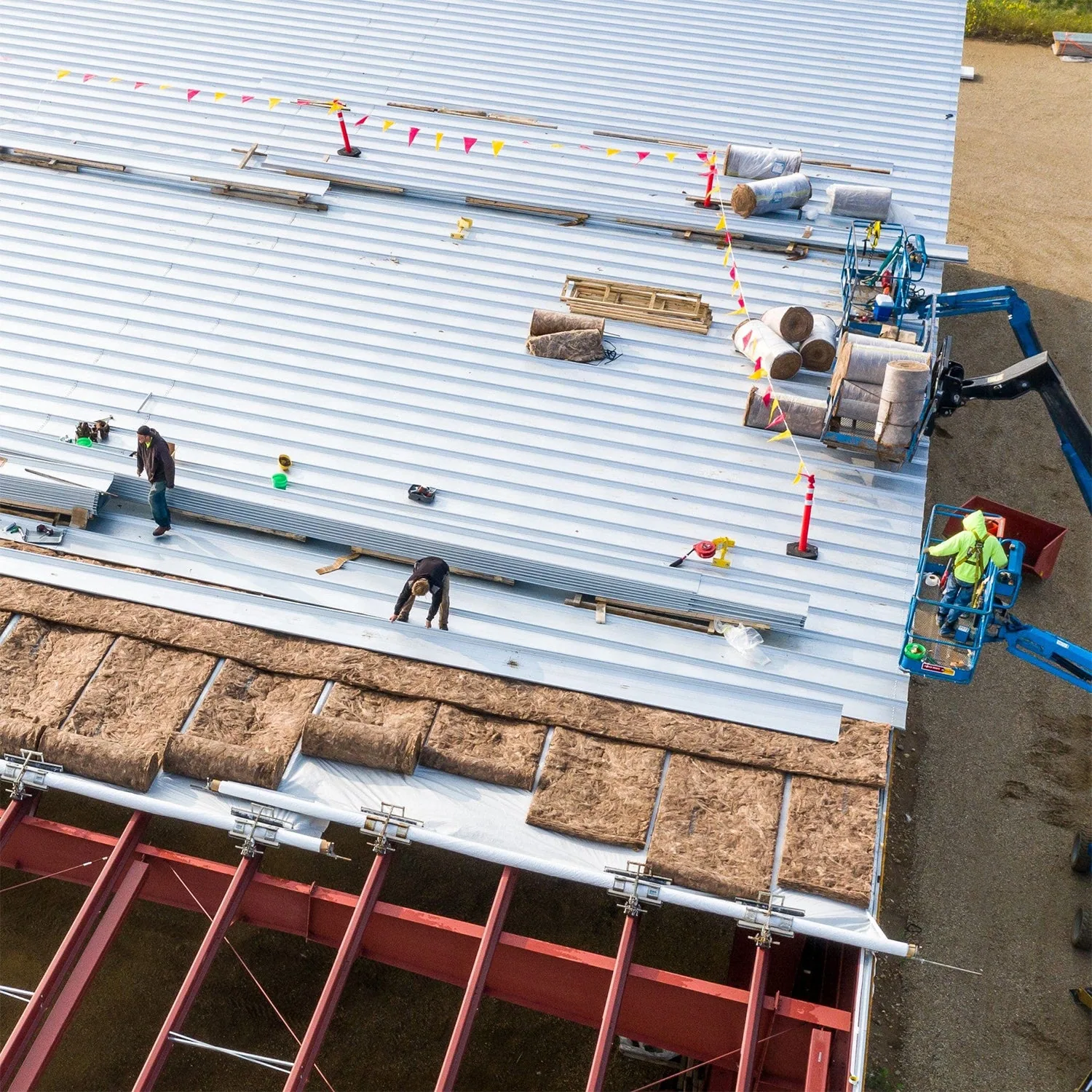
Roof Insurance Claim Assistance in Huntington Beach, CA
An adjuster has one roof-zone label, while a facilities team may call the same area the west shop or loading wing. At a Huntington Beach, CA, property, we align the claim record with the building plan, reported event, photos, and inspection findings. That makes it easier to distinguish a temporary cover from completed work and to review what changed after an assembly was opened. We document roof conditions and repair needs; coverage decisions remain with the insurer and policy parties.
In the Gothard Street Subarea, manufacturing, warehouse, office, and auto-repair uses share a broad employment district. Visitor-serving commercial properties along Pacific Coast Highway work to different schedules. The claim file should describe the actual roof, access, and affected operation rather than infer damage from its neighborhood or a regional weather report.
What should the first inspection record?
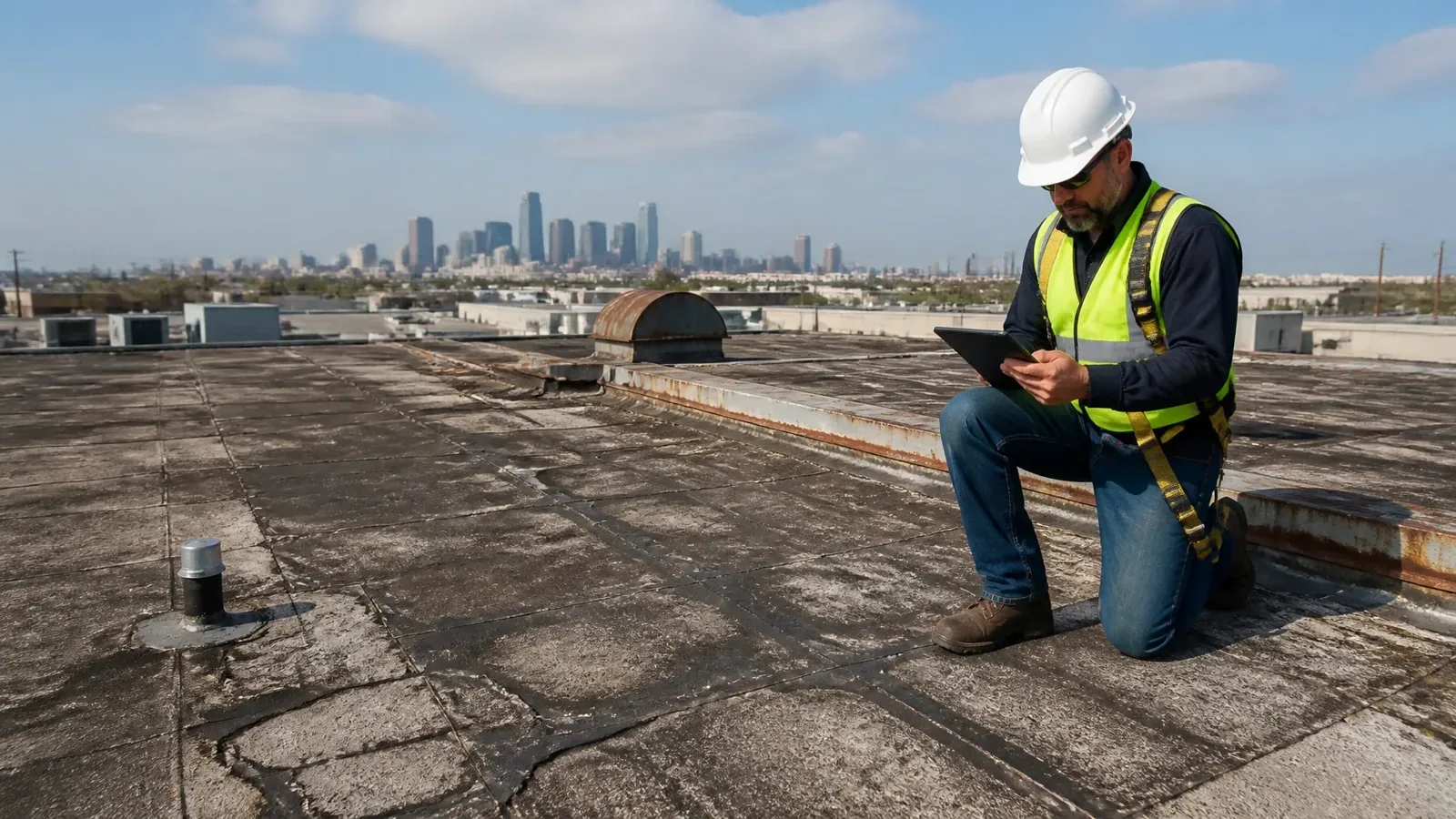
Start with the report time, inspection date, event date if known, affected room, roof zone, assembly, and site contact. Wide photographs should orient the reader to the building and roof area; close images should show the seam, flashing, panel, drain, or opening at issue. We note what was accessible and identify any section that remained closed. This prevents an uninspected zone from being described as clear.
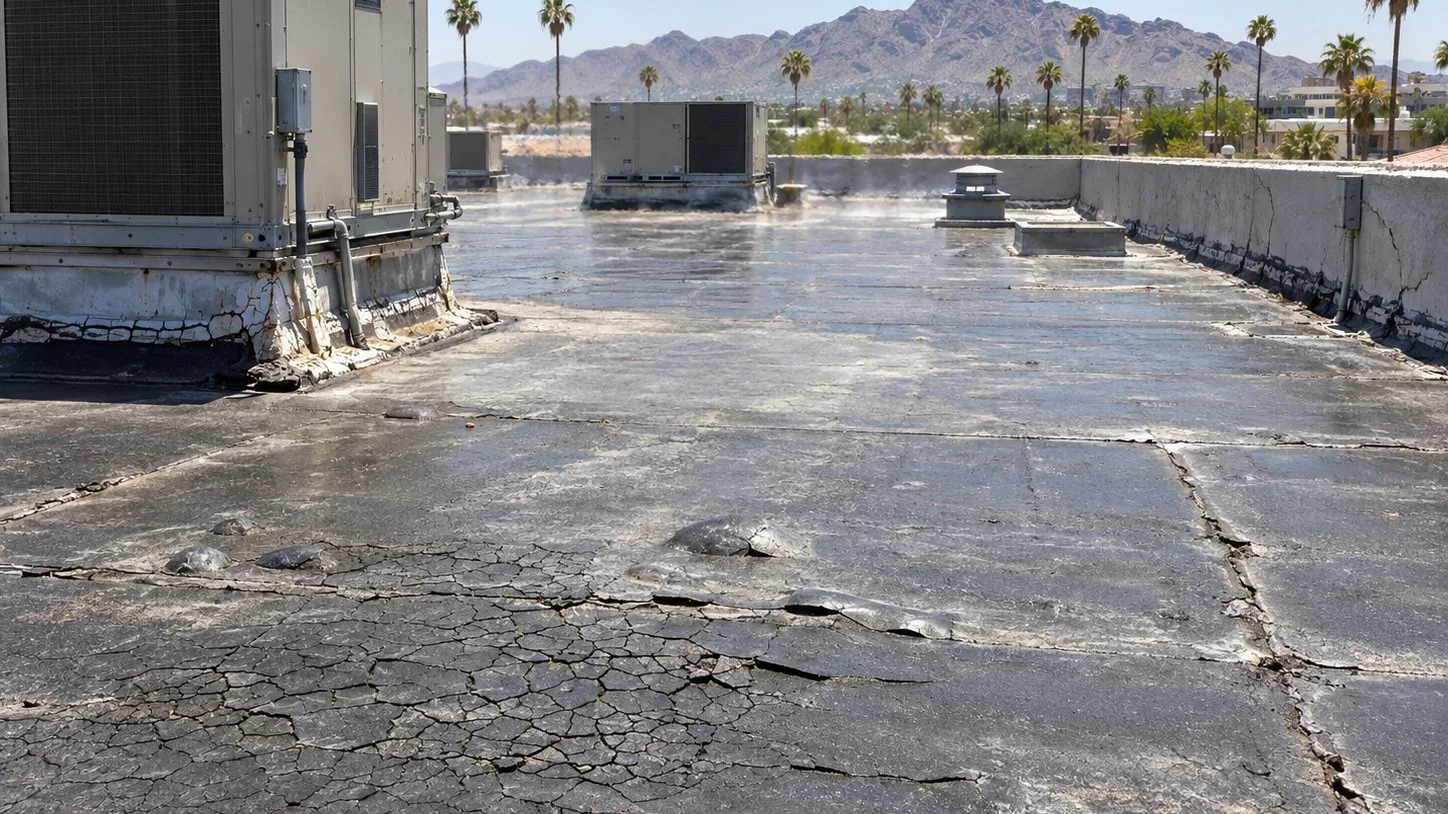
We inspect seams, penetrations, perimeter metal, curbs, gutters, drains, and nearby equipment. The findings distinguish a visible opening from surface wear and mark where moisture testing or a controlled opening could change the repair boundary. Newport Beach Harbor normals concentrate most rain in the cooler months, with summer monthly precipitation near zero. That pattern helps frame timing, but the claim record should rely on the conditions observed at the property.
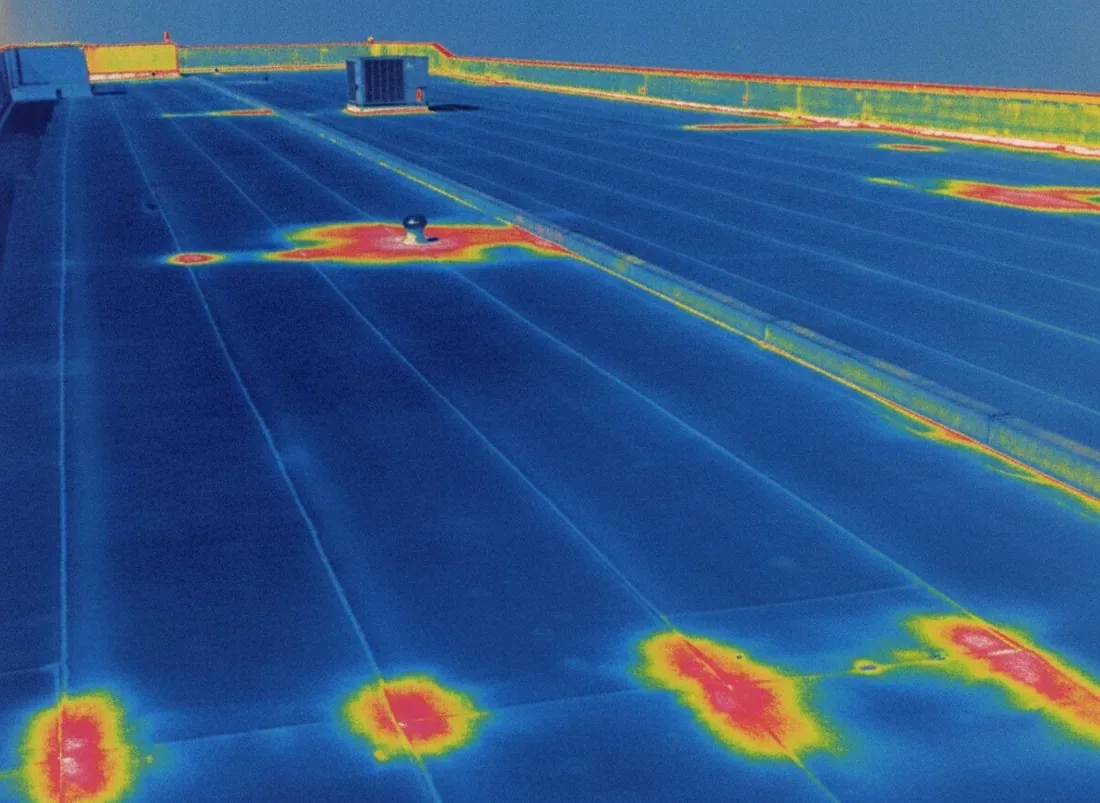
For the broader roof condition, a commercial roof inspection can map relevant details. A photo-backed condition report preserves the observations with zone labels and recommendations. Where concealed wet material could alter the claim quantities, an infrared moisture survey can guide approved confirmation samples.
How should temporary work be documented?
If water is entering, we first confirm safe access and protect the defined opening when conditions allow. The record identifies what was covered, where water appeared, what rooms needed protection, and whether a return visit is required. Temporary work is not a completed permanent repair. We state the material or method used and avoid describing an uninspected roof section as repaired.
Emergency response can happen at night or on a weekend, while permanent work may wait for a dry surface, confirmed material, or owner direction. Our emergency roof response focuses on reducing immediate exposure and preserving a route to inspect. When the roof is ready, a compatible permanent repair can address the confirmed opening. If new wet insulation appears during removal, photographs and approval should be tied to the added work before the crew expands the area.
A clear claim record keeps temporary cover, testing, repair authorization, change approval, and closeout images in sequence. This lets the owner see what the first visit established and what later work uncovered. It also helps the restoration team keep interior protection and roof repairs coordinated without combining unrelated tasks under one line item.
Where does the repair boundary stop?
The repair limit follows evidence in the roof assembly. We look for displaced edges, punctures, separated seams, wet insulation, or damage at a curb and determine whether nearby material remains sound. If the defect is localized, the scope may stay narrow. If testing or tear-off shows a wider affected zone, we photograph it and request direction before proceeding beyond the approved boundary.
The Northwest Industrial district’s planning mix encompasses business parks and larger offices alongside industrial buildings and smaller commercial pads. For a multi-building owner in that district, use a separate map and claim reference for every structure. A 422-acre Gothard employment area may contain different roof types and maintenance histories; district facts do not determine a particular roof's age, condition, or damage cause.
We list repairs by location and material, then identify assumptions about concealed layers. A claim file may include prior service invoices, earlier leak photos, and details of work by other trades. If the roof map uses several names for one zone, add a short key that connects each label to the plan. Keep the original image file and date with the annotated copy, and record who supplied any older repair document. That small piece of organization helps the review follow the evidence without changing the inspection findings. If a roof replacement is being considered, the estimate should separate storm-related repair from existing wear, deferred maintenance, and optional improvements. A replacement review should follow the roof findings, not the claim label.
What does a reviewable closeout include?
At completion, retain before-and-after photographs, repair location, materials installed, work date, and any area left for follow-up. Note whether insulation or cover board was removed, what testing supported the removal, and how an opening was restored. Keep the original inspection record intact and attach later discoveries as dated updates. This makes the sequence readable if another leak appears or a property changes managers.
When several trades are involved, name the responsibility for each roof penetration, protection detail, and daily dry-in. A mechanical contractor may move equipment; our scope includes the membrane and flashing tie-in identified in the agreement. Use the same roof-zone names in photos, estimate lines, and the final report so an adjuster can compare them without guessing which wing or curb is meant.
Claim documentation can support a discussion, but it cannot establish what a policy covers. We provide our inspection findings and completed-work records. For buildings managed across Gothard Street and the Northwest Industrial Subarea, keep separate access contacts and roof histories. Share the event timeline, roof plan, interior report, and operating window to arrange a documented inspection.
When is a second visit useful?
A return visit can check a temporary cover, verify a repaired seam, or document the roof after drying. We agree on the question before scheduling: whether water has stopped, whether a specific detail is secure, or whether an area opened during removal is ready to close. The visit record states which roof zones were reviewed and which remain outside the inspection.
If the issue involves runoff, a drain and scupper inspection can separate a blocked outlet from a membrane defect. If metal edges or coping moved, an edge and gutter assessment can document those details. Each finding receives its own location, photos, and proposed work so unrelated conditions do not blur the claim scope.
Send the building address, roof plan, event or leak timeline, prior repair records, access restrictions, and insurer or restoration contact when arranging service. We will inspect the roof, record confirmed conditions, and provide a clear repair scope for the next decision. The owner can then keep inspection, temporary protection, authorization, and closeout records together.
Commercial Roofing Questions
Will your report decide claim approval?
No. We provide located roof observations and records of the corrections completed. The insurer and policy parties decide coverage. Our report can connect photos, repair locations, and test findings to the building plan.
Should temporary protection appear in the final repair estimate?
Record it separately with date, location, and method. The permanent scope should identify the confirmed repair and any additional work needed after the roof surface is ready.
Who reviews additional damaged layers exposed during removal?
We photograph the exposed condition, mark its roof zone, and request direction before expanding the approved work. The added scope should explain what the new evidence changed.
Can old leak records help with a new claim?
Yes. Dated photos and repair invoices may help compare the current condition with earlier work. We keep prior records distinct from current inspection findings so the timeline stays clear.
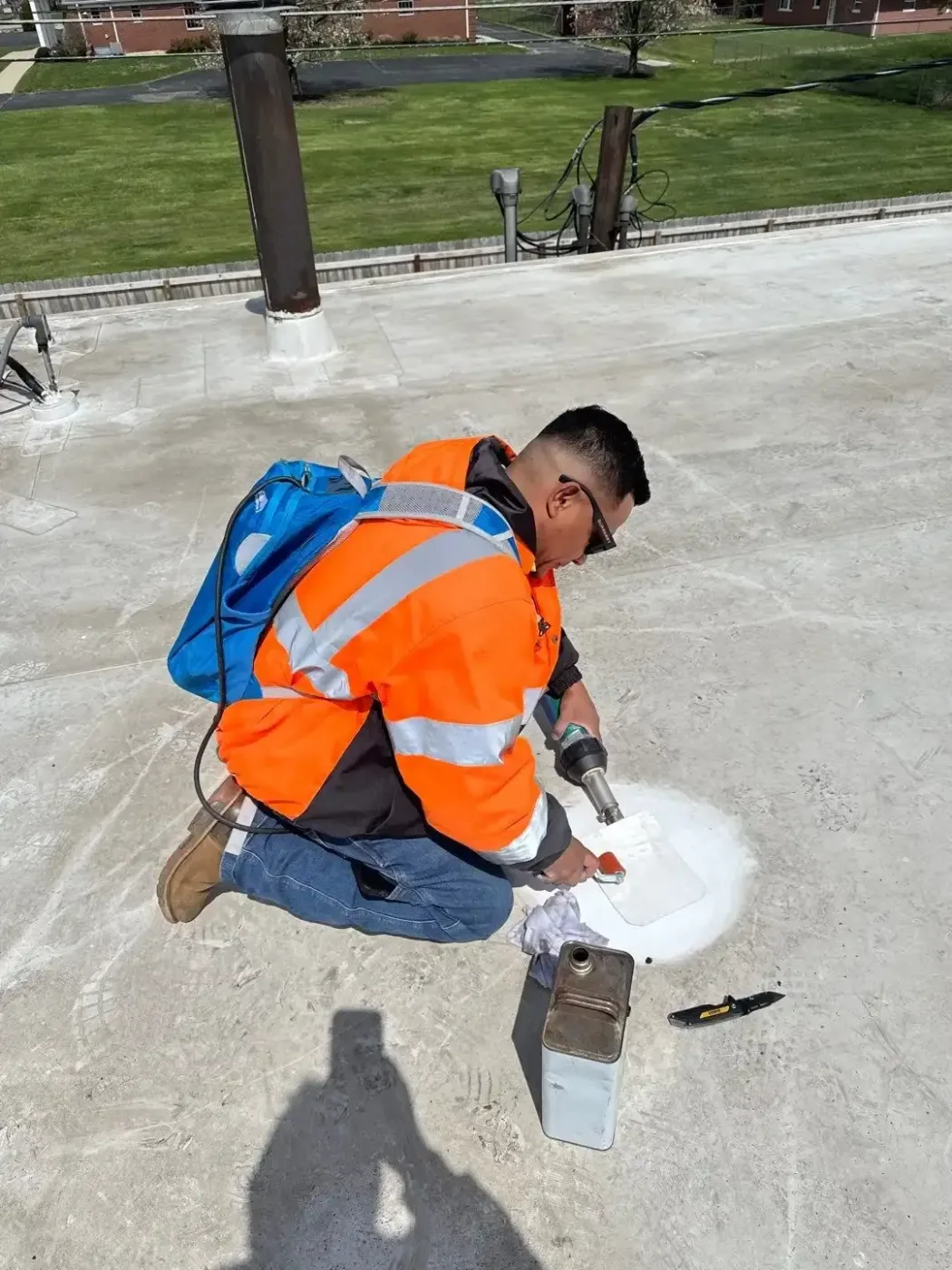

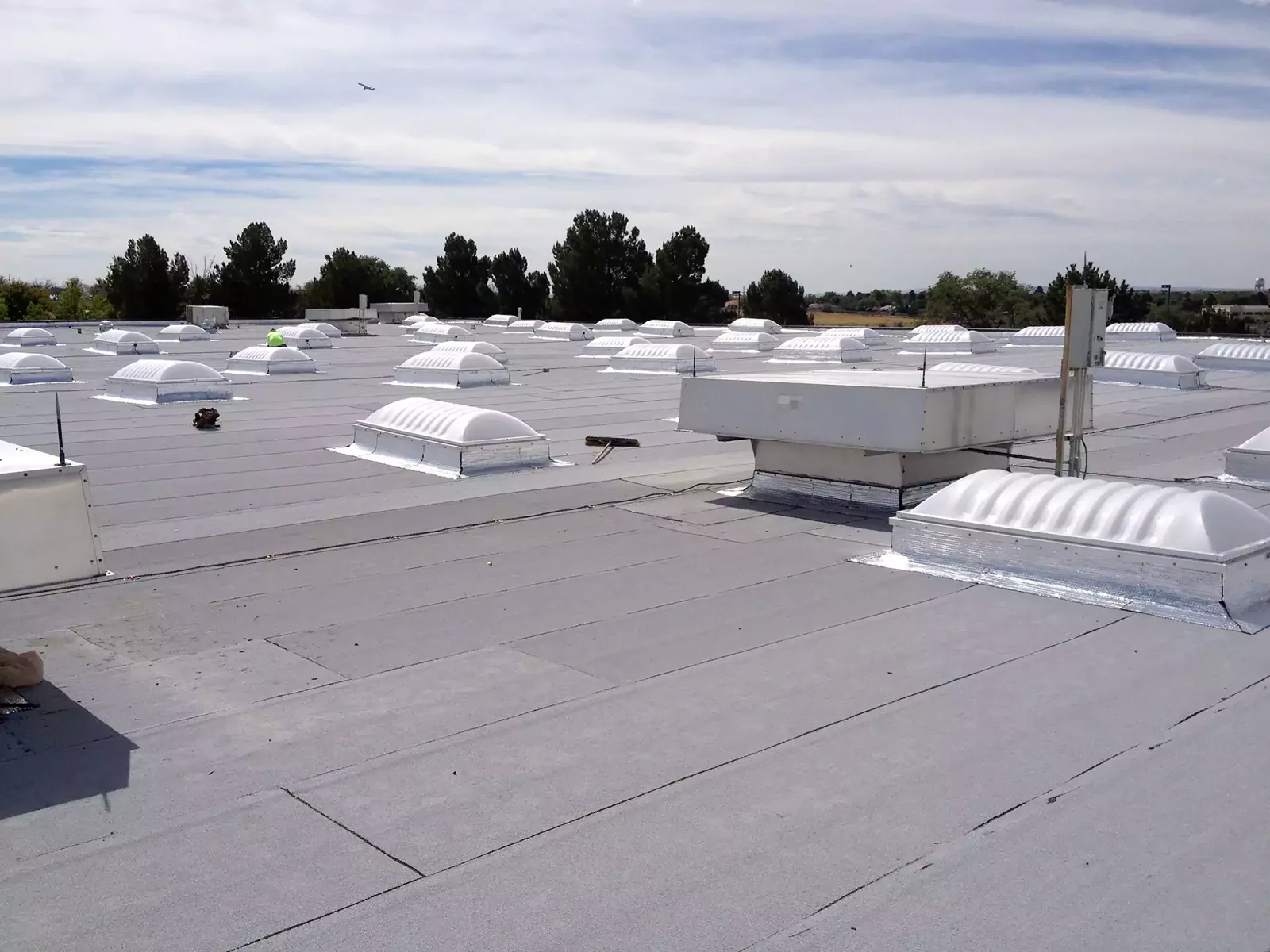

Proudly Serving Huntington Beach and Nearby Cities
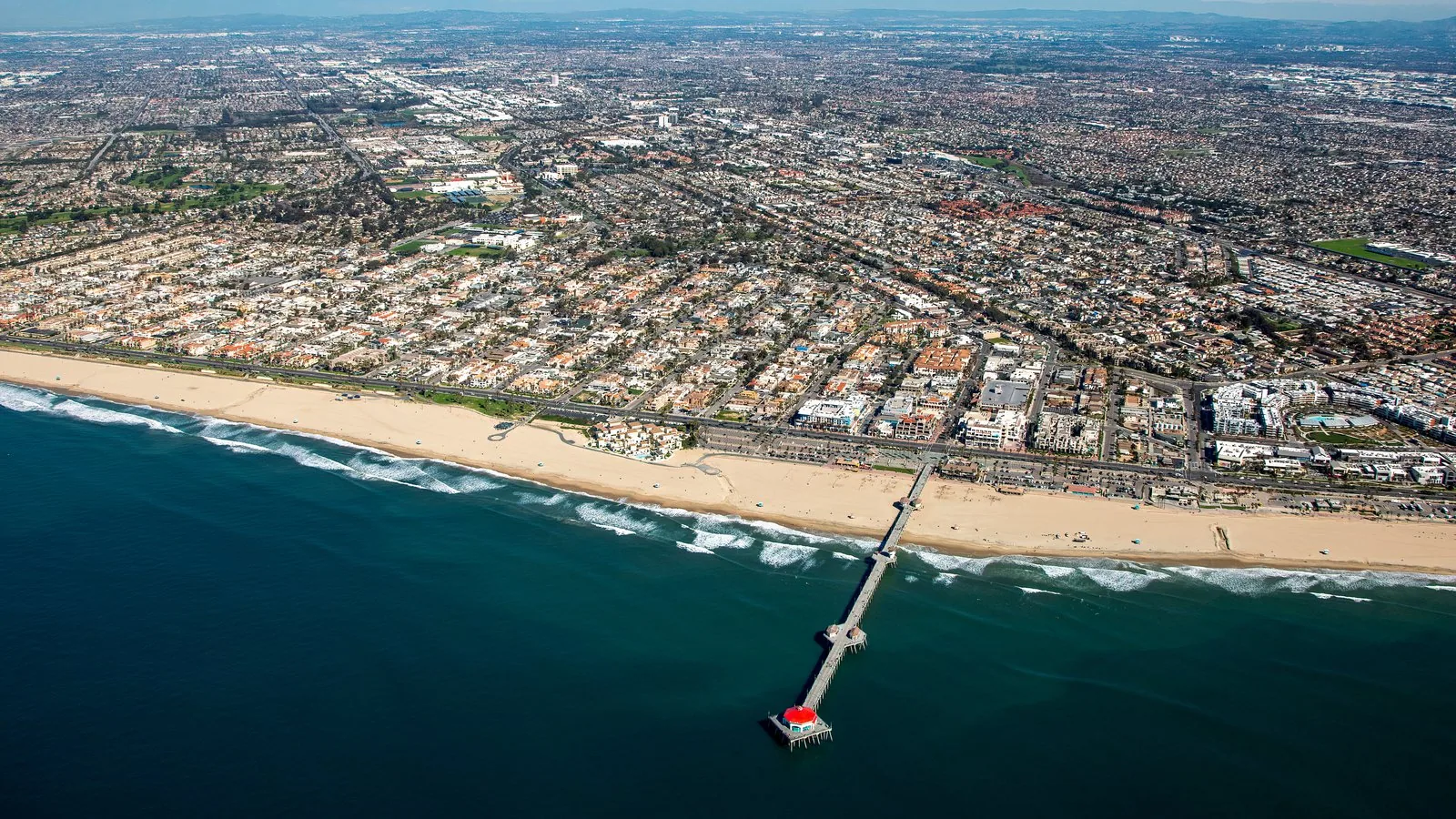
Commercial Roofers Huntington Beach
Huntington Beach, Westminster, Seal Beach, Fountain Valley,
Garden Grove, Newport Beach and nearby Orange County cities