
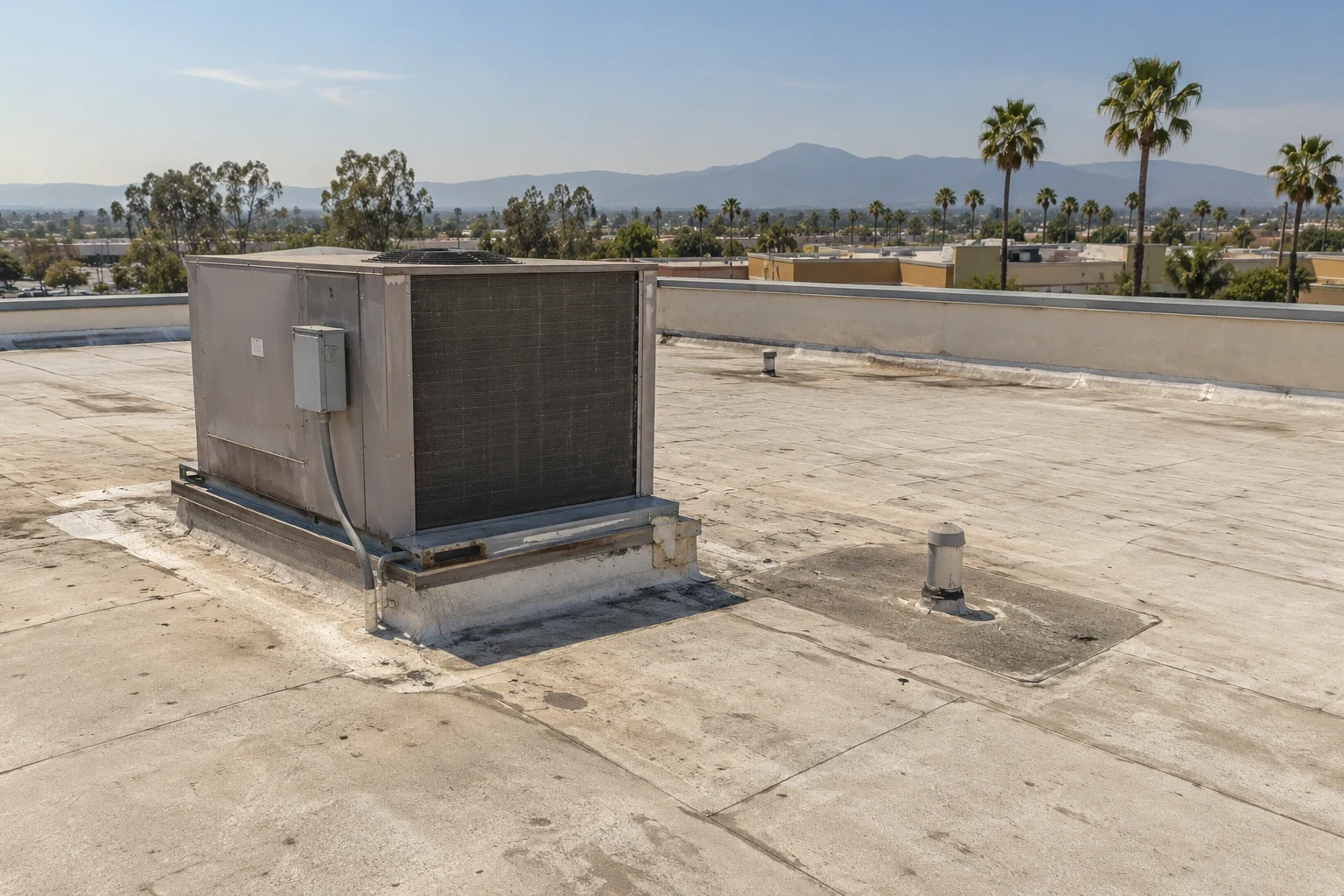
Retail and Restaurant Chain Roofing in Huntington Beach, CA
Water at a branch service counter requires a report shared by the operating manager and the facilities contact. We identify the affected space, active water, and safe inspection access before deciding the roof action. Commercial Roofers Huntington Beach helps retail and restaurant brands in Huntington Beach, CA plan roof repairs without treating every branch as the same building. The roof defect, opening hours, and equipment layout determine the protection and work sequence.
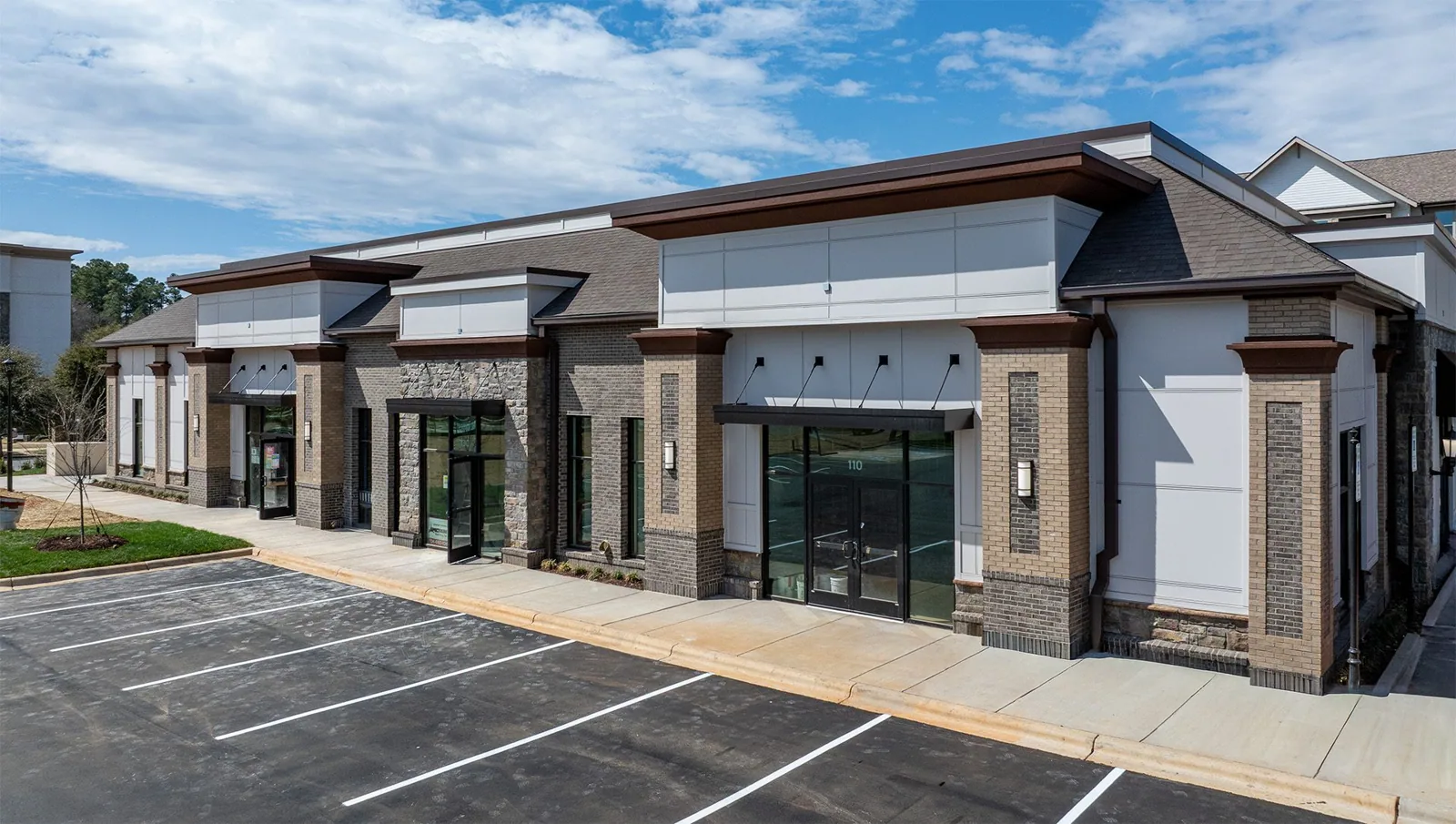
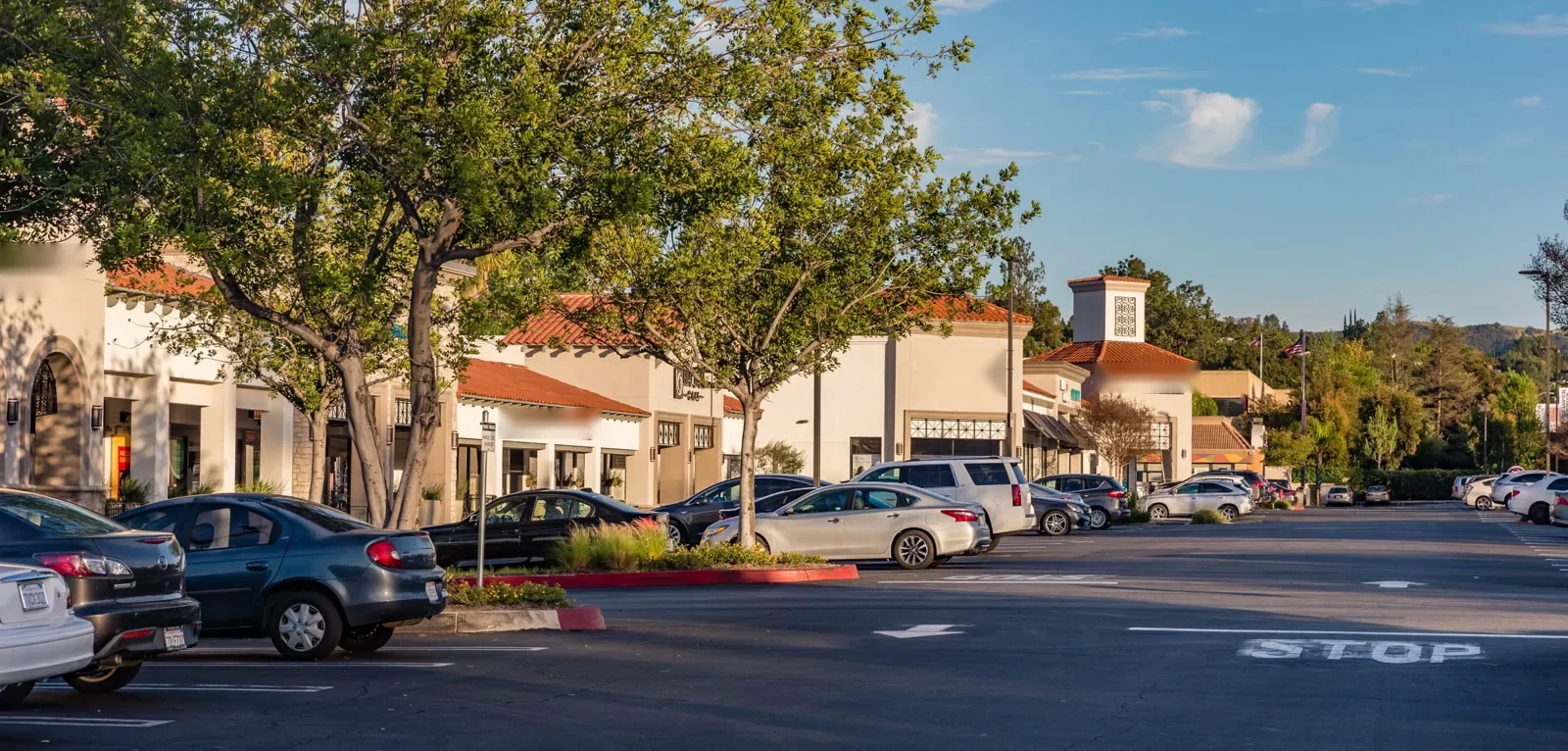
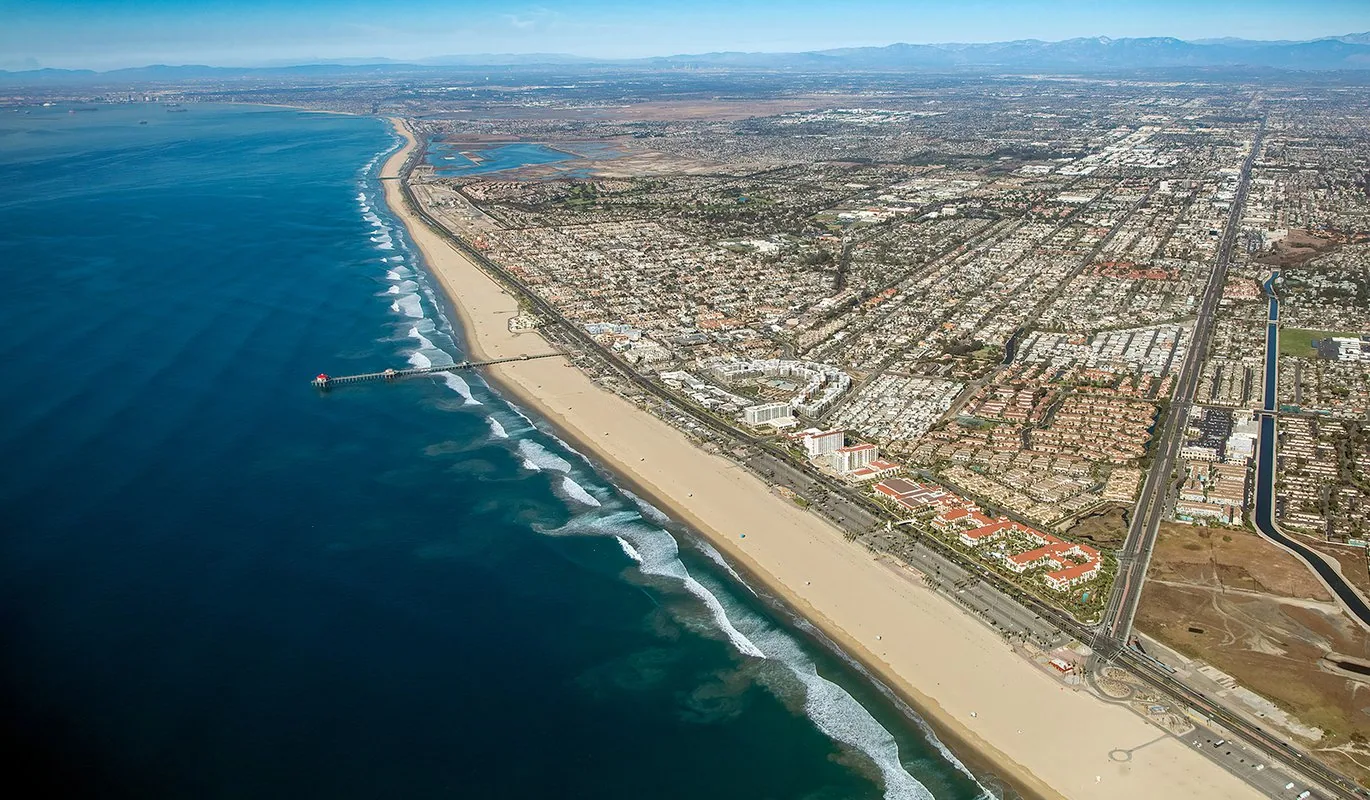
Commercial frontage along Beach Boulevard, Adams Avenue, Edinger Avenue, and Warner Avenue creates a varied local operating context. Visitor-serving activity near Pacific Coast Highway brings a different circulation pattern from an arterial shopping property. We confirm the actual customer entrance, roof approach, and delivery route, then connect those constraints to the repair extent.
Which branch information makes the first call useful?
The operating manager should identify where water appears, when it began, and whether customers, electrical equipment, or stored goods are affected. People should remain clear of unstable ceilings and electrical hazards under the building's response procedures. Photos can help identify the room, but roof access and inspection are needed to determine the correction. We compare the branch report with the roof layout and previous service history.
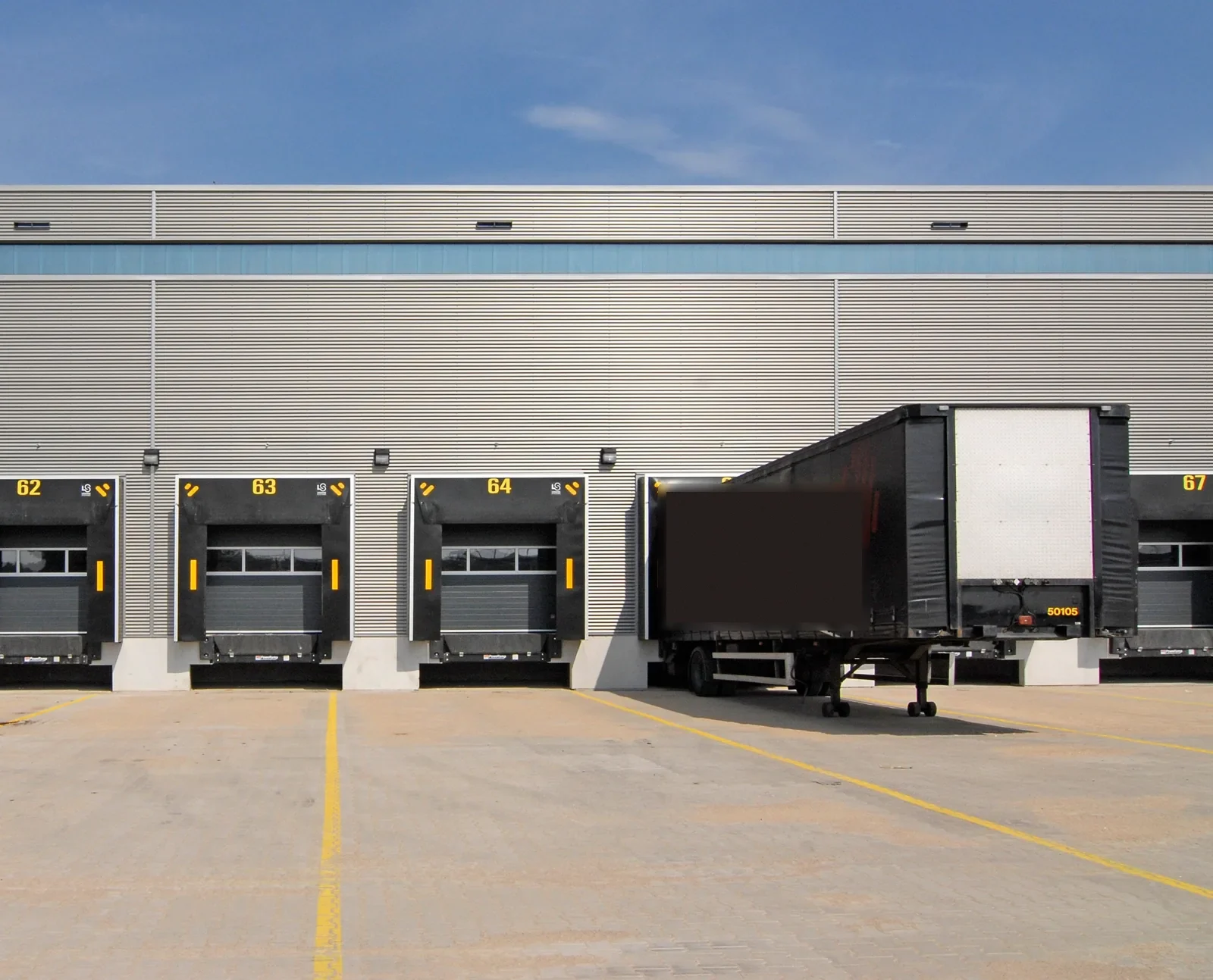
For a leased storefront, coordination with the property manager establishes the authorized access and repair responsibility. A brand whose goods arrive through shared facilities may also need warehouse and replenishment coordination. The first work order distinguishes interior protection, a temporary roof measure, and the investigation still needed. Our roof response remains available overnight, on weekends, and during holidays. The selected action reflects safe access and current conditions rather than a general assumption that the store can remain fully open.
What should be checked around a restaurant exhaust unit?
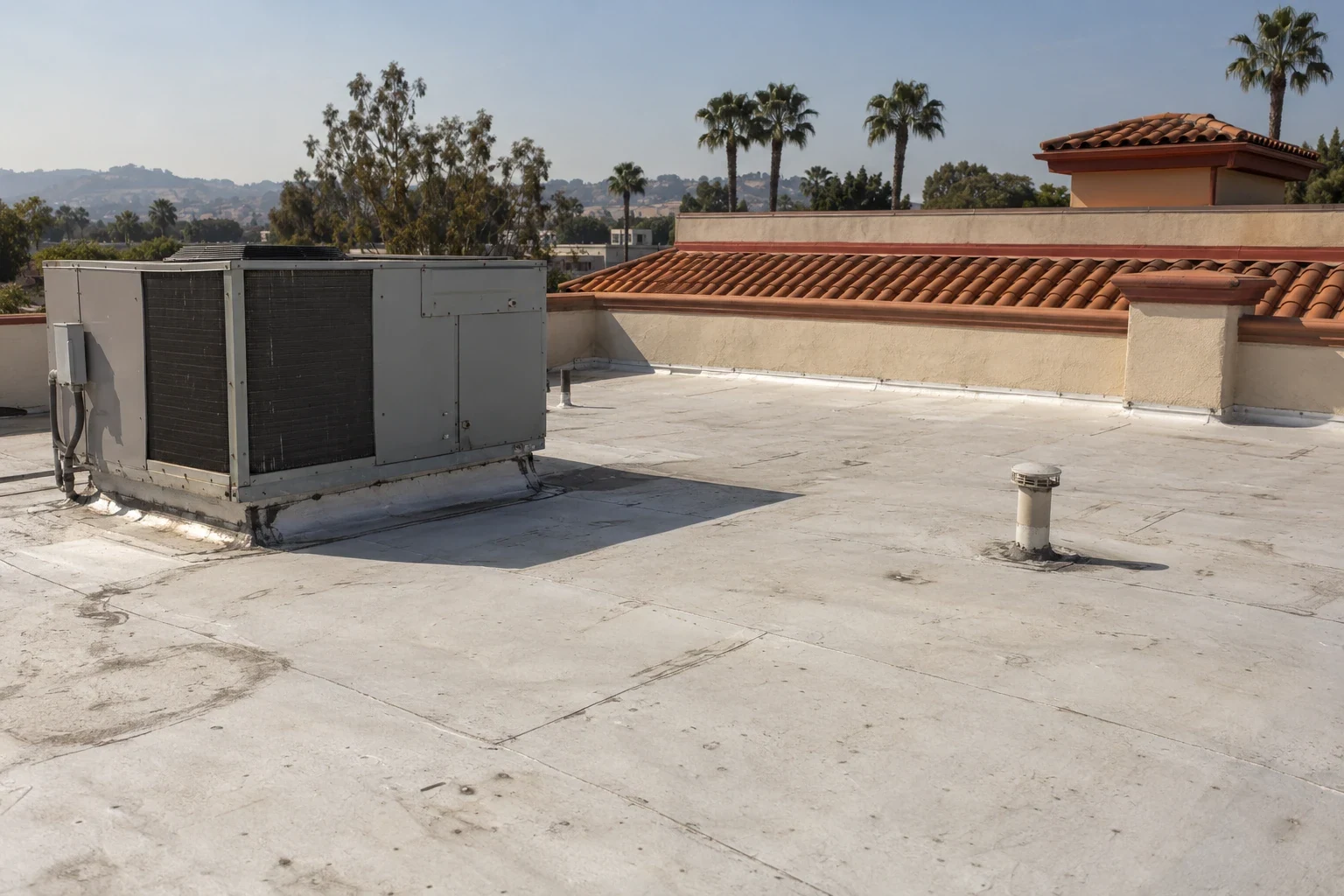
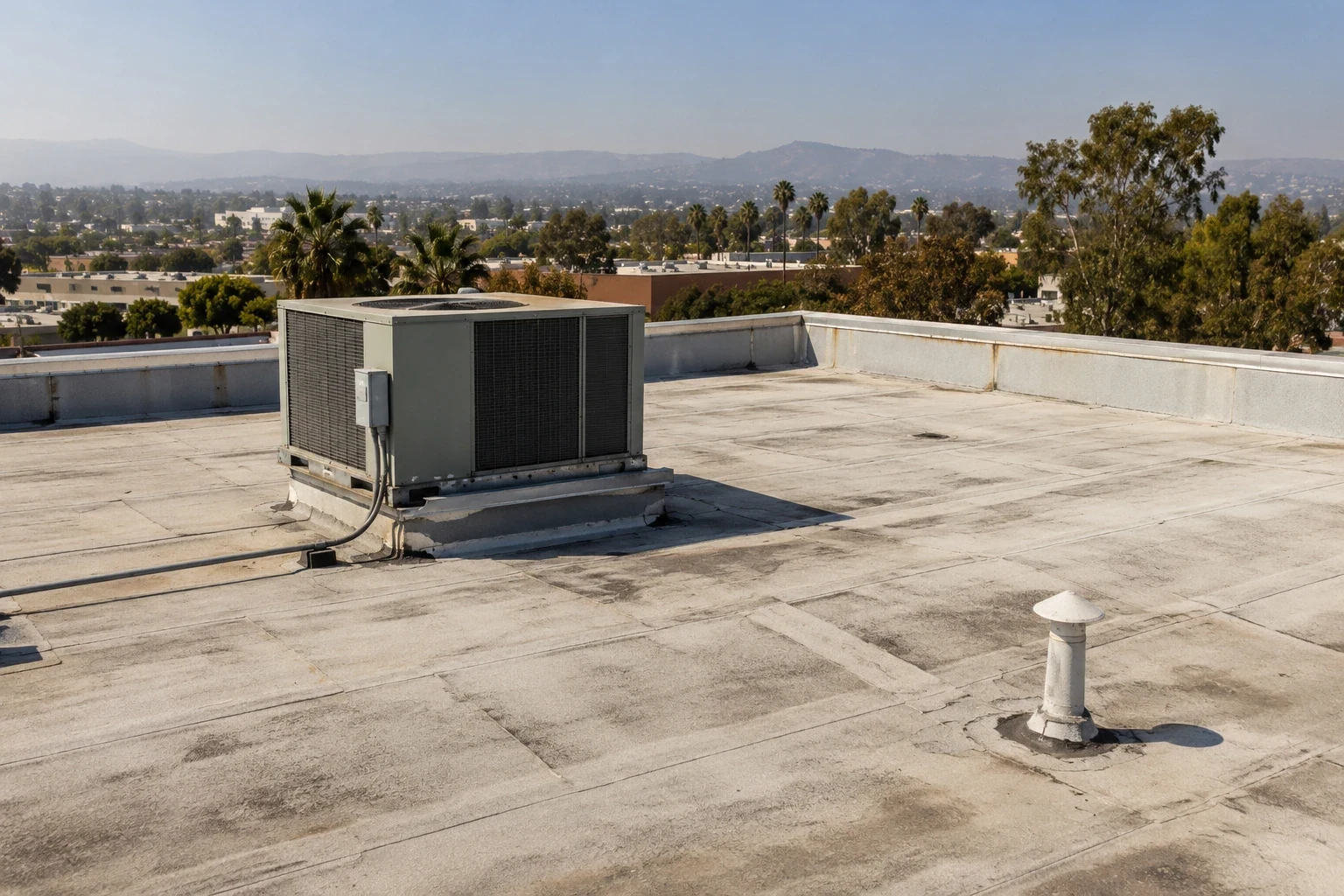
An exhaust curb sits at a material transition that needs continuous flashing and a sound connection to the roof field. We inspect the curb height, attachment, flashing, nearby membrane, and any discharge that affects surface condition. Grease or other contamination can change cleaning and material compatibility. The mechanical service arrangement should also provide access without unnecessary damage to the membrane.
A restaurant roof assessment identifies the actual exhaust and equipment details present. Where a curb correction requires equipment movement, we coordinate the task with the appropriate trade and the branch manager. A shopping property may involve shared shopping-center roof sections serving more than one tenant. We identify that boundary before testing or opening material. Repairs should correct the relevant water-shedding detail, not simply cover a contaminated or loose connection with a new layer of sealant.
How do customer hours affect the repair phase?
Removal noise, lift staging, debris handling, and material odors can affect front-of-house use differently from back-of-house activity. We define the work area and discuss each restriction before scheduling. A roof opening above stock, preparation space, or equipment may need protection and a limited interior zone. If mechanical isolation is required, the relevant trade and branch operator should agree on the interruption and restart.
The Pacific Coast Highway commercial corridor includes visitor-serving nodes and residential communities along its length. A material route should respect the actual neighboring activity and required public access. On an arterial site, deliveries and customer parking may set a different roof access window. We inspect those conditions rather than apply one branch schedule to every location. The daily plan identifies what can be opened, how it will be closed, and which tasks need a separate after-hours window.
Why can two similar branches need different corrections?
A familiar brand layout does not establish the roof assembly. Branches may occupy separate roof systems, share a shopping-center roof, or have different alterations and service histories. We identify visible materials, drainage paths, equipment openings, and repair transitions at each site. An isolated puncture needs a different correction from a failed curb or wet insulation extending below several repaired seams.
A branch roof work program can coordinate access and reports while retaining those differences. We record active leakage, completed corrections, moisture concerns, and renewal priorities separately. If concealed moisture affects the removal boundary, suitable testing helps clarify the work before a larger authorization. A common reporting format lets the brand compare decisions, but the technical scope remains tied to the actual roof. The operating manager should see which work protects the next trading period and which needs planning beyond a short service visit.
After a repeat report, compare the weather timing with the previous correction and any intervening mechanical service. That comparison can identify a changed opening or a separate drainage issue worth inspecting before another patch is authorized.
What distinguishes a short repair from branch renewal?
A contained defect in sound material can support a compatible repair with limited removal. Repeated water, numerous failing seams, damaged insulation, or inadequate drainage may justify a wider scope. We compare the available choices and explain what each retains or removes. The branch disruption is considered alongside the assembly's suitability, not used to justify an incomplete correction.
Coating requires proper preparation, dryness, compatibility, and a serviceable substrate. Recover adds height and load, so moisture, attachment, structural considerations, layer limits, and curb transitions need review. Replacement can remove damaged material but requires a controlled daily dry-in boundary. A retail roof replacement sequence should account for customer protection and equipment dependencies. If the branch is also changing rooftop equipment, combining the detail work can reduce later roof alterations. We show that dependency in the scope before either trade begins installation.
What should branch teams check before winter rain?
Newport Beach Harbor's nearby coastal normals show rainfall concentrated in the cooler months and very little average summer precipitation. A suitable dry period can support outlet cleaning and detail repair before wetter weather. We inspect drains, scuppers, gutters, and the route water follows from equipment clusters and roof transitions. Any concealed piping question should be assigned to the appropriate trade rather than treated as a completed roofing correction.
Santa Ana events may bring warm, dry offshore winds and alter material handling or temporary covers. Current weather governs the daily work boundary. At completion, branch roof maintenance records should identify cleaned outlets, repaired details, remaining protection, and return checks. Store personnel receive the restrictions affecting rooftop service and interior use. Send the branch report, roof plan, equipment schedule, access contact, and trading hours. We will identify the inspection or protection step and keep permanent work distinct from interim measures.
Commercial Roofing Questions
Can every branch use the same approved repair specification?
A common reporting standard can help facilities compare work, but the repair material and detail must suit each existing assembly. We identify differences in roof system, contamination, moisture, and equipment before selecting the correction. The branch scope should preserve those findings even within a coordinated program.
Should we schedule exhaust service before the roof inspection?
Share the exhaust service history and planned changes early. We review the curb and surrounding membrane, then coordinate any cleaning or equipment movement needed for the repair. The sequence should prevent a completed roof detail from being disturbed by a separate service task immediately afterward.
What if the shopping-center owner controls roof access?
Obtain the authorized property contact and access procedure before arranging the visit. We can use the branch water report to prepare the inspection scope. Shared roof sections and responsibility boundaries should be identified so protection and permanent correction reach the appropriate decision-maker.
How do branch staff know a temporary patch still needs follow-up?
The work order labels the protection measure and states the permanent repair or investigation still required. We identify any return check after changed weather. Keeping that status with the branch report helps facilities close the actual water issue rather than only record an emergency visit.

Proudly Serving Huntington Beach and Nearby Cities

Commercial Roofers Huntington Beach
Huntington Beach, Westminster, Seal Beach, Fountain Valley,
Garden Grove, Newport Beach and nearby Orange County cities