
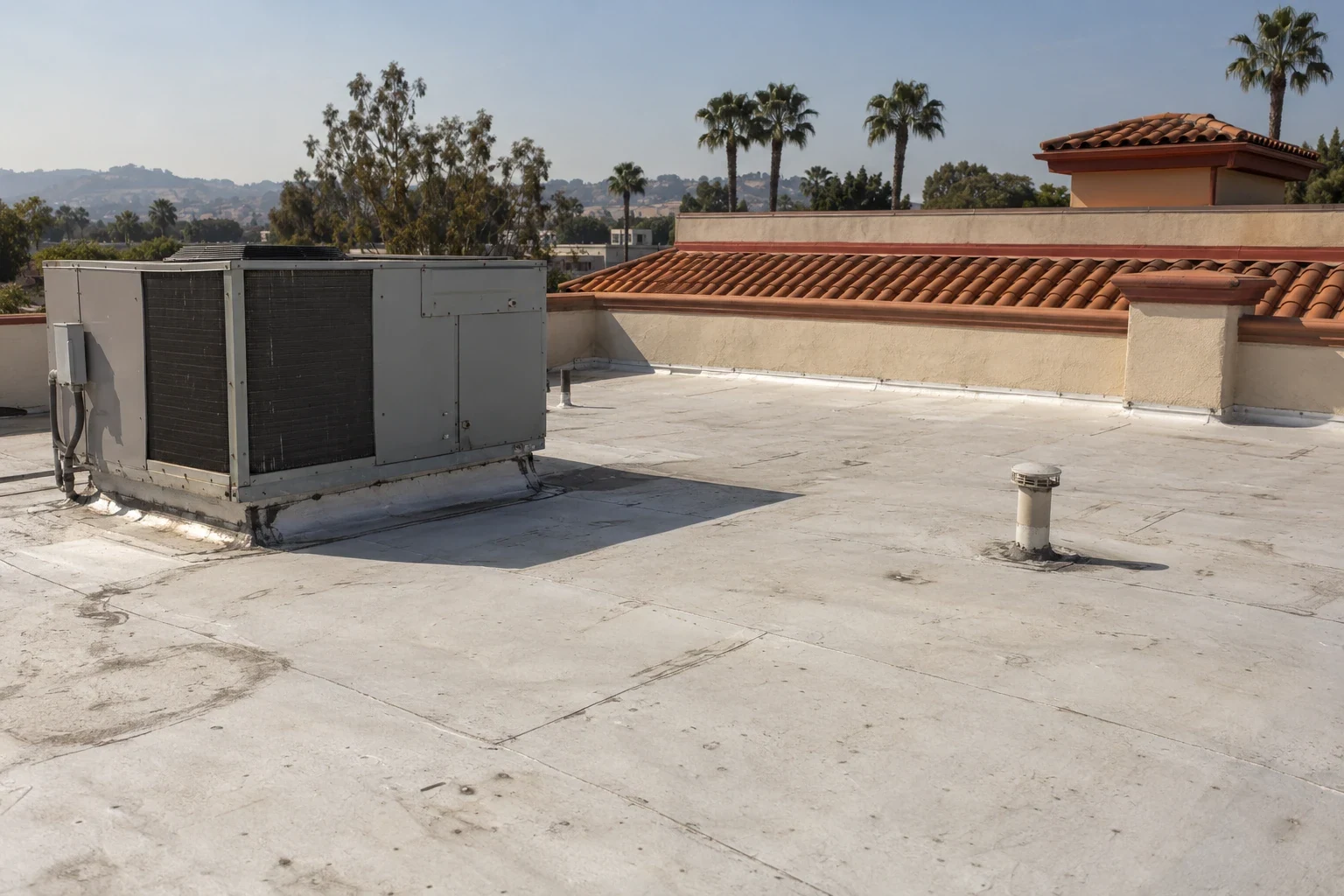
Restaurant Roofing in Huntington Beach, CA
Dining service in Huntington Beach, CA, needs a safe interior boundary while we trace and control a restaurant roof leak. Commercial Roofers Huntington Beach responds to restaurant roof reports by locating the affected space, checking the roof details above and nearby, and marking a repair boundary before permanent work begins. We coordinate the inspection with the restaurant's site contact, protect the interior where practical, and document temporary cover separately from a lasting correction.
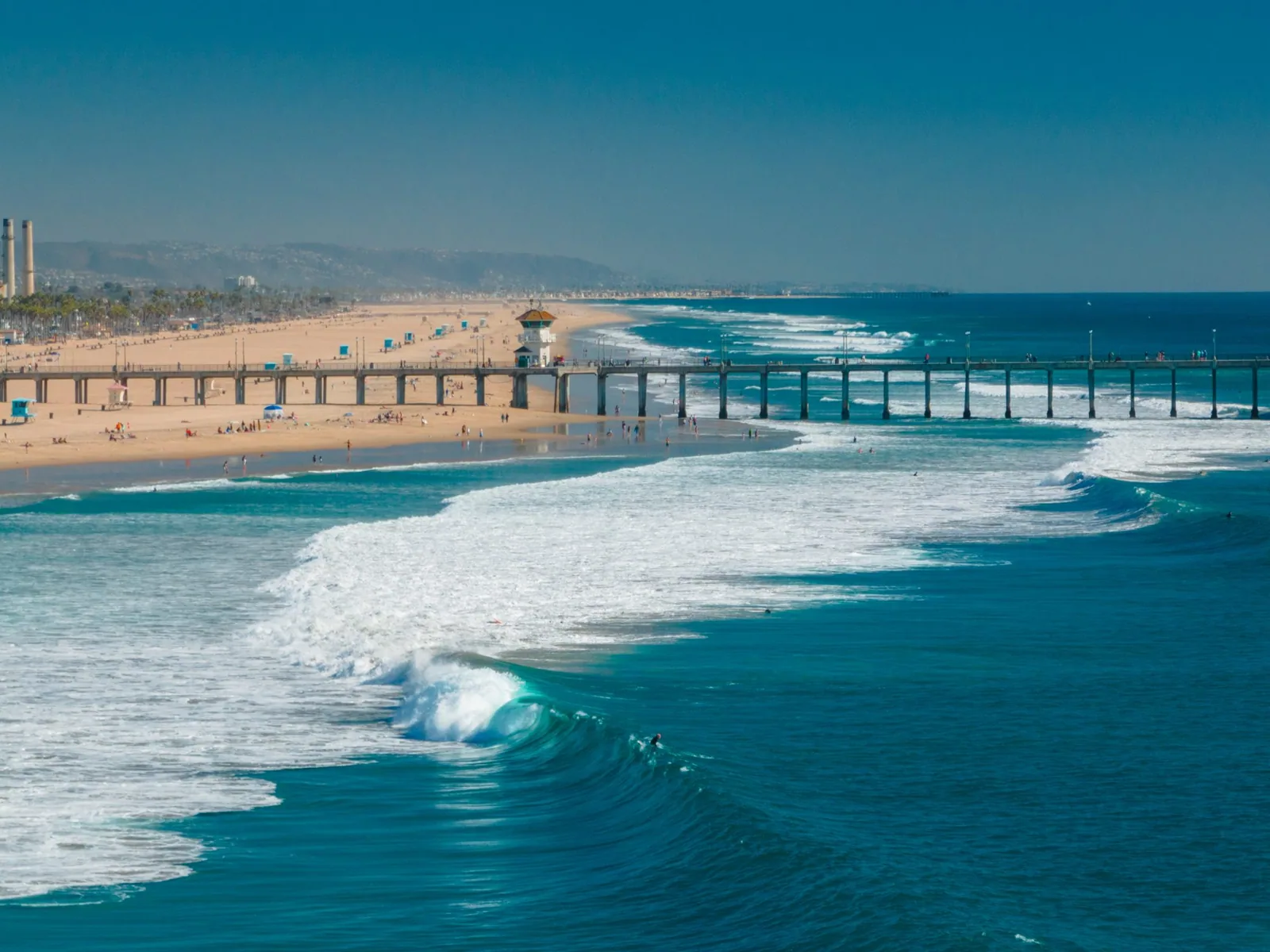
Huntington Beach's General Plan identifies visitor-serving dining near Beach Boulevard, Pacific Coast Highway, and Five Points, alongside commercial streets in Downtown. Those places frame local restaurant activity, but each property's kitchen, patio, service entrance, and operating hours determine access. Newport Beach Harbor normals show rainfall concentrated in cooler months and mild coastal temperatures. The work window is confirmed from current conditions, not a seasonal assumption.
Which kitchen or dining area needs protection?
The manager identifies whether water appeared in a dining room, kitchen, dish area, storage room, or near a roof penetration. We record the time, recent cleaning or equipment service, and whether customers or staff remain in the space. The first safe step may include restricting an area or protecting equipment before roof access. The person responsible for the building confirms what can be moved and who may authorize an opening or test.
Restaurant roofs often have exhaust ducts, fans, make-up air equipment, plumbing vents, and other penetrations. Their actual layout is confirmed during inspection. We check accessible curb flashing, membrane seams, pipe boots, nearby patches, and drain paths. If a service ticket shows recent work on a fan or hood, we compare its location and date with the roof mark; that record helps focus the inspection without assigning cause before the connection is checked.
A grocery-store roof may have refrigeration interfaces and a shopping-center roof may have several tenants with shared access. Restaurant operations have their own ventilation, delivery, and customer schedule. The roof file names the responsible site contact and the exact area included so neighboring tenants or another building are not pulled into the scope without inspection.
How should exhaust and plumbing details be inspected?
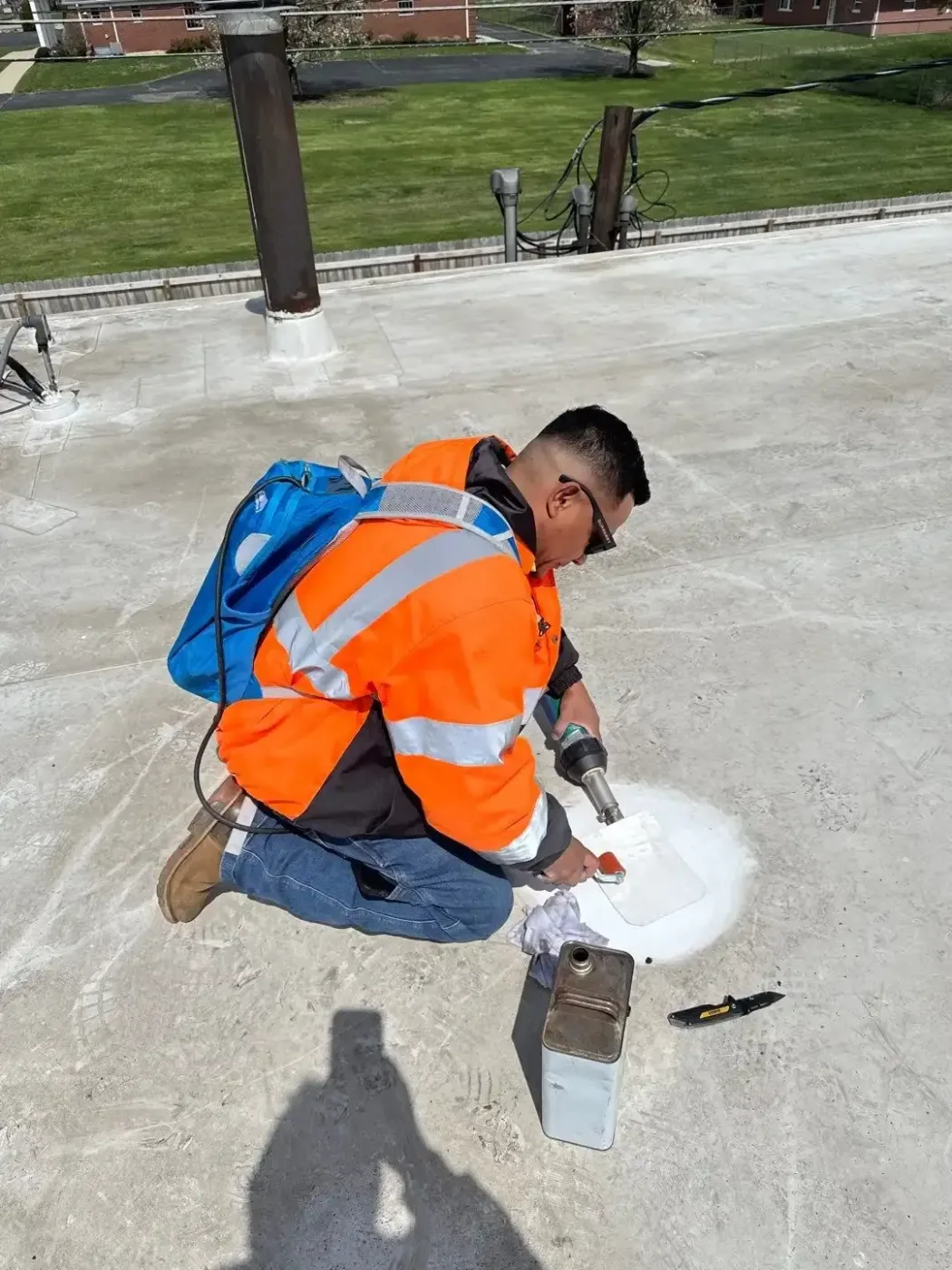
Water around a fan curb or plumbing penetration can follow a flashing edge, seam, or roof slope before entering the restaurant. We inspect the curb perimeter, membrane tie-in, counterflashing, adjacent fasteners, and nearby drainage. Grease or service residue around exhaust equipment may make an interface harder to see, so the work plan identifies what can be accessed and whether equipment must be shut down before close inspection. Any service handoff is recorded with the roof-zone mark.
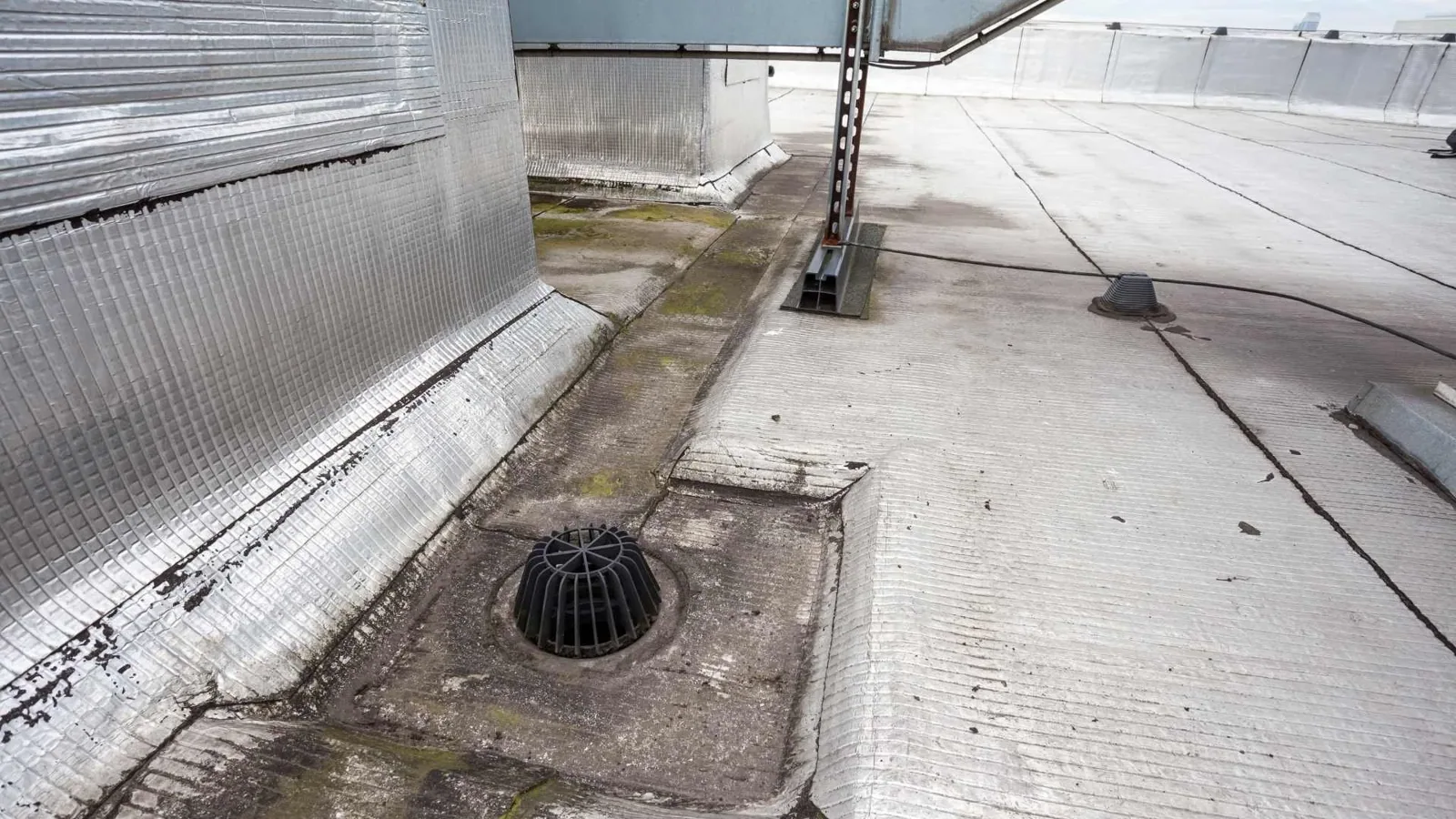
At a scupper or drain, we check the outlet, membrane connection, surrounding surface, and path that delivers water to it. A restricted outlet can leave water near another weak detail, but the inspection still documents the actual condition rather than infer a leak source. A penetration and flashing review can document a defined curb, pipe, or roof opening. A drain and scupper inspection can show whether an outlet or its surrounding flashing needs correction.
If moisture may extend under the membrane, a surface walk may not establish its full extent. We identify whether an infrared survey, sample, or authorized opening could change the repair recommendation. The proposed test names the location, method, and approval required. A commercial roof inspection records confirmed findings, any inaccessible area, and the evidence needed for a lasting repair.
Can repair work fit between service periods?
The site contact confirms roof entry, escort, staging, delivery windows, customer entrances, patio use, and any room that must remain available. If work is above a dining room, the manager identifies whether seating must move or a temporary closure is needed. If access requires a ladder or lift near the entrance, the crew follows the approved route and keeps egress clear. We set a secure stop point before exposing membrane so the building is not left dependent on an informal weather forecast.
Downtown Huntington Beach's pedestrian-oriented retail streets call for attention to foot traffic, while visitor-serving sites near Pacific Coast Highway and Five Points may have their own customer circulation. These local settings can affect where tools or materials move, but the restaurant's site plan governs the work. The manager confirms which entrance remains open, how a patio or delivery area is handled, and who communicates a temporary restriction.
Restaurant work windows can change during Santa Ana weather, when offshore air brings coastal warmth and dryness. Newport Beach Harbor normals show most normal rain in cooler months, with summer averages near zero. Current wind, surface moisture, and forecast conditions determine the roof access window. For active water, emergency roof response can establish temporary protection. Larger work at an open restaurant can be phased to protect the approved section and give staff a clear daily status.
What belongs in a restaurant roof estimate?
A restaurant proposal locates each repair on the building plan and specifies preparation, chosen materials, work limits, excluded tasks, and the final inspection. Cost and timing can depend on equipment coordination, kitchen or dining-area protection, access, staging, removal depth, material compatibility, disposal, and hidden moisture. We list factors that apply to this scope and show where a test could change quantity. The manager can then separate a leak repair from equipment work or a larger capital project.
An overlay at the restaurant needs dry and secure underlying layers, compatible detailing, adequate exhaust-curb clearance, and an outlet layout that still works at the new elevation. Replacement may require removal, insulation or deck review, and a sequence around business hours. A recover assessment documents limits on retaining the existing assembly; a replacement scope describes removal and rebuild. If a fan or hood needs work by another trade, we identify that handoff before setting the final membrane tie-in.
Closeout includes the marked repair boundary, installed material, photographs, approved scope changes, and any return check. The manager can compare the completed work with the reported room and reopen a separate investigation if water appears elsewhere. Keep the roof plan, equipment service record, and closeout together so a later crew can locate the same curb or drain without relying on memory.
A maintenance visit can return to the same fan curbs, plumbing penetrations, drains, and prior repair marks after equipment service or seasonal preparation. We record what was checked and whether a seal, flashing, or drain correction was completed. If a contractor replaces equipment or changes a support, the manager can retain that service document with the roof file and request a check of the affected interface before a leak is reported.
Set the next inspection interval from the roof history, drain condition, and equipment service schedule. The site contact can keep a follow-up date with the repair photos.
Commercial Roofing Questions
Could an exhaust fan service call be related to a roof leak?
It can identify a curb or penetration for inspection, but the flashing and membrane connection must be checked before assigning cause. We compare the service record with the roof mark and document what is confirmed.
Can a restaurant remain open during a roof repair?
That depends on the affected room, access route, noise, and interior protection. We coordinate a work window with the site contact and identify any area that should remain closed until dry-in or closeout.
How do you keep a roof opening secure after hours?
Each work zone has a dry-in boundary and stopping point. The work record shows temporary cover, remaining limits, photographs, and the next visit or approval required.
Should a restaurant roof be replaced after one leak?
A single leak does not define the full assembly. We inspect the affected detail and repair history, then identify whether testing, localized repair, recover, or replacement is supported by evidence.
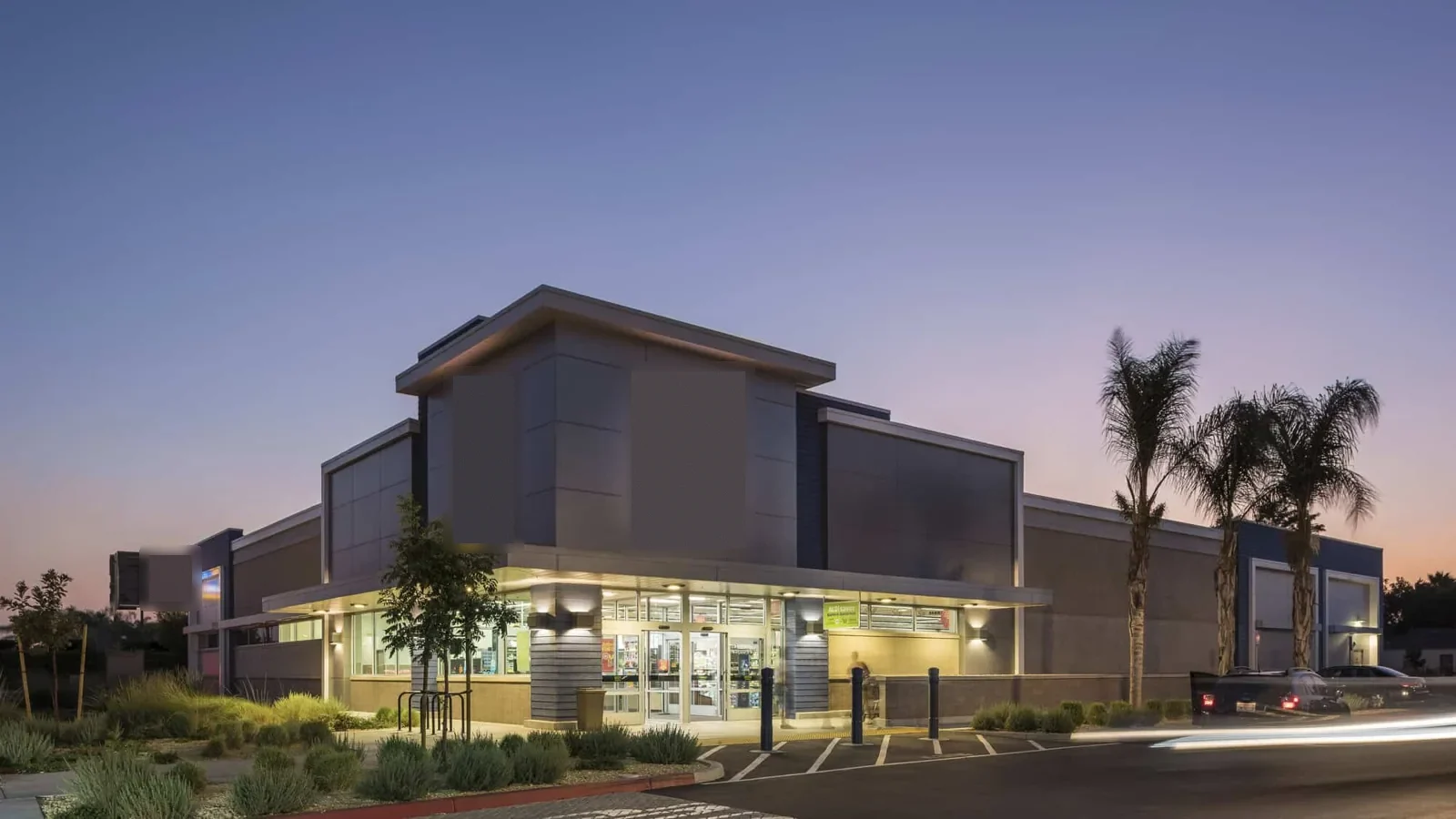
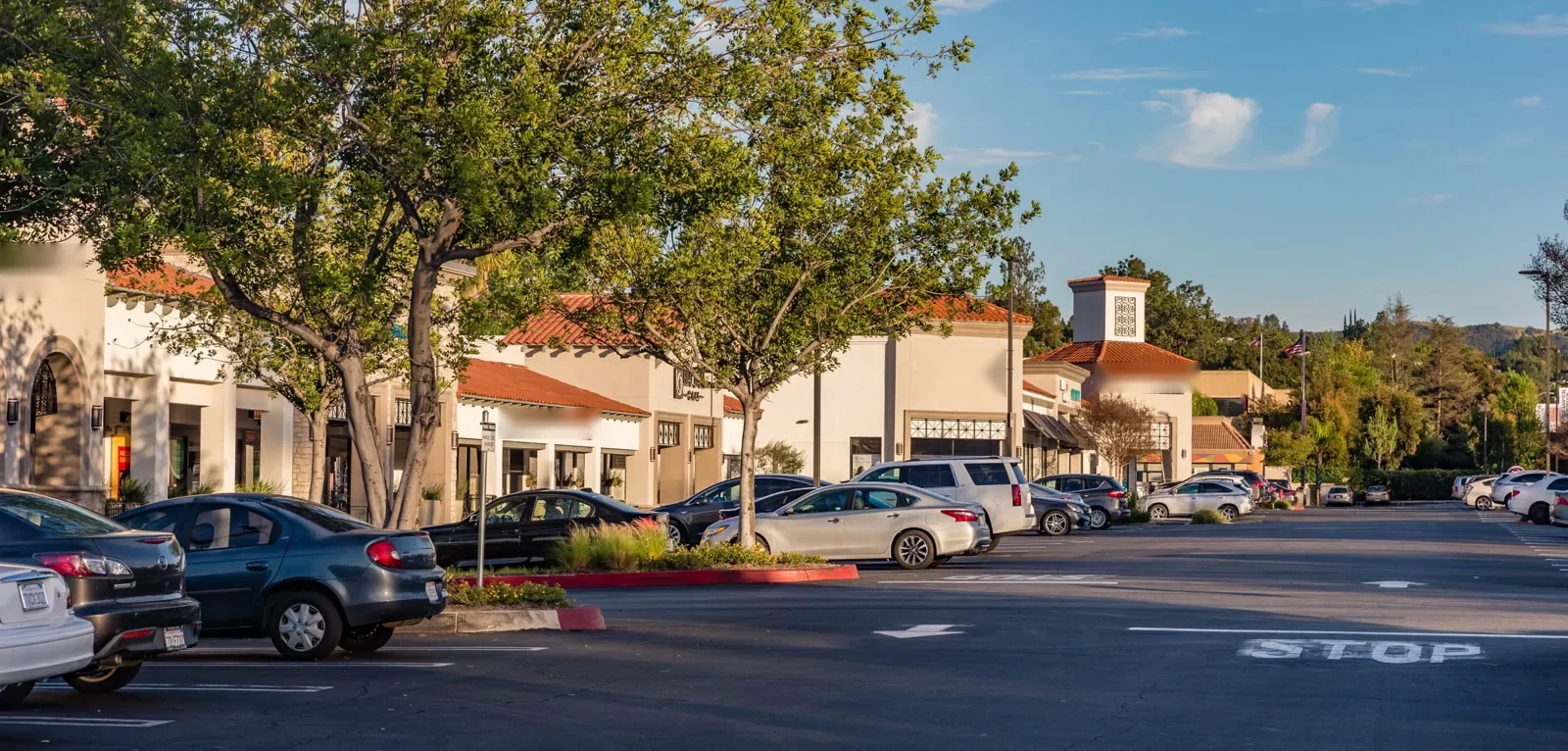
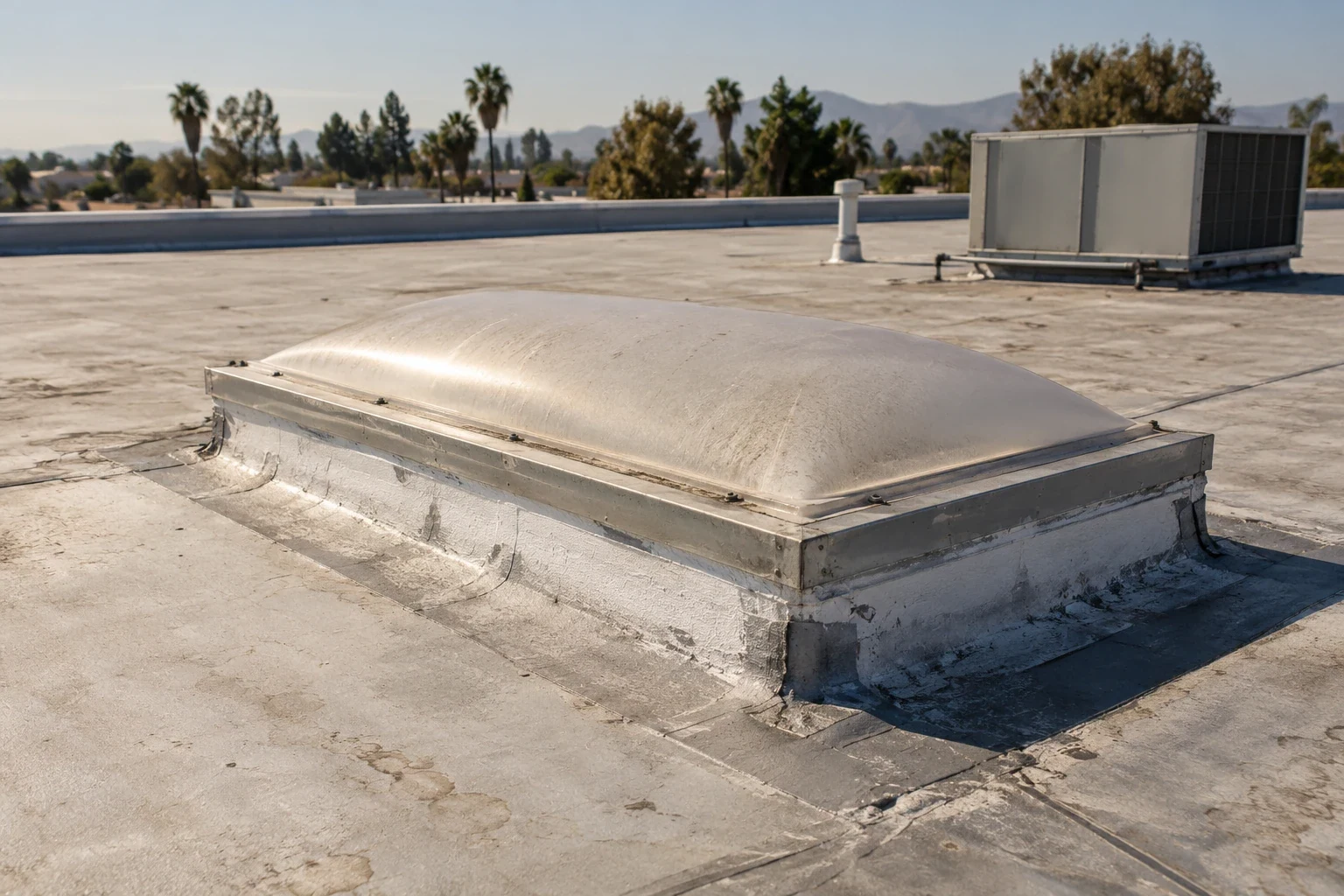

Proudly Serving Huntington Beach and Nearby Cities
Commercial Roofers Huntington Beach
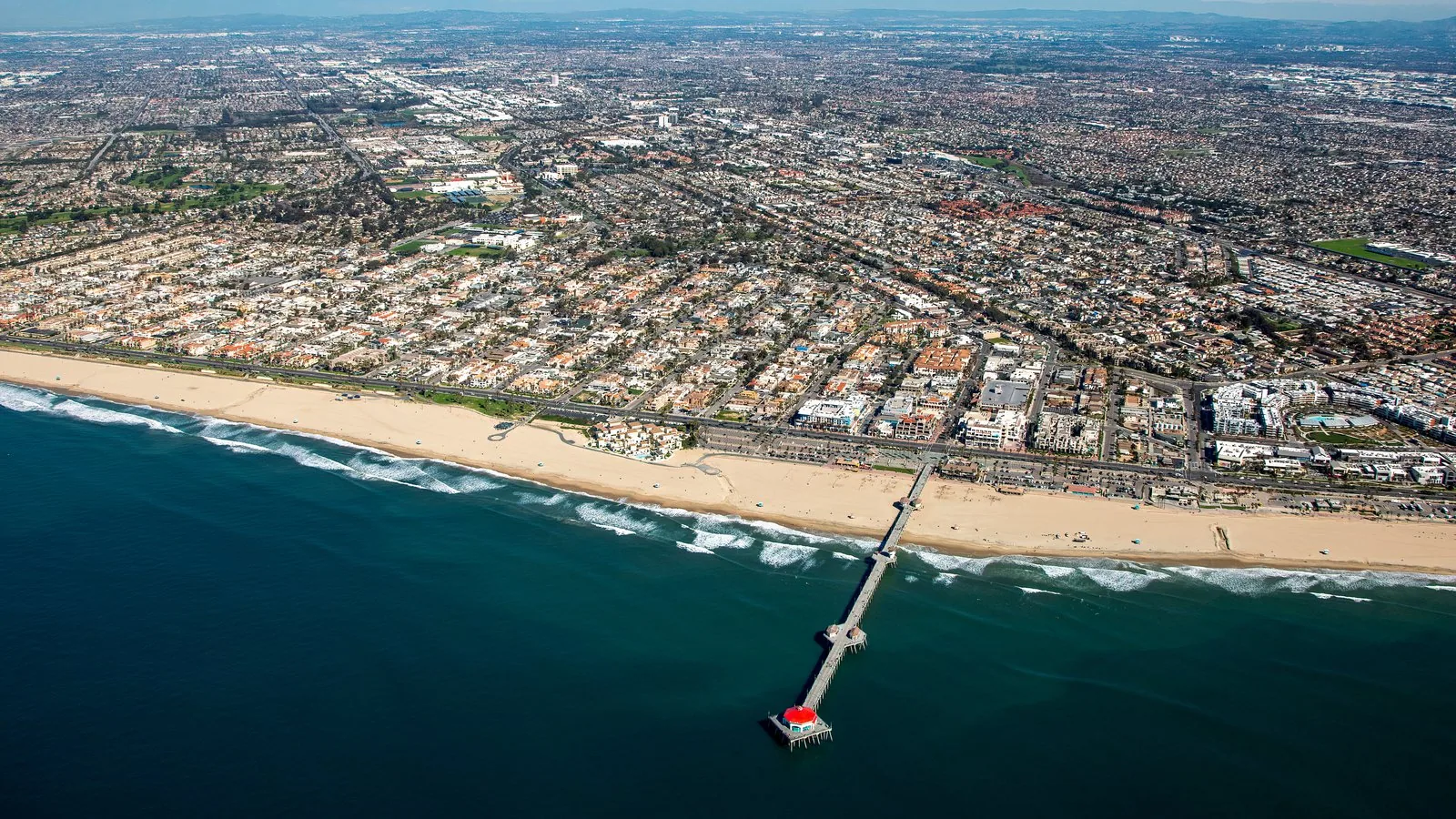
Huntington Beach, Westminster, Seal Beach, Fountain Valley,
Garden Grove, Newport Beach and nearby Orange County cities