
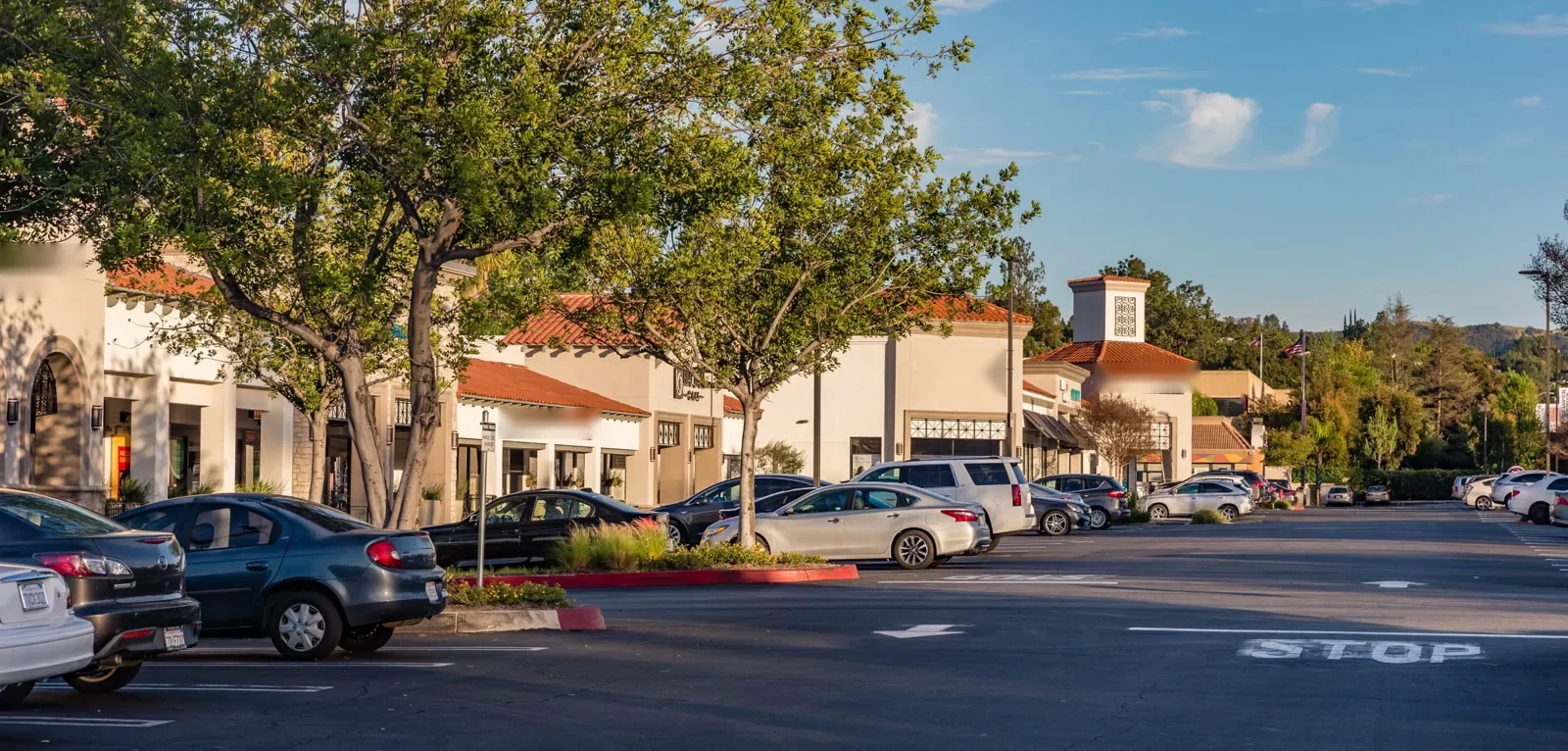
Shopping Center Roofing in Huntington Beach, CA
A shopping-center leak call in Huntington Beach, CA, can affect a tenant, a shared corridor, and the property manager's approval queue at once. Commercial Roofers Huntington Beach locates the reported room or storefront, checks the roof area above and nearby, and marks what is safe to inspect. We coordinate access with the site contact, protect the occupied space where practical, and separate immediate cover from permanent repair. The work record follows the roof zone so the next shift can see what remains open.
The city maps retail frontage on Warner, Edinger, Adams, and Beach Boulevard, plus visitor-oriented commercial uses around Five Points and Pacific Coast Highway. A center's customer access and tenant mix still come from its own operating plan. Newport Beach Harbor normals show a mild coastal temperature range and winter-focused rain; the current weather window and roof condition decide when material can be exposed.
Which tenant and roof zone does the report identify?
At intake, the property manager gives us the center name, affected suite or common area, time water appeared, and any previous repair. The roof plan or suite map helps connect that report to an access point and roof area. A center can have several roof sections, additions, canopies, and tenant-controlled interiors. We mark the roof zone reached and note any space or area that could not be entered, rather than treating one visit as a clearance of the whole property.
Huntington Beach's commercial frontage spans Beach Boulevard, Adams Avenue, Edinger Avenue, and Warner Avenue. Visitor-serving retail and dining are also identified near Pacific Coast Highway and Five Points. Those citywide contexts help with route and access planning, but do not describe a specific shopping-center roof. The site contact confirms delivery windows, customer paths, service entrances, fire lanes, and staging before a lift or material delivery is arranged.
When several tenants share a roof, we identify who controls the membrane, who can authorize roof work, and which tenant needs notice. If water appears in one suite but the suspected detail serves another, both locations are recorded and the path is tested before assigning responsibility. A related big-box retail roof or grocery store roof may have different operating and refrigeration constraints, so its report receives separate access and protection notes.
How do we trace water without closing more space than needed?
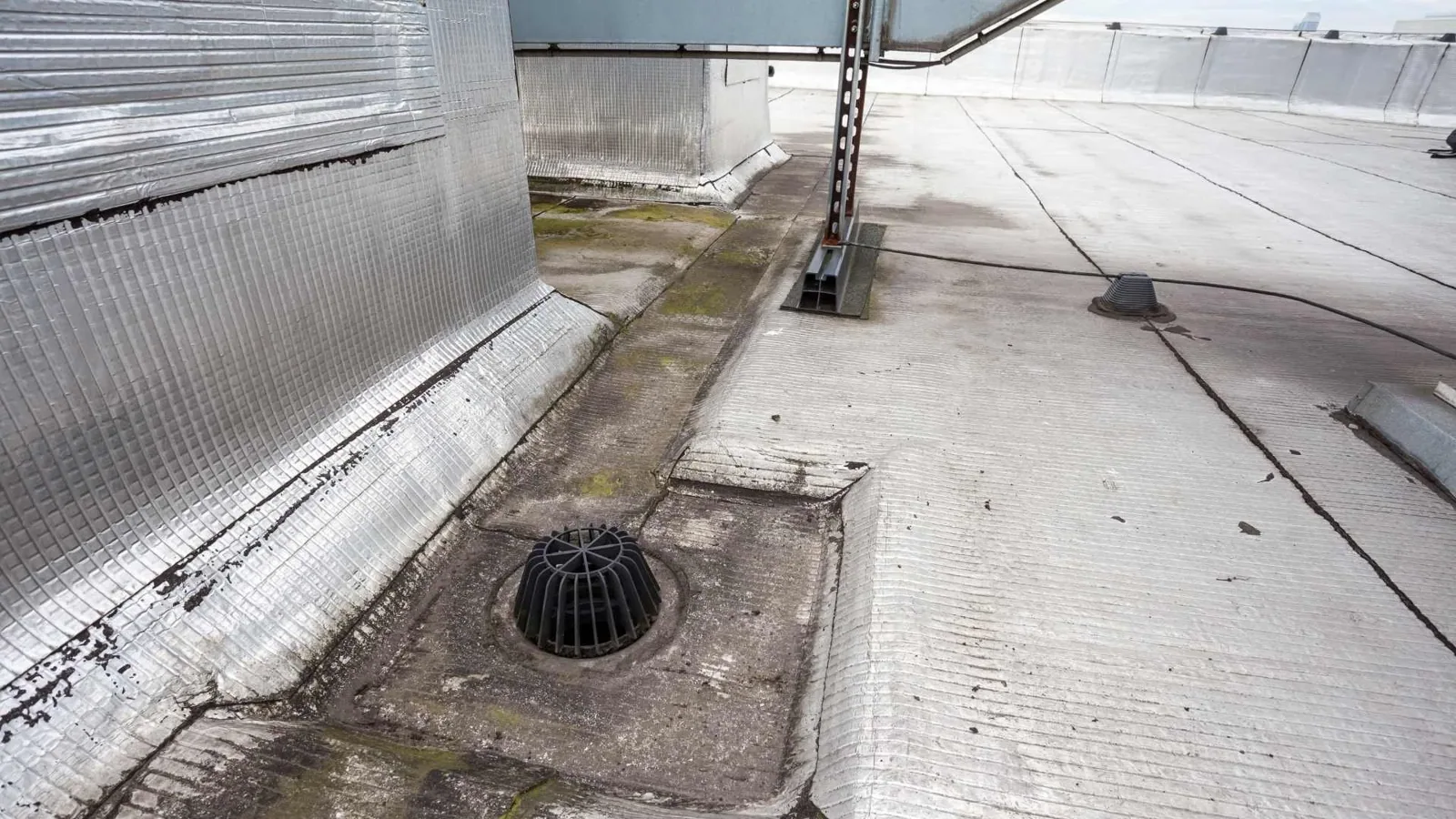
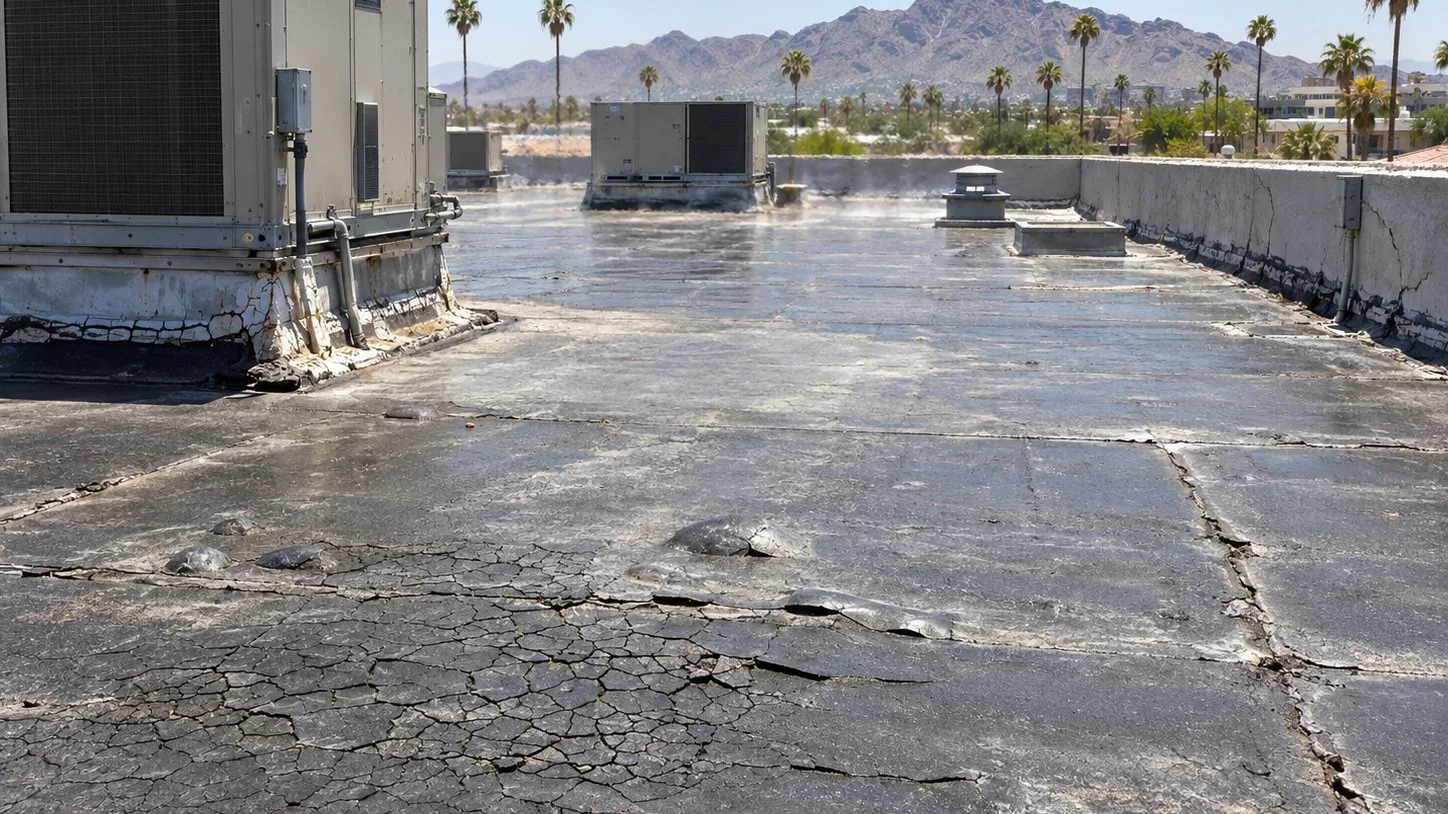
The first walk checks the reported area for accessible membrane seams, flashing, equipment curbs, penetrations, drains, scuppers, perimeter transitions, and earlier patches. Each photograph gets a location mark that can be compared with the tenant report. Water may move along a deck, slope, or transition before it reaches a ceiling tile. We compare the visible roof details above and around the room, then identify whether the likely path is confirmed or needs further testing.
A small drip does not establish how far moisture extends below the membrane. If a concealed layer could change the repair area, we describe a moisture survey, sample, or authorized opening and state what the result would decide. Interior protection should match the affected suite, common area, stock, and equipment identified by the manager. A commercial roof inspection can record the roof condition and limits; a drain and scupper review can trace an outlet concern that affects more than one tenant area.
For active water, the crew establishes a first safe step and a temporary dry-in boundary. We record what protection is installed, how the affected space is being managed, and what permanent work awaits approval. If the roof cannot be accessed safely, the report states the interior protection action and the next window needed for a roof examination.
What changes when the center stays open?
A shopping center may remain open while roof work proceeds, but the work route cannot obstruct customer access or emergency egress. The property contact identifies public entrances, delivery lanes, trash collection, loading doors, tenant hours, and any event or cleaning schedule that affects staging. We agree on a roof access window and protect areas below the active zone. The daily plan states what is open, what has a temporary cover, and whether a tenant can resume normal use.
A lift, dumpster, or pallet of materials can change how a center's service lane functions for part of a day. We identify where staging is permitted, what route stays open, and who can approve a temporary restriction. If tenants share loading space, the work plan assigns a time and contact for each delivery or roof access move. This keeps the repair boundary visible to the manager before customer circulation changes.
Downtown Huntington Beach is planned around retail streets and pedestrian and bicycle activity. The city's Pacific Coast Highway corridor also includes visitor-serving commercial nodes, recreation, and open-space considerations. These local contexts help a manager think through public access, but a crew must follow the center's specific circulation and safety plan. A delivery or lift may need a different path from the one used for regular tenant service.
Newport Beach Harbor climate normals show that most normal precipitation falls in cooler months, while summer averages are near zero. An offshore Santa Ana period may bring a warmer, drier coastal day to the center’s scheduled work. Those conditions can alter roof movement, application windows, and temporary cover. We check the work forecast, define a secure stopping point, and record a change if wind or moisture narrows the approved window.
For an urgent leak, emergency roof response separates temporary protection from the permanent correction. For a center that cannot close during renewal, phased reroofing can set the sequence, public access controls, tenant notice, and daily dry-in boundary.
Which repair or renewal path fits the documented condition?
The center’s proposal lists included suites and roof marks, preparation tasks, selected materials, excluded conditions, and the inspection that will close each repair. Cost and duration can change with access, height, tenant protection, equipment coordination, removal depth, material compatibility, disposal, and hidden moisture. We list the factors relevant to the center and identify which quantity depends on testing. A manager can then compare a local patch, additional investigation, and a capital project without combining multiple storefronts into one allowance.
Retaining the center’s old roof beneath an overlay depends on secure, suitably dry layers and transitions that accommodate added height without compromising outlets or tenant equipment. Replacement may involve removal, insulation or deck review, and tenant phasing. A recover assessment documents whether retention is supported; a replacement scope identifies removal, tie-ins, and dry-in stages. A variance log captures any field condition that changes the approved area before crews proceed.
Closeout photos and the final repair boundary belong with the center's roof plan and tenant work orders. A return check can compare the same seam, drain, or flashing detail with the initial mark. A property manager can keep a Downtown commercial property on a separate record from a Pacific Coast Highway visitor-serving site, even when the same company manages both. That distinction makes it possible to track repeat calls without assuming each roof shares a condition.
Commercial Roofing Questions
Can roof repair proceed while tenants and customers are present?
Often, with an approved access route, work window, interior protection, and clear public paths. The site contact identifies tenant restrictions and any area that must close during the task.
How do you find the roof source when several suites report water?
We map each room report, compare it with accessible seams, drains, curbs, and transitions, and separate confirmed defects from possible paths. Testing is proposed if the result could change the repair boundary.
Does one repair cover every tenant's roof area?
Only the marked and approved boundary is included. We note shared details and any adjacent area that needs separate testing or owner authorization.
How do you keep customers away from roof work?
The property manager confirms entrances, delivery routes, staging, and egress. We use the approved path and record any temporary restriction or change to the center's operating plan.
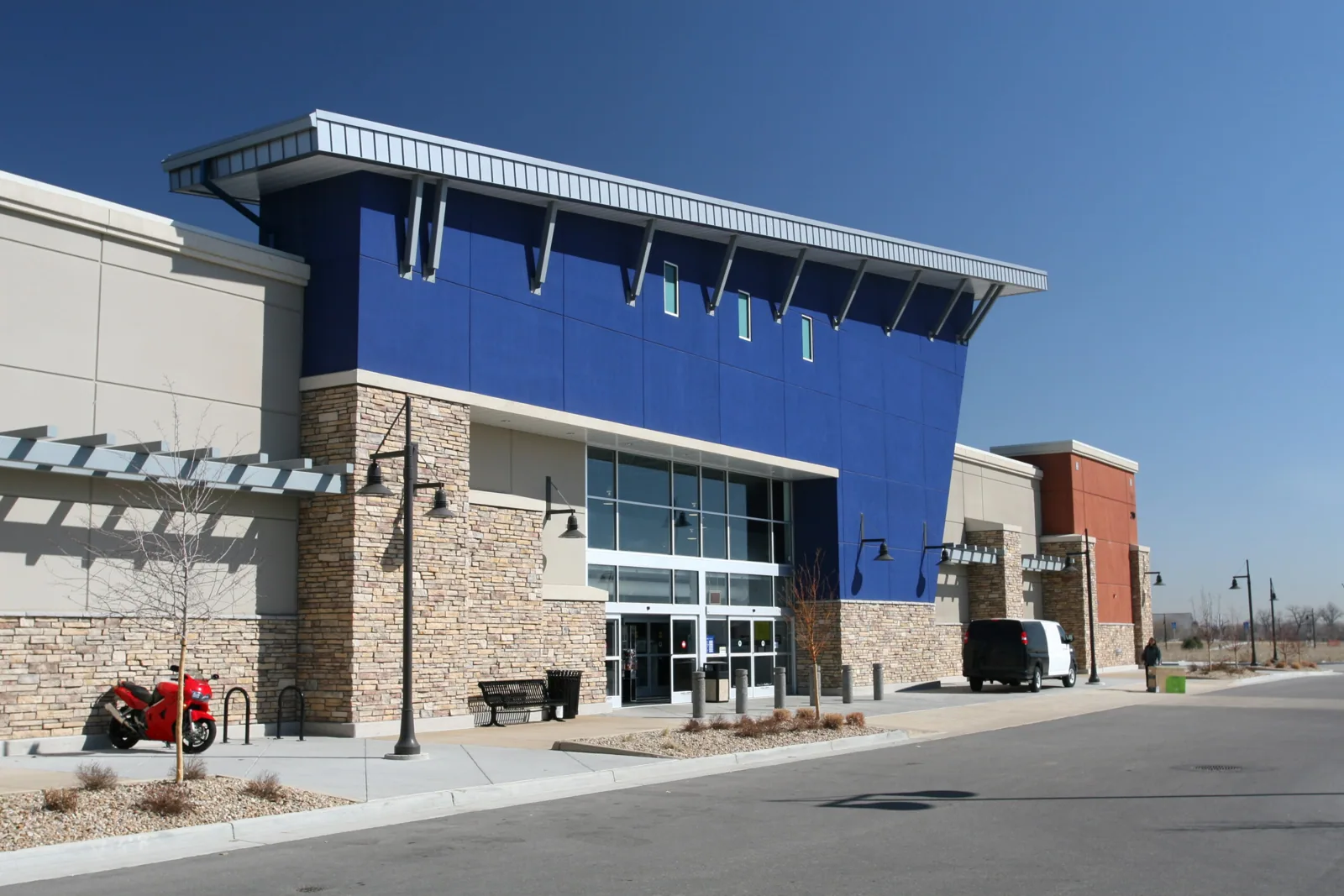
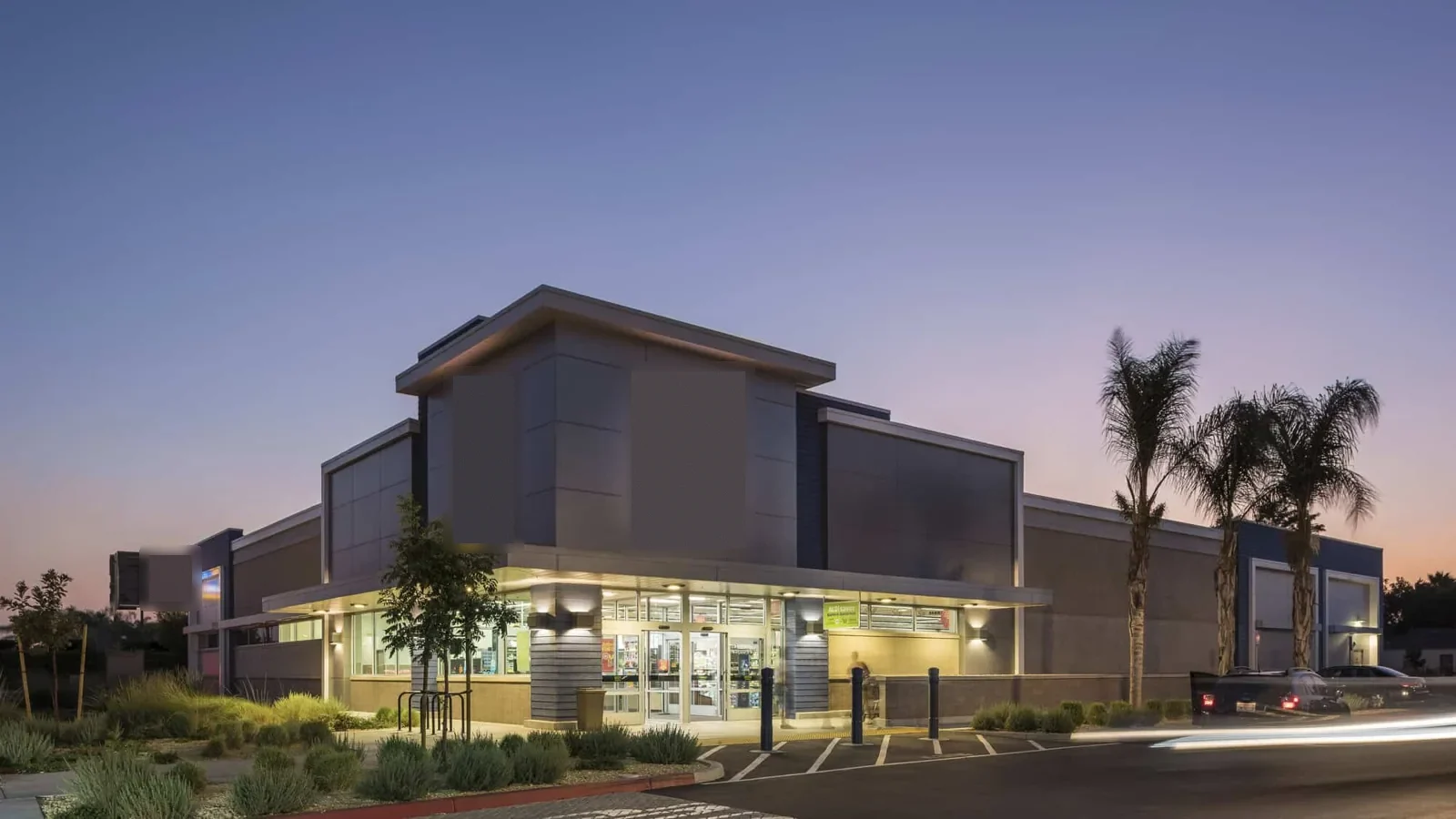
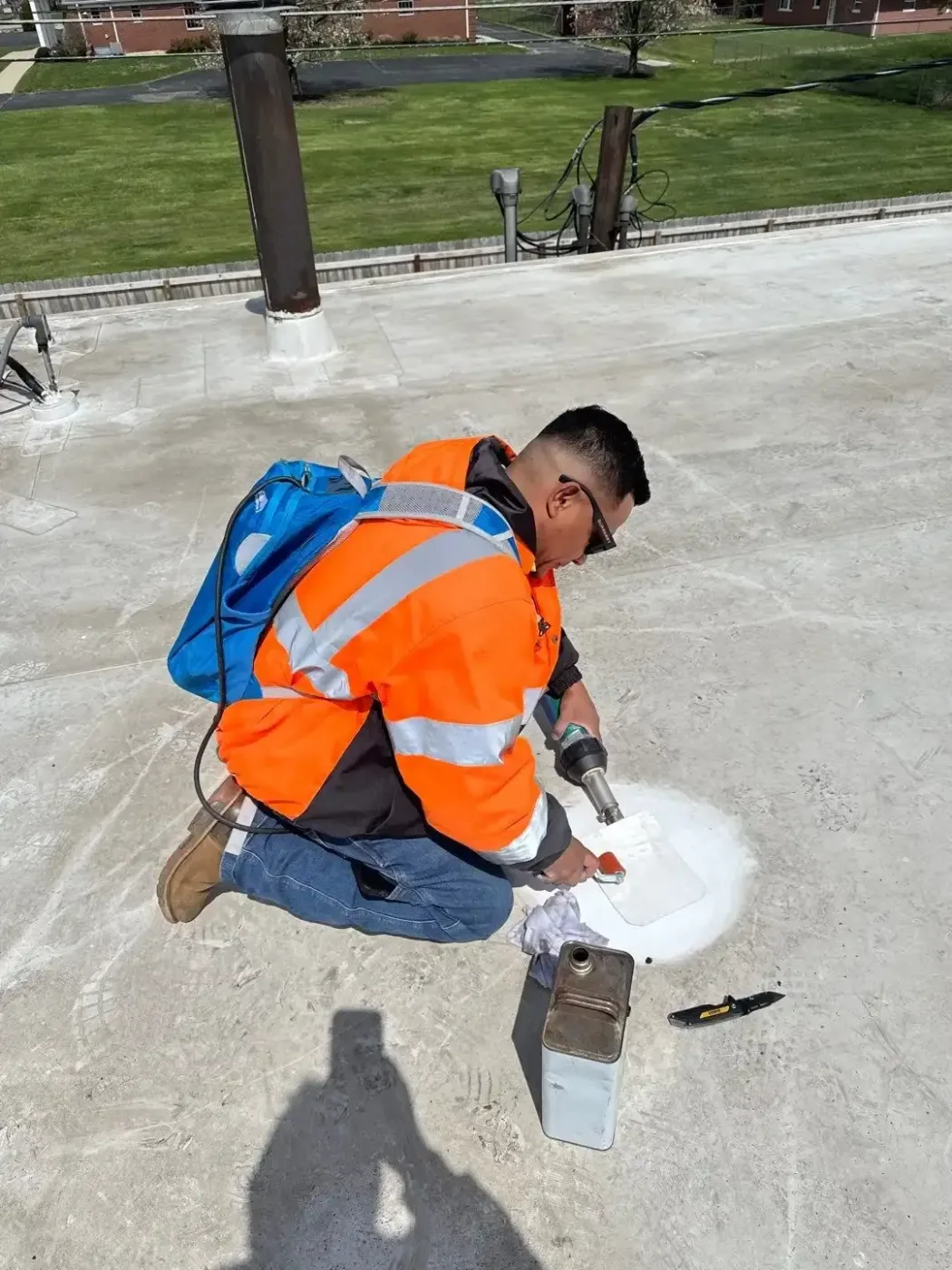

Proudly Serving Huntington Beach and Nearby Cities

Commercial Roofers Huntington Beach
Huntington Beach, Westminster, Seal Beach, Fountain Valley,
Garden Grove, Newport Beach and nearby Orange County cities