
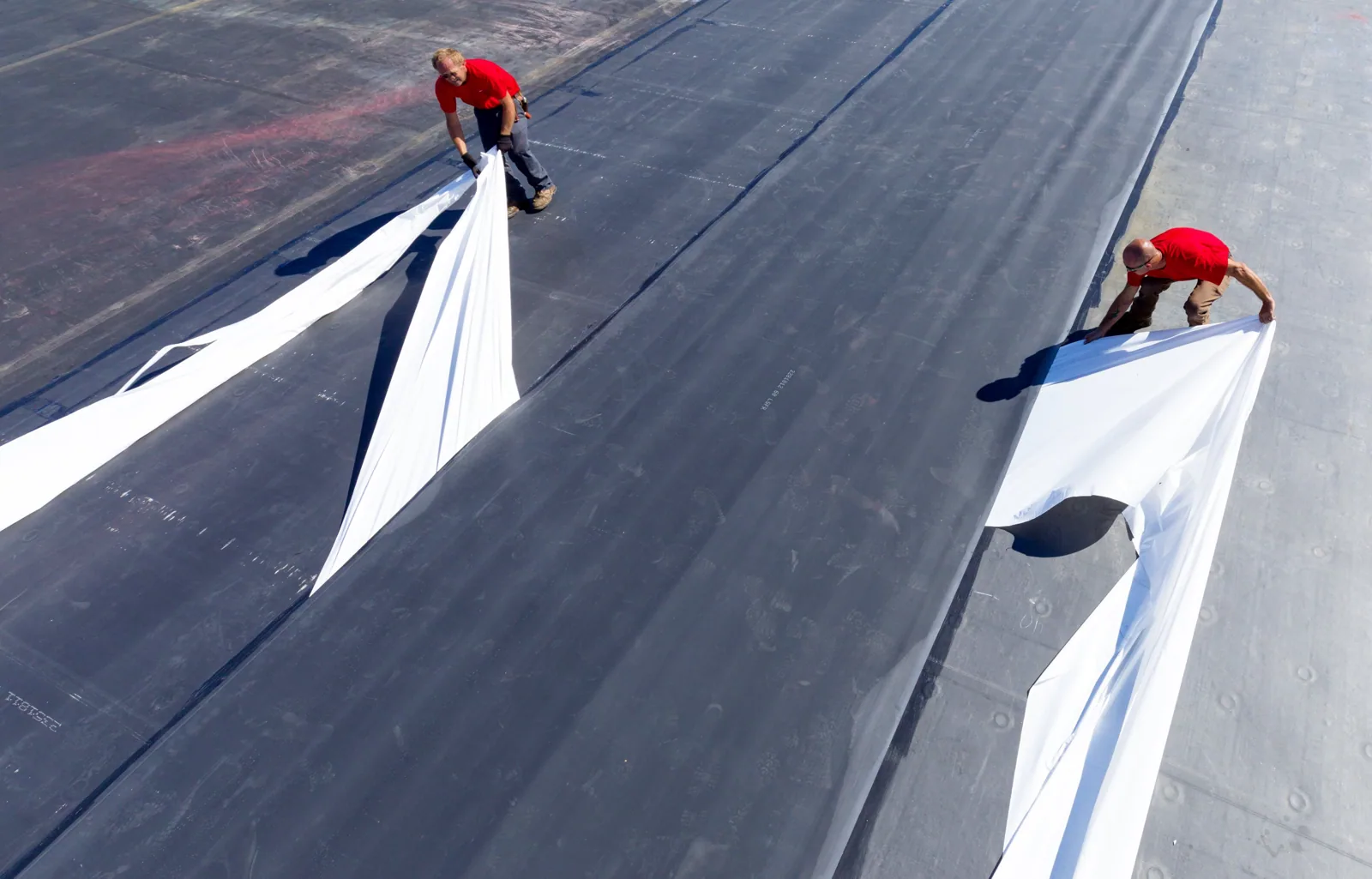
Holcim Elevate Roofing in Huntington Beach, CA
A Firestone name in the building file and a separated seam on the roof need to be connected before materials are ordered. We check the installed assembly and available records, then inspect the affected detail. Holcim Elevate roofing in Huntington Beach, CA includes repair and replacement decisions involving systems formerly supplied under the Firestone Building Products name. Commercial Roofers Huntington Beach locates the reported condition and establishes a safe inspection route before deciding which compatible components the work needs.
Holcim Elevate offers commercial roofing systems including TPO and EPDM membranes. Those materials use different seam procedures and repair components, so an older brand label alone does not settle the method. We examine the roof surface, attachment, transitions, and concealed questions influencing removal. Active water entry gets interior protection and a defined temporary closure where conditions allow. Emergency calls can be answered after hours, over weekends, and on holidays, with the permanent correction planned from the field findings.
Which Holcim Elevate assembly is actually on the building?
Original submittals, warranty documents, and completed construction records help identify the membrane and components. We compare them with the roof because equipment additions or partial replacement can change the installed condition. The surface may include an old field membrane with newer flashing or a separate assembly on an addition. We mark those transitions so one repair method is not applied indiscriminately across materials that need different preparation.
UltraPly TPO and RubberGard EPDM are Holcim Elevate membrane families with distinct connection methods. A TPO assembly using welded seams needs a compatible receiving surface and welding procedure. An EPDM assembly with bonded connections requires the appropriate cleaning, bonding, and seam components for that system. We identify the receiver before specifying either correction. Missing records can lead to additional examination rather than a material choice based only on roof color.
Comparison with Carlisle SynTec membrane assemblies or Johns Manville roofing options can be useful during replacement planning. Each proposed construction needs its own compatible components and specification. Repairing an existing Holcim Elevate detail calls for matching its installed requirements, while a new project can evaluate alternative assemblies before the final system is selected.
Where does the repair need a stronger connection?
A split beside a curb differs from separation along a straight field seam. We inspect both the opening and surrounding assembly to establish what must be rebuilt. Corners, upper terminations, drain connections, and roof-to-wall transitions each need a continuous tie-in suited to their position. A repair can require removal of old patch material where its attachment or compatibility prevents a sound connection to the existing membrane.
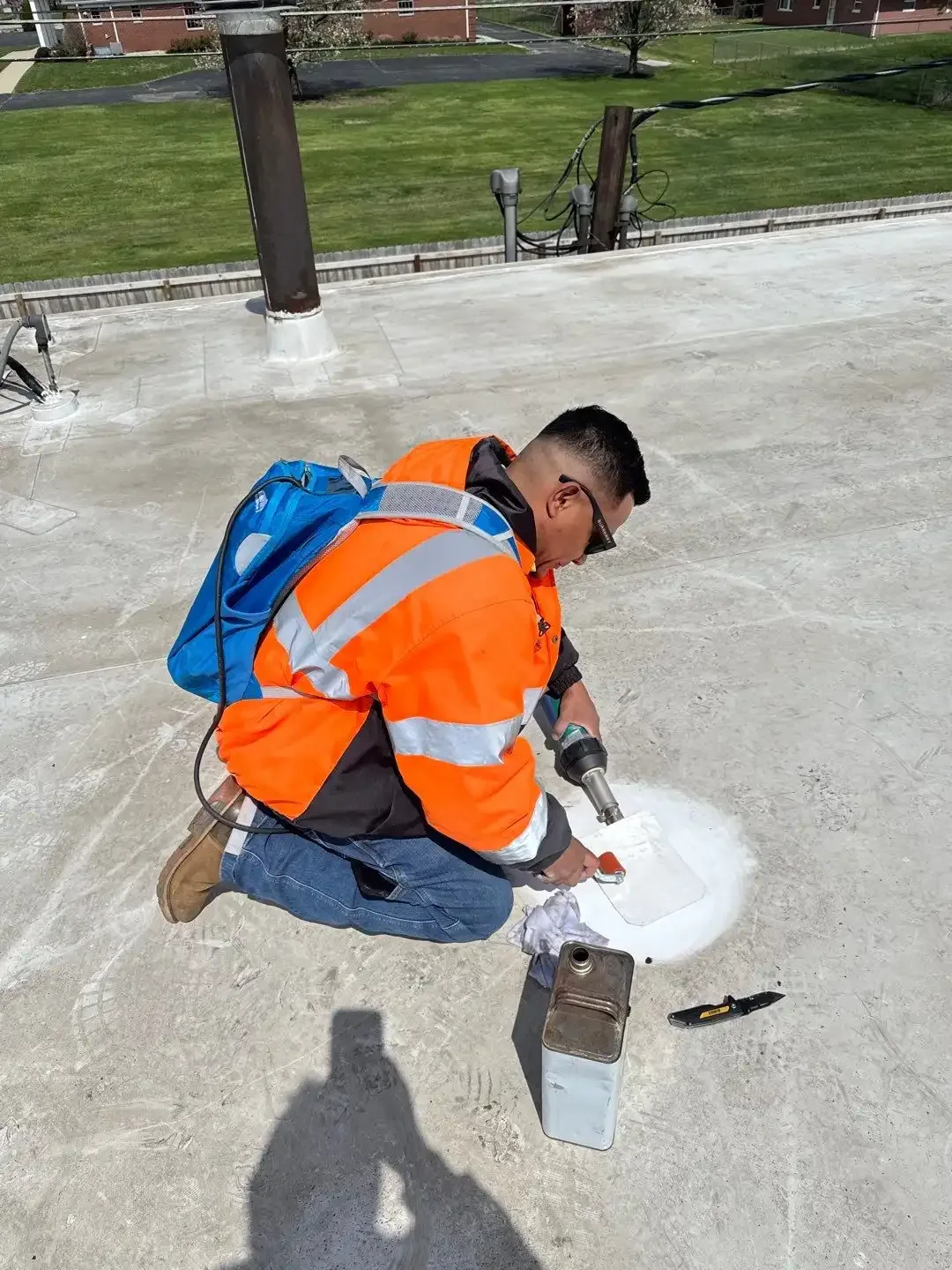
On a thermoplastic roof, preparation and field checks support the repaired weld. On a rubber membrane, a dirty or deteriorated receiver can undermine the bonded detail. We explain those differences in the scope and identify any adjacent failed material needing removal. A repair of the separated roof seam also includes checking the connection beyond its obvious opening. Work at a moving equipment support needs coordination so the repaired membrane is not left carrying the same unresolved stress.
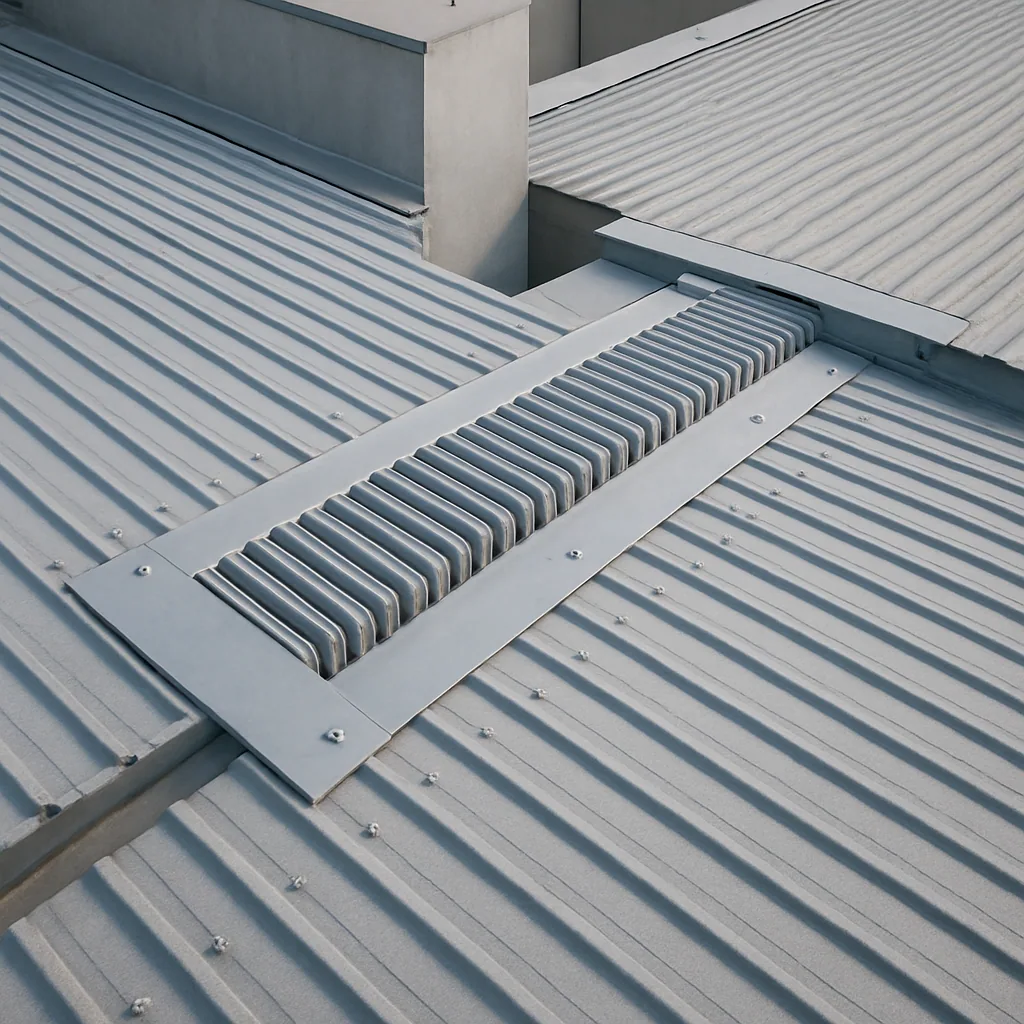
Metal terminations and counterflashing deserve examination with the membrane. A sound patch at the curb base cannot prevent water entering behind an open upper edge. We follow the connection through its full height, then identify which work belongs to roofing and which requires equipment or wall correction. The owner receives a repair extent tied to the actual route rather than a proposed surface patch without the surrounding detail.
How should the building operation shape the daily roof opening?
The Northwest Industrial Subarea brings together industrial-spec buildings, commercial pads, business parks, and offices. At an inspected property there, the daily removal boundary needs to account for the operation below and the available closure window. We locate sensitive rooms, stored goods, and equipment that should be protected before material is disturbed. A yard used for deliveries needs a material route separated from operating traffic, with the site contact confirming the actual staging space.
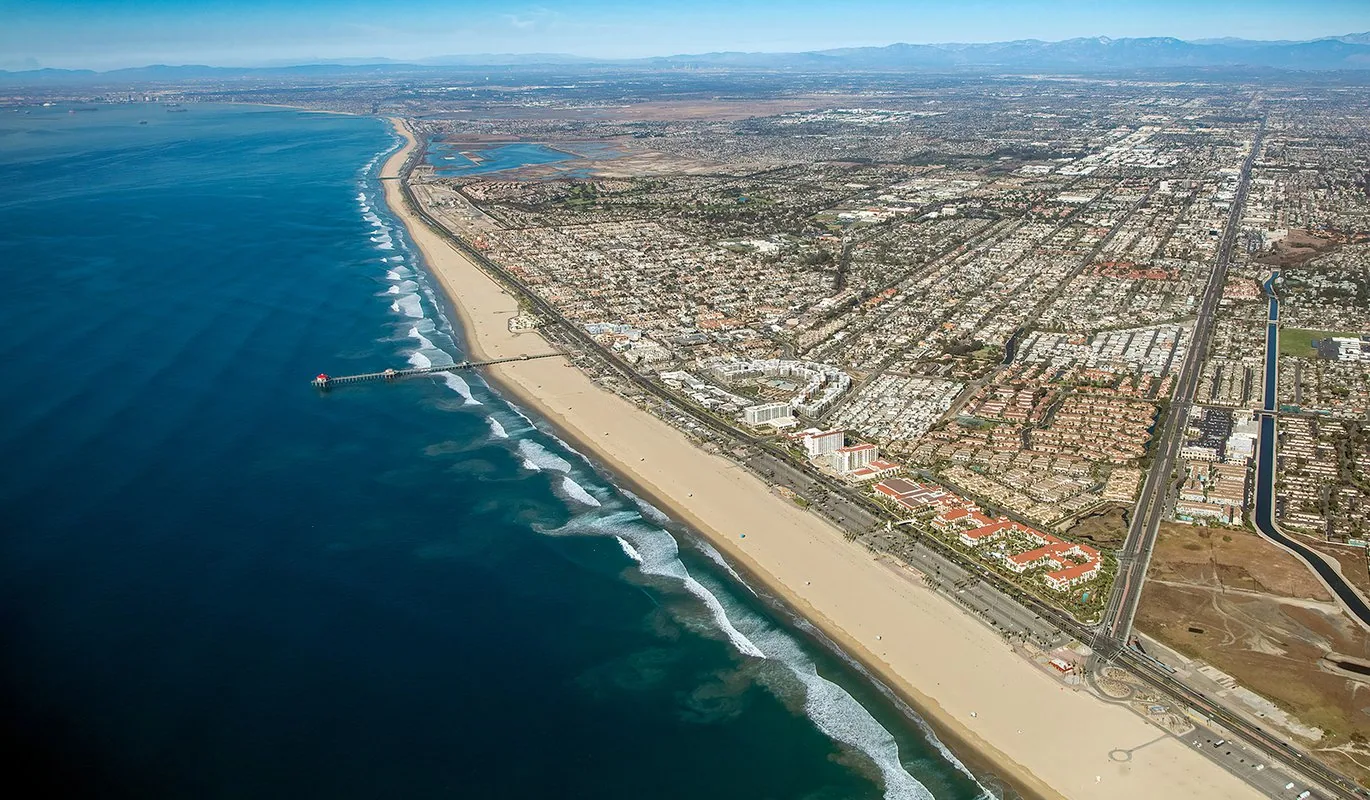
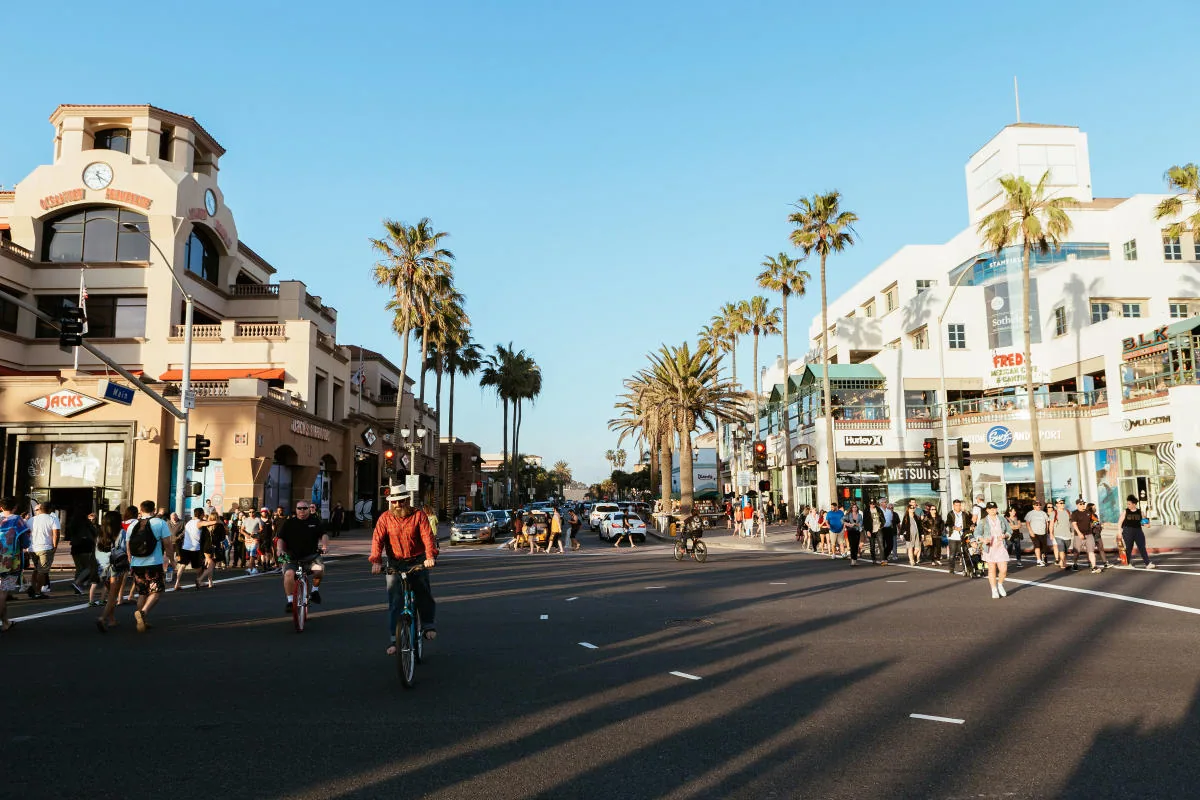
Along Pacific Coast Highway, Huntington Beach identifies visitor-serving commercial uses. An occupied property in the coastal corridor can have customer access constraints different from an industrial yard. We confirm those routes rather than carrying one staging arrangement into another building. Roof replacement above occupied space limits the daily opening to work that can be closed or protected safely. Interior restrictions and the next roof position are communicated before each phase advances.
Can the existing layers support repair or recover?
Moisture, attachment, and the supporting surface need examination before another layer is retained. We inspect accessible defects and use confirmation where concealed condition will change the work. A sound field membrane with isolated flashing failure can support localized correction. Wet insulation or widespread instability can require wider removal. Adding a new membrane does not eliminate the need to address the receiver beneath it.
For a proposed recover, drain seating, flashing heights, equipment clearances, and added assembly requirements belong in the assessment. A recover scope based on retained-roof condition identifies the repairs needed before installation. Replacement can provide access to concealed layers requiring correction. We compare preparation, removal, work disruption, and future access rather than treating a manufacturer name as the decision. The completed assembly needs the appropriate specification and detailing for the actual building.
Newport Beach Harbor records a coastal rainfall pattern concentrated in the cooler season, leaving very little normal summer precipitation. That nearby context supports planning exposed work during a suitable dry interval. We still assess daily surface moisture, forecast conditions, and application requirements. The crew must have a closure plan if the work window changes, with materials and open roof details protected before leaving the area.
What information should remain with the repaired Holcim Elevate roof?
Completed work records identify the assembly, repaired positions, installed components, and findings discovered during removal. Photographs show the tie-in and the surrounding roof so later service personnel can locate the correction. The owner also receives any open equipment, drainage, or testing item. Coordination of existing warranty requirements joins the applicable agreement to alterations and repair decisions before work proceeds.
Cost and timing drivers include concealed wet material, difficult equipment access, surface preparation, and the number of separate details. We explain those items alongside the work boundary. A return check focuses on the original report and repaired connection after rain or the agreed test. Keep the material and work record with future equipment changes so the next roof visit starts with the current assembly and a known repair history.
Commercial Roofing Questions
Can you repair a roof whose documents still say Firestone?
The installed material and current detail need to be identified first. We compare the available records with the roof and select compatible repair procedures for that assembly. Brand history helps locate documents, while the inspected receiver and the proposed components establish how the opening should be corrected.
Should we replace an EPDM roof with TPO during the next project?
Compare both proposed assemblies against the building requirements, existing layers, equipment, and work sequence. We assess what can remain and which details need adjustment. The decision includes attachment, insulation, drainage, and maintenance rather than relying on a surface color or switching membrane types without examining the complete construction.
Can the original membrane remain when curbs are replaced?
Sound compatible material can support a new flashing connection where the repair boundary reaches a suitable receiver. We check moisture and membrane condition beside the curb and coordinate its new height and footprint. Wider removal may be needed when concealed deterioration or altered geometry affects the connection.
What should we provide before requesting a Holcim Elevate roof assessment?
Send available installation records, the roof plan, leak positions, and equipment changes. We use them to locate the assembly and reported conditions, then confirm them during inspection. The roof access contact and operating hours help establish a safe visit and any protection needed below.
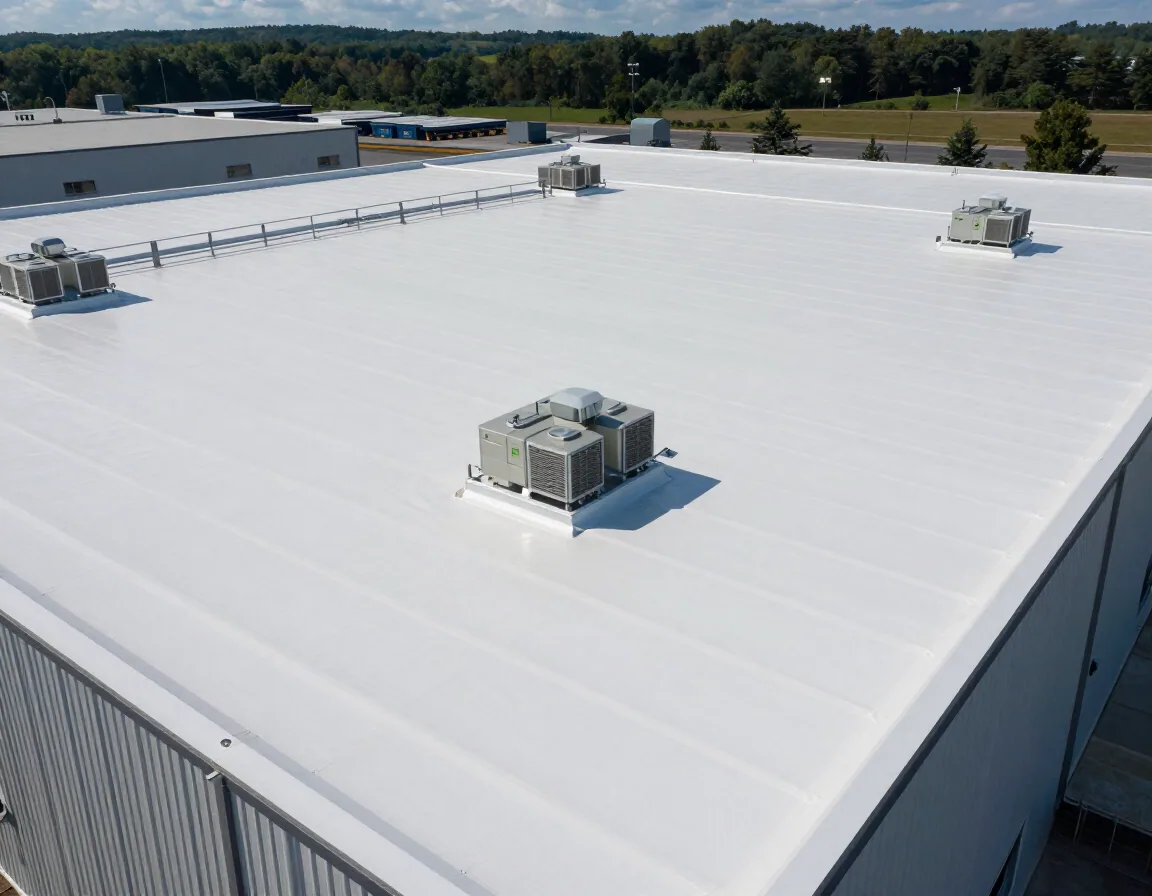
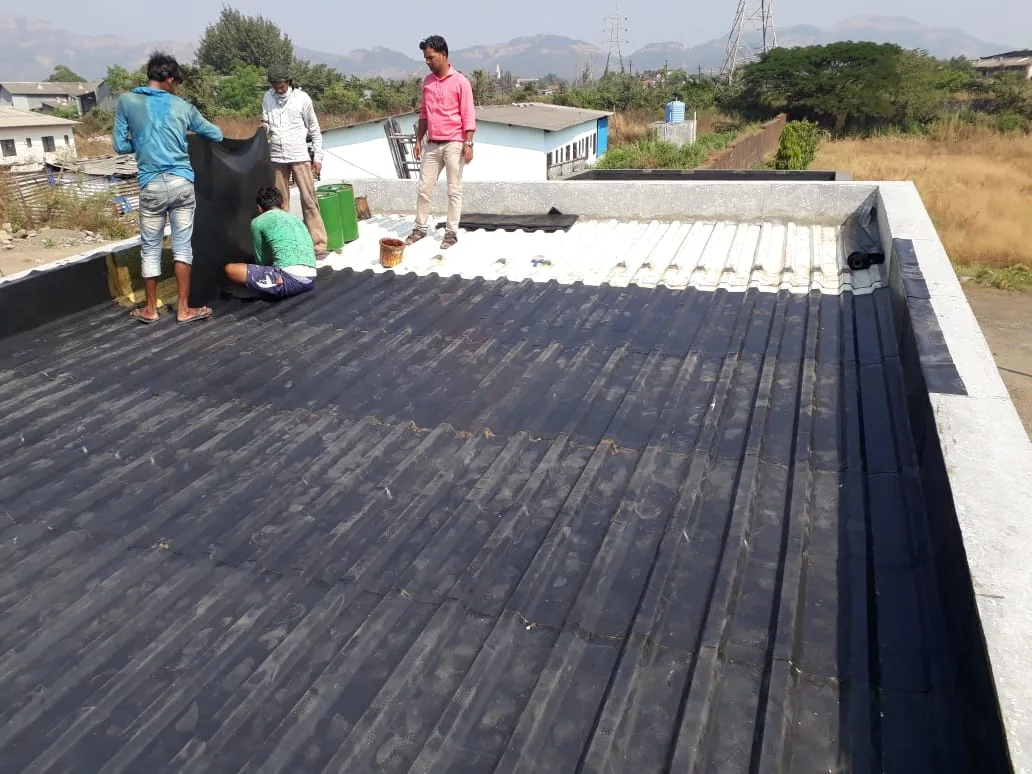
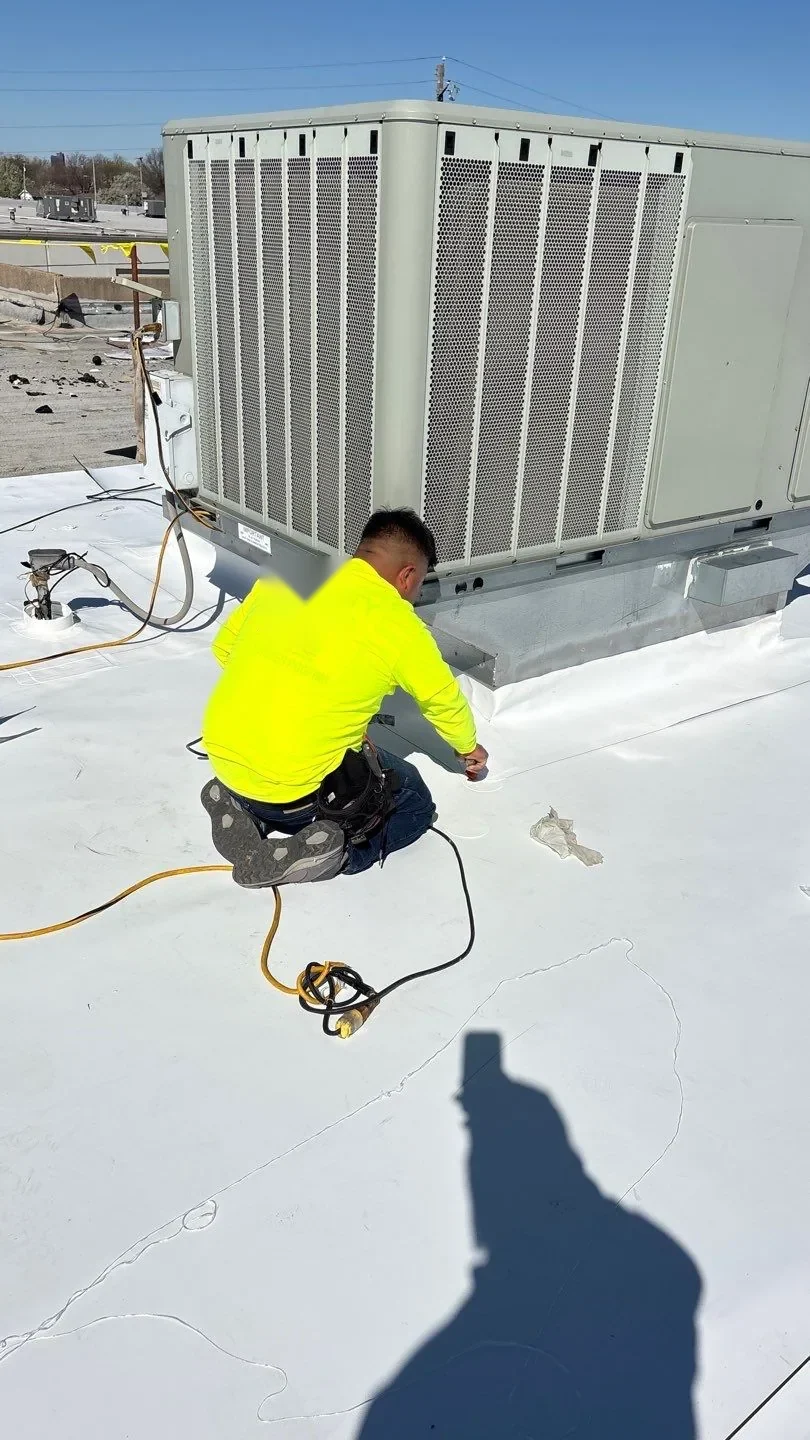
What the work involves on a commercial roof
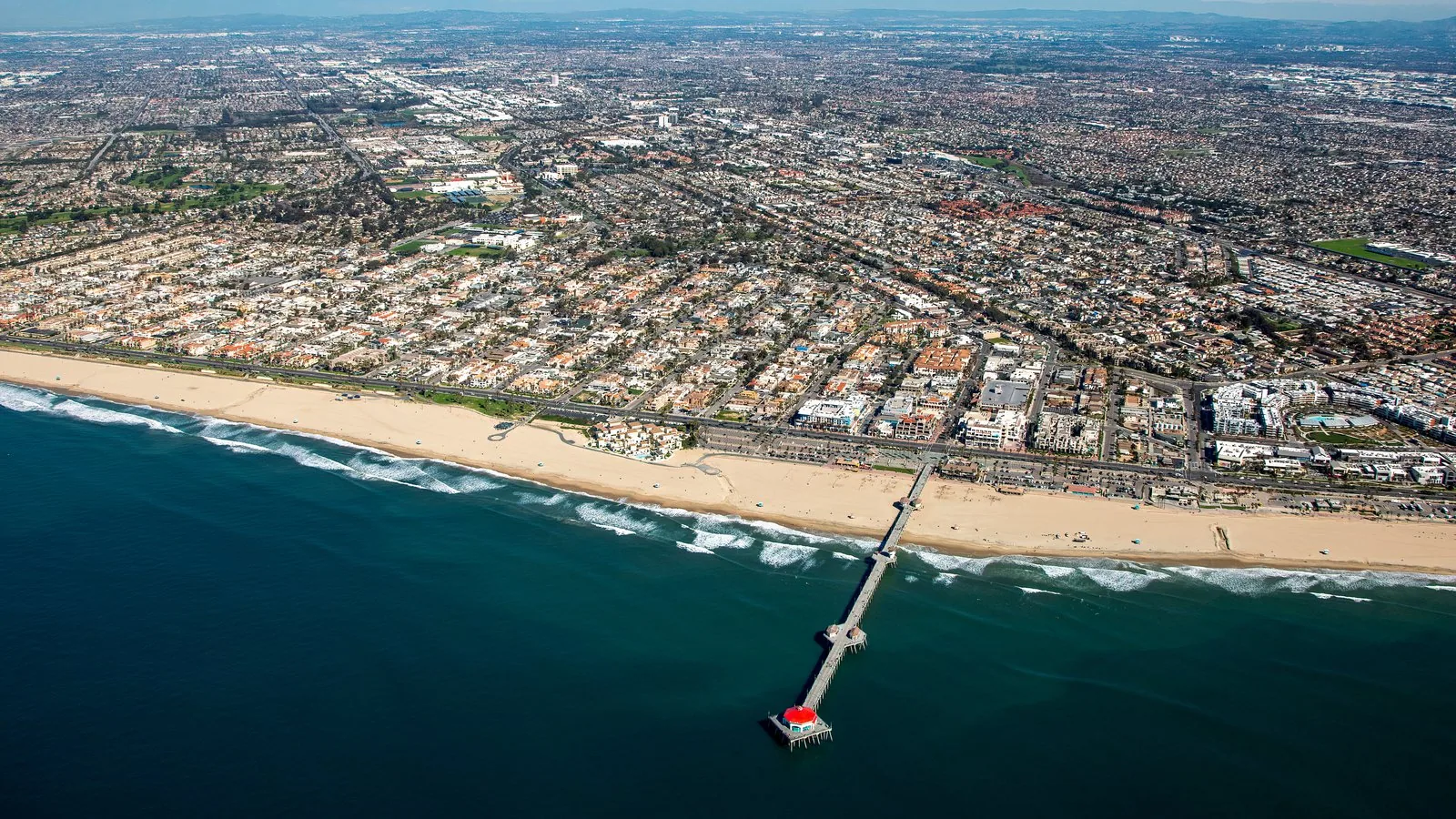
Proudly Serving Huntington Beach and Nearby Cities
Commercial Roofers Huntington Beach
Huntington Beach, Westminster, Seal Beach, Fountain Valley,
Garden Grove, Newport Beach and nearby Orange County cities