
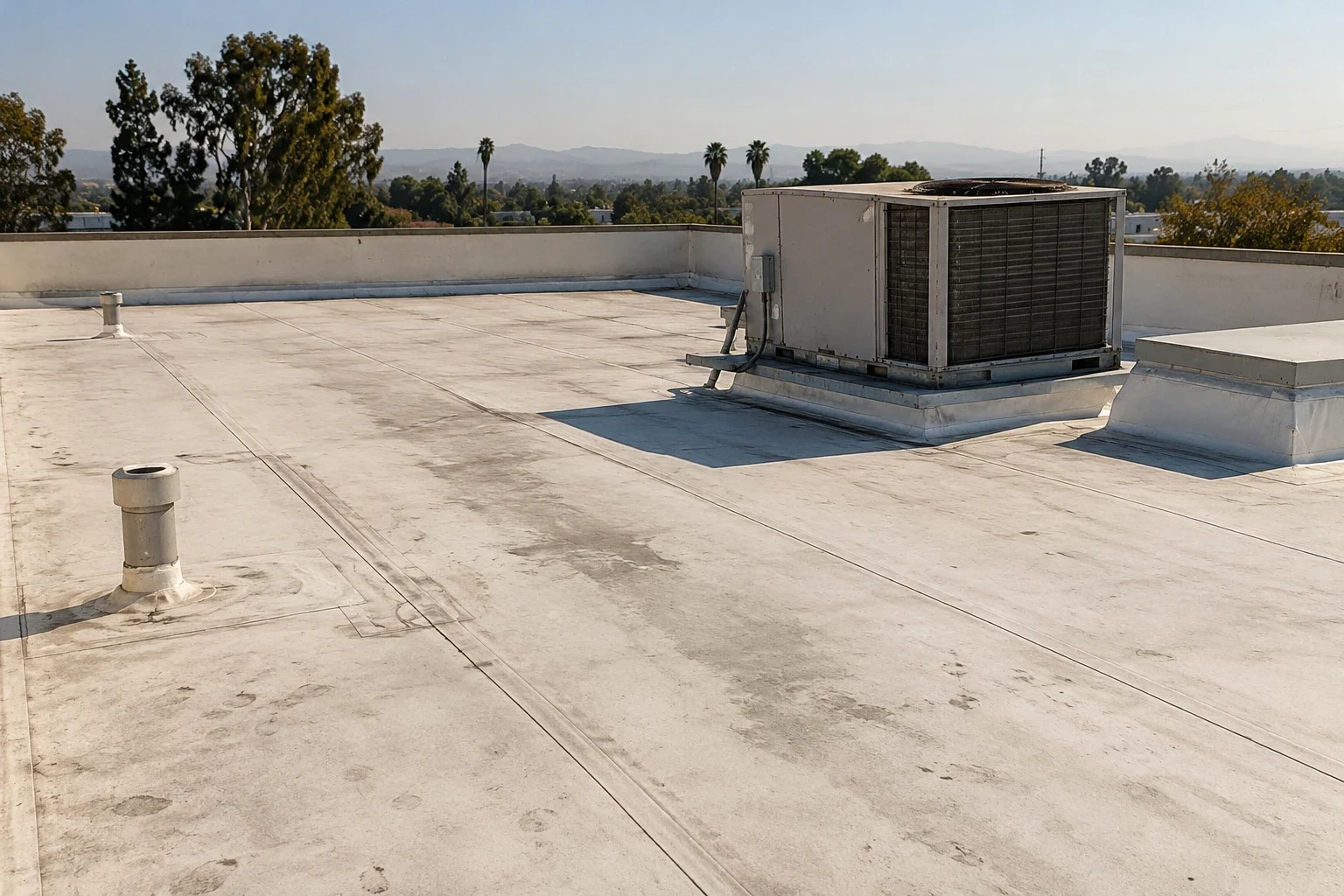
Soprema Commercial Roofing in Huntington Beach, CA
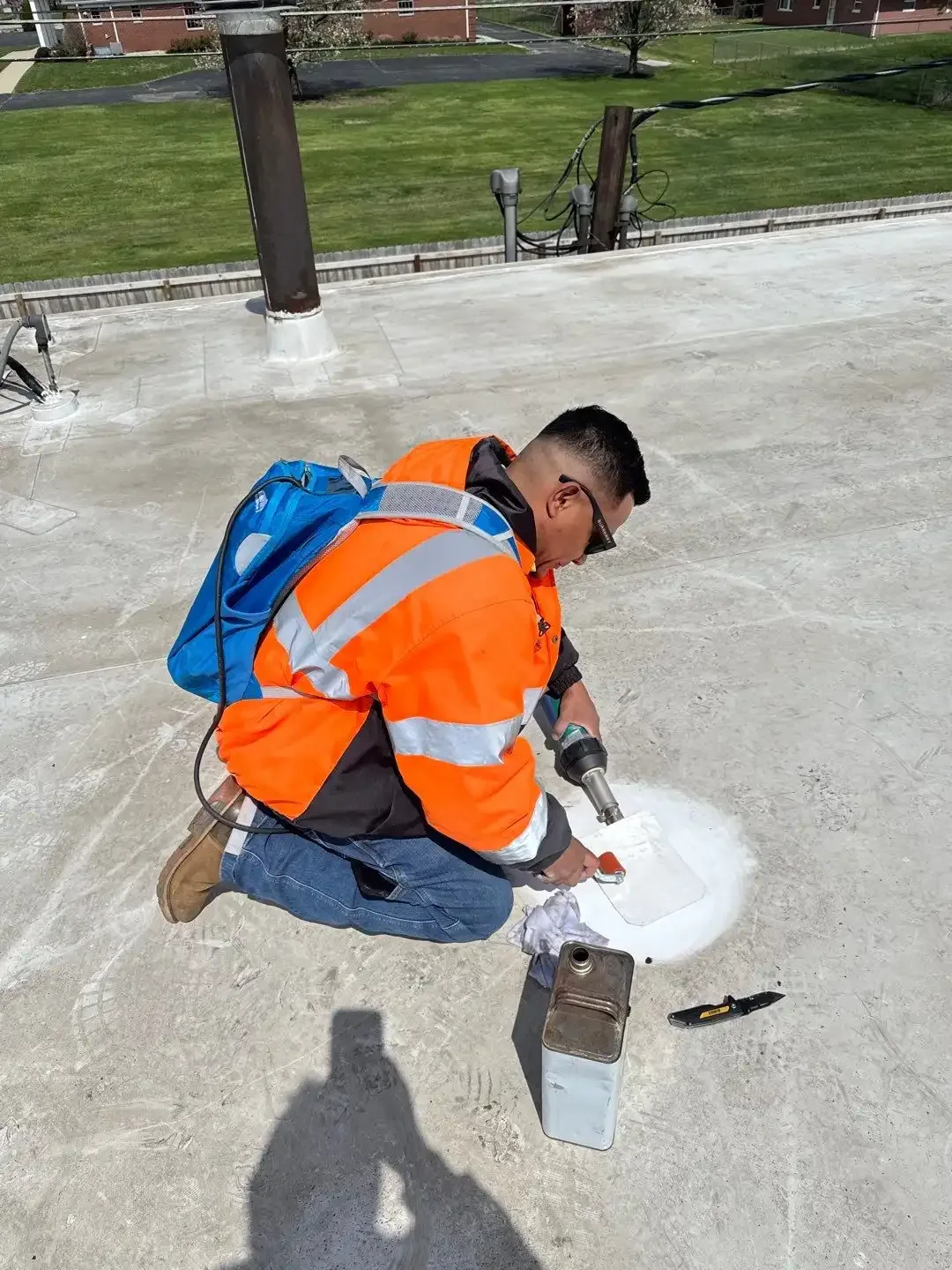
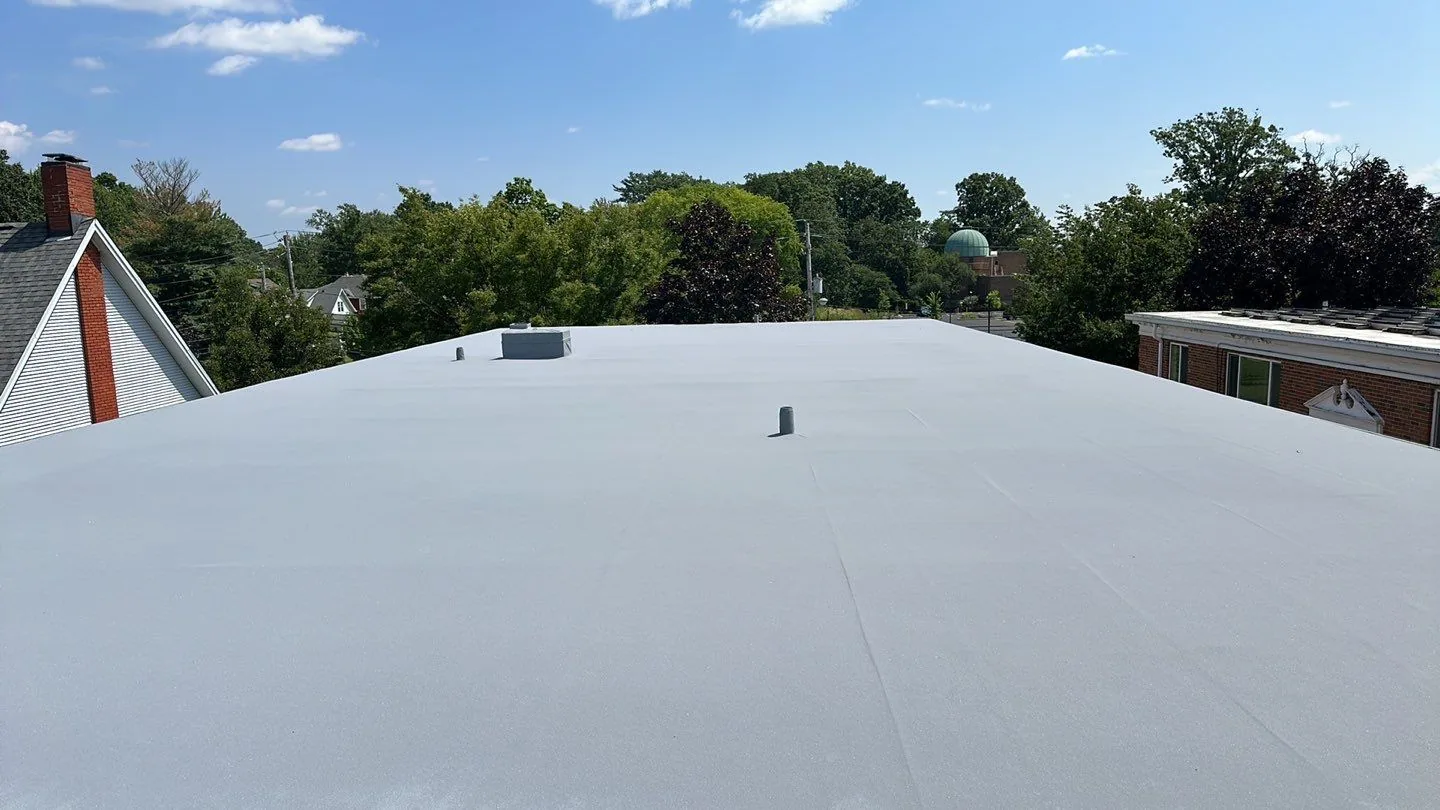
A lifted modified bitumen overlap calls for material identification before we decide whether the repair uses heat, adhesive, or another compatible method. We examine the material, surrounding surface, and available installation records, then establish a safe working boundary. Commercial Roofers Huntington Beach installs and repairs appropriate Soprema commercial roofing systems in Huntington Beach, CA. The useful starting point is the roof detail that needs work and the supporting construction beneath it, rather than the manufacturer's name alone.
Soprema offers modified bitumen roofing and liquid-applied waterproofing materials among its commercial systems. The selected components and application method need to fit the actual assembly. For a property within the Gothard Street Subarea, where smaller manufacturing and warehouse buildings share the district with offices and auto repair, we confirm the interior activity and roof access window before preparing an exposed repair. That keeps product selection connected to the building's working conditions.
Which Soprema roof assembly is actually present?
A cap sheet's visible surface does not establish every layer beneath it. We compare records with field observations, checking membrane type, existing laps, repair materials, and transitions to walls and equipment. Where concealed layers could change the repair, an authorized sample can confirm them. Granulated and smooth surfaces need their own preparation. A compatible replacement sheet must connect to sound material without leaving an unbonded edge or trapping damaged layers below the repair.
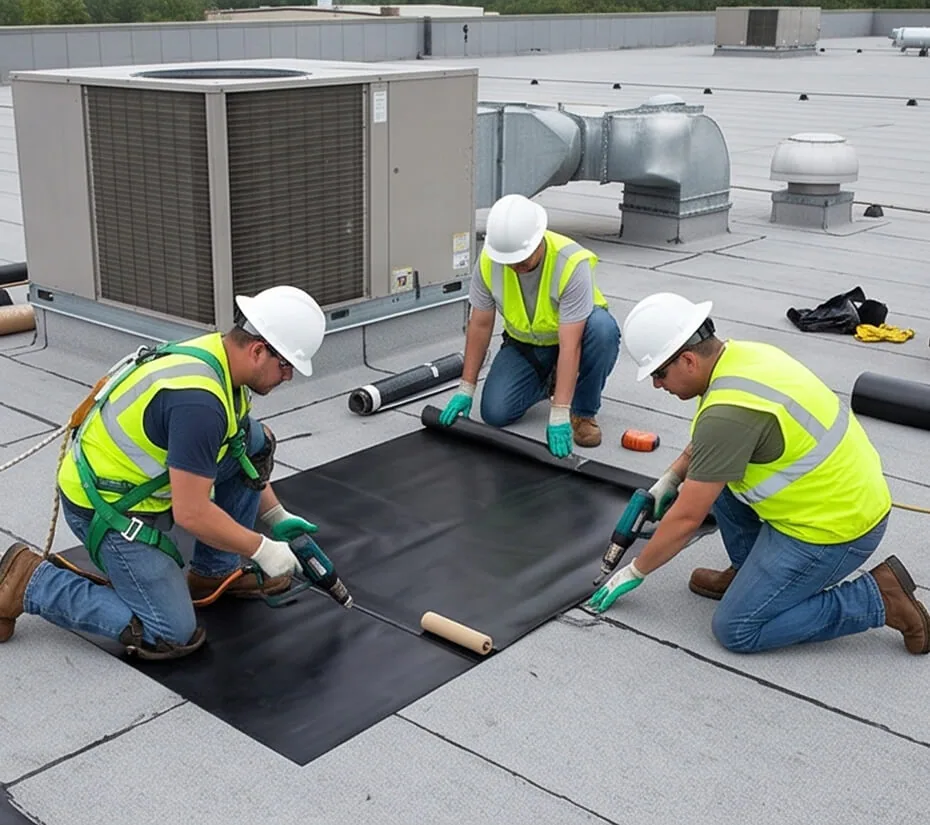
Modified bitumen combines asphalt with modifiers and reinforcement to provide a roofing sheet with particular application and performance requirements. We identify those requirements for the product under consideration before choosing heat application, adhesive, or another supported method. Modified bitumen assembly repair also examines the supporting insulation and deck. A different manufacturer's existing detail, including a Johns Manville roofing assembly, receives its own component review instead of an assumed interchangeable patch.
Does an open lap indicate a local or wider problem?
A lifted sheet edge can allow water into the lap even before an interior stain appears. We check the separation, surrounding adhesion, adjacent details, and evidence of movement or trapped moisture. A local opening may support a focused repair where the nearby material and substrate remain suitable. Repeated separation, broad loss of bond, or deteriorated layers changes the scope. We locate those findings individually so the owner can see why a repair extends beyond the visible edge.
Blisters also need examination before they are opened or covered. Their position, condition, and underlying layers determine the useful next step. We coordinate an intrusive check with interior protection and a closing plan for the area. If moisture is suspected across a broader section, testing can help define material removal. The final repair should restore the relevant layers and lap connection, not leave a surface treatment dependent on unstable material beneath it.
Where can a reinforced liquid-applied detail be useful?
A tight equipment penetration or irregular transition may benefit from a supported liquid-applied flashing detail when the substrate and assembly suit it. The surface must be prepared, suitable primer used where required, and reinforcement and application thickness installed to the selected system's instructions. Soprema's Alsan materials include liquid-applied waterproofing options, but the exact product and detail must be chosen for the use. We do not treat every liquid material as the same flashing method.
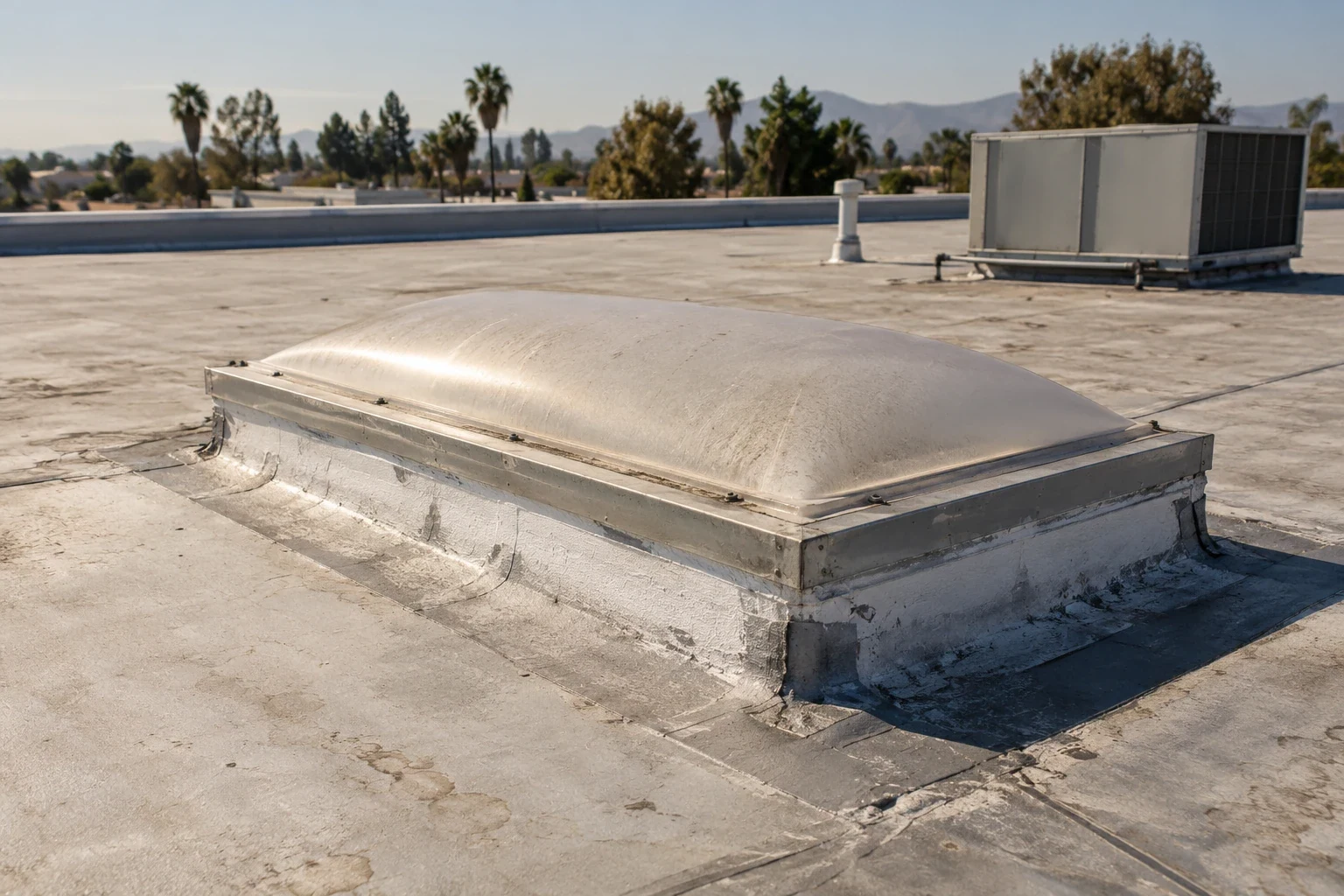
Movement joints, terminations, and changes in substrate still need a deliberate connection. A liquid detail cannot correct an unstable curb, concealed rot, or a blocked outlet by covering the symptom. We address those prerequisites before application and leave access for future equipment service. Roof penetration flashing work connects that preparation to the observed opening. Where an owner is comparing GAF commercial roofing materials with Soprema options, the comparison should identify the whole detail and supporting assembly.
Which application conditions control the roof access window?
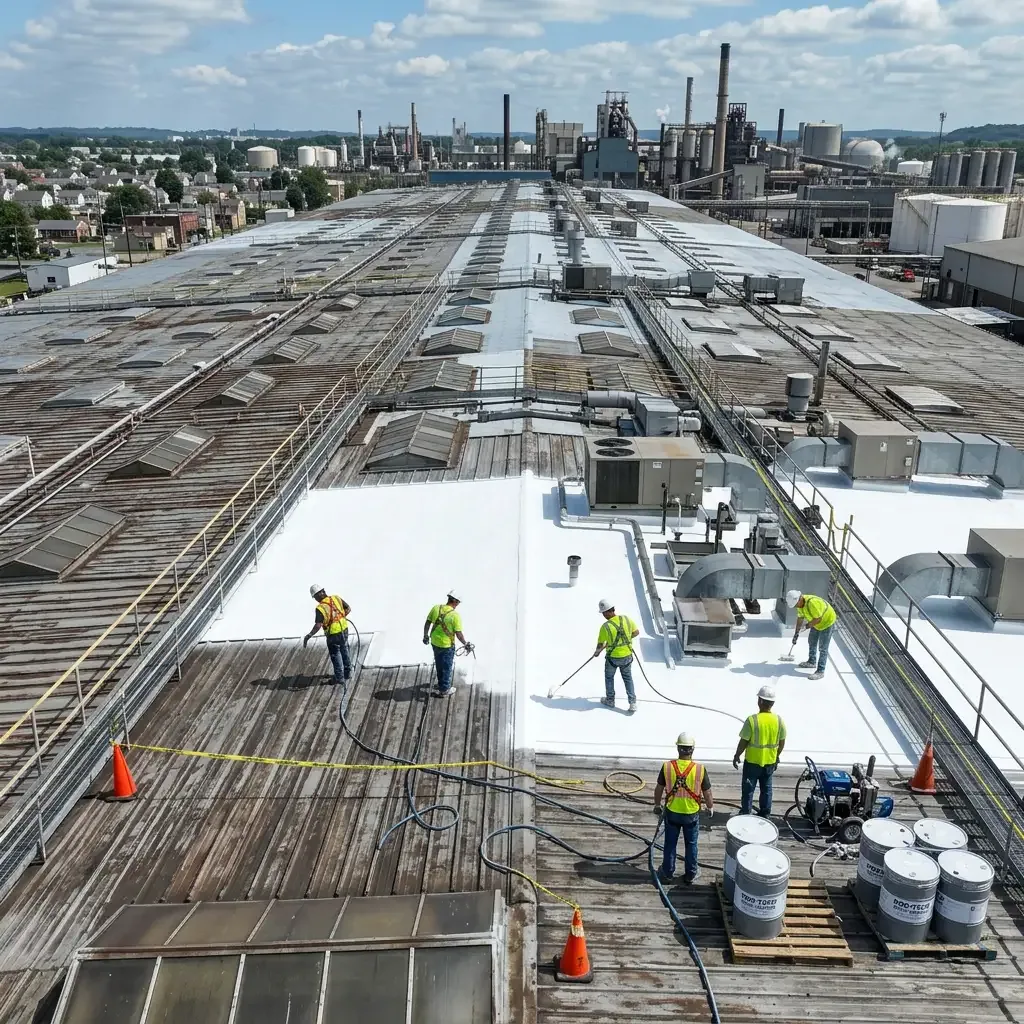
Surface moisture, temperature, wind, and the selected product's curing requirements determine whether application can proceed. We check those conditions at the working area before preparation and again as the work develops. A dry-looking roof can still have moisture near a shaded detail or beneath an earlier patch. The planned opening needs enough time for preparation, installation, required checks, and a suitable closing connection before the crew leaves.
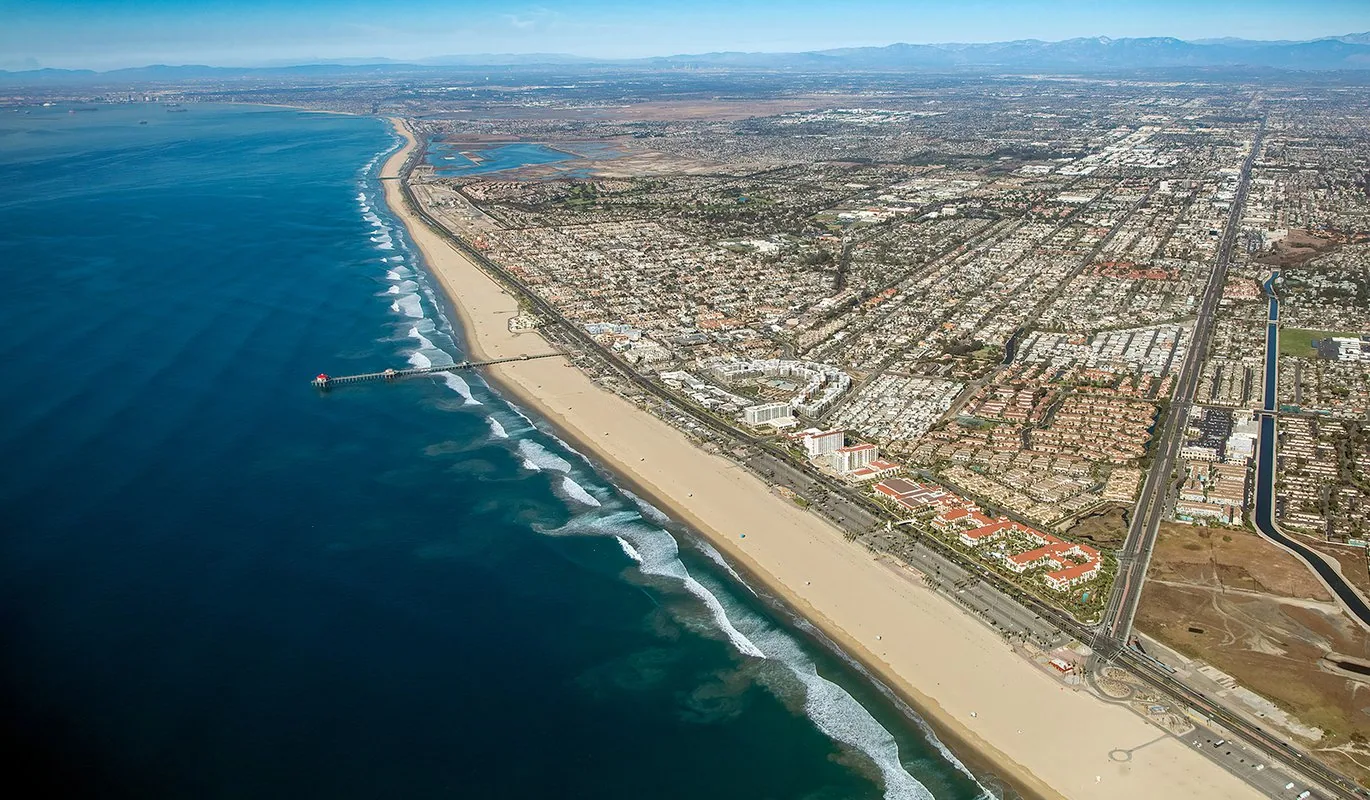
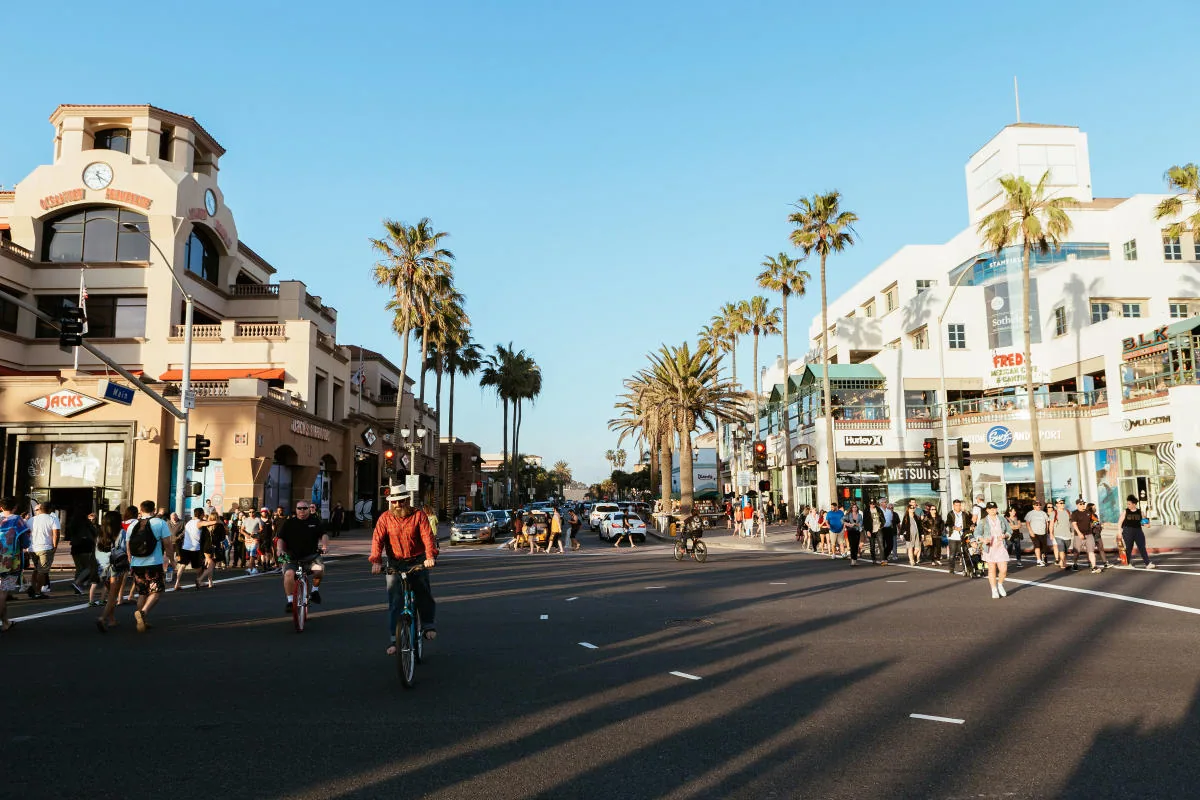
Newport Beach Harbor's coastal normals have little normal summer rainfall compared with the cooler season. That gives Huntington Beach owners a useful reason to plan preparation ahead of winter, while current conditions still decide the application window. On properties serving visitors along the Pacific Coast Highway corridor, entrances and occupied rooms also affect the work. We identify ventilation, odor, equipment, and interior protection requirements for the chosen process before the building commits to its operating schedule.
What would support replacement instead of another repair?
Widespread wet insulation, deteriorated deck, failing attachment, or connected membrane defects can make continued local patching unsuitable. We examine those conditions and identify which layers must be removed. A recover is evaluated separately for existing layer limits, moisture, attachment, and changed detail heights. A coating requires its own substrate and compatibility review. These are different construction decisions, with different effects on the retained roofing and building operation.
A Soprema replacement assembly is selected with deck, insulation, membrane layers, attachment, edges, and drainage considered together. Insulation and cover board planning can address the surface needed for that assembly and a useful route to outlets. Cost and timing change with removal depth, concealed damage, equipment transitions, and the area that can close during a shift. We set those work limits before selecting materials so a product preference does not conceal an unresolved construction requirement.
Which completed details should be checked before handoff?
Laps, corners, penetrations, terminations, and drainage interfaces deserve their required installation checks before work is accepted as complete. We examine the repaired or rebuilt area, record the components used, and photograph connections with enough context to locate them later. Concealed conditions that changed removal limits remain attached to the roof plan. A maintenance team then knows where material changed and which service route needs protection from traffic or equipment handling.
Follow-up roof maintenance can revisit prepared details after suitable weather and examine areas affected by later trade work. Existing warranty documents should be reviewed for the actual assembly and any repair or alteration procedure before covered work begins. Send the available records with the affected roof position and interior report. We can inspect the open detail, identify its compatible repair path, and establish the access and closing requirements for the building.
Commercial Roofing Questions
Can an older Soprema cap sheet receive a compatible patch?
Sound surrounding material and suitable preparation can support a local repair. We identify the installed membrane and prior repair layers, then check the substrate and connection area. Moisture, extensive weathering, or inadequate adhesion may require broader removal before the new detail can connect properly.
Does a liquid flashing replace the metal equipment curb?
The curb must provide a suitable, stable connection before waterproofing is applied. We examine its condition, height, movement, and termination arrangement first. A supported liquid detail can address the membrane connection where appropriate, but a damaged support or curb needs its own correction.
How do you choose between heat application and adhesive?
The product, approved assembly, supporting construction, and building restrictions determine the method. We review those requirements before work, including fire precautions or ventilation needs relevant to the chosen process. Application proceeds only under suitable conditions with a defined closing detail for the work area.
What should be provided if the roof has no installation records?
Send the roof plan, known repair history, interior water reports, and photographs available from safe positions. We inspect accessible material and identify any sample needed to settle the assembly or moisture question. The resulting recommendation explains which component and preparation method fit the condition found.
Proudly Serving Huntington Beach and Nearby Cities
Commercial Roofers Huntington Beach
Huntington Beach, Westminster, Seal Beach, Fountain Valley,
Garden Grove, Newport Beach and nearby Orange County cities