
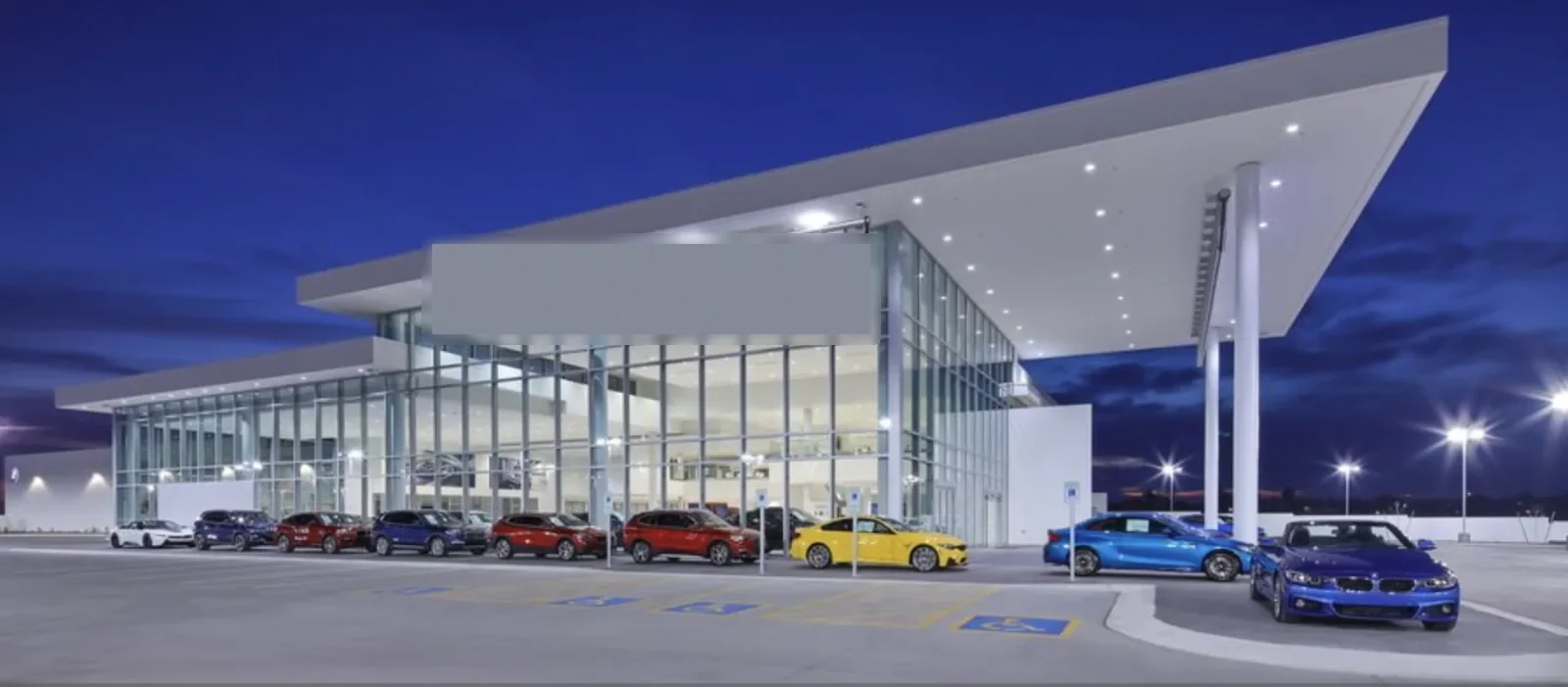
Auto Dealership Roofing in Huntington Beach, CA
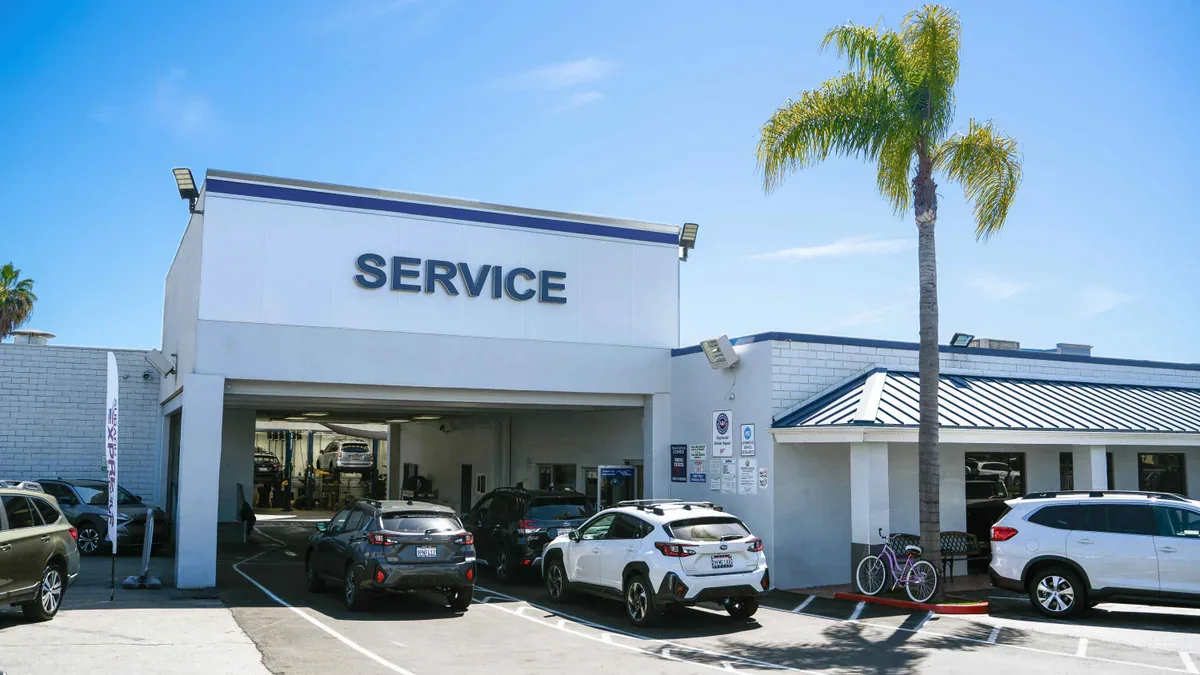
Water landing beside a service lift changes which bay can stay in use during a roof inspection. We locate the affected bay, protect vehicles and equipment where safe, and compare the interior report with rooftop units, drains, and nearby flashing. Auto dealership roofing in Huntington Beach, CA needs a clear separation between the repair area and customer movement. Commercial Roofers Huntington Beach establishes that separation with the service manager before opening a roof detail or placing material beside an active lane.
Huntington Beach has commercial development along Beach Boulevard, Adams Avenue, Edinger Avenue, and Warner Avenue. At a dealership using one of those corridors, the property entrance and internal circulation determine where roofing equipment can sit. We inspect showroom, service, and parts areas as distinct operating zones, then identify the roof conditions connecting them. An active leak can receive emergency attention at any hour, including holidays, while safe access and current weather guide the protection step.
Is the water entering over the bay or traveling toward it?
A service bay contains roof penetrations and equipment connections that deserve individual checks. We examine curbs, pipe flashings, vents, skylights, seams, and drain details relative to the reported drip. Water traveling along a deck joint can appear over a lift even when the opening lies outside that bay. We photograph the surrounding roof and compare the symptom with rainfall, equipment operation, and recent service work. That sequence helps separate a roof opening from a mechanical condensate issue.
Disused penetrations still need a complete weather-tight closure. A removed exhaust or relocated unit can leave flashing that no longer serves an operating component. We identify active and inactive openings, then set the scope for repair or removal. Conditions shared with buildings containing production equipment make trade coordination useful, while adjoining office space with ceiling finishes may need a separate interior check. The roof plan should connect each finding to the affected operation.
Where can vehicles and customers stay clear of the work?
Vehicle inventory beneath a tear-off zone changes the work sequence. We review parking rows, service intake, parts deliveries, and test-drive routes before choosing staging and debris collection positions. Management identifies which vehicles can be moved and when. Protective measures follow the actual exposure: falling debris, dust, overspray, or runoff. A lane reopened for customers should be checked for roofing debris, especially fasteners and sharp fragments, before normal traffic returns.
Work beside a showroom entrance needs a pedestrian route separated from loading and lifting. We coordinate signage and temporary restrictions with the site contact rather than allowing a material delivery to block an operating entrance. For reroofing while the dealership remains open, the daily roof opening stays within a manageable closure area. The crew and manager agree which bays remain usable, where interior protection belongs, and how staff will report an unexpected drip during the shift.
How does the coastal weather affect preparation?
The nearby Newport Beach Harbor climate record shows winter-focused rainfall and summer averages close to zero. We use that seasonal pattern to plan drainage service and larger removal work, then check the actual forecast and roof condition for the scheduled day. A dry summer interval still requires clean surfaces and suitable application conditions. Morning moisture or retained water around an equipment curb can delay preparation even without new rainfall.
Offshore air arriving during a Santa Ana event can be warmer and drier than Huntington Beach’s usual marine conditions. Loose materials, coating application, and exposed work areas need a fresh timing check during those events. The Gothard Street Subarea includes auto repair alongside manufacturing, warehousing, retail, and offices. For a service-oriented property in that setting, we confirm rooftop access and bay operation together. Weather changes can shorten the roof access window; a defined closure point helps keep the building protected when work stops.
Which repair addresses the condition beneath the surface?
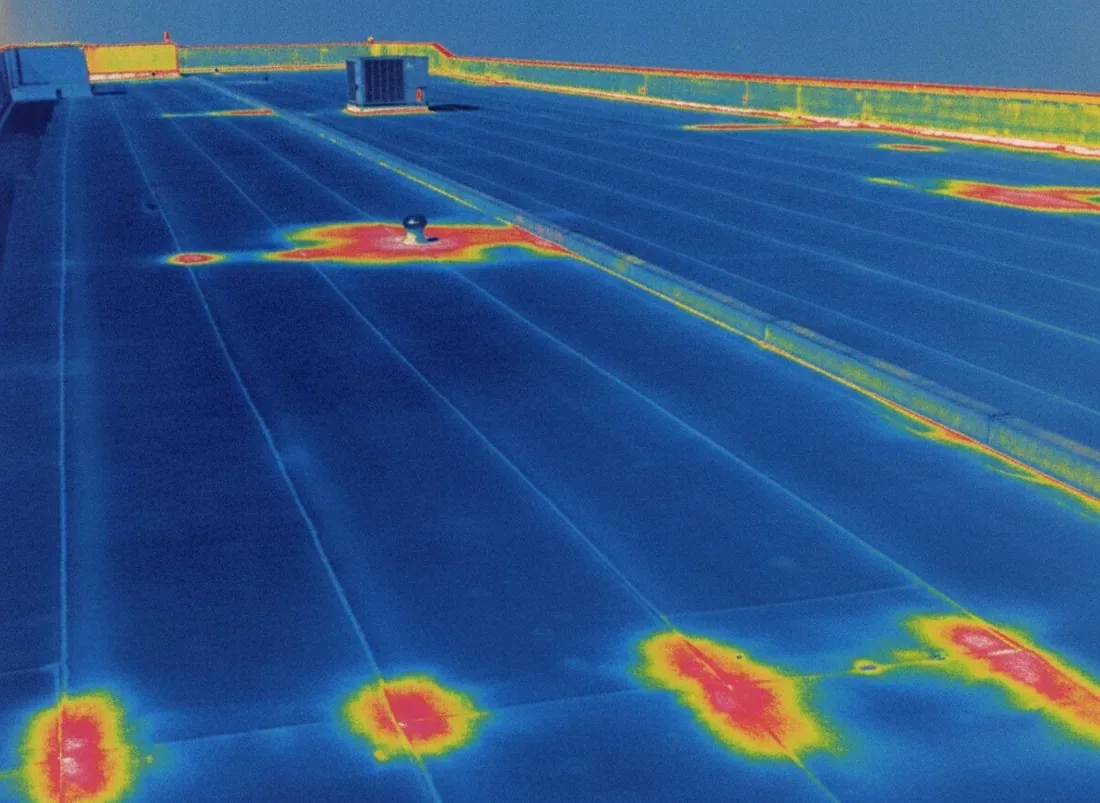
A failed curb corner can justify a focused flashing repair when the neighboring assembly remains dry and sound. Multiple wet areas or widespread attachment problems require a broader assessment. We examine seams and edges, locate retained moisture where appropriate, and confirm concealed conditions with test openings that affect the decision. An infrared moisture survey can help locate areas for confirmation under suitable conditions. Its findings guide further checks before wet insulation is left under another roofing layer.
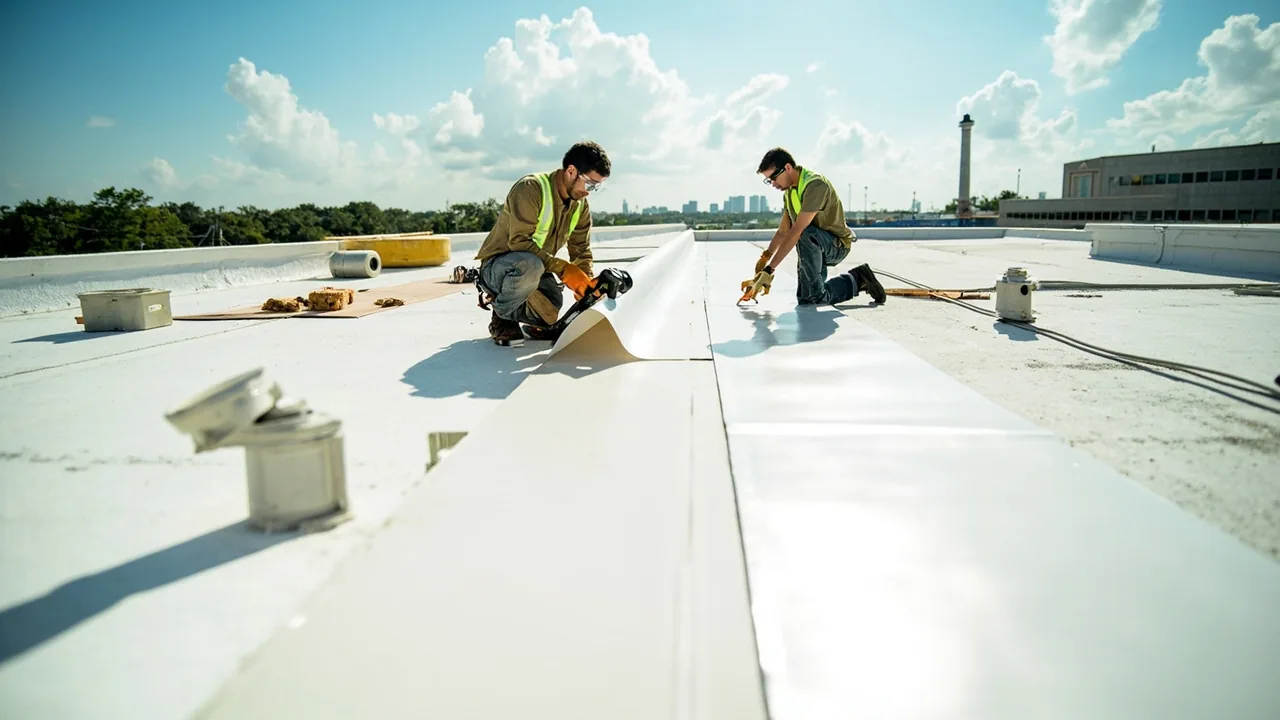
For a replacement, membrane choice follows the assembly, roof geometry, equipment, and any chemical exposure actually present. PVC roofing can be considered where system properties suit the project; it does not eliminate the need to manage spills or maintain seams. A coating requires a compatible, stable receiving roof and completed detail repairs. We explain the preparation and removal behind each option, including curb heights and drain transitions that need adjustment when the roof thickness changes.
Huntington Beach adopted the current California building-code cycle beginning in 2026. Permit scope and proposed alterations determine the project review needed. We coordinate roof information with the design team when structural attachment, drainage, or energy requirements affect the selected assembly. A roof surface chosen for appearance still needs a compliant attachment and flashing plan beneath it.
What drives the scope and the return check?
Restricted crane positions, equipment shutdowns, concealed wet insulation, and intricate flashing increase the work beyond a simple surface replacement. We show those items separately so the dealership can assess a phased repair against a larger project. The sequence identifies the first bay affected, the daily protection boundary, and the conditions needed to move into the next area. Changes found during removal are photographed and explained before the work extent expands.
Finished skylight and penetration details receive close photographs as well as roof-position views. The closeout records repaired locations, removed materials, completed drainage work, and anything still assigned to another trade. Management can compare a later bay report with that record instead of restarting the inspection from a vehicle parking position. A return check after rainfall focuses on the original symptoms and nearby drainage. Keeping equipment service routes clear of repaired flashing helps preserve the completed work.
Commercial Roofing Questions
Can the service department keep lifts running beneath a roof repair?
Overhead removal and interior exposure can require a bay closure. We identify lifting, removal, dust, and water risks with the service manager, then mark any bay needing a temporary closure. Adjacent bays can remain in service when a safe separation exists. That determination should be made before vehicles enter the affected work area.
Will a white membrane solve high showroom cooling demand?
Reflective roofing can reduce solar heat absorbed at the roof surface, but indoor performance also depends on insulation, air leakage, glazing, and mechanical equipment. We assess the roof assembly alongside the planned replacement. The building team can then compare roofing improvements with other cooling measures instead of expecting one material to resolve every cause.
Why does a leak return beside the same rooftop unit?
Movement at the curb, damaged counterflashing, a failed seam, or condensate discharge can keep the symptom active. We inspect the unit perimeter and nearby roof before selecting the correction. Where mechanical work is needed, its timing is joined to the roofing repair so a moving or leaking component does not damage the new detail.
Should we move the entire vehicle inventory before tear-off?
Only the defined exposure area and access routes need to be addressed for a particular phase. We mark those limits with management, including staging and debris removal, then review them as the work advances. A larger removal area or a change in wind conditions can require additional vehicle movement before the next phase begins.

Proudly Serving Huntington Beach and Nearby Cities

Commercial Roofers Huntington Beach
Huntington Beach, Westminster, Seal Beach, Fountain Valley,
Garden Grove, Newport Beach and nearby Orange County cities