
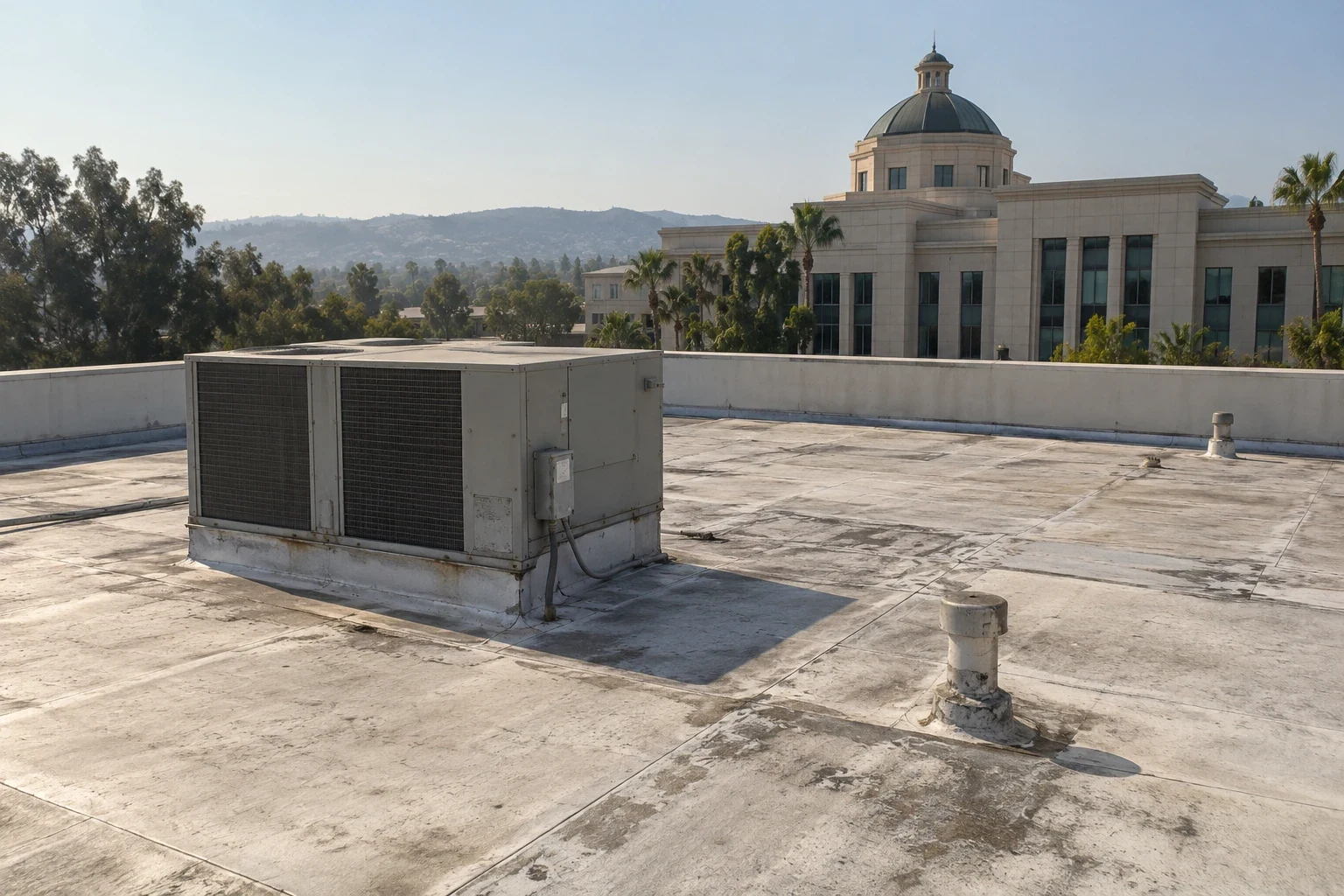
Government Building Roofing in Huntington Beach, CA
Water above a public counter needs a safe operating response and a roof finding that facilities staff can act on. We ask which room is affected, which services must remain available and who can authorize roof access. Commercial Roofers Huntington Beach inspects, repairs and replaces government building roofs in Huntington Beach, CA. The initial visit establishes a protection boundary and separates a roof defect from plumbing, wall or equipment conditions that require another trade.
Huntington Beach's developed land uses include public facilities alongside residential, commercial and industrial areas. Nearby Seal Beach administers its own planning and building-permit review. A public owner managing buildings across city boundaries therefore needs the applicable jurisdiction identified for each proposed alteration. The roof condition sets the work recommendation, while the building's public function and review process determine how that work proceeds.
Which services must stay available during roof work?
A permit counter, meeting room and maintenance workshop can have different operating limits even within the same building. We identify the occupied rooms below each roof zone and establish which access routes must remain open. Deliveries and material removal need a controlled path separate from people entering for services. Where public hours cannot change, the roofing sequence must account for those hours before selecting a daily removal area.
Security requirements also affect the route to the roof. The site contact identifies controlled doors, access supervision and restricted interior spaces. We confirm how the crew reaches the work without crossing a public queue or an unavailable service area. Mechanical rooms and air intakes may need coordination with building staff even when roofing is performed outside. Noisy preparation above a meeting or hearing room should be assigned to an agreed window rather than treated as an incidental disturbance.
Where a municipal property includes administrative offices, work above occupied office space requires a room-specific protection plan. Storage and workshop portions receive their own movement and contents review.
What evidence belongs in a repair recommendation?
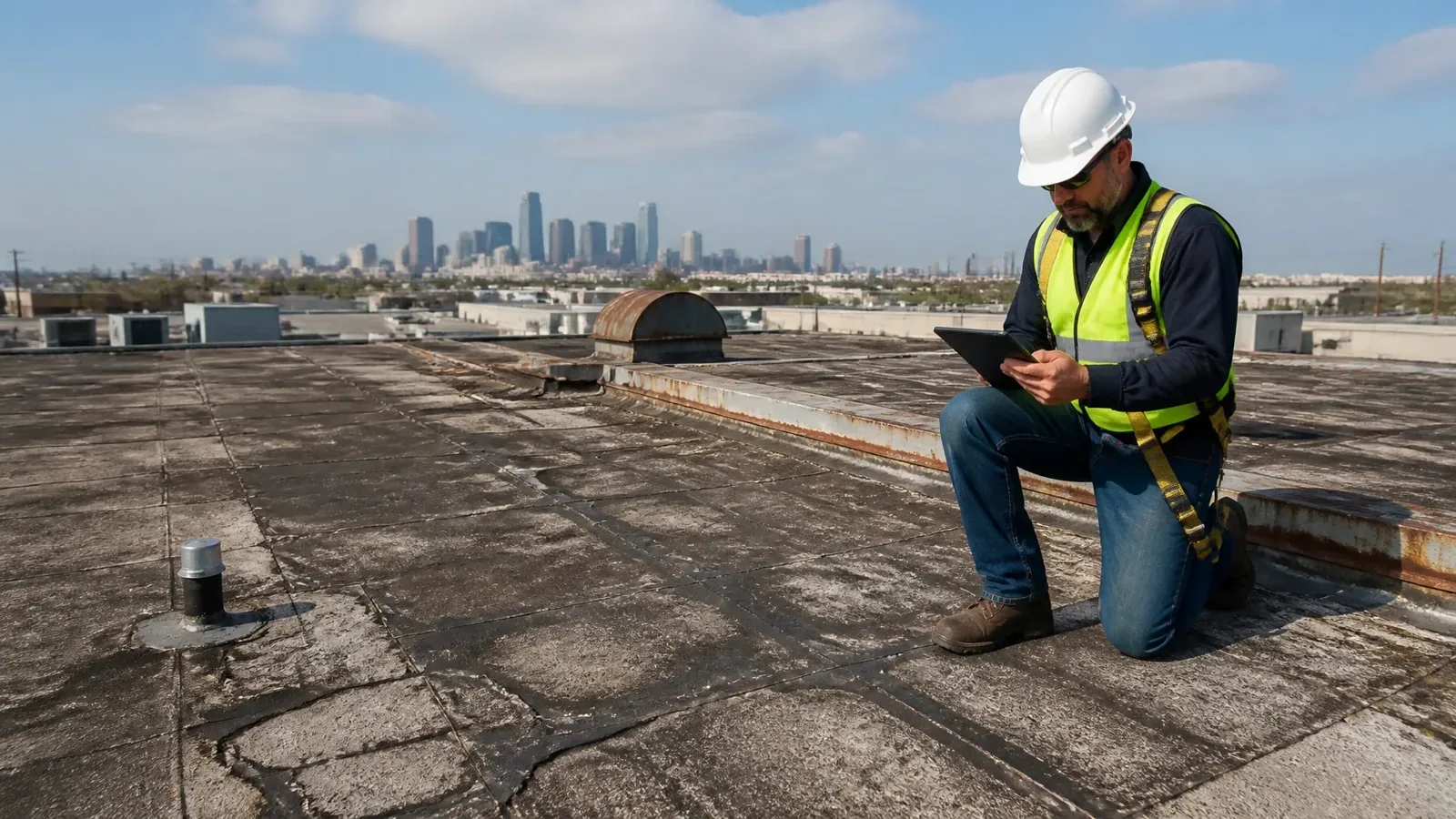
A roof inspection starts with the observed membrane, seams, flashing and drainage conditions. We mark each defect on a roof plan and photograph its position as well as its close detail. The written recommendation distinguishes immediate protection, defined repair and a condition requiring additional testing. That distinction lets facilities and procurement staff compare a proposed task with the building problem it addresses, rather than approving a broad description that leaves the removal boundary uncertain.
Repeated leaks or suspected concealed moisture can require more than a visual visit. A suitable moisture survey helps identify areas for confirmation, while test openings establish what layers are wet or deteriorated. We describe testing and restoration of the test location in the scope. A roof condition report with photographs records the inspected areas, findings and remaining access limitations in terms the facilities team can use.
Temporary work receives its own description and return item. An emergency closure may protect occupied space before the permanent scope is approved, but its materials and limits should remain visible in the service record.
Are blocked outlets or low areas extending the damage?
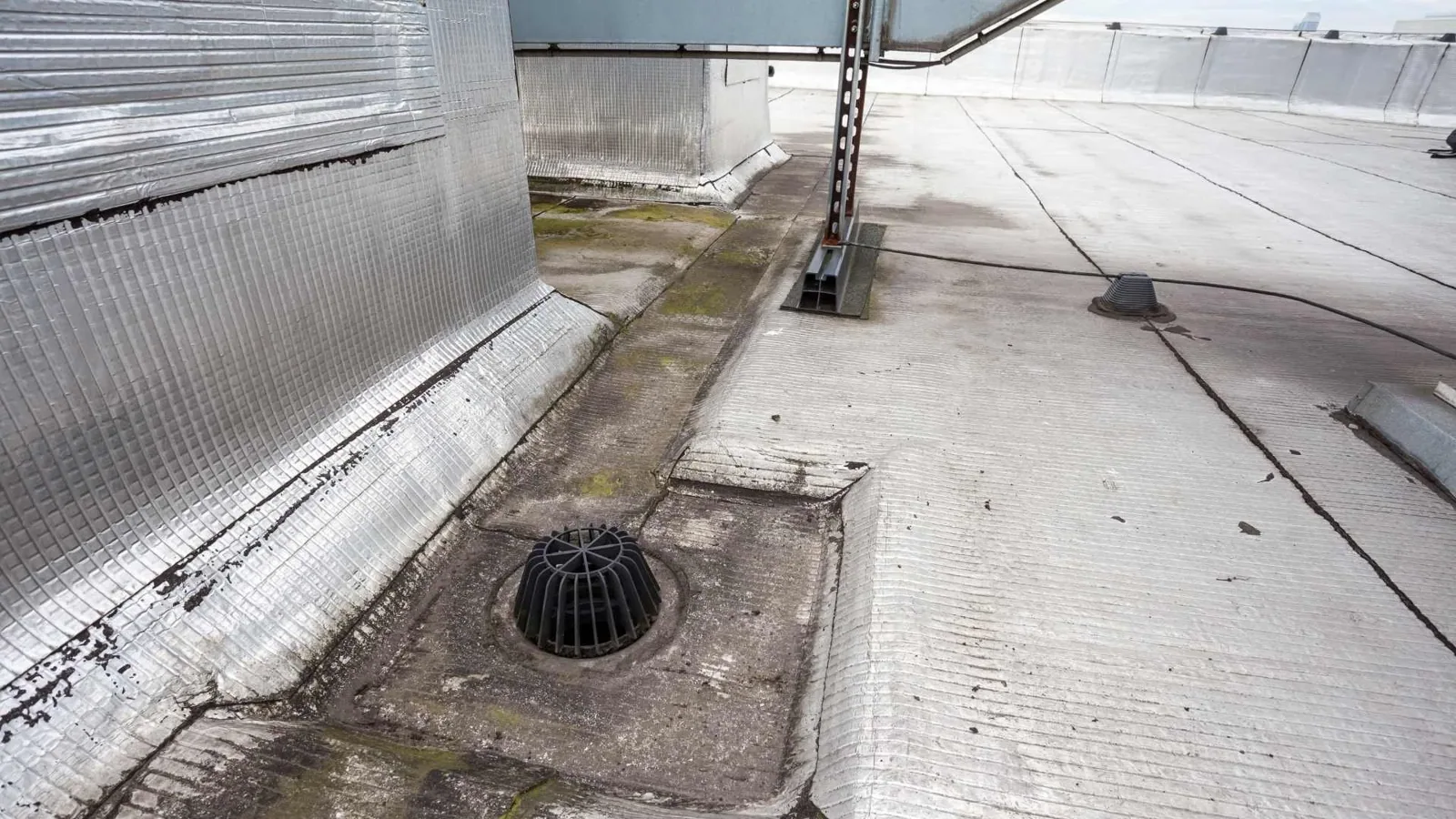
A drain connection, clogged scupper or low section can keep water against a vulnerable seam. We examine the full route from roof surface to outlet and note whether the observed problem is debris, failed flashing or a slope condition. A cleaning task and a membrane correction may be enough for one building; another may need tapered insulation or outlet work coordinated with design and plumbing. The scope separates those decisions instead of combining them under a general leak repair.
Newport Beach Harbor's nearby coastal normals concentrate rainfall in winter and record very little summer precipitation. That seasonal pattern supports planning drainage maintenance before wetter periods. Actual ponding and outlet condition still need a field check. During drain and scupper work, temporary protection must leave the intended drainage and overflow paths usable. A closed membrane area can still be exposed if a covering diverts water into unfinished work.
Facilities staff should retain records of outlet cleaning and interior water reports by roof zone. Those records help distinguish a recurring obstruction from a detail that needs rebuilding.
How do repair, recover and replacement compare?
A localized defect surrounded by dry, well-attached material can support repair. Broad moisture, deteriorated decking or distributed membrane failure may require removal. Recover adds another assembly only where retained layers, attachment, capacity and applicable requirements allow it. We show what remains and what is removed for each viable option, including consequences for insulation, edge heights and equipment curbs. Comparing only the surface material would miss work that changes both the budget and operating schedule.
Government portfolios can include storage, service and administrative buildings with different roof arrangements. A roof over stored materials needs contents and loading coordination, while a public-facing building may have tighter pedestrian restrictions. Neither function proves a roof type. We inspect each assembly and select compatible repairs or replacement details based on its actual condition.
Huntington Beach adopted the 2025 California Building Code for the current cycle beginning in 2026. We identify the proposed alteration and required review before installation. For buildings in Seal Beach, its own permit process must be considered. Material staging, wet-layer removal and access equipment remain significant cost drivers whichever assembly is selected.
What sets the daily opening and closure limit?
A removal phase must be sized for the available weather window, crew access and dry-in work. Roof layers are not opened simply to meet an area target when the working conditions cannot support secure closure. Santa Ana winds can bring warm, dry offshore conditions and change lifting or exposed-material handling. We review those tasks against the actual forecast and roof position, then adjust the work boundary before an open area becomes difficult to protect.
The phased reroofing sequence identifies how material reaches the roof, where debris leaves and which building operations need coordination. At each closure we inspect seams, flashings, edges and drainage, recording completed areas and any temporary detail that remains. Photographs of concealed work help the owner understand the assembly installed beneath the finished surface. A return visit addresses identified open items rather than relying on a general completion statement.
Our emergency roof response accepts calls at night, throughout weekends and on holidays. For a sudden leak, the building contact should describe the affected service area and safe access restrictions so we can determine the first practical protection step.
Commercial Roofing Questions
Can facilities staff approve protection while procurement reviews permanent work?
The owner establishes who has authority to approve each task. We can separate temporary protection from the permanent repair recommendation and describe both clearly. That keeps immediate exposure, access needs and the remaining roof work distinct for the people managing the approval process.
How should we compare estimates that describe different removal areas?
Match each estimate to the marked roof findings and retained-layer assumptions. We identify wet material removal, insulation, flashing, edge work and testing separately. If one scope omits a necessary connection or assumes dry layers without confirmation, that difference needs resolution before comparing the total construction effort.
Will public access need to close during material lifting?
A lifting operation may require a temporary exclusion area along its route. We review the proposed position with the building contact and identify an alternative public entrance where available. The operating notice should reflect the agreed lifting window and safe pedestrian arrangement.
What roof records are useful when a building changes departments?
Transfer the roof plan, inspection photographs, completed repair scopes and maintenance recommendations together. We mark work by roof zone so new staff can locate the repaired details. Equipment changes and later penetrations should be added to the same record for future leak assessment.
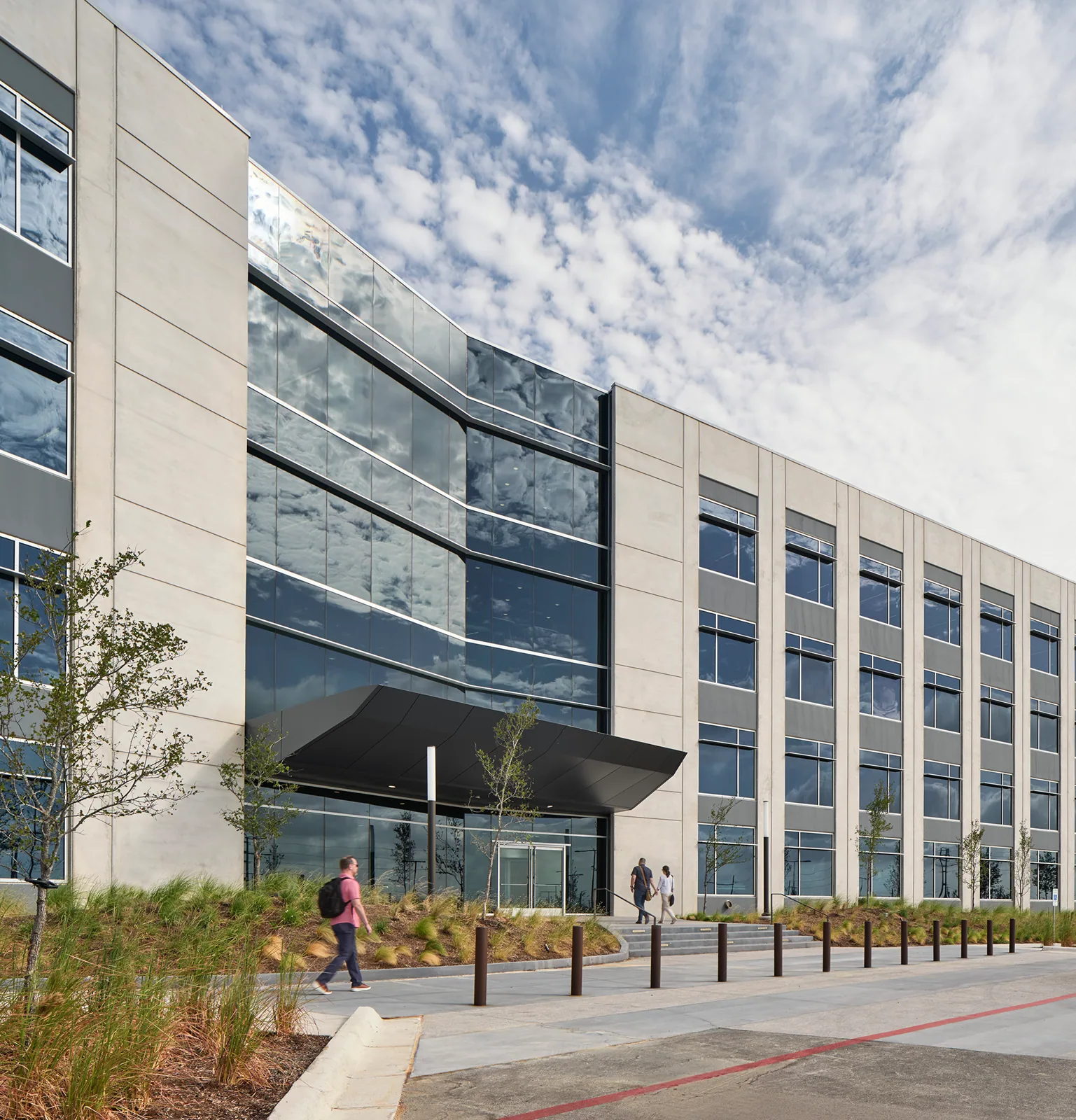

Proudly Serving Huntington Beach and Nearby Cities

Commercial Roofers Huntington Beach
Huntington Beach, Westminster, Seal Beach, Fountain Valley,
Garden Grove, Newport Beach and nearby Orange County cities