
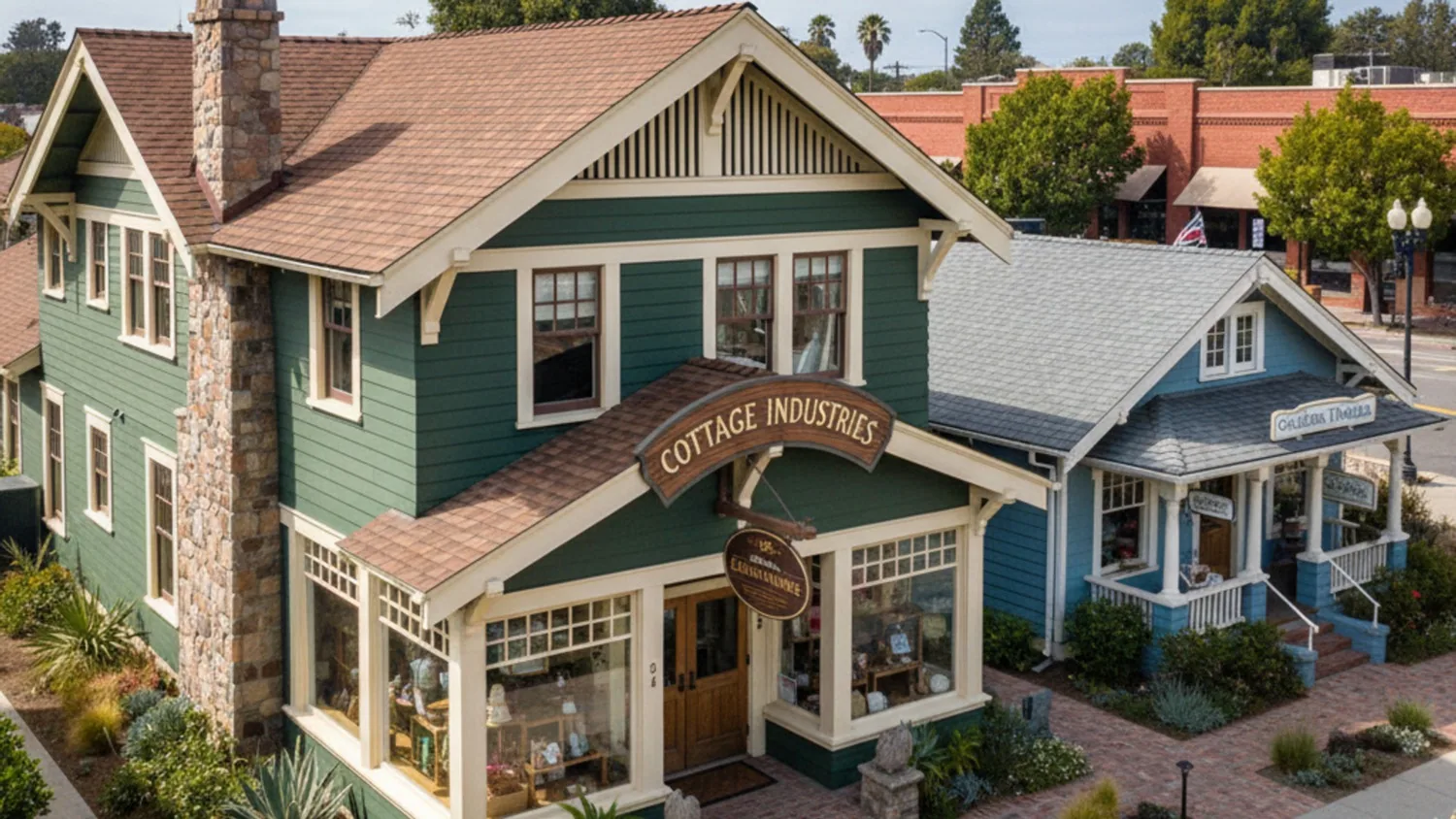
Commercial Roofing in Garden Grove, CA
Roof work above manufacturing activity in Garden Grove, CA begins with the equipment and operating limits below the reported opening. We identify the affected position, arrange safe roof access, and inspect the connection before material is disturbed. Knott Street and Western Avenue are central to the city’s industrial and manufacturing sector. Commercial Roofers Huntington Beach plans repairs for the actual building operation, separating immediate protection from permanent work that needs a shutdown or another trade.
Garden Grove’s industrial employment includes manufacturing businesses and related service firms. Roofing at an occupied property needs its service routes and exposed contents checked rather than a scope based on industry alone. We repair seams, flashing, roof surfaces, and accessible drainage details, and evaluate larger work when concealed condition changes the choice. Emergency attention remains available during overnight hours, weekends, and holidays, with the safe access and weather conditions defining the first response at the building.
Which process or service area is affected by the roof opening?
A leak beside a machine and a leak over a parts storage area need different interior protection. We review the reported positions with the site contact and locate the roof zones above them. Equipment operation, recent service, and rainfall timing help direct the inspection. Roof seams and supports can carry water toward another interior position, so we examine neighboring details before assigning the cause to the closest visible penetration.
The inspection route identifies drains, equipment curbs, wall connections, and surface damage surrounding the report. A roof walk connected to operating-area reports records accessible conditions with photographs and a marked plan. Where moving equipment or mechanical discharge contributes to the symptom, the responsible trade is coordinated with roofing. We explain what the roof correction addresses and which additional component must be examined before the opening is considered resolved.
What should be checked before a curb or seam is rebuilt?
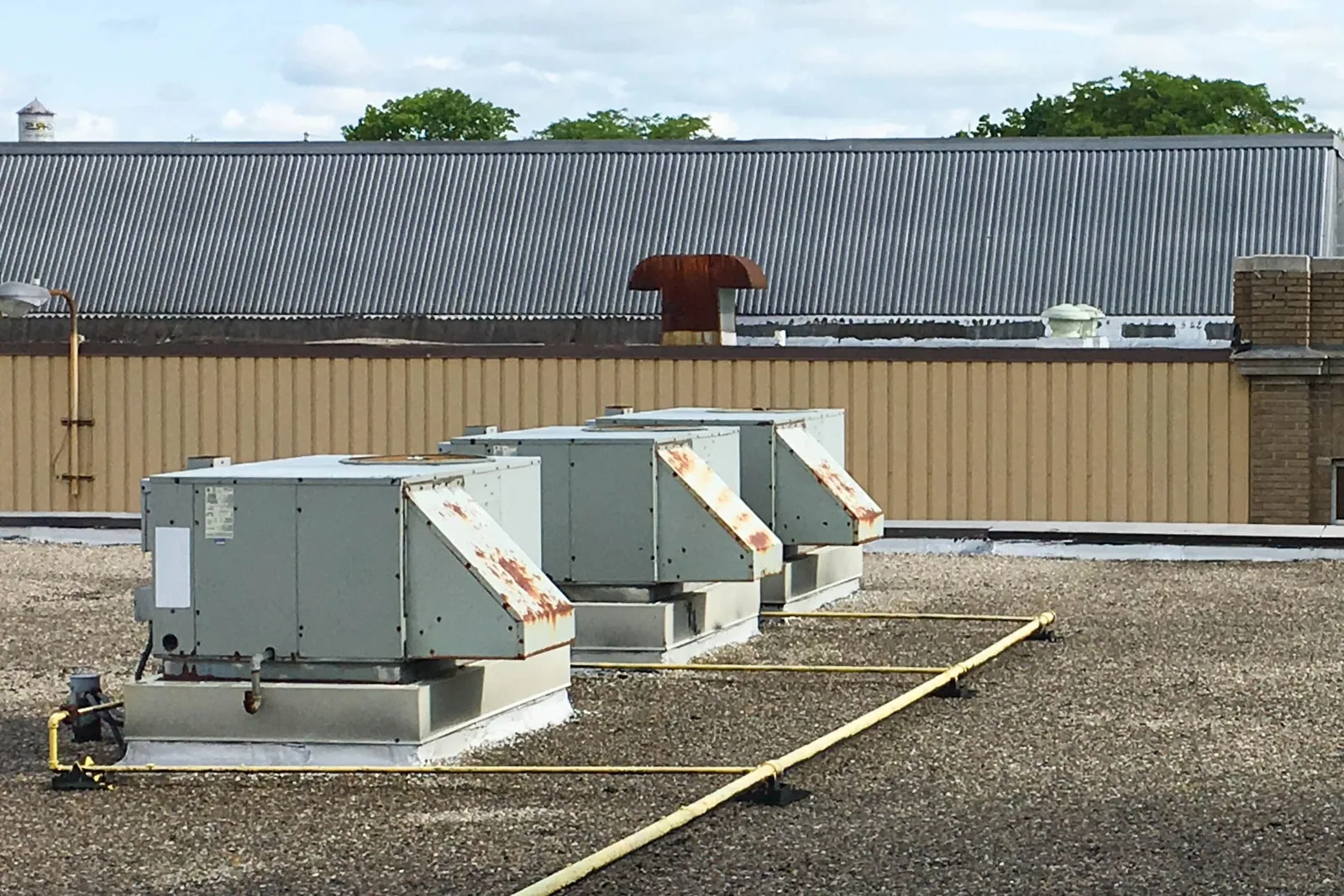
A loose unit support or unstable pipe base can pull at an intact roof connection until it separates. We inspect visible movement and the surrounding membrane before selecting new flashing. At the upper termination, counterflashing and fastening also need examination. Closing the membrane at the base does not stop water entering behind an open upper edge. The proposed repair follows the complete connection rather than the portion easiest to reach.
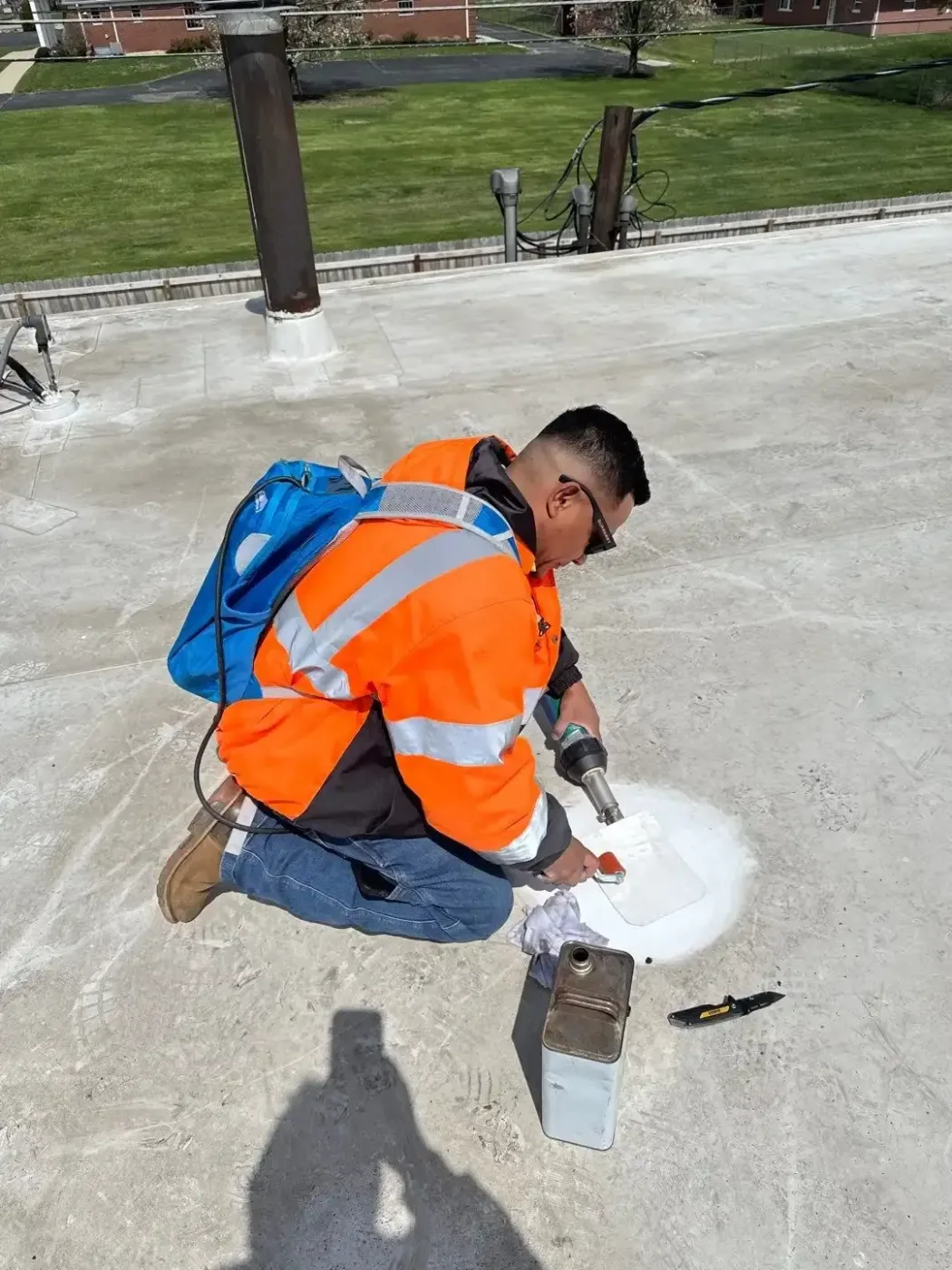
Compatible material and suitable receiving surfaces establish the permanent tie-in. Curb and support repair coordination can involve a shutdown or lift before roofing proceeds. We identify that requirement early and set a closure sequence for any exposed opening. A thermoplastic weld, rubber membrane bond, or bituminous lap needs the correct procedure for the installed system. Old repairs are removed where they prevent examination or leave an unsuitable receiver beneath new material.
Where several seams have separated, representative checks help establish whether the condition remains local. Attachment and concealed layer condition can change the scope beyond surface repair. We present those findings with their roof positions so the manager can compare a limited correction with a larger assessment without treating each opening as an unrelated service call.
How can staging stay outside production and delivery traffic?
A material load placed in the wrong operating lane can interfere with the building before roof work begins. We review unloading space, vehicle turning areas, pedestrian paths, and the available roof access position with the site contact. The work zone is confirmed at the property; an industrial location does not establish that open staging space exists. Equipment lifting and debris removal need their own movement routes and schedule.
Phased roofing above occupied operations keeps the daily removal area within the protection and closure available. Staff receive the affected zone through management, including any interior restriction or temporary access change. A dry-in boundary is established if the work must pause before permanent completion. The closeout then distinguishes that temporary protection from the installed repair so the return visit has a known starting point.
Will the proposed roof option resolve the retained water?
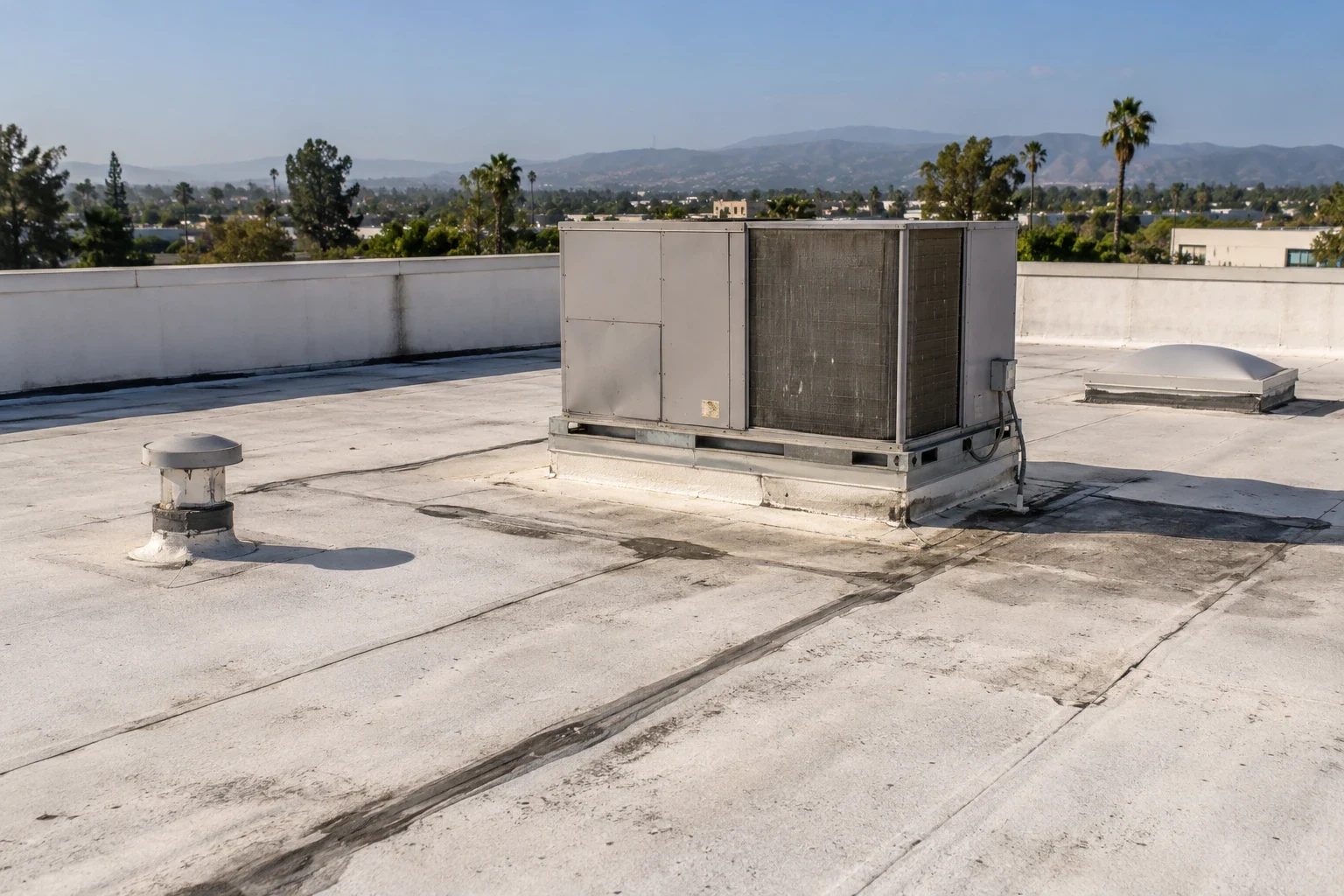
Standing water can result from a restricted outlet, compressed layers, or inadequate slope. We examine the path feeding the drain and the accessible discharge before adding another roof surface. Clearing the inlet is useful where debris caused the restriction; it does not raise a depression below the drain. A proposed slope correction must connect the low area to a functioning outlet and preserve adjoining flashing clearances.
For a recover or replacement, moisture and attachment requirements are assessed with the proposed construction. Test openings can confirm concealed layers where the findings will decide what remains. Recover assessment of the retained assembly includes preparation and any removal needed before installation. Wet or unstable material needs correction rather than concealment. Replacement can provide access to that deterioration and allow a coordinated drainage and insulation plan.
The normal rainfall record at nearby Newport Beach Harbor is concentrated in winter and sparse in summer. That coastal seasonal context helps arrange planned work, while the current forecast and roof surface guide the actual start. The roof plan includes protection if preparation or another trade extends the schedule. A generally dry period does not remove the need to close an exposed area before the crew leaves.
Assembly changes also affect equipment curb clearance. We compare the new surface height with the existing vertical flashing before insulation is selected. A thicker construction can require a curb alteration or revised drain detail, with that work assigned before installation. Identifying the adjustment early helps the owner compare complete options instead of discovering another required task after roofing material arrives.
What connects the finished repair with future maintenance?
Access difficulty, equipment shutdowns, concealed wet material, and detailed transitions affect timing and costs. We explain those items at their roof positions rather than combine them into an unexplained larger repair. Completed photographs show the tie-in, corrected drainage where included, and any removed deterioration. Open equipment or access items remain identified so maintenance does not begin from an assumption that every roof issue was completed.
West Garden Grove neighbors Seal Beach, Cypress, Los Alamitos, Westminster, and Stanton. Owners coordinating regional properties can connect work in Seal Beach and Westminster with Garden Grove scheduling while retaining separate roof findings for each building. A located condition record for the Garden Grove roof keeps its material, repair, and return-check result together. The next inspection can then examine the same details and distinguish new damage from an original unresolved item.
Commercial Roofing Questions
Can a roof repair be scheduled between production shifts?
A defined shift window can work where access, preparation, and closure fit the available time. We examine the opening and equipment requirements before committing the daily boundary. If another trade or concealed removal needs more time, the scope identifies the additional protection or operating restriction required to finish safely.
Why should equipment supports be examined during leak repair?
Movement at a support can damage the membrane or reopen a repaired connection. We check the base and surrounding flashing while tracing the water report. Any mechanical or structural correction is coordinated with the roofing sequence so compatible new material is not installed against an unstable component.
Does an industrial building need full roof replacement after several leaks?
The leak pattern and assembly condition determine what examination is useful. We locate each report, assess the connected seams and details, and identify concealed questions influencing removal. Sound surrounding material can support local work; widespread wet layers or attachment problems can justify comparison with a larger project.
What should we keep after the repair for the next facility manager?
Retain the marked roof plan, repaired positions, photographs, materials, and outstanding coordination items. We identify where temporary protection ended and permanent work began. That record lets the next manager compare maintenance observations and later water reports with the work actually completed on this roof.
Proudly Serving Huntington Beach and Nearby Cities
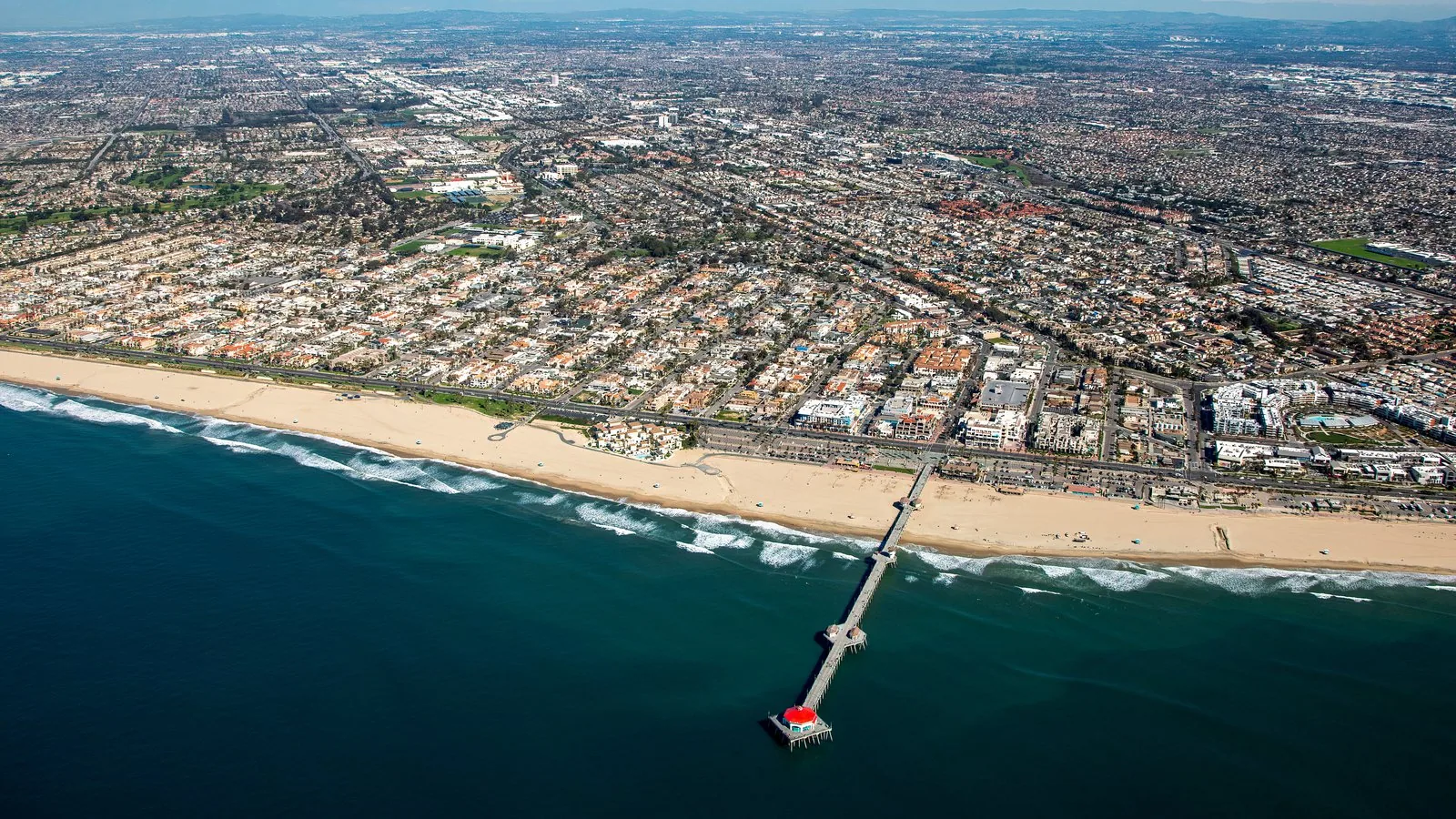
Commercial Roofers Huntington Beach
Huntington Beach, Westminster, Seal Beach, Fountain Valley,
Garden Grove, Newport Beach and nearby Orange County cities