

Commercial Roofing in Little Saigon, Westminster, CA
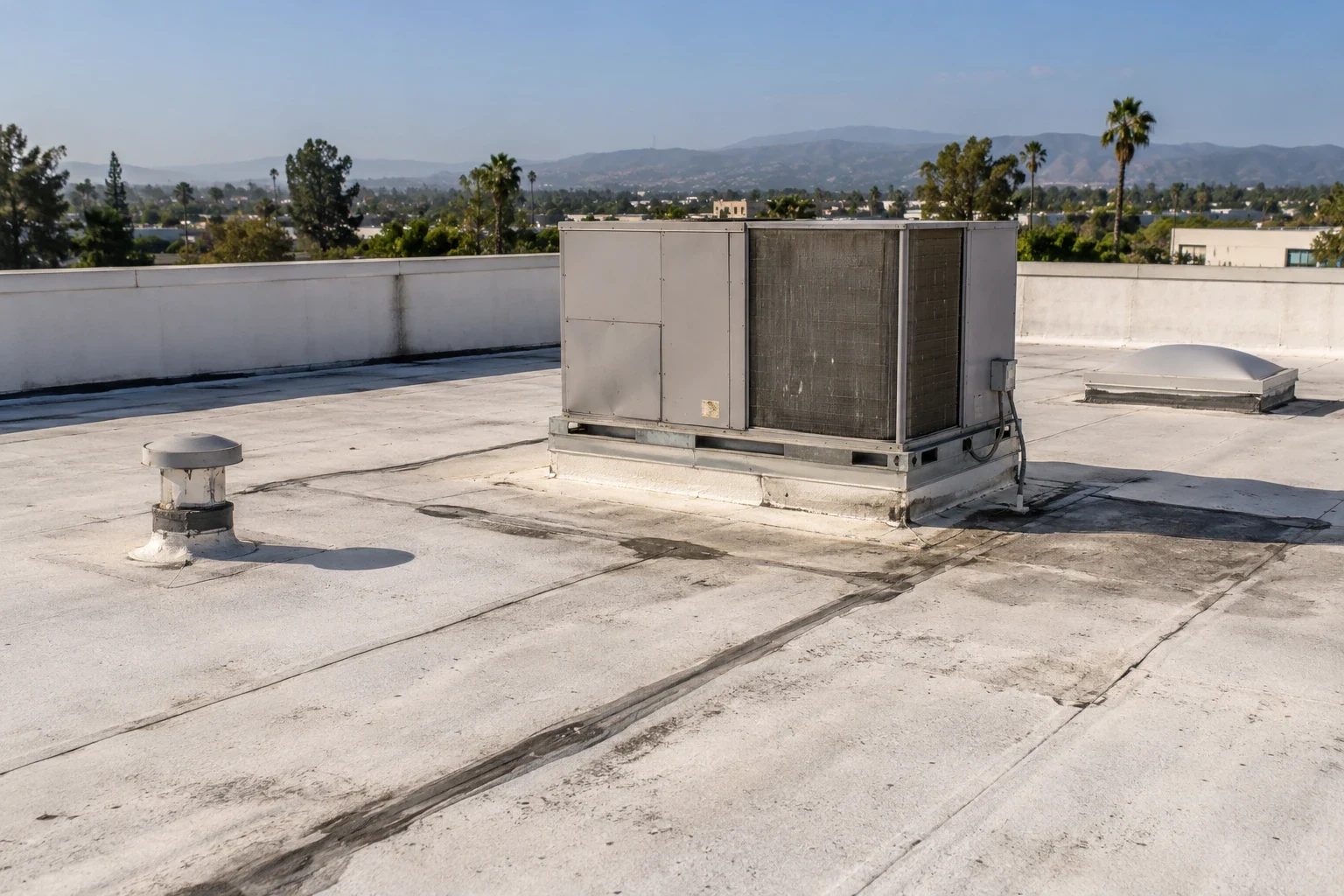
A ceiling leak above an open commercial unit in Little Saigon needs an accessible inspection route before anyone opens the roof. We identify the affected room, protect the space below, and check the nearby seams, equipment curb, and drain path. Commercial Roofers Huntington Beach provides repair, maintenance, and replacement work for commercial properties in this Westminster district. The immediate decision is how to contain water while establishing a permanent repair extent.
Westminster recognizes Little Saigon as a mixed-use district within its wider commercial land-use framework. That broad area needs property-specific roof decisions: the occupied space, existing assembly, and access arrangement determine the work. We service commercial roofing in Huntington Beach, CA and nearby communities. For a leaking Little Saigon property, start with the room report and a contact who can open the roof access safely.
Does the water reach the intended outlet?
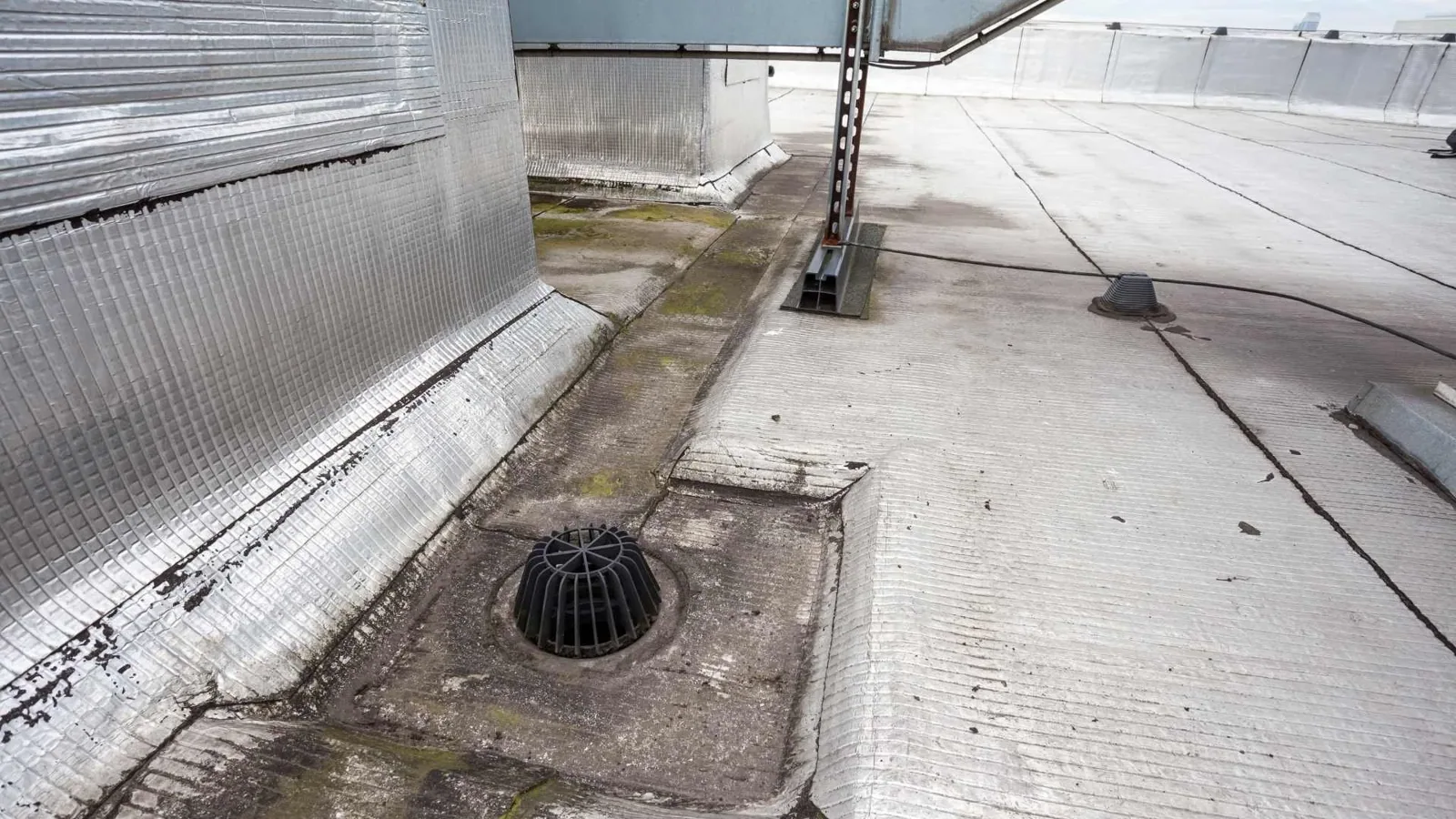
A dirty ring around a drain can show where water stood after the surface dried. We compare that mark with the roof slope, strainers, nearby seams, and any scupper outlet. Cleaning a blocked inlet may restore discharge. Water remaining in the same position after cleaning can require examination of compressed insulation or a low roof plane. The correction follows the observed route rather than a general instruction to coat the surface.
Newport Beach Harbor has winter-weighted rainfall and very little normal summer precipitation. That nearby coastal pattern makes dry-weather drainage preparation useful, while the forecast for the actual Westminster building sets the work window. We inspect outlet connections before opening them and keep removed material from entering the drain. A planned drain and scupper correction should explain where water will go after the repair, including the accessible secondary discharge.
Which rooms need protection during the repair?
An overhead cutout can expose dust or water to the room below even when the exterior work area looks small. We confirm the affected unit, movable contents, electrical concerns, and any space needing temporary closure. If water reaches electrical equipment, keep people clear and arrange qualified electrical assessment. Our roof work proceeds through a safe access window, with interior protection matched to the opening rather than spread through unrelated rooms.
A shared building may have separate operating hours for each unit. The site contact identifies who controls the roof hatch and which entrance must stay usable. We arrange delivery and debris removal without placing materials in pedestrian routes. For an extended reroof over occupied space, daily opening limits help keep the remaining building protected. Each shift ends with exposed areas closed or secured before the roof is left.
What makes the patch hold at the transition?
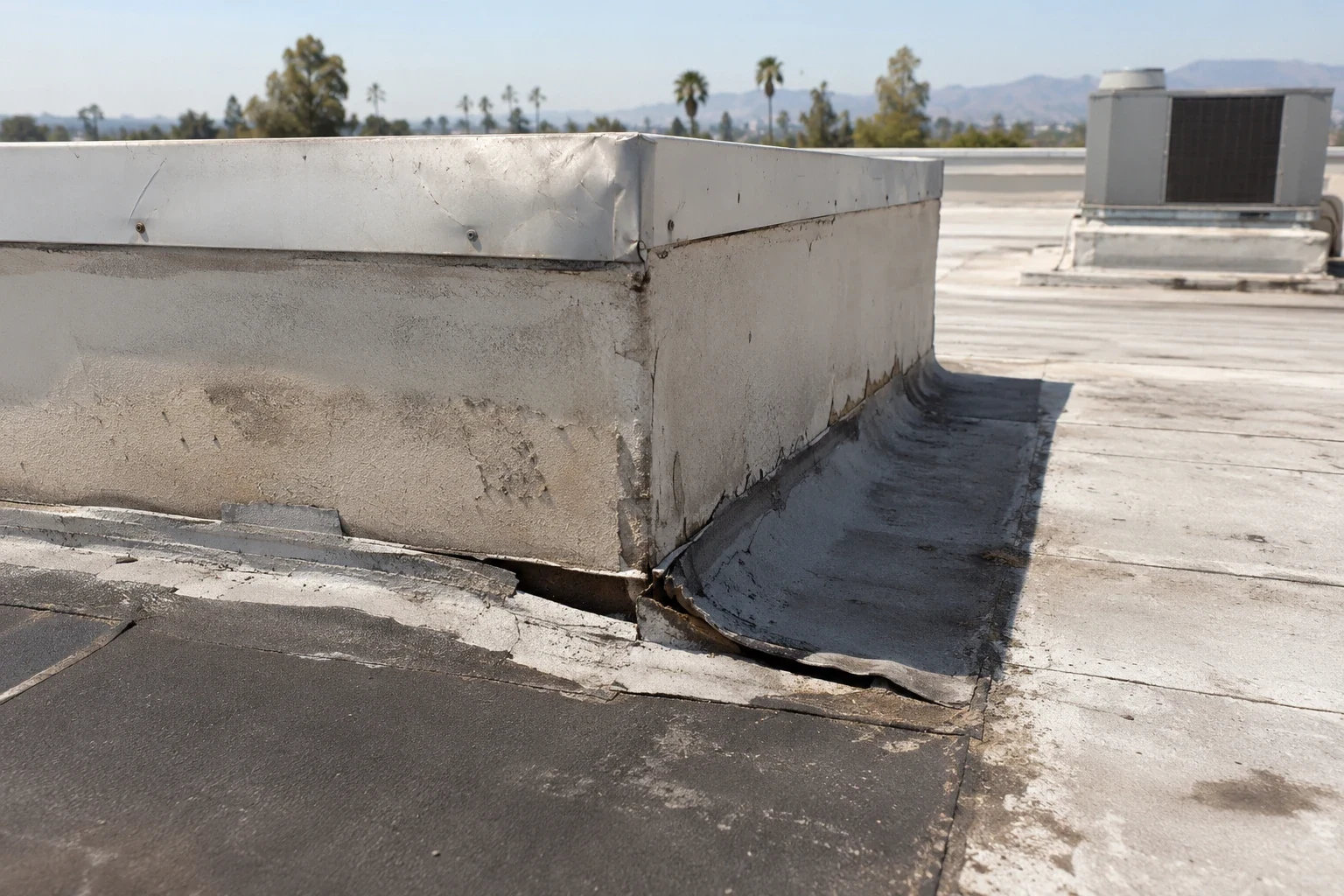
A split where horizontal membrane turns up a curb needs more than surface sealant. We examine the receiver, attachment, corner reinforcement, and top termination. A loose counterflashing can direct water behind an otherwise intact vertical sheet. We trace that junction and distinguish roofing work from equipment work that needs another trade. The repair connects to firm, compatible material after contamination and failed patches have been removed.
Membrane identification comes before choosing the repair method. A welded thermoplastic sheet, rubber membrane, and layered bituminous roof respond to different preparations. We examine older repair compounds for incompatibility and avoid burying a moving detail beneath a larger patch. Repairing the failed flashing connection can include the corner and termination as one continuous water barrier. The finished connection should also leave sufficient clearance for later equipment service.
Can sound roof areas remain in service?
Wet insulation beside a leaking penetration can change the repair from surface work to local removal. We identify the likely moisture area and recommend confirmation where its extent would affect the decision. Infrared screening can help locate patterns under suitable conditions; physical checks establish what those patterns represent. A dry receiver with limited defects can support repair. Widespread moisture, unreliable attachment, or repeated failures may justify a larger removal scope.
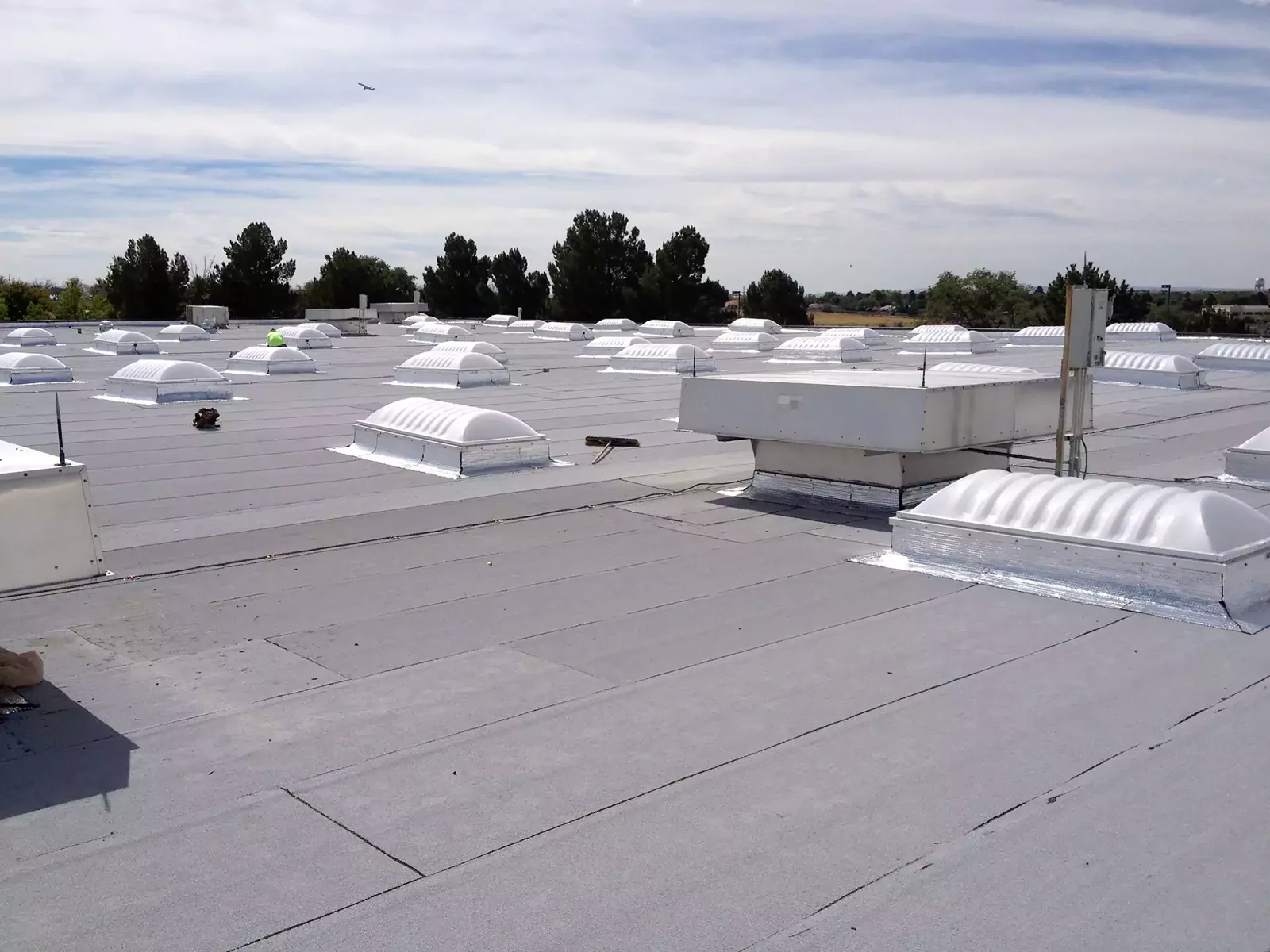
For a roof with stable attachment and a suitable surface, restoration may be considered after defects are corrected. Adhesion testing and material compatibility matter before approving a coating. If the owner is considering another membrane layer, the existing assembly needs assessment for recover eligibility and drainage. We compare these options with removing and replacing the roof using the actual preparation, removal, and operating requirements. Leaving saturated material covered can preserve the problem beneath new work.
How does a district property fit the work schedule?
Westminster distinguishes neighborhood commercial, regional commercial, industrial, and urban-industrial uses across its planning map. Little Saigon remains a named mixed-use area, so a roof proposal starts with the individual building use and condition. We confirm the owner's authority for common roof areas and identify any tenant equipment needing separate approval. Those details prevent a scheduled repair from arriving at an inaccessible hatch or a curb that cannot yet be moved.
Properties elsewhere in Westminster can be assessed through the same building-specific intake, and Huntington Beach roof work can be coordinated when one manager controls both locations. Access height, material delivery, concealed wet layers, and separate detail repairs all affect cost and duration. We describe the tasks driving the proposal, then establish which roof sections can be completed inside the available operating window.
What should the return visit compare?
A repaired curb needs a wider photograph showing its roof position and a closer photograph showing the finished tie-in. We record the completed area and any related drain or equipment item still awaiting correction. The return check examines those same positions instead of treating a dry ceiling as the only measure of completion. Interior finishes may still need drying after the roof opening has been closed.
Our urgent roofing response is available at night, on weekends, and through holidays when active water entry needs attention. Temporary protection receives its own repair limit and a planned permanent follow-up. Keep the interior location, time of leakage, and any new equipment work with the roof file. That history helps distinguish a recurring defect from a later alteration that changed the water route.
A maintenance visit can recheck the repaired area after rooftop service by another trade. We look for displaced supports, new fastener openings, and blocked drainage beside the work. Correcting a small alteration promptly can keep a finished flashing from developing a separate leak route.
Commercial Roofing Questions
Can one Little Saigon tenant request work on a shared roof?
The owner or authorized manager needs to approve work affecting the common assembly. We can use the tenant's interior report to locate the inspection area, then confirm roof access and the approving contact. Equipment belonging to another unit may require a separate handoff before its flashing can be rebuilt.
Will a dry summer make an old flashing split harmless?
An open split remains a water-entry route even during a dry period. We inspect the surrounding material and arrange compatible repair while preparation conditions are suitable. Waiting for the next rain can leave insulation and occupied contents exposed before a permanent work window is available.
How do you handle a roof with several different past patches?
Material checks establish which surfaces can accept the proposed repair. We remove loose or incompatible compounds within the work boundary and inspect the receiver beneath them. Where previous layers conceal deterioration, a controlled opening can establish the removal needed before the new connection is sized.
Should ceiling repairs wait until the roof return check?
Drying and interior safety should proceed with the appropriate building trades. We provide the roof correction and follow-up findings so the manager can coordinate finish restoration. Retaining interior photographs before repainting also helps compare any later moisture report with the original affected area.
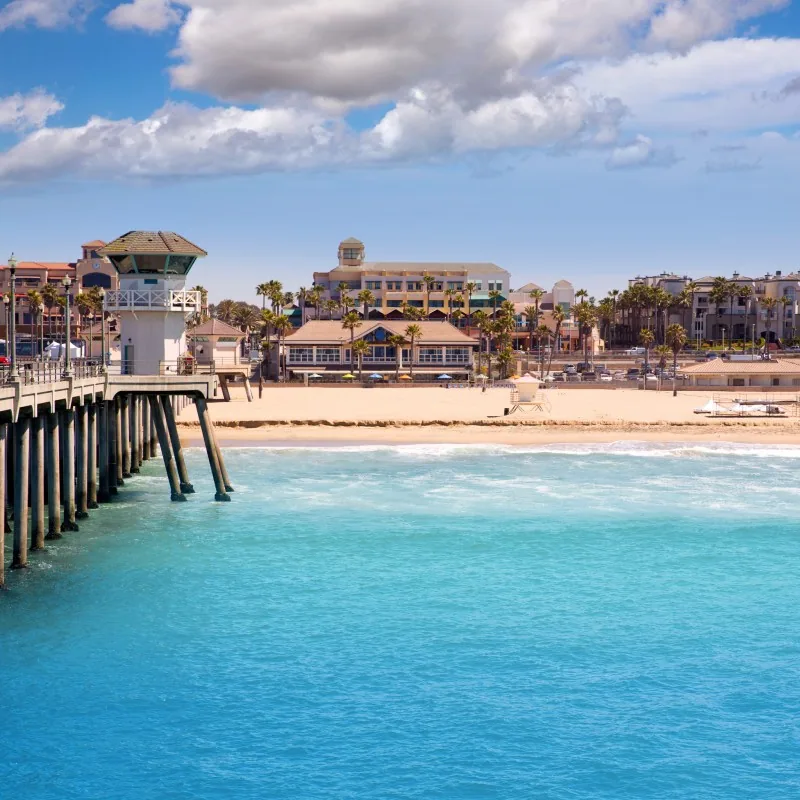

Proudly Serving Huntington Beach and Nearby Cities
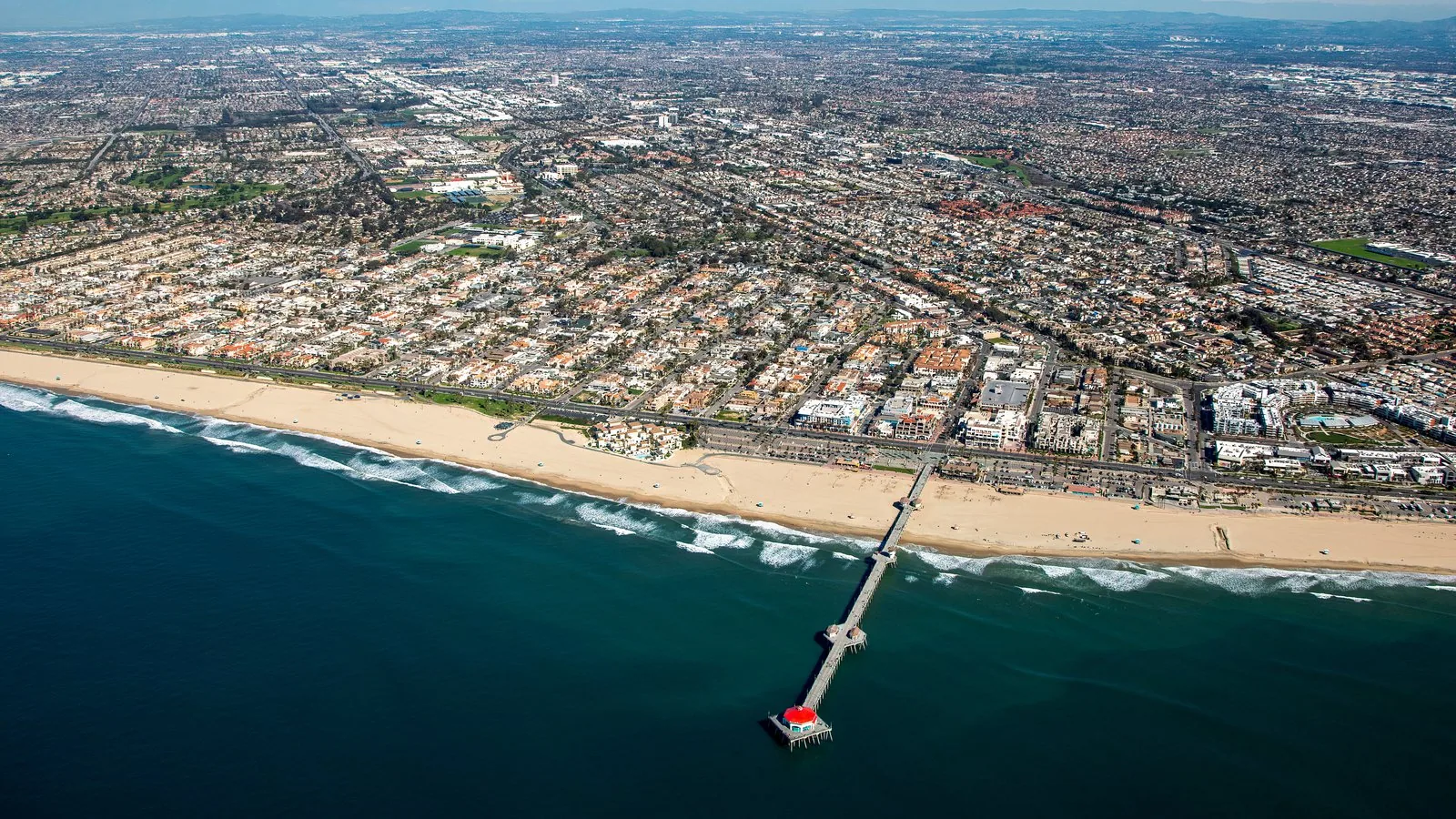
Commercial Roofers Huntington Beach
Huntington Beach, Westminster, Seal Beach, Fountain Valley,
Garden Grove, Newport Beach and nearby Orange County cities