
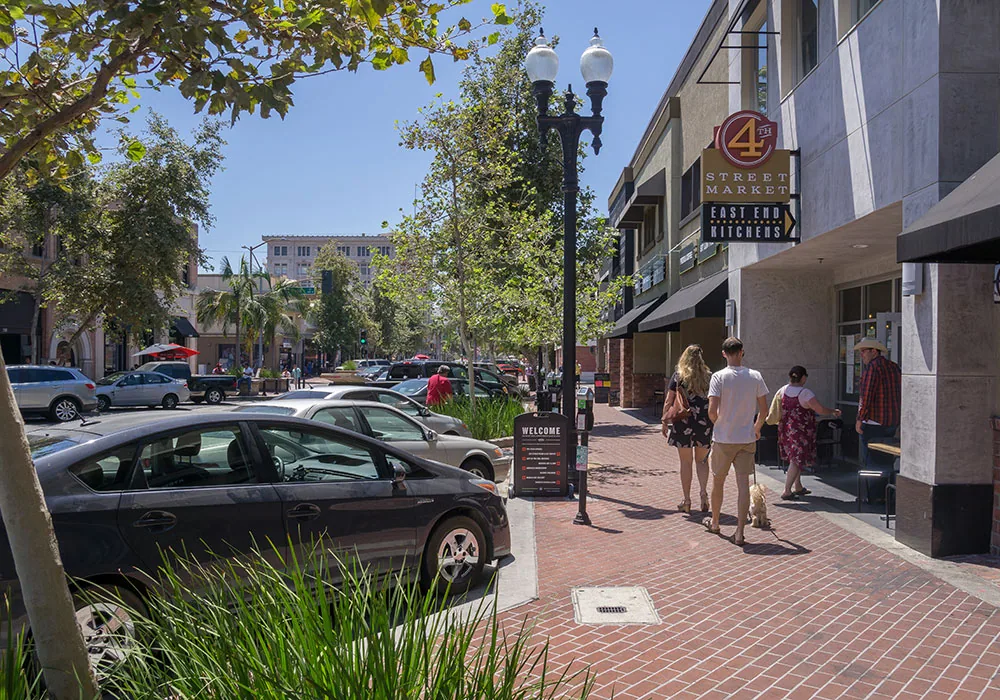
Commercial Roofing in Santa Ana, CA
Office, industrial and commercial roof repairs in Santa Ana, CA, need the affected operation identified before an access window is set. A water report above a work area can require immediate protection, while a planned alteration needs a closer look at the existing assembly. Commercial Roofers Huntington Beach inspects and services commercial roofs in Santa Ana, locating defects and explaining which repair, testing or removal task the findings support.
The city's land-use framework includes industrial, flex-industrial, office and general-commercial uses as well as District Centers. Commercial districts also accommodate services, education and recreation. The building contact tells us which rooms are affected and what activity must continue below the roof. We use those operating details with the inspection findings, rather than assigning a roof system or construction schedule from the property's land-use designation.
How does the interior report become a roof inspection task?
A room description needs a location on the roof plan. We compare the reported water with roof levels, drains, penetrations and seams, then inspect the likely routes. The report time and any equipment activity can help identify whether roofing, condensate or another building component requires attention. A clear room reference also lets the building contact arrange protection below the correct work zone without opening unnecessary areas.
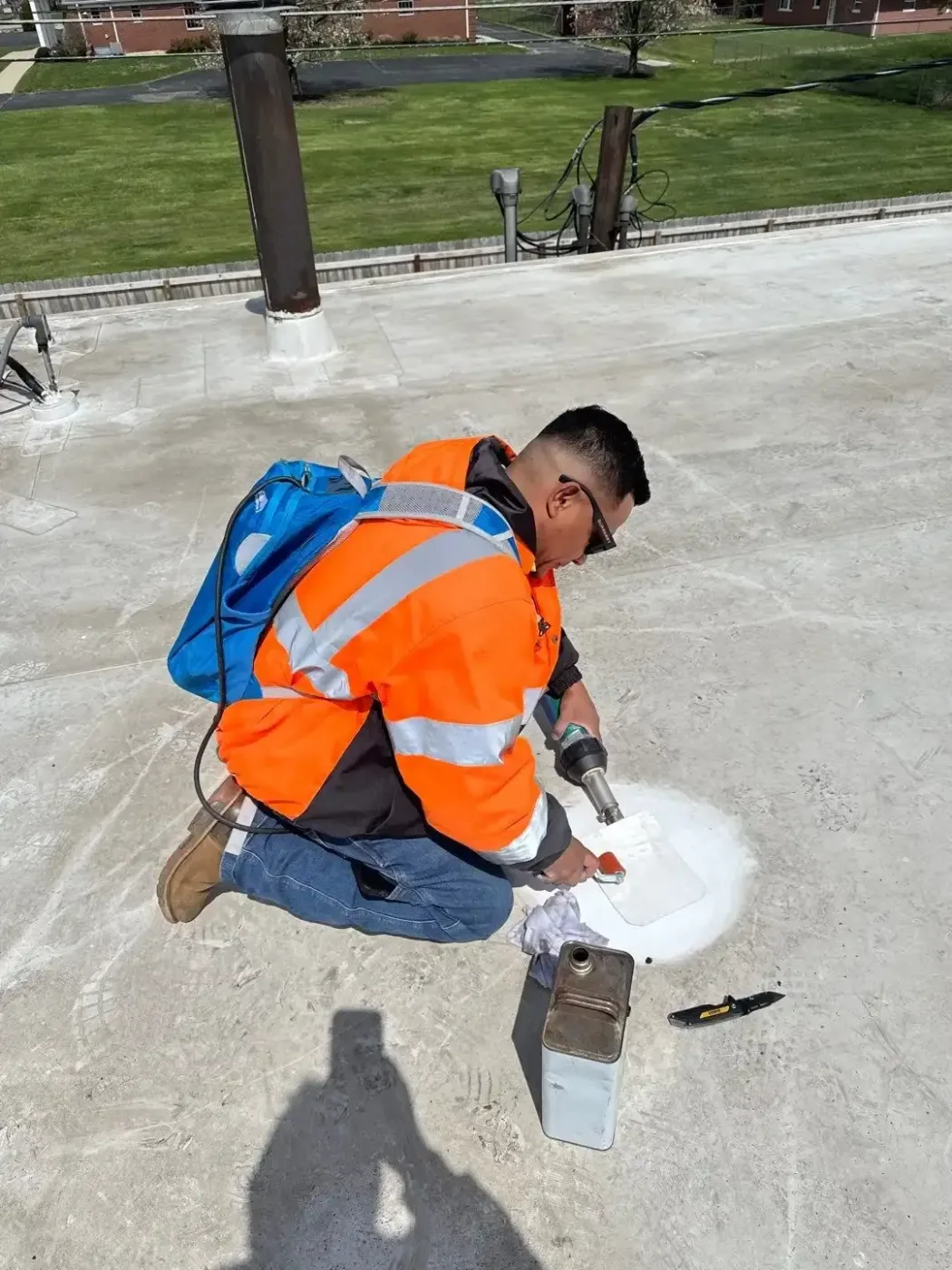
Hands-on inspection checks the details that a distant photograph may not resolve. Drone images can document broad roof geometry where useful, while close examination determines the condition of seams, receivers and flashing connections. We mark observed defects and any area requiring additional access. The resulting roof inspection findings describe what needs action and which next examination would change the scope.
Multiple leak reports receive individual locations until a shared route is established. A nearby drain or curb can relate the reports, but separate openings may also be involved. The repair boundary follows the actual findings.
What changes between a commercial room and an industrial operation?
Santa Ana designates industrial areas in southwestern, south-central and southeastern sections of the city. Roof work there may require coordination with the actual tenant's loading, equipment and operating schedule. We identify the usable staging space and roof route before materials arrive. An industrial land-use designation supports the building context, while the site contact establishes whether a particular doorway, yard or room can be restricted.
A property in the Santa Ana industrial areas needs its own roof assembly and condition record. At a mixed-use property in the Harbor Corridor, protection may need to account for several types of occupancy. Shared ownership can help coordinate visits, but each building's roof task and public or service route remain distinct.
Noise, air intakes and interior protection should be reviewed against the phase being opened. We identify who can approve an operating change if concealed material or equipment coordination alters the planned sequence during construction.
Which layers need confirmation before material can remain?
Soft insulation or repeated water entry can indicate that a surface repair will not address the whole affected assembly. We inspect accessible layers and select confirmation locations where the result will change retention or removal. The owner receives a defined question: whether insulation is dry, whether a deck area is serviceable or whether the roof's attachment can support the proposed work.
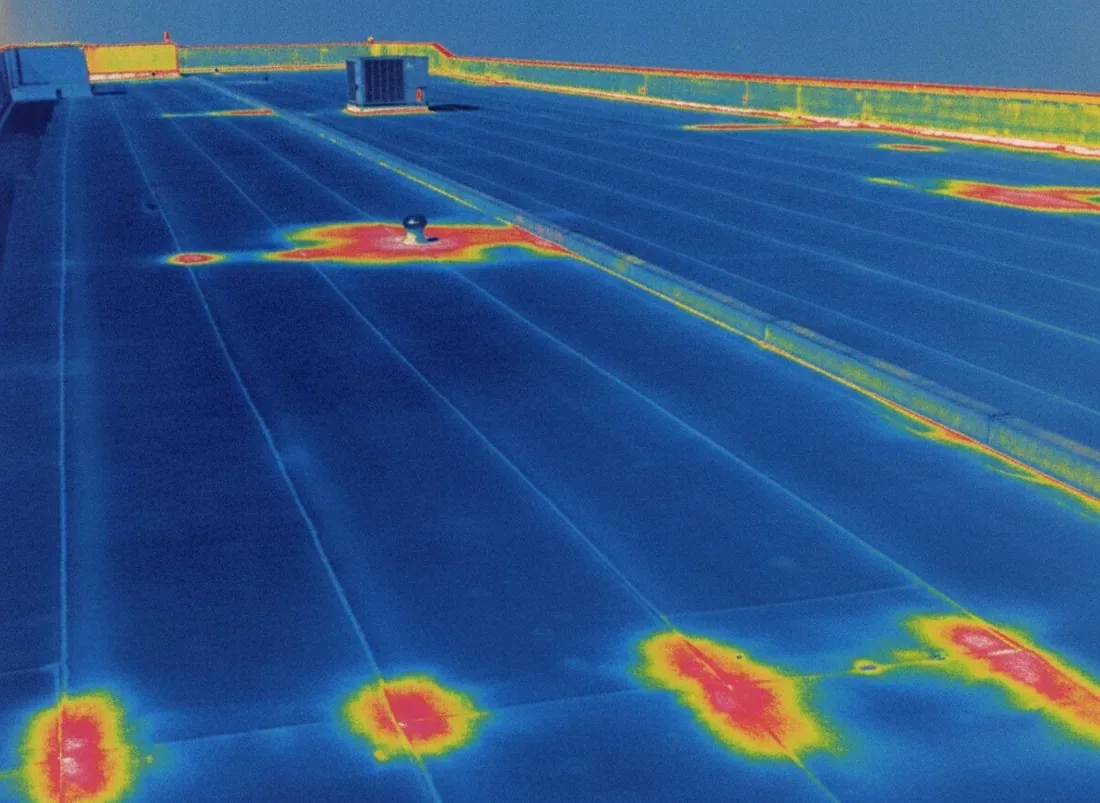
An infrared moisture survey may help identify areas for confirmation under suitable conditions. Its thermal pattern is connected to appropriate verification before removal limits are assigned. We restore test locations and record confirmed material conditions. If new findings appear during demolition, the agreed decision process identifies how the boundary is reviewed before the crew advances.
Drainage is checked with moisture extent. An outlet obstruction can hold water beside a vulnerable detail, while compressed insulation may create a low area. Clearing debris and replacing wet layers are different tasks; the scope should identify both where both are necessary.
What makes repair or restoration a workable alternative?
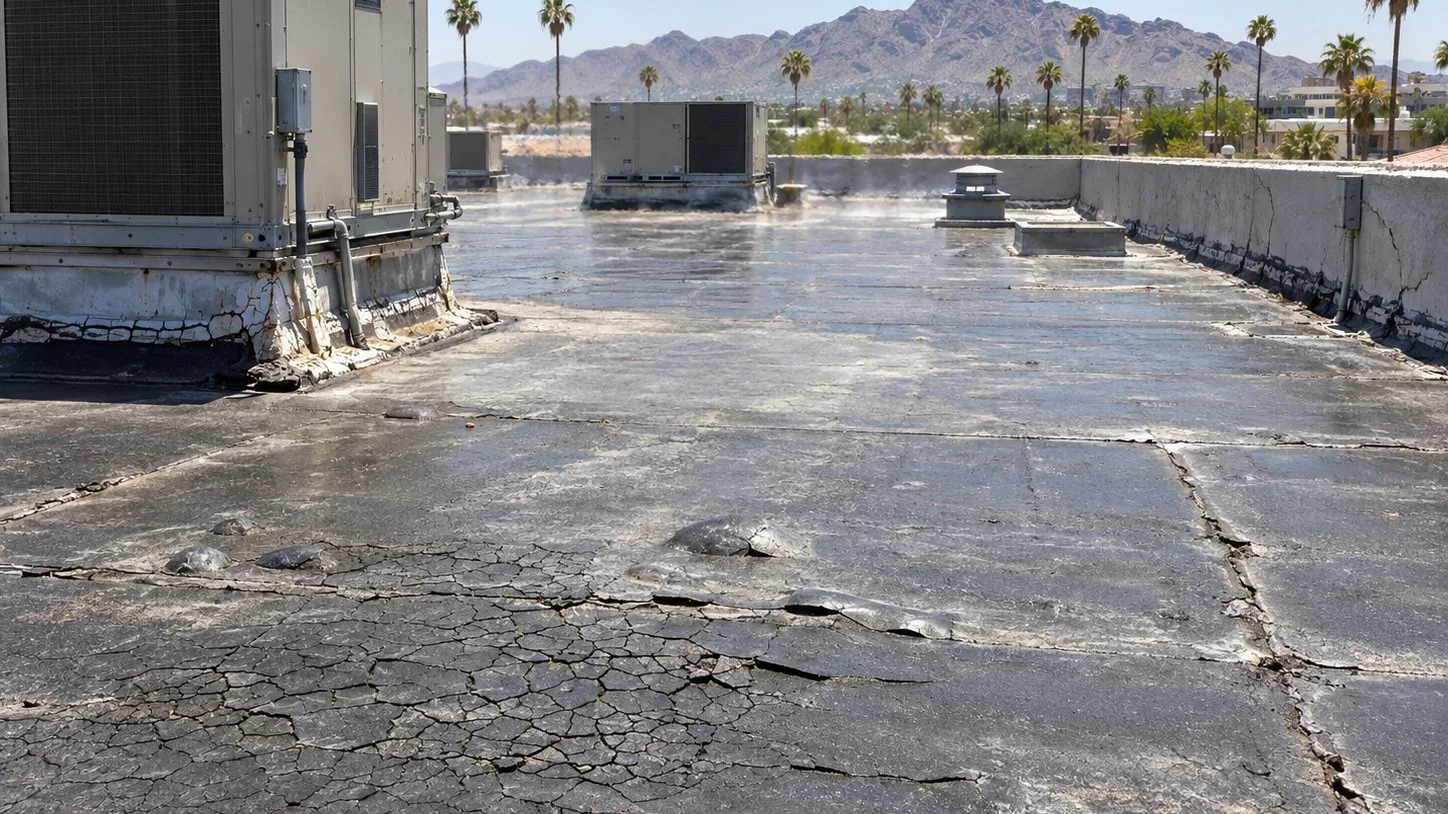
A local opening can be repaired where the surrounding material is sound and accepts a compatible connection. We assess preparation, old patch products and any movement affecting the receiver. Thermoplastic welding, rubber seams and asphalt repairs require different methods. Selecting the installed system prevents a general patch from being placed over a detail that needs a specific compatible correction.
A coating needs adhesion, a suitable substrate and repaired seams and flashings before application. Recover also requires a retained assembly that can support another layer, including moisture, attachment and capacity review. For extensive deterioration, a replacement assessment of the assembly identifies necessary removal and the new insulation, membrane and perimeter connections. The comparison includes construction interfaces rather than membrane cost alone.
Outlet heights, curb flashings and wall connections can change as the assembly changes. Those details are examined before work is priced. Difficult access, wet material disposal and phasing over occupied rooms affect the construction effort and should remain visible in the owner scope.
Metal roof repairs also need the panel and connection identified. An exposed-fastener assembly has different details from standing seam roofing. We examine laps, closures, fasteners and the supporting material before specifying the repair, then include any movement or corrosion correction necessary for a sound receiver. A coating choice follows that evaluation rather than substituting for an unresolved panel defect.
How is the roof secured through changing conditions?
The removal area is set by what can be prepared and closed within the usable weather and operating window. We check the forecast, receiver condition and material requirements before advancing the phase. Equipment lifting or a delayed trade handoff can reduce that area. The crew establishes a secure boundary instead of leaving a larger opening dependent on unfinished work.
Newport Beach Harbor's climate normals describe a nearby coastal rainfall pattern weighted toward winter. For Santa Ana installation, current local conditions and roof-surface checks determine the application window. Offshore Santa Ana weather can affect heat and wind, requiring reassessment of handling and exposed work. Seasonal planning remains useful, while the actual task needs its own field decision.
Our urgent leak response accepts reports during nights, weekends and holidays. We document temporary protection and the permanent return step. At completion, photographs and marked roof zones connect the correction to the original findings, leaving the building contact a clear record of completed work and any item that still requires attention.
Commercial Roofing Questions
Can one service visit inspect both the leak and planned equipment openings?
A combined visit can address both when access and the required trades can be coordinated. We record the active defect separately from the proposed alteration. That distinction keeps immediate protection from becoming dependent on a future equipment decision or a larger construction approval.
Does a coating estimate need moisture confirmation first?
Retained material must be suitable for the proposed restoration. We inspect the assembly and identify confirmation where moisture would affect that decision. Preparation and adhesion checks then address the receiving surface, allowing the estimate to include necessary repairs rather than only the coating application.
What if the roof belongs to several tenant spaces with different hours?
Map the affected rooms and their operating limits to each construction phase. We review noise, access and intakes with the building contact before scheduling tasks. Separate tenant windows can be accommodated where the work boundary and secure closure remain practical.
Will a blocked drain repair include replacing wet insulation?
Outlet cleaning and wet-layer replacement are assessed separately. We inspect the drainage connection and confirm material condition where necessary. The work scope identifies which task restores flow and which task restores the roof assembly, preventing one completed service from being mistaken for both corrections.

Proudly Serving Huntington Beach and Nearby Cities

Commercial Roofers Huntington Beach
Huntington Beach, Westminster, Seal Beach, Fountain Valley,
Garden Grove, Newport Beach and nearby Orange County cities