
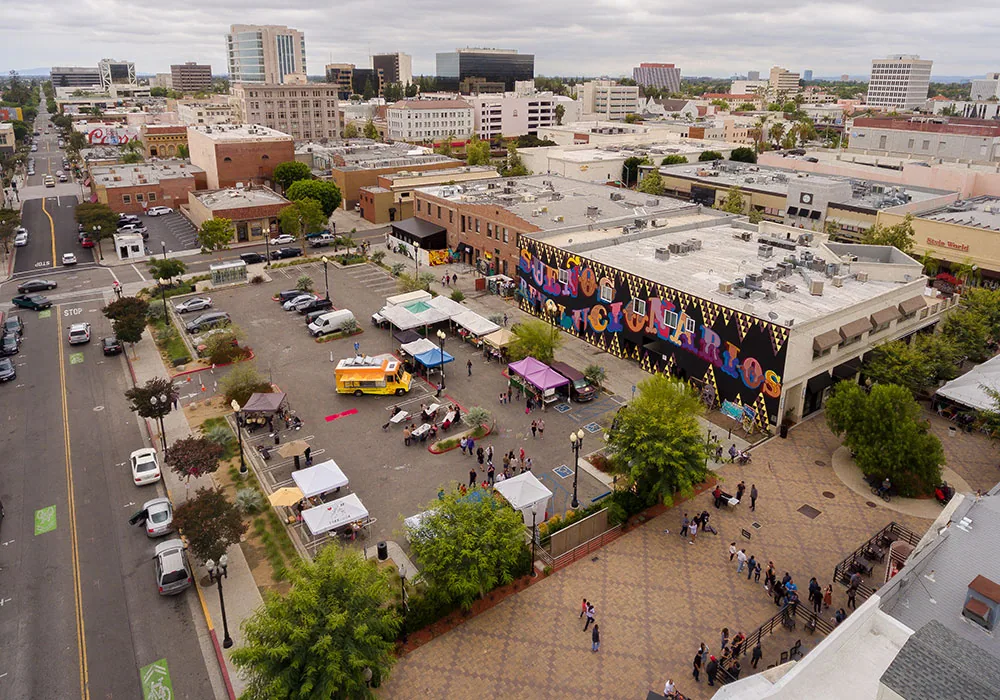
Commercial Roofing in Industrial Districts, Santa Ana, CA
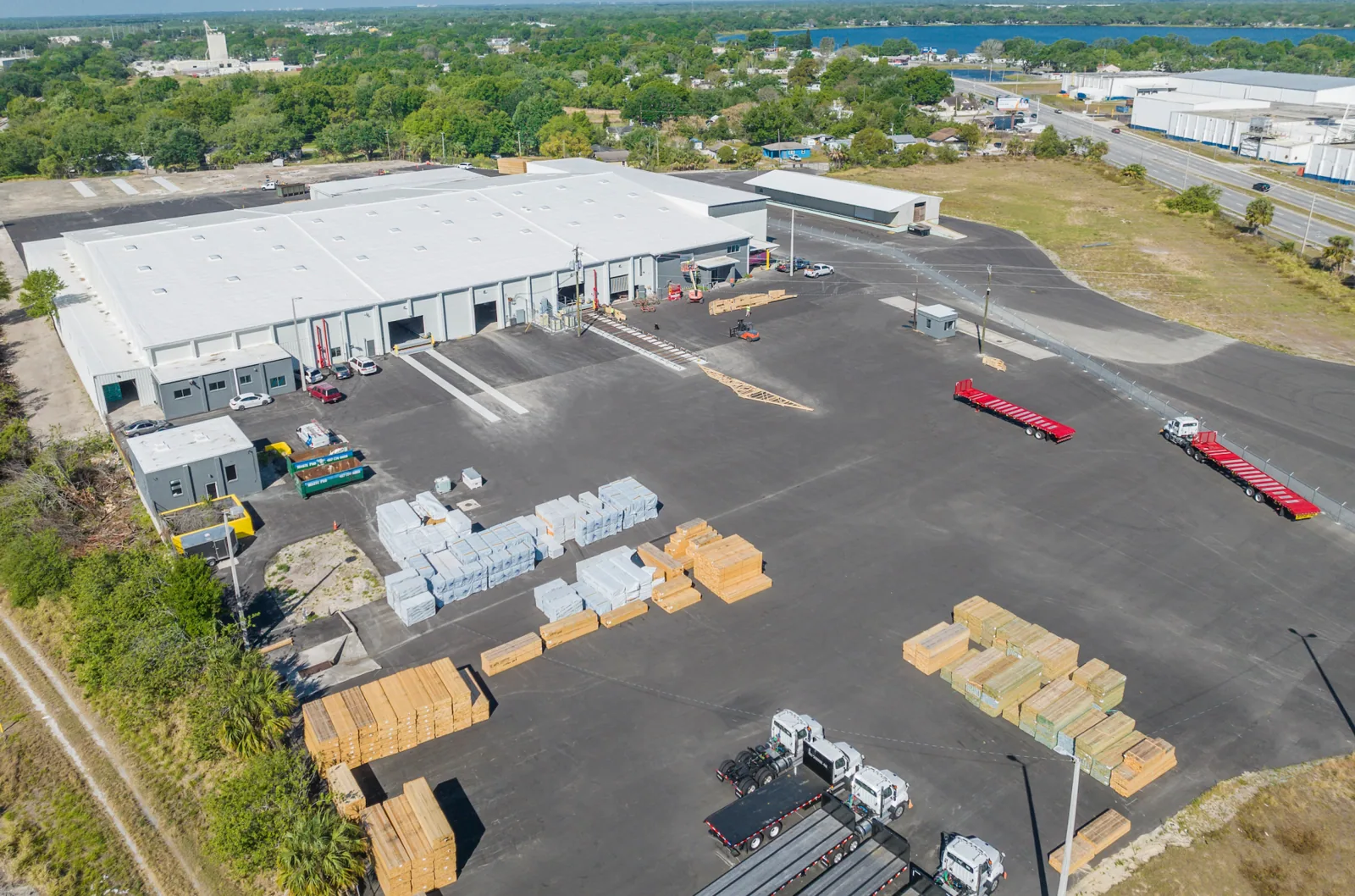
Manufacturing and assembly roof work in Santa Ana's industrial districts needs a clear operating boundary before materials move through the property. Industrial land is designated in the city's southwestern, south-central and southeastern areas, supporting production and related commercial services. Commercial Roofers Huntington Beach inspects, repairs and replaces commercial roofs in these Santa Ana, CA, districts. We start with the affected work area, reported roof condition and contact who controls access.
An operation can need continuous service while its roof requires repair. We examine the actual membrane, equipment connections and drainage, then identify work that can be isolated from activity below. Where water is entering, protection is considered before the broader construction decision. The building's use provides practical context, while the roof findings establish what must be corrected or removed.
Which production or service routes affect roof access?
A delivery yard, service doorway or active workroom can be essential to the tenant even when it appears convenient for roofing setup. We review the usable material path and staging position with the operating contact. The roof access window includes movement to and from the work, not simply permission to climb a ladder. Any temporary restriction must leave an agreed route for the activities that continue.
Roof preparation can bring noise above a sensitive work area. We identify rooms below the proposed phase and review intakes, exhaust equipment and tasks needing coordination. Another trade may need to move a support or isolate equipment before a roof detail can be rebuilt. Those handoffs belong in the sequence so an open roof area is not left waiting for an unavailable contact.
For roofing above manufacturing operations, we connect the work boundary to the actual process and contents below. The operation itself does not establish roof geometry or material; those conditions are examined during the visit.
Are supports and penetrations acting on the roofing?
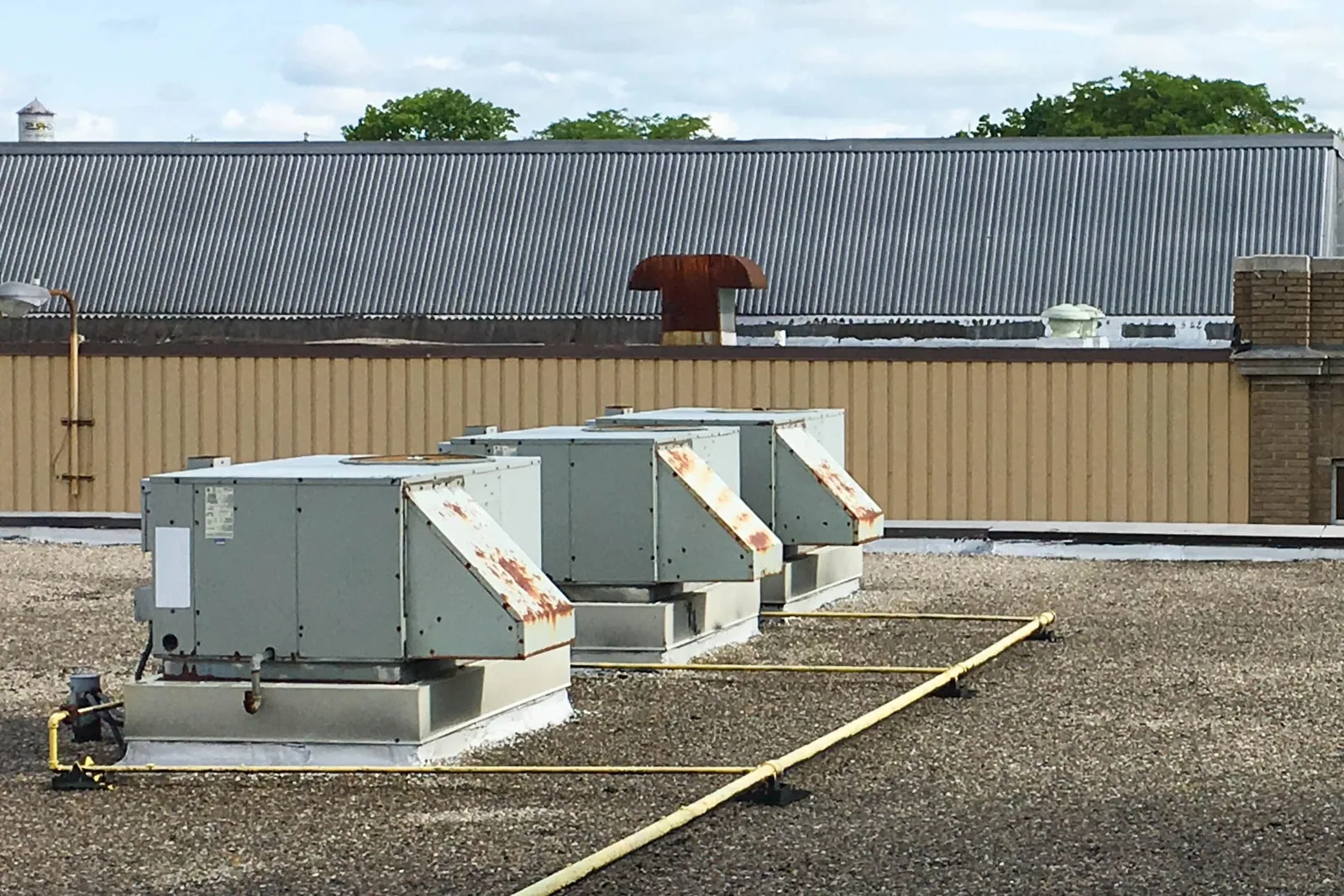
A flashing pulled from a pipe or equipment curb may be reacting to movement in the component above it. We inspect the support and receiver before specifying a new membrane detail. Stabilizing the responsible component can be necessary for the correction to remain usable. Sealing the visible split without addressing that movement leaves the new repair facing the same force.
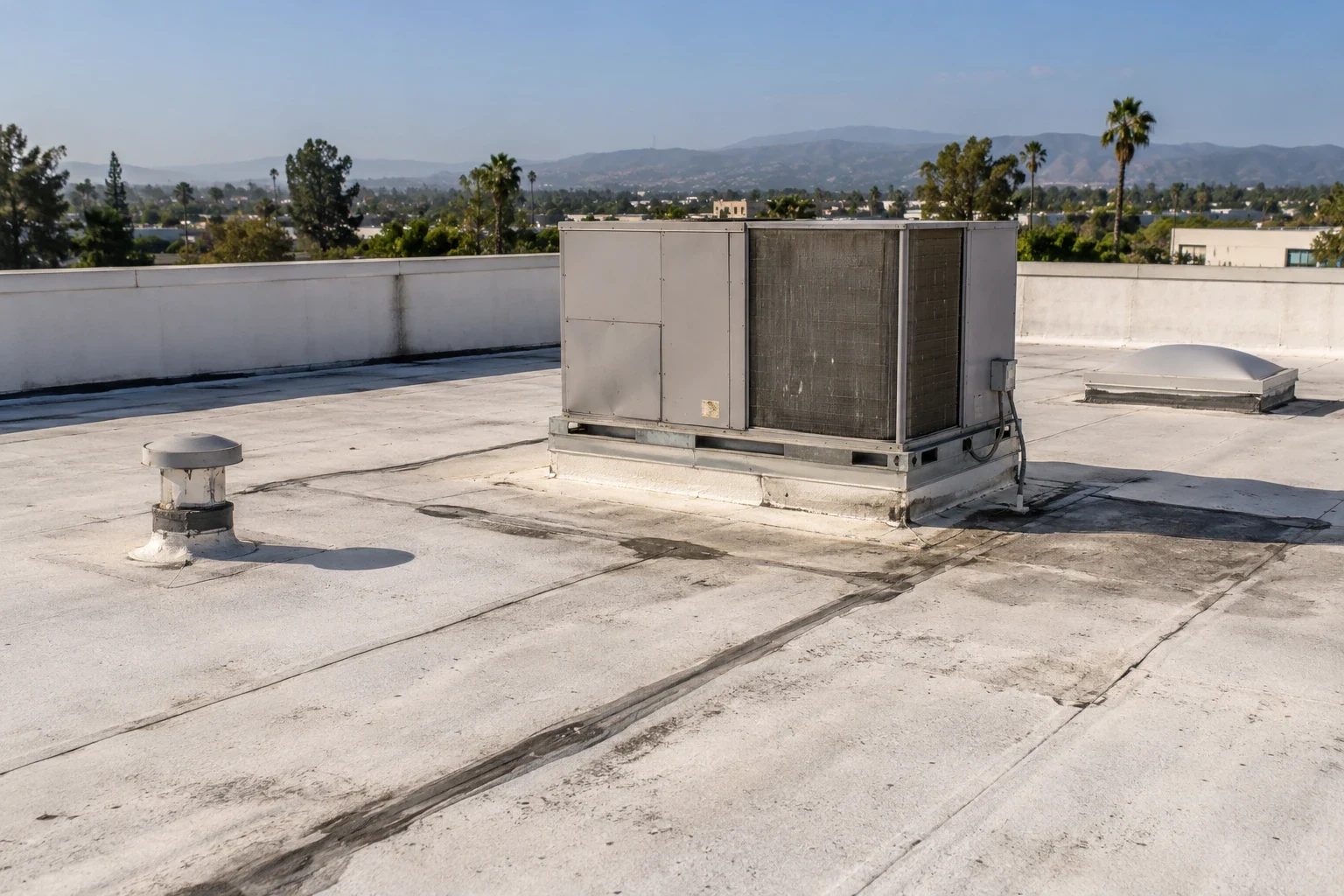
Equipment service routes also deserve a check for punctures, loose hardware and incompatible temporary patches. We identify the material and prepare a sound receiving surface before making the connection. Thermoplastic membrane needs a suitable weld, while rubber, asphalt and metal systems require their own compatible details. A review of equipment curbs and supports identifies the roof interfaces that should be completed with the equipment work.
Where penetrations are added or abandoned during operational changes, the roof plan is updated. A closed opening needs suitable support through the affected layers, not only a surface covering. New penetrations need their permanent roofing connection before they are treated as finished work.
How much of a wet or damaged area needs removal?
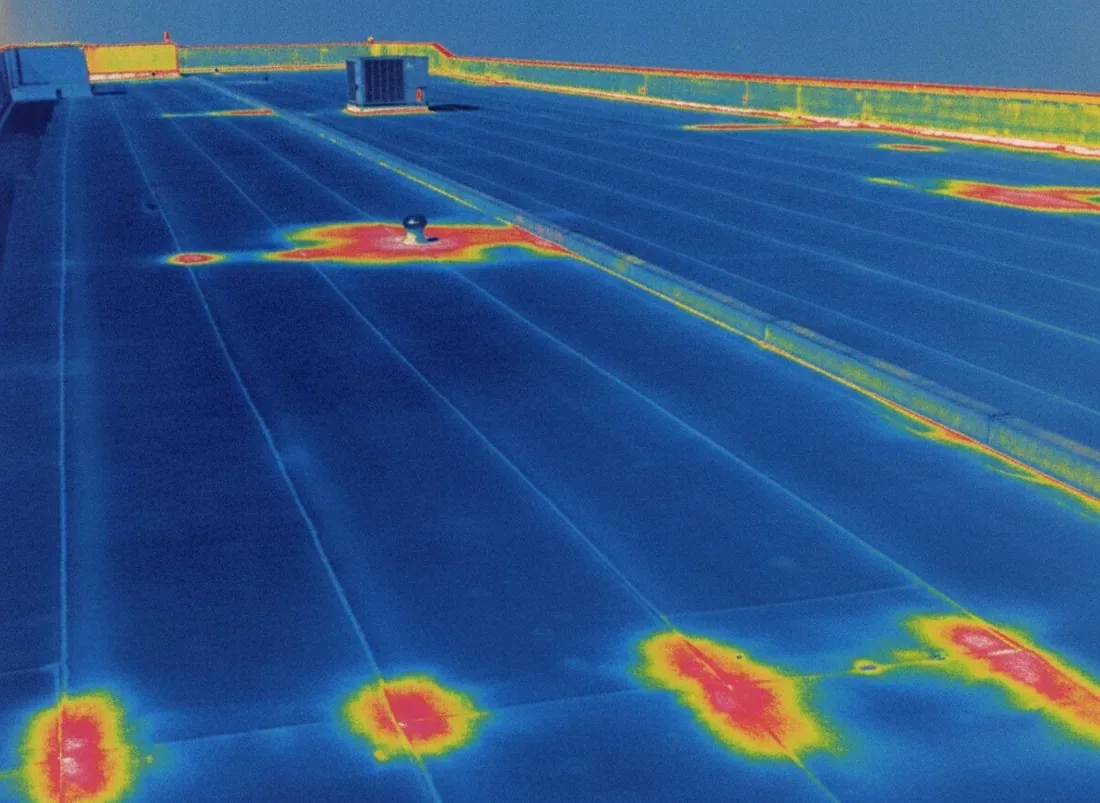
A ceiling report and a visible tear identify where examination starts. We inspect adjacent seams, drainage and the receiver condition, then determine whether moisture confirmation will change the removal decision. Wet insulation can extend beyond the first opening, while a local defect may remain repairable in a sound assembly. The proposed boundary is tied to confirmed material conditions.
An appropriate moisture survey can help locate suspect areas when the roof and weather support it. Confirmation establishes whether layers are fit to retain. We identify testing locations, restoration of those openings and the process for reviewing additional findings during demolition. That gives the owner a clearer comparison than an estimate that assumes all concealed material is dry.
For another property in Santa Ana, similar reporting fields can be used without assigning the same condition to every roof. Building identifiers, marked roof zones and separate findings keep visits and construction decisions connected to the correct industrial or commercial property.
Will the working roof still shed water during the phase?
Low areas, blocked outlets and damaged drain connections can keep water near an opening. We examine the route across the roof and distinguish debris removal from construction. Cleaning a bowl may restore flow where the obstruction is the cause. Compressed insulation or unsuitable slope needs a different correction, with attention to the heights of surrounding curbs and wall details.
Temporary closure must leave the intended drain and overflow paths usable. Before a removal phase, we identify where rain would travel and which perimeter connections will remain protected. The daily dry-in boundary is selected for both secure roofing closure and drainage. Material storage and temporary covers should not create new dams beside unfinished areas.
Newport Beach Harbor's nearby coastal record describes winter-weighted rainfall. For these Santa Ana work areas, the observed roof drainage and actual forecast govern the construction window. We check surface preparation and application conditions rather than applying coastal station readings as measurements of the industrial property.
Which repair or rebuilding option supports continued operation?
A compatible local correction may serve a sound remaining assembly. Broad attachment failure, deteriorated deck material or distributed membrane damage can require replacement planning. We explain what condition supports retention and what finding would expand the work. A recover is considered only where retained layers, capacity, attachment and applicable requirements support the additional assembly.
The occupied-building construction sequence sets practical removal limits, delivery windows and trade coordination. Wet-layer disposal, equipment movement and repeated setup affect timing and cost. We include those tasks with membrane, insulation and edge work so the owner can compare complete construction scopes. A changed weather or operating window can reduce the daily opening before it becomes difficult to protect.
A property in the Harbor Corridor District Center may require different circulation protection than a production facility. Each site receives its own access and room review. Urgent leaks can be reported throughout nights, holiday periods and weekends; the response defines safe temporary protection and the return work necessary for permanent closure.
Restoration also needs an examination of the receiving roof. We check coating compatibility and adhesion, including preparation where service residue or old patch products remain. Necessary seam and flashing corrections are included before application. A new coating surface should protect suitable roofing underneath, rather than leaving a failed connection concealed beneath material that cannot resolve its movement or moisture condition.
Commercial Roofing Questions
Can an operating line remain active while a nearby roof detail is repaired?
The work and the operation need a safe separation that accounts for noise, access and the rooms below. We review the actual task with the operating contact before confirming a window. If equipment isolation or interior protection is required, it belongs in the sequence before the repair begins.
Why inspect supports before replacing curb flashing?
A moving or unstable support can continue pulling at the repaired connection. We identify that condition and coordinate the responsible correction before closing new roofing against it. The flashing repair then connects to suitable material rather than masking the effect of unresolved equipment movement.
Would a recover avoid every disruption caused by removal?
Recover still needs preparation, suitable retained layers and usable attachment. It may also require changes at drains, curbs and edges. We examine those prerequisites and explain the remaining operating effects so the option is compared with removal on the actual construction needs.
What information should be retained after an industrial roof repair?
Keep the marked repair area, installed material, photographs and remaining recommendations with the roof plan. Add later equipment changes and service damage. Those records let the next inspection compare a water report with the completed detail and any alteration that happened afterward.
Proudly Serving Huntington Beach and Nearby Cities
Commercial Roofers Huntington Beach
Huntington Beach, Westminster, Seal Beach, Fountain Valley,
Garden Grove, Newport Beach and nearby Orange County cities