
Commercial Roofing in Signal Hill, CA
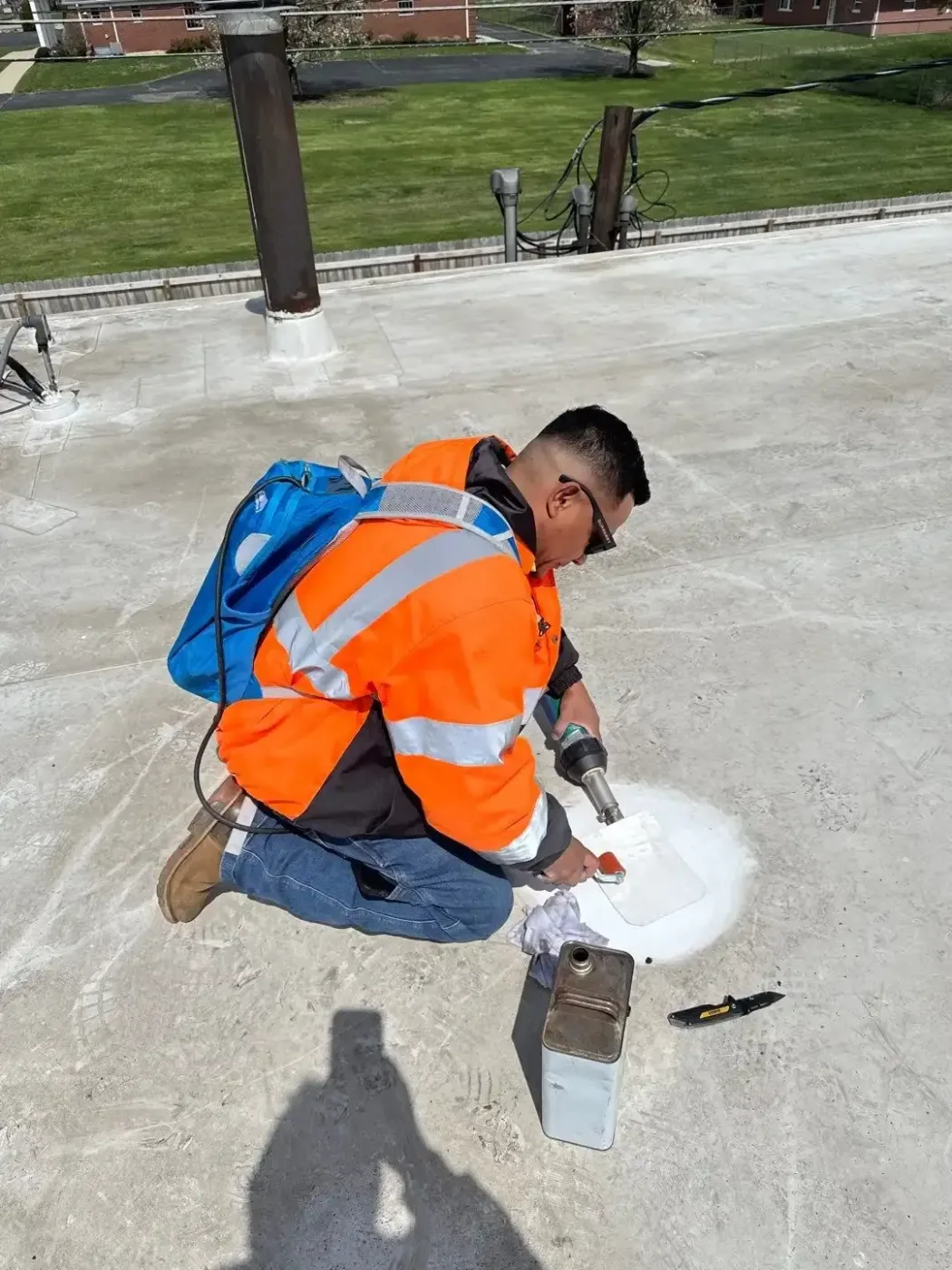
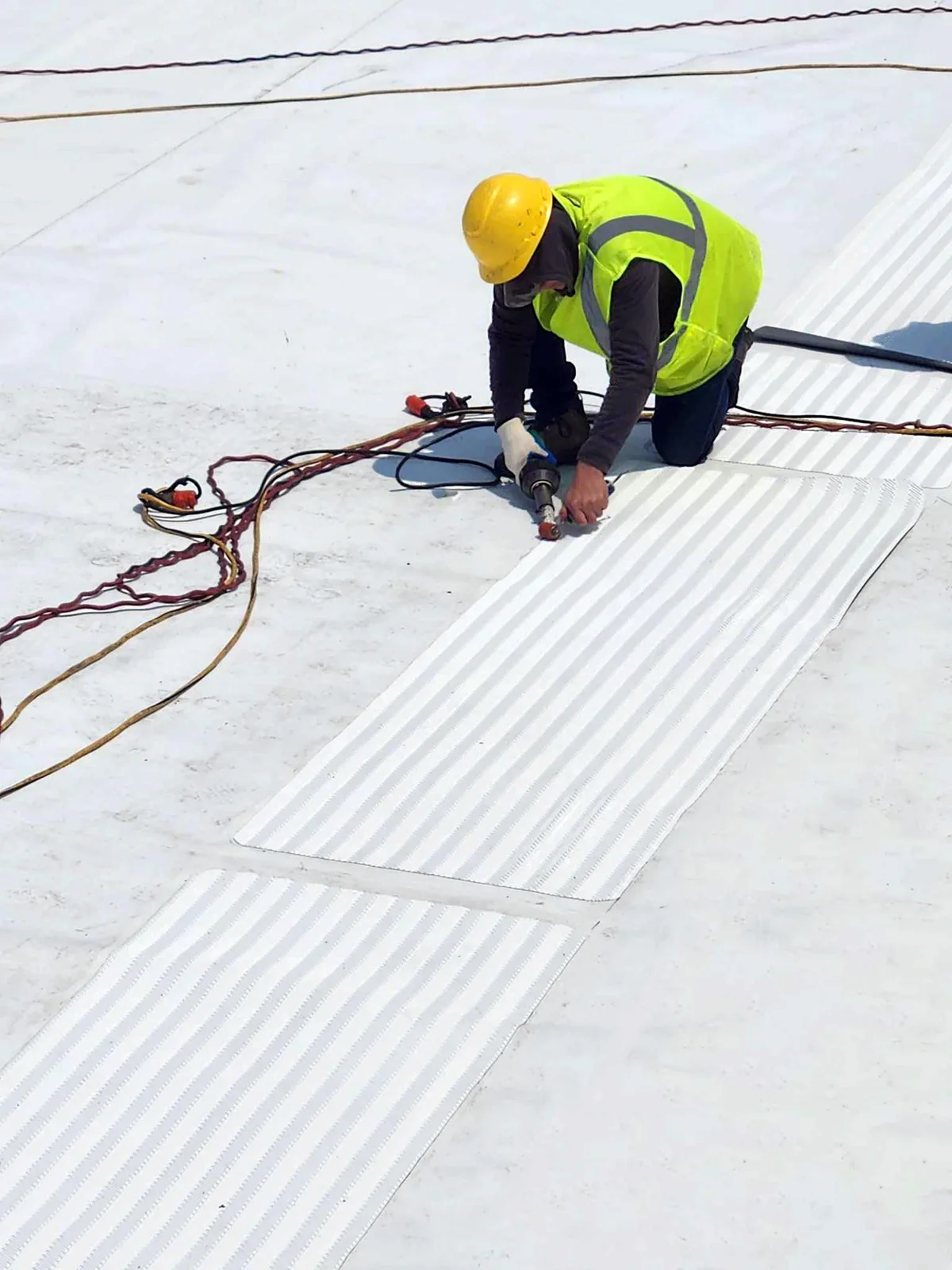
Water above a working assembly area in Signal Hill needs protection that keeps people and equipment clear of the affected zone. We establish safe roof access, locate the nearest openings and drainage, and identify what can be repaired without disrupting unrelated operations. Commercial Roofers Huntington Beach provides commercial roof inspections, repairs, restoration, and replacement. The scope starts with the reported condition and the work window available at that building.
Signal Hill's land-use designations include office, commercial, and several industrial uses. Manufacturing, warehousing, research, distribution, and service activity can have different interruption limits. We confirm the operation directly below the roof defect rather than assign one shutdown plan across the city. Service from Huntington Beach, CA can include a focused investigation or a phased larger project once the roof assembly and access needs are established.
Which operating zone sits below the defect?
A ceiling report near a loading area gives the inspection a starting position, but the protected interior zone must follow the actual water spread. We ask the site contact to identify active electrical equipment, stored material, and routes that must remain open. Where a room cannot safely remain occupied, the manager coordinates isolation before roof work above it. We then mark the corresponding roof area for examination without opening a larger section unnecessarily.
Signal Hill's commercial and industrial areas extend along Willow Street, Cherry Avenue, Spring Street, and Atlantic Avenue. Those arterial settings make the building's delivery entrance and staging position useful details to establish before material arrives. We coordinate the roof access window with the operation that uses that entrance. A roof project over manufacturing space may require a separate work sequence from an office section within the same property.
Has equipment movement opened a flashing connection?
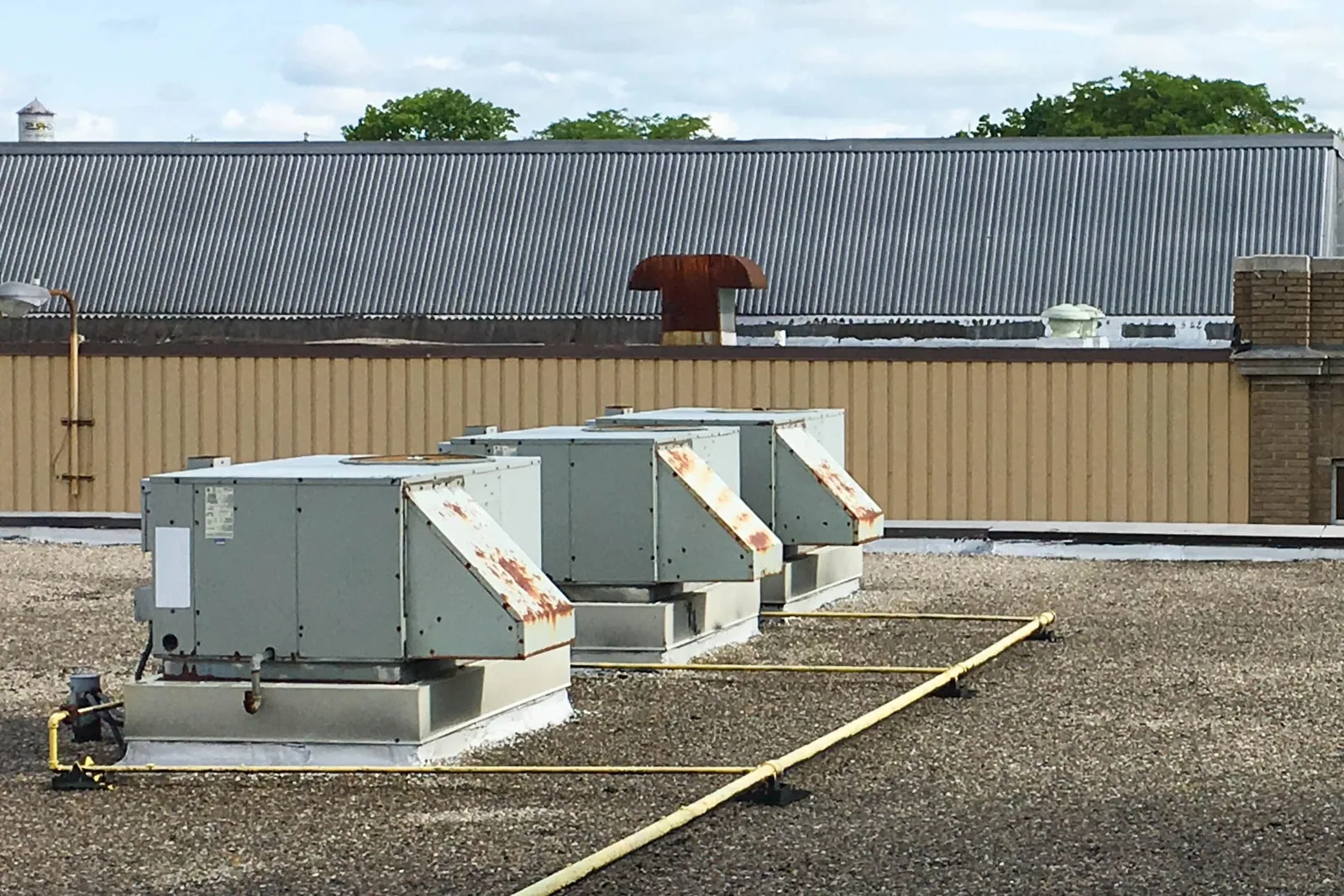
A rocking pipe support can rub through the membrane while the surrounding sheet remains sound. We inspect support pads, equipment curbs, conduit crossings, and service paths for displaced components or fresh abrasion. The roofing correction addresses the opening, while the equipment trade corrects the movement that created it. Finishing the membrane before that movement is resolved can leave the repaired area exposed to the same contact again.
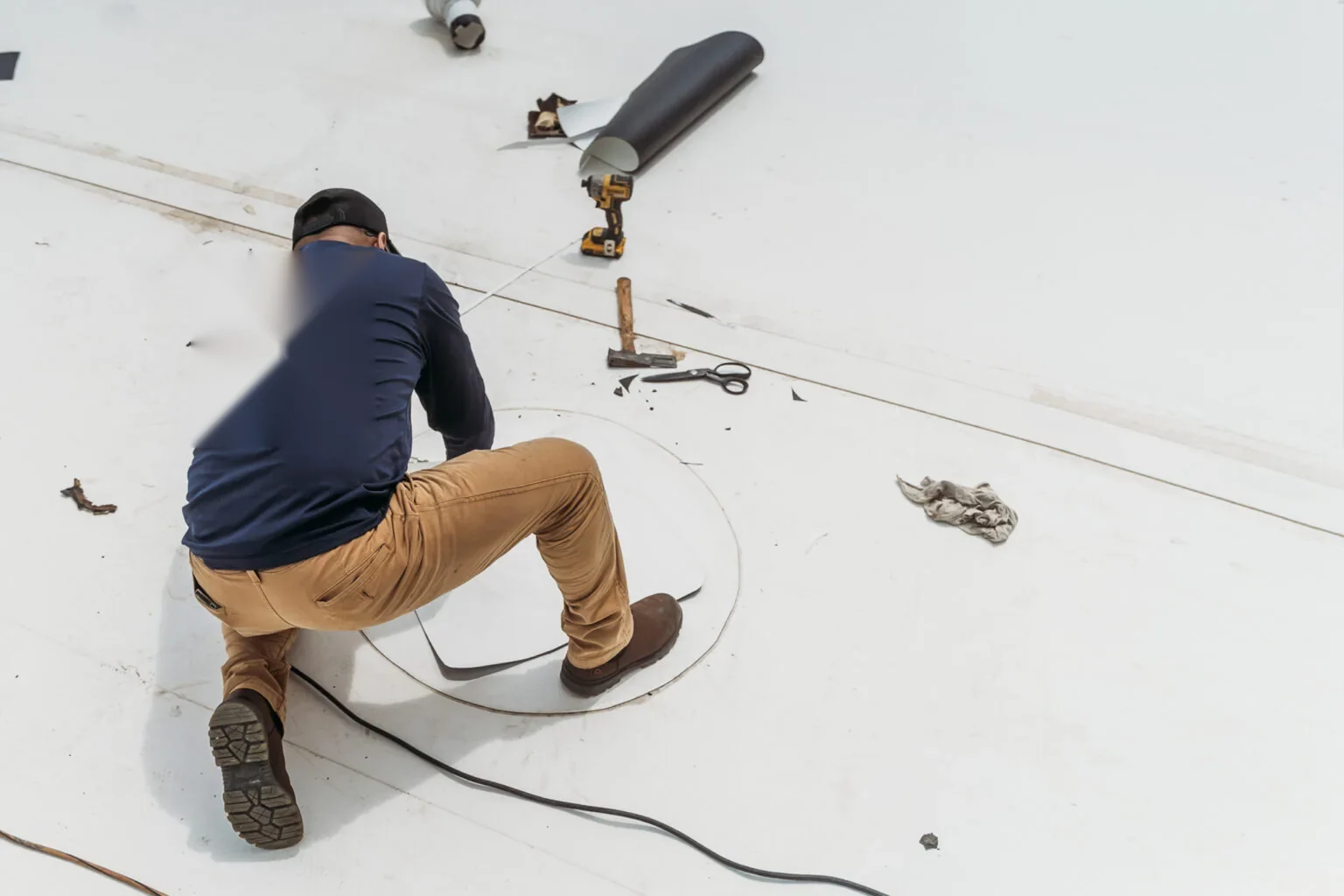
At a curb, we check the vertical flashing, corners, top termination, and counterflashing. Water can enter behind a loose top connection and travel beneath the field membrane. The equipment curb repair scope identifies which connection we restore and which equipment task needs coordination. We allow room for service access and use compatible materials after the receiver has been prepared, rather than spread sealant across several unrelated surfaces.
Does the wet area extend past the visible failure?
A darkened insulation layer found during a controlled opening can change the proposed repair limit. We inspect the surrounding assembly and confirm moisture where retaining it would affect the roof's service. Infrared work can identify useful screening patterns under suitable conditions, but confirmation establishes the material condition. The owner receives a defined removal area and the reason it must extend beyond the visible seam or puncture.
For dry, firmly attached material, localized repair may preserve the rest of the roof. Repeated openings or broader deterioration require a comparison of continued repair with more extensive renewal. We assess compatibility before proposing a restorative roof coating, and check the retained assembly before a recover. Saturated insulation or unreliable attachment can favor removal. The recommendation states how drainage and flashing will be corrected in the selected option.
Will the next rain find a clear route?
A drain bowl receiving debris from an adjacent service path can become restricted even when the membrane is intact. We follow the slope toward each accessible outlet and inspect strainers, clamping connections, and secondary relief. Sediment lines help identify water retained after the roof dries. Cleaning solves a blockage; a depressed plane or failed drain flange needs a different correction. We distinguish those findings so the owner does not approve cleaning in place of necessary repair.
The nearby Newport Beach Harbor record shows precipitation concentrated in winter and nearly absent in summer. That coastal reference supports advance drainage maintenance, with conditions at the Signal Hill property determining the work date. A scheduled drainage and detail check can also follow equipment service that disturbed supports or dropped debris. We leave the route open and document any low area requiring another decision before rain returns.
Can separate Signal Hill properties share a roof work plan?
An office roof and a light-manufacturing roof can be assessed under one management program while keeping separate removal and access decisions. We identify each building's assembly, occupied zones, and condition priorities. Work in the Central Commercial-Industrial Area or Signal Hill Light Industrial Area starts with that individual inspection. The local land-use designation helps explain operations, while the actual roof determines materials and repair extent.
Shared procurement can coordinate deliveries and owner approvals, but the daily dry-in boundary remains specific to each building. Roof height, equipment density, wet removal, and protected interior space change labor and timing. California's current energy standards may affect covered nonresidential alterations, so any larger replacement should resolve applicable material and insulation decisions before ordering. We return a proposal describing those tasks and the operating limits that shape the sequence.
What should happen after the roof is closed?
A completed repair needs inspection at its seams and transitions before equipment traffic returns. We photograph the detail in context, identify the material used, and record unresolved work by other trades. If a unit was moved, its support and surrounding membrane are checked after reinstallation. The repair file should show both the corrected opening and any nearby finding still scheduled for attention.
Water entry outside normal operating hours can still require response; our urgent service runs through nights, weekends, and holidays. Temporary protection receives a permanent follow-up scope once conditions permit. For completed work, a return check compares the same roof position with later interior reports. Keeping the room location and equipment changes with the original finding helps establish whether a new symptom belongs to the repaired detail or another area.
During planned renewal, the final walkthrough also checks removed debris, service access, and clear outlets. A clean membrane field can still have an obstructed drain beside it. We review those practical details with the site contact before turning the area back to normal use.
Commercial Roofing Questions
Can an assembly operation continue outside the protected roof zone?
Separation depends on the interior hazard, removal method, and safe travel routes. We identify the affected area with the site contact and plan work in sections that can be secured. If dust, overhead access, or exposed electrical equipment affects adjoining space, the operating boundary must expand before work begins.
Why inspect equipment supports during a membrane repair?
Moving supports can create new abrasion or reopen a patched position. We check contact points and coordinate the underlying equipment correction where needed. Restoring the membrane after support movement is addressed gives the repair a stable detail and preserves a usable service route.
How do you compare a coating with removing wet material?
Coating eligibility requires a sound, suitable receiver and correction of existing defects. Confirmation checks identify wet layers that need removal before restoration is considered. We compare the preparation and removal actually required rather than treating a coating as a cover for concealed moisture.
What helps schedule repairs across several Signal Hill buildings?
Current roof plans, each building's access contact, and its operating restrictions let us group compatible tasks. We retain separate condition maps and approval limits. A difficult curb or wet section at one building should not obscure a smaller repair that can be completed at another.

Proudly Serving Huntington Beach and Nearby Cities

Commercial Roofers Huntington Beach
Huntington Beach, Westminster, Seal Beach, Fountain Valley,
Garden Grove, Newport Beach and nearby Orange County cities